Q761.Pick the correct options from below.
28, 124, 344, ? , 1332, 2196
नीचे दिए गए विकल्पों में से सही विकल्प चुनिए।
28, 124, 344, ? , 1332, 2196
- A416
- B711
- C728
- D619
Show answer
Concept: Fast-growing terms near 27, 125, 343… suggest cubes of odd numbers.
- , , .
- Next: 728.
- Check: , ✔.
Trick: Know cubes up to 15: 729, 1331, 2197 make such series instant.
Answer: (C) 728
अवधारणा: तेज़ी से बढ़ती संख्याएँ जो 27, 125, 343 के पास हों → विषम संख्याओं के घन।
हल:
- , , ।
- अगला: 728।
- जाँच: , ✔।
ट्रिक: 15 तक के घन याद रखें: 729, 1331, 2197।
उत्तर: (C) 728
SSC CHSLGeneral IntelligenceNumber series – cubes ± 1SSC CHSL 2025 · 19 Nov Shift 3
Q762.A highly skilled employee often interrupts others and dismisses their ideas during meetings. What is the most appropriate managerial response?
एक अत्यंत कुशल कर्मचारी बैठकों में प्रायः दूसरों को बीच में टोकता है और उनके विचारों को अस्वीकार कर देता है। प्रबंधक की सर्वाधिक उपयुक्त प्रतिक्रिया क्या होनी चाहिए?
- AOverlook the behavior because of their strong performanceउनके उत्कृष्ट प्रदर्शन के कारण इस व्यवहार की अनदेखी करना
- BPublicly criticize them during a meetingबैठक के दौरान सार्वजनिक रूप से उनकी आलोचना करना
- CAddress the behavior privately, set clear expectations, and monitor improvementव्यक्तिगत रूप से इस व्यवहार पर बात करना, स्पष्ट अपेक्षाएँ निर्धारित करना और सुधार की निगरानी करना
- DRemove them from important projects immediatelyउन्हें तुरंत महत्त्वपूर्ण परियोजनाओं से हटा देना
Show answer
Concept: Correct the behaviour, keep the talent, protect dignity.
- A private talk avoids humiliation; clear expectations say exactly what must change.
- Monitoring ensures the improvement lasts.
- Ignoring (A) rewards rudeness, public criticism (B) embarrasses, sudden removal (D) punishes without warning.
Trick: Management answers usually follow 'private feedback → clear goals → follow-up'.
Answer: (C) Address the behavior privately, set clear expectations, and monitor improvement
अवधारणा: व्यवहार सुधारें, प्रतिभा बचाएँ, सम्मान बनाए रखें।
हल:
- अकेले में बात करने से अपमान नहीं होता; स्पष्ट अपेक्षाएँ बताती हैं क्या बदलना है।
- निगरानी से सुधार टिकता है।
- (A) अनदेखी से बदतमीज़ी बढ़ेगी, (B) सबके सामने आलोचना, (D) बिना चेतावनी सज़ा।
ट्रिक: प्रबंधन प्रश्नों में क्रम: अकेले में फीडबैक → स्पष्ट लक्ष्य → फॉलो-अप।
उत्तर: (C) व्यक्तिगत रूप से इस व्यवहार पर बात करना, स्पष्ट अपेक्षाएँ निर्धारित करना और सुधार की निगरानी करना
SSC CHSLGeneral IntelligenceSituational judgement – managing behaviourSSC CHSL 2025 · 19 Nov Shift 3
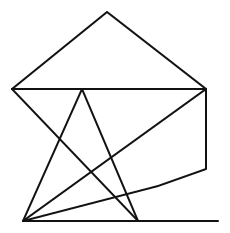
Q763.From the given option figures, select the one in which the question figure is hidden/embedded. (Rotation is not allowed)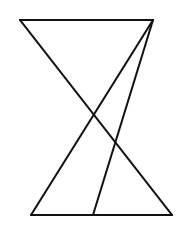
दी गई विकल्प आकृतियों में से उस आकृति का चयन कीजिए जिसमें प्रश्न आकृति छिपी/निहित है। (घुमाना मान्य नहीं है) - A
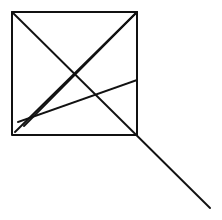
- B
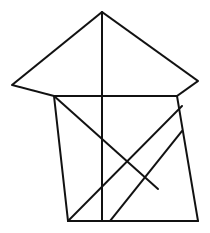
- C
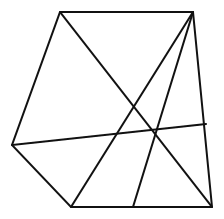
- D
Show answer
Concept: Find the exact question figure (same size, same direction) inside an option.
- Note the key parts: a short top line, a longer bottom line, two crossing slants (bow-tie) and one slant from the top-right end to the middle of the bottom line.
- Rotation is not allowed, so this orientation must appear unchanged.
- Only option (C) contains all these lines in the same position.
Trick: Track the most unusual line (here the extra slant from the top-right) – it eliminates options fastest.
Answer: (C)
अवधारणा: प्रश्न-आकृति को उसी आकार और दिशा में किसी विकल्प के अंदर ढूँढें।
हल:
- मुख्य भाग: ऊपर छोटी रेखा, नीचे लंबी रेखा, दो कटती तिरछी रेखाएँ और ऊपर-दाएँ सिरे से नीचे की रेखा के मध्य तक एक तिरछी रेखा।
- घुमाना मना है, इसलिए दिशा वही रहनी चाहिए।
- ये सभी रेखाएँ उसी स्थिति में केवल (C) में हैं।
ट्रिक: सबसे अनोखी रेखा पकड़ें – उससे विकल्प जल्दी हटते हैं।
उत्तर: (C)
SSC CHSLGeneral IntelligenceEmbedded figureSSC CHSL 2025 · 19 Nov Shift 3
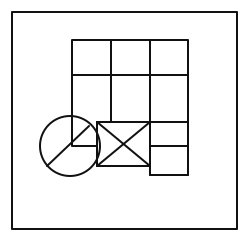
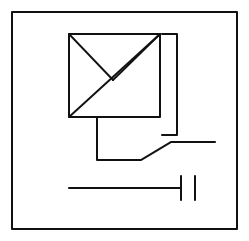
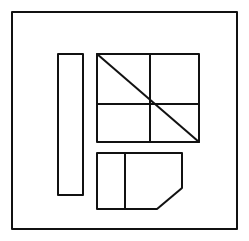
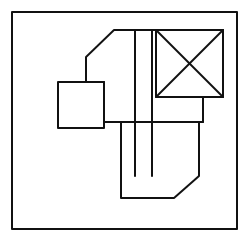
Q764.From the given option figures, select the one in which the question figure is hidden/embedded. (Rotation is not allowed)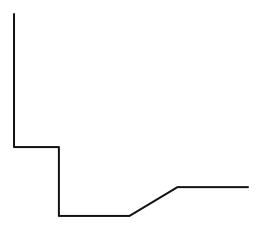
दी गई विकल्प आकृतियों में से उस आकृति का चयन कीजिए जिसमें प्रश्न आकृति छिपी/निहित है। (घुमाना मान्य नहीं है) - A
- B
- C
- D
Show answer
Concept: Trace the question figure's chain of strokes inside each option without rotating.
- The figure is an open zig-zag: tall vertical, short step, shorter vertical, horizontal, short upward slant, final horizontal.
- The short slant flanked by two horizontals is the rarest part – look for it first.
- Only option (B) holds the whole chain in the same direction.
Trick: Search for the rare stroke (the slant) first, then confirm the rest around it.
Answer: (B)
अवधारणा: बिना घुमाए प्रश्न-आकृति की रेखाओं की श्रृंखला विकल्पों में ढूँढें।
हल:
- आकृति: ऊँची खड़ी रेखा, छोटा कदम, छोटी खड़ी रेखा, क्षैतिज रेखा, छोटी तिरछी रेखा, फिर क्षैतिज रेखा।
- दो क्षैतिज रेखाओं के बीच छोटी तिरछी रेखा सबसे अलग हिस्सा है।
- पूरी श्रृंखला उसी दिशा में केवल (B) में है।
ट्रिक: पहले दुर्लभ हिस्सा (तिरछी रेखा) ढूँढें, फिर बाकी मिलाएँ।
उत्तर: (B)
SSC CHSLGeneral IntelligenceEmbedded figureSSC CHSL 2025 · 19 Nov Shift 3
Q765.In the following question, select the number which can be placed at the sign of question mark (?) from the given alternatives. निम्नलिखित प्रश्न में, दिए गए विकल्पों में से वह संख्या चुनिए जिसे प्रश्नवाचक चिह्न (?) के स्थान पर रखा जा सकता है। - A4
- B6
- C5
- D3
Show answer
Concept: Relate the first three numbers of a row to the last one.
- Row 1: ✔.
- Row 2: ✔.
- Row 3: 5.
Trick: 57, 48, 51 are all multiples of 3 – a strong hint that the rule is 'sum × 3'.
Answer: (C) 5
अवधारणा: पंक्ति की पहली तीन संख्याओं का संबंध अंतिम संख्या से खोजें।
हल:
- पंक्ति 1: ✔।
- पंक्ति 2: ✔।
- पंक्ति 3: 5।
ट्रिक: 57, 48, 51 – सब 3 के गुणज हैं, यानी नियम 'योग × 3'।
उत्तर: (C) 5
SSC CHSLGeneral IntelligenceMissing number – row ruleSSC CHSL 2025 · 19 Nov Shift 3
Q766.How many triangles are there in the given figure?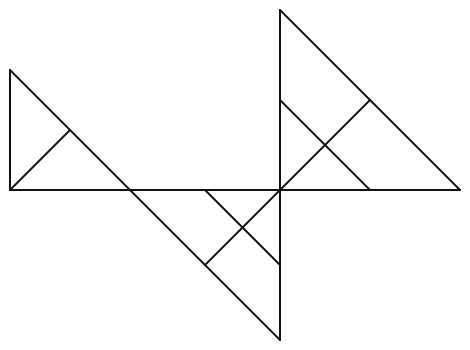
दी गई आकृति में कितने त्रिभुज हैं? - A15
- B14
- C17
- D16
Show answer
Concept: Break the figure into its three right triangles and count each part.
- Left triangle with one line from the right angle to the hypotenuse: 2 small + 1 whole = 3.
- Top-right triangle with two inner lines crossing: whole 1 + two halves 2 + one cut-off triangle 1 + two tiny ones 2 = 6.
- Bottom triangle has the same two crossing lines → 6.
- Total = 3 + 6 + 6 = 15.
Trick: When two parts are drawn alike, count one and double it – saves time and errors.
Answer: (A) 15
अवधारणा: आकृति को तीन समकोण त्रिभुजों में बाँटकर अलग-अलग गिनें।
हल:
- बायाँ त्रिभुज (एक रेखा के साथ): 2 छोटे + 1 पूरा = 3।
- ऊपर-दायाँ त्रिभुज (दो कटती रेखाएँ): पूरा 1 + दो आधे 2 + एक कटा हुआ 1 + दो बहुत छोटे 2 = 6।
- नीचे वाला त्रिभुज भी वैसा ही → 6।
- कुल = 3 + 6 + 6 = 15।
ट्रिक: एक जैसे दो हिस्से हों तो एक गिनकर दोगुना करें।
उत्तर: (A) 15
SSC CHSLGeneral IntelligenceCounting trianglesSSC CHSL 2025 · 19 Nov Shift 3
Q767.In the figure given below the triangle represents keys, the circle represents baskets and the rectangle represents drawer. The number in each area represents the number of the items in that area.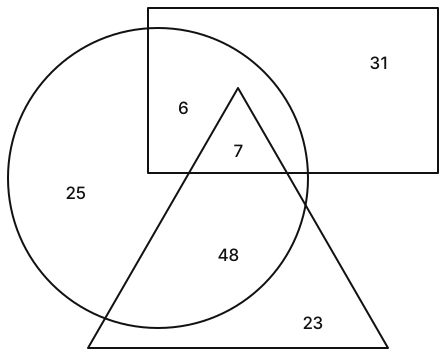
How many baskets are keys?
नीचे दी गई आकृति में त्रिभुज चाबियों को, वृत्त टोकरियों को तथा आयत दराज़ को निरूपित करता है। प्रत्येक क्षेत्र में लिखी संख्या उस क्षेत्र की वस्तुओं की संख्या दर्शाती है।कितनी टोकरियाँ चाबियाँ हैं?
- A9
- B50
- C55
- D25
Show answer
Concept: 'Baskets that are keys' = region common to circle and triangle (rectangle may or may not include).
- Circle ∩ triangle inside the rectangle = 7.
- Circle ∩ triangle outside the rectangle = 48.
- Total = 7 + 48 = 55.
Trick: Unless the question says 'only' or 'not drawer', include every piece of the overlap.
Answer: (C) 55
अवधारणा: 'Baskets जो keys हैं' = वृत्त और त्रिभुज का साझा भाग (आयत में हो या न हो)।
हल:
- वृत्त ∩ त्रिभुज, आयत के अंदर = 7।
- वृत्त ∩ त्रिभुज, आयत के बाहर = 48।
- कुल = 7 + 48 = 55।
ट्रिक: जब तक 'only' न लिखा हो, साझा क्षेत्र के सभी टुकड़े जोड़ें।
उत्तर: (C) 55
SSC CHSLGeneral IntelligenceVenn diagram – reading regionsSSC CHSL 2025 · 19 Nov Shift 3
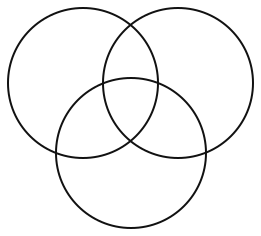
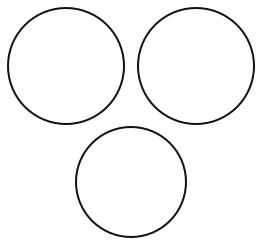
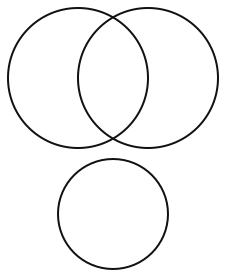
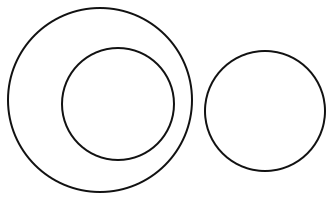
Q768.Identify the diagram that best represents the relationship among the given classes.
Fathers, Uncles, Aunts
उस आरेख की पहचान कीजिए जो दिए गए वर्गों के बीच के संबंध को सर्वोत्तम रूप से निरूपित करता है।
पिता, चाचा, चाची
- A
- B
- C
- D
Show answer
Concept: Decide which classes overlap and which are separate.
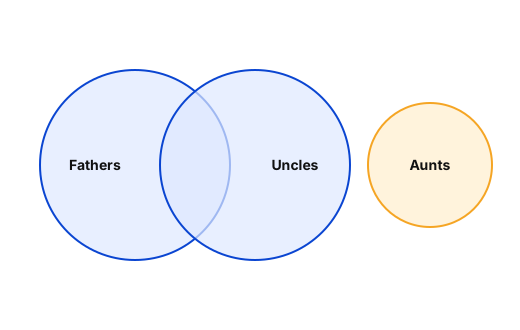
- A man can be a father and also an uncle → Fathers and Uncles partly overlap.
- Aunts are women → no common member with fathers or uncles → separate circle.
- Diagram: two intersecting circles + one separate circle = option (C).
Trick: First check gender: male and female relations can never overlap.
Answer: (C)
अवधारणा: तय करें कौन-से वर्ग आपस में मिलते हैं और कौन अलग हैं।
हल:
- एक पुरुष पिता भी हो सकता है और चाचा/मामा भी → Fathers और Uncles आंशिक रूप से मिलते हैं।
- Aunts महिलाएँ हैं → पिता/चाचा से कोई साझा सदस्य नहीं → अलग वृत्त।
- आरेख: दो कटते वृत्त + एक अलग वृत्त = (C)।
ट्रिक: पहले लिंग देखें – पुरुष और महिला संबंध कभी overlap नहीं करते।
उत्तर: (C)
SSC CHSLGeneral IntelligenceVenn diagram – classesSSC CHSL 2025 · 19 Nov Shift 3
Q769.5 persons P, Q, R, S and T are sitting around a circular table facing towards the centre (not necessarily in the same order). Q is sitting second to the right of S. P is sitting second to the right of Q . R is not an immediate neighbour of . Who is second to the left of ?
5 व्यक्ति P, Q, R, S और T एक वृत्ताकार मेज़ के चारों ओर केंद्र की ओर मुख करके बैठे हैं (आवश्यक नहीं कि इसी क्रम में)। Q, S के दाईं ओर दूसरे स्थान पर बैठा है। P, Q के दाईं ओर दूसरे स्थान पर बैठा है। R, का निकटतम पड़ोसी नहीं है। के बाईं ओर दूसरे स्थान पर कौन है?
- AT
- BQ
- CR
- DS
Show answer
Concept: Facing the centre: right = anticlockwise, left = clockwise.
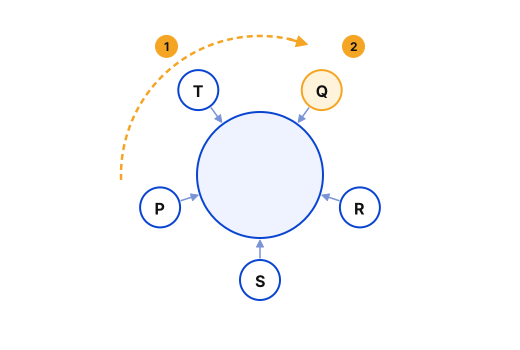
- Fix S; two seats anticlockwise (to S's right) = Q; two more = P.
- Remaining seats: one next to P and one not. R cannot be beside P → R takes the other seat, T sits next to P.
- Order clockwise from P: T, Q … so second to the left of P = Q.
Trick: In a 5-seat circle, 'second to the right' twice brings you back next to the start – so P sits beside S.
Answer: (B) Q
अवधारणा: केंद्र की ओर मुख: दायाँ = वामावर्त (anticlockwise), बायाँ = दक्षिणावर्त (clockwise)।
हल:
- S को रखें; उसके दाएँ दूसरा = Q; Q के दाएँ दूसरा = P।
- बची सीटें: एक P के बगल में, एक नहीं। R, P का पड़ोसी नहीं → T, P के बगल में बैठेगा।
- P से clockwise दो कदम = Q।
ट्रिक: 5 सीटों में 'दाएँ दूसरा' दो बार करने पर P, S के ठीक बगल में आता है।
उत्तर: (B) Q
SSC CHSLGeneral IntelligenceCircular seating – facing centreSSC CHSL 2025 · 19 Nov Shift 3
Q770.Which option figure will complete the pattern in the question figure? (Rotation is not allowed)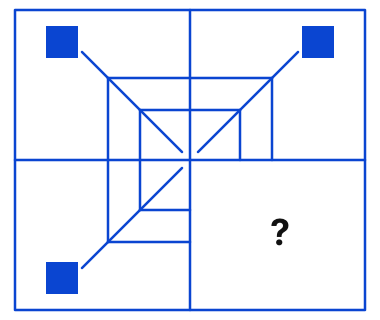
कौन-सी विकल्प आकृति प्रश्न आकृति के पैटर्न को पूरा करेगी? (घुमाने की अनुमति नहीं है) - A
- B
- C
- D
Show answer
Concept: The four quarters show the same design turned by 90° each time.
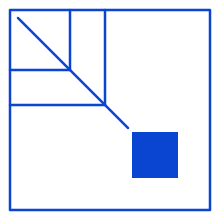
- Each quarter has a black square near its outer corner, a slant from it to the centre and two step-lines touching that slant.
- The step-lines always start on the two inner dividing lines of the quarter.
- The missing bottom-right quarter must have its slant from the centre down to a black square near the outer corner – option (A).
Trick: In 4-part rotating patterns, compare the missing quarter with the diagonally opposite one – it is usually its 180° turn.
Answer: (A)
अवधारणा: चारों भाग एक ही डिज़ाइन हैं, हर बार 90° घूमे हुए।
हल:
- हर भाग में बाहरी कोने के पास काला वर्ग, उससे केंद्र तक तिरछी रेखा और उस रेखा को छूती दो सीढ़ीनुमा रेखाएँ हैं।
- सीढ़ी रेखाएँ हमेशा भीतरी विभाजक रेखाओं से शुरू होती हैं।
- नीचे-दाएँ खाली भाग में केंद्र से बाहरी कोने के काले वर्ग तक तिरछी रेखा चाहिए – विकल्प (A)।
ट्रिक: खाली भाग की तुलना सामने वाले विकर्ण भाग से करें – वह प्रायः उसका 180° घुमाव होता है।
उत्तर: (A)
SSC CHSLGeneral IntelligencePattern completionSSC CHSL 2025 · 19 Nov Shift 3
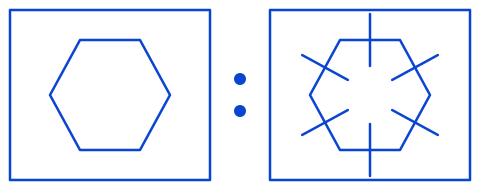
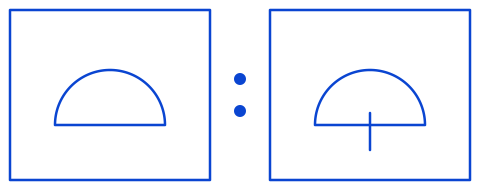
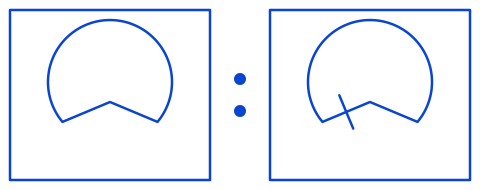
Q771.In the following question, in each option a pair of figures is given. In each pair the figure towards the left of (:) is related by some logic/rule/relation with the figure on the right of (:). Select the odd figure pair from the given alternatives.
निम्नलिखित प्रश्न में, प्रत्येक विकल्प में आकृतियों का एक युग्म दिया गया है। प्रत्येक युग्म में (:) के बाईं ओर की आकृति, (:) के दाईं ओर की आकृति से किसी तर्क/नियम/संबंध द्वारा संबंधित है। दिए गए विकल्पों में से भिन्न आकृति युग्म का चयन कीजिए।
- A
- B
- C
- D
Show answer
Concept: Find the rule linking the two figures in most pairs.
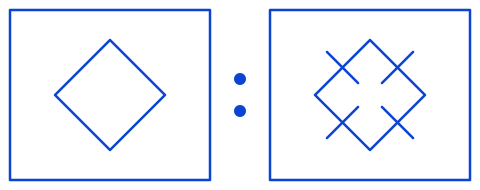
- Rule: on the second figure, a short outward mark is added at the middle of every straight edge.
- Rhombus → 4 marks, hexagon → 6, D-shape (1 straight edge) → 1 – all follow it.
- In (D) the V-shape has 2 straight edges but gets only one mark, and it points inward – odd pair.
Trick: Count straight edges vs marks in each pair – the mismatch shows the odd one.
Answer: (D)
अवधारणा: अधिकांश युग्मों में दोनों आकृतियों का नियम खोजें।
हल:
- नियम: दूसरी आकृति में हर सीधी भुजा के मध्य पर बाहर की ओर छोटी रेखा जुड़ती है।
- समचतुर्भुज → 4, षट्भुज → 6, D-आकार (1 सीधी भुजा) → 1 – सब नियम मानते हैं।
- (D) में V-आकार की 2 सीधी भुजाएँ हैं पर निशान केवल 1 और वह भी अंदर की ओर – यही विषम।
ट्रिक: हर युग्म में सीधी भुजाएँ और निशान गिनें – जहाँ मेल न हो वही उत्तर।
उत्तर: (D)
SSC CHSLGeneral IntelligenceOdd figure pairSSC CHSL 2025 · 19 Nov Shift 3
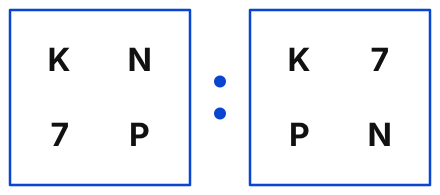
Q772.In the following question, in each option a pair of figures is given. In each pair the figure towards the left of (:) is related by some logic/rule/relation with the figure on the right of (:). Select the odd figure pair from the given alternatives.
निम्नलिखित प्रश्न में, प्रत्येक विकल्प में आकृतियों का एक युग्म दिया गया है। प्रत्येक युग्म में (:) के बाईं ओर की आकृति, (:) के दाईं ओर की आकृति से किसी तर्क/नियम/संबंध द्वारा संबंधित है। दिए गए विकल्पों में से भिन्न आकृति युग्म का चयन कीजिए।
- A
- B
- C
- D
Show answer
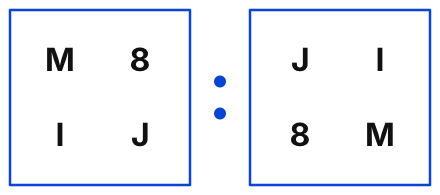
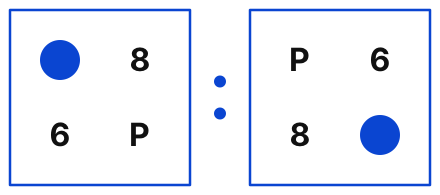
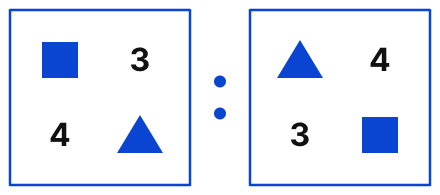
Concept: Track where each corner element moves from the first box to the second.
- In (B), (C), (D) every element goes to the diagonally opposite corner (top-left ↔ bottom-right, top-right ↔ bottom-left).
- In (A) the letter K stays in the top-left corner – it has not moved.
- So (A) breaks the rule.
Trick: Follow just one element per pair; the pair where it lands in the 'wrong' corner is odd.
Answer: (A)
अवधारणा: पहले खाने से दूसरे खाने में हर कोने का तत्व कहाँ गया, देखें।
हल:
- (B), (C), (D) में हर तत्व विकर्ण के सामने वाले कोने में गया।
- (A) में K ऊपर-बाएँ कोने में ही रह गया – वह हिला ही नहीं।
- इसलिए (A) नियम तोड़ता है।
ट्रिक: हर युग्म में सिर्फ एक तत्व का पीछा करें – जिसमें वह गलत कोने पहुँचे वही विषम।
उत्तर: (A)
SSC CHSLGeneral IntelligenceOdd figure pair – diagonal swapSSC CHSL 2025 · 19 Nov Shift 3
Q773.In the following figure series, select the figure which can be placed at the sign of question mark (?) from the given alternatives.
निम्नलिखित आकृति शृंखला में, दिए गए विकल्पों में से उस आकृति का चयन कीजिए जिसे प्रश्नवाचक चिह्न (?) के स्थान पर रखा जा सकता है। - A

- B

- C

- D

Show answer
Concept: Check both the number of ovals and their shading pattern.
- Ovals: 2, 3, 5, 7 → after the 2nd figure +2 each time → next = 9.
- Shading alternates dark, light, dark… starting dark, so 9 ovals begin and end dark.
- Only (B) has 9 ovals with this alternation; (A) and (C) have 8, (D) breaks the alternation.
Trick: Fix the count first – it removes most options before you check shading.
Answer: (B)
अवधारणा: अंडाकारों की संख्या और छायांकन दोनों जाँचें।
हल:
- संख्या: 2, 3, 5, 7 → दूसरी आकृति के बाद हर बार +2 → अगली = 9।
- छायांकन गहरा-हल्का बारी-बारी, गहरे से शुरू → 9 हों तो शुरू और अंत दोनों गहरे।
- यह केवल (B) में है; (A), (C) में 8 हैं, (D) में क्रम टूटा है।
ट्रिक: पहले संख्या पक्की करें – ज़्यादातर विकल्प वहीं हट जाते हैं।
उत्तर: (B)
SSC CHSLGeneral IntelligenceFigure series – count and shadingSSC CHSL 2025 · 19 Nov Shift 3
Q774.In a certain coded language 'QSBN' is coded as 'LMWH' and 'EFOZ' is coded as 'ZZJT'. How will 'IBUT' be coded in the same code language?
एक निश्चित कूट भाषा में 'QSBN' को 'LMWH' के रूप में तथा 'EFOZ' को 'ZZJT' के रूप में कूटबद्ध किया जाता है। उसी कूट भाषा में 'IBUT' को किस प्रकार कूटबद्ध किया जाएगा?
- ADVPN
- BFWOM
- CCUQO
- DDVQP
Show answer
Concept: Find the shift for each position and apply it.
- QSBN → LMWH: 1st and 3rd letters go back 5, 2nd and 4th go back 6 (wrap Z after A).
- EFOZ → ZZJT also fits this −5, −6, −5, −6 rule ✔.
- Apply to IBUT (9, 2, 21, 20): 9−5 = 4 (D), 2−6 → 22 (V), 21−5 = 16 (P), 20−6 = 14 (N) → DVPN.
Trick: Only first letter needed: I − 5 = D leaves (A) and (D); second-last U − 5 = P vs Q → DVPN.
Answer: (A) DVPN
अवधारणा: हर स्थान का खिसकाव निकालकर लागू करें।
हल:
- QSBN → LMWH: पहला व तीसरा अक्षर 5 पीछे, दूसरा व चौथा 6 पीछे (A के बाद Z पर लौटें)।
- EFOZ → ZZJT भी इसी −5, −6, −5, −6 नियम से बनता है ✔।
- IBUT (9, 2, 21, 20) पर: 9−5 = 4 (D), 2−6 → 22 (V), 21−5 = 16 (P), 20−6 = 14 (N) → DVPN।
ट्रिक: I − 5 = D से (A) और (D) बचते हैं; U − 5 = P (Q नहीं) → DVPN।
उत्तर: (A) DVPN
SSC CHSLGeneral IntelligenceCoding – backward letter shiftsSSC CHSL 2025 · 19 Nov Shift 3
Q775.From the given alternatives, select the word that CANNOT be formed by using the letters of the given word. EARTHQUAKES
दिए गए विकल्पों में से उस शब्द का चयन कीजिए जिसे दिए गए शब्द के अक्षरों का प्रयोग करके नहीं बनाया जा सकता। EARTHQUAKES
- AEARTH
- BSEEK
- CRATHER
- DHEAR
Show answer
Concept: A word can be formed only if every letter is available in the needed number.
- EARTHQUAKES: E ×2, A ×2, R ×1, T, H, Q, U, K, S ×1 each.
- EARTH, HEAR, SEEK – all letters available.
- RATHER needs R twice, but only one R exists → cannot be formed.
Trick: Look first for doubled letters in the options and check them against the given word.
Answer: (C) RATHER
अवधारणा: शब्द तभी बनेगा जब हर अक्षर आवश्यक संख्या में मौजूद हो।
हल:
- EARTHQUAKES: E ×2, A ×2, R ×1, बाकी एक-एक।
- EARTH, HEAR, SEEK – सभी अक्षर उपलब्ध।
- RATHER में R दो बार चाहिए, पर R केवल एक है → नहीं बन सकता।
ट्रिक: विकल्पों में दोहराए गए अक्षर पहले जाँचें।
उत्तर: (C) RATHER
SSC CHSLGeneral IntelligenceWord formation – letter countSSC CHSL 2025 · 19 Nov Shift 3
Q776.If in a certain coding system, PEN is coded as 112213, INK as 181316, then how will BOOK be coded following this numerical coding pattern?
यदि किसी निश्चित कूट प्रणाली में PEN को 112213 तथा INK को 181316 लिखा जाता है, तो इसी संख्यात्मक कूट पैटर्न के अनुसार BOOK को किस प्रकार लिखा जाएगा?
- A25121216
- B24131216
- C25121418
- D25161615
Show answer
Concept: Each letter is written as the position of its opposite letter (27 − position).
- PEN = positions 16, 5, 14 → opposites 11, 22, 13 ⇒ 112213 ✔
- INK = positions 9, 14, 11 → opposites 18, 13, 16 ⇒ 181316 ✔
- BOOK = positions 2, 15, 15, 11 → opposites 25, 12, 12, 16 ⇒ 25121216
Trick: Opposite pairs add to 27 (A+Z = 1+26). B→25 alone matches options A, C, D; O→12 leaves only A and C; K→16 picks A.
Answer: (A) 25121216
अवधारणा: हर अक्षर को उसके विपरीत अक्षर के स्थान-मान (27 − स्थान) से लिखा गया है।
हल:
- PEN के स्थान 16, 5, 14 → विपरीत 11, 22, 13 ⇒ 112213 ✔
- INK के स्थान 9, 14, 11 → विपरीत 18, 13, 16 ⇒ 181316 ✔
- BOOK के स्थान 2, 15, 15, 11 → विपरीत 25, 12, 12, 16 ⇒ 25121216
ट्रिक: विपरीत अक्षरों का योग 27 होता है। O→12 और K→16 से तुरंत विकल्प A मिल जाता है।
उत्तर: (A) 25121216
SSC CHSLGeneral IntelligenceCoding – opposite letter positionsSSC CHSL 2025 · 19 Nov Shift 2
Q777.In a particular code language, if SCIENTIST is coded as TDJFOUJTU and BIOLOGIST is coded as CJPMPHJTU, then what is the code for GEOLOGIST ?
किसी विशेष कूट भाषा में, यदि SCIENTIST को TDJFOUJTU तथा BIOLOGIST को CJPMPHJTU लिखा जाता है, तो GEOLOGIST का कूट क्या होगा?
- AHFMP PHJTU
- BHFPM PHJTU
- CHFPM HPJTU
- DHFPM PHJUT
Show answer
Concept: Every letter is replaced by the next letter of the alphabet.
- SCIENTIST → TDJFOUJTU (each +1); BIOLOGIST → CJPMPHJTU (same).
- GEOLOGIST +1 each: GEO → HFP, LOGIST → MPHJTU ⇒ HFPMPHJTU.
Trick: 'LOGIST' is common to BIOLOGIST and GEOLOGIST, so its code 'MPHJTU' can be copied directly – only GEO→HFP is new.
Answer: (B) HFPM PHJTU
अवधारणा: हर अक्षर को वर्णमाला में उसके अगले अक्षर से बदला गया है।
हल:
- SCIENTIST → TDJFOUJTU (हर अक्षर +1); BIOLOGIST → CJPMPHJTU (वही नियम)।
- GEOLOGIST में हर अक्षर +1: GEO → HFP, LOGIST → MPHJTU ⇒ HFPMPHJTU।
ट्रिक: BIOLOGIST और GEOLOGIST में 'LOGIST' समान है – उसका कोड 'MPHJTU' सीधे उठा लें, केवल GEO→HFP निकालें।
उत्तर: (B) HFPM PHJTU
SSC CHSLGeneral IntelligenceLetter coding – +1 shiftSSC CHSL 2025 · 19 Nov Shift 2
Q778.You are the leader of a project team. There has been a serious disagreement between two senior members of the team over a technical idea, leading to increasing tension in the meeting. What would you do?
आप एक परियोजना दल के नेता हैं। दल के दो वरिष्ठ सदस्यों के बीच एक तकनीकी विचार को लेकर गंभीर मतभेद हो गया है, जिससे बैठक में तनाव बढ़ता जा रहा है। आप क्या करेंगे?
- AAsk them to sit down and resolve the matter themselves and end the meeting.उनसे कहेंगे कि वे बैठकर स्वयं ही मामला सुलझा लें और बैठक समाप्त कर देंगे।
- BEnd the dispute by taking the side of the member who is more experienced than you.जो सदस्य आपसे अधिक अनुभवी है, उसका पक्ष लेकर विवाद समाप्त कर देंगे।
- CListen patiently to the views of both, discuss their positive and negative aspects and find a middle path with the consensus of the team.दोनों के विचार धैर्यपूर्वक सुनेंगे, उनके सकारात्मक और नकारात्मक पक्षों पर चर्चा करेंगे तथा दल की सहमति से बीच का रास्ता निकालेंगे।
- DRefer the matter to your boss immediately because you do not want a dispute.विवाद नहीं चाहते, इसलिए मामला तुरंत अपने वरिष्ठ अधिकारी को सौंप देंगे।
Show answer
Concept: A good leader resolves technical disputes on merit, with team agreement.
- Hear both members, weigh pros and cons of each idea, reach a team-agreed middle path – option (C).
- (A) runs away from the problem, (B) decides by seniority not merit, (D) passes the leader's own job upward.
Trick: In leadership questions, pick the option that is fair to all, solves the issue and keeps team spirit – avoid 'escape', 'side-taking' and 'complain' options.
Answer: (C) Listen patiently to the views of both, discuss their positive and negative aspects and find a middle path with the consensus of the team.
अवधारणा: अच्छा नेता तकनीकी विवाद को गुण-दोष के आधार पर, टीम की सहमति से सुलझाता है।
हल:
- दोनों की बात धैर्य से सुनें, दोनों विचारों के गुण-दोष परखें और सहमति से बीच का रास्ता निकालें – विकल्प (C)।
- (A) समस्या से भागना, (B) गुण नहीं वरिष्ठता से फ़ैसला, (D) अपना काम बॉस पर डालना।
ट्रिक: नेतृत्व वाले प्रश्नों में वह विकल्प चुनें जो सबके साथ न्याय करे, समस्या हल करे और टीम भावना बनाए रखे।
उत्तर: (C) दोनों के विचार धैर्यपूर्वक सुनेंगे, उनके सकारात्मक और नकारात्मक पक्षों पर चर्चा करेंगे तथा दल की सहमति से बीच का रास्ता निकालेंगे।
SSC CHSLGeneral IntelligenceSituational judgement – team conflictSSC CHSL 2025 · 19 Nov Shift 2
Q779.A member of your team has been making frequent mistakes lately. You realize that he is going through personal stress. What would you do?
आपके दल का एक सदस्य हाल ही में बार-बार गलतियाँ कर रहा है। आपको ज्ञात होता है कि वह व्यक्तिगत तनाव से गुजर रहा है। आप क्या करेंगे?
- AExpose his mistakes to everyoneउसकी गलतियाँ सबके सामने उजागर करेंगे
- Bwarn him and report him immediatelyउसे चेतावनी देंगे और तुरंत उसकी शिकायत करेंगे
- CTalk personally, understand the situation and offer cooperationव्यक्तिगत रूप से बात करेंगे, स्थिति को समझेंगे और सहयोग की पेशकश करेंगे
- DRecommend his removal from the teamदल से उसे हटाने की सिफारिश करेंगे
Show answer
Concept: Address the root cause (personal stress) with empathy, not punishment.
- Speak to him privately, understand his problem and offer help – this protects his dignity and improves work.
- Public exposure (A), immediate warning/report (B) and removal (D) only punish the symptom.
Trick: Cause known + human problem ⇒ the empathetic, private-talk option is almost always right.
Answer: (C) Talk personally, understand the situation and offer cooperation
अवधारणा: समस्या की जड़ (व्यक्तिगत तनाव) को सहानुभूति से संभालें, सज़ा से नहीं।
हल:
- उससे अकेले में बात करें, परेशानी समझें और मदद दें – इससे सम्मान भी बचता है और काम भी सुधरता है।
- सबके सामने गलती दिखाना (A), तुरंत चेतावनी/शिकायत (B) या हटाना (D) केवल सज़ा है।
ट्रिक: कारण पता हो और समस्या मानवीय हो ⇒ सहानुभूति व निजी बातचीत वाला विकल्प सही।
उत्तर: (C) व्यक्तिगत रूप से बात करेंगे, स्थिति को समझेंगे और सहयोग की पेशकश करेंगे
SSC CHSLGeneral IntelligenceSituational judgement – supporting a stressed colleagueSSC CHSL 2025 · 19 Nov Shift 2
Q780.Pointing to a man in a photograph, Gita said, 'His mother is the only daughter of my mother's father." How is the man in the photograph related to Gita?
एक तस्वीर में एक व्यक्ति की ओर संकेत करते हुए गीता ने कहा, 'इसकी माँ मेरी माँ के पिता की इकलौती पुत्री है।' तस्वीर में दिखाई देने वाला व्यक्ति गीता से किस प्रकार संबंधित है?
- AFatherपिता
- BBrotherभाई
- CGrand Fatherनाना
- DUncleचाचा
Show answer
Concept: Decode the phrase from the end: 'my mother's father' first.
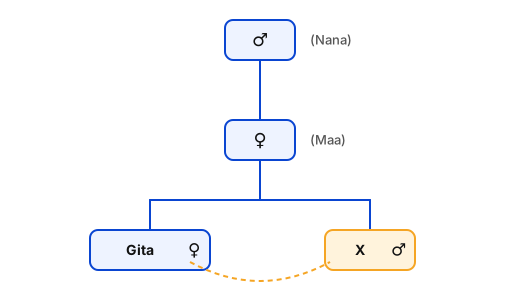
- Gita's mother's father = Gita's maternal grandfather (nana).
- His only daughter = Gita's mother.
- Man's mother = Gita's mother, and he is male ⇒ brother.
Trick: 'Only daughter of my mother's father' is just a long way of saying 'my mother'.
Answer: (B) Brother
अवधारणा: वाक्य को अंत से खोलें – पहले 'my mother's father'।
हल:
- गीता की माँ के पिता = गीता के नाना।
- उनकी इकलौती पुत्री = गीता की माँ।
- व्यक्ति की माँ = गीता की माँ और वह पुरुष है ⇒ भाई।
ट्रिक: 'मेरी माँ के पिता की इकलौती पुत्री' = सीधे 'मेरी माँ'।
उत्तर: (B) भाई
SSC CHSLGeneral IntelligenceBlood relation – photograph puzzleSSC CHSL 2025 · 19 Nov Shift 2

