Q241.If ‘A’ stands for ‘+’, ‘B’ stands for ‘–’, ‘C’ stands for ‘×’ and ‘D’ stands for ‘÷’, what will come in place of the question mark (?) in the following equation?
80 B 12 C 5 A 27 D 9 = ?
यदि ‘A’ का अर्थ ‘+’, ‘B’ का अर्थ ‘–’, ‘C’ का अर्थ ‘×’ और ‘D’ का अर्थ ‘÷’ है, तो निम्नलिखित समीकरण में प्रश्न चिह्न (?) के स्थान पर क्या आएगा?
80 B 12 C 5 A 27 D 9 = ?
- A19
- B25
- C23
- D27
Show answer
Concept: Replace letters by signs and use BODMAS.
- .
- .
- .
Trick: Do × and ÷ first, then − and + from left to right.
Answer: (C) 23
अवधारणा: अक्षरों को चिह्नों से बदलें और BODMAS लगाएँ।
- ।
- ।
- ।
ट्रिक: पहले × और ÷, फिर बाएँ से दाएँ − और +।
उत्तर: (C) 23
SSC CPO Paper IGeneral Intelligence and ReasoningMathematical OperationsSSC CPO Paper I 2024 · 29 Jun Shift 2
Q242.Two statements are given followed by two conclusions numbered I and II. Assuming the statements to be true, even if they seem to be at variance with commonly known facts, decide which of the conclusions logically follow(s) from the statements.
Statements:
No plate is a bowl.
All plates are tumblers.
Conclusions:
I. No tumbler is a plate.
II.Some tumblers are bowls.
दो कथन दिए गए हैं, जिनके बाद I और II से संख्यांकित दो निष्कर्ष दिए गए हैं। कथनों को सत्य मानते हुए, भले ही वे सामान्य रूप से ज्ञात तथ्यों से भिन्न प्रतीत होते हों, निर्णय लीजिए कि कौन-सा/कौन-से निष्कर्ष तार्किक रूप से कथनों का अनुसरण करता है/करते हैं।
कथन:
कोई भी प्लेट, कटोरा नहीं है।
सभी प्लेटें, गिलास हैं।
निष्कर्ष:
I. कोई भी गिलास, प्लेट नहीं है।
II. कुछ गिलास, कटोरे हैं।
- AOnly conclusion I followsकेवल निष्कर्ष I अनुसरण करता है
- BOnly conclusion II followsकेवल निष्कर्ष II अनुसरण करता है
- CEither conclusion I or II followsया तो निष्कर्ष I या II अनुसरण करता है
- DNeither conclusion I nor II followsन तो निष्कर्ष I और न ही II अनुसरण करता है
Show answer
Concept: Draw the least possible Venn diagram and test each conclusion.
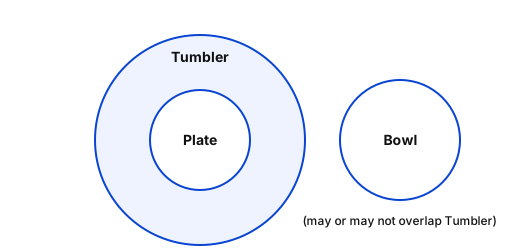
- All plates are tumblers → Plate circle inside Tumbler circle. No plate is a bowl → Bowl is outside Plate.
- I: "No tumbler is a plate" is false, since every plate is a tumbler (some tumblers are plates).
- II: Bowl may or may not touch the Tumbler circle, so "Some tumblers are bowls" is not certain.
- I and II do not form an either–or pair. Neither follows.
Trick: "All A are B" always gives "Some B are A" — so "No B is A" can never follow.
Answer: (D) Neither conclusion I nor II follows
अवधारणा: न्यूनतम वेन आरेख बनाकर हर निष्कर्ष जाँचें।
- सभी plates, tumblers हैं → Plate वृत्त Tumbler के अंदर। कोई plate, bowl नहीं → Bowl, Plate के बाहर।
- I: "No tumbler is a plate" गलत है, क्योंकि कुछ tumblers, plates हैं।
- II: Bowl, Tumbler को छू भी सकता है और नहीं भी, इसलिए "Some tumblers are bowls" निश्चित नहीं।
- I और II मिलकर either–or जोड़ा नहीं बनाते। कोई भी अनुसरण नहीं करता।
ट्रिक: "All A are B" से "Some B are A" हमेशा मिलता है, इसलिए "No B is A" कभी नहीं निकलता।
उत्तर: (D) Neither conclusion I nor II follows
SSC CPO Paper IGeneral Intelligence and ReasoningSyllogismSSC CPO Paper I 2024 · 29 Jun Shift 2
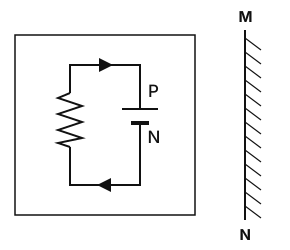
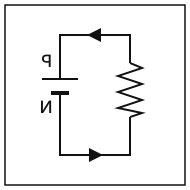
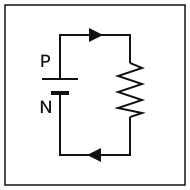
Q243.Select the correct mirror image of the given figure when the mirror is placed at MN as shown below.
दर्पण को नीचे दर्शाए अनुसार MN पर रखे जाने पर दी गई आकृति के सही दर्पण प्रतिबिंब का चयन कीजिए।
- A
- B
- C
- D
Show answer
Concept: A vertical mirror on the right flips the figure left–right; top and bottom stay the same, and every letter is laterally inverted.
- The resistor on the left moves to the right side and the cell with P and N moves to the left side.
- The top arrow pointed right, so in the image it points left; the bottom arrow pointed left, so it now points right.
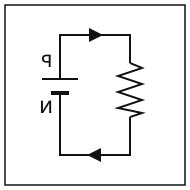
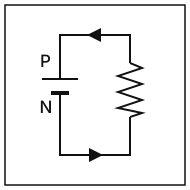
- The letters P and N also appear reversed (q and И).
- Only option (C) has all three changes.
Trick: In mirror questions on circuits, check arrow directions and reversed letters — options usually differ only there.
Answer: (C) Option (C)
अवधारणा: दाईं ओर ऊर्ध्वाधर दर्पण आकृति को बाएँ-दाएँ पलटता है; ऊपर-नीचे वही रहता है और हर अक्षर उल्टा दिखता है।
- बाईं ओर का प्रतिरोधक (resistor) दाईं ओर और P, N वाला सेल बाईं ओर आ जाता है।
- ऊपर का तीर दाएँ था, अब बाएँ; नीचे का तीर बाएँ था, अब दाएँ।
- P और N भी उल्टे दिखेंगे (q और И)।
- केवल विकल्प (C) में तीनों बदलाव हैं।
ट्रिक: सर्किट वाले दर्पण प्रश्नों में तीरों की दिशा और उल्टे अक्षर जाँचें।
उत्तर: (C) विकल्प (C)
SSC CPO Paper IGeneral Intelligence and ReasoningMirror ImageSSC CPO Paper I 2024 · 29 Jun Shift 2
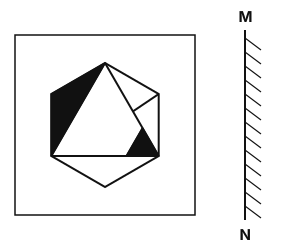
Q244.Select the correct mirror image of the given figure when the mirror is placed at MN as shown below.
दर्पण को नीचे दर्शाए अनुसार MN पर रखे जाने पर दी गई आकृति के सही दर्पण प्रतिबिंब का चयन कीजिए।
- A
- B

- C
- D
Show answer
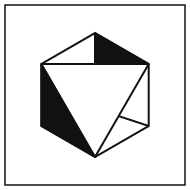
Concept: A vertical mirror on the right swaps left and right parts of the figure; nothing moves up or down.
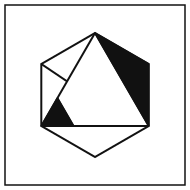
- In the figure the large black region lies on the left side of the hexagon and the small black triangle is at the lower right.
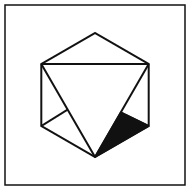
- In the mirror image the large black region goes to the right side and the small black triangle to the lower left.
- The inner triangle's apex stays at the top vertex and the empty bottom part stays at the bottom — this is option (C).
Trick: Track one shaded part and its position: left ↔ right, top and bottom unchanged.
Answer: (C) Option (C)
अवधारणा: दाईं ओर ऊर्ध्वाधर दर्पण आकृति के बाएँ-दाएँ भाग बदल देता है; ऊपर-नीचे कुछ नहीं बदलता।
- आकृति में बड़ा काला भाग षट्भुज के बाईं ओर और छोटा काला त्रिभुज नीचे-दाईं ओर है।
- प्रतिबिंब में बड़ा काला भाग दाईं ओर और छोटा काला त्रिभुज नीचे-बाईं ओर जाएगा।
- भीतरी त्रिभुज का शीर्ष ऊपर और खाली भाग नीचे ही रहेगा — विकल्प (C)।
ट्रिक: एक छायांकित भाग की स्थिति देखें: बाएँ ↔ दाएँ, ऊपर-नीचे वही।
उत्तर: (C) विकल्प (C)
SSC CPO Paper IGeneral Intelligence and ReasoningMirror ImageSSC CPO Paper I 2024 · 29 Jun Shift 2
Q245.What will come in the place of ‘?’ in the following equation, if ‘+’ and ‘–’ are
interchanged and also ‘×’ and ‘÷’ are interchanged?
11 ÷ 12 – 78 × 6 + 54 = ?
यदि ‘+’ और ‘–’ को आपस में बदल दिया जाए और ‘×’ और ‘÷’ को भी आपस में बदल दिया जाए, तो निम्नलिखित समीकरण में ‘?’ के स्थान पर क्या आएगा?
11 ÷ 12 – 78 × 6 + 54 = ?
- A104
- B91
- C86
- D99
Show answer
Concept: Interchange + ↔ − and × ↔ ÷, then apply BODMAS.
- New expression: .
- .
- .
Trick: Convert every sign first, then calculate.
Answer: (B) 91
अवधारणा: + ↔ − और × ↔ ÷ बदलें, फिर BODMAS लगाएँ।
- नया व्यंजक: ।
- ।
- ।
ट्रिक: पहले सभी चिह्न बदलें, फिर गणना करें।
उत्तर: (B) 91
SSC CPO Paper IGeneral Intelligence and ReasoningMathematical OperationsSSC CPO Paper I 2024 · 29 Jun Shift 2
Q246.Select the option that represents the correct order of the given words as they would appear in an English dictionary?
1. Unfaithful
2. Unfamiliar
3. Uneasiness
4. Undone
5. Understand
6. Undetermined
उस विकल्प का चयन कीजिए जो दिए गए शब्दों के उस सही क्रम को दर्शाता है, जिस क्रम में वे अंग्रेज़ी शब्दकोश में आते हैं?
1. Unfaithful
2. Unfamiliar
3. Uneasiness
4. Undone
5. Understand
6. Undetermined
- A5, 6, 4, 3, 2, 1
- B5, 6, 4, 3, 1, 2
- C5, 6, 4, 2, 1, 3
- D5, 6, 1, 2, 4, 3
Show answer
Concept: All words begin with "Un"; compare the next differing letters.
- "Und-" words: Understand (unde-r), Undetermined (unde-t), Undone (undo) → 5, 6, 4 (r before t; e before o).
- Then Uneasiness (une-) → 3.
- "Unfa-" words: Unfaithful (unfai) before Unfamiliar (unfam), since i comes before m → 1, 2.
- Order: 5, 6, 4, 3, 1, 2.
Trick: Group words by the first letter after the common prefix, then sort within each group.
Answer: (B) 5, 6, 4, 3, 1, 2
अवधारणा: सभी शब्द "Un" से शुरू होते हैं; अगले भिन्न अक्षर की तुलना करें।
- "Und-" शब्द: Understand (unde-r), Undetermined (unde-t), Undone (undo) → 5, 6, 4।
- फिर Uneasiness → 3।
- Unfaithful (unfai), Unfamiliar (unfam) से पहले (i, m से पहले) → 1, 2।
- क्रम: 5, 6, 4, 3, 1, 2।
ट्रिक: पहले समूह बनाएँ, फिर हर समूह के अंदर क्रम लगाएँ।
उत्तर: (B) 5, 6, 4, 3, 1, 2
SSC CPO Paper IGeneral Intelligence and ReasoningDictionary OrderSSC CPO Paper I 2024 · 29 Jun Shift 2
Q247.Select the Venn diagram that best illustrates the relationship between the following classes.
Woman, Mother, Actor
उस वेन आरेख का चयन कीजिए जो निम्नलिखित वर्गों के बीच संबंध को सबसे अच्छी तरह दर्शाता है।
महिला, माँ, अभिनेता
- A

- B

- C

- D
Show answer
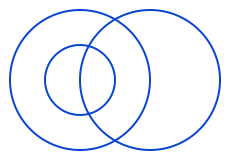
Concept: Every mother is a woman; actors can be women or men, and some actors are mothers.
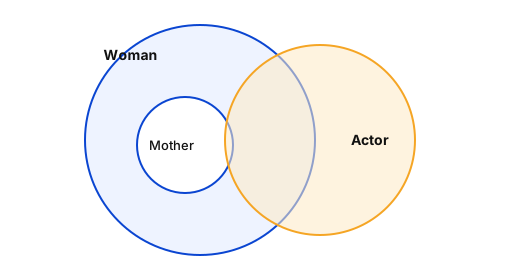
- Mother ⊂ Woman → small circle inside the Woman circle.
- Some women are actors, some actors are men → the Actor circle partly overlaps Woman.
- Some mothers are actors → the Actor circle also overlaps the Mother circle.
- This is shown by option (D).
Trick: Draw the "subset" pair first, then add the class that cuts across both.
Answer: (D) Option (D)
अवधारणा: हर माँ एक महिला है; अभिनेता महिला या पुरुष हो सकते हैं और कुछ अभिनेता माँ भी हैं।
- Mother ⊂ Woman → छोटा वृत्त Woman वृत्त के अंदर।
- कुछ महिलाएँ अभिनेता हैं, कुछ अभिनेता पुरुष → Actor वृत्त, Woman वृत्त को आंशिक रूप से काटता है।
- कुछ माँएँ अभिनेता हैं → Actor वृत्त, Mother वृत्त को भी काटता है।
- यह विकल्प (D) में है।
ट्रिक: पहले उपसमुच्चय (subset) वाला जोड़ा बनाएँ, फिर दोनों को काटने वाला वर्ग जोड़ें।
उत्तर: (D) विकल्प (D)
SSC CPO Paper IGeneral Intelligence and ReasoningVenn DiagramSSC CPO Paper I 2024 · 29 Jun Shift 2
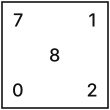
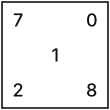
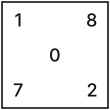
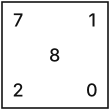
Q248.Identify the figure given in the options, which when put in place of the question mark (?) will logically complete the series.

विकल्पों में दी गई उस आकृति की पहचान कीजिए, जिसे प्रश्न चिह्न (?) के स्थान पर रखने पर शृंखला तार्किक रूप से पूरी हो जाएगी।
- A
- B
- C
- D
Show answer
Concept: The five digits move together, each one step along a fixed path: centre → top-right → top-left → bottom-left → bottom-right → centre.
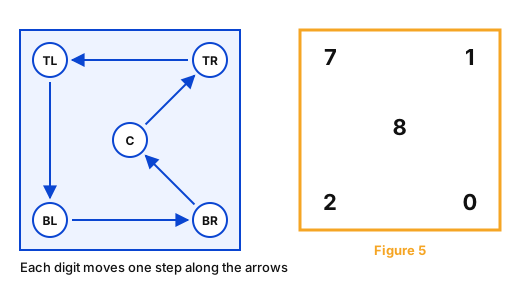
- 0: C → TR → TL → BL, so next BR.
- 1: TL → BL → BR → C, so next TR.
- 8: TR → TL → BL → BR, so next C.
- 2 (now TL) goes to BL and 7 (now TR) goes to TL. Figure 5: TL 7, TR 1, C 8, BL 2, BR 0 — option (D).
Trick: Find the path from one digit, then move all digits one step at once.
Answer: (D) Option (D)
अवधारणा: पाँचों अंक एक निश्चित पथ पर एक-एक कदम चलते हैं: केंद्र → ऊपर-दाएँ → ऊपर-बाएँ → नीचे-बाएँ → नीचे-दाएँ → केंद्र।
- 0: C → TR → TL → BL, अगला BR।
- 1: TL → BL → BR → C, अगला TR।
- 8: TR → TL → BL → BR, अगला C।
- 2 (अभी TL) → BL और 7 (अभी TR) → TL। चित्र 5: TL 7, TR 1, C 8, BL 2, BR 0 — विकल्प (D)।
ट्रिक: एक अंक से पथ निकालें, फिर सभी अंकों को एक साथ एक कदम चलाएँ।
उत्तर: (D) विकल्प (D)
SSC CPO Paper IGeneral Intelligence and ReasoningFigure SeriesSSC CPO Paper I 2024 · 29 Jun Shift 2
Q249.Select the set in which the numbers are related in the same way as are the numbers of the following sets.
(NOTE : Operations should be performed on the whole numbers, without breaking
down the numbers into its constituent digits. E.g. 13 – Operations on 13 such as
adding /deleting /multiplying etc. to 13 can be performed. Breaking down 13 into 1 and 3 and then performing mathematical operations on 1 and 3 is not allowed.)
(16, 20, 80)
(12, 16, 64)
उस समुच्चय का चयन कीजिए जिसमें संख्याएँ उसी प्रकार संबंधित हैं, जिस प्रकार निम्नलिखित समुच्चयों की संख्याएँ संबंधित हैं।
(ध्यान दें: संख्याओं को उनके घटक अंकों में तोड़े बिना, पूर्ण संख्याओं पर संक्रियाएँ की जानी चाहिए। उदाहरण के लिए, 13 – 13 पर की जाने वाली संक्रियाएँ, जैसे 13 में जोड़ना/घटाना/गुणा करना आदि की जा सकती हैं। 13 को 1 और 3 में तोड़ना और फिर 1 और 3 पर गणितीय संक्रियाएँ करने की अनुमति नहीं है।)
(16, 20, 80)
(12, 16, 64)
- A(20, 25, 100)
- B(18, 22, 88)
- C(19, 23, 82)
- D(11, 15, 70)
Show answer
Concept: Find the rule linking the three numbers.
- (16, 20, 80): and .
- (12, 16, 64): and .
- (18, 22, 88): and ✓.
- (20, 25, 100) fails since .
Trick: Check the "" step first; it removes three options at once.
Answer: (B) (18, 22, 88)
अवधारणा: तीनों संख्याओं को जोड़ने वाला नियम ज्ञात करें।
- (16, 20, 80): और ।
- (12, 16, 64): और ।
- (18, 22, 88): और ✓।
- (20, 25, 100) गलत, क्योंकि ।
ट्रिक: पहले "" वाला चरण जाँचें; तीन विकल्प तुरंत हट जाते हैं।
उत्तर: (B) (18, 22, 88)
SSC CPO Paper IGeneral Intelligence and ReasoningNumber Analogy (Sets)SSC CPO Paper I 2024 · 29 Jun Shift 2
Q250.In a certain code language,
A+ B means ‘A is the mother of B’
A − B means ‘A is the brother of B’
A × B means ‘A is the wife of B’
A ÷ B means ‘A is the father of B’
Based on the above, how is T related to Q if ‘P − Q + R − S ÷ T × U’?
एक निश्चित कूट भाषा में,
A + B का अर्थ है ‘A, B की माँ है’
A − B का अर्थ है ‘A, B का भाई है’
A × B का अर्थ है ‘A, B की पत्नी है’
A ÷ B का अर्थ है ‘A, B का पिता है’
उपर्युक्त के आधार पर, यदि ‘P − Q + R − S ÷ T × U’ है, तो T का Q से क्या संबंध है?
- AWife’s sisterपत्नी की बहन
- BDaughter’s daughterपुत्री की पुत्री
- CSon’s daughterपुत्र की पुत्री
- DSisterबहन
Show answer
Concept: Decode each symbol and build the family tree.
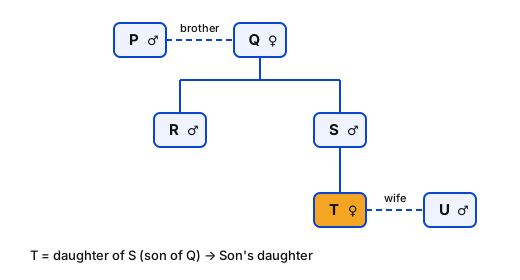
- P − Q: P is the brother of Q. Q + R: Q is the mother of R.
- R − S: R is the brother of S, so S is also Q's child.
- S ÷ T: S is the father of T, so S is male — Q's son.
- T × U: T is the wife of U, so T is female. T is the daughter of Q's son.
Trick: Use the last relation to fix the gender of the person asked about.
Answer: (C) Son's daughter
अवधारणा: हर चिह्न का अर्थ लिखकर वंश-वृक्ष बनाएँ।
- P − Q: P, Q का भाई है। Q + R: Q, R की माँ है।
- R − S: R, S का भाई है, अतः S भी Q की संतान है।
- S ÷ T: S, T का पिता है, अतः S पुरुष — Q का पुत्र।
- T × U: T, U की पत्नी है, अतः T महिला है। T, Q के पुत्र की पुत्री है।
ट्रिक: पूछे गए व्यक्ति का लिंग अंतिम संबंध से तय करें।
उत्तर: (C) Son's daughter
SSC CPO Paper IGeneral Intelligence and ReasoningBlood Relation (Coded)SSC CPO Paper I 2024 · 29 Jun Shift 2
Q251.Which Union Territory has the lowest literacy rate, according to the Census of India 2011?
भारत की जनगणना 2011 के अनुसार, किस केंद्र शासित प्रदेश की साक्षरता दर सबसे कम है?
- ALakshadweepलक्षद्वीप
- BDadra and Nagar Haveliदादरा और नगर हवेली
- CAndaman and Nicobar Islandsअंडमान और निकोबार द्वीपसमूह
- DDelhiदिल्ली
Show answer
Concept: Census 2011 recorded literacy rates for all States and Union Territories; among UTs, Dadra and Nagar Haveli was at the bottom.
- Dadra and Nagar Haveli: about – lowest among UTs.
- Lakshadweep (about ) was the highest among UTs, Andaman and Nicobar about , Delhi about .
- Among all States/UTs, Bihar (about ) was the lowest overall.
Yaad rakhein: Highest overall – Kerala; lowest State – Bihar; lowest UT – Dadra and Nagar Haveli.
Answer: (B) Dadra and Nagar Haveli
अवधारणा: जनगणना 2011 में सभी राज्यों व केंद्र शासित प्रदेशों (UTs) की साक्षरता दर दर्ज की गई; UTs में दादरा और नगर हवेली सबसे नीचे था।
- दादरा और नगर हवेली: लगभग – UTs में सबसे कम।
- लक्षद्वीप (लगभग ) UTs में सबसे अधिक; अंडमान-निकोबार लगभग , दिल्ली लगभग ।
- सभी राज्यों/UTs में सबसे कम बिहार (लगभग ) था।
याद रखें: सर्वाधिक – केरल; सबसे कम राज्य – बिहार; सबसे कम UT – दादरा और नगर हवेली।
उत्तर: (B) दादरा और नगर हवेली (Dadra and Nagar Haveli)
SSC CPO Paper IGeneral Knowledge and General AwarenessCensus 2011 – LiteracySSC CPO Paper I 2024 · 29 Jun Shift 2
Q252.Ugadi is celebrated primarily in which of the following states on the first day of the Chaitra month of the Hindu calendar?
उगादी मुख्य रूप से निम्नलिखित में से किस राज्य में हिंदू पंचांग के चैत्र मास के पहले दिन मनाया जाता है?
- AOdishaओडिशा
- BKarnatakaकर्नाटक
- CUttarakhandउत्तराखंड
- DAssamअसम
Show answer
Concept: Ugadi (Yugadi) is the New Year festival of the Deccan region, celebrated on Chaitra Shukla Pratipada.
- It is celebrated mainly in Karnataka, Andhra Pradesh and Telangana.
- The same day is Gudi Padwa in Maharashtra and Cheti Chand for Sindhis.
- Special dish: Bevu-Bella / Ugadi Pachadi – a mix of six tastes symbolising life's experiences.
Yaad rakhein: Ugadi = Karnataka/Andhra/Telangana; Gudi Padwa = Maharashtra; Bihu = Assam (April); Pana Sankranti = Odisha.
Answer: (B) Karnataka
अवधारणा: उगादी (युगादि) दक्कन क्षेत्र का नववर्ष त्योहार है, जो चैत्र शुक्ल प्रतिपदा को मनाया जाता है।
- यह मुख्यतः कर्नाटक, आंध्र प्रदेश और तेलंगाना में मनाया जाता है।
- इसी दिन महाराष्ट्र में गुड़ी पड़वा और सिंधी समाज में चेटी चंड मनाया जाता है।
- विशेष व्यंजन: उगादी पचड़ी – छह स्वादों का मिश्रण, जीवन के अनुभवों का प्रतीक।
याद रखें: उगादी = कर्नाटक/आंध्र/तेलंगाना; गुड़ी पड़वा = महाराष्ट्र; बिहू = असम; पणा संक्रांति = ओडिशा।
उत्तर: (B) कर्नाटक (Karnataka)
SSC CPO Paper IGeneral Knowledge and General AwarenessFestivals of IndiaSSC CPO Paper I 2024 · 29 Jun Shift 2
Q253.One term for the continuous movement of water through the lithosphere, atmosphere and hydrosphere is:
स्थलमंडल, वायुमंडल और जलमंडल के माध्यम से जल की निरंतर गति के लिए एक शब्द है:
- Ahydrological cycleजलीय चक्र (hydrological cycle)
- Bhydro equilibrium cycleजल संतुलन चक्र (hydro equilibrium cycle)
- Chydrostatical equilibriumद्रवस्थैतिक संतुलन (hydrostatical equilibrium)
- Dwater circulationजल परिसंचरण (water circulation)
Show answer
Concept: The continuous circulation of water among the hydrosphere, atmosphere and lithosphere (and biosphere) is called the hydrological cycle or water cycle.
- Main processes: evaporation, transpiration, condensation, precipitation, infiltration and runoff.
- It is driven by solar energy and gravity.
- The total amount of water on Earth stays almost constant; only its form and location change.
Yaad rakhein: Hydro = water, logos = study; 'hydrological cycle' is the standard textbook term.
Answer: (A) hydrological cycle
अवधारणा: जलमंडल, वायुमंडल और स्थलमंडल (lithosphere) के बीच जल के निरंतर संचरण को जलीय चक्र (hydrological cycle) या जल चक्र कहते हैं।
- मुख्य प्रक्रियाएँ: वाष्पीकरण, वाष्पोत्सर्जन, संघनन, वर्षण, अंतःस्यंदन (infiltration) और अपवाह (runoff)।
- यह चक्र सौर ऊर्जा और गुरुत्वाकर्षण से चलता है।
- पृथ्वी पर कुल जल लगभग स्थिर रहता है; केवल उसका रूप और स्थान बदलता है।
याद रखें: NCERT में मानक शब्द – hydrological cycle (जलीय चक्र)।
उत्तर: (A) hydrological cycle
SSC CPO Paper IGeneral Knowledge and General AwarenessWater CycleSSC CPO Paper I 2024 · 29 Jun Shift 2
Q254.Which Article of the Indian Constitution mentions about the qualification for
membership of the State Legislature?
भारतीय संविधान के किस अनुच्छेद में राज्य विधानमंडल की सदस्यता के लिए
अर्हता का उल्लेख है?
- AArticle 173अनुच्छेद 173
- BArticle 179अनुच्छेद 179
- CArticle 171अनुच्छेद 171
- DArticle 180अनुच्छेद 180
Show answer
Concept: Articles 168–212 (Part VI) deal with State Legislatures; Article 173 lays down the qualifications for membership.
- Article 173: must be a citizen of India, take the oath, be at least 25 years old for the Assembly and 30 years for the Council.
- Article 171 – composition of Legislative Councils; Article 179 – vacation/removal of Speaker; Article 180 – Deputy Speaker acting as Speaker.
- The Parliament equivalent is Article 84.
Yaad rakhein: Art. 84 → Parliament qualification; Art. 173 → State Legislature qualification.
Answer: (A) Article 173
अवधारणा: अनुच्छेद 168–212 (भाग VI) राज्य विधानमंडल से संबंधित हैं; अनुच्छेद 173 सदस्यता की योग्यता बताता है।
- अनुच्छेद 173: भारत का नागरिक हो, शपथ ले, विधानसभा के लिए कम से कम 25 वर्ष और विधान परिषद के लिए 30 वर्ष आयु।
- अनुच्छेद 171 – विधान परिषद की संरचना; 179 – अध्यक्ष का पद रिक्त होना/हटाना; 180 – उपाध्यक्ष द्वारा अध्यक्ष के कार्य।
- संसद के लिए समकक्ष अनुच्छेद 84 है।
याद रखें: अनु. 84 → संसद सदस्यता योग्यता; अनु. 173 → राज्य विधानमंडल सदस्यता योग्यता।
उत्तर: (A) Article 173
SSC CPO Paper IGeneral Knowledge and General AwarenessIndian Polity – State LegislatureSSC CPO Paper I 2024 · 29 Jun Shift 2
Q255.Identify whether the given statements about an earthquake are correct or incorrect. Statement 1: When the stress on the edge overcomes the friction, there is an
earthquake that releases energy in waves that travel through Earth's crust and causes the shaking that we feel.
Statement 2: An earthquake cannot be identified as a foreshock until after a larger
earthquake in the same area occurs.
पहचान कीजिए कि भूकंप के बारे में दिए गए कथन सही हैं या गलत। कथन 1: जब किनारे पर प्रतिबल (stress) घर्षण पर हावी हो जाता है, तो
भूकंप आता है जो तरंगों के रूप में ऊर्जा मुक्त करता है, ये तरंगें पृथ्वी की भूपर्पटी से होकर गुज़रती हैं और उस कंपन का कारण बनती हैं जिसे हम महसूस करते हैं।
कथन 2: किसी भूकंप की पहचान पूर्वाघात (foreshock) के रूप में तब तक नहीं की जा सकती, जब तक कि उसी क्षेत्र में
कोई बड़ा भूकंप न आ जाए।
- ABoth Statements 1 and 2 are incorrectकथन 1 और 2 दोनों गलत हैं
- BOnly Statement 1 is correctकेवल कथन 1 सही है
- COnly Statement 2 is correctकेवल कथन 2 सही है
- DBoth Statements 1 and 2 are correctकथन 1 और 2 दोनों सही हैं
Show answer
Concept: An earthquake occurs when stress built up along a fault overcomes the friction holding the rocks, releasing energy as seismic waves.
- Statement 1 is correct: the released energy travels as waves through the crust and causes shaking.
- Statement 2 is correct: a foreshock is recognised only after a larger quake (the mainshock) occurs in the same area; until then it is simply an earthquake.
- So both statements are correct.
Yaad rakhein: Foreshock → Mainshock → Aftershocks; a foreshock is named only in hindsight.
Answer: (D) Both Statements 1 and 2 are correct
अवधारणा: जब भ्रंश (fault) के किनारे पर जमा तनाव (stress) चट्टानों के घर्षण से अधिक हो जाता है, तब भूकंप आता है और ऊर्जा भूकंपीय तरंगों के रूप में निकलती है।
- कथन 1 सही है: निकली ऊर्जा तरंगों के रूप में भूपर्पटी (crust) में चलती है और कंपन पैदा करती है।
- कथन 2 सही है: किसी भूकंप को foreshock तभी कहा जा सकता है जब बाद में उसी क्षेत्र में बड़ा भूकंप (mainshock) आए।
- अतः दोनों कथन सही हैं।
याद रखें: Foreshock → Mainshock → Aftershocks; foreshock की पहचान बाद में ही होती है।
उत्तर: (D) कथन 1 और 2 दोनों सही हैं
SSC CPO Paper IGeneral Knowledge and General AwarenessEarthquakesSSC CPO Paper I 2024 · 29 Jun Shift 2
Q256.Select the correct alternative on the basis of the statements given about ‘Rasa’.
Statement I: It is the aesthetic experience that one derives while enjoying an artistic presentation.
Statement II: It deals with the creation of human sentiments in the spectator or the
aesthete.
‘रस’ के बारे में दिए गए कथनों के आधार पर सही विकल्प का चयन कीजिए।
कथन I: यह वह सौंदर्यात्मक अनुभव है जो किसी कलात्मक प्रस्तुति का आनंद लेते समय व्यक्ति को प्राप्त होता है।
कथन II: इसका संबंध दर्शक या
सहृदय (aesthete) में मानवीय भावों के सृजन से है।
- AOnly Statement I is true.केवल कथन I सत्य है।
- BNeither Statement I nor Statement II is true.न तो कथन I और न ही कथन II सत्य है।
- COnly Statement II is true.केवल कथन II सत्य है।
- DBoth Statement I and Statement II are true.कथन I और कथन II दोनों सत्य हैं।
Show answer
Concept: The Rasa theory was given by Bharata Muni in the Natyashastra; Rasa is the aesthetic flavour or relish experienced by the spectator.
- Statement I is true: Rasa is the aesthetic experience derived while enjoying an art performance.
- Statement II is true: Rasa arises from the evocation of human sentiments (bhava) in the spectator or rasika (aesthete).
- Bharata listed eight rasas; Shanta was added later, making nine (Navarasa).
Yaad rakhein: Bhava (emotion shown by artist) → Rasa (relish felt by spectator); Natyashastra – Bharata Muni.
Answer: (D) Both Statement I and Statement II are true.
अवधारणा: रस सिद्धांत भरत मुनि ने नाट्यशास्त्र में दिया; रस वह सौंदर्यात्मक आनंद है जो दर्शक कला देखते समय अनुभव करता है।
- कथन I सत्य: रस कलात्मक प्रस्तुति का आनंद लेते समय प्राप्त सौंदर्य-अनुभव है।
- कथन II सत्य: रस दर्शक या सहृदय (aesthete) में मानवीय भावों के जागरण से उत्पन्न होता है।
- भरत ने आठ रस बताए; बाद में शांत रस जुड़कर नवरस बने।
याद रखें: भाव (कलाकार द्वारा) → रस (दर्शक द्वारा अनुभव); नाट्यशास्त्र – भरत मुनि।
उत्तर: (D) कथन I और कथन II दोनों सत्य हैं।
SSC CPO Paper IGeneral Knowledge and General AwarenessIndian Aesthetics – RasaSSC CPO Paper I 2024 · 29 Jun Shift 2
Q257.If tax rate decreases with increase in taxable base, then this type of taxation is called:
यदि कर योग्य आधार में वृद्धि के साथ कर की दर घटती है, तो इस प्रकार के कराधान को क्या कहा जाता है?
- Adegressiveअधोगामी (degressive)
- Bregressiveप्रतिगामी (regressive)
- Cprogressiveप्रगतिशील (progressive)
- Dincreasingवर्धमान (increasing)
Show answer
Concept: Taxes are classified by how the tax rate changes as the taxable base (income/value) rises.
- Progressive tax: rate rises as the base rises (e.g. income-tax slabs).
- Regressive tax: rate falls as the base rises, so the poor bear a relatively higher burden.
- Proportional tax: same rate at all levels; degressive tax: rate rises but at a diminishing pace, not falling.
Yaad rakhein: Rate ↑ with base → progressive; rate ↓ with base → regressive; constant → proportional.
Answer: (B) regressive
अवधारणा: करों का वर्गीकरण इस आधार पर होता है कि कर-आधार (आय/मूल्य) बढ़ने पर कर दर कैसे बदलती है।
- प्रगतिशील (progressive) कर: आधार बढ़ने पर दर बढ़ती है (जैसे आयकर स्लैब)।
- प्रतिगामी (regressive) कर: आधार बढ़ने पर दर घटती है, इसलिए गरीबों पर अपेक्षाकृत अधिक भार।
- आनुपातिक कर: सभी स्तरों पर समान दर; अवरोही (degressive) कर: दर बढ़ती है पर घटती गति से।
याद रखें: आधार ↑ दर ↑ → progressive; आधार ↑ दर ↓ → regressive; दर समान → proportional।
उत्तर: (B) regressive (प्रतिगामी)
SSC CPO Paper IGeneral Knowledge and General AwarenessTaxationSSC CPO Paper I 2024 · 29 Jun Shift 2
Q258.Manyakheta or Malkhed was the capital of which of the following kingdoms?
मान्यखेत या मालखेड निम्नलिखित में से किस राज्य (साम्राज्य) की राजधानी थी?
- AShakaशक
- BRashtrakutaराष्ट्रकूट
- CKushanकुषाण
- DSatavahanaसातवाहन
Show answer
Concept: Manyakheta (modern Malkhed in Kalaburagi district, Karnataka) was the capital of the Rashtrakutas.
- Amoghavarsha I shifted the Rashtrakuta capital to Manyakheta in the 9th century.
- The dynasty was founded by Dantidurga; Krishna I built the Kailasa temple at Ellora.
- Satavahanas ruled from Pratishthana (Paithan); Kushanas from Purushapura (Peshawar).
Yaad rakhein: Rashtrakuta – Manyakheta; Chalukya of Badami – Vatapi; Pallava – Kanchi; Chola – Thanjavur.
Answer: (B) Rashtrakuta
अवधारणा: मान्यखेत (आज का मालखेड़, कलबुर्गी ज़िला, कर्नाटक) राष्ट्रकूटों की राजधानी थी।
- अमोघवर्ष प्रथम ने 9वीं सदी में राजधानी मान्यखेत स्थानांतरित की।
- वंश की स्थापना दंतिदुर्ग ने की; कृष्ण प्रथम ने एलोरा का कैलाश मंदिर बनवाया।
- सातवाहनों की राजधानी प्रतिष्ठान (पैठण), कुषाणों की पुरुषपुर (पेशावर) थी।
याद रखें: राष्ट्रकूट – मान्यखेत; बादामी चालुक्य – वातापी; पल्लव – कांची; चोल – तंजावुर।
उत्तर: (B) राष्ट्रकूट (Rashtrakuta)
SSC CPO Paper IGeneral Knowledge and General AwarenessRashtrakuta DynastySSC CPO Paper I 2024 · 29 Jun Shift 2
Q259.__________ is commonly represented by the Greek letter ρ (rho).
__________ को सामान्यतः ग्रीक अक्षर ρ (रो) द्वारा दर्शाया जाता है।
- AElectrical resistivityविद्युत प्रतिरोधकता (electrical resistivity)
- BCurrentधारा (current)
- CFlow of chargesआवेशों का प्रवाह
- DElectrical conductivityविद्युत चालकता (electrical conductivity)
Show answer
Concept: Electrical resistivity is the resistance of a conductor of unit length and unit cross-sectional area; its symbol is (rho).
- , so ; SI unit ohm-metre ().
- Conductivity is its reciprocal, , symbol sigma.
- Current is denoted by , which is the flow of charge per unit time.
Yaad rakhein: = resistivity, = conductivity – they are reciprocals.
Answer: (A) Electrical resistivity
अवधारणा: एकांक लंबाई और एकांक अनुप्रस्थ-काट क्षेत्रफल वाले चालक का प्रतिरोध विद्युत प्रतिरोधकता (resistivity) है; इसका प्रतीक (rho) है।
- , अतः ; SI मात्रक ओम-मीटर ()।
- चालकता (conductivity) इसका व्युत्क्रम है, ।
- धारा का प्रतीक है, जो प्रति इकाई समय आवेश का प्रवाह है।
याद रखें: = प्रतिरोधकता, = चालकता – दोनों व्युत्क्रम हैं।
उत्तर: (A) Electrical resistivity (विद्युत प्रतिरोधकता)
SSC CPO Paper IGeneral Knowledge and General AwarenessElectricity – ResistivitySSC CPO Paper I 2024 · 29 Jun Shift 2
Q260.As of 2022, which of the following is the longest national waterway in India?
2022 की स्थिति के अनुसार, निम्नलिखित में से कौन-सा भारत का सबसे लंबा राष्ट्रीय जलमार्ग है?
- AGodavari-Krishna stretchगोदावरी-कृष्णा खंड
- BAllahabad-Haldia stretchइलाहाबाद-हल्दिया खंड
- CSadiya-Dhubri stretchसदिया-धुबरी खंड
- DKottapuram-Kollam stretchकोट्टापुरम-कोल्लम खंड
Show answer
Concept: National Waterway 1 (Ganga–Bhagirathi–Hooghly) from Allahabad (Prayagraj) to Haldia is the longest national waterway of India.
- NW-1: Allahabad–Haldia, about 1,620 km, declared in 1986.
- NW-2: Sadiya–Dhubri on the Brahmaputra, about 891 km.
- NW-3: Kottapuram–Kollam (West Coast Canal), about 205 km; NW-4 includes the Godavari–Krishna stretch.
Yaad rakhein: NW-1 Ganga (longest), NW-2 Brahmaputra, NW-3 Kerala West Coast Canal.
Answer: (B) Allahabad-Haldia stretch
अवधारणा: राष्ट्रीय जलमार्ग 1 (गंगा–भागीरथी–हुगली) इलाहाबाद (प्रयागराज) से हल्दिया तक भारत का सबसे लंबा राष्ट्रीय जलमार्ग है।
- NW-1: इलाहाबाद–हल्दिया, लगभग 1,620 km, 1986 में घोषित।
- NW-2: ब्रह्मपुत्र पर सदिया–धुबरी, लगभग 891 km।
- NW-3: कोट्टापुरम–कोल्लम (पश्चिम तट नहर), लगभग 205 km; NW-4 में गोदावरी–कृष्णा खंड।
याद रखें: NW-1 गंगा (सबसे लंबा), NW-2 ब्रह्मपुत्र, NW-3 केरल।
उत्तर: (B) Allahabad-Haldia stretch (इलाहाबाद–हल्दिया)
SSC CPO Paper IGeneral Knowledge and General AwarenessNational WaterwaysSSC CPO Paper I 2024 · 29 Jun Shift 2

