Q281.In a certain code language,
'A x B' means ‘A is the son of B’,
'A – B' means ‘A is the brother of B’,
'A + B' means ‘A is the wife of B’,
'A % B' means ‘A is the father of B’.
How is M related to T if ‘M x N + P % S – T’?
एक निश्चित कूट भाषा में,
‘A x B’ का अर्थ है ‘A, B का पुत्र है’,
‘A – B’ का अर्थ है ‘A, B का भाई है’,
‘A + B’ का अर्थ है ‘A, B की पत्नी है’,
‘A % B’ का अर्थ है ‘A, B का पिता है’।
यदि ‘M x N + P % S – T’ है, तो M का T से क्या संबंध है?
- AMother's brotherमाता का भाई
- BBrotherभाई
- CHusbandपति
- DFatherपिता
Show answer
Concept: Decode the expression one symbol at a time and draw the family tree.
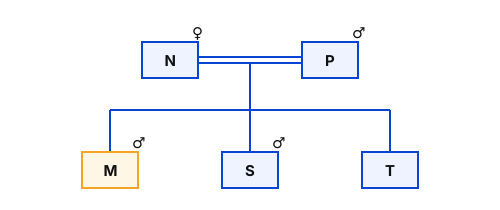
- M × N: M is the son of N. N + P: N is the wife of P. So M is the son of P as well.
- P % S: P is the father of S. S – T: S is the brother of T, so T is also P's child.
- M, S and T are all children of N and P, and M is male.
- Hence M is the brother of T.
Trick: Siblings share the same parents; the gender of the person asked about (M) decides "brother" vs "sister".
Answer: (B) Brother
अवधारणा: व्यंजक को एक-एक चिह्न से डिकोड करें और वंश-वृक्ष बनाएँ।
- M × N: M, N का पुत्र है। N + P: N, P की पत्नी है। अतः M, P का भी पुत्र है।
- P % S: P, S का पिता है। S – T: S, T का भाई है, इसलिए T भी P की संतान है।
- M, S और T तीनों N और P की संतान हैं, और M पुरुष है।
- अतः M, T का भाई (Brother) है।
ट्रिक: भाई-बहनों के माता-पिता समान होते हैं; पूछे गए व्यक्ति (M) का लिंग "brother/sister" तय करता है।
उत्तर: (B) Brother
SSC CPO Paper IGeneral Intelligence and ReasoningBlood Relation (Coded)SSC CPO Paper I 2024 · 28 Jun Shift 1
Q282.Which letter cluster will replace the question mark (?) to complete the given series? WTNM, SYHT, ? , KIVH, GNPO
दी गई श्रृंखला को पूर्ण करने के लिए कौन-सा अक्षर-समूह प्रश्न चिह्न (?) के स्थान पर आएगा? WTNM, SYHT, ? , KIVH, GNPO
- AOFHA
- BODBA
- CUIDS
- DHREK
Show answer
Concept: Track each of the four letter positions as a separate series.
- 1st letters: W, S, ?, K, G → each, so O.
- 2nd letters: T, Y, ?, I, N → each (Y wraps to D), so D.
- 3rd letters: N, H, ?, V, P → each (H wraps to B), so B.
- 4th letters: M, T, ?, H, O → each (T wraps to A), so A.
Trick: Steps of — verify using the term after the gap (K, I, V, H).
Answer: (B) ODBA
अवधारणा: चारों स्थानों के अक्षरों को अलग-अलग श्रृंखला मानें।
- पहले अक्षर: W, S, ?, K, G → हर बार , अतः O।
- दूसरे अक्षर: T, Y, ?, I, N → हर बार (Y = D), अतः D।
- तीसरे अक्षर: N, H, ?, V, P → हर बार (H = B), अतः B।
- चौथे अक्षर: M, T, ?, H, O → हर बार (T = A), अतः A।
ट्रिक: चाल — खाली स्थान के बाद वाले पद (K, I, V, H) से पुष्टि करें।
उत्तर: (B) ODBA
SSC CPO Paper IGeneral Intelligence and ReasoningLetter SeriesSSC CPO Paper I 2024 · 28 Jun Shift 1
Q283.Select the figure from among the given options that can logically replace the question mark (?) in the following series.

दिए गए विकल्पों में से उस आकृति का चयन कीजिए, जो निम्नलिखित श्रृंखला में प्रश्न चिह्न (?) को तार्किक रूप से प्रतिस्थापित कर सकती है।
- A
- B
- C
- D
Show answer
Concept: Track how each symbol moves among the five positions (four corners + centre).
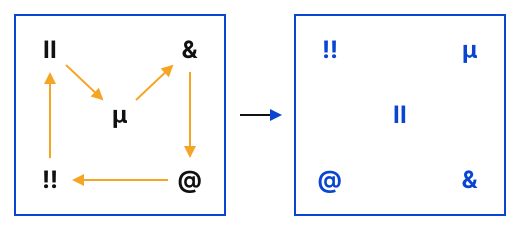
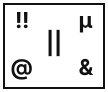
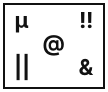
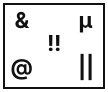
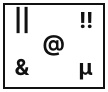
- Every symbol moves one step along the same route: bottom-left → top-left → centre → top-right → bottom-right → bottom-left.
- E.g. @: top-left → centre → top-right → bottom-right; next bottom-left. !!: centre → top-right → bottom-right → bottom-left; next top-left.
- From Fig 4, the next figure has !! top-left, μ top-right, II centre, @ bottom-left and & bottom-right.
- This is option (A).
Trick: Follow one symbol to find the route, then verify with a second symbol before checking the options.
Answer: (A)
अवधारणा: हर चिह्न पाँच स्थानों (चार कोने + केंद्र) में कैसे चलता है, देखें।
- हर चिह्न एक ही मार्ग पर एक कदम चलता है: नीचे-बाएँ → ऊपर-बाएँ → केंद्र → ऊपर-दाएँ → नीचे-दाएँ → नीचे-बाएँ।
- जैसे @: ऊपर-बाएँ → केंद्र → ऊपर-दाएँ → नीचे-दाएँ; अगला नीचे-बाएँ। !!: केंद्र → ऊपर-दाएँ → नीचे-दाएँ → नीचे-बाएँ; अगला ऊपर-बाएँ।
- चित्र 4 से अगले चित्र में !! ऊपर-बाएँ, μ ऊपर-दाएँ, II केंद्र, @ नीचे-बाएँ और & नीचे-दाएँ।
- यह विकल्प (A) है।
ट्रिक: एक चिह्न से मार्ग निकालें, दूसरे चिह्न से पुष्टि करें, फिर विकल्प देखें।
उत्तर: (A)
SSC CPO Paper IGeneral Intelligence and ReasoningFigure SeriesSSC CPO Paper I 2024 · 28 Jun Shift 1
Q284.Which of the following numbers will replace the question mark (?) in the given series? 9, 20, 42, 86, 174, ?
दी गई श्रृंखला में प्रश्न चिह्न (?) के स्थान पर निम्नलिखित में से कौन-सी संख्या आएगी? 9, 20, 42, 86, 174, ?
- A350
- B370
- C360
- D380
Show answer
Concept: Each term is twice the previous term plus 2.
- , , .
- ✓.
- Next: .
Trick: Differences double each time → next difference 176, and .
Answer: (A) 350
अवधारणा: हर पद पिछले पद का दुगुना है।
- , , ।
- ✓।
- अगला: ।
ट्रिक: अंतर हर बार दुगुने → अगला अंतर 176, और ।
उत्तर: (A) 350
SSC CPO Paper IGeneral Intelligence and ReasoningNumber SeriesSSC CPO Paper I 2024 · 28 Jun Shift 1
Q285.If + means − , − means × , × means ÷ , ÷ means +, what will come in place of the
question mark (?) in the given equation?
180 × 60 – 30 ÷ 30 + 20 = ?
यदि + का अर्थ − है, − का अर्थ × है, × का अर्थ ÷ है, ÷ का अर्थ + है, तो दिए गए समीकरण में
प्रश्न चिह्न (?) के स्थान पर क्या आएगा?
180 × 60 – 30 ÷ 30 + 20 = ?
- A199
- B200
- C100
- D160
Show answer
Concept: Replace each sign by its meaning, then solve using BODMAS.
- , , , : becomes .
- , .
- .
Trick: Write the converted expression fully before computing — mixing old and new signs is the usual mistake.
Answer: (C) 100
अवधारणा: हर चिह्न को उसके अर्थ से बदलें, फिर BODMAS से हल करें।
- , , , : बनता है ।
- , ।
- ।
ट्रिक: गणना से पहले बदला हुआ पूरा व्यंजक लिखें — पुराने और नए चिह्न मिलाना आम गलती है।
उत्तर: (C) 100
SSC CPO Paper IGeneral Intelligence and ReasoningMathematical OperationsSSC CPO Paper I 2024 · 28 Jun Shift 1
Q286.In a certain code language, ‘stay for dinner’ is written as ‘px rn tf’ and ‘dinner is ready’ is written as ‘sq mv rn’. How is ‘dinner’ written in the given language?
एक निश्चित कूट भाषा में, ‘stay for dinner’ को ‘px rn tf’ लिखा जाता है और ‘dinner is ready’ को ‘sq mv rn’ लिखा जाता है। दी गई भाषा में ‘dinner’ को किस प्रकार लिखा जाता है?
- Apx
- Brn
- Ctf
- Dsq
Show answer
Concept: A word common to two sentences gets the code common to both codes.
- "stay for dinner" → px rn tf.
- "dinner is ready" → sq mv rn.
- Common word: dinner; common code: rn.
Trick: Compare the two lists and pick the only code that repeats.
Answer: (B) rn
अवधारणा: दो वाक्यों में समान शब्द का कोड दोनों कोडों में समान होता है।
- "stay for dinner" → px rn tf।
- "dinner is ready" → sq mv rn।
- समान शब्द: dinner; समान कोड: rn।
ट्रिक: दोनों सूचियों की तुलना कर दोहराया गया एकमात्र कोड चुनें।
उत्तर: (B) rn
SSC CPO Paper IGeneral Intelligence and ReasoningCoding-Decoding (Words)SSC CPO Paper I 2024 · 28 Jun Shift 1
Q287.Which of the following interchanges of signs would make the given equation correct? 10 + 23 − 3 × 63 ÷ 7 = 70
चिह्नों के निम्नलिखित में से किस परस्पर परिवर्तन से दिया गया समीकरण सही हो जाएगा? 10 + 23 − 3 × 63 ÷ 7 = 70
- A+ and ×+ और ×
- B− and ×− और ×
- C÷ and ×÷ और ×
- D− and +− और +
Show answer
Concept: Interchange the two signs given in each option and test with BODMAS.
- Option (B), swap − and ×: .
- , .
- ✓.
Trick: is clean, so keep ÷ and look for a swap that makes .
Answer: (B) − and ×
अवधारणा: हर विकल्प के दोनों चिह्न आपस में बदलकर BODMAS से जाँचें।
- विकल्प (B), − और × बदलें: ।
- , ।
- ✓।
ट्रिक: साफ़ है, इसलिए ÷ रखें और ऐसा बदलाव खोजें जिससे बने।
उत्तर: (B) − and ×
SSC CPO Paper IGeneral Intelligence and ReasoningSign InterchangeSSC CPO Paper I 2024 · 28 Jun Shift 1
Q288.Sunil drives 5 km from point A towards the west. He then takes a left turn and drives 6 km. He again takes a left turn and drives 11 km. He then takes a left turn and drives 6 km. He finally takes a right turn and drives 6 km to arrive at point B. How much and in which direction does he have to drive to return to point A?
(All the turns are 90° turns only.)
Sunil बिंदु A से पश्चिम की ओर 5 km गाड़ी चलाता है। फिर वह बाएँ मुड़ता है और 6 km गाड़ी चलाता है। वह फिर से बाएँ मुड़ता है और 11 km गाड़ी चलाता है। फिर वह बाएँ मुड़ता है और 6 km गाड़ी चलाता है। अंत में वह दाएँ मुड़ता है और बिंदु B पर पहुँचने के लिए 6 km गाड़ी चलाता है। बिंदु A पर वापस लौटने के लिए उसे कितनी दूरी और किस दिशा में गाड़ी चलानी होगी?
(सभी मोड़ केवल 90° के मोड़ हैं।)
- A12 km towards the westपश्चिम की ओर 12 km
- B10 km towards the eastपूर्व की ओर 10 km
- C10 km towards the westपश्चिम की ओर 10 km
- D14 km towards the eastपूर्व की ओर 14 km
Show answer
Concept: Draw the path with East as and North as and add the moves.
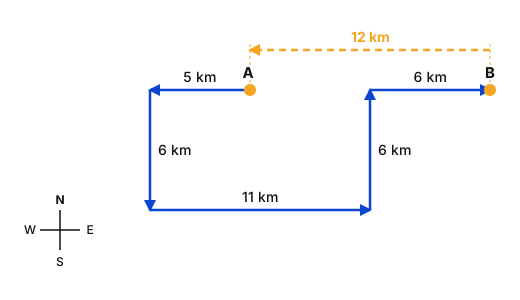
- 5 km West, left → 6 km South, left → 11 km East, left → 6 km North, right → 6 km East to B.
- North–South: , so B is on the same line as A.
- East–West: km East. So B is 12 km East of A.
- To return to A he must drive 12 km towards the West.
Trick: Cancel the equal opposite legs (6 S, 6 N) first; only the East–West total is left.
Answer: (A) 12 km towards the west
अवधारणा: पूर्व को और उत्तर को मानकर पथ बनाएँ और चालें जोड़ें।
- 5 km पश्चिम, बाएँ → 6 km दक्षिण, बाएँ → 11 km पूर्व, बाएँ → 6 km उत्तर, दाएँ → 6 km पूर्व, B तक।
- उत्तर–दक्षिण: , अतः B, A की ही रेखा पर है।
- पूर्व–पश्चिम: km पूर्व। अतः B, A से 12 km पूर्व में है।
- A पर लौटने के लिए उसे 12 km पश्चिम की ओर जाना होगा।
ट्रिक: पहले बराबर विपरीत चालें (6 दक्षिण, 6 उत्तर) काटें; केवल पूर्व–पश्चिम योग बचता है।
उत्तर: (A) 12 km towards the west
SSC CPO Paper IGeneral Intelligence and ReasoningDirection and DistanceSSC CPO Paper I 2024 · 28 Jun Shift 1
Q289.Select the option that indicates the correct arrangement of the given words in the
order in which they appear in an English dictionary.
1- Kibble
2- Kennel
3- Kettle
4- Kicker
5- Kernel
उस विकल्प का चयन कीजिए, जो दिए गए शब्दों की उस सही व्यवस्था को दर्शाता है, जिस
क्रम में वे अंग्रेज़ी शब्दकोश में आते हैं।
1- Kibble
2- Kennel
3- Kettle
4- Kicker
5- Kernel
- A5, 2, 3, 1, 4
- B2, 5, 3, 1, 4
- C5, 3, 2, 1, 4
- D2, 3, 5, 4, 1
Show answer
Concept: Compare words letter by letter from the left until they differ.
- All start with K. 2nd letters: Kennel, Kernel, Kettle have E; Kibble, Kicker have I → the E-words come first.
- Among Ken-, Ker-, Ket-: N < R < T → Kennel, Kernel, Kettle.
- Kibble vs Kicker: B < C → Kibble, Kicker. Order: 2, 5, 3, 1, 4.
Trick: Group words by the first letter that differs and sort group by group.
Answer: (B) 2, 5, 3, 1, 4
अवधारणा: शब्दों की बाएँ से अक्षर-दर-अक्षर तुलना करें, जब तक अलग अक्षर न मिले।
- सभी K से शुरू। दूसरा अक्षर: Kennel, Kernel, Kettle में E; Kibble, Kicker में I → E वाले पहले।
- Ken-, Ker-, Ket- में: N < R < T → Kennel, Kernel, Kettle।
- Kibble और Kicker: B < C → Kibble, Kicker। क्रम: 2, 5, 3, 1, 4।
ट्रिक: पहले अलग होने वाले अक्षर से समूह बनाकर क्रमबद्ध करें।
उत्तर: (B) 2, 5, 3, 1, 4
SSC CPO Paper IGeneral Intelligence and ReasoningDictionary OrderSSC CPO Paper I 2024 · 28 Jun Shift 1
Q290.Select the option that is related to the third word in the same way as the second word is related to the first word.
(The words must be considered as meaningful English words and must not be related to each other based on the number of letters/number of consonants/ vowels in the
word.)
Episode : Series :: Chapter : ?
उस विकल्प का चयन कीजिए, जो तीसरे शब्द से उसी प्रकार संबंधित है, जिस प्रकार दूसरा शब्द पहले शब्द से संबंधित है।
(शब्दों को अर्थपूर्ण अंग्रेज़ी शब्द माना जाना चाहिए और उन्हें शब्द में अक्षरों की संख्या/व्यंजनों/स्वरों की संख्या के आधार पर
एक-दूसरे से संबंधित नहीं किया जाना चाहिए।)
प्रकरण (Episode) : श्रृंखला (Series) :: अध्याय (Chapter) : ?
- AAuthorलेखक (Author)
- BBookपुस्तक (Book)
- CDramaनाटक (Drama)
- DPageपृष्ठ (Page)
Show answer
Concept: Part-to-whole relationship.
- An episode is one part of a series.
- In the same way, a chapter is one part of a book.
- Author writes a book (not a part–whole link); a page is a part of a chapter, not the whole; drama is a genre.
Trick: Ask "X is a part of ___?" — the answer must be the whole that contains X.
Answer: (B) Book
अवधारणा: भाग–संपूर्ण (part–whole) संबंध।
- Episode, series का एक भाग है।
- इसी प्रकार chapter, book का एक भाग है।
- Author किताब लिखता है (भाग–संपूर्ण नहीं); page, chapter का भाग है, संपूर्ण नहीं; drama एक विधा है।
ट्रिक: पूछें "X किसका भाग है?" — उत्तर वह संपूर्ण होगा जिसमें X आता है।
उत्तर: (B) Book
SSC CPO Paper IGeneral Intelligence and ReasoningWord AnalogySSC CPO Paper I 2024 · 28 Jun Shift 1
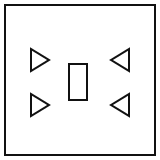
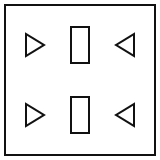
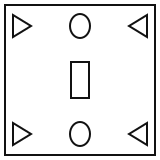
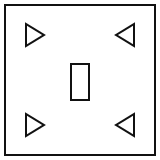
Q291.A sheet of paper is folded along the dotted line successively along the directions
shown and is then punched in the last. How would the paper look when unfolded?
एक कागज़ की शीट को दर्शाई गई दिशाओं में बिंदीदार रेखा के अनुदिश क्रमिक रूप से
मोड़ा जाता है और फिर अंत में उसमें छेद किया जाता है। खोलने पर कागज़ कैसा दिखाई देगा?
- A
- B
- C
- D
Show answer
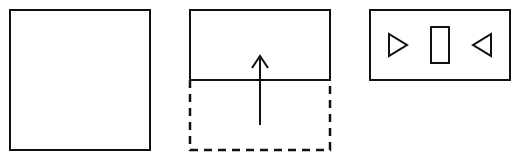
Concept: A punch made through folded layers appears in every layer; on unfolding, the holes are reflected across the fold line.
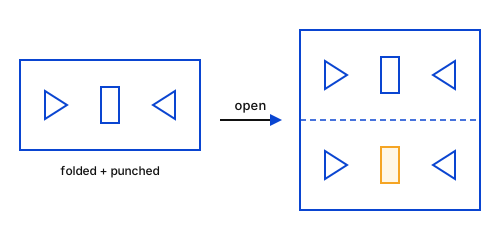
- The square is folded once: the lower half is turned up onto the upper half, so there are 2 layers.
- The punches (▷, rectangle, ◁) in one row go through both layers.
- On opening, the upper half keeps the row and the lower half gets its mirror image about the horizontal fold — the same row again (these shapes look the same when flipped top-to-bottom).
- So the unfolded sheet has two identical rows: ▷ rectangle ◁ above and below. That is option (B).
Trick: One fold = holes doubled; the copy is the mirror image across the fold line.
Answer: (B)
अवधारणा: मुड़ी हुई परतों में किया गया छेद हर परत में बनता है; खोलने पर छेद fold-line के सापेक्ष प्रतिबिंबित होते हैं।
- वर्ग को एक बार मोड़ा गया: निचला आधा भाग ऊपर के आधे पर, अतः 2 परतें।
- एक पंक्ति में छेद (▷, आयत, ◁) दोनों परतों से होकर बनते हैं।
- खोलने पर ऊपरी आधे में वही पंक्ति रहती है और निचले आधे में क्षैतिज fold के सापेक्ष उसका प्रतिबिंब — वही पंक्ति फिर से (ये आकृतियाँ ऊपर-नीचे पलटने पर समान दिखती हैं)।
- अतः खुली शीट में दो एक जैसी पंक्तियाँ: ऊपर और नीचे ▷ आयत ◁। यह विकल्प (B) है।
ट्रिक: एक मोड़ = छेद दुगुने; प्रति, fold-line के सापेक्ष दर्पण प्रतिबिंब होती है।
उत्तर: (B)
SSC CPO Paper IGeneral Intelligence and ReasoningPaper Folding and PunchingSSC CPO Paper I 2024 · 28 Jun Shift 1
Q292.Select the option that represents the correct order of the given words as they would appear in an English dictionary.
1. Infant
2. Indolent
3. Inert
4. Infamous
5. Inefficient
6. Ineffable
उस विकल्प का चयन कीजिए, जो दिए गए शब्दों के उस सही क्रम को दर्शाता है, जिसमें वे अंग्रेज़ी शब्दकोश में आएँगे।
1. Infant
2. Indolent
3. Inert
4. Infamous
5. Inefficient
6. Ineffable
- A2, 6, 5, 3, 4, 1
- B5, 4, 3, 2, 1, 6
- C5, 3, 4, 6, 2, 1
- D2, 5, 6, 1, 4, 3
Show answer
Concept: Compare letter by letter from the left.
- All start with IN. 3rd letter: Indolent has D; Ineffable, Inefficient, Inert have E; Infamous, Infant have F → D, then E-group, then F-group.
- E-group: Ineff- before Iner- (F < R); Ineffable vs Inefficient: A < I → Ineffable, Inefficient, Inert.
- F-group: Infam- vs Infan-: M < N → Infamous, Infant.
- Order: 2, 6, 5, 3, 4, 1.
Trick: When words share a long prefix (Ineff-), go to the first differing letter.
Answer: (A) 2, 6, 5, 3, 4, 1
अवधारणा: बाएँ से अक्षर-दर-अक्षर तुलना करें।
- सभी IN से शुरू। तीसरा अक्षर: Indolent में D; Ineffable, Inefficient, Inert में E; Infamous, Infant में F → D, फिर E-समूह, फिर F-समूह।
- E-समूह: Ineff- पहले, Iner- बाद में (F < R); Ineffable और Inefficient: A < I → Ineffable, Inefficient, Inert।
- F-समूह: Infam- और Infan-: M < N → Infamous, Infant।
- क्रम: 2, 6, 5, 3, 4, 1।
ट्रिक: लंबा समान आरंभ (Ineff-) हो तो पहला अलग अक्षर देखें।
उत्तर: (A) 2, 6, 5, 3, 4, 1
SSC CPO Paper IGeneral Intelligence and ReasoningDictionary OrderSSC CPO Paper I 2024 · 28 Jun Shift 1
Q293.Identify the figure given in the options, which when put in place of the question mark (?) will logically complete the series.

विकल्पों में दी गई उस आकृति की पहचान कीजिए, जिसे प्रश्न चिह्न (?) के स्थान पर रखने पर श्रृंखला तार्किक रूप से पूर्ण हो जाएगी।
- A
- B
- C
- D
Show answer
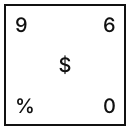
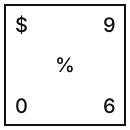
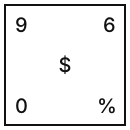
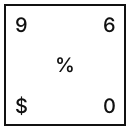
Concept: Track how each symbol moves among the five positions (four corners + centre).
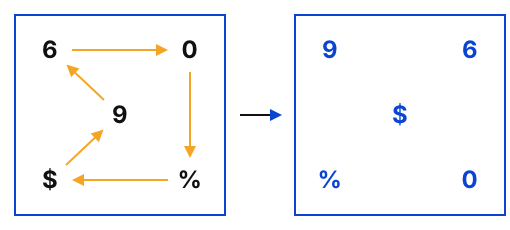
- Every symbol moves one step along the route: centre → top-left → top-right → bottom-right → bottom-left → centre.
- E.g. $: top-left → top-right → bottom-right → bottom-left; next centre. 9: top-right → bottom-right → bottom-left → centre; next top-left.
- From Fig 4, the next figure has 9 top-left, 6 top-right, $ centre, % bottom-left and 0 bottom-right.
- This is option (A).
Trick: Follow one symbol to find the route, then verify with a second symbol before checking the options.
Answer: (A)
अवधारणा: हर चिह्न पाँच स्थानों (चार कोने + केंद्र) में कैसे चलता है, देखें।
- हर चिह्न इस मार्ग पर एक कदम चलता है: केंद्र → ऊपर-बाएँ → ऊपर-दाएँ → नीचे-दाएँ → नीचे-बाएँ → केंद्र।
- जैसे $: ऊपर-बाएँ → ऊपर-दाएँ → नीचे-दाएँ → नीचे-बाएँ; अगला केंद्र। 9: ऊपर-दाएँ → नीचे-दाएँ → नीचे-बाएँ → केंद्र; अगला ऊपर-बाएँ।
- चित्र 4 से अगले चित्र में 9 ऊपर-बाएँ, 6 ऊपर-दाएँ, $ केंद्र, % नीचे-बाएँ और 0 नीचे-दाएँ।
- यह विकल्प (A) है।
ट्रिक: एक चिह्न से मार्ग निकालें, दूसरे से पुष्टि करें, फिर विकल्प देखें।
उत्तर: (A)
SSC CPO Paper IGeneral Intelligence and ReasoningFigure SeriesSSC CPO Paper I 2024 · 28 Jun Shift 1
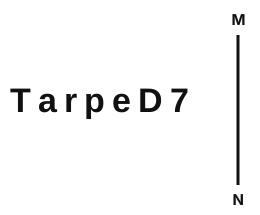
Q294.Select the correct mirror image of the given figure when the mirror is placed at MN as shown below.
जब दर्पण को नीचे दर्शाए अनुसार MN पर रखा जाता है, तो दी गई आकृति के सही दर्पण प्रतिबिंब का चयन कीजिए।
- A
- B
- C
- D
Show answer
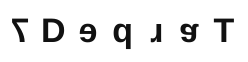
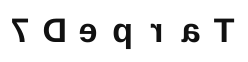
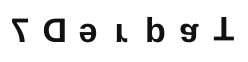
Concept: With the mirror MN on the right, the image is left–right reversed: the order of characters reverses and each character is flipped sideways; top and bottom do not change.
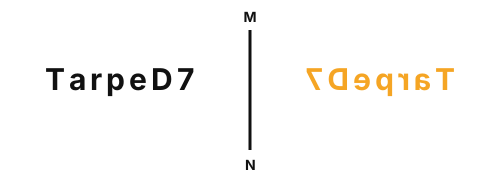
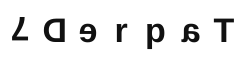
- The last character 7 appears first (reversed 7), then D reversed, then e reversed, then p becomes q, r is flipped, a is flipped and T stays T (symmetric).
- Option (C) shows exactly this: every character flipped sideways and nothing turned upside down.
- Option (A) leaves letters unflipped, (B) shows p unflipped, and (D) turns letters upside down (a water image).
Trick: Vertical mirror: p → q, b → d; letters never go upside down.
Answer: (C)
अवधारणा: दर्पण MN दाईं ओर है, इसलिए प्रतिबिंब बाएँ–दाएँ उलटता है: अक्षरों का क्रम उलटता है और हर अक्षर बगल से पलटता है; ऊपर-नीचे नहीं बदलता।
- अंतिम अक्षर 7 पहले (उल्टा 7), फिर उल्टा D, फिर उल्टा e, फिर p बनता है q, r और a पलटते हैं और T वैसा ही रहता है (सममित)।
- विकल्प (C) में ठीक यही है: हर अक्षर बगल से पलटा, कोई उल्टा (ऊपर-नीचे) नहीं।
- (A) में अक्षर नहीं पलटे, (B) में p नहीं पलटा, और (D) में अक्षर ऊपर-नीचे उल्टे हैं (जल प्रतिबिंब)।
ट्रिक: खड़ा दर्पण: p → q, b → d; अक्षर कभी उल्टे (ऊपर-नीचे) नहीं होते।
उत्तर: (C)
SSC CPO Paper IGeneral Intelligence and ReasoningMirror ImageSSC CPO Paper I 2024 · 28 Jun Shift 1
Q295.Which of the following numbers will replace the question mark (?) in the given series?
5, 8, 13, ?, 29, 40
दी गई श्रृंखला में प्रश्न चिह्न (?) के स्थान पर निम्नलिखित में से कौन-सी संख्या आएगी?
5, 8, 13, ?, 29, 40
- A30
- B25
- C18
- D20
Show answer
Concept: Look at the differences between consecutive terms.
- , , : the differences are consecutive odd numbers .
- Missing term .
- Check: ✓.
Trick: Odd-number differences — fill the middle gaps and check both sides of the "?".
Answer: (D) 20
अवधारणा: क्रमागत पदों के अंतर देखें।
- , , : अंतर क्रमागत विषम संख्याएँ हैं।
- लुप्त पद ।
- जाँच: ✓।
ट्रिक: विषम अंतर — "?" के दोनों ओर से पुष्टि करें।
उत्तर: (D) 20
SSC CPO Paper IGeneral Intelligence and ReasoningNumber SeriesSSC CPO Paper I 2024 · 28 Jun Shift 1
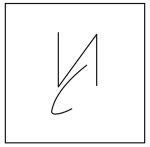
Q296.Select the option figure in which the given figure is embedded as its part.
(Rotation is not allowed.)
उस विकल्प आकृति का चयन कीजिए, जिसमें दी गई आकृति उसके भाग के रूप में निहित है।
(घुमाने की अनुमति नहीं है।)
- A
- B

- C
- D

Show answer
Concept: Look for the exact figure (same size, same orientation — no rotation) hidden inside an option.
- The given figure has two vertical lines joined by a slanting line from the bottom of the left line to the top of the right line, with a hook-shaped curve below.
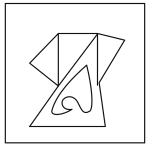
- In option (A), the left edge of the inner triangle forms that slanting line between two vertical lines, and the curl inside the triangle matches the hook.
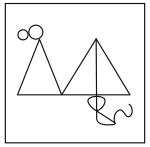
- In (B) and (D) the slanting line runs the other way (top-left to bottom-right), and (C) has no such pair of verticals.
Trick: First check the direction of the slanting line — it eliminates the options with the mirror-type "N" shape.
Answer: (A)
अवधारणा: दी गई आकृति (समान आकार और दिशा — घुमाना नहीं) किस विकल्प में छिपी है, खोजें।
- दी गई आकृति में दो खड़ी रेखाएँ हैं, जो बाईं रेखा के नीचे से दाईं रेखा के ऊपर तक तिरछी रेखा से जुड़ी हैं, और नीचे हुक जैसा वक्र है।
- विकल्प (A) में भीतरी त्रिभुज की बाईं भुजा दो खड़ी रेखाओं के बीच वही तिरछी रेखा बनाती है, और त्रिभुज के अंदर का घुमाव हुक से मेल खाता है।
- (B) और (D) में तिरछी रेखा उल्टी दिशा (ऊपर-बाएँ से नीचे-दाएँ) में है, और (C) में ऐसी खड़ी रेखाओं की जोड़ी नहीं है।
ट्रिक: पहले तिरछी रेखा की दिशा जाँचें — उल्टे "N" वाले विकल्प तुरंत हट जाते हैं।
उत्तर: (A)
SSC CPO Paper IGeneral Intelligence and ReasoningEmbedded FigureSSC CPO Paper I 2024 · 28 Jun Shift 1
Q297.Which letter-cluster will complete the given series?
DHMX, GJKU, _________ , MNGO
कौन-सा अक्षर-समूह दी गई श्रृंखला को पूर्ण करेगा?
DHMX, GJKU, _________ , MNGO
- AIMIR
- BJLIS
- CJLIR
- DIMIS
Show answer
Concept: Track each of the four letter positions separately.
- 1st letters: D, G, ?, M → , so J.
- 2nd letters: H, J, ?, N → , so L.
- 3rd letters: M, K, ?, G → , so I.
- 4th letters: X, U, ?, O → , so R.
Trick: The steps are symmetric: — first and last letters move by 3.
Answer: (C) JLIR
अवधारणा: चारों स्थानों के अक्षर अलग-अलग देखें।
- पहले अक्षर: D, G, ?, M → , अतः J।
- दूसरे अक्षर: H, J, ?, N → , अतः L।
- तीसरे अक्षर: M, K, ?, G → , अतः I।
- चौथे अक्षर: X, U, ?, O → , अतः R।
ट्रिक: चालें सममित हैं: — पहला और अंतिम अक्षर 3 से चलते हैं।
उत्तर: (C) JLIR
SSC CPO Paper IGeneral Intelligence and ReasoningLetter SeriesSSC CPO Paper I 2024 · 28 Jun Shift 1
Q298.In a certain code language,
A + B means ‘A is the mother of B’
A − B means ‘A is the brother of B’
A × B means ‘A is the wife of B’
A ÷ B means ‘ A is the father of B’
Based on the above, how is A related to E if ‘A ÷ B − C + D − E × F’?
एक निश्चित कूट भाषा में,
A + B का अर्थ है ‘A, B की माता है’
A − B का अर्थ है ‘A, B का भाई है’
A × B का अर्थ है ‘A, B की पत्नी है’
A ÷ B का अर्थ है ‘A, B का पिता है’
उपरोक्त के आधार पर, यदि ‘A ÷ B − C + D − E × F’ है, तो A का E से क्या संबंध है?
- ABrotherभाई
- BFather’s fatherपिता के पिता
- CFatherपिता
- DMother’s fatherमाता के पिता
Show answer
Concept: Decode the expression one symbol at a time and draw the family tree.
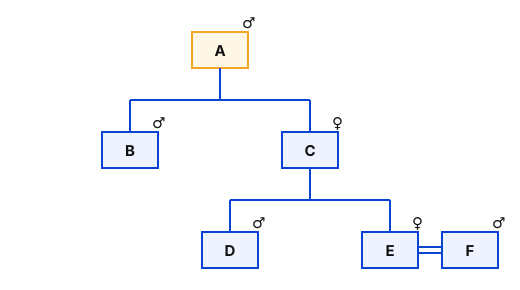
- A ÷ B: A is the father of B. B − C: B is the brother of C, so C is also A's child.
- C + D: C is the mother of D (so C is female). D − E: D is the brother of E, so C is also E's mother.
- E × F: E is the wife of F (E is female).
- A is the father of C, and C is E's mother → A is E's mother's father.
Trick: Go up the tree from E: E → mother C → C's father A.
Answer: (D) Mother’s father
अवधारणा: व्यंजक को एक-एक चिह्न से डिकोड करें और वंश-वृक्ष बनाएँ।
- A ÷ B: A, B का पिता है। B − C: B, C का भाई है, इसलिए C भी A की संतान है।
- C + D: C, D की माँ है (C स्त्री)। D − E: D, E का भाई है, अतः C, E की भी माँ है।
- E × F: E, F की पत्नी है (E स्त्री)।
- A, C का पिता है और C, E की माँ है → A, E की माँ का पिता (नाना) है।
ट्रिक: E से ऊपर चलें: E → माँ C → C के पिता A।
उत्तर: (D) Mother’s father
SSC CPO Paper IGeneral Intelligence and ReasoningBlood Relation (Coded)SSC CPO Paper I 2024 · 28 Jun Shift 1
Q299.A dice has its faces named by alphabets H, I, J, X, Y and Z. Two positions of the same dice are given below. Which face is opposite to face Y?
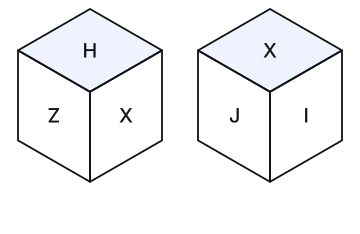
एक पासे के फलकों पर अक्षर H, I, J, X, Y और Z अंकित हैं। नीचे उसी पासे की दो स्थितियाँ दी गई हैं। फलक Y के विपरीत कौन-सा फलक है?
- AX
- BJ
- CH
- DZ
Show answer
Concept: Faces seen together are adjacent; when a face appears in both views, the one face never seen with it is its opposite.
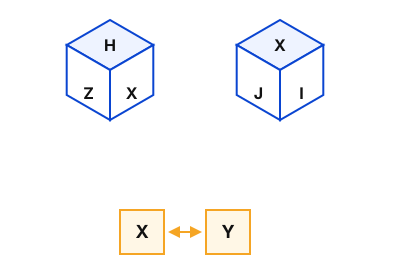
- X appears in both views. Its neighbours: H and Z (view 1), J and I (view 2).
- So H, Z, J, I are all adjacent to X; the only face left, Y, is opposite X.
- Hence the face opposite Y is X.
Trick: Common face in two views: list its four neighbours — the sixth face is opposite it.
Answer: (A) X
अवधारणा: साथ दिखने वाले फलक आसन्न होते हैं; जो फलक दोनों स्थितियों में है, उसके साथ कभी न दिखने वाला फलक उसके विपरीत है।
- X दोनों स्थितियों में है। उसके पड़ोसी: H और Z (पहली), J और I (दूसरी)।
- अतः H, Z, J, I सब X के आसन्न हैं; बचा हुआ फलक Y, X के विपरीत है।
- अतः Y के विपरीत X है।
ट्रिक: दो स्थितियों में समान फलक: उसके चार पड़ोसी लिखें — छठा फलक उसके विपरीत है।
उत्तर: (A) X
SSC CPO Paper IGeneral Intelligence and ReasoningDiceSSC CPO Paper I 2024 · 28 Jun Shift 1
Q300.A dice has its faces named by letters L, M, N, V, W and X. Two positions of the same dice are given below. Which face is opposite to face X?
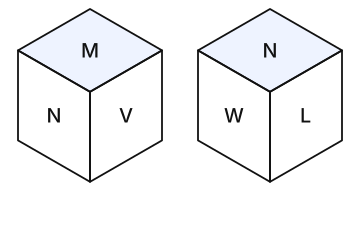
एक पासे के फलकों पर अक्षर L, M, N, V, W और X अंकित हैं। नीचे उसी पासे की दो स्थितियाँ दी गई हैं। फलक X के विपरीत कौन-सा फलक है?
- AN
- BL
- CM
- DW
Show answer
Concept: Faces seen together are adjacent; when a face appears in both views, the one face never seen with it is its opposite.
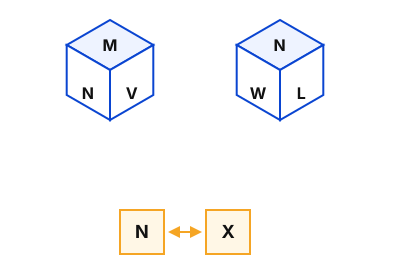
- N appears in both views. Its neighbours: M and V (view 1), W and L (view 2).
- So M, V, W, L are all adjacent to N; the only face left, X, is opposite N.
- Hence the face opposite X is N.
Trick: Common face in two views: list its four neighbours — the sixth face is opposite it.
Answer: (A) N
अवधारणा: साथ दिखने वाले फलक आसन्न होते हैं; जो फलक दोनों स्थितियों में है, उसके साथ कभी न दिखने वाला फलक उसके विपरीत है।
- N दोनों स्थितियों में है। उसके पड़ोसी: M और V (पहली), W और L (दूसरी)।
- अतः M, V, W, L सब N के आसन्न हैं; बचा हुआ फलक X, N के विपरीत है।
- अतः X के विपरीत N है।
ट्रिक: दो स्थितियों में समान फलक: उसके चार पड़ोसी लिखें — छठा फलक उसके विपरीत है।
उत्तर: (A) N
SSC CPO Paper IGeneral Intelligence and ReasoningDiceSSC CPO Paper I 2024 · 28 Jun Shift 1

