Q461.What is the standard weight of a hockey ball?
हॉकी की गेंद का मानक भार कितना होता है?
- A161 gm - 156 gm
- B162 gm - 156 gm
- C160 gm - 156 gm
- D163 gm - 156 gm
Show answer
Concept: As per FIH rules, a hockey ball is spherical, hard, usually white, with weight between 156 g and 163 g and circumference between 224 mm and 235 mm.
- So the correct weight range is 156 gm to 163 gm.
- The other options give upper limits of 160, 161 or 162 gm, which are wrong.
Yaad rakhein: Hockey ball: 156–163 g, circumference 224–235 mm (cricket ball: 155.9–163 g).
Answer: (D) 163 gm – 156 gm
अवधारणा: FIH नियमों के अनुसार हॉकी गेंद गोल, कठोर, सामान्यतः सफ़ेद होती है; उसका भार 156 g से 163 g और परिधि 224 mm से 235 mm होती है।
- अतः सही भार सीमा 156 gm से 163 gm है।
- अन्य विकल्पों की ऊपरी सीमा (160, 161, 162 gm) गलत है।
याद रखें: हॉकी गेंद: 156–163 g, परिधि 224–235 mm।
उत्तर: (D) 163 gm – 156 gm
SSC CPO Paper IGeneral Knowledge and General AwarenessSports – HockeySSC CPO Paper I 2023 · 5 Oct Shift 3
Q462.Choose the correct statement(s) related to ‘continentality’.
a. The sea exerts a moderating influence on climate.
b. As the distance from the sea increases, the people experience extreme weather
conditions.
c. As one goes from the surface of the earth to higher altitudes, the atmosphere
becomes less dense and temperature decreases.
‘महाद्वीपीयता’ (continentality) से संबंधित सही कथन/कथनों का चयन कीजिए।
a. समुद्र, जलवायु पर समकारी प्रभाव डालता है।
b. समुद्र से दूरी बढ़ने के साथ, लोग चरम मौसमी
परिस्थितियों का अनुभव करते हैं।
c. पृथ्वी की सतह से अधिक ऊँचाई की ओर जाने पर, वायुमंडल
कम सघन हो जाता है और तापमान घटता है।
- Aa and ca और c
- BOnly cकेवल c
- Cb and cb और c
- Da and ba और b
Show answer
Concept: Continentality means the effect of distance from the sea on climate. Interiors of continents have extreme (continental) climate.
- a. The sea moderates climate – correct (it is the basis of continentality).
- b. As distance from the sea increases, people face extreme weather – correct.
- c. Temperature falling with height is the effect of altitude, not continentality – so c is not related.
Yaad rakhein: Continentality = distance from sea → extreme climate; Altitude = height → lower temperature.
Answer: (D) a and b
अवधारणा: महाद्वीपीयता (continentality) का अर्थ है समुद्र से दूरी का जलवायु पर प्रभाव। महाद्वीपों के भीतरी भागों में विषम जलवायु होती है।
- a. समुद्र जलवायु को सम (moderate) बनाता है – सही।
- b. समुद्र से दूरी बढ़ने पर लोग विषम मौसम झेलते हैं – सही।
- c. ऊँचाई के साथ तापमान घटना ऊँचाई (altitude) का प्रभाव है, महाद्वीपीयता का नहीं।
याद रखें: महाद्वीपीयता = समुद्र से दूरी → विषम जलवायु; ऊँचाई = तापमान में गिरावट।
उत्तर: (D) a और b
SSC CPO Paper IGeneral Knowledge and General AwarenessFactors Affecting ClimateSSC CPO Paper I 2023 · 5 Oct Shift 3
Q463.The Arms Act was passed in _____ that prevented Indians from keeping arms without an appropriate license.
शस्त्र अधिनियम (Arms Act) _____ में पारित किया गया था, जिसने भारतीयों को उपयुक्त लाइसेंस के बिना शस्त्र रखने से रोक दिया।
- A1909
- B1897
- C1878
- D1912
Show answer
Concept: The Indian Arms Act was passed in 1878 under Viceroy Lord Lytton.
- It made it an offence for Indians to keep, carry or deal in arms without a licence, while Europeans were exempted.
- In the same year (1878) Lytton also passed the Vernacular Press Act.
Yaad rakhein: Lytton's 1878 pair: Arms Act + Vernacular Press Act.
Answer: (C) 1878
अवधारणा: भारतीय शस्त्र अधिनियम (Arms Act) 1878 में वायसराय लॉर्ड लिटन के समय पारित हुआ।
- इसके तहत भारतीयों के लिए बिना लाइसेंस हथियार रखना अपराध बना, जबकि यूरोपीयों को छूट थी।
- इसी वर्ष (1878) लिटन ने वर्नाक्युलर प्रेस एक्ट भी पारित किया।
याद रखें: लिटन 1878: आर्म्स एक्ट + वर्नाक्युलर प्रेस एक्ट।
उत्तर: (C) 1878
SSC CPO Paper IGeneral Knowledge and General AwarenessLytton's AdministrationSSC CPO Paper I 2023 · 5 Oct Shift 3
Q464.Who takes the salute during the Republic Day parade at New Delhi?
नई दिल्ली में गणतंत्र दिवस परेड के दौरान सलामी कौन लेता है?
- AGovernorराज्यपाल
- BPresidentराष्ट्रपति
- CChief Justiceमुख्य न्यायाधीश
- DPrime Ministerप्रधानमंत्री
Show answer
Concept: The President of India is the Supreme Commander of the armed forces, so the President takes the salute at the Republic Day parade on Kartavya Path, New Delhi.
- The Prime Minister leads the nation in paying homage at the National War Memorial before the parade.
- On Independence Day the Prime Minister hoists the flag at the Red Fort, whereas on Republic Day the President unfurls it.
Yaad rakhein: 26 January – President (salute + flag unfurling); 15 August – Prime Minister (Red Fort).
Answer: (B) President
अवधारणा: भारत के राष्ट्रपति सशस्त्र सेनाओं के सर्वोच्च कमांडर हैं, इसलिए नई दिल्ली में कर्तव्य पथ पर गणतंत्र दिवस परेड की सलामी राष्ट्रपति लेते हैं।
- परेड से पहले प्रधानमंत्री राष्ट्रीय युद्ध स्मारक पर श्रद्धांजलि देते हैं।
- स्वतंत्रता दिवस पर प्रधानमंत्री लाल किले पर ध्वज फहराते हैं, जबकि गणतंत्र दिवस पर राष्ट्रपति।
याद रखें: 26 जनवरी – राष्ट्रपति; 15 अगस्त – प्रधानमंत्री।
उत्तर: (B) राष्ट्रपति
SSC CPO Paper IGeneral Knowledge and General AwarenessRepublic DaySSC CPO Paper I 2023 · 5 Oct Shift 3
Q465.According to the Census of India 2011, which of the following states has the highest Hindu population percentage of total population?
भारत की जनगणना 2011 के अनुसार, निम्नलिखित में से किस राज्य में कुल जनसंख्या में हिंदू जनसंख्या का प्रतिशत सर्वाधिक है?
- AMadhya Pradeshमध्य प्रदेश
- BHaryanaहरियाणा
- CHimachal Pradeshहिमाचल प्रदेश
- DUttar Pradeshउत्तर प्रदेश
Show answer
Concept: According to Census 2011, Himachal Pradesh has the highest share of Hindus in its population – about .
- Other values: Odisha about , Chhattisgarh about , Madhya Pradesh about , Haryana about , Uttar Pradesh about .
- Uttar Pradesh has the largest number of Hindus, but not the highest percentage.
Yaad rakhein: Highest Hindu % – Himachal Pradesh; lowest Hindu % – Mizoram/Lakshadweep.
Answer: (C) Himachal Pradesh
अवधारणा: जनगणना 2011 के अनुसार हिमाचल प्रदेश की जनसंख्या में हिंदुओं का प्रतिशत सबसे अधिक है – लगभग ।
- अन्य: ओडिशा लगभग , मध्य प्रदेश लगभग , हरियाणा लगभग , उत्तर प्रदेश लगभग ।
- उत्तर प्रदेश में हिंदुओं की संख्या सबसे अधिक है, पर प्रतिशत नहीं।
याद रखें: हिंदू % सर्वाधिक – हिमाचल प्रदेश।
उत्तर: (C) हिमाचल प्रदेश
SSC CPO Paper IGeneral Knowledge and General AwarenessCensus 2011 – ReligionSSC CPO Paper I 2023 · 5 Oct Shift 3
Q466.Which Article of the Indian Constitution mentions that all the authorities— civil and judicial— in the territory of India shall act in aid of the Supreme Court?
भारतीय संविधान के किस अनुच्छेद में उल्लेख है कि भारत के राज्यक्षेत्र में सभी सिविल और न्यायिक प्राधिकारी उच्चतम न्यायालय की सहायता में कार्य करेंगे?
- AArticle 143अनुच्छेद 143
- BArticle 144अनुच्छेद 144
- CArticle 142अनुच्छेद 142
- DArticle 141अनुच्छेद 141
Show answer
Concept: Article 144: All authorities, civil and judicial, in the territory of India shall act in aid of the Supreme Court.
- Article 141 – law declared by the Supreme Court binds all courts.
- Article 142 – enforcement of decrees and orders to do "complete justice".
- Article 143 – power of the President to consult the Supreme Court (advisory jurisdiction).
Yaad rakhein: 141 binding law, 142 complete justice, 143 advisory, 144 all authorities aid the SC.
Answer: (B) Article 144
अवधारणा: अनुच्छेद 144: भारत के राज्यक्षेत्र के सभी सिविल और न्यायिक प्राधिकारी सर्वोच्च न्यायालय की सहायता में कार्य करेंगे।
- अनुच्छेद 141 – सर्वोच्च न्यायालय द्वारा घोषित विधि सभी न्यायालयों पर बाध्यकारी।
- अनुच्छेद 142 – "पूर्ण न्याय" हेतु आदेश।
- अनुच्छेद 143 – राष्ट्रपति द्वारा परामर्श (सलाहकारी क्षेत्राधिकार)।
याद रखें: 141 बाध्यकारी विधि, 142 पूर्ण न्याय, 143 परामर्श, 144 सहायता।
उत्तर: (B) अनुच्छेद 144
SSC CPO Paper IGeneral Knowledge and General AwarenessIndian Constitution – Supreme CourtSSC CPO Paper I 2023 · 5 Oct Shift 3
Q467.________ river has the least storage capacity of usable water.
________ नदी में उपयोग योग्य जल की भंडारण क्षमता सबसे कम है।
- AGodavariगोदावरी
- BGangesगंगा
- CBrahmaputraब्रह्मपुत्र
- DKrishnaकृष्णा
Show answer
Concept: Although the Brahmaputra carries a huge volume of water, very little of it can be stored and used, because the basin is in a high-rainfall, steep, hilly and flood-prone region with few suitable dam sites.
- So the Brahmaputra basin has the least storage capacity of usable water compared with its flow.
- The Krishna and Godavari basins have many large reservoirs, and the Ganga basin has a large utilisable surface water potential.
Yaad rakhein: Brahmaputra – very high flow but very low utilisable storage.
Answer: (C) Brahmaputra
अवधारणा: ब्रह्मपुत्र में जल की मात्रा बहुत अधिक है, पर उसका बहुत कम भाग संग्रहित व उपयोग किया जा सकता है, क्योंकि उसका बेसिन अधिक वर्षा वाला, खड़ी ढाल वाला, पहाड़ी और बाढ़-प्रवण है जहाँ बाँध के उपयुक्त स्थल कम हैं।
- इसलिए ब्रह्मपुत्र में उपयोग योग्य जल की भंडारण क्षमता सबसे कम है।
- कृष्णा और गोदावरी बेसिन में कई बड़े जलाशय हैं; गंगा बेसिन की उपयोगी क्षमता भी अधिक है।
याद रखें: ब्रह्मपुत्र – प्रवाह बहुत अधिक, उपयोगी भंडारण बहुत कम।
उत्तर: (C) ब्रह्मपुत्र
SSC CPO Paper IGeneral Knowledge and General AwarenessWater Resources of IndiaSSC CPO Paper I 2023 · 5 Oct Shift 3
Q468.Dihang and Lohit are rivers in which of the following regions?
दिहांग और लोहित निम्नलिखित में से किन क्षेत्रों की नदियाँ हैं?
- ASikkim and Manipurसिक्किम और मणिपुर
- BPunjab and Himachalपंजाब और हिमाचल
- CArunachal Pradesh and Assamअरुणाचल प्रदेश और असम
- DJammu and Kashmirजम्मू और कश्मीर
Show answer
Concept: The Brahmaputra (Tsangpo in Tibet) enters India in Arunachal Pradesh as the Siang/Dihang. Near Sadiya in Assam it is joined by the Dibang and the Lohit.
- Dihang flows through Arunachal Pradesh into Assam.
- Lohit rises in Tibet, flows through Arunachal Pradesh and joins the Brahmaputra in Assam.
- Hence both rivers belong to Arunachal Pradesh and Assam.
Yaad rakhein: Tsangpo → Siang/Dihang (Arunachal) + Dibang + Lohit → Brahmaputra (Assam).
Answer: (C) Arunachal Pradesh and Assam
अवधारणा: ब्रह्मपुत्र (तिब्बत में सांगपो) अरुणाचल प्रदेश में सियांग/दिहांग नाम से प्रवेश करती है और असम में सादिया के पास दिबांग व लोहित इससे मिलती हैं।
- दिहांग अरुणाचल प्रदेश से असम में बहती है।
- लोहित तिब्बत से निकलकर अरुणाचल से होते हुए असम में ब्रह्मपुत्र से मिलती है।
- अतः दोनों नदियाँ अरुणाचल प्रदेश और असम क्षेत्र की हैं।
याद रखें: सांगपो → सियांग/दिहांग + दिबांग + लोहित → ब्रह्मपुत्र (असम)।
उत्तर: (C) अरुणाचल प्रदेश और असम
SSC CPO Paper IGeneral Knowledge and General AwarenessRivers of North-East IndiaSSC CPO Paper I 2023 · 5 Oct Shift 3
Q469.With which of the following dance forms is Thumri music associated?
ठुमरी संगीत निम्नलिखित में से किस नृत्य शैली से संबंधित है?
- ASattriyaसत्रिया
- BKathakaliकथकली
- CKathakकथक
- DBharatanatyamभरतनाट्यम
Show answer
Concept: Thumri is a semi-classical, romantic-devotional vocal form of Hindustani music, centred around Lucknow and Banaras.
- It grew in the Lucknow court of Wajid Ali Shah together with Kathak, and is widely used for abhinaya (expressive) parts of Kathak.
- Sattriya (Assam), Kathakali (Kerala) and Bharatanatyam (Tamil Nadu) use regional/Carnatic music, not Thumri.
Yaad rakhein: Thumri ↔ Kathak (Lucknow gharana, Wajid Ali Shah).
Answer: (C) Kathak
अवधारणा: ठुमरी (Thumri) हिंदुस्तानी संगीत की अर्ध-शास्त्रीय गायन शैली है, जिसका केंद्र लखनऊ और बनारस है।
- यह वाजिद अली शाह के लखनऊ दरबार में कथक के साथ विकसित हुई और कथक के अभिनय भाग में प्रयुक्त होती है।
- सत्रिया (असम), कथकली (केरल) और भरतनाट्यम (तमिलनाडु) में ठुमरी का प्रयोग नहीं होता।
याद रखें: ठुमरी ↔ कथक (लखनऊ घराना)।
उत्तर: (C) कथक
SSC CPO Paper IGeneral Knowledge and General AwarenessIndian Classical Dance and MusicSSC CPO Paper I 2023 · 5 Oct Shift 3
Q470.Who among the following Mauryan king fasted to death and died at Shravanabelagola?
निम्नलिखित में से किस मौर्य राजा ने उपवास करके श्रवणबेलगोला में प्राण त्याग दिए थे?
- ABindusaraबिंदुसार
- BDasharathaदशरथ
- CChandragupta Mauryaचंद्रगुप्त मौर्य
- DAshokaअशोक
Show answer
Concept: Chandragupta Maurya, founder of the Mauryan Empire, embraced Jainism in his later life.
- He abdicated the throne and went to Karnataka with the Jain monk Bhadrabahu.
- At Shravanabelagola (Chandragiri hill) he performed sallekhana – fasting unto death – around 297 BCE.
- Ashoka followed Buddhism; Bindusara favoured the Ajivikas.
Yaad rakhein: Chandragupta + Bhadrabahu + Shravanabelagola + Sallekhana.
Answer: (C) Chandragupta Maurya
अवधारणा: मौर्य साम्राज्य के संस्थापक चंद्रगुप्त मौर्य ने जीवन के अंतिम समय में जैन धर्म अपनाया।
- उन्होंने सिंहासन त्यागा और जैन मुनि भद्रबाहु के साथ कर्नाटक गए।
- श्रवणबेलगोला (चंद्रगिरि पहाड़ी) पर उन्होंने सल्लेखना (उपवास द्वारा देह-त्याग) किया।
- अशोक बौद्ध धर्म से और बिंदुसार आजीवक संप्रदाय से जुड़े थे।
याद रखें: चंद्रगुप्त + भद्रबाहु + श्रवणबेलगोला + सल्लेखना।
उत्तर: (C) चंद्रगुप्त मौर्य
SSC CPO Paper IGeneral Knowledge and General AwarenessMauryan EmpireSSC CPO Paper I 2023 · 5 Oct Shift 3
Q471.Shifting agriculture is known as ______ in the Western Ghats.
पश्चिमी घाट में स्थानांतरी कृषि को ______ के नाम से जाना जाता है।
- Akumariकुमारी
- Bdahiyaदहिया
- Ckomanकोमन
- Dwaltreवाल्रे
Show answer
Concept: Slash-and-burn (shifting) agriculture has different local names in India (NCERT).
- Western Ghats – Kumari; Madhya Pradesh – Bewar/Dahiya; Andhra Pradesh – Podu/Penda.
- Jharkhand – Kuruwa; Odisha – Pama Dabi/Koman/Bringa; North-East – Jhumming.
- So "dahiya" and "koman" belong to other regions, and "waltre" is used in south-east Rajasthan.
Yaad rakhein: Kumari – Western Ghats; Jhum – NE; Podu – Andhra; Bewar/Dahiya – MP; Waltre – SE Rajasthan.
Answer: (A) kumari
अवधारणा: काटो और जलाओ (स्थानांतरी) कृषि के भारत में अलग-अलग स्थानीय नाम हैं (NCERT)।
- पश्चिमी घाट – कुमारी (Kumari); मध्य प्रदेश – बेवर/दहिया; आंध्र प्रदेश – पोडु/पेंडा।
- झारखंड – कुरुवा; ओडिशा – पामा डाबी/कोमान/ब्रिंगा; पूर्वोत्तर – झूम।
- वाल्रे (waltre) दक्षिण-पूर्वी राजस्थान में प्रचलित नाम है।
याद रखें: कुमारी – पश्चिमी घाट; झूम – पूर्वोत्तर; पोडु – आंध्र; बेवर/दहिया – मध्य प्रदेश।
उत्तर: (A) kumari (कुमारी)
SSC CPO Paper IGeneral Knowledge and General AwarenessShifting AgricultureSSC CPO Paper I 2023 · 5 Oct Shift 3
Q472.In which of the following states are Aus, Boro and Aman paddy crops grown in a year?
निम्नलिखित में से किस राज्य में एक वर्ष में औस, बोरो और अमन धान की फसलें उगाई जाती हैं?
- APunjabपंजाब
- BOdishaओडिशा
- CHaryanaहरियाणा
- DUttarakhandउत्तराखंड
Show answer
Concept: In eastern states like West Bengal and Odisha, rice is grown three times a year: Aus, Aman and Boro.
- Aus – autumn (pre-kharif) crop; Aman – winter (main kharif) crop; Boro – summer crop.
- Punjab, Haryana and Uttarakhand mainly grow a single kharif rice crop, not these three.
Yaad rakhein: Aus–Aman–Boro = three paddy crops of Odisha and West Bengal.
Answer: (B) Odisha
अवधारणा: पश्चिम बंगाल और ओडिशा जैसे पूर्वी राज्यों में वर्ष में धान की तीन फ़सलें उगाई जाती हैं: औस (Aus), अमन (Aman) और बोरो (Boro)।
- औस – शरद (पूर्व-खरीफ) फ़सल; अमन – शीतकालीन (मुख्य खरीफ) फ़सल; बोरो – ग्रीष्मकालीन फ़सल।
- पंजाब, हरियाणा और उत्तराखंड में मुख्यतः एक ही खरीफ धान होता है।
याद रखें: औस–अमन–बोरो = ओडिशा व पश्चिम बंगाल।
उत्तर: (B) ओडिशा
SSC CPO Paper IGeneral Knowledge and General AwarenessRice Cultivation in IndiaSSC CPO Paper I 2023 · 5 Oct Shift 3
Q473.The measure of the force that can cause an object to rotate about an axis is called:
उस बल की माप, जो किसी वस्तु को किसी अक्ष के परितः घुमा सकता है, क्या कहलाती है?
- Amoment of inertiaजड़त्व आघूर्ण (moment of inertia)
- Bpowerशक्ति (power)
- Ctorqueबल आघूर्ण (torque)
- Dcentripetal forceअभिकेंद्र बल (centripetal force)
Show answer
Concept: The turning effect of a force about an axis is called torque (moment of force): .
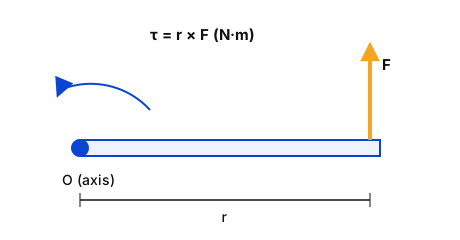
- Torque depends on the force and the perpendicular distance of its line of action from the axis.
- SI unit: . Example: opening a door by pushing far from the hinges.
- Moment of inertia resists rotation; power is rate of doing work; centripetal force keeps a body in a circle – none of them is the turning force itself.
Yaad rakhein: Torque in rotation = force in straight-line motion; moment of inertia = mass in rotation.
Answer: (C) torque
अवधारणा: किसी अक्ष के चारों ओर बल के घुमाने वाले प्रभाव को बल-आघूर्ण (torque) कहते हैं: ।
- यह बल और अक्ष से बल की क्रिया-रेखा की लंबवत दूरी पर निर्भर करता है।
- SI मात्रक: । उदाहरण: कब्ज़ों से दूर धक्का देकर दरवाज़ा खोलना।
- जड़त्व आघूर्ण घूर्णन का विरोध करता है; शक्ति कार्य की दर है; अभिकेंद्र बल वृत्ताकार गति बनाए रखता है।
याद रखें: घूर्णन में बल-आघूर्ण = रैखिक गति में बल; जड़त्व आघूर्ण = द्रव्यमान।
उत्तर: (C) बल-आघूर्ण (torque)
SSC CPO Paper IGeneral Knowledge and General AwarenessRotational MotionSSC CPO Paper I 2023 · 5 Oct Shift 3
Q474.Who among the following classical poets of the Sultanate period in India popularised Qawwali, a form of music which derived its name from the Arabic word ‘qaul’, meaning ‘to speak’?
भारत में सल्तनत काल के निम्नलिखित शास्त्रीय कवियों में से किसने क़व्वाली को लोकप्रिय बनाया, जो संगीत का एक रूप है जिसका नाम अरबी शब्द ‘क़ौल’ से लिया गया है, जिसका अर्थ है ‘बोलना’?
- ANizam al-Din Awliyaनिज़ामुद्दीन औलिया
- BJalal al-Din Muhammad Rumiजलालुद्दीन मुहम्मद रूमी
- CAmir Khusrauअमीर ख़ुसरो
- DShams al-Din Muhammad Hafizशम्सुद्दीन मुहम्मद हाफ़िज़
Show answer
Concept: Amir Khusrau (1253–1325), poet-musician and disciple of Nizamuddin Auliya, is credited with popularising Qawwali.
- He served several Delhi Sultans from Balban to Ghiyasuddin Tughlaq and was called "Tuti-e-Hind" (Parrot of India).
- He is also linked with Khayal, Tarana and the sitar tradition.
- Nizamuddin Auliya was a Sufi saint (his teacher); Rumi and Hafiz were Persian poets, not of India.
Yaad rakhein: Amir Khusrau = Qawwali + Tuti-e-Hind + disciple of Nizamuddin Auliya.
Answer: (C) Amir Khusrau
अवधारणा: अमीर ख़ुसरो (1253–1325), कवि-संगीतकार और निज़ामुद्दीन औलिया के शिष्य, को क़व्वाली लोकप्रिय बनाने का श्रेय दिया जाता है।
- उन्होंने बलबन से ग़यासुद्दीन तुग़लक तक कई सुल्तानों की सेवा की और "तूती-ए-हिंद" कहलाए।
- ख़याल और तराना से भी उनका नाम जुड़ा है।
- निज़ामुद्दीन औलिया सूफ़ी संत (उनके गुरु) थे; रूमी और हाफ़िज़ फ़ारसी कवि थे।
याद रखें: अमीर ख़ुसरो = क़व्वाली + तूती-ए-हिंद।
उत्तर: (C) अमीर ख़ुसरो
SSC CPO Paper IGeneral Knowledge and General AwarenessDelhi Sultanate – CultureSSC CPO Paper I 2023 · 5 Oct Shift 3
Q475.What is the name of the 1,3-isomer (or meta-isomer) of benzenediol with the chemical formula ?
रासायनिक सूत्र वाले बेंज़ीनडाइऑल (benzenediol) के 1,3-समावयवी (या मेटा-समावयवी) का नाम क्या है?
- Am-Cresolm-क्रेसॉल
- BResorcinolरिसॉर्सिनॉल
- CCatecholकैटेकॉल
- DGlycerolग्लिसरॉल
Show answer
Concept: Benzenediols, , have two –OH groups on a benzene ring and occur as three isomers.
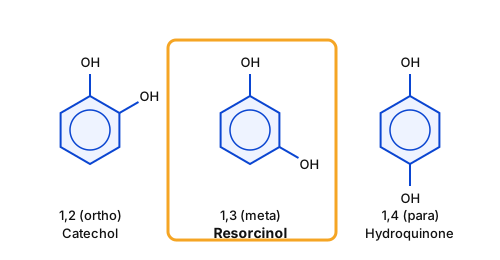
- 1,2 (ortho) – Catechol.
- 1,3 (meta) – Resorcinol.
- 1,4 (para) – Hydroquinone. m-Cresol is a methylphenol and Glycerol is a triol (not aromatic).
Yaad rakhein: Ortho–Meta–Para = Catechol–Resorcinol–Hydroquinone ("C-R-H").
Answer: (B) Resorcinol
अवधारणा: बेंज़ीनडाइऑल, , में बेंज़ीन वलय पर दो –OH समूह होते हैं और इसके तीन समावयव (isomers) हैं।
- 1,2 (ऑर्थो) – कैटेकॉल।
- 1,3 (मेटा) – रिसॉर्सिनॉल (Resorcinol)।
- 1,4 (पैरा) – हाइड्रोक्विनोन। m-क्रेसॉल मेथिलफ़ीनॉल है और ग्लिसरॉल ट्राइऑल है।
याद रखें: ऑर्थो–मेटा–पैरा = कैटेकॉल–रिसॉर्सिनॉल–हाइड्रोक्विनोन।
उत्तर: (B) रिसॉर्सिनॉल
SSC CPO Paper IGeneral Knowledge and General AwarenessOrganic Chemistry – PhenolsSSC CPO Paper I 2023 · 5 Oct Shift 3
Q476.Who was/were the founder(s) of the Theosophical Society?
थियोसोफिकल सोसाइटी के संस्थापक कौन था/थे?
- AH P Blavatsky and Colonel Olcottएच. पी. ब्लावत्स्की और कर्नल ऑलकॉट
- BMadam Bhikaji Camaमैडम भीकाजी कामा
- CAnnie Besantएनी बेसेंट
- DCharles W Leadbeater and Emily Lutyensचार्ल्स डब्ल्यू. लेडबीटर और एमिली लुटियंस
Show answer
Concept: The Theosophical Society was founded in 1875 in New York by Madame H. P. Blavatsky and Colonel H. S. Olcott.
- Its headquarters shifted to Adyar (Chennai) in 1882.
- Annie Besant joined later (1889) and became its president in 1907 – she was not a founder.
- Bhikaji Cama unfurled an Indian flag at Stuttgart (1907); Leadbeater was a later member.
Yaad rakhein: Theosophical Society: 1875 New York, Blavatsky + Olcott → Adyar 1882 → Annie Besant president 1907.
Answer: (A) H P Blavatsky and Colonel Olcott
अवधारणा: थियोसोफ़िकल सोसाइटी की स्थापना 1875 में न्यूयॉर्क में मैडम एच. पी. ब्लावात्स्की और कर्नल एच. एस. ओल्कॉट ने की।
- 1882 में इसका मुख्यालय अड्यार (चेन्नई) आ गया।
- एनी बेसेंट बाद में (1889) जुड़ीं और 1907 में अध्यक्ष बनीं – वे संस्थापक नहीं थीं।
- भीकाजी कामा ने स्टटगार्ट (1907) में भारतीय ध्वज फहराया था।
याद रखें: थियोसोफ़िकल सोसाइटी: 1875 न्यूयॉर्क → 1882 अड्यार → 1907 एनी बेसेंट अध्यक्ष।
उत्तर: (A) एच. पी. ब्लावात्स्की और कर्नल ओल्कॉट
SSC CPO Paper IGeneral Knowledge and General AwarenessSocio-religious Reform MovementsSSC CPO Paper I 2023 · 5 Oct Shift 3
Q477.Which Articles of the Indian Constitution describe Fundamental Rights?
भारतीय संविधान के कौन-से अनुच्छेद मौलिक अधिकारों का वर्णन करते हैं?
- AArticles 5 to 11अनुच्छेद 5 से 11
- BArticles 12 to 35अनुच्छेद 12 से 35
- CArticles 36 to 51अनुच्छेद 36 से 51
- DArticles 52 to 62अनुच्छेद 52 से 62
Show answer
Concept: Part III of the Constitution (Articles 12 to 35) deals with Fundamental Rights.
- Articles 5–11 – Citizenship (Part II).
- Articles 36–51 – Directive Principles of State Policy (Part IV).
- Articles 52–62 – The President and Vice-President (Part V).
Yaad rakhein: Part II 5–11, Part III 12–35, Part IV 36–51, Part IVA 51A.
Answer: (B) Articles 12 to 35
अवधारणा: संविधान का भाग III (अनुच्छेद 12 से 35) मौलिक अधिकारों से संबंधित है।
- अनुच्छेद 5–11 – नागरिकता (भाग II)।
- अनुच्छेद 36–51 – राज्य के नीति निदेशक तत्व (भाग IV)।
- अनुच्छेद 52–62 – राष्ट्रपति और उपराष्ट्रपति।
याद रखें: भाग II 5–11, भाग III 12–35, भाग IV 36–51, भाग IVA 51A।
उत्तर: (B) अनुच्छेद 12 से 35
SSC CPO Paper IGeneral Knowledge and General AwarenessFundamental RightsSSC CPO Paper I 2023 · 5 Oct Shift 3
Q478.Which of the following organisms belongs to phylum Apicomplexa?
निम्नलिखित में से कौन-सा जीव संघ एपिकॉम्प्लेक्सा (Apicomplexa) से संबंधित है?
- ASpongeस्पंज
- BPhysaliaफ़ाइसेलिया
- CHydraहाइड्रा
- DPlasmodiumप्लाज़्मोडियम
Show answer
Concept: Phylum Apicomplexa (sporozoans) contains parasitic protists having an apical complex used to enter host cells.
- Plasmodium, which causes malaria, is the best-known member.
- Sponge belongs to Porifera; Physalia and Hydra belong to Cnidaria (Coelenterata).
Yaad rakhein: Apicomplexa = Plasmodium, Toxoplasma; Cnidaria = Hydra, Physalia, Aurelia.
Answer: (D) Plasmodium
अवधारणा: संघ एपिकॉम्प्लेक्सा (Apicomplexa, स्पोरोज़ोआ) में परजीवी प्रोटिस्ट आते हैं, जिनमें मेज़बान कोशिका में प्रवेश हेतु एपिकल कॉम्प्लेक्स होता है।
- मलेरिया फैलाने वाला प्लाज़्मोडियम इसका प्रमुख उदाहरण है।
- स्पंज – पोरिफ़ेरा; फ़ाइसेलिया और हाइड्रा – निडेरिया।
याद रखें: एपिकॉम्प्लेक्सा = प्लाज़्मोडियम; निडेरिया = हाइड्रा, फ़ाइसेलिया।
उत्तर: (D) प्लाज़्मोडियम (Plasmodium)
SSC CPO Paper IGeneral Knowledge and General AwarenessClassification of ProtistsSSC CPO Paper I 2023 · 5 Oct Shift 3
Q479.Select the INCORRECT pair of a famous minaret and its construction year in India.
भारत में किसी प्रसिद्ध मीनार और उसके निर्माण वर्ष के गलत युग्म का चयन कीजिए।
- AShaheed Minar–1828 CEशहीद मीनार–1828 ई.
- BChand Minar–1435 CEचाँद मीनार–1435 ई.
- CChar Minar–1664 CEचार मीनार–1664 ई.
- DJhulta Minar–1452 CEझूलता मीनार–1452 ई.
Show answer
Concept: The Charminar of Hyderabad was built by Muhammad Quli Qutb Shah in 1591 CE, not 1664 CE – so this pair is incorrect.
- Shaheed Minar (Ochterlony Monument), Kolkata – 1828 CE: correct.
- Chand Minar, Daulatabad – built by Alauddin Bahmani, 1435 CE: correct.
- Jhulta Minar (shaking minarets), Ahmedabad – about 1452 CE: correct.
Yaad rakhein: Charminar – 1591, Qutb Shahi dynasty, to mark the founding of Hyderabad.
Answer: (C) Char Minar – 1664 CE
अवधारणा: हैदराबाद की चारमीनार मुहम्मद क़ुली क़ुतुब शाह ने 1591 ई. में बनवाई थी, 1664 ई. में नहीं – अतः यह युग्म गलत है।
- शहीद मीनार (ऑक्टरलोनी स्मारक), कोलकाता – 1828 ई.: सही।
- चाँद मीनार, दौलताबाद – अलाउद्दीन बहमनी, 1435 ई.: सही।
- झूलता मीनार, अहमदाबाद – लगभग 1452 ई.: सही।
याद रखें: चारमीनार – 1591, क़ुतुब शाही वंश।
उत्तर: (C) चार मीनार – 1664 ई.
SSC CPO Paper IGeneral Knowledge and General AwarenessIndian Architecture – MinaretsSSC CPO Paper I 2023 · 5 Oct Shift 3
Q480.In 1932, who discovered the positron, a particle described as ‘carrying a positive
charge but having a mass of the same order of magnitude as that normally possessed by a free negative electron’?
1932 में, किसने पॉज़िट्रॉन की खोज की, जिसे एक ऐसे कण के रूप में वर्णित किया गया है जो ‘धनात्मक
आवेश वहन करता है लेकिन जिसका द्रव्यमान उसी कोटि का होता है जो सामान्यतः एक मुक्त ऋणात्मक इलेक्ट्रॉन का होता है’?
- ANiels Bohrनील्स बोर
- BPaul Diracपॉल डिराक
- CErnest Rutherfordअर्नेस्ट रदरफोर्ड
- DCarl Andersonकार्ल एंडरसन
Show answer
Concept: The positron (anti-electron) was discovered in 1932 by Carl D. Anderson while studying cosmic rays in a cloud chamber.
- Paul Dirac had predicted it theoretically in 1928 – but did not discover it experimentally.
- Anderson received the Nobel Prize in Physics in 1936.
- Rutherford discovered the nucleus/proton; Bohr gave the model of the atom.
Yaad rakhein: Positron – predicted by Dirac (1928), discovered by Anderson (1932).
Answer: (D) Carl Anderson
अवधारणा: पॉज़िट्रॉन (प्रति-इलेक्ट्रॉन) की खोज 1932 में कार्ल डी. एंडरसन ने क्लाउड चैंबर में कॉस्मिक किरणों का अध्ययन करते हुए की।
- पॉल डिराक ने 1928 में इसकी सैद्धांतिक भविष्यवाणी की थी, खोज नहीं।
- एंडरसन को 1936 में भौतिकी का नोबेल मिला।
- रदरफ़ोर्ड – नाभिक/प्रोटॉन; बोर – परमाणु मॉडल।
याद रखें: पॉज़िट्रॉन – भविष्यवाणी डिराक (1928), खोज एंडरसन (1932)।
उत्तर: (D) कार्ल एंडरसन
SSC CPO Paper IGeneral Knowledge and General AwarenessAtomic Physics – DiscoveriesSSC CPO Paper I 2023 · 5 Oct Shift 3

