Q761.Select the correct option that indicates the arrangement of the given words in the
order in which they appear in an English dictionary.
1. Glory
2. Glossary
3. Globe
4. Gloss
5. Glow
6. Gloomy
उस सही विकल्प का चयन कीजिए जो दिए गए शब्दों की उस व्यवस्था को दर्शाता है
जिस क्रम में वे अंग्रेज़ी शब्दकोश में आते हैं।
1. Glory
2. Glossary
3. Globe
4. Gloss
5. Glow
6. Gloomy
- A3, 1, 6, 4, 2, 5
- B3, 6, 1, 2, 4, 5
- C3, 6, 1, 4, 2, 5
- D6, 3, 1, 4, 2, 5
Show answer
Concept: All words start with GLO; compare the 4th letter, then further letters.
- 4th letters: Globe, Gloomy, Glory, Gloss, Glossary, Glow → b, o, r, s, s, w.
- Gloss vs Glossary: Gloss is a prefix of Glossary, so Gloss comes first.
- Order: Globe(3), Gloomy(6), Glory(1), Gloss(4), Glossary(2), Glow(5).
Yaad rakhein: A shorter word that is the beginning of a longer word always comes first (Gloss → Glossary).
Answer: (C) 3, 6, 1, 4, 2, 5
अवधारणा: सभी शब्द GLO से शुरू हैं; चौथा अक्षर फिर आगे के अक्षर तुलना करें।
- चौथे अक्षर: b, o, r, s, s, w (Globe, Gloomy, Glory, Gloss, Glossary, Glow)।
- Gloss, Glossary का शुरुआती भाग है, इसलिए Gloss पहले।
- क्रम: Globe(3), Gloomy(6), Glory(1), Gloss(4), Glossary(2), Glow(5)।
याद रखें: छोटा शब्द जो बड़े शब्द की शुरुआत हो, हमेशा पहले आता है।
उत्तर: (C) 3, 6, 1, 4, 2, 5
SSC CPO Paper IGeneral Intelligence and ReasoningDictionary OrderSSC CPO Paper I 2023 · 3 Oct Shift 3
Q762.If '+' means '–', '–' means '÷', '÷' means '×' and '×' means '+', then what will come in
place of the (?) in the following equation?
15 ÷ 405 – 3 + 25 × 5 = ?
यदि '+' का अर्थ '–', '–' का अर्थ '÷', '÷' का अर्थ '×' और '×' का अर्थ '+' है, तो निम्नलिखित समीकरण में
प्रश्न चिह्न (?) के स्थान पर क्या आएगा?
15 ÷ 405 – 3 + 25 × 5 = ?
- A1890
- B2000
- C2005
- D1889
Show answer
Concept: Swap signs (, , , ) and apply BODMAS.
- New:
- ;
Trick: Do the division first () to keep numbers small.
Answer: (C)
अवधारणा: चिन्ह बदलें (, , , ) और BODMAS लगाएँ।
- नया:
- ;
ट्रिक: पहले भाग () करें, संख्या छोटी रहती है।
उत्तर: (C)
SSC CPO Paper IGeneral Intelligence and ReasoningMathematical OperationsSSC CPO Paper I 2023 · 3 Oct Shift 3
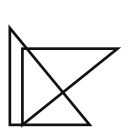
Q763.Select the option that is embedded in the given figure as its part (rotation is NOT allowed).
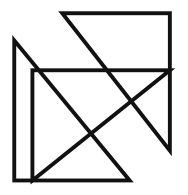
उस विकल्प का चयन कीजिए जो दी गई आकृति में उसके भाग के रूप में निहित है (घुमाने की अनुमति नहीं है)।
- A
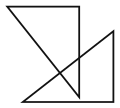
- B
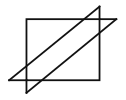
- C
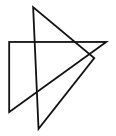
- D
Show answer
Concept: The correct option must appear inside the big figure with the same size and orientation (no rotation).
- The given figure has a tall left rectangle with two diagonals crossing it and a horizontal line at the top-right.
- Option (D) — vertical side, a horizontal top line and two crossing slanted lines — traces exactly on the left part of the figure.
- (A), (B), (C) need lines/angles that are not present in the figure.
Trick: Fix one distinctive corner of the option (here the vertical edge with the cross) and look for it in the figure.
Answer: (D) the fourth option figure
अवधारणा: सही विकल्प बड़ी आकृति में उसी आकार और दिशा में (बिना घुमाए) दिखना चाहिए।
- दी गई आकृति में बाईं ओर लंबा आयत, उसे काटती दो तिरछी रेखाएँ और ऊपर क्षैतिज रेखा है।
- विकल्प (D) — ऊर्ध्वाधर भुजा, ऊपर क्षैतिज रेखा और दो कटती तिरछी रेखाएँ — आकृति के बाएँ भाग में ठीक बैठता है।
- (A), (B), (C) में ऐसी रेखाएँ/कोण हैं जो आकृति में नहीं हैं।
ट्रिक: विकल्प का कोई विशेष कोना (यहाँ ऊर्ध्वाधर भुजा और क्रॉस) पकड़कर आकृति में खोजें।
उत्तर: (D) चौथी विकल्प आकृति
SSC CPO Paper IGeneral Intelligence and ReasoningEmbedded FigureSSC CPO Paper I 2023 · 3 Oct Shift 3
Q764.Two statements are given, followed by two conclusions numbered I and II. Assuming the statements to be true, even if they seem to be at variance with commonly known facts, decide which of the conclusions logically follow(s) from the statements.
Statements:
All cupboards are shelves.
All shelves are drawers.
Conclusions:
I. All cupboards are drawers.
II. All drawers are shelves.
दो कथन दिए गए हैं, जिनके बाद I और II से संख्यांकित दो निष्कर्ष दिए गए हैं। कथनों को सत्य मानते हुए, भले ही वे सामान्यतः ज्ञात तथ्यों से भिन्न प्रतीत होते हों, निर्णय कीजिए कि कौन-सा/से निष्कर्ष तार्किक रूप से कथनों का अनुसरण करता है/करते हैं।
कथन:
सभी अलमारियाँ, शेल्फ हैं।
सभी शेल्फ, दराज हैं।
निष्कर्ष:
I. सभी अलमारियाँ, दराज हैं।
II. सभी दराज, शेल्फ हैं।
- ANeither conclusion I nor II followsन तो निष्कर्ष I और न ही II अनुसरण करता है
- BBoth conclusions I and II followनिष्कर्ष I और II दोनों अनुसरण करते हैं
- COnly conclusion II followsकेवल निष्कर्ष II अनुसरण करता है
- DOnly conclusion I followsकेवल निष्कर्ष I अनुसरण करता है
Show answer
Concept: “All A are B” + “All B are C” gives “All A are C”; the reverse (All C are B) is not certain.
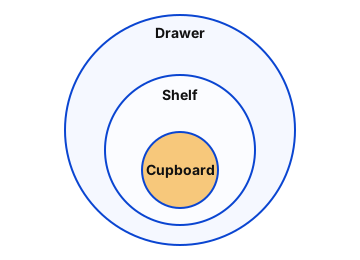
- Cupboard ⊂ Shelf ⊂ Drawer, so every cupboard is a drawer → I follows.
- Drawer is the biggest circle; part of it may lie outside Shelf → II does not follow.
Yaad rakhein: “All” cannot be reversed: All shelves are drawers ≠ All drawers are shelves.
Answer: (D) Only conclusion I follows
अवधारणा: “All A are B” + “All B are C” से “All A are C” निकलता है; उल्टा (All C are B) निश्चित नहीं।
- Cupboard ⊂ Shelf ⊂ Drawer, अतः हर cupboard एक drawer है → I अनुसरण करता है।
- Drawer सबसे बड़ा वृत्त है; उसका कुछ भाग Shelf के बाहर हो सकता है → II नहीं।
याद रखें: “All” को उल्टा नहीं कर सकते।
उत्तर: (D) Only conclusion I follows (केवल I)
SSC CPO Paper IGeneral Intelligence and ReasoningSyllogismSSC CPO Paper I 2023 · 3 Oct Shift 3
Q765.Which of the following terms will replace the question mark (?) in the given series? WWVU , USTQ , ? , QKPI , OGNE
दी गई श्रृंखला में प्रश्न चिह्न (?) के स्थान पर निम्नलिखित में से कौन-सा पद आएगा? WWVU , USTQ , ? , QKPI , OGNE
- ASQRM
- BSORW
- CSORM
- DSROM
Show answer
Concept: Read each letter position of the clusters as a separate series.
- 1st letters: W, U, ?, Q, O → each → S.
- 2nd letters: W, S, ?, K, G → each → O.
- 3rd letters: V, T, ?, P, N → → R; 4th letters: U, Q, ?, I, E → → M.
Trick: Split a cluster series column-wise; each column is usually a simple step.
Answer: (C) SORM
अवधारणा: हर समूह के अक्षरों को स्थान के अनुसार अलग श्रृंखला मानें।
- पहले अक्षर: W, U, ?, Q, O → → S।
- दूसरे अक्षर: W, S, ?, K, G → → O।
- तीसरे: V, T, ?, P, N → → R; चौथे: U, Q, ?, I, E → → M।
ट्रिक: समूह श्रृंखला को कॉलम-वार तोड़ें; हर कॉलम सरल चाल होता है।
उत्तर: (C) SORM
SSC CPO Paper IGeneral Intelligence and ReasoningLetter SeriesSSC CPO Paper I 2023 · 3 Oct Shift 3
Q766.In a certain code language, ‘CARD’ is coded as ‘3597’ and ‘DOGS’ is coded as ‘8346’. What is the code for ‘D’ in the given code language?
एक निश्चित कूट भाषा में, ‘CARD’ को ‘3597’ के रूप में कूटबद्ध किया जाता है और ‘DOGS’ को ‘8346’ के रूप में कूटबद्ध किया जाता है। दी गई कूट भाषा में ‘D’ के लिए कूट क्या है?
- A4
- B9
- C5
- D3
Show answer
Concept: A letter common to two words takes the digit common to both codes.
- CARD → 3597 and DOGS → 8346.
- Only common letter: D; only common digit: 3.
- So D = 3.
Trick: Match common letters with common digits — order of digits does not matter.
Answer: (D)
अवधारणा: दो शब्दों में सामान्य अक्षर का कोड दोनों कोडों में सामान्य अंक होता है।
- CARD → 3597 और DOGS → 8346।
- एकमात्र सामान्य अक्षर D; एकमात्र सामान्य अंक 3।
- अतः D = 3।
ट्रिक: सामान्य अक्षर ↔ सामान्य अंक; अंकों का क्रम मायने नहीं रखता।
उत्तर: (D)
SSC CPO Paper IGeneral Intelligence and ReasoningLetter–Digit CodingSSC CPO Paper I 2023 · 3 Oct Shift 3
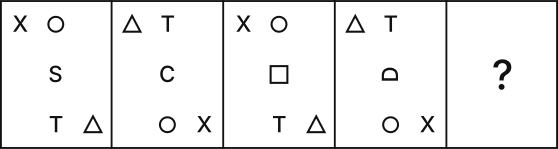
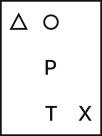
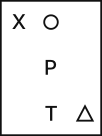
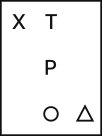
Q767.Which figure from the given options would replace the question mark (?) if the following figure series were to be continued?
यदि निम्नलिखित आकृति श्रृंखला को जारी रखा जाए, तो दिए गए विकल्पों में से कौन-सी आकृति प्रश्न चिह्न (?) के स्थान पर आएगी?
- A
- B
- C
- D
Show answer
Concept: Corner symbols alternate between two fixed layouts, while the centre symbol changes in every figure.
- Figures 1, 3 (odd): X, O at top and T, Δ at bottom. Figures 2, 4 (even): Δ, T at top and O, X at bottom.
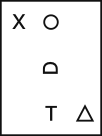
- So figure 5 (odd) must again have X, O at top and T, Δ at bottom → only (A) and (C) remain.
- The centre shows a new symbol each time (S, C, □, ⊓); (A) repeats figure 4's centre, so the new symbol P in (C) continues the series.
Trick: In alternating series, figure 5 copies figure 3's outer layout — eliminate options first by that.
Answer: (C) the third option figure
अवधारणा: कोनों के चिन्ह दो स्थिर व्यवस्थाओं में बारी-बारी बदलते हैं, और बीच का चिन्ह हर बार नया होता है।
- आकृति 1, 3: ऊपर X, O और नीचे T, Δ; आकृति 2, 4: ऊपर Δ, T और नीचे O, X।
- इसलिए आकृति 5 में फिर ऊपर X, O और नीचे T, Δ → केवल (A), (C) बचते हैं।
- बीच में हर बार नया चिन्ह (S, C, □, ⊓) आता है; (A) आकृति 4 का चिन्ह दोहराता है, इसलिए नया चिन्ह P वाला (C) सही।
ट्रिक: बारी-बारी वाली श्रृंखला में आकृति 5, आकृति 3 जैसी बाहरी व्यवस्था रखती है।
उत्तर: (C) तीसरी विकल्प आकृति
SSC CPO Paper IGeneral Intelligence and ReasoningFigure SeriesSSC CPO Paper I 2023 · 3 Oct Shift 3
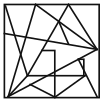
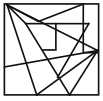
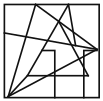
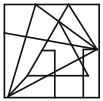
Q768.Select the option figure in which the given figure is embedded (rotation is NOT
allowed).

उस विकल्प आकृति का चयन कीजिए जिसमें दी गई आकृति निहित है (घुमाने की अनुमति
नहीं है)।
- A
- B
- C
- D
Show answer
Concept: Look for the exact shape (same size, same tilt) inside an option figure; rotation is not allowed.
- The given shape is a slanted strip with a V-notch at its lower end.
- In option (D) this strip is formed by the slanted lines near the inner rectangle, with the notch at the right place.
- In (A), (B), (C) the slanted lines meet at other angles, so the notch shape is not formed.
Trick: Trace the notch (the most distinctive part) first; then check the two long parallel edges.
Answer: (D) the fourth option figure
अवधारणा: दी गई आकृति को बिल्कुल उसी आकार और झुकाव में विकल्प में खोजें; घुमाना मना है।
- दी गई आकृति एक तिरछी पट्टी है जिसके निचले सिरे पर V-आकार का खाँचा है।
- विकल्प (D) में भीतरी आयत के पास की तिरछी रेखाएँ यही पट्टी और खाँचा सही जगह बनाती हैं।
- (A), (B), (C) में रेखाएँ अलग कोण पर मिलती हैं, खाँचा नहीं बनता।
ट्रिक: पहले सबसे विशेष भाग (खाँचा) खोजें, फिर दोनों समांतर किनारे मिलाएँ।
उत्तर: (D) चौथी विकल्प आकृति
SSC CPO Paper IGeneral Intelligence and ReasoningEmbedded FigureSSC CPO Paper I 2023 · 3 Oct Shift 3
Q769.In a certain code language, 'BED' is coded as 9 and 'TABLE' is coded as 25. How will 'RECLINER' be coded in the same language?
एक निश्चित कूट भाषा में, 'BED' को 9 के रूप में कूटबद्ध किया जाता है और 'TABLE' को 25 के रूप में कूटबद्ध किया जाता है। उसी भाषा में 'RECLINER' को किस प्रकार कूटबद्ध किया जाएगा?
- A58
- B72
- C36
- D64
Show answer
Concept: The code is the square of the number of letters in the word.
- BED has 3 letters → ✓
- TABLE has 5 letters → ✓
- RECLINER has 8 letters → .
Trick: When codes are perfect squares like 9, 25, first test the letter count.
Answer: (D)
अवधारणा: कोड = शब्द के अक्षरों की संख्या का वर्ग।
- BED में 3 अक्षर → ✓
- TABLE में 5 अक्षर → ✓
- RECLINER में 8 अक्षर → ।
ट्रिक: कोड पूर्ण वर्ग हों तो पहले अक्षरों की संख्या जाँचें।
उत्तर: (D)
SSC CPO Paper IGeneral Intelligence and ReasoningLetter–Number CodingSSC CPO Paper I 2023 · 3 Oct Shift 3
Q770.Six students are sitting around a circular table facing the centre. A is an immediate neighbour of both E and D. E sits third to the right of C. D sits third to the left of F. E is an immediate neighbour of F. B sits second to the left of E. Who sits to the immediate left of C?
छह विद्यार्थी एक वृत्ताकार मेज़ के चारों ओर केंद्र की ओर मुख करके बैठे हैं। A, E और D दोनों का निकटतम पड़ोसी है। E, C के दाएँ से तीसरे स्थान पर बैठा है। D, F के बाएँ से तीसरे स्थान पर बैठा है। E, F का निकटतम पड़ोसी है। B, E के बाएँ से दूसरे स्थान पर बैठा है। C के ठीक बाएँ कौन बैठा है?
- AB
- BD
- CE
- DA
Show answer
Concept: Six people face the centre: “left” means clockwise, “right” means anticlockwise; third to the right of someone in a 6-seat circle is the opposite seat.
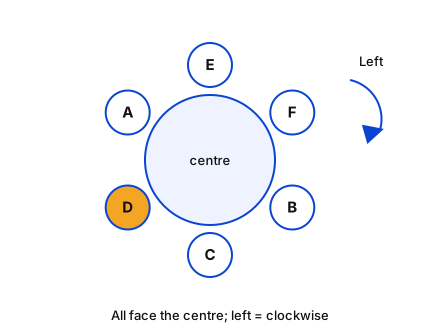
- E is third to the right of C → E sits opposite C.
- B is second to the left of E; E's neighbours are A and F.
- A is also next to D, and D is third to the left of F → order clockwise from C: C, D, A, E, F, B.
- Immediate left of C (next clockwise) is D.
Yaad rakhein: In a circle of 6 facing the centre, 3rd to the left = 3rd to the right = opposite seat.
Answer: (B) D
अवधारणा: छह लोग केंद्र की ओर मुख किए हैं: “बायाँ” = दक्षिणावर्त (clockwise), “दायाँ” = वामावर्त; 6 सीटों में तीसरा दाएँ = ठीक सामने।
- E, C के तीसरे दाएँ → E, C के सामने।
- B, E के दूसरे बाएँ; E के पड़ोसी A और F।
- A, D के भी पास है और D, F के तीसरे बाएँ → C से दक्षिणावर्त क्रम: C, D, A, E, F, B।
- C के तुरंत बाएँ D है।
याद रखें: 6 लोगों के वृत्त में तीसरा बाएँ = तीसरा दाएँ = आमने-सामने।
उत्तर: (B) D
SSC CPO Paper IGeneral Intelligence and ReasoningCircular ArrangementSSC CPO Paper I 2023 · 3 Oct Shift 3
Q771.Which of the given figures when placed in the 5
th position would continue the series that is established by the first four figures?
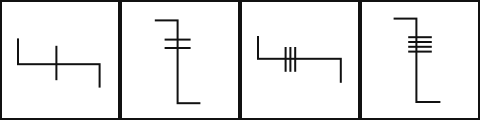
दी गई आकृतियों में से कौन-सी आकृति 5
वें स्थान पर रखे जाने पर पहली चार आकृतियों द्वारा स्थापित श्रृंखला को जारी रखेगी?
- A
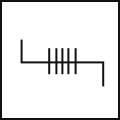
- B
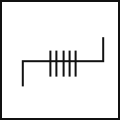
- C
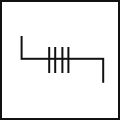
- D
Show answer
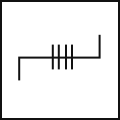
Concept: The figure alternates between a horizontal and a vertical position, and the number of small cross-lines increases by one each time.
- Cross-lines: 1, 2, 3, 4 → figure 5 has 5 lines.
- Positions: horizontal, vertical, horizontal, vertical → figure 5 is horizontal like figures 1 and 3 (left end up, right end down).
- (A) is horizontal with left end up, right end down and 5 cross-lines; (C) has only 4 lines, (B) and (D) have the ends turned the wrong way.
Trick: Track two things separately — count of lines and orientation — and combine.
Answer: (A) the first option figure
अवधारणा: आकृति बारी-बारी क्षैतिज और ऊर्ध्वाधर होती है, और छोटी कटी रेखाओं की संख्या हर बार 1 बढ़ती है।
- रेखाएँ: 1, 2, 3, 4 → आकृति 5 में 5 रेखाएँ।
- स्थिति: क्षैतिज, ऊर्ध्वाधर, क्षैतिज, ऊर्ध्वाधर → आकृति 5 क्षैतिज, आकृति 1 और 3 जैसी (बायाँ सिरा ऊपर, दायाँ नीचे)।
- (A) में यही दिशा और 5 रेखाएँ हैं; (C) में 4 रेखाएँ, (B) और (D) के सिरे उल्टी दिशा में।
ट्रिक: दो चीज़ें अलग-अलग देखें — रेखाओं की संख्या और दिशा।
उत्तर: (A) पहली विकल्प आकृति
SSC CPO Paper IGeneral Intelligence and ReasoningFigure SeriesSSC CPO Paper I 2023 · 3 Oct Shift 3
Q772.Given below are two statements and two conclusions. Take the statements to be true even if they are at variance with commonly known facts, and decide whether the
conclusion(s) follow(s) the given statements.
Statements:
All dogs are cats.
Some cats are not dolls.
Conclusions:
I. All dolls are cats.
II. Some cats are dogs.
नीचे दो कथन और दो निष्कर्ष दिए गए हैं। कथनों को सत्य मानिए, भले ही वे सामान्यतः ज्ञात तथ्यों से भिन्न प्रतीत होते हों, और निर्णय कीजिए कि कौन-सा/से
निष्कर्ष दिए गए कथनों का अनुसरण करता है/करते हैं।
कथन:
सभी कुत्ते, बिल्लियाँ हैं।
कुछ बिल्लियाँ, गुड़िया नहीं हैं।
निष्कर्ष:
I. सभी गुड़िया, बिल्लियाँ हैं।
II. कुछ बिल्लियाँ, कुत्ते हैं।
- AOnly conclusion II followsकेवल निष्कर्ष II अनुसरण करता है
- BOnly conclusion I followsकेवल निष्कर्ष I अनुसरण करता है
- CBoth the conclusions followदोनों निष्कर्ष अनुसरण करते हैं
- DNeither conclusion I nor II followsन तो निष्कर्ष I और न ही II अनुसरण करता है
Show answer
Concept: Draw Dog inside Cat; Doll may only partly touch Cat.
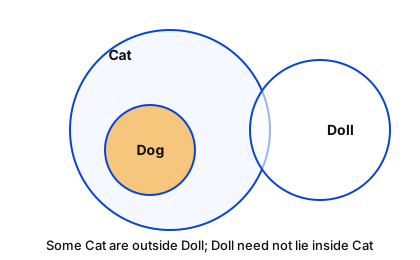
- All dogs are cats → by conversion, some cats are dogs. II follows.
- “Some cats are not dolls” says nothing that puts all dolls inside Cat → I does not follow.
Yaad rakhein: “All A are B” always gives “Some B are A”.
Answer: (A) Only conclusion II follows
अवधारणा: Dog को Cat के अंदर बनाएँ; Doll, Cat को केवल आंशिक रूप से छू सकता है।
- All dogs are cats → रूपांतरण से some cats are dogs। II अनुसरण करता है।
- “Some cats are not dolls” से सभी dolls का cat होना तय नहीं → I नहीं।
याद रखें: “All A are B” से हमेशा “Some B are A” निकलता है।
उत्तर: (A) Only conclusion II follows (केवल II)
SSC CPO Paper IGeneral Intelligence and ReasoningSyllogismSSC CPO Paper I 2023 · 3 Oct Shift 3
Q773.If A denotes ‘+’, B denotes ‘×’, C denotes ‘−’, and D denotes ‘÷’, then what will be the value of the following equation?
80 C 16 B 4 A 96 D 4 = ?
यदि A का अर्थ ‘+’, B का अर्थ ‘×’, C का अर्थ ‘−’ और D का अर्थ ‘÷’ है, तो निम्नलिखित समीकरण का मान क्या होगा?
80 C 16 B 4 A 96 D 4 = ?
- A37
- B54
- C120
- D40
Show answer
Concept: Replace letters by signs (A , B , C , D ) and use BODMAS.
Trick: Finish all and first, then add/subtract left to right.
Answer: (D)
अवधारणा: अक्षरों को चिन्हों से बदलें (A , B , C , D ) और BODMAS लगाएँ।
ट्रिक: पहले सभी , करें, फिर जोड़-घटाव।
उत्तर: (D)
SSC CPO Paper IGeneral Intelligence and ReasoningMathematical OperationsSSC CPO Paper I 2023 · 3 Oct Shift 3
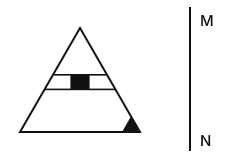
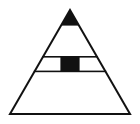
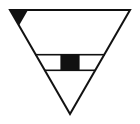
Q774.Select the correct mirror image of the given figure when the mirror is placed at line MN as shown.
दर्पण को दर्शाए अनुसार रेखा MN पर रखे जाने पर दी गई आकृति के सही दर्पण प्रतिबिंब का चयन कीजिए।
- A
- B
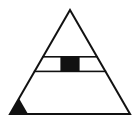
- C
- D
Show answer
Concept: A vertical mirror swaps left and right; top and bottom stay the same.
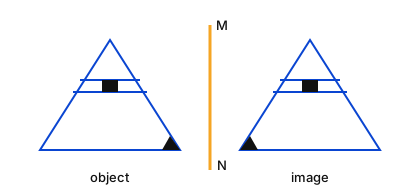
- The triangle stays upright and the band with the black square stays in the middle.
- The small black triangle at the bottom-right corner moves to the bottom-left corner.
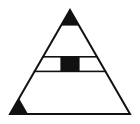
- (B) shows this; (A) and (C) add a black tip at the top, (D) is upside down.
Trick: For a vertical mirror, only items on the left/right sides move — check the corner mark.
Answer: (B) the second option figure
अवधारणा: ऊर्ध्वाधर दर्पण में बायाँ-दायाँ बदलता है; ऊपर-नीचे वही रहता है।
- त्रिभुज सीधा रहता है और काले वर्ग वाली पट्टी बीच में रहती है।
- नीचे-दाएँ कोने का छोटा काला त्रिभुज नीचे-बाएँ कोने में चला जाता है।
- (B) में यही है; (A), (C) में ऊपर भी काला सिरा है, (D) उल्टा है।
ट्रिक: ऊर्ध्वाधर दर्पण में केवल बाएँ/दाएँ के चिन्ह बदलते हैं — कोने का निशान देखें।
उत्तर: (B) दूसरी विकल्प आकृति
SSC CPO Paper IGeneral Intelligence and ReasoningMirror ImageSSC CPO Paper I 2023 · 3 Oct Shift 3
Q775.If ‘+’ means ‘÷’, ‘–’ means ‘×’, ‘×’ means ‘−’, and ‘÷’ means ‘+’, then what will be the
value of the following expression?
108 × 343 + 7 - 2 ÷ 13 = ?
यदि ‘+’ का अर्थ ‘÷’, ‘–’ का अर्थ ‘×’, ‘×’ का अर्थ ‘−’ और ‘÷’ का अर्थ ‘+’ है, तो निम्नलिखित व्यंजक का
मान क्या होगा?
108 × 343 + 7 - 2 ÷ 13 = ?
- A23
- B19
- C28
- D44
Show answer
Concept: Swap signs (, , , ) and apply BODMAS.
- New:
- ;
Trick: Rewrite first, then do and left to right.
Answer: (A)
अवधारणा: चिन्ह बदलें (, , , ) और BODMAS लगाएँ।
- नया:
- ;
ट्रिक: पहले नया व्यंजक लिखें, फिर और बाएँ से दाएँ।
उत्तर: (A)
SSC CPO Paper IGeneral Intelligence and ReasoningMathematical OperationsSSC CPO Paper I 2023 · 3 Oct Shift 3
Q776.Four letter-clusters have been given, out of which three are alike in some manner and one is different. Select the odd letter-cluster.
चार अक्षर-समूह दिए गए हैं, जिनमें से तीन किसी प्रकार से एकसमान हैं और एक उनसे असंगत है। असंगत अक्षर-समूह का चयन कीजिए।
- ASUPT
- BJLGK
- CEHBG
- DPRMQ
Show answer
Concept: Find the gaps between consecutive letters of each cluster.
- SUPT:
- JLGK and PRMQ follow the same .
- EHBG: — different.
Trick: Check only the first gap: in three clusters, in EHBG.
Answer: (C) EHBG
अवधारणा: हर समूह में क्रमागत अक्षरों का अंतर देखें।
- SUPT:
- JLGK और PRMQ भी ।
- EHBG: — भिन्न।
ट्रिक: केवल पहला अंतर देखें: तीन में , EHBG में ।
उत्तर: (C) EHBG
SSC CPO Paper IGeneral Intelligence and ReasoningOdd One Out (Letters)SSC CPO Paper I 2023 · 3 Oct Shift 3
Q777.‘C @ D’ means ‘C is the mother of D’.
‘C $ D’ means ‘C is the brother of D’.
‘C # D’ means ‘C is the sister of D’.
‘C * D’ means ‘C is the father of D’.
If V $ Y @ G * F, then how is Y related to F?
‘C @ D’ का अर्थ है ‘C, D की माता है’।
‘C $ D’ का अर्थ है ‘C, D का भाई है’।
‘C # D’ का अर्थ है ‘C, D की बहन है’।
‘C * D’ का अर्थ है ‘C, D का पिता है’।
यदि V $ Y @ G * F है, तो Y का F से क्या संबंध है?
- AFather's motherपिता की माता
- BSisterबहन
- CFather's sisterपिता की बहन
- DBrotherभाई
Show answer
Concept: Decode: @ = mother of, $ = brother of, # = sister of, * = father of.
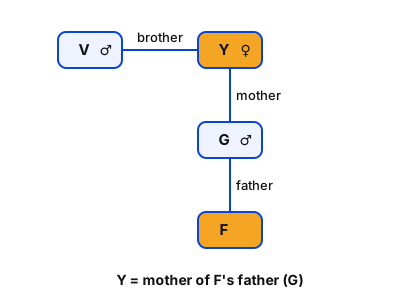
- V $ Y → V is the brother of Y.
- Y @ G → Y is the mother of G (Y is female).
- G * F → G is the father of F. So Y is the mother of F's father.
Yaad rakhein: Father's mother = paternal grandmother (dadi).
Answer: (A) Father's mother
अवधारणा: चिन्ह: @ = माँ, $ = भाई, # = बहन, * = पिता।
- V $ Y → V, Y का भाई है।
- Y @ G → Y, G की माँ है (Y महिला)।
- G * F → G, F का पिता है। अतः Y, F के पिता की माँ है।
याद रखें: पिता की माँ = दादी।
उत्तर: (A) Father's mother (पिता की माँ)
SSC CPO Paper IGeneral Intelligence and ReasoningBlood Relation (Coded)SSC CPO Paper I 2023 · 3 Oct Shift 3
Q778.Select the option that is related to the third word in the same way as the second word is related to the first word.
(The words must be considered as meaningful words and must not be related to each other based on the number of letters/number of consonants/vowels in the word.)
Cat : Paw :: Crow : ?
उस विकल्प का चयन कीजिए जो तीसरे शब्द से उसी प्रकार संबंधित है जिस प्रकार दूसरा शब्द पहले शब्द से संबंधित है।
(शब्दों को अर्थपूर्ण शब्द माना जाना चाहिए और शब्द में अक्षरों की संख्या/व्यंजनों/स्वरों की संख्या के आधार पर उन्हें एक-दूसरे से संबंधित नहीं किया जाना चाहिए।)
बिल्ली : पंजा :: कौआ : ?
- AHoffखुर
- BWingsपंख
- CBeakचोंच
- DClawनख
Show answer
Concept: Animal : its foot with nails/claws.
- A cat walks and grips with its paw.
- A bird like the crow grips with its claw (clawed foot).
- Beak and wings are other body parts, not the foot; “Hoof” belongs to horses.
Yaad rakhein: Paw – cat/dog; Claw – birds; Hoof – horse/cow.
Answer: (D) Claw
अवधारणा: जानवर : उसका पैर (पंजा)।
- बिल्ली का पैर paw (पंजा) होता है।
- कौए जैसे पक्षी का पैर claw (नुकीला पंजा) होता है।
- Beak (चोंच), wings (पंख) अलग अंग हैं; hoof (खुर) घोड़े का होता है।
याद रखें: Paw – बिल्ली/कुत्ता; Claw – पक्षी; Hoof – घोड़ा/गाय।
उत्तर: (D) Claw
SSC CPO Paper IGeneral Intelligence and ReasoningWord AnalogySSC CPO Paper I 2023 · 3 Oct Shift 3
Q779.Which of the following numbers will replace the question mark (?) in the given series? 13, 14 , −2, 79, −177 ?
दी गई श्रृंखला में प्रश्न चिह्न (?) के स्थान पर निम्नलिखित में से कौन-सी संख्या आएगी? 13, 14 , −2, 79, −177 ?
- A424
- B528
- C608
- D448
Show answer
Concept: Differences are fourth powers with alternating signs.
- ;
- ;
- Next: →
Trick: Differences 1, 16, 81, 256 are — remember fourth powers up to .
Answer: (D)
अवधारणा: अंतर एकांतर चिन्ह वाली चौथी घातें हैं।
- ;
- ;
- अगला: →
ट्रिक: 1, 16, 81, 256 = ; याद रखें।
उत्तर: (D)
SSC CPO Paper IGeneral Intelligence and ReasoningNumber SeriesSSC CPO Paper I 2023 · 3 Oct Shift 3
Q780.In a certain code language, 'How are you' is coded as 'si de tu' and 'You are fine' is
coded as 'de mu si'. What is the code for the word 'How'?
एक निश्चित कूट भाषा में, 'How are you' को 'si de tu' के रूप में कूटबद्ध किया जाता है और 'You are fine' को
'de mu si' के रूप में कूटबद्ध किया जाता है। शब्द 'How' के लिए कूट क्या है?
- Amu
- Btu
- Cde
- Dsi
Show answer
Concept: Common words in two sentences share common codes.
- “How are you” → si de tu; “You are fine” → de mu si.
- Common words: are, you → common codes: si, de.
- So “How” = tu (and “fine” = mu).
Trick: Remove the shared words and shared codes; the leftover pairs match.
Answer: (B) tu
अवधारणा: दो वाक्यों के सामान्य शब्दों के कोड भी सामान्य होते हैं।
- “How are you” → si de tu; “You are fine” → de mu si।
- सामान्य शब्द: are, you → सामान्य कोड: si, de।
- अतः “How” = tu (और “fine” = mu)।
ट्रिक: सामान्य शब्द व कोड हटाएँ; बचे हुए आपस में मिलते हैं।
उत्तर: (B) tu
SSC CPO Paper IGeneral Intelligence and ReasoningWord CodingSSC CPO Paper I 2023 · 3 Oct Shift 3

