Question bank

Q&A: practice questions with answers

Search questions on any topic. Filter by exam category, exam, subject and topic, try the question, then open the answer and explanation.

Courses – airGurukul

20,719 questions found.

Q3021.
A is the mother of G. G is the mother of D. D is the son of H. R is the father of H. How is A related to R?
A, G की माता है। G, D की माता है। D, H का पुत्र है। R, H का पिता है। A का R से क्या संबंध है?
  1. AWife's sisterपत्नी की बहन
  2. BSon's wife's sisterपुत्र की पत्नी की बहन
  3. CSon's wife's motherपुत्र की पत्नी की माता
  4. DWife's motherपत्नी की माता
Show answer

Concept: Build the family tree; a son's father is the husband of his mother.
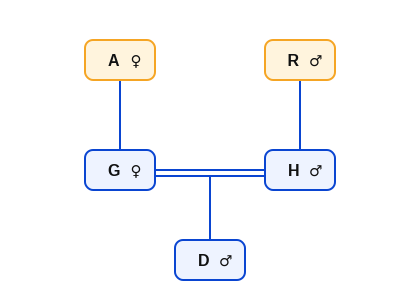
  1. G is mother of D and D is son of H → H is D's father, G's husband
  2. R is father of H → G is R's son's wife
  3. A is G's mother → A is R's son's wife's mother

Trick: Go step by step from R: son (H) → son's wife (G) → her mother (A).

Answer: (C) Son's wife's mother

अवधारणा: वंश-वृक्ष बनाएँ; बेटे की माँ का पति उसका पिता है।

  1. G, D की माँ और D, H का बेटा → H, G का पति
  2. R, H का पिता → G, R की बहू (बेटे की पत्नी)
  3. A, G की माँ → A, R के बेटे की पत्नी की माँ

ट्रिक: R से क्रम से चलें: बेटा (H) → बेटे की पत्नी (G) → उसकी माँ (A)।

उत्तर: (C) Son's wife's mother (बेटे की पत्नी की माँ)
RRB NTPC Undergraduate CBT 1General Intelligence and ReasoningBlood RelationsRRB NTPC Undergraduate CBT 1 2024 · 14 Aug Shift 2 →
Q3022.
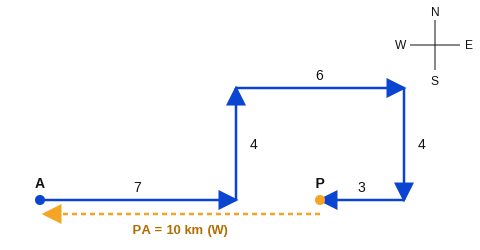
Satwik starts from Point A and drives 7 km towards east. He then takes a left turn, drives 4 km, turns right and drives 6 km. He then takes a right turn and drives 4 km. He takes a final right turn, drives 3 km and stops at Point P. How far (shortest distance) and towards which direction should he drive in order to reach Point A again? (All turns are 90° turns only unless specified.)
सात्विक बिंदु A से चलना शुरू करता है और पूर्व की ओर 7 km गाड़ी चलाता है। फिर वह बाएँ मुड़ता है, 4 km गाड़ी चलाता है, दाएँ मुड़ता है और 6 km गाड़ी चलाता है। फिर वह दाएँ मुड़ता है और 4 km गाड़ी चलाता है। वह अंतिम बार दाएँ मुड़ता है, 3 km गाड़ी चलाता है और बिंदु P पर रुक जाता है। बिंदु A पर फिर से पहुँचने के लिए उसे कितनी दूरी (न्यूनतम दूरी) तक और किस दिशा में गाड़ी चलानी चाहिए? (जब तक निर्दिष्ट न किया जाए, सभी मोड़ केवल 90° के मोड़ हैं।)
  1. A13 km towards westपश्चिम की ओर 13 km
  2. B13 km towards eastपूर्व की ओर 13 km
  3. C10 km towards westपश्चिम की ओर 10 km
  4. D10 km towards northउत्तर की ओर 10 km
Show answer

Concept: Plot the path (East = +x, North = +y); a left turn from East faces North, a right turn from North faces East.

  1. A(0, 0) → 7 E → (7, 0) → left, 4 N → (7, 4)
  2. Right, 6 E → (13, 4) → right, 4 S → (13, 0)
  3. Right, 3 W → P(10, 0)
  4. A is 10 km due west of P

Trick: North 4 and South 4 cancel; net East =7+6−3=10 → go 10 km West.

Answer: (C) 10 km towards west

अवधारणा: मार्ग बनाएँ (पूर्व = +x, उत्तर = +y)।

  1. A(0, 0) → 7 पूर्व → (7, 0) → बाएँ, 4 उत्तर → (7, 4)
  2. दाएँ, 6 पूर्व → (13, 4) → दाएँ, 4 दक्षिण → (13, 0)
  3. दाएँ, 3 पश्चिम → P(10, 0)
  4. A, P से 10 km पश्चिम में

ट्रिक: उत्तर 4 व दक्षिण 4 कट जाते हैं; शुद्ध पूर्व =7+6−3=10 → 10 km पश्चिम।

उत्तर: (C) 10 km पश्चिम की ओर

RRB NTPC Undergraduate CBT 1General Intelligence and ReasoningDirection and DistanceRRB NTPC Undergraduate CBT 1 2024 · 14 Aug Shift 2 →
Q3023.
Each of the digits in the number 4385612 is arranged in the ascending order from left to right. The position(s) of how many digits will remain unchanged as compared to that in the original number?
संख्या 4385612 के प्रत्येक अंक को बाएँ से दाएँ आरोही क्रम में व्यवस्थित किया जाता है। मूल संख्या की तुलना में कितने अंकों का/के स्थान अपरिवर्तित रहेगा/रहेंगे?
  1. ATwoदो
  2. BNoneकोई नहीं
  3. COneएक
  4. DThreeतीन
Show answer

Concept: Sort the digits and compare each position with the original.

  1. Original: 4 3 8 5 6 1 2
  2. Ascending: 1 2 3 4 5 6 8
  3. No position has the same digit → none

Trick: Compare column-by-column; one mismatch per place is enough to rule it out.

Answer: (B) None

अवधारणा: अंकों को क्रमबद्ध करें और हर स्थान की मूल से तुलना करें।

  1. मूल: 4 3 8 5 6 1 2
  2. बढ़ता क्रम: 1 2 3 4 5 6 8
  3. किसी स्थान पर समान अंक नहीं → कोई नहीं

ट्रिक: स्तंभवार तुलना करें।

उत्तर: (B) None (कोई नहीं)

RRB NTPC Undergraduate CBT 1General Intelligence and ReasoningDigit ArrangementRRB NTPC Undergraduate CBT 1 2024 · 14 Aug Shift 2 →
Q3024.
In a certain code language, ‘YOUR’ is coded as ‘2467’ and ‘OPEN’ is coded as ‘1536’. What is the code for ‘O’ in that language?
एक निश्चित कूट भाषा में, ‘YOUR’ को ‘2467’ के रूप में कूटबद्ध किया जाता है और ‘OPEN’ को ‘1536’ के रूप में कूटबद्ध किया जाता है। उस भाषा में ‘O’ के लिए कूट क्या है?
  1. A3
  2. B1
  3. C6
  4. D4
Show answer

Concept: A letter common to both words gets the digit common to both codes.

  1. YOUR = {2, 4, 6, 7}, OPEN = {1, 5, 3, 6}
  2. Common letter: O; common digit: 6
  3. So O = 6

Yaad rakhein: Common letter ↔ common number.

Answer: (C) 6

अवधारणा: उभयनिष्ठ अक्षर का कोड दोनों कोडों का उभयनिष्ठ अंक होता है।

  1. YOUR = {2, 4, 6, 7}, OPEN = {1, 5, 3, 6}
  2. उभयनिष्ठ अक्षर O; उभयनिष्ठ अंक 6
  3. अतः O = 6

याद रखें: उभयनिष्ठ अक्षर ↔ उभयनिष्ठ अंक।

उत्तर: (C) 6

RRB NTPC Undergraduate CBT 1General Intelligence and ReasoningCoding-DecodingRRB NTPC Undergraduate CBT 1 2024 · 14 Aug Shift 2 →
Q3025.
Read the given statements and conclusions carefully. Assuming that the information given in the statements is true, even if it appears to be at variance with commonly known facts, decide which of the given conclusion(s) logically follow(s) from the statements.
Statements:
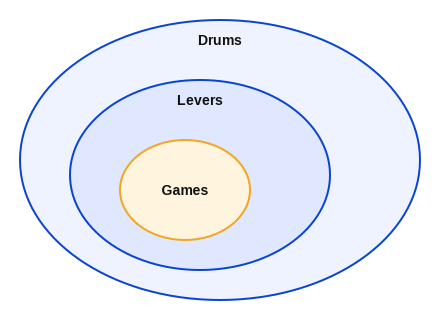
All games are levers.
All levers are drums.
Conclusions:
(I) Some drums are levers.
(II) All games are drums.
दिए गए कथनों और निष्कर्षों को ध्यानपूर्वक पढ़िए। यह मानते हुए कि कथनों में दी गई जानकारी सत्य है, भले ही वह सामान्य रूप से ज्ञात तथ्यों से भिन्न प्रतीत होती हो, निर्णय कीजिए कि दिए गए निष्कर्षों में से कौन-सा/कौन-से निष्कर्ष तार्किक रूप से कथनों का अनुसरण करता है/करते हैं।
कथन:
सभी खेल, लीवर हैं।
सभी लीवर, ड्रम हैं।
निष्कर्ष:
(I) कुछ ड्रम, लीवर हैं।
(II) सभी खेल, ड्रम हैं।
  1. ABoth conclusions (I) and (II) follow.निष्कर्ष (I) और (II) दोनों अनुसरण करते हैं।
  2. BNeither conclusion (I) nor (II) follows.न तो निष्कर्ष (I) और न ही (II) अनुसरण करता है।
  3. COnly conclusion (II) follows.केवल निष्कर्ष (II) अनुसरण करता है।
  4. DOnly conclusion (I) follows.केवल निष्कर्ष (I) अनुसरण करता है।
Show answer

Concept: All A are B + All B are C ⇒ All A are C; and 'All A are B' also gives 'Some B are A'.

  1. Games ⊂ Levers ⊂ Drums → all games are drums: II follows
  2. All levers are drums → some drums are levers: I follows

Trick: An 'All' statement can always be converted to 'Some' in reverse.

Answer: (A) Both conclusions (I) and (II) follow.

अवधारणा: सभी A, B + सभी B, C ⇒ सभी A, C; और 'सभी A, B हैं' से 'कुछ B, A हैं'।

  1. Games ⊂ Levers ⊂ Drums → सभी games, drums हैं: II अनुसरण करता है
  2. सभी levers, drums हैं → कुछ drums, levers हैं: I अनुसरण करता है

ट्रिक: 'सभी' कथन को उलटकर 'कुछ' बनाया जा सकता है।

उत्तर: (A) दोनों निष्कर्ष (I) और (II) अनुसरण करते हैं

RRB NTPC Undergraduate CBT 1General Intelligence and ReasoningSyllogismRRB NTPC Undergraduate CBT 1 2024 · 14 Aug Shift 2 →
Q3026.
Rabindranath Tagore's "Geetanjali," which was awarded the Nobel Prize in 1913, is best classified as which form of writing?
रवीन्द्रनाथ टैगोर की "गीतांजलि", जिसे 1913 में नोबेल पुरस्कार से सम्मानित किया गया था, को लेखन के किस रूप में सबसे उपयुक्त रूप से वर्गीकृत किया जा सकता है?
  1. AA collection of short storiesलघु कथाओं का संग्रह
  2. BA playएक नाटक
  3. CA collection of poetryकविताओं का संग्रह
  4. DA novelएक उपन्यास
Show answer

Concept: Gitanjali is a collection of devotional poems (song offerings) by Rabindranath Tagore.

  1. Tagore translated his Bengali poems into English as Gitanjali: Song Offerings (1912).
  2. For this work he became the first Asian to win the Nobel Prize in Literature in 1913.
  3. It is neither a novel (e.g., Gora) nor a play (e.g., Dak Ghar).

Trick: Gitanjali = "Geet" (song) + "Anjali" (offering) → poems/songs.

Answer: (C) A collection of poetry

अवधारणा: गीतांजलि रवीन्द्रनाथ टैगोर की भक्तिपूर्ण कविताओं (गीतों) का संग्रह है।

  1. टैगोर ने अपनी बांग्ला कविताओं का अंग्रेज़ी अनुवाद Gitanjali: Song Offerings (1912) के रूप में किया।
  2. इसी के लिए 1913 में वे साहित्य का नोबेल पुरस्कार पाने वाले पहले एशियाई बने।
  3. यह उपन्यास (जैसे गोरा) या नाटक (जैसे डाक घर) नहीं है।

ट्रिक: गीतांजलि = "गीत" + "अंजलि" (भेंट) → गीतों/कविताओं का संग्रह।

उत्तर: (C) कविताओं का संग्रह

RRB NTPC Undergraduate CBT 1General AwarenessLiterature – Nobel PrizeRRB NTPC Undergraduate CBT 1 2024 · 14 Aug Shift 1 →
Q3027.
India participated in the 9th BRICS Industry Ministers' Meeting held on 21 May 2025, under the Chairmanship of which country?
भारत ने 21 मई 2025 को आयोजित 9वीं ब्रिक्स (BRICS) उद्योग मंत्रियों की बैठक में भाग लिया, यह बैठक किस देश की अध्यक्षता में आयोजित की गई थी?
  1. ARussiaरूस
  2. BSouth Africaदक्षिण अफ्रीका
  3. CBrazilब्राज़ील
  4. DUAEसंयुक्त अरब अमीरात (UAE)
Show answer

Concept: The country holding the BRICS chairship for the year hosts the ministerial meetings.

  1. Brazil holds the BRICS Chairship in 2025.
  2. The 9th BRICS Industry Ministers' Meeting was held in Brasília on 21 May 2025, and India took part.
  3. Russia chaired BRICS in 2024 and South Africa in 2023, so they do not fit 2025.

Trick: BRICS 2025 chair → Brazil (the "B" of BRICS); 2026 → India.

Answer: (C) Brazil

अवधारणा: जिस देश के पास उस वर्ष ब्रिक्स की अध्यक्षता होती है, वही मंत्रिस्तरीय बैठकों की मेज़बानी करता है।

  1. 2025 में ब्रिक्स की अध्यक्षता ब्राज़ील के पास है।
  2. 9वीं ब्रिक्स उद्योग मंत्रियों की बैठक 21 मई 2025 को ब्रासीलिया में हुई, जिसमें भारत ने भाग लिया।
  3. रूस ने 2024 में और दक्षिण अफ्रीका ने 2023 में अध्यक्षता की थी।

ट्रिक: ब्रिक्स 2025 अध्यक्ष → ब्राज़ील; 2026 → भारत।

उत्तर: (C) ब्राज़ील

RRB NTPC Undergraduate CBT 1General AwarenessCurrent Affairs – BRICSRRB NTPC Undergraduate CBT 1 2024 · 14 Aug Shift 1 →
Q3028.
Which institution played a key role in influencing the structural reforms of the industrial sector in India post 1991?
1991 के बाद भारत में औद्योगिक क्षेत्र के संरचनात्मक सुधारों को प्रभावित करने में किस संस्था ने प्रमुख भूमिका निभाई?
  1. ANABARD
  2. BWTO
  3. CIMF and World BankIMF और विश्व बैंक
  4. DRBI
Show answer

Concept: In the 1991 balance-of-payments crisis India took loans from the IMF and World Bank, which came with structural adjustment conditions.

  1. India borrowed about US$ 7 billion from the IMF and World Bank in 1991.
  2. In return India agreed to the Structural Adjustment Programme – liberalisation, privatisation and globalisation (LPG), de-licensing of industry, lower tariffs.
  3. The WTO came only in 1995; RBI and NABARD are domestic bodies.

Trick: Crisis loan + conditions (1991) → IMF and World Bank.

Answer: (C) IMF and World Bank

अवधारणा: 1991 के भुगतान संतुलन (BoP) संकट में भारत ने IMF और विश्व बैंक से ऋण लिया, जिसके साथ संरचनात्मक सुधार (structural adjustment) की शर्तें थीं।

  1. 1991 में भारत ने IMF और विश्व बैंक से लगभग US$ 7 बिलियन उधार लिए।
  2. बदले में भारत ने उदारीकरण, निजीकरण और वैश्वीकरण (LPG), उद्योगों का लाइसेंस-मुक्त होना और कम आयात शुल्क जैसे सुधार अपनाए।
  3. WTO 1995 में बना; RBI और NABARD घरेलू संस्थाएँ हैं।

ट्रिक: संकट का ऋण + शर्तें (1991) → IMF और विश्व बैंक।

उत्तर: (C) IMF और विश्व बैंक

RRB NTPC Undergraduate CBT 1General AwarenessIndian Economy – 1991 ReformsRRB NTPC Undergraduate CBT 1 2024 · 14 Aug Shift 1 →
Q3029.
The Acheulian cultural tradition is primarily identified with which types of advanced and symmetrical stone tools?
एश्यूलियन (Acheulian) सांस्कृतिक परंपरा की पहचान मुख्य रूप से किस प्रकार के उन्नत और सममित पाषाण उपकरणों से की जाती है?
  1. ABlades and borersब्लेड और बेधक (borers)
  2. BMicroliths and scrapersसूक्ष्मपाषाण (microliths) और खुरचनी (scrapers)
  3. CChisels and adzesछेनी और बसूला (adzes)
  4. DCleavers and hand-axesविदारणी (cleavers) और हस्त-कुठार (hand-axes)
Show answer

Concept: The Acheulian culture belongs to the Lower Palaeolithic age.

  1. Its signature tools are large bifacial, symmetrical hand-axes and cleavers.
  2. Microliths belong to the Mesolithic; blades and burins are typical of the Upper Palaeolithic.
  3. Indian Acheulian sites: Attirampakkam (Tamil Nadu), Hunsgi (Karnataka), Bhimbetka (MP).

Trick: Acheulian = "A" for Axe → hand-axe and cleaver.

Answer: (D) Cleavers and hand-axes

अवधारणा: एश्यूलियन संस्कृति निम्न पुरापाषाण काल (Lower Palaeolithic) से संबंधित है।

  1. इसके प्रमुख औज़ार बड़े, दोनों ओर से तराशे, सममित हस्त-कुठार (hand-axe) और विदारणी (cleaver) हैं।
  2. सूक्ष्म-पाषाण (microliths) मध्यपाषाण काल के हैं; ब्लेड और बेधक उच्च पुरापाषाण काल के।
  3. भारतीय स्थल: अत्तिरमपक्कम (तमिलनाडु), हुनसगी (कर्नाटक), भीमबेटका (म.प्र.)।

ट्रिक: Acheulian का "A" = Axe → हस्त-कुठार और विदारणी।

उत्तर: (D) विदारणी और हस्त-कुठार (Cleavers and hand-axes)

RRB NTPC Undergraduate CBT 1General AwarenessAncient History – Stone AgeRRB NTPC Undergraduate CBT 1 2024 · 14 Aug Shift 1 →
Q3030.
Which international agreement was signed to control emissions of ozone-depleting substances?
ओज़ोन-क्षयकारी पदार्थों के उत्सर्जन को नियंत्रित करने के लिए किस अंतर्राष्ट्रीय समझौते पर हस्ताक्षर किए गए थे?
  1. ABasel Conventionबेसल अभिसमय (Basel Convention)
  2. BMontreal Protocolमॉन्ट्रियल प्रोटोकॉल
  3. CEarth Summitपृथ्वी शिखर सम्मेलन (Earth Summit)
  4. DKyoto Protocolक्योटो प्रोटोकॉल
Show answer

Concept: The Montreal Protocol (1987) phases out ozone-depleting substances such as CFCs and halons.

  1. It was adopted under the Vienna Convention (1985) for protection of the ozone layer.
  2. Kyoto Protocol (1997) deals with greenhouse gases; Basel Convention (1989) with hazardous wastes.
  3. The Earth Summit (Rio, 1992) was a conference, not an ozone treaty.

Trick: Ozone → Montreal; Greenhouse gases → Kyoto; Hazardous waste → Basel.

Answer: (B) Montreal Protocol

अवधारणा: मॉन्ट्रियल प्रोटोकॉल (1987) CFC, हैलोन जैसे ओज़ोन-क्षयकारी पदार्थों को चरणबद्ध रूप से समाप्त करता है।

  1. इसे ओज़ोन परत संरक्षण हेतु वियना कन्वेंशन (1985) के अंतर्गत अपनाया गया।
  2. क्योटो प्रोटोकॉल (1997) ग्रीनहाउस गैसों से, बेसल कन्वेंशन (1989) खतरनाक कचरे से संबंधित है।
  3. पृथ्वी सम्मेलन (रियो, 1992) एक सम्मेलन था, ओज़ोन संधि नहीं।

ट्रिक: ओज़ोन → मॉन्ट्रियल; ग्रीनहाउस गैस → क्योटो; खतरनाक कचरा → बेसल।

उत्तर: (B) मॉन्ट्रियल प्रोटोकॉल

RRB NTPC Undergraduate CBT 1General AwarenessEnvironment – International AgreementsRRB NTPC Undergraduate CBT 1 2024 · 14 Aug Shift 1 →
Q3031.
Which of the following schemes aims to skill rural youth who are poor and provide them with jobs having regular monthly wages or above the minimum wages?
निम्नलिखित में से किस योजना का उद्देश्य गरीब ग्रामीण युवाओं को कौशल प्रदान करना और उन्हें नियमित मासिक वेतन या न्यूनतम मज़दूरी से अधिक वेतन वाली नौकरियाँ प्रदान करना है?
  1. ADeen Dayal Upadhyaya Grameen Kaushalya Yojana (DDU-GKY)दीन दयाल उपाध्याय ग्रामीण कौशल्य योजना (DDU-GKY)
  2. BGarib Kalyan Rozgar Yojana (GKRY)गरीब कल्याण रोज़गार योजना (GKRY)
  3. CPrime Minister Employment Generation Programme (PMEGP)प्रधानमंत्री रोज़गार सृजन कार्यक्रम (PMEGP)
  4. DPradhan Mantri Kaushal Vikas Yojana (PMKVY)प्रधानमंत्री कौशल विकास योजना (PMKVY)
Show answer

Concept: DDU-GKY (launched 2014, Ministry of Rural Development) is a placement-linked skilling scheme for poor rural youth.

  1. It targets rural youth aged 15–35 from poor families.
  2. Placement is guaranteed for most trainees in jobs paying regular monthly wages at or above minimum wages.
  3. PMKVY is a general (not rural-poor specific) skilling scheme; PMEGP gives credit-linked subsidy for self-employment.

Trick: G-K-Y = Grameen Kaushalya → rural skill + placement.

Answer: (A) Deen Dayal Upadhyaya Grameen Kaushalya Yojana (DDU-GKY)

अवधारणा: DDU-GKY (2014, ग्रामीण विकास मंत्रालय) गरीब ग्रामीण युवाओं के लिए रोज़गार-से-जुड़ी कौशल योजना है।

  1. यह गरीब परिवारों के 15–35 वर्ष के ग्रामीण युवाओं के लिए है।
  2. प्रशिक्षण के बाद न्यूनतम मज़दूरी या उससे अधिक नियमित मासिक वेतन वाली नौकरी दिलाना इसका लक्ष्य है।
  3. PMKVY सामान्य कौशल योजना है; PMEGP स्वरोज़गार हेतु ऋण-आधारित सब्सिडी देता है।

ट्रिक: ग्रामीण + कौशल + नौकरी → DDU-GKY।

उत्तर: (A) दीनदयाल उपाध्याय ग्रामीण कौशल्य योजना (DDU-GKY)

RRB NTPC Undergraduate CBT 1General AwarenessGovernment SchemesRRB NTPC Undergraduate CBT 1 2024 · 14 Aug Shift 1 →
Q3032.
The Human Genome Project, launched in 1990, had the goal of determining the sequence of how many billion base pairs that make up human DNA?
1990 में शुरू की गई मानव जीनोम परियोजना (Human Genome Project) का लक्ष्य मानव DNA का निर्माण करने वाले कितने बिलियन क्षार युग्मों (base pairs) के अनुक्रम का निर्धारण करना था?
  1. A3.0 billion3.0 बिलियन
  2. B5.2 billion5.2 बिलियन
  3. C4.3 billion4.3 बिलियन
  4. D2.1 billion2.1 बिलियन
Show answer

Concept: The Human Genome Project (1990–2003) aimed to sequence the entire human DNA.

  1. The human haploid genome has about 3 billion (3×10⁹) base pairs.
  2. It also identified about 20,000–25,000 genes.
  3. The project was completed in 2003.

Trick: Human genome ≈ 3 billion bp (3×10⁹).

Answer: (A) 3.0 billion

अवधारणा: मानव जीनोम परियोजना (1990–2003) का उद्देश्य पूरे मानव DNA का अनुक्रमण (sequencing) करना था।

  1. मानव हैप्लॉइड जीनोम में लगभग 3 बिलियन (3×10⁹) क्षार-युग्म (base pairs) हैं।
  2. इसमें लगभग 20,000–25,000 जीन पहचाने गए।
  3. परियोजना 2003 में पूरी हुई।

ट्रिक: मानव जीनोम ≈ 3×10⁹ bp।

उत्तर: (A) 3.0 बिलियन

RRB NTPC Undergraduate CBT 1General AwarenessBiology – GeneticsRRB NTPC Undergraduate CBT 1 2024 · 14 Aug Shift 1 →
Q3033.
India’s foreign trade structure changed significantly under British rule. During the colonial period, what kind of goods did India primarily export?
ब्रिटिश शासन के दौरान भारत की विदेशी व्यापार संरचना में महत्वपूर्ण परिवर्तन हुआ। औपनिवेशिक काल के दौरान भारत मुख्य रूप से किस प्रकार की वस्तुओं का निर्यात करता था?
  1. ACapital goodsपूंजीगत वस्तुएँ
  2. BManufactured goodsविनिर्मित वस्तुएँ
  3. CAutomobilesऑटोमोबाइल
  4. DRaw materialsकच्चा माल
Show answer

Concept: Under British rule India became an exporter of primary products and an importer of finished goods.

  1. India exported raw materials such as raw cotton, raw silk, jute, indigo and food grains.
  2. It imported cheap manufactured goods (machine-made cloth, machinery) from Britain.
  3. So colonial trade served British industry, not Indian industry.

Trick: Colony = raw material supplier + market for finished goods.

Answer: (D) Raw materials

अवधारणा: ब्रिटिश शासन में भारत प्राथमिक वस्तुओं का निर्यातक और तैयार माल का आयातक बन गया।

  1. भारत कच्चा कपास, कच्चा रेशम, जूट, नील और अनाज जैसे कच्चे माल का निर्यात करता था।
  2. ब्रिटेन से मशीन-निर्मित कपड़ा और मशीनरी जैसे तैयार माल का आयात होता था।
  3. इस प्रकार व्यापार ब्रिटिश उद्योग के हित में था।

ट्रिक: उपनिवेश = कच्चे माल का स्रोत + तैयार माल का बाज़ार।

उत्तर: (D) कच्चा माल

RRB NTPC Undergraduate CBT 1General AwarenessIndian Economy – Colonial PeriodRRB NTPC Undergraduate CBT 1 2024 · 14 Aug Shift 1 →
Q3034.
What name did Dobereiner give to his groups of three similar elements?
डोबेराइनर ने तीन समान तत्वों के अपने समूहों को क्या नाम दिया था?
  1. ATrianglesत्रिभुज (Triangles)
  2. BTriadsत्रिक (Triads)
  3. CTripletsत्रिगुण (Triplets)
  4. DTriodesट्रायोड (Triodes)
Show answer

Concept: Döbereiner (1817–1829) arranged similar elements in groups of three called triads.

  1. In a triad, the atomic mass of the middle element ≈ average of the other two.
  2. Example: Li (7), Na (23), K (39): 7+392=23.
  3. Other examples: Ca–Sr–Ba, Cl–Br–I.

Trick: Tri = three → Triads.

Answer: (B) Triads

अवधारणा: डॉबेराइनर ने समान गुण वाले तत्वों को तीन-तीन के समूहों में रखा जिन्हें त्रिक (Triads) कहा गया।

  1. त्रिक में बीच वाले तत्व का परमाणु द्रव्यमान ≈ बाकी दो का औसत।
  2. उदाहरण: Li (7), Na (23), K (39): 7+392=23।
  3. अन्य उदाहरण: Ca–Sr–Ba, Cl–Br–I।

ट्रिक: त्रि = तीन → त्रिक (Triads)।

उत्तर: (B) त्रिक (Triads)

RRB NTPC Undergraduate CBT 1General AwarenessChemistry – Periodic ClassificationRRB NTPC Undergraduate CBT 1 2024 · 14 Aug Shift 1 →
Q3035.
What does ‘dyarchy’ mean in the context of the 1919 Act?
1919 के अधिनियम के संदर्भ में 'द्वैध शासन' (dyarchy) का क्या अर्थ है?
  1. APower to the judiciary and legislatureन्यायपालिका और विधायिका को शक्ति
  2. BDual monarchy systemदोहरी राजतंत्र प्रणाली
  3. CDual control in provincesप्रांतों में दोहरा नियंत्रण
  4. DCentralised governanceकेंद्रीकृत शासन
Show answer

Concept: Dyarchy means "double rule"; the 1919 Act (Montagu-Chelmsford Reforms) introduced it in the provinces.

  1. Provincial subjects were split into "reserved" (police, finance, law & order) under the Governor and his executive council.
  2. "Transferred" subjects (education, health, local self-government) were run by ministers responsible to the legislature.
  3. Dyarchy at the Centre came later through the Government of India Act 1935 (never implemented).

Trick: 1919 → dyarchy in provinces; 1935 → provincial autonomy + dyarchy at Centre.

Answer: (C) Dual control in provinces

अवधारणा: द्वैध शासन (Dyarchy) का अर्थ है "दोहरा शासन"; 1919 के अधिनियम (मॉन्टेग्यू-चेम्सफोर्ड सुधार) ने इसे प्रांतों में लागू किया।

  1. प्रांतीय विषयों को "आरक्षित" (पुलिस, वित्त, कानून-व्यवस्था) – गवर्नर व कार्यकारी परिषद के अधीन – में बाँटा गया।
  2. "हस्तांतरित" विषय (शिक्षा, स्वास्थ्य, स्थानीय स्वशासन) विधानमंडल के प्रति उत्तरदायी मंत्रियों के अधीन थे।
  3. केंद्र में द्वैध शासन 1935 के अधिनियम में प्रस्तावित था (लागू नहीं हुआ)।

ट्रिक: 1919 → प्रांतों में द्वैध शासन; 1935 → प्रांतीय स्वायत्तता + केंद्र में द्वैध शासन।

उत्तर: (C) प्रांतों में दोहरा नियंत्रण

RRB NTPC Undergraduate CBT 1General AwarenessModern History – GoI Act 1919RRB NTPC Undergraduate CBT 1 2024 · 14 Aug Shift 1 →
Q3036.
What is the primary function of the Control Unit within a CPU?
CPU के भीतर नियंत्रण इकाई (Control Unit) का प्राथमिक कार्य क्या है?
  1. APerforming arithmetic calculationsअंकगणितीय गणनाएँ करना
  2. BManaging external device connectionsबाहरी उपकरणों के कनेक्शन का प्रबंधन करना
  3. CDirecting the flow of instructions and dataनिर्देशों और डेटा के प्रवाह को निर्देशित करना
  4. DStoring frequently used dataबार-बार उपयोग किए जाने वाले डेटा को संग्रहित करना
Show answer

Concept: The CPU has three parts: ALU, Control Unit (CU) and registers/memory unit.

  1. The CU fetches and decodes instructions and directs the flow of data and instructions between the CPU, memory and I/O devices.
  2. The ALU performs arithmetic and logical calculations (option A).
  3. Cache/registers store frequently used data (option D).

Trick: CU = "traffic police" of the computer – it directs, it does not calculate.

Answer: (C) Directing the flow of instructions and data

अवधारणा: CPU के तीन भाग हैं: ALU, नियंत्रण इकाई (Control Unit) और रजिस्टर/मेमोरी।

  1. CU निर्देशों को लाती (fetch) और डिकोड करती है तथा CPU, मेमोरी और I/O डिवाइस के बीच डेटा व निर्देशों के प्रवाह को निर्देशित करती है।
  2. अंकगणितीय और तार्किक गणनाएँ ALU करती है (विकल्प A)।
  3. बार-बार उपयोग होने वाला डेटा कैश/रजिस्टर में रहता है (विकल्प D)।

ट्रिक: CU = कंप्यूटर की "ट्रैफिक पुलिस" – यह निर्देश देती है, गणना नहीं करती।

उत्तर: (C) निर्देशों और डेटा के प्रवाह को निर्देशित करना

RRB NTPC Undergraduate CBT 1General AwarenessComputer – CPURRB NTPC Undergraduate CBT 1 2024 · 14 Aug Shift 1 →
Q3037.
Which of the following minerals is known for its insulating properties and is used in electrical industries?
निम्नलिखित में से कौन-सा खनिज अपने विद्युतरोधी (insulating) गुणों के लिए जाना जाता है और विद्युत उद्योगों में उपयोग किया जाता है?
  1. ABauxiteबॉक्साइट
  2. BLimestoneचूना पत्थर
  3. CMicaअभ्रक (Mica)
  4. DIron oreलौह अयस्क
Show answer

Concept: Mica is a non-metallic mineral with excellent electrical insulation and heat resistance.

  1. It splits into thin, transparent sheets with high dielectric strength, so it is used in electrical and electronic industries.
  2. India is a major producer – Jharkhand (Koderma), Andhra Pradesh (Nellore) and Rajasthan.
  3. Bauxite gives aluminium (a conductor); iron ore gives iron; limestone is used in cement.

Trick: Mica → insulator; Koderma = "Mica capital of India".

Answer: (C) Mica

अवधारणा: अभ्रक (Mica) एक अधात्विक खनिज है जो उत्कृष्ट विद्युत रोधी (insulator) और ताप-प्रतिरोधी है।

  1. यह पतली पारदर्शी परतों में टूटता है और इसकी डाइइलेक्ट्रिक क्षमता अधिक है, इसलिए विद्युत व इलेक्ट्रॉनिक उद्योगों में प्रयोग होता है।
  2. भारत में प्रमुख उत्पादक: झारखंड (कोडरमा), आंध्र प्रदेश (नेल्लोर), राजस्थान।
  3. बॉक्साइट से एल्युमिनियम (चालक) बनता है; चूना पत्थर सीमेंट में प्रयुक्त होता है।

ट्रिक: अभ्रक → विद्युत रोधी; कोडरमा = "भारत की अभ्रक राजधानी"।

उत्तर: (C) अभ्रक (Mica)

RRB NTPC Undergraduate CBT 1General AwarenessGeography – MineralsRRB NTPC Undergraduate CBT 1 2024 · 14 Aug Shift 1 →
Q3038.
Which of the following is an example of social legislation introduced by the British during the colonial period in India?
निम्नलिखित में से कौन-सा भारत में औपनिवेशिक काल के दौरान अंग्रेज़ों द्वारा लाए गए सामाजिक विधान का एक उदाहरण है?
  1. AThe Rowlatt Actरौलट एक्ट
  2. BThe Vernacular Press Actवर्नाक्युलर प्रेस एक्ट
  3. CThe Indian Councils Actभारतीय परिषद अधिनियम
  4. DThe Widow Remarriage Actविधवा पुनर्विवाह अधिनियम
Show answer

Concept: Social legislation deals with social customs and practices, not with politics or the press.

  1. The Hindu Widows' Remarriage Act, 1856 (Lord Dalhousie/Canning) legalised widow remarriage, championed by Ishwar Chandra Vidyasagar.
  2. Rowlatt Act (1919) and Vernacular Press Act (1878) were repressive political laws.
  3. The Indian Councils Acts were constitutional/administrative reforms.

Yaad rakhein: Social laws: Sati abolition 1829, Widow Remarriage 1856, Age of Consent 1891, Sarda Act 1929.

Answer: (D) The Widow Remarriage Act

अवधारणा: सामाजिक कानून सामाजिक रीति-रिवाज़ों से संबंधित होते हैं, राजनीति या प्रेस से नहीं।

  1. हिंदू विधवा पुनर्विवाह अधिनियम, 1856 ने विधवा पुनर्विवाह को वैध बनाया; ईश्वरचंद्र विद्यासागर इसके प्रमुख समर्थक थे।
  2. रौलट एक्ट (1919) और वर्नाक्युलर प्रेस एक्ट (1878) दमनकारी राजनीतिक कानून थे।
  3. इंडियन काउंसिल्स एक्ट संवैधानिक/प्रशासनिक सुधार थे।

याद रखें: सामाजिक कानून: सती निषेध 1829, विधवा पुनर्विवाह 1856, सहमति आयु 1891, शारदा एक्ट 1929।

उत्तर: (D) विधवा पुनर्विवाह अधिनियम

RRB NTPC Undergraduate CBT 1General AwarenessModern History – Social ReformsRRB NTPC Undergraduate CBT 1 2024 · 14 Aug Shift 1 →
Q3039.
The M23 rebel group, which has recently advanced in eastern regions such as Goma and Bukavu, is active in which of the following countries?
M23 विद्रोही समूह, जिसने हाल ही में गोमा और बुकावु जैसे पूर्वी क्षेत्रों में प्रगति की है, निम्नलिखित में से किस देश में सक्रिय है?
  1. ASouth Sudanदक्षिण सूडान
  2. BRepublic of Congoकांगो गणराज्य
  3. CDemocratic Republic of Congoकांगो लोकतांत्रिक गणराज्य
  4. DCentral African Republicमध्य अफ्रीकी गणराज्य
Show answer

Concept: M23 (March 23 Movement) is a Rwanda-backed rebel group in the eastern Democratic Republic of Congo (DRC).

  1. In early 2025 M23 captured Goma (capital of North Kivu) and Bukavu (capital of South Kivu).
  2. Both cities lie in the eastern DRC, bordering Rwanda.
  3. The "Republic of Congo" (capital Brazzaville) is a different country.

Trick: Goma, Bukavu, Kinshasa → DRC; Brazzaville → Republic of Congo.

Answer: (C) Democratic Republic of Congo

अवधारणा: M23 (मार्च 23 आंदोलन) पूर्वी डेमोक्रेटिक रिपब्लिक ऑफ कांगो (DRC) में सक्रिय विद्रोही समूह है।

  1. 2025 की शुरुआत में M23 ने गोमा (उत्तर किवु की राजधानी) और बुकावु (दक्षिण किवु की राजधानी) पर कब्ज़ा किया।
  2. दोनों शहर रवांडा की सीमा से लगे पूर्वी DRC में हैं।
  3. "रिपब्लिक ऑफ कांगो" (राजधानी ब्राज़ाविल) एक अलग देश है।

ट्रिक: गोमा, बुकावु, किंशासा → DRC; ब्राज़ाविल → रिपब्लिक ऑफ कांगो।

उत्तर: (C) डेमोक्रेटिक रिपब्लिक ऑफ कांगो

RRB NTPC Undergraduate CBT 1General AwarenessCurrent Affairs – WorldRRB NTPC Undergraduate CBT 1 2024 · 14 Aug Shift 1 →
Q3040.
Which article of the Indian Constitution relates RTI to the fundamental right to freedom of speech and expression?
भारतीय संविधान का कौन-सा अनुच्छेद RTI (सूचना का अधिकार) को वाक् एवं अभिव्यक्ति की स्वतंत्रता के मौलिक अधिकार से जोड़ता है?
  1. AArticle 15(1)(b)अनुच्छेद 15(1)(b)
  2. BArticle 21अनुच्छेद 21
  3. CArticle 32अनुच्छेद 32
  4. DArticle 19(1)(a)अनुच्छेद 19(1)(a)
Show answer

Concept: Article 19(1)(a) guarantees freedom of speech and expression; the Supreme Court held that the right to know/information is part of it.

  1. In State of UP v. Raj Narain (1975) the Court linked the right to information with Article 19(1)(a).
  2. The RTI Act, 2005 gives statutory form to this right.
  3. Article 21 is right to life; Article 32 is right to constitutional remedies.

Trick: Speech needs information → RTI rests on Art. 19(1)(a).

Answer: (D) Article 19(1)(a)

अवधारणा: अनुच्छेद 19(1)(a) वाक् एवं अभिव्यक्ति की स्वतंत्रता देता है; सर्वोच्च न्यायालय ने जानने के अधिकार को इसका भाग माना।

  1. उत्तर प्रदेश राज्य बनाम राज नारायण (1975) में सूचना के अधिकार को अनुच्छेद 19(1)(a) से जोड़ा गया।
  2. RTI अधिनियम, 2005 ने इस अधिकार को वैधानिक रूप दिया।
  3. अनुच्छेद 21 जीवन का अधिकार है; अनुच्छेद 32 संवैधानिक उपचारों का अधिकार।

ट्रिक: बोलने के लिए जानकारी चाहिए → RTI का आधार अनुच्छेद 19(1)(a)।

उत्तर: (D) अनुच्छेद 19(1)(a)

RRB NTPC Undergraduate CBT 1General AwarenessPolity – Fundamental RightsRRB NTPC Undergraduate CBT 1 2024 · 14 Aug Shift 1 →