Question bank

Q&A: practice questions with answers

Search questions on any topic. Filter by exam category, exam, subject and topic, try the question, then open the answer and explanation.

Courses – airGurukul

20,719 questions found.

Q41.
Read the given statements and conclusions carefully. Assuming that the information given in the statements is true, even if it appears to be at variance with commonly known facts, decide which of the given conclusion(s) logically follow(s) from the statements.
Statements:
Some mats are carpets.
All carpets are rugs.
Conclusions:
(I) Some mats are rugs.
(II) All rugs are carpets.
दिए गए कथनों और निष्कर्षों को ध्यानपूर्वक पढ़िए। यह मानते हुए कि कथनों में दी गई जानकारी सत्य है, भले ही वह सामान्य रूप से ज्ञात तथ्यों से भिन्न प्रतीत होती हो, निर्णय लीजिए कि दिए गए निष्कर्षों में से कौन-सा/से निष्कर्ष तार्किक रूप से कथनों का अनुसरण करता है/करते हैं।
कथन:
कुछ मैट, कालीन हैं।
सभी कालीन, गलीचे हैं।
निष्कर्ष:
(I) कुछ मैट, गलीचे हैं।
(II) सभी गलीचे, कालीन हैं।
  1. AOnly conclusion (II) follows.केवल निष्कर्ष (II) अनुसरण करता है।
  2. BNeither conclusion (I) nor (II) follows.न तो निष्कर्ष (I) और न ही (II) अनुसरण करता है।
  3. COnly conclusion (I) follows.केवल निष्कर्ष (I) अनुसरण करता है।
  4. DBoth conclusions (I) and (II) follow.दोनों निष्कर्ष (I) और (II) अनुसरण करते हैं।
Show answer

Concept: Draw the least-overlap Venn diagram.
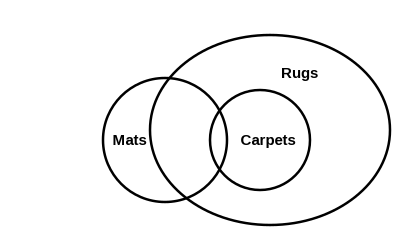
  1. Some mats are carpets and all carpets lie inside rugs.
  2. The mats that are carpets are therefore rugs → I (Some mats are rugs) follows.
  3. Rugs may contain things that are not carpets → II does not follow.

Short trick: Some + All → Some (I-type conclusion follows); “All B are A” can never be reversed to “All A are B”.

Answer: (C) Only conclusion (I) follows.

अवधारणा: न्यूनतम अतिव्यापन वाला वेन आरेख बनाइए।
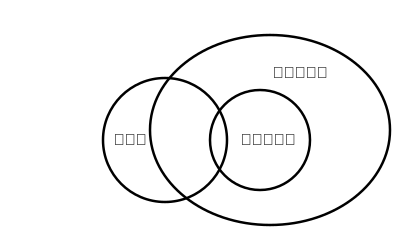
  1. कुछ मैट कालीन हैं और सभी कालीन गलीचों के अंदर हैं।
  2. अतः जो मैट कालीन हैं वे गलीचे भी हैं → I (कुछ मैट गलीचे हैं) अनुसरण करता है।
  3. गलीचों में ऐसी चीज़ें भी हो सकती हैं जो कालीन नहीं हैं → II अनुसरण नहीं करता।

शॉर्ट ट्रिक: कुछ + सभी → कुछ (I अनुसरण करता है); “सभी B, A हैं” को उलटकर “सभी A, B हैं” नहीं बनाया जा सकता।

उत्तर: (C) केवल निष्कर्ष (I) अनुसरण करता है।
RRB ALP CBT 1General Intelligence and ReasoningSyllogismRRB ALP CBT 1 2025 · 18 Feb Shift 3 →
Q42.
In a code language, 'PET' is coded as 123 and 'NEAR' is coded as 152. How will 'TRAIN' be coded in the same language?
एक कूट भाषा में, 'PET' को 123 के रूप में और 'NEAR' को 152 के रूप में कूटबद्ध किया जाता है। उसी भाषा में 'TRAIN' को किस प्रकार कूटबद्ध किया जाएगा?
  1. A310
  2. B196
  3. C218
  4. D288
Show answer

Concept: Code = (sum of alphabet positions) × (number of letters).

  1. PET: 16 + 5 + 20 = 41; 41 × 3 = 123 ✓.
  2. NEAR: 14 + 5 + 1 + 18 = 38; 38 × 4 = 152 ✓.
  3. TRAIN: 20 + 18 + 1 + 9 + 14 = 62; 62 × 5 = 310.

Short trick: 123 = 3 × 41 and 152 = 4 × 38 — both codes are divisible by the word length, which reveals the multiplier.

Answer: (A) 310

अवधारणा: कूट = (अक्षरों के वर्णमाला क्रमांकों का योग) × (अक्षरों की संख्या)।

  1. PET: 16 + 5 + 20 = 41; 41 × 3 = 123 ✓।
  2. NEAR: 14 + 5 + 1 + 18 = 38; 38 × 4 = 152 ✓।
  3. TRAIN: 20 + 18 + 1 + 9 + 14 = 62; 62 × 5 = 310।

शॉर्ट ट्रिक: 123 = 3 × 41 और 152 = 4 × 38 — दोनों कूट शब्द-लंबाई से विभाज्य हैं, यही गुणक बताता है।

उत्तर: (A) 310

RRB ALP CBT 1General Intelligence and ReasoningCoding – letter valuesRRB ALP CBT 1 2025 · 18 Feb Shift 3 →
Q43.
If ‘A’ stands for ‘÷’, ‘B’ stands for ‘x’, ‘C’ stands for ‘+’ and ‘D’ stands for ‘-’, what will come in place of the question mark (?) in the following equation?
22 B 108 A 12 C 43 D 171 = ?
यदि ‘A’ का अर्थ ‘÷’, ‘B’ का अर्थ ‘×’, ‘C’ का अर्थ ‘+’ और ‘D’ का अर्थ ‘-’ है, तो निम्नलिखित समीकरण में प्रश्न चिह्न (?) के स्थान पर क्या आएगा?
22 B 108 A 12 C 43 D 171 = ?
  1. A75
  2. B71
  3. C70
  4. D72
Show answer

Concept: Replace letters by signs, then BODMAS.

  1. 22 × 108 ÷ 12 + 43 − 171.
  2. 108 ÷ 12 = 9 → 22 × 9 = 198.
  3. 198 + 43 − 171 = 70.

Short trick: Divide first (108 ÷ 12 = 9) to keep numbers small.

Answer: (C) 70

अवधारणा: अक्षरों के स्थान पर चिह्न रखें, फिर BODMAS।

  1. 22 × 108 ÷ 12 + 43 − 171।
  2. 108 ÷ 12 = 9 → 22 × 9 = 198।
  3. 198 + 43 − 171 = 70।

शॉर्ट ट्रिक: पहले भाग करें (108 ÷ 12 = 9) ताकि संख्याएँ छोटी रहें।

उत्तर: (C) 70

RRB ALP CBT 1General Intelligence and ReasoningMathematical operations – substitutionRRB ALP CBT 1 2025 · 18 Feb Shift 3 →
Q44.
Refer to the following letter series and answer the question that follows. Counting to be done from left to right only.
(Left) T O W A Q D F H G U K S I C X Z O F H G U K I S (Right)
How many such consonants are there, each of which is immediately preceded by a vowel and also immediately followed by a vowel?
निम्नलिखित अक्षर शृंखला को देखिए और नीचे दिए गए प्रश्न का उत्तर दीजिए। गिनती केवल बाएँ से दाएँ की जानी है।
(बाएँ) T O W A Q D F H G U K S I C X Z O F H G U K I S (दाएँ)
ऐसे कितने व्यंजन हैं, जिनमें से प्रत्येक के ठीक पहले एक स्वर है और ठीक बाद भी एक स्वर है?
  1. AThreeतीन
  2. BTwoदो
  3. CNoneकोई नहीं
  4. DOneएक
Show answer

Concept: Find the pattern Vowel – Consonant – Vowel.

  1. Vowels in the series: O (2nd), A (4th), U (10th), I (13th), O (17th), U (21st), I (23rd).
  2. O W A ✓ (positions 2-3-4).
  3. U K I (positions 21-22-23) ✓; others (A Q D, U K S, I C X, O F H) fail.
  4. Count = 2.

Short trick: Two vowels with exactly one letter between them — check only such gaps: O_A and U_I (second time) work.

Answer: (B) Two

अवधारणा: स्वर – व्यंजन – स्वर पैटर्न खोजें।

  1. शृंखला में स्वर: O (2), A (4), U (10), I (13), O (17), U (21), I (23)।
  2. O W A ✓ (स्थान 2-3-4)।
  3. U K I (स्थान 21-22-23) ✓; अन्य (A Q D, U K S, I C X, O F H) नहीं।
  4. गिनती = 2।

शॉर्ट ट्रिक: ऐसे दो स्वर खोजें जिनके बीच ठीक एक अक्षर हो — केवल O_A और (दूसरी बार) U_I।

उत्तर: (B) दो

RRB ALP CBT 1General Intelligence and ReasoningLetter series – vowel/consonantRRB ALP CBT 1 2025 · 18 Feb Shift 3 →
Q45.
Each of G, H, I, J, K, L and M has an exam on a different day of a week starting from Monday and ending on Sunday of the same week. G has an exam on Wednesday. Only two persons have exam between G and L. I has exam immediately before L. H's exam is not on the last day. J has exam immediately after K. On which day does M have the exam?
G, H, I, J, K, L और M में से प्रत्येक की परीक्षा एक ही सप्ताह के सोमवार से शुरू होकर रविवार को समाप्त होने वाले अलग-अलग दिनों में है। G की परीक्षा बुधवार को है। G और L के बीच केवल दो व्यक्तियों की परीक्षा है। I की परीक्षा, L से ठीक पहले है। H की परीक्षा अंतिम दिन नहीं है। J की परीक्षा, K के ठीक बाद है। M की परीक्षा किस दिन है?
  1. AFridayशुक्रवार
  2. BSaturdayशनिवार
  3. CSundayरविवार
  4. DMondayसोमवार
Show answer

Concept: Fix the definite days first.

  1. MonTueWedThuFriSatSun
    KJGHILM
  2. G = Wed; two between G and L → L = Sat (Sun-side only possible); I = Fri.
  3. K–J consecutive: only Mon–Tue left.
  4. H not Sunday → H = Thu, M = Sunday.

Short trick: After placing G, L, I and the K–J block, two days remain (Thu, Sun); H can’t be last → M = Sunday.

Answer: (C) Sunday

अवधारणा: पहले निश्चित दिन तय करें।

  1. सोममंगलबुधगुरुशुक्रशनिरवि
    KJGHILM
  2. G = बुधवार; G और L के बीच दो → L = शनिवार; I = शुक्रवार।
  3. K–J क्रमागत: केवल सोम–मंगल बचे।
  4. H रविवार नहीं → H = गुरुवार, M = रविवार।

शॉर्ट ट्रिक: G, L, I और K–J रखने के बाद दो दिन (गुरु, रवि) बचते हैं; H अंतिम दिन नहीं → M = रविवार।

उत्तर: (C) रविवार

RRB ALP CBT 1General Intelligence and ReasoningScheduling – days of weekRRB ALP CBT 1 2025 · 18 Feb Shift 3 →
Q46.
In a certain code language, ‘HAGS’ is coded as ‘7934’ and ‘EAHS’ is coded as ‘9413’. What is the code for ‘E’ in the given code language?
एक निश्चित कूट भाषा में, ‘HAGS’ को ‘7934’ के रूप में और ‘EAHS’ को ‘9413’ के रूप में कूटबद्ध किया जाता है। दी गई कूट भाषा में ‘E’ का कूट क्या है?
  1. A3
  2. B4
  3. C9
  4. D1
Show answer

Concept: Common letters share common digits.

  1. HAGS = 7934, EAHS = 9413.
  2. Common letters H, A, S ↔ common digits 9, 3, 4.
  3. Remaining: G ↔ 7 and E ↔ 1.

Short trick: Cancel the common part; the leftover letter takes the leftover digit.

Answer: (D) 1

अवधारणा: उभयनिष्ठ अक्षरों के उभयनिष्ठ अंक होते हैं।

  1. HAGS = 7934, EAHS = 9413।
  2. उभयनिष्ठ अक्षर H, A, S ↔ उभयनिष्ठ अंक 9, 3, 4।
  3. शेष: G ↔ 7 और E ↔ 1।

शॉर्ट ट्रिक: उभयनिष्ठ भाग हटाएँ; बचा अक्षर बचे अंक से मेल खाता है।

उत्तर: (D) 1

RRB ALP CBT 1General Intelligence and ReasoningCoding – common lettersRRB ALP CBT 1 2025 · 18 Feb Shift 3 →
Q47.
BIGE is related to CKJI in a certain way based on the English alphabetical order. In the same way, RYAK is related to SADO. To which of the given options is JQTB related, following the same logic?
अंग्रेज़ी वर्णमाला क्रम के आधार पर BIGE एक निश्चित प्रकार से CKJI से संबंधित है। उसी प्रकार, RYAK, SADO से संबंधित है। समान तर्क का अनुसरण करते हुए, JQTB दिए गए विकल्पों में से किससे संबंधित है?
  1. AKTWE
  2. BKSWF
  3. CJSXF
  4. DJSXE
Show answer

Concept: Compare letter by letter.

  1. B→C (+1), I→K (+2), G→J (+3), E→I (+4); RYAK → SADO uses the same +1, +2, +3, +4.
  2. J + 1 = K, Q + 2 = S, T + 3 = W, B + 4 = F.
  3. JQTB → KSWF.

Short trick: Only the 1st letter +1 = K narrows to A/B; 2nd letter +2 = S → B.

Answer: (B) KSWF

अवधारणा: अक्षर दर अक्षर तुलना करें।

  1. B→C (+1), I→K (+2), G→J (+3), E→I (+4); RYAK → SADO में भी +1, +2, +3, +4।
  2. J + 1 = K, Q + 2 = S, T + 3 = W, B + 4 = F।
  3. JQTB → KSWF।

शॉर्ट ट्रिक: पहला अक्षर +1 = K से A/B बचते हैं; दूसरा अक्षर +2 = S → B।

उत्तर: (B) KSWF

RRB ALP CBT 1General Intelligence and ReasoningLetter analogyRRB ALP CBT 1 2025 · 18 Feb Shift 3 →
Q48.
Based on the English alphabetical order, three of the following four letter-clusters are alike in a certain way and thus form a group. Which letter-cluster DOES NOT belong to that group? (Note: The odd one out is not based on the number of consonants/vowels or their position in the letter-cluster.)
अंग्रेज़ी वर्णमाला क्रम के आधार पर, निम्नलिखित चार अक्षर-समूहों में से तीन किसी निश्चित प्रकार से एक समान हैं और इस प्रकार एक समूह बनाते हैं। कौन-सा अक्षर-समूह उस समूह से संबंधित नहीं है? (नोट: असंगत अक्षर-समूह, उस अक्षर-समूह में व्यंजनों/स्वरों की संख्या या उनके स्थान पर आधारित नहीं है।)
  1. ALCZ
  2. BOFC
  3. CTLH
  4. DWNK
Show answer

Concept: Find the gaps (backward steps) between letters.

  1. LCZ12 → 3 → 26−9, −3
    OFC15 → 6 → 3−9, −3
    TLH20 → 12 → 8−8, −4
    WNK23 → 14 → 11−9, −3
  2. TLH breaks the −9, −3 pattern.

Short trick: Check just the first gap: L→C, O→F, W→N are all −9; T→L is −8 → odd.

Answer: (C) TLH

अवधारणा: अक्षरों के बीच का अंतर (पीछे की ओर) देखें।

  1. LCZ12 → 3 → 26−9, −3
    OFC15 → 6 → 3−9, −3
    TLH20 → 12 → 8−8, −4
    WNK23 → 14 → 11−9, −3
  2. TLH पैटर्न −9, −3 को तोड़ता है।

शॉर्ट ट्रिक: केवल पहला अंतर देखें: L→C, O→F, W→N सभी −9; T→L −8 है → विषम।

उत्तर: (C) TLH

RRB ALP CBT 1General Intelligence and ReasoningOdd one out – letter clustersRRB ALP CBT 1 2025 · 18 Feb Shift 3 →
Q49.
Based on the English alphabetical order, three of the following four letter-cluster pairs are alike in a certain way and thus form a group. Which letter-cluster pair DOES NOT belong to that group? (Note: The odd one out is not based on the number of consonants/vowels or their position in the letter-cluster.)
अंग्रेज़ी वर्णमाला क्रम के आधार पर, निम्नलिखित चार अक्षर-समूह युग्मों में से तीन किसी निश्चित प्रकार से एक समान हैं और इस प्रकार एक समूह बनाते हैं। कौन-सा अक्षर-समूह युग्म उस समूह से संबंधित नहीं है? (नोट: असंगत अक्षर-समूह युग्म, उस अक्षर-समूह में व्यंजनों/स्वरों की संख्या या उनके स्थान पर आधारित नहीं है।)
  1. AJA - LD
  2. BSM - UQ
  3. CGX - IA
  4. DPV - RY
Show answer

Concept: Compare each letter of the first cluster with the matching letter of the second.

  1. JA - LD+2, +3
    SM - UQ+2, +4
    GX - IA+2, +3
    PV - RY+2, +3
  2. SM - UQ is the odd pair.

Short trick: First letters all move +2, so only the second letter decides: M→Q is +4, the rest +3.

Answer: (B) SM - UQ

अवधारणा: पहले समूह के प्रत्येक अक्षर की तुलना दूसरे समूह के संगत अक्षर से करें।

  1. JA - LD+2, +3
    SM - UQ+2, +4
    GX - IA+2, +3
    PV - RY+2, +3
  2. SM - UQ विषम युग्म है।

शॉर्ट ट्रिक: पहले अक्षर सभी +2 चलते हैं, इसलिए केवल दूसरा अक्षर देखें: M→Q +4 है, बाकी +3।

उत्तर: (B) SM - UQ

RRB ALP CBT 1General Intelligence and ReasoningOdd one out – letter pairsRRB ALP CBT 1 2025 · 18 Feb Shift 3 →
Q50.
Select the pair which follows the same pattern as that followed by the two pairs given below. Both pairs follow the same pattern.
GVJ : ZOB
AIE : TBW
उस युग्म का चयन कीजिए जो उसी पैटर्न का अनुसरण करता है जिसका अनुसरण नीचे दिए गए दो युग्मों द्वारा किया गया है। दोनों युग्म एक ही पैटर्न का अनुसरण करते हैं।
GVJ : ZOB
AIE : TBW
  1. ATYU : AHL
  2. BAMY : TFQ
  3. CBRA : QDN
  4. DATN : TLF
Show answer

Concept: Find the shift for each position.

  1. G→Z (−7), V→O (−7), J→B (−8); A→T (−7), I→B (−7), E→W (−8). Pattern: −7, −7, −8.
  2. AMY: A→T (−7), M→F (−7), Y→Q (−8) ✓.
  3. TYU : AHL, BRA : QDN and ATN : TLF do not follow −7, −7, −8.

Short trick: Moving back 7 = forward 19: check the 3rd letter (−8) quickly — Y→Q ✓.

Answer: (B) AMY : TFQ

अवधारणा: प्रत्येक स्थान का खिसकाव ज्ञात करें।

  1. G→Z (−7), V→O (−7), J→B (−8); A→T (−7), I→B (−7), E→W (−8)। पैटर्न: −7, −7, −8।
  2. AMY: A→T (−7), M→F (−7), Y→Q (−8) ✓।
  3. TYU→AHL, BRA→QDN, ATN→TLF मेल नहीं खाते।

शॉर्ट ट्रिक: तीसरे अक्षर (−8) की तुरंत जाँच करें — Y→Q ✓।

उत्तर: (B) AMY : TFQ

RRB ALP CBT 1General Intelligence and ReasoningLetter pair analogyRRB ALP CBT 1 2025 · 18 Feb Shift 3 →
Q51.
12 is related to 149 following a certain logic. Following the same logic, 16 is related to 261. To which of the given options is 19 related, following the same logic?
(NOTE: Operations should be performed on the whole numbers, without breaking down the numbers into their constituent digits. E.g. 13 – Operations on 13 such as adding to/subtracting from/multiplying with 13 can be performed. Breaking down 13 into 1 and 3 and then performing mathematical operations on 1 and 3 is not allowed.)
एक निश्चित तर्क के अनुसार 12 का संबंध 149 से है। उसी तर्क के अनुसार, 16 का संबंध 261 से है। समान तर्क का अनुसरण करते हुए, 19 का संबंध दिए गए विकल्पों में से किससे है?
(नोट: संक्रियाएँ पूर्ण संख्याओं पर की जानी चाहिए, संख्याओं को उनके घटक अंकों में तोड़े बिना। उदाहरण के लिए 13 – 13 पर संक्रियाएँ जैसे 13 में जोड़ना/घटाना/गुणा करना आदि किया जा सकता है। 13 को 1 और 3 में तोड़कर फिर 1 और 3 पर गणितीय संक्रियाएँ करने की अनुमति नहीं है।)
  1. A366
  2. B162
  3. C259
  4. D474
Show answer

Concept: Look for a square relation.

  1. 122=144, 144 + 5 = 149.
  2. 162=256, 256 + 5 = 261.
  3. 192+5=361+5=366.

Short trick: Both outputs exceed a perfect square by 5 → n2+5.

Answer: (A) 366

अवधारणा: वर्ग संबंध खोजें।

  1. 122=144, 144 + 5 = 149।
  2. 162=256, 256 + 5 = 261।
  3. 192+5=361+5=366।

शॉर्ट ट्रिक: दोनों परिणाम पूर्ण वर्ग से 5 अधिक हैं → n2+5।

उत्तर: (A) 366

RRB ALP CBT 1General Intelligence and ReasoningNumber analogyRRB ALP CBT 1 2025 · 18 Feb Shift 3 →
Q52.
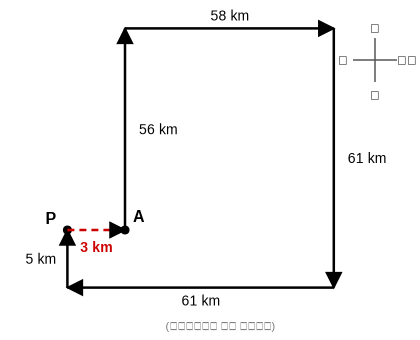
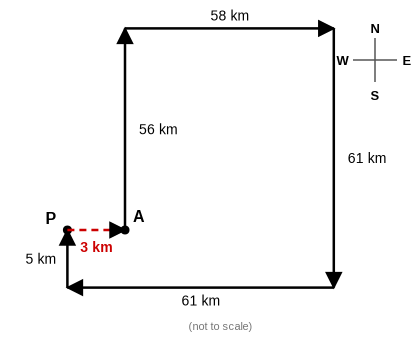
Jessica starts from Point A and drives 56 km towards north. He then takes a right turn, drives 58 km, turns right and drives 61 km. He then takes a right turn and drives 61 km. He takes a final right turn, drives 5 km and stops at Point P. How far (shortest distance) and towards which direction should he drive in order to reach Point A again? (All turns are 90 degrees turns only unless specified)
जेसिका बिंदु A से शुरू करती है और उत्तर की ओर 56 km गाड़ी चलाती है। फिर वह दाएँ मुड़ती है, 58 km गाड़ी चलाती है, दाएँ मुड़ती है और 61 km गाड़ी चलाती है। फिर वह दाएँ मुड़ती है और 61 km गाड़ी चलाती है। वह अंतिम बार दाएँ मुड़ती है, 5 km गाड़ी चलाती है और बिंदु P पर रुक जाती है। बिंदु A पर फिर से पहुँचने के लिए उसे कितनी दूरी (न्यूनतम दूरी) तक और किस दिशा में गाड़ी चलानी चाहिए? (जब तक निर्दिष्ट न हो, सभी मोड़ केवल 90 डिग्री के मोड़ हैं)
  1. A2 km to the eastपूर्व की ओर 2 km
  2. B1 km to the eastपूर्व की ओर 1 km
  3. C3 km to the eastपूर्व की ओर 3 km
  4. D4 km to the westपश्चिम की ओर 4 km
Show answer

Concept: Add the north–south and east–west displacements separately.

  1. N–S: +56 − 61 + 5 = 0 → P is level with A.
  2. E–W: +58 − 61 = −3 → P is 3 km west of A.
  3. So drive 3 km towards the east.

Short trick: Two right turns reverse direction: 58 E vs 61 W → 3 W net; 56 N + 5 N vs 61 S → 0.

Answer: (C) 3 km to the east

अवधारणा: उत्तर–दक्षिण और पूर्व–पश्चिम विस्थापन अलग-अलग जोड़ें।

  1. उ–द: +56 − 61 + 5 = 0 → P, A के समान स्तर पर है।
  2. पू–प: +58 − 61 = −3 → P, A से 3 km पश्चिम में है।
  3. अतः पूर्व की ओर 3 km चलाएँ।

शॉर्ट ट्रिक: दो दाएँ मोड़ दिशा उलट देते हैं: 58 पूर्व बनाम 61 पश्चिम → 3 पश्चिम; 56 + 5 उत्तर बनाम 61 दक्षिण → 0।

उत्तर: (C) पूर्व की ओर 3 km

RRB ALP CBT 1General Intelligence and ReasoningDirection sense – distanceRRB ALP CBT 1 2025 · 18 Feb Shift 3 →
Q53.
Each vowel in the word ROCKING is changed to the letter immediately preceding it in the English alphabetical order and each consonant is changed to the letter immediately following it in the English alphabetical order. Which of the following letters will appear exactly twice in the new group of letters thus formed?
शब्द ROCKING में प्रत्येक स्वर को अंग्रेज़ी वर्णमाला क्रम में उससे ठीक पहले आने वाले अक्षर से बदल दिया जाता है और प्रत्येक व्यंजन को अंग्रेज़ी वर्णमाला क्रम में उसके ठीक बाद आने वाले अक्षर से बदल दिया जाता है। इस प्रकार बने अक्षरों के नए समूह में निम्नलिखित में से कौन-सा अक्षर ठीक दो बार आएगा?
  1. AO
  2. BH
  3. CD
  4. DL
Show answer

Concept: Vowel → previous letter; consonant → next letter.

  1. ROCKING
    SNDLHOH
  2. H appears twice (from I and G).

Short trick: I − 1 = H and G + 1 = H — a vowel and a consonant meeting on the same letter.

Answer: (B) H

अवधारणा: स्वर → पिछला अक्षर; व्यंजन → अगला अक्षर।

  1. ROCKING
    SNDLHOH
  2. H दो बार आता है (I और G से)।

शॉर्ट ट्रिक: I − 1 = H और G + 1 = H — एक स्वर और एक व्यंजन एक ही अक्षर पर मिलते हैं।

उत्तर: (B) H

RRB ALP CBT 1General Intelligence and ReasoningLetter coding – vowel/consonant shiftRRB ALP CBT 1 2025 · 18 Feb Shift 3 →
Q54.
A question is followed by two statements numbered (I) and (II). You have to decide whether the data provided in the statements are sufficient to answer the question. Read both the statements and decide the appropriate answer.
Q. Four students – Kabir, Mansi, Nupur, and Rakesh – scored different marks. Who scored the second highest marks?
(I) Kabir scored more than Mansi but less than Nupur.
(II) Rakesh scored less than Nupur but more than Kabir.
एक प्रश्न के बाद दो कथन (I) और (II) दिए गए हैं। आपको यह तय करना है कि कथनों में दिया गया डेटा प्रश्न का उत्तर देने के लिए पर्याप्त है या नहीं। दोनों कथनों को पढ़ें और उपयुक्त उत्तर चुनें।
प्रश्न: चार विद्यार्थियों – कबीर, मानसी, नूपुर और राकेश – ने अलग-अलग अंक प्राप्त किए। दूसरे सबसे अधिक अंक किसने प्राप्त किए?
(I) कबीर ने मानसी से अधिक लेकिन नूपुर से कम अंक प्राप्त किए।
(II) राकेश ने नूपुर से कम लेकिन कबीर से अधिक अंक प्राप्त किए।
  1. AData in Statement II alone is sufficient to answer the question while data in Statement I is notकथन II में दिया गया डेटा अकेले प्रश्न का उत्तर देने के लिए पर्याप्त है, जबकि कथन I में दिया गया डेटा पर्याप्त नहीं है
  2. BData in both statements I and II together are NOT sufficient to answer the questionकथन I और II दोनों में दिया गया डेटा एक साथ भी प्रश्न का उत्तर देने के लिए पर्याप्त नहीं है
  3. CData in both statements I and II together (and not statement I alone or statement II alone) are sufficient to answer the questionकथन I और II दोनों में दिया गया डेटा एक साथ (न कि अकेले कथन I या अकेले कथन II) प्रश्न का उत्तर देने के लिए पर्याप्त है
  4. DData in Statement I alone is sufficient to answer the question while data in Statement II is notकथन I में दिया गया डेटा अकेले प्रश्न का उत्तर देने के लिए पर्याप्त है, जबकि कथन II में दिया गया डेटा पर्याप्त नहीं है
Show answer

Concept: Write each statement as an inequality chain.

  1. I: Nupur > Kabir > Mansi — Rakesh unknown.
  2. II: Nupur > Rakesh > Kabir — Mansi unknown (could be top).
  3. I + II: Nupur > Rakesh > Kabir > Mansi → second highest = Rakesh.
  4. Both statements together are needed.

Short trick: Combine the chains through the common names (Nupur, Kabir) — one complete order appears.

Answer: (C) Data in both statements I and II together (and not statement I alone or statement II alone) are sufficient to answer the question

अवधारणा: प्रत्येक कथन को असमिका-शृंखला के रूप में लिखें।

  1. I: नूपुर > कबीर > मानसी — राकेश अज्ञात।
  2. II: नूपुर > राकेश > कबीर — मानसी अज्ञात (सबसे ऊपर भी हो सकती है)।
  3. I + II: नूपुर > राकेश > कबीर > मानसी → दूसरे सबसे अधिक = राकेश।
  4. दोनों कथन साथ में आवश्यक हैं।

शॉर्ट ट्रिक: उभयनिष्ठ नामों (नूपुर, कबीर) से शृंखलाएँ जोड़ें — एक पूर्ण क्रम मिलता है।

उत्तर: (C) कथन I और II दोनों में दिया गया डेटा एक साथ (न कि अकेले कथन I या अकेले कथन II) प्रश्न का उत्तर देने के लिए पर्याप्त है

RRB ALP CBT 1General Intelligence and ReasoningData sufficiency – rankingRRB ALP CBT 1 2025 · 18 Feb Shift 3 →
Q55.
In a certain code language,
'A + B' means ‘A is the mother of B’,
'A – B' means ‘A is the brother of B’,
'A × B' means ‘A is the sister of B’, and
'A ÷ B' means ‘A is the father of B’.
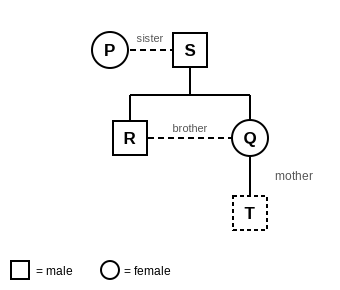
Based on the above, how is P related to T, if ‘P × S ÷ R – Q + T’?
एक निश्चित कूट भाषा में,
'A + B' का अर्थ है ‘A, B की माँ है’,
'A – B' का अर्थ है ‘A, B का भाई है’,
'A × B' का अर्थ है ‘A, B की बहन है’, और
'A ÷ B' का अर्थ है ‘A, B का पिता है’।
उपर्युक्त के आधार पर, यदि ‘P × S ÷ R – Q + T’ है, तो P का T से क्या संबंध है?
  1. AMother's sister's husbandमाँ की बहन का पति
  2. BMother's father's sisterमाँ के पिता की बहन
  3. CMother's father's brotherमाँ के पिता का भाई
  4. DFather's sister's husbandपिता की बहन का पति
Show answer

Concept: Decode each symbol and draw the family tree.

  1. P × S → P is the sister of S.
  2. S ÷ R → S is the father of R; R – Q → R is the brother of Q (so S is Q’s father).
  3. Q + T → Q is the mother of T.
  4. T’s mother = Q, her father = S, his sister = P → P is T’s mother’s father’s sister.

Short trick: Climb from T: mother (Q) → father (S) → sister (P).

Answer: (B) Mother's father's sister

अवधारणा: प्रत्येक प्रतीक को डिकोड करें और वंश-वृक्ष बनाएँ।

  1. P × S → P, S की बहन है।
  2. S ÷ R → S, R का पिता है; R – Q → R, Q का भाई है (अतः S, Q का पिता है)।
  3. Q + T → Q, T की माँ है।
  4. T की माँ = Q, उसके पिता = S, उनकी बहन = P → P, T के माँ के पिता की बहन है।

शॉर्ट ट्रिक: T से ऊपर चढ़ें: माँ (Q) → पिता (S) → बहन (P)।

उत्तर: (B) माँ के पिता की बहन

RRB ALP CBT 1General Intelligence and ReasoningCoded blood relationRRB ALP CBT 1 2025 · 18 Feb Shift 3 →
Q56.
Seven boxes, U, V, O, P, Q, R and S, are kept one over the other but not necessarily in the same order. Q is kept second from the top. Only two boxes are kept between Q and R. S is kept immediately below Q. Only one box is kept between P and S. V is kept immediately above U. Which box is third from the top?
सात बॉक्स U, V, O, P, Q, R और S एक के ऊपर एक रखे गए हैं, लेकिन ज़रूरी नहीं कि इसी क्रम में हों। Q को ऊपर से दूसरे स्थान पर रखा गया है। Q और R के बीच केवल दो बॉक्स रखे गए हैं। S को Q के ठीक नीचे रखा गया है। P और S के बीच केवल एक बॉक्स रखा गया है। V को U के ठीक ऊपर रखा गया है। ऊपर से तीसरे स्थान पर कौन-सा बॉक्स है?
  1. AR
  2. BS
  3. CP
  4. DV
Show answer

Concept: Place boxes from fixed positions (top = 1).

  1. 1234567
    PQSORVU
  2. Q = 2, S = 3 (just below Q), R = 5 (two between).
  3. One box between P and S → P = 1 (5 is taken).
  4. V just above U → V = 6, U = 7; O = 4.

Short trick: Q second and S immediately below Q already gives the answer: third from top = S.

Answer: (B) S

अवधारणा: निश्चित स्थानों से शुरू करें (ऊपर = 1)।

  1. 1234567
    PQSORVU
  2. Q = 2, S = 3 (Q के ठीक नीचे), R = 5 (बीच में दो)।
  3. P और S के बीच एक → P = 1 (5 भरा है)।
  4. V, U के ठीक ऊपर → V = 6, U = 7; O = 4।

शॉर्ट ट्रिक: Q दूसरे और S उसके ठीक नीचे — ऊपर से तीसरा = S, सीधे मिल जाता है।

उत्तर: (B) S

RRB ALP CBT 1General Intelligence and ReasoningVertical stackingRRB ALP CBT 1 2025 · 18 Feb Shift 3 →
Q57.
Each letter in the word PERSON is changed to the second letter immediately following it in the English alphabetical order, and then all the letters thus formed are arranged in alphabetical order. Which letter will be fifth from the right in the new number thus formed?
शब्द PERSON में प्रत्येक अक्षर को अंग्रेज़ी वर्णमाला क्रम में उसके ठीक बाद आने वाले दूसरे अक्षर से बदल दिया जाता है, और फिर इस प्रकार बने सभी अक्षरों को वर्णानुक्रम में व्यवस्थित किया जाता है। इस प्रकार बने नए समूह में दाएँ से पाँचवाँ अक्षर कौन-सा होगा?
  1. AP
  2. BQ
  3. CT
  4. DE
Show answer

Concept: Shift each letter +2, then sort alphabetically.

  1. PERSON → R G T U Q P.
  2. Sorted: G P Q R T U.
  3. From the right: U(1), T(2), R(3), Q(4), P(5).

Short trick: 5th from right of 6 letters = 2nd from left → G, P.

Answer: (A) P

अवधारणा: प्रत्येक अक्षर को +2 खिसकाएँ, फिर वर्णानुक्रम में लगाएँ।

  1. PERSON → R G T U Q P।
  2. क्रम में: G P Q R T U।
  3. दाएँ से: U(1), T(2), R(3), Q(4), P(5)।

शॉर्ट ट्रिक: 6 अक्षरों में दाएँ से 5वाँ = बाएँ से 2रा → G, P।

उत्तर: (A) P

RRB ALP CBT 1General Intelligence and ReasoningLetter shifting and arrangementRRB ALP CBT 1 2025 · 18 Feb Shift 3 →
Q58.
If 2 is added to each odd digit and 1 is subtracted from each even digit in the number 7815642, which of the following digits will be third from the left?
यदि संख्या 7815642 में प्रत्येक विषम अंक में 2 जोड़ा जाए और प्रत्येक सम अंक में से 1 घटाया जाए, तो बाएँ से तीसरा अंक निम्नलिखित में से कौन-सा होगा?
  1. A9
  2. B3
  3. C1
  4. D7
Show answer

Concept: Odd digit +2, even digit −1.

  1. 7815642
    9737531
  2. Third from the left = 3.

Short trick: Only the 3rd digit matters: 1 is odd → 1 + 2 = 3.

Answer: (B) 3

अवधारणा: विषम अंक +2, सम अंक −1।

  1. 7815642
    9737531
  2. बाएँ से तीसरा = 3।

शॉर्ट ट्रिक: केवल तीसरा अंक देखें: 1 विषम → 1 + 2 = 3।

उत्तर: (B) 3

RRB ALP CBT 1General Intelligence and ReasoningDigit operationsRRB ALP CBT 1 2025 · 18 Feb Shift 3 →
Q59.
Each of A, B, C, D, S, T and U has an exam on a different day of a week starting from Monday and ending on Sunday of the same week. S has the exam on Thursday, and U has the exam on Saturday. T has the exam immediately before B. A has the exam on one of the days after C. D has the exam immediately after B. How many people have exams between A and D?
A, B, C, D, S, T और U में से प्रत्येक की परीक्षा एक ही सप्ताह के सोमवार से शुरू होकर रविवार को समाप्त होने वाले अलग-अलग दिनों में है। S की परीक्षा गुरुवार को है, और U की परीक्षा शनिवार को है। T की परीक्षा, B से ठीक पहले है। A की परीक्षा, C के बाद के दिनों में से किसी एक दिन है। D की परीक्षा, B के ठीक बाद है। A और D के बीच कितने व्यक्तियों की परीक्षा है?
  1. AThreeतीन
  2. BFourचार
  3. CTwoदो
  4. DOneएक
Show answer

Concept: Fix the definite days, then fit the block T–B–D.

  1. MonTueWedThuFriSatSun
    TBDSCUA
  2. S = Thu, U = Sat. T, B, D are consecutive → only Mon–Tue–Wed is free for a 3-day block.
  3. C and A take Fri and Sun; A after C → C = Fri, A = Sun.
  4. Between D (Wed) and A (Sun): Thu, Fri, Sat → 3.

Short trick: The 3-day block can only fit before Thursday; then A must be Sunday.

Answer: (A) Three

अवधारणा: निश्चित दिन तय करें, फिर T–B–D का खंड रखें।

  1. सोममंगलबुधगुरुशुक्रशनिरवि
    TBDSCUA
  2. S = गुरुवार, U = शनिवार। T, B, D क्रमागत → 3 दिन का खंड केवल सोम–मंगल–बुध में।
  3. C और A शुक्र और रवि में; A, C के बाद → C = शुक्र, A = रवि।
  4. D (बुध) और A (रवि) के बीच: गुरु, शुक्र, शनि → 3।

शॉर्ट ट्रिक: 3 दिन का खंड केवल गुरुवार से पहले आ सकता है; फिर A = रविवार।

उत्तर: (A) तीन

RRB ALP CBT 1General Intelligence and ReasoningScheduling – days of weekRRB ALP CBT 1 2025 · 18 Feb Shift 3 →
Q60.
CH 43 is related to GL 23 in a certain way. In the same way, FK 85 is related to JO 65. To which of the given options is NS 76 related, following the same logic?
CH 43 एक निश्चित प्रकार से GL 23 से संबंधित है। उसी प्रकार, FK 85, JO 65 से संबंधित है। समान तर्क का अनुसरण करते हुए, NS 76 दिए गए विकल्पों में से किससे संबंधित है?
  1. ATW 56
  2. BRV 65
  3. CRW 56
  4. DTU 65
Show answer

Concept: Letters +4 each, number −20.

  1. C + 4 = G, H + 4 = L, 43 − 20 = 23; F + 4 = J, K + 4 = O, 85 − 20 = 65.
  2. N + 4 = R, S + 4 = W, 76 − 20 = 56 → RW 56.

Short trick: Number part: 76 − 20 = 56 leaves A/C; letter N + 4 = R → C.

Answer: (C) RW 56

अवधारणा: अक्षर +4, संख्या −20।

  1. C + 4 = G, H + 4 = L, 43 − 20 = 23; F + 4 = J, K + 4 = O, 85 − 20 = 65।
  2. N + 4 = R, S + 4 = W, 76 − 20 = 56 → RW 56।

शॉर्ट ट्रिक: संख्या: 76 − 20 = 56 से A/C बचते हैं; N + 4 = R → C।

उत्तर: (C) RW 56

RRB ALP CBT 1General Intelligence and ReasoningAlpha-numeric analogyRRB ALP CBT 1 2025 · 18 Feb Shift 3 →