Question bank

Q&A: practice questions with answers

Search questions on any topic. Filter by exam category, exam, subject and topic, try the question, then open the answer and explanation.

Courses – airGurukul

20,719 questions found.

Q11881.
Refer to the given number series and answer the question that follows. Counting to be done from left to right only. All numbers are single-digit numbers only.
(Left) 9 2 3 1 4 5 6 8 5 4 3 2 1 9 3 4 5 6 7 8 1 2 9 8 3 4 5 2 6 8 2 (Right)
How many such odd digits are there, each of which is immediately preceded by an even digit and also immediately followed by an odd digit?
दी गई संख्या श्रृंखला को देखिए और उसके बाद आने वाले प्रश्न का उत्तर दीजिए। गिनती केवल बाएँ से दाएँ की जानी है। सभी संख्याएँ केवल एक-अंकीय संख्याएँ हैं।
(बाएँ) 9 2 3 1 4 5 6 8 5 4 3 2 1 9 3 4 5 6 7 8 1 2 9 8 3 4 5 2 6 8 2 (दाएँ)
ऐसे कितने विषम अंक हैं, जिनमें से प्रत्येक के ठीक पहले एक सम अंक है और ठीक बाद भी एक विषम अंक है?
  1. AThreeतीन
  2. BNoneकोई नहीं
  3. COneएक
  4. DTwoदो
Show answer

Concept: Look for the pattern Even – Odd – Odd and count the middle digit.

  1. Position 3: 2 3 1 → before 2 (even), after 1 (odd) ✓.
  2. Position 13: 2 1 9 → before 2 (even), after 9 (odd) ✓.
  3. Other odd digits after an even digit (5 after 4, 3 after 4, 7 after 6, 9 after 2 …) are followed by an even digit ✗.

Trick: First mark every even digit, then check only the two digits right after it.

Answer: (D) Two

अवधारणा: सम – विषम – विषम पैटर्न खोजें और बीच का अंक गिनें।

  1. स्थान 3: 2 3 1 → पहले 2 (सम), बाद में 1 (विषम) ✓।
  2. स्थान 13: 2 1 9 → पहले 2 (सम), बाद में 9 (विषम) ✓।
  3. सम अंक के बाद आने वाले अन्य विषम अंकों (4 के बाद 5, 4 के बाद 3, 6 के बाद 7, 2 के बाद 9 …) के बाद सम अंक है ✗।

ट्रिक: पहले सभी सम अंक चिह्नित करें, फिर केवल उनके ठीक बाद वाले दो अंक देखें।

उत्तर: (D) दो
RRB NTPC Undergraduate CBT 1General Intelligence and ReasoningNumber series – digit conditionsRRB NTPC Undergraduate CBT 1 2025 · 19 Jun Shift 3 →
Q11882.
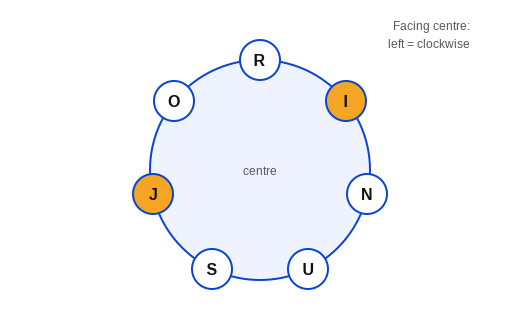
J, U, N, I, O, R and S are sitting around a circular table, facing the centre of the table. S sits fourth to the left of R. O sits fourth to the right of U. Only two people sit between R and U when counted from the left of R. N is not an immediate neighbour of O or R. J is not an immediate neighbour of N. Who sits third to the right of I?
सात व्यक्ति J, U, N, I, O, R और S एक वृत्ताकार मेज़ के चारों ओर मेज़ के केंद्र की ओर मुख करके बैठे हैं। S, R के बाईं ओर चौथे स्थान पर बैठा है। O, U के दाईं ओर चौथे स्थान पर बैठा है। R के बाईं ओर से गिनने पर R और U के बीच केवल दो व्यक्ति बैठे हैं। N, O या R का निकटतम पड़ोसी नहीं है। J, N का निकटतम पड़ोसी नहीं है। I के दाईं ओर तीसरे स्थान पर कौन बैठा है?
  1. AR
  2. BJ
  3. CU
  4. DS
Show answer

Concept: Facing the centre: left = clockwise, right = anticlockwise.

  1. Fix R. S is 4th to the left of R. Going left from R, two people then U → U is 3rd to the left of R; S sits next to U.
  2. O is 4th to the right of U → O is R's immediate right neighbour.
  3. Seats left: R's left neighbour, the seat between it and U, and the seat between S and O. N is not next to O or R → N sits just before U; J is not next to N → J sits between S and O; I is R's left neighbour.
  4. From I, moving right: R, O, J → J is 3rd to the right of I.

Trick: Fix one person first and write the others as 'k-th to the left' of him to avoid confusion.

Answer: (B) J

अवधारणा: केंद्र की ओर मुख होने पर: बायाँ = दक्षिणावर्त, दायाँ = वामावर्त।

  1. R को स्थिर करें। S, R के बाएँ चौथा है। R के बाएँ से गिनने पर दो व्यक्ति फिर U → U, R के बाएँ तीसरा; S, U के बगल में।
  2. O, U के दाएँ चौथा है → O, R का ठीक दायाँ पड़ोसी है।
  3. बची सीटें: R का बायाँ पड़ोसी, उसके और U के बीच की सीट, और S व O के बीच की सीट। N, O या R के पास नहीं → N, U के ठीक पहले; J, N के पास नहीं → J, S और O के बीच; I, R का बायाँ पड़ोसी।
  4. I से दाएँ चलें: R, O, J → J, I के दाएँ तीसरा है।

ट्रिक: पहले एक व्यक्ति को स्थिर करें और बाकी को उसके 'बाएँ k-वाँ' के रूप में लिखें।

उत्तर: (B) J

RRB NTPC Undergraduate CBT 1General Intelligence and ReasoningCircular seating arrangementRRB NTPC Undergraduate CBT 1 2025 · 19 Jun Shift 3 →
Q11883.
Refer to the following series and answer the question. (Counting to be done from left to right only.) (All numbers are single-digit numbers only.)
(Left) 7 3 5 2 3 5 3 5 2 2 5 2 5 2 5 6 5 4 6 5 4 9 9 8 5 5 2 (Right)
How many such even digits are there, each of which is immediately preceded by a perfect square and immediately followed by an even digit? (NOTE: 1 is also a perfect square.)
निम्नलिखित श्रृंखला को देखिए और प्रश्न का उत्तर दीजिए। (गिनती केवल बाएँ से दाएँ की जानी है।) (सभी संख्याएँ केवल एक-अंकीय संख्याएँ हैं।)
(बाएँ) 7 3 5 2 3 5 3 5 2 2 5 2 5 2 5 6 5 4 6 5 4 9 9 8 5 5 2 (दाएँ)
ऐसे कितने सम अंक हैं, जिनमें से प्रत्येक के ठीक पहले एक पूर्ण वर्ग है और ठीक बाद एक सम अंक है? (नोट: 1 भी एक पूर्ण वर्ग है।)
  1. ATwoदो
  2. BOneएक
  3. CNoneकोई नहीं
  4. DThreeतीन
Show answer

Concept: Perfect-square digits: 0, 1, 4, 9. Look for the pattern Square – Even – Even.

  1. Even digits preceded by a perfect square: 6 (after 4, position 19) and 8 (after 9, position 24).
  2. 6 is followed by 5 (odd) ✗; 8 is followed by 5 (odd) ✗.
  3. No even digit satisfies both conditions.

Trick: Start from the rarer condition (perfect square before) – fewer cases to check.

Answer: (C) None

अवधारणा: पूर्ण वर्ग अंक: 0, 1, 4, 9। पैटर्न पूर्ण वर्ग – सम – सम खोजें।

  1. पूर्ण वर्ग के बाद आने वाले सम अंक: 6 (4 के बाद, स्थान 19) और 8 (9 के बाद, स्थान 24)।
  2. 6 के बाद 5 (विषम) ✗; 8 के बाद 5 (विषम) ✗।
  3. कोई भी सम अंक दोनों शर्तें पूरी नहीं करता।

ट्रिक: दुर्लभ शर्त (पहले पूर्ण वर्ग) से शुरू करें – कम स्थितियाँ जाँचनी पड़ेंगी।

उत्तर: (C) कोई नहीं

RRB NTPC Undergraduate CBT 1General Intelligence and ReasoningNumber series – digit conditionsRRB NTPC Undergraduate CBT 1 2025 · 19 Jun Shift 3 →
Q11884.
NJ 9 is related to QN −9 in a certain way. In the same way, OR 13 is related to RV −5. Following the same logic, VR 19 is related to which of the given options?
NJ 9 एक निश्चित प्रकार से QN −9 से संबंधित है। उसी प्रकार, OR 13, RV −5 से संबंधित है। समान तर्क का अनुसरण करते हुए, VR 19 दिए गए विकल्पों में से किससे संबंधित है?
  1. AVZ 3
  2. BYX 6
  3. CCX 5
  4. DYV 1
Show answer

Concept: Find separate rules for the two letters and the number.

  1. NJ 9 → QN −9: N+3 = Q, J+4 = N, 9−18=−9.
  2. OR 13 → RV −5: O+3 = R, R+4 = V, 13−18=−5 ✓.
  3. VR 19 → V+3 = Y, R+4 = V, 19−18=1 → YV 1.

Trick: Number rule: subtract 18 every time.

Answer: (D) YV 1

अवधारणा: दोनों अक्षरों और संख्या के लिए अलग नियम खोजें।

  1. NJ 9 → QN −9: N+3 = Q, J+4 = N, 9−18=−9।
  2. OR 13 → RV −5: O+3 = R, R+4 = V, 13−18=−5 ✓।
  3. VR 19 → V+3 = Y, R+4 = V, 19−18=1 → YV 1।

ट्रिक: संख्या का नियम: हर बार 18 घटाएँ।

उत्तर: (D) YV 1

RRB NTPC Undergraduate CBT 1General Intelligence and ReasoningAlpha-numeric analogyRRB NTPC Undergraduate CBT 1 2025 · 19 Jun Shift 3 →
Q11885.
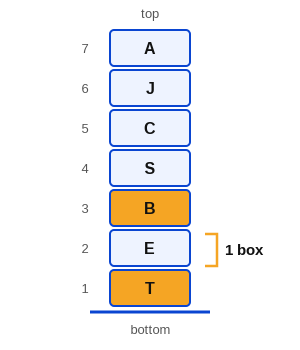
Seven boxes A, B, J, E, C, T and S are kept one over the other but not necessarily in the same order. Only T is kept below E. Only A is kept above J. Only C is kept between J and S. How many boxes are kept between B and T?
सात डिब्बे A, B, J, E, C, T और S एक के ऊपर एक रखे गए हैं, परंतु आवश्यक नहीं कि इसी क्रम में हों। E के नीचे केवल T रखा गया है। J के ऊपर केवल A रखा गया है। J और S के बीच केवल C रखा गया है। B और T के बीच कितने डिब्बे रखे गए हैं?
  1. AOneएक
  2. BTwoदो
  3. CThreeतीन
  4. DZeroशून्य
Show answer

Concept: Number positions 1 (bottom) to 7 (top).

  1. Only T is below E → T at 1, E at 2.
  2. Only A is above J → A at 7, J at 6.
  3. Only C between J and S → C at 5, S at 4; B takes 3.
  4. Between B (3) and T (1): only E → one box.

Trick: 'Only X below Y' = X at the bottom, Y second from the bottom.

Answer: (A) One

अवधारणा: स्थान 1 (नीचे) से 7 (ऊपर) क्रमांकित करें।

  1. E के नीचे केवल T → T स्थान 1, E स्थान 2।
  2. J के ऊपर केवल A → A स्थान 7, J स्थान 6।
  3. J और S के बीच केवल C → C 5, S 4; B स्थान 3।
  4. B (3) और T (1) के बीच: केवल E → एक बॉक्स।

ट्रिक: 'Y के नीचे केवल X' = X सबसे नीचे, Y नीचे से दूसरा।

उत्तर: (A) एक

RRB NTPC Undergraduate CBT 1General Intelligence and ReasoningBox stackingRRB NTPC Undergraduate CBT 1 2025 · 19 Jun Shift 3 →
Q11886.
Which policy, approved in August 2024, aims to accelerate innovation-driven research and entrepreneurship in high-performance biomanufacturing in India?
अगस्त 2024 में अनुमोदित कौन-सी नीति, भारत में उच्च-प्रदर्शन जैव-विनिर्माण (biomanufacturing) में नवाचार-आधारित अनुसंधान और उद्यमिता को गति देने का लक्ष्य रखती है?
  1. ABio-India 2025
  2. BGenTech Initiativeजेनटेक पहल (GenTech Initiative)
  3. CBioE3
  4. DBioGrowth Scheme​बायोग्रोथ योजना (BioGrowth Scheme)
Show answer

Concept: BioE3 stands for Biotechnology for Economy, Environment and Employment.

  1. The Union Cabinet approved the BioE3 Policy in August 2024.
  2. It aims to promote high-performance biomanufacturing through innovation-driven R&D and entrepreneurship, with biomanufacturing hubs and Bio-AI hubs.
  3. The other options are not names of any such approved policy.

Yaad rakhein: BioE3 = Economy + Environment + Employment (three Es).

Answer: (C) BioE3

अवधारणा: BioE3 का अर्थ है Biotechnology for Economy, Environment and Employment।

  1. केंद्रीय मंत्रिमंडल ने अगस्त 2024 में BioE3 नीति को मंज़ूरी दी।
  2. उद्देश्य: नवाचार-आधारित अनुसंधान और उद्यमिता से उच्च-प्रदर्शन जैव-विनिर्माण (biomanufacturing) को बढ़ावा देना; बायोमैन्युफैक्चरिंग हब और Bio-AI हब।
  3. अन्य विकल्प ऐसी किसी स्वीकृत नीति के नाम नहीं हैं।

याद रखें: BioE3 = Economy + Environment + Employment (तीन E)।

उत्तर: (C) BioE3

RRB NTPC Undergraduate CBT 1General AwarenessGovernment Schemes – BiotechnologyRRB NTPC Undergraduate CBT 1 2025 · 19 Jun Shift 2 →
Q11887.
Tribunals under Article 323A (Administrative tribunals) of the Constitution of India can be established by:
भारत के संविधान के अनुच्छेद 323A (प्रशासनिक अधिकरण) के अंतर्गत अधिकरणों की स्थापना किसके द्वारा की जा सकती है?
  1. ASupreme Courts onlyकेवल सर्वोच्च न्यायालयों द्वारा
  2. BParliament onlyकेवल संसद द्वारा
  3. CState legislatures onlyकेवल राज्य विधानमंडलों द्वारा
  4. DHigh Courts onlyकेवल उच्च न्यायालयों द्वारा
Show answer

Concept: Article 323A (added by the 42nd Amendment, 1976) deals with administrative tribunals.

  1. It empowers Parliament alone to set up, by law, administrative tribunals for service matters of public servants (e.g., CAT, 1985).
  2. Article 323B (tribunals for other matters such as tax, land reforms) allows both Parliament and State Legislatures.

Yaad rakhein: 323A = only Parliament; 323B = Parliament + State Legislatures.

Answer: (B) Parliament only

अवधारणा: अनुच्छेद 323A (42वाँ संशोधन, 1976) प्रशासनिक अधिकरणों (administrative tribunals) से संबंधित है।

  1. यह केवल संसद को कानून द्वारा लोक सेवकों के सेवा मामलों हेतु अधिकरण बनाने की शक्ति देता है (जैसे CAT, 1985)।
  2. अनुच्छेद 323B (कर, भूमि सुधार आदि अन्य मामलों के अधिकरण) में संसद और राज्य विधानमंडल दोनों।

याद रखें: 323A = केवल संसद; 323B = संसद + राज्य विधानमंडल।

उत्तर: (B) केवल संसद

RRB NTPC Undergraduate CBT 1General AwarenessIndian Polity – TribunalsRRB NTPC Undergraduate CBT 1 2025 · 19 Jun Shift 2 →
Q11888.
What was the theme for International Mother Language Day 2025?
अंतर्राष्ट्रीय मातृभाषा दिवस 2025 का विषय (theme) क्या था?
  1. ASilver Jubilee Celebration of International Mother Language Dayअंतर्राष्ट्रीय मातृभाषा दिवस का रजत जयंती समारोह
  2. BUsing technology for multilingual learning: Challenges and opportunitiesबहुभाषी अधिगम के लिए प्रौद्योगिकी का उपयोग: चुनौतियाँ और अवसर
  3. CMultilingual Education: A necessity to transform educationबहुभाषी शिक्षा: शिक्षा में परिवर्तन के लिए एक आवश्यकता
  4. DMultilingual education – a pillar of learning and intergenerational learningबहुभाषी शिक्षा – अधिगम और अंतर-पीढ़ीगत अधिगम का एक स्तंभ
Show answer

Concept: International Mother Language Day is observed every year on 21 February (declared by UNESCO in 1999, first observed in 2000).

  1. 2025 marked its 25th observance, so the theme was "Languages matter: Silver Jubilee Celebration of International Mother Language Day".
  2. "Multilingual education – a pillar of learning and intergenerational learning" was the 2024 theme.

Yaad rakhein: 2000 + 25 = 2025 → Silver Jubilee.

Answer: (A) Silver Jubilee Celebration of International Mother Language Day

अवधारणा: अंतर्राष्ट्रीय मातृभाषा दिवस हर वर्ष 21 फ़रवरी को मनाया जाता है (UNESCO ने 1999 में घोषित किया, पहली बार 2000 में)।

  1. 2025 में इसका 25वाँ आयोजन था, अतः थीम: "Languages matter: Silver Jubilee Celebration of International Mother Language Day"।
  2. "Multilingual education – a pillar of learning and intergenerational learning" 2024 की थीम थी।

याद रखें: 2000 + 25 = 2025 → रजत जयंती (Silver Jubilee)।

उत्तर: (A) Silver Jubilee Celebration of International Mother Language Day

RRB NTPC Undergraduate CBT 1General AwarenessImportant Days – ThemesRRB NTPC Undergraduate CBT 1 2025 · 19 Jun Shift 2 →
Q11889.
Consider the following statements:
1. Project Elephant was launched in 1992 to protect elephants in India.
2. Project Tiger was launched in 1973 to conserve tigers in India
3. Sundarbans Biosphere Reserve is located in West Bengal, India.
4. Keoladeo National Park is located in Madhya Pradesh.
Which of the above statements are correct?
निम्नलिखित कथनों पर विचार कीजिए:
1. भारत में हाथियों की रक्षा के लिए प्रोजेक्ट एलीफेंट (हाथी परियोजना) 1992 में शुरू किया गया था।
2. भारत में बाघों के संरक्षण के लिए प्रोजेक्ट टाइगर (बाघ परियोजना) 1973 में शुरू किया गया था
3. सुंदरबन जैवमंडल आरक्षित क्षेत्र भारत के पश्चिम बंगाल में स्थित है।
4. केवलादेव राष्ट्रीय उद्यान मध्य प्रदेश में स्थित है।
उपर्युक्त में से कौन-से कथन सही हैं?
  1. A1, 3, 4
  2. B1, 2, 3
  3. C2, 3
  4. D2, 3, 4
Show answer

Concept: Check each statement against the facts of wildlife projects and protected areas.

  1. 1 – True: Project Elephant was launched in 1992. 2 – True: Project Tiger was launched in 1973 (at Jim Corbett).
  2. 3 – True: Sundarbans Biosphere Reserve is in West Bengal.
  3. 4 – False: Keoladeo National Park (Bharatpur Bird Sanctuary) is in Rajasthan, not Madhya Pradesh.

Yaad rakhein: Keoladeo = Bharatpur, Rajasthan — a UNESCO World Heritage Site famous for Siberian cranes.

Answer: (B) 1, 2, 3

अवधारणा: वन्यजीव परियोजनाओं और संरक्षित क्षेत्रों के तथ्यों से प्रत्येक कथन जाँचें।

  1. 1 – सत्य: प्रोजेक्ट एलीफेंट 1992 में शुरू। 2 – सत्य: प्रोजेक्ट टाइगर 1973 में (जिम कॉर्बेट से)।
  2. 3 – सत्य: सुंदरबन जैवमंडल आरक्षित क्षेत्र पश्चिम बंगाल में है।
  3. 4 – असत्य: केवलादेव राष्ट्रीय उद्यान (भरतपुर पक्षी विहार) राजस्थान में है, मध्य प्रदेश में नहीं।

याद रखें: केवलादेव = भरतपुर, राजस्थान — UNESCO विश्व धरोहर, साइबेरियन सारस के लिए प्रसिद्ध।

उत्तर: (B) 1, 2, 3

RRB NTPC Undergraduate CBT 1General AwarenessEnvironment – Conservation ProjectsRRB NTPC Undergraduate CBT 1 2025 · 19 Jun Shift 2 →
Q11890.
The French East India Company’s main settlement in India was located at which place?
भारत में फ्रांसीसी ईस्ट इंडिया कंपनी की मुख्य बस्ती किस स्थान पर स्थित थी?
  1. AKaraikalकराईकल
  2. BChandernagoreचंद्रनगर
  3. CPondicherryपांडिचेरी
  4. DMaheमाहे
Show answer

Concept: The French East India Company was formed in 1664 under Colbert.

  1. Pondicherry (founded 1674 by François Martin) became the headquarters and main settlement of the French in India.
  2. Karaikal, Mahe, Chandernagore and Yanam were smaller French settlements.

Yaad rakhein: French capital in India = Pondicherry (now Puducherry); Dupleix was its famous governor.

Answer: (C) Pondicherry

अवधारणा: फ्रांसीसी ईस्ट इंडिया कंपनी 1664 में कोलबर्ट के समय बनी।

  1. पांडिचेरी (1674, फ्रांस्वा मार्टिन) भारत में फ्रांसीसियों का मुख्यालय और प्रमुख बस्ती बनी।
  2. कराईकल, माहे, चंद्रनगर और यनम छोटी फ्रांसीसी बस्तियाँ थीं।

याद रखें: भारत में फ्रांसीसी राजधानी = पांडिचेरी (अब पुडुचेरी); प्रसिद्ध गवर्नर डुप्ले।

उत्तर: (C) पांडिचेरी

RRB NTPC Undergraduate CBT 1General AwarenessModern History – European CompaniesRRB NTPC Undergraduate CBT 1 2025 · 19 Jun Shift 2 →
Q11891.
Which Article of the Indian Constitution places the most emphasis on reducing income and status disparities?
भारतीय संविधान का कौन-सा अनुच्छेद आय और प्रतिष्ठा की असमानताओं को कम करने पर सर्वाधिक बल देता है?
  1. AArticle 38(2)अनुच्छेद 38(2)
  2. BArticle 39अनुच्छेद 39
  3. CArticle 38(1)अनुच्छेद 38(1)
  4. DArticle 36अनुच्छेद 36
Show answer

Concept: Directive Principles of State Policy (Part IV) include Article 38 on social order.

  1. Article 38(2), added by the 44th Amendment (1978), directs the State to minimise inequalities in income and eliminate inequalities in status, facilities and opportunities.
  2. Article 38(1) speaks generally of a social order with justice; Article 39 lists specific principles (livelihood, wealth distribution, equal pay); Article 36 only defines "State".

Yaad rakhein: 38(2) = income + status inequalities (44th Amendment).

Answer: (A) Article 38(2)

अवधारणा: राज्य के नीति निदेशक तत्व (भाग IV) में अनुच्छेद 38 सामाजिक व्यवस्था से संबंधित है।

  1. अनुच्छेद 38(2) (44वाँ संशोधन, 1978) राज्य को आय की असमानता कम करने और प्रतिष्ठा (status), सुविधाओं व अवसरों की असमानता समाप्त करने का निर्देश देता है।
  2. 38(1) न्यायपूर्ण सामाजिक व्यवस्था की सामान्य बात करता है; 39 विशिष्ट सिद्धांत (आजीविका, संपत्ति वितरण, समान वेतन); 36 केवल "राज्य" की परिभाषा।

याद रखें: 38(2) = आय + प्रतिष्ठा की असमानता (44वाँ संशोधन)।

उत्तर: (A) Article 38(2)

RRB NTPC Undergraduate CBT 1General AwarenessIndian Polity – DPSPRRB NTPC Undergraduate CBT 1 2025 · 19 Jun Shift 2 →
Q11892.
Which of the following is a method specifically used to control particulate air pollution?
निम्नलिखित में से कौन-सी विधि विशेष रूप से कणिकीय (particulate) वायु प्रदूषण को नियंत्रित करने के लिए प्रयोग की जाती है?
  1. AUse of fabric filters to trap dust and fly ashधूल और फ्लाई ऐश को रोकने के लिए फैब्रिक फ़िल्टर का उपयोग
  2. BAbsorption of gases using liquid scrubbersद्रव स्क्रबर का उपयोग करके गैसों का अवशोषण
  3. CCatalytic combustion in open furnacesखुली भट्टियों में उत्प्रेरकीय दहन
  4. DIncreasing chimney height without any treatmentबिना किसी उपचार के चिमनी की ऊँचाई बढ़ाना
Show answer

Concept: Particulate matter (dust, fly ash, soot) is removed by physical separators such as fabric (bag) filters, electrostatic precipitators and cyclones.

  1. Fabric filters trap dust and fly ash as the gas passes through cloth bags — a particulate control method.
  2. Scrubbers absorb gases (e.g. SO₂); catalytic combustion treats gaseous pollutants; a taller chimney only disperses pollution.

Yaad rakhein: Particles → filters/ESP/cyclone; gases → scrubbers/absorption.

Answer: (A) Use of fabric filters to trap dust and fly ash

अवधारणा: कणकीय पदार्थ (धूल, फ्लाई ऐश, कालिख) को फैब्रिक (बैग) फ़िल्टर, स्थिर-वैद्युत अवक्षेपित्र (ESP) और साइक्लोन से हटाया जाता है।

  1. फैब्रिक फ़िल्टर कपड़े के थैलों से गैस गुजारकर धूल और फ्लाई ऐश रोकते हैं — कणकीय प्रदूषण नियंत्रण।
  2. स्क्रबर गैसों (जैसे SO₂) को अवशोषित करते हैं; उत्प्रेरकी दहन गैसीय प्रदूषकों के लिए; ऊँची चिमनी केवल प्रदूषण फैलाती है।

याद रखें: कण → फ़िल्टर/ESP/साइक्लोन; गैस → स्क्रबर/अवशोषण।

उत्तर: (A) धूल और फ्लाई ऐश रोकने हेतु फैब्रिक फ़िल्टर का उपयोग

RRB NTPC Undergraduate CBT 1General AwarenessEnvironment – Air Pollution ControlRRB NTPC Undergraduate CBT 1 2025 · 19 Jun Shift 2 →
Q11893.
Which Padma Shri awardee was given the title of Nritya Samragini by Rabindranath Tagore?
किस पद्म श्री पुरस्कार विजेता को रवींद्रनाथ टैगोर द्वारा 'नृत्य साम्राज्ञी' की उपाधि दी गई थी?
  1. AKanak Releकनक रेले
  2. BSobha Naiduशोभा नायडू
  3. CSitara Deviसितारा देवी
  4. DBalasaraswatiबालासरस्वती
Show answer

Concept: Sitara Devi was a renowned Kathak dancer of the Benaras gharana.

  1. Rabindranath Tagore called her "Nritya Samragini" (Empress of Dance) after seeing her perform as a teenager.
  2. She received the Padma Shri (1973) and the Sangeet Natak Akademi Award.

Yaad rakhein: Sitara Devi = Kathak = "Nritya Samragini" (Tagore).

Answer: (C) Sitara Devi

अवधारणा: सितारा देवी बनारस घराने की प्रसिद्ध कथक नृत्यांगना थीं।

  1. रवींद्रनाथ टैगोर ने किशोरावस्था में उनका नृत्य देखकर उन्हें "नृत्य सम्राज्ञी" कहा।
  2. उन्हें पद्म श्री (1973) और संगीत नाटक अकादमी पुरस्कार मिला।

याद रखें: सितारा देवी = कथक = "नृत्य सम्राज्ञी" (टैगोर)।

उत्तर: (C) सितारा देवी

RRB NTPC Undergraduate CBT 1General AwarenessArt and Culture – DancersRRB NTPC Undergraduate CBT 1 2025 · 19 Jun Shift 2 →
Q11894.
Which of the following is the primary association of the Ektara, a folk musical instrument?
लोक वाद्ययंत्र एकतारा का मुख्य संबंध निम्नलिखित में से किससे है?
  1. ATemple rituals in Odishaओडिशा के मंदिर अनुष्ठान
  2. BMartial arts performances in Chhau danceछऊ नृत्य में मार्शल आर्ट प्रदर्शन
  3. CFolk and devotional string musicलोक और भक्ति तंतु संगीत
  4. DCourt dances of Tamil Naduतमिलनाडु के दरबारी नृत्य
Show answer

Concept: The Ektara is a one-stringed plucked instrument.

  1. It is used in folk and devotional music — notably by the Bauls of Bengal and in bhajans and Sufi songs across India.
  2. It is not linked to temple rituals of Odisha, Chhau martial dance or Tamil court dances.

Yaad rakhein: Ek-tara = "one string" — the Baul singer's instrument.

Answer: (C) Folk and devotional string music

अवधारणा: एकतारा एक तार वाला वाद्य यंत्र है जिसे छेड़कर बजाया जाता है।

  1. यह लोक और भक्ति संगीत में प्रयुक्त होता है — विशेषकर बंगाल के बाउल गायक, भजन और सूफ़ी गीत।
  2. इसका संबंध ओडिशा के मंदिर अनुष्ठानों, छऊ या तमिलनाडु के दरबारी नृत्यों से नहीं है।

याद रखें: एक-तारा = "एक तार" — बाउल गायकों का वाद्य।

उत्तर: (C) लोक और भक्ति तार-संगीत

RRB NTPC Undergraduate CBT 1General AwarenessArt and Culture – Musical InstrumentsRRB NTPC Undergraduate CBT 1 2025 · 19 Jun Shift 2 →
Q11895.
Which of the following statements about the Emergency provisions is true?
आपातकालीन प्रावधानों के बारे में निम्नलिखित में से कौन-सा कथन सत्य है?
  1. AConvert the federal system into a unitary oneसंघीय व्यवस्था को एकात्मक व्यवस्था में परिवर्तित करना
  2. BMake India a monarchyभारत को राजतंत्र बनाना
  3. CFormalise a constitutional amendmentएक संवैधानिक संशोधन को औपचारिक रूप देना
  4. DAllow federalism to continueसंघवाद को जारी रहने देना
Show answer

Concept: Emergency provisions (Part XVIII, Articles 352–360) were borrowed from the Government of India Act, 1935 / Weimar Constitution.

  1. During a national emergency the Centre can direct States and Parliament can legislate on State subjects, so the federal structure becomes unitary without any amendment.
  2. India remains a democratic republic — it never becomes a monarchy, and no formal amendment is needed.

Yaad rakhein: Emergency = federal system converts into unitary — a unique feature of the Indian Constitution.

Answer: (A) Convert the federal system into a unitary one

अवधारणा: आपातकालीन प्रावधान (भाग XVIII, अनुच्छेद 352–360) भारत शासन अधिनियम 1935 / वाइमर संविधान से लिए गए।

  1. राष्ट्रीय आपातकाल में केंद्र राज्यों को निर्देश दे सकता है और संसद राज्य सूची पर कानून बना सकती है; अतः बिना संशोधन के संघीय ढाँचा एकात्मक हो जाता है।
  2. भारत गणतंत्र बना रहता है — राजतंत्र नहीं बनता, और औपचारिक संशोधन की आवश्यकता नहीं।

याद रखें: आपातकाल = संघीय से एकात्मक (unitary) — भारतीय संविधान की विशेषता।

उत्तर: (A) संघीय व्यवस्था को एकात्मक में बदलना

RRB NTPC Undergraduate CBT 1General AwarenessIndian Polity – Emergency ProvisionsRRB NTPC Undergraduate CBT 1 2025 · 19 Jun Shift 2 →
Q11896.
In which year was the Pradhan Mantri Krishi Sinchayee Yojana (PMKSY) launched?
प्रधानमंत्री कृषि सिंचाई योजना (PMKSY) किस वर्ष शुरू की गई थी?
  1. A2013-14
  2. B2012-13
  3. C2014-15
  4. D2015-16
Show answer

Concept: PMKSY was launched on 1 July 2015, i.e. in financial year 2015-16.

  1. Motto: "Har Khet Ko Pani" and "More Crop per Drop".
  2. It aims at expanding irrigation coverage and improving water-use efficiency.

Yaad rakhein: PMKSY 2015 — same year as Digital India and Smart Cities Mission.

Answer: (D) 2015-16

अवधारणा: PMKSY 1 जुलाई 2015 को, अर्थात् वित्त वर्ष 2015-16 में शुरू हुई।

  1. आदर्श वाक्य: "हर खेत को पानी" और "Per Drop More Crop"।
  2. उद्देश्य: सिंचाई क्षेत्र बढ़ाना और जल-उपयोग दक्षता सुधारना।

याद रखें: PMKSY 2015 — उसी वर्ष डिजिटल इंडिया और स्मार्ट सिटी मिशन भी।

उत्तर: (D) 2015-16

RRB NTPC Undergraduate CBT 1General AwarenessGovernment Schemes – AgricultureRRB NTPC Undergraduate CBT 1 2025 · 19 Jun Shift 2 →
Q11897.
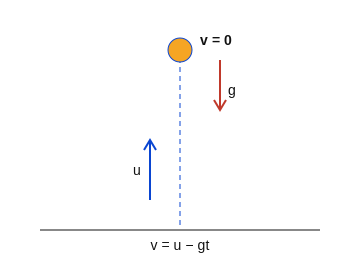
If a ball is thrown vertically upward, which of the following describes its velocity at the highest point?
यदि किसी गेंद को ऊर्ध्वाधर ऊपर की ओर फेंका जाता है, तो निम्नलिखित में से कौन-सा उच्चतम बिंदु पर उसके वेग का वर्णन करता है?
  1. APositiveधनात्मक
  2. BNegativeऋणात्मक
  3. CEqual to acceleration due to gravityगुरुत्वीय त्वरण के बराबर
  4. DZeroशून्य
Show answer

Concept: For upward motion under gravity, v=u−gt; velocity decreases by g every second.

  1. The ball slows down until it stops momentarily at the top: v=0.
  2. Acceleration at the top is still g≈9.8m/s2 downward — so "equal to g" describes acceleration, not velocity.
  3. Time to reach top =ug.

Yaad rakhein: Top point: velocity zero, acceleration g (never zero).

Answer: (D) Zero

अवधारणा: ऊपर फेंकी वस्तु के लिए v=u−gt; वेग हर सेकंड g से घटता है।

  1. गेंद धीमी होती जाती है और उच्चतम बिंदु पर क्षणभर रुकती है: v=0।
  2. उच्चतम बिंदु पर त्वरण फिर भी g≈9.8m/s2 नीचे की ओर — "g के बराबर" त्वरण है, वेग नहीं।
  3. उच्चतम बिंदु तक समय =ug।

याद रखें: उच्चतम बिंदु: वेग शून्य, त्वरण g (शून्य नहीं)।

उत्तर: (D) शून्य

RRB NTPC Undergraduate CBT 1General AwarenessMotion – Vertical ThrowRRB NTPC Undergraduate CBT 1 2025 · 19 Jun Shift 2 →
Q11898.
Uday Shankar, the pioneer of modern dance form, was conferred with which of the following National Awards in 1971?
आधुनिक नृत्य शैली के अग्रदूत उदय शंकर को 1971 में निम्नलिखित में से किस राष्ट्रीय पुरस्कार से सम्मानित किया गया था?
  1. APadma Bhushanपद्म भूषण
  2. BPadma Vibhushanपद्म विभूषण
  3. CPadma Shriपद्म श्री
  4. DJnanpith Awardज्ञानपीठ पुरस्कार
Show answer

Concept: Uday Shankar (1900–1977) pioneered modern Indian dance by blending Indian classical/folk forms with Western theatrical techniques.

  1. He was awarded the Padma Vibhushan, India's second-highest civilian honour, in 1971.
  2. He also founded the Uday Shankar India Culture Centre at Almora (1938).

Yaad rakhein: Uday Shankar → Padma Vibhushan 1971; brother of sitar maestro Ravi Shankar.

Answer: (B) Padma Vibhushan

अवधारणा: उदय शंकर (1900–1977) ने भारतीय शास्त्रीय/लोक नृत्य को पश्चिमी रंगमंच तकनीक से जोड़कर आधुनिक भारतीय नृत्य की नींव रखी।

  1. उन्हें 1971 में पद्म विभूषण (भारत का दूसरा सर्वोच्च नागरिक सम्मान) मिला।
  2. उन्होंने 1938 में अल्मोड़ा में उदय शंकर इंडिया कल्चर सेंटर स्थापित किया।

याद रखें: उदय शंकर → पद्म विभूषण 1971; सितार वादक रवि शंकर के भाई।

उत्तर: (B) पद्म विभूषण

RRB NTPC Undergraduate CBT 1General AwarenessAwards – Padma AwardsRRB NTPC Undergraduate CBT 1 2025 · 19 Jun Shift 2 →
Q11899.
India followed which strategy to reduce dependence on foreign goods after
independence?
स्वतंत्रता के बाद विदेशी वस्तुओं पर निर्भरता कम करने के लिए भारत ने
कौन-सी रणनीति अपनाई?
  1. AFree tradeमुक्त व्यापार
  2. BExport-led growthनिर्यात-आधारित संवृद्धि
  3. CImport substitutionआयात प्रतिस्थापन
  4. DDollarisationडॉलरीकरण
Show answer

Concept: After 1947, India's planners (especially from the Second Five-Year Plan, Mahalanobis model) chose an inward-looking trade strategy.

  1. Import substitution meant producing at home what was earlier imported, protected by tariffs and quotas.
  2. Export-led growth and free trade came mainly after the 1991 reforms (LPG).

Yaad rakhein: Before 1991 = import substitution; after 1991 = liberalisation and export promotion.

Answer: (C) Import substitution

अवधारणा: 1947 के बाद (विशेषकर द्वितीय पंचवर्षीय योजना, महालनोबिस मॉडल) भारत ने अंतर्मुखी व्यापार नीति अपनाई।

  1. आयात प्रतिस्थापन (import substitution): पहले आयात होने वाली वस्तुओं का देश में उत्पादन, सीमा शुल्क और कोटा से संरक्षण।
  2. निर्यात-आधारित वृद्धि और मुक्त व्यापार मुख्यतः 1991 के सुधारों (LPG) के बाद आए।

याद रखें: 1991 से पहले = आयात प्रतिस्थापन; बाद में = उदारीकरण और निर्यात प्रोत्साहन।

उत्तर: (C) आयात प्रतिस्थापन

RRB NTPC Undergraduate CBT 1General AwarenessIndian Economy – Trade PolicyRRB NTPC Undergraduate CBT 1 2025 · 19 Jun Shift 2 →
Q11900.
Which of the following statements is/are true or false regarding Sleep and Hibernate modes in Windows 11?
(i) Hibernate saves the session to the hard disk before shutting down, allowing full recovery upon restart.
(ii) Sleep consumes more power than Hibernate because it keeps the RAM powered.
Windows 11 में Sleep और Hibernate मोड के संबंध में निम्नलिखित में से कौन-सा/से कथन सत्य या असत्य है/हैं?
(i) Hibernate बंद होने से पहले सत्र (session) को हार्ड डिस्क में सहेज लेता है, जिससे पुनः आरंभ करने पर पूर्ण पुनर्प्राप्ति संभव होती है।
(ii) Sleep, Hibernate की तुलना में अधिक बिजली की खपत करता है क्योंकि यह RAM को बिजली देता रहता है।
  1. A(i) True, (ii) True(i) सत्य, (ii) सत्य
  2. B(i) False, (ii) True(i) असत्य, (ii) सत्य
  3. C(i) True, (ii) False(i) सत्य, (ii) असत्य
  4. D(i) False, (ii) False(i) असत्य, (ii) असत्य
Show answer

Concept: Sleep and Hibernate are low-power states that let you resume your work.

  1. (i) True: Hibernate writes the RAM contents (open session) to the hard disk (hiberfil.sys) and powers off; on restart the session is fully restored.
  2. (ii) True: Sleep keeps RAM powered to hold the session, so it uses a little power; Hibernate uses almost none.

Yaad rakhein: Sleep → RAM (fast resume, some power); Hibernate → disk (slower resume, no power).

Answer: (A) (i) True, (ii) True

अवधारणा: Sleep और Hibernate कम-बिजली अवस्थाएँ हैं जिनसे कार्य फिर से शुरू किया जा सकता है।

  1. (i) सत्य: Hibernate RAM की सामग्री (खुला सत्र) हार्ड डिस्क (hiberfil.sys) पर सहेजकर बंद होता है; पुनः चालू करने पर पूरा सत्र लौट आता है।
  2. (ii) सत्य: Sleep में सत्र रखने हेतु RAM को बिजली मिलती रहती है, अतः कुछ बिजली खर्च; Hibernate में लगभग शून्य।

याद रखें: Sleep → RAM (तेज़ शुरुआत, थोड़ी बिजली); Hibernate → डिस्क (धीमी शुरुआत, बिजली नहीं)।

उत्तर: (A) (i) सत्य, (ii) सत्य

RRB NTPC Undergraduate CBT 1General AwarenessComputer – Windows Power ModesRRB NTPC Undergraduate CBT 1 2025 · 19 Jun Shift 2 →