Question bank

Q&A: practice questions with answers

Search questions on any topic. Filter by exam category, exam, subject and topic, try the question, then open the answer and explanation.

Courses – airGurukul

20,719 questions found.

Q14121.
Who topped the 2025 Times Higher Education Asia University Rankings?
2025 टाइम्स हायर एजुकेशन एशिया विश्वविद्यालय रैंकिंग में कौन शीर्ष पर रहा?
  1. AUniversity of Hong Kongहांगकांग विश्वविद्यालय
  2. BSeoul National Universityसियोल राष्ट्रीय विश्वविद्यालय
  3. CKyoto Universityक्योटो विश्वविद्यालय
  4. DTsinghua Universityसिंघुआ विश्वविद्यालय
Show answer

Concept: Times Higher Education (THE) publishes a separate Asia University Rankings every year.

  1. In the THE Asia University Rankings 2025 (released April 2025), Tsinghua University (Beijing) was first and Peking University second – Tsinghua has topped since 2019.
  2. IISc Bengaluru was the best-ranked Indian institution; India had the second-highest number of ranked universities after Japan.

Yaad rakhein: THE Asia No. 1 = Tsinghua; THE World No. 1 = Oxford.

Answer: (D) Tsinghua University

अवधारणा: Times Higher Education (THE) हर साल अलग से Asia University Rankings जारी करता है।

  1. THE Asia University Rankings 2025 (अप्रैल 2025) में सिंघुआ विश्वविद्यालय (Tsinghua, बीजिंग) पहले और पीकिंग विश्वविद्यालय दूसरे स्थान पर रहा – सिंघुआ 2019 से शीर्ष पर है।
  2. IISc बेंगलुरु भारत का सर्वोच्च संस्थान रहा; रैंक पाने वाले विश्वविद्यालयों की संख्या में भारत जापान के बाद दूसरे स्थान पर था।

याद रखें: THE Asia No. 1 = Tsinghua; THE World No. 1 = Oxford।

उत्तर: (D) Tsinghua University
RRB NTPC Undergraduate CBT 1General AwarenessCurrent Affairs – RankingsRRB NTPC Undergraduate CBT 1 2025 · 7 May Shift 3 →
Q14122.
How can developing countries like India reduce inter-regional disparities in human development within the education and healthcare sectors in the 21st century?
भारत जैसे विकासशील देश 21वीं सदी में शिक्षा और स्वास्थ्य सेवा क्षेत्रों में मानव विकास की अंतर-क्षेत्रीय असमानताओं को कैसे कम कर सकते हैं?
  1. ABy focusing all development efforts on capital citiesसभी विकास प्रयासों को राजधानी शहरों पर केंद्रित करके
  2. BBy centralising economic activities in urban areasआर्थिक गतिविधियों को शहरी क्षेत्रों में केंद्रीकृत करके
  3. CBy reducing investments in rural education and healthग्रामीण शिक्षा और स्वास्थ्य में निवेश घटाकर
  4. DBy implementing region-specific policies and resource allocationक्षेत्र-विशिष्ट नीतियों और संसाधन आवंटन को लागू करके
Show answer

Concept: Regional disparity in HDI arises because backward regions get fewer schools, hospitals and funds; the remedy is targeted, decentralised development.

  1. Region-specific policies (e.g. Aspirational Districts Programme, higher allocations to lagging states) direct resources to where education and health indicators are weakest.
  2. Concentrating effort in capitals or cities, or cutting rural investment, would widen the gap – options (A), (B), (C) are the opposite of the goal.

Yaad rakhein: Disparity → decentralise and target; concentration → widens the gap.

Answer: (D) By implementing region-specific policies and resource allocation

अवधारणा: HDI में क्षेत्रीय असमानता इसलिए होती है क्योंकि पिछड़े क्षेत्रों को कम स्कूल, अस्पताल और धन मिलता है; उपाय है लक्षित, विकेंद्रित विकास।

  1. क्षेत्र-विशिष्ट नीतियाँ (जैसे आकांक्षी ज़िला कार्यक्रम, पिछड़े राज्यों को अधिक आवंटन) संसाधनों को वहाँ पहुँचाती हैं जहाँ शिक्षा-स्वास्थ्य सूचक सबसे कमज़ोर हैं।
  2. राजधानी या शहरों में संकेंद्रण या ग्रामीण निवेश घटाने से खाई और बढ़ेगी – विकल्प (A), (B), (C) लक्ष्य के विपरीत हैं।

याद रखें: असमानता → विकेंद्रीकरण और लक्ष्यीकरण; संकेंद्रण → खाई बढ़ती है।

उत्तर: (D) By implementing region-specific policies and resource allocation

RRB NTPC Undergraduate CBT 1General AwarenessHuman DevelopmentRRB NTPC Undergraduate CBT 1 2025 · 7 May Shift 3 →
Q14123.
What was the venue of the first BIMSTEC Youth Summit held in February 2025?
फरवरी 2025 में आयोजित पहले BIMSTEC युवा शिखर सम्मेलन का स्थल क्या था?
  1. AHyderabad, Telanganaहैदराबाद, तेलंगाना
  2. BBhopal, Madhya Pradeshभोपाल, मध्य प्रदेश
  3. CGandhinagar, Gujaratगांधीनगर, गुजरात
  4. DNew Delhiनई दिल्ली
Show answer

Concept: BIMSTEC (7 members: India, Bangladesh, Bhutan, Nepal, Sri Lanka, Myanmar, Thailand) runs youth exchanges to build regional ties.

  1. The first-ever BIMSTEC Youth Summit was held on 7–11 February 2025 in Gandhinagar, Gujarat, organised by the Ministry of Youth Affairs and Sports with MEA, on the theme 'Youth as a bridge for intra-BIMSTEC exchange'.
  2. The 6th BIMSTEC Summit followed in April 2025 in Bangkok, Thailand.

Yaad rakhein: BIMSTEC Youth Summit 2025 = Gandhinagar; BIMSTEC HQ = Dhaka.

Answer: (C) Gandhinagar, Gujarat

अवधारणा: BIMSTEC (7 सदस्य: भारत, बांग्लादेश, भूटान, नेपाल, श्रीलंका, म्यांमार, थाईलैंड) क्षेत्रीय संबंध मज़बूत करने के लिए युवा आदान-प्रदान कराता है।

  1. पहला BIMSTEC युवा शिखर सम्मेलन 7–11 फ़रवरी 2025 को गांधीनगर (गुजरात) में युवा मामले एवं खेल मंत्रालय और विदेश मंत्रालय ने आयोजित किया; विषय – 'Youth as a bridge for intra-BIMSTEC exchange'।
  2. इसके बाद अप्रैल 2025 में 6वाँ BIMSTEC शिखर सम्मेलन बैंकॉक (थाईलैंड) में हुआ।

याद रखें: BIMSTEC Youth Summit 2025 = गांधीनगर; BIMSTEC मुख्यालय = ढाका।

उत्तर: (C) Gandhinagar, Gujarat

RRB NTPC Undergraduate CBT 1General AwarenessCurrent Affairs – BIMSTECRRB NTPC Undergraduate CBT 1 2025 · 7 May Shift 3 →
Q14124.
Which type(s) of Legislatures can a state have under the Indian Constitution?
भारतीय संविधान के अंतर्गत कोई राज्य किस प्रकार का/के विधानमंडल रख सकता है?
  1. AEither a single-house or two-house systemsया तो एक-सदनीय या द्वि-सदनीय प्रणाली
  2. BOnly single-house systemsकेवल एक-सदनीय प्रणाली
  3. COnly two-house systemsकेवल द्वि-सदनीय प्रणाली
  4. DOnly the Parliament can decideकेवल संसद ही निर्णय ले सकती है
Show answer

Concept: Article 168 provides that a state legislature consists of the Governor and one House (unicameral) or two Houses (bicameral).

  1. States with a Legislative Council in addition to the Assembly are bicameral – currently Andhra Pradesh, Bihar, Karnataka, Maharashtra, Telangana and Uttar Pradesh; the rest are unicameral.
  2. Under Article 169 Parliament can create or abolish a Council only on a resolution of the state assembly passed by special majority – so the choice is not Parliament's alone.

Yaad rakhein: Art. 168 = one or two Houses; Art. 169 = creation/abolition of Council; 6 bicameral states.

Answer: (A) Either a single-house or two-house systems

अवधारणा: अनुच्छेद 168 के अनुसार राज्य विधानमंडल में राज्यपाल और एक सदन (एकसदनीय) या दो सदन (द्विसदनीय) होते हैं।

  1. जिन राज्यों में विधानसभा के साथ विधान परिषद भी है वे द्विसदनीय हैं – वर्तमान में आंध्र प्रदेश, बिहार, कर्नाटक, महाराष्ट्र, तेलंगाना और उत्तर प्रदेश; बाकी एकसदनीय हैं।
  2. अनुच्छेद 169 के तहत संसद परिषद तभी बना/समाप्त कर सकती है जब विधानसभा विशेष बहुमत से संकल्प पारित करे – इसलिए निर्णय अकेले संसद का नहीं है।

याद रखें: अनु. 168 = एक या दो सदन; अनु. 169 = परिषद का सृजन/समाप्ति; 6 द्विसदनीय राज्य।

उत्तर: (A) Either a single-house or two-house systems

RRB NTPC Undergraduate CBT 1General AwarenessState LegislatureRRB NTPC Undergraduate CBT 1 2025 · 7 May Shift 3 →
Q14125.
Which prominent Indian reformer founded the Poona Sarvajanik Sabha during the Indian National movement?
भारतीय राष्ट्रीय आंदोलन के दौरान किस प्रमुख भारतीय सुधारक ने पूना सार्वजनिक सभा की स्थापना की?
  1. ADadabhai Naorojiदादाभाई नौरोजी
  2. BGopal Hari Deshmukh (Lokhitwadi)गोपाल हरि देशमुख (लोकहितवादी)
  3. CMahadev Govind Ranadeमहादेव गोविंद रानाडे
  4. DGopal Krishna Gokhaleगोपाल कृष्ण गोखले
Show answer

Concept: Pre-Congress political associations voiced Indian grievances to the British government.

  1. The Poona Sarvajanik Sabha was founded in 1870 by Mahadev Govind Ranade along with Ganesh Vasudeo Joshi (Sarvajanik Kaka) as a link between the government and the people.
  2. Dadabhai Naoroji founded the East India Association (1866); Gokhale founded the Servants of India Society (1905); Lokhitwadi was a social reformer-writer.

Yaad rakhein: Ranade = Poona Sarvajanik Sabha (1870) + Prarthana Samaj; Gokhale was Ranade's disciple.

Answer: (C) Mahadev Govind Ranade

अवधारणा: कांग्रेस से पहले के राजनीतिक संगठन भारतीयों की शिकायतें ब्रिटिश सरकार तक पहुँचाते थे।

  1. पूना सार्वजनिक सभा की स्थापना 1870 में महादेव गोविंद रानाडे ने गणेश वासुदेव जोशी (सार्वजनिक काका) के साथ सरकार और जनता के बीच सेतु के रूप में की।
  2. दादाभाई नौरोजी ने East India Association (1866), गोखले ने Servants of India Society (1905) बनाई; लोकहितवादी समाज-सुधारक लेखक थे।

याद रखें: रानाडे = पूना सार्वजनिक सभा (1870) + प्रार्थना समाज; गोखले रानाडे के शिष्य थे।

उत्तर: (C) Mahadev Govind Ranade

RRB NTPC Undergraduate CBT 1General AwarenessSocio-political OrganisationsRRB NTPC Undergraduate CBT 1 2025 · 7 May Shift 3 →
Q14126.
If x of 2601=(1089+324)×35, find the value of x.
यदि x का 2601=(1089+324)×35 है, तो x का मान ज्ञात कीजिए।
  1. A1223
  2. B1227
  3. C1225
  4. D1221
Show answer

Concept: Find each square root first, then solve the simple equation.

  1. 2601=51, 1089=33, 324=18.
  2. RHS =(33+18)×35=51×35=1785.
  3. x×51=1785⇒x=35.
  4. x=352=1225.

Trick: Memorise squares up to 60: 512=2601, 332=1089, 182=324 – the whole question becomes mental maths.

Answer: (C) 1225

अवधारणा: पहले हर वर्गमूल (square root) निकालें, फिर सरल समीकरण हल करें।

  1. 2601=51, 1089=33, 324=18।
  2. दायाँ पक्ष =(33+18)×35=51×35=1785।
  3. x×51=1785⇒x=35।
  4. x=352=1225।

ट्रिक: 60 तक के वर्ग याद रखें: 512=2601, 332=1089, 182=324 – पूरा प्रश्न मौखिक हो जाता है।

उत्तर: (C) 1225

RRB NTPC Undergraduate CBT 1MathematicsSquare rootsRRB NTPC Undergraduate CBT 1 2025 · 7 May Shift 3 →
Q14127.
A store sells pens and notebooks. If 3 pens and 2 notebooks cost ₹120, and 2 pens and 4 notebooks cost ₹140, what is the price of one notebook?
एक दुकान पेन और नोटबुक बेचती है। यदि 3 पेन और 2 नोटबुक की कीमत ₹120 है, और 2 पेन और 4 नोटबुक की कीमत ₹140 है, तो एक नोटबुक की कीमत क्या है?
  1. A₹35.00
  2. B₹32.50
  3. C₹25.00
  4. D₹22.50
Show answer

Concept: Form two equations in pen price p and notebook price n and eliminate one variable.

  1. 3p+2n=120 …(i) and 2p+4n=140⇒p+2n=70 …(ii).
  2. (i) − (ii): 2p=50⇒p=25.
  3. From (ii): 2n=70−25=45⇒n=22.5.

Trick: Halve the second equation first – it makes the 2n terms identical and subtraction instant.

Answer: (D) ₹22.50

अवधारणा: पेन का मूल्य p और नोटबुक का मूल्य n मानकर दो समीकरण बनाएँ और एक चर हटाएँ।

  1. 3p+2n=120 …(i) तथा 2p+4n=140⇒p+2n=70 …(ii)।
  2. (i) − (ii): 2p=50⇒p=25।
  3. (ii) से: 2n=70−25=45⇒n=22.5।

ट्रिक: दूसरे समीकरण को पहले आधा करें – 2n दोनों में समान हो जाता है और घटाना तुरंत हो जाता है।

उत्तर: (D) ₹22.50

RRB NTPC Undergraduate CBT 1MathematicsLinear equationsRRB NTPC Undergraduate CBT 1 2025 · 7 May Shift 3 →
Q14128.
A shopkeeper wants to earn a profit of 1119% even after giving two successive discounts of 1623% and 20% on the marked price of an article. If the cost price of the article for the shopkeeper is ₹1800, what should its marked price be?
एक दुकानदार 1119% का लाभ कमाना चाहता है, वह भी किसी वस्तु के अंकित मूल्य पर 1623% और 20% की दो क्रमिक छूट देने के बाद। यदि दुकानदार के लिए वस्तु का क्रय मूल्य ₹1800 है, तो उसका अंकित मूल्य क्या होना चाहिए?
  1. A₹2800
  2. B₹2500
  3. C₹3200
  4. D₹3000
Show answer

Concept: Convert the percentages to fractions: 1119%=19, 1623%=16, 20%=15.

  1. Required SP =1800×109=2000.
  2. After discounts, SP =MP×56×45=MP×23.
  3. MP×23=2000⇒MP=3000.

Trick: Two successive discounts of 16 and 15 together leave exactly 23 of MP – so MP =32× SP.

Answer: (D) ₹3000

अवधारणा: प्रतिशत को भिन्न में बदलें: 1119%=19, 1623%=16, 20%=15।

  1. आवश्यक विक्रय मूल्य =1800×109=2000।
  2. छूट के बाद SP =MP×56×45=MP×23।
  3. MP×23=2000⇒MP=3000।

ट्रिक: 16 और 15 की दो क्रमिक छूटों के बाद MP का ठीक 23 बचता है – अतः MP =32× SP।

उत्तर: (D) ₹3000

RRB NTPC Undergraduate CBT 1MathematicsProfit, loss & discountRRB NTPC Undergraduate CBT 1 2025 · 7 May Shift 3 →
Q14129.
If the third proportional to two numbers is 32 and the second number is 16, find the first number.
यदि दो संख्याओं का तृतीयानुपाती 32 है और दूसरी संख्या 16 है, तो पहली संख्या ज्ञात कीजिए।
  1. A7
  2. B5
  3. C8
  4. D6
Show answer

Concept: If c is the third proportional to a and b, then a:b=b:c, i.e. b2=ac.

  1. Here b=16, c=32.
  2. a=b2c=25632=8.

Trick: Third proportional: square the middle number and divide by the known end.

Answer: (C) 8

अवधारणा: यदि c, a और b का तृतीयानुपाती (third proportional) है तो a:b=b:c, अर्थात् b2=ac।

  1. यहाँ b=16, c=32।
  2. a=b2c=25632=8।

ट्रिक: तृतीयानुपाती: बीच वाली संख्या का वर्ग करके ज्ञात सिरे से भाग दें।

उत्तर: (C) 8

RRB NTPC Undergraduate CBT 1MathematicsProportionRRB NTPC Undergraduate CBT 1 2025 · 7 May Shift 3 →
Q14130.
The 7-digit number 32A776B is divisible by 24. What is the minimum value of (A + B)?
7 अंकों की संख्या 32A776B, 24 से विभाज्य है। (A + B) का न्यूनतम मान क्या है?
  1. A6
  2. B2
  3. C4
  4. D5
Show answer

Concept: 24=8×3: the number must be divisible by both 8 (last three digits) and 3 (digit sum).

  1. Last three digits 76B divisible by 8: B=0 (760=8×95) or B=8 (768=8×96).
  2. Digit sum =3+2+A+7+7+6+B=25+A+B must be a multiple of 3.
  3. B=0: 25+A → A=2 gives 27. So A+B=2.
  4. B=8: 33+A → A=0 gives A+B=8. Minimum is 2.

Trick: For 24, always test 8 first (only 2 choices for the last digit) and then fix the digit sum for 3.

Answer: (B) 2

अवधारणा: 24=8×3: संख्या 8 (अंतिम तीन अंक) और 3 (अंकों का योग) दोनों से विभाज्य होनी चाहिए।

  1. अंतिम तीन अंक 76B, 8 से विभाज्य: B=0 (760=8×95) या B=8 (768=8×96)।
  2. अंकों का योग =3+2+A+7+7+6+B=25+A+B, 3 का गुणज होना चाहिए।
  3. B=0: 25+A → A=2 से 27। अतः A+B=2।
  4. B=8: 33+A → A=0 से A+B=8। न्यूनतम 2 है।

ट्रिक: 24 के लिए पहले 8 जाँचें (अंतिम अंक के केवल 2 विकल्प), फिर 3 के लिए अंक-योग ठीक करें।

उत्तर: (B) 2

RRB NTPC Undergraduate CBT 1MathematicsDivisibilityRRB NTPC Undergraduate CBT 1 2025 · 7 May Shift 3 →
Q14131.
The sum of two positive numbers is 30 and their product is 176. The positive difference between them is:
दो धनात्मक संख्याओं का योग 30 है और उनका गुणनफल 176 है। उनके बीच का धनात्मक अंतर है:
  1. A7
  2. B14
  3. C24
  4. D10
Show answer

Concept: (a−b)2=(a+b)2−4ab.

  1. (a−b)2=302−4×176=900−704=196.
  2. a−b=196=14.
  3. Check: numbers are 22 and 8; 22×8=176 ✓.

Trick: No need to find the numbers – jump straight from sum and product to the difference.

Answer: (B) 14

अवधारणा: (a−b)2=(a+b)2−4ab।

  1. (a−b)2=302−4×176=900−704=196।
  2. a−b=196=14।
  3. जाँच: संख्याएँ 22 और 8; 22×8=176 ✓।

ट्रिक: संख्याएँ निकालने की ज़रूरत नहीं – योग और गुणनफल से सीधे अंतर पर पहुँचें।

उत्तर: (B) 14

RRB NTPC Undergraduate CBT 1MathematicsAlgebraic identitiesRRB NTPC Undergraduate CBT 1 2025 · 7 May Shift 3 →
Q14132.
If 2cos2x−1=12 for 0∘<x<90∘, then the value of sec2x+cosecx+cot2x is
यदि 2cos2x−1=12 है, जहाँ 0∘<x<90∘ है, तो sec2x+cosecx+cot2x का मान है
  1. A11
  2. B5
  3. C9
  4. D7
Show answer

Concept: 2cos2x−1=cos2x; find x and then plug standard values.

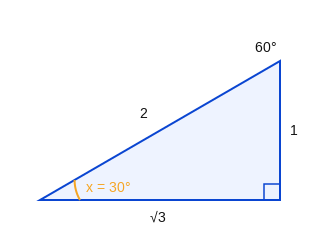
  1. cos2x=12⇒2x=60∘⇒x=30∘.
  2. sec2x=sec60∘=2, cosecx=cosec30∘=2, cot2x=cot230∘=(3)2=3.
  3. Sum =2+2+3=7.

Trick: Whenever you see 2cos2x−1, read it as cos2x – the double-angle form saves a step.

Answer: (D) 7

अवधारणा: 2cos2x−1=cos2x; पहले x निकालें, फिर मानक मान रखें।

  1. cos2x=12⇒2x=60∘⇒x=30∘।
  2. sec2x=sec60∘=2, cosecx=cosec30∘=2, cot2x=cot230∘=(3)2=3।
  3. योग =2+2+3=7।

ट्रिक: 2cos2x−1 दिखे तो उसे cos2x पढ़ें – द्विकोण (double-angle) रूप एक चरण बचाता है।

उत्तर: (D) 7

RRB NTPC Undergraduate CBT 1MathematicsTrigonometryRRB NTPC Undergraduate CBT 1 2025 · 7 May Shift 3 →
Q14133.
A shopkeeper offers the following schemes on toys of the same marked price. (A) Successive discounts of 39% and 3% on any number of toys bought.
(B) Successive discounts of 36%, 13% and 8% on any number of toys bought. (C) 18% discount on the first 2 toys and 41% discount on each toy thereon.
(D) 5 toys free of cost on buying 7 toys.
A customer wants to buy 7 toys. Which of the above schemes is the least beneficial to her?
एक दुकानदार समान अंकित मूल्य वाले खिलौनों पर निम्नलिखित योजनाएँ प्रस्तुत करता है। (A) खरीदे गए किसी भी संख्या के खिलौनों पर 39% और 3% की क्रमिक छूट।
(B) खरीदे गए किसी भी संख्या के खिलौनों पर 36%, 13% और 8% की क्रमिक छूट। (C) पहले 2 खिलौनों पर 18% छूट और उसके बाद प्रत्येक खिलौने पर 41% छूट।
(D) 7 खिलौने खरीदने पर 5 खिलौने निःशुल्क।
एक ग्राहक 7 खिलौने खरीदना चाहती है। उपरोक्त योजनाओं में से कौन-सी उसके लिए सबसे कम लाभदायक है?
  1. AA
  2. BC
  3. CD
  4. DB
Show answer

Concept: Take marked price ₹100 per toy and compute what the customer pays for 7 toys under each scheme; the highest payment is the least beneficial.

  1. (A) 100×0.61×0.97=59.17 per toy → 7×59.17=414.19.
  2. (B) 100×0.64×0.87×0.92=51.23 per toy → 358.58.
  3. (C) 2×82+5×59=164+295=459.
  4. (D) 12 toys for the price of 7 → effective price per toy =712×100=58.33 → 7×58.33=408.33.
  5. Highest payment is scheme (C) = ₹459.

Trick: Successive discounts a% and b% equal a single discount of a+b−ab100; "m free on n" means a discount of mm+n.

Answer: (B) C

अवधारणा: प्रति खिलौना अंकित मूल्य ₹100 मानकर हर योजना में 7 खिलौनों का भुगतान निकालें; सबसे अधिक भुगतान वाली योजना सबसे कम लाभदायक है।

  1. (A) 100×0.61×0.97=59.17 प्रति खिलौना → 7×59.17=414.19।
  2. (B) 100×0.64×0.87×0.92=51.23 प्रति खिलौना → 358.58।
  3. (C) 2×82+5×59=164+295=459।
  4. (D) 7 के मूल्य में 12 खिलौने → प्रभावी मूल्य प्रति खिलौना =712×100=58.33 → 7×58.33=408.33।
  5. सबसे अधिक भुगतान योजना (C) = ₹459।

ट्रिक: क्रमिक छूट a% और b% = एकल छूट a+b−ab100; "n पर m मुफ्त" = mm+n की छूट।

उत्तर: (B) C

RRB NTPC Undergraduate CBT 1MathematicsSuccessive discountsRRB NTPC Undergraduate CBT 1 2025 · 7 May Shift 3 →
Q14134.
The salary of an employee is increased by 5% in the first year and again by 5% in the second year. What is the overall percentage increase in the salary after two years?
एक कर्मचारी के वेतन में पहले वर्ष 5% और दूसरे वर्ष फिर से 5% की वृद्धि की जाती है। दो वर्षों के बाद वेतन में कुल प्रतिशत वृद्धि कितनी है?
  1. A10%
  2. B10.25%
  3. C11.5%
  4. D11%
Show answer

Concept: Two successive changes of a% and b% give a net change of a+b+ab100.

  1. Net =5+5+5×5100=10+0.25=10.25%.
  2. Check: 100→105→110.25, i.e. 10.25% more.

Trick: Equal increases r% twice =2r+r2100 – same as 2-year compound interest.

Answer: (B) 10.25%

अवधारणा: a% और b% के दो क्रमिक परिवर्तनों का कुल परिवर्तन a+b+ab100 होता है।

  1. कुल =5+5+5×5100=10+0.25=10.25%।
  2. जाँच: 100→105→110.25, अर्थात् 10.25% अधिक।

ट्रिक: दो बार r% की समान वृद्धि =2r+r2100 – 2 वर्ष के चक्रवृद्धि ब्याज जैसा।

उत्तर: (B) 10.25%

RRB NTPC Undergraduate CBT 1MathematicsSuccessive percentage changeRRB NTPC Undergraduate CBT 1 2025 · 7 May Shift 3 →
Q14135.
A 104-metre-long train crosses another 94-metre-long train running in the same direction in 16.2 seconds. If the speed of the first train is 61 kmph, what is the speed of the second train in kmph?
104 मीटर लंबी एक रेलगाड़ी समान दिशा में चल रही 94 मीटर लंबी दूसरी रेलगाड़ी को 16.2 सेकंड में पार करती है। यदि पहली रेलगाड़ी की चाल 61 किमी/घंटा है, तो दूसरी रेलगाड़ी की चाल किमी/घंटा में क्या है?
  1. A105 km/hr105 किमी/घंटा
  2. B109 km/hr109 किमी/घंटा
  3. C17 km/hr17 किमी/घंटा
  4. D101 km/hr101 किमी/घंटा
Show answer

Concept: Same direction: relative speed = difference of speeds; distance covered = sum of lengths.

  1. Distance =104+94=198m in 16.2s.
  2. Relative speed =19816.2=1109m/s=1109×185=44km/h.
  3. The first train overtakes, so it is faster: 61−v=44⇒v=17km/h.

Trick: 185 converts m/s to km/h; 19816.2×185 simplifies neatly to 44.

Answer: (C) 17 km/hr

अवधारणा: समान दिशा: सापेक्ष चाल = चालों का अंतर; तय दूरी = लंबाइयों का योग।

  1. दूरी =104+94=198m, समय 16.2s।
  2. सापेक्ष चाल =19816.2=1109m/s=1109×185=44km/h।
  3. पहली रेलगाड़ी पार करती है, अतः तेज़ है: 61−v=44⇒v=17km/h।

ट्रिक: 185 से m/s को km/h में बदलें; 19816.2×185 सीधे 44 देता है।

उत्तर: (C) 17 km/hr

RRB NTPC Undergraduate CBT 1MathematicsTrains – relative speedRRB NTPC Undergraduate CBT 1 2025 · 7 May Shift 3 →
Q14136.
Ravi spends 70% of his income. If his income increases by 25% and his expenditure increases by 10%, by what percentage do his savings increase?
रवि अपनी आय का 70% खर्च करता है। यदि उसकी आय 25% बढ़ जाती है और उसका व्यय 10% बढ़ जाता है, तो उसकी बचत में कितने प्रतिशत की वृद्धि होती है?
  1. ASavings increase by 60%बचत में 60% की वृद्धि
  2. BSavings increase by 50%बचत में 50% की वृद्धि
  3. CSavings increase by 40%बचत में 40% की वृद्धि
  4. DSavings increase by 30%बचत में 30% की वृद्धि
Show answer

Concept: Savings = Income − Expenditure; take income =100.

  1. Old: income 100, expenditure 70, savings 30.
  2. New: income 125, expenditure 70×1.1=77, savings 125−77=48.
  3. Increase =48−3030×100=60%.

Trick: Always assume income 100 – the spend/save split then needs no fractions.

Answer: (A) Savings increase by 60%

अवधारणा: बचत = आय − व्यय; आय =100 मानें।

  1. पहले: आय 100, व्यय 70, बचत 30।
  2. बाद में: आय 125, व्यय 70×1.1=77, बचत 125−77=48।
  3. वृद्धि =48−3030×100=60%।

ट्रिक: आय हमेशा 100 मानें – खर्च/बचत का बँटवारा बिना भिन्न के निकल आता है।

उत्तर: (A) Savings increase by 60%

RRB NTPC Undergraduate CBT 1MathematicsPercentage – income & savingsRRB NTPC Undergraduate CBT 1 2025 · 7 May Shift 3 →
Q14137.
The fourth proportional to 1.2, 4.8, and 7.15 is:
1.2, 4.8 और 7.15 का चतुर्थानुपाती है:
  1. A28.4
  2. B28.6
  3. C28.2
  4. D28.8
Show answer

Concept: Fourth proportional d to a,b,c: a:b=c:d⇒d=bca.

  1. d=4.8×7.151.2.
  2. 4.81.2=4, so d=4×7.15=28.6.

Trick: Cancel first (4.8÷1.2=4), multiply last – avoids decimal multiplication.

Answer: (B) 28.6

अवधारणा: a,b,c का चतुर्थानुपाती d: a:b=c:d⇒d=bca।

  1. d=4.8×7.151.2।
  2. 4.81.2=4, अतः d=4×7.15=28.6।

ट्रिक: पहले काटें (4.8÷1.2=4), बाद में गुणा करें – दशमलव गुणा से बचत।

उत्तर: (B) 28.6

RRB NTPC Undergraduate CBT 1MathematicsProportionRRB NTPC Undergraduate CBT 1 2025 · 7 May Shift 3 →
Q14138.
Given the data set: 12, 36, 22, 27, 31, 17. What is the median value?
दिया गया डेटा समुच्चय: 12, 36, 22, 27, 31, 17। माध्यिका (median) का मान क्या है?
  1. A26.5
  2. B24.5
  3. C22
  4. D27
Show answer

Concept: Median is the middle value of the sorted data; for an even count, average the two middle values.

  1. Sorted: 12, 17, 22, 27, 31, 36 (6 values).
  2. Middle two: 3rd and 4th =22 and 27.
  3. Median =22+272=24.5.

Trick: Even number of terms → median is never one of the data values unless the middle pair is equal; 22 and 27 are distractors.

Answer: (B) 24.5

अवधारणा: माध्यिका (median) क्रमबद्ध आँकड़ों का मध्य मान है; सम संख्या में बीच के दो मानों का औसत लें।

  1. क्रम में: 12, 17, 22, 27, 31, 36 (6 मान)।
  2. बीच के दो: तीसरा और चौथा =22 और 27।
  3. माध्यिका =22+272=24.5।

ट्रिक: सम पदों में माध्यिका प्रायः कोई दिया हुआ मान नहीं होती; 22 और 27 भ्रमित करने के लिए हैं।

उत्तर: (B) 24.5

RRB NTPC Undergraduate CBT 1MathematicsStatistics – medianRRB NTPC Undergraduate CBT 1 2025 · 7 May Shift 3 →
Q14139.
The total surface area of a cube having side 86 cm is:
86 cm भुजा वाले एक घन का कुल पृष्ठीय क्षेत्रफल है:
  1. A44,294 cm2
  2. B44,376 cm2
  3. C44,462 cm2
  4. D44,325 cm2
Show answer

Concept: Total surface area of a cube =6a2.

  1. 862=(86)2=7396 (since 862=(90−4)2=8100−720+16).
  2. TSA =6×7396=44376cm2.

Trick: Last digit check: 62 ends in 6, 6×6=36 → answer must end in 6. Only one option does.

Answer: (B) 44,376 cm2

अवधारणा: घन का सम्पूर्ण पृष्ठीय क्षेत्रफल =6a2।

  1. 862=7396 (क्योंकि 862=(90−4)2=8100−720+16)।
  2. TSA =6×7396=44376cm2।

ट्रिक: अंतिम अंक जाँच: 62 का अंत 6, 6×6=36 → उत्तर 6 पर समाप्त होगा। केवल एक विकल्प ऐसा है।

उत्तर: (B) 44,376 cm2

RRB NTPC Undergraduate CBT 1MathematicsMensuration – cubeRRB NTPC Undergraduate CBT 1 2025 · 7 May Shift 3 →
Q14140.
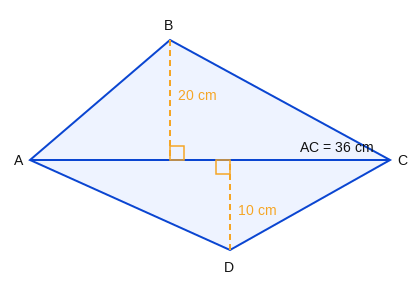
A quadrilateral has one diagonal of length 36 cm, and the perpendiculars from the other two vertices to this diagonal are 20 cm and 10 cm. What is the area of this quadrilateral?
एक चतुर्भुज के एक विकर्ण की लंबाई 36 cm है, और अन्य दो शीर्षों से इस विकर्ण पर डाले गए लंब 20 cm और 10 cm हैं। इस चतुर्भुज का क्षेत्रफल क्या है?
  1. A360 cm²
  2. B600 cm²
  3. C540 cm²
  4. D480 cm²
Show answer

Concept: Area of a quadrilateral =12×d×(h1+h2), where h1,h2 are the perpendiculars on diagonal d.

  1. d=36, h1=20, h2=10.
  2. Area =12×36×(20+10)=18×30=540cm2.

Trick: The diagonal splits the figure into two triangles sharing the same base – add the heights, not the areas separately.

Answer: (C) 540 cm²

अवधारणा: चतुर्भुज का क्षेत्रफल =12×d×(h1+h2), जहाँ h1,h2 विकर्ण d पर लम्ब हैं।

  1. d=36, h1=20, h2=10।
  2. क्षेत्रफल =12×36×(20+10)=18×30=540cm2।

ट्रिक: विकर्ण आकृति को समान आधार वाले दो त्रिभुजों में बाँटता है – ऊँचाइयाँ जोड़ें, क्षेत्रफल अलग-अलग नहीं।

उत्तर: (C) 540 cm²

RRB NTPC Undergraduate CBT 1MathematicsArea of quadrilateralRRB NTPC Undergraduate CBT 1 2025 · 7 May Shift 3 →