Question bank

Q&A: practice questions with answers

Search questions on any topic. Filter by exam category, exam, subject and topic, try the question, then open the answer and explanation.

Courses – airGurukul

21,196 questions found.

Q17201.
C, D, G, H, I, K and L are sitting around a circular table facing the centre of the table (but not necessarily in the same order).
Only three people sit between I and L when counted from the left of I. Only three people sit between K and H when counted from the right of H. C sits to the immediate right of K. G is an immediate neighbour of H as well as L. Who sits third to the right of D?
C, D, G, H, I, K और L एक वृत्ताकार मेज़ के चारों ओर मेज़ के केंद्र की ओर मुख करके बैठे हैं (आवश्यक नहीं कि इसी क्रम में)।
I के बाईं ओर से गिनने पर I और L के बीच केवल तीन व्यक्ति बैठे हैं। H के दाईं ओर से गिनने पर K और H के बीच केवल तीन व्यक्ति बैठे हैं। C, K के ठीक दाईं ओर बैठा है। G, H और L दोनों का निकटतम पड़ोसी है। D के दाईं ओर तीसरे स्थान पर कौन बैठा है?
  1. AG
  2. BI
  3. CC
  4. DK
Show answer

Concept: Facing the centre: left = clockwise, right = anticlockwise.
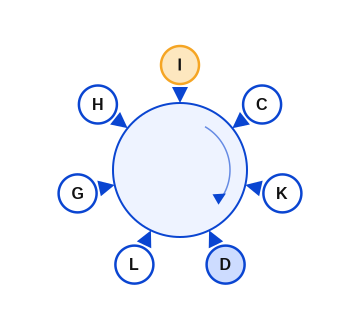
  1. Number seats clockwise 1–7. Put I at 1; three between from I's left → L at 5.
  2. G touches H and L: G = 6 and H = 7 (G = 4, H = 3 fails later).
  3. K is 4 seats to H's right (anticlockwise) → K at 3; C is right of K → C at 2; D takes 4.
  4. Clockwise order: I, C, K, D, L, G, H. From D go right (anticlockwise): K, C, I → third is I.

Trick: In a 7-seat circle, 'three between' means the two are exactly opposite-ish (4 seats apart) — fix that pair first, it removes most cases.

Answer: (B) I

अवधारणा: केंद्र की ओर मुख: बायाँ = दक्षिणावर्त, दायाँ = वामावर्त।

  1. सीटें 1–7 दक्षिणावर्त। I को 1 पर रखें; I के बाएँ से तीन के बाद L = 5।
  2. G, H और L दोनों का पड़ोसी: G = 6, H = 7 (दूसरा विकल्प C व L टकराता है)।
  3. H के दाएँ (वामावर्त) 4 सीट बाद K = 3; K के ठीक दाएँ C = 2; D = 4।
  4. क्रम (दक्षिणावर्त): I, C, K, D, L, G, H। D के दाएँ गिनें: K, C, I → तीसरा I।

ट्रिक: 7 सीटों में 'बीच में तीन' का अर्थ दोनों के बीच 4 सीटों का फासला — इसी जोड़ी को पहले बिठाएँ।

उत्तर: (B) I
SSC GDGeneral Intelligence & ReasoningCircular seating – 7 persons facing centreSSC GD 2025 · 25 Feb Shift 1 →
Q17202.
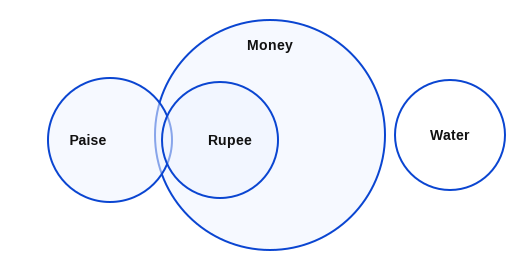
Read the given statements and conclusions carefully. Assuming that the information given in the statements is true, even if it appears to be at variance with commonly known facts, decide which of the given conclusions logically follow(s) from the statements.
Statements:
Some paise are rupee.
All rupee is money.
No money is water.
Conclusions:
(I): Some rupee is water.
(II): Some money is water.
दिए गए कथनों और निष्कर्षों को ध्यानपूर्वक पढ़िए। यह मानते हुए कि कथनों में दी गई जानकारी सत्य है, चाहे वह सर्वज्ञात तथ्यों से भिन्न प्रतीत होती हो, निर्णय कीजिए कि दिए गए निष्कर्षों में से कौन-सा/से कथनों का तार्किक रूप से अनुसरण करता है/करते हैं।
कथन:
कुछ पैसे रुपये हैं।
सभी रुपये धन हैं।
कोई धन पानी नहीं है।
निष्कर्ष:
(I): कुछ रुपये पानी हैं।
(II): कुछ धन पानी है।
  1. ABoth conclusions (I) and (II) follow.निष्कर्ष (I) और (II) दोनों अनुसरण करते हैं।
  2. BOnly conclusion (I) follows.केवल निष्कर्ष (I) अनुसरण करता है।
  3. CNeither conclusion (I) nor (II) follows.न तो निष्कर्ष (I) और न ही (II) अनुसरण करता है।
  4. DOnly conclusion (II) follows.केवल निष्कर्ष (II) अनुसरण करता है।
Show answer

Concept: If no money is water, nothing inside 'money' can be water.

  1. All rupee ⊂ money, and money ∩ water = empty.
  2. (II) 'Some money is water' directly contradicts 'No money is water' — false.
  3. (I) Rupee lies inside money, so rupee also never meets water — false.

Trick: A conclusion with 'some … is' between two groups separated by a 'No' statement never follows — reject both in seconds.

Answer: (C) Neither conclusion (I) nor (II) follows.

अवधारणा: जब कोई धन जल नहीं है, तो धन के अंदर की कोई चीज़ भी जल नहीं हो सकती।

  1. सभी रुपये ⊂ धन, और धन तथा जल में कुछ भी साझा नहीं।
  2. (II) 'कुछ धन जल है' सीधे तीसरे कथन के विरुद्ध — अनुसरण नहीं करता।
  3. (I) रुपया धन के भीतर है, इसलिए वह भी जल से नहीं मिलता — अनुसरण नहीं करता।

ट्रिक: 'कोई नहीं' से अलग किए गए दो समूहों के बीच 'कुछ … है' वाला निष्कर्ष कभी सही नहीं होता।

उत्तर: (C) न तो निष्कर्ष (I) और न ही (II) अनुसरण करता है।

SSC GDGeneral Intelligence & ReasoningSyllogism – 'No' statement blocks positive linksSSC GD 2025 · 25 Feb Shift 1 →
Q17203.
In a certain code language, '2590' is coded as 'FACT' and '0129' is coded as 'FITC'. What is the code for '1' in the given code language ?
एक निश्चित कूट भाषा में, '2590' को 'FACT' के रूप में कूटबद्ध किया जाता है और '0129' को 'FITC' के रूप में कूटबद्ध किया जाता है। दी गई कूट भाषा में '1' के लिए कूट क्या है?
  1. AC
  2. BI
  3. CT
  4. DK
Show answer

Concept: Codes are jumbled; match the digit and letter that are NOT common to both lines.

  1. Common digits: 2, 9, 0; common letters: F, C, T — they pair among themselves.
  2. Leftover in 2590 / FACT: 5 ↔ A.
  3. Leftover in 0129 / FITC: 1 ↔ I.

Trick: Cross out the shared items in both pairs; whatever survives in the same line is the code.

Answer: (B) I

अवधारणा: कोड क्रम में नहीं हैं; जो अंक व अक्षर दोनों पंक्तियों में साझा नहीं, उन्हें मिलाएँ।

  1. साझा अंक: 2, 9, 0; साझा अक्षर: F, C, T — ये आपस में जुड़े हैं।
  2. 2590 / FACT में बचा: 5 ↔ A।
  3. 0129 / FITC में बचा: 1 ↔ I।

ट्रिक: दोनों जोड़ियों में साझा चीज़ें काट दें; एक ही पंक्ति में जो बचे, वही कोड है।

उत्तर: (B) I

SSC GDGeneral Intelligence & ReasoningCoding – common digit eliminationSSC GD 2025 · 25 Feb Shift 1 →
Q17204.
SOMR is related to KGEJ in a certain way based on the English alphabetical order. In the same way, MIGL is related to EAYD. To which of the following options is OKIN related, following the same logic?
SOMR, अंग्रेज़ी वर्णमाला क्रम के आधार पर एक निश्चित तरीके से KGEJ से संबंधित है। उसी प्रकार, MIGL, EAYD से संबंधित है। समान तर्क का अनुसरण करते हुए, OKIN निम्नलिखित विकल्पों में से किससे संबंधित है?
  1. AGCFA
  2. BGAFC
  3. CGATR
  4. DGCAF
Show answer

Concept: Every letter goes 8 places back.

  1. S→K is 19 − 8 = 11; O→G, M→E, R→J show the same −8.
  2. MIGL→EAYD also fits (G 7 − 8 → wraps to Y 25).
  3. OKIN minus 8 each: O→G, K→C, I→A, N→F = GCAF.

Trick: Once the first two letters G, C are fixed, only (a) GCFA and (d) GCAF remain; I − 8 = A decides it.

Answer: (D) GCAF

अवधारणा: नियम: हर अक्षर का क्रमांक 8 कम होता है।

  1. S→K: 19 − 8 = 11; O→G, M→E, R→J में भी −8।
  2. MIGL→EAYD भी यही नियम (G 7 − 8 → Y 25)।
  3. OKIN: O→G, K→C, I→A, N→F → GCAF।

ट्रिक: पहले दो अक्षर G, C मिलते ही (a) और (d) बचते हैं; तीसरा अक्षर I − 8 = A उत्तर तय कर देता है।

उत्तर: (D) GCAF

SSC GDGeneral Intelligence & ReasoningLetter analogy – backward shift of 8SSC GD 2025 · 25 Feb Shift 1 →
Q17205.
Based on the English alphabetical order, three of the following four letter-clusters are alike in a certain way and thus form a group. Which letter-cluster DOES NOT belong to that group? (Note: The odd one out is not based on the number of consonants/vowels or their position in the letter-cluster.)
अंग्रेज़ी वर्णमाला क्रम के आधार पर, निम्नलिखित चार अक्षर-समूहों में से तीन एक निश्चित प्रकार से समान हैं और इस प्रकार एक समूह बनाते हैं। कौन-सा अक्षर-समूह उस समूह से संबंधित नहीं है? (नोट: विषम अक्षर-समूह, अक्षर-समूह में व्यंजनों/स्वरों की संख्या या उनकी स्थिति पर आधारित नहीं है।)
  1. ANKI
  2. BAXV
  3. CVSQ
  4. DCAX
Show answer

Concept: Compare the backward gaps between consecutive letters.

  1. NKI: 14→11→9 = −3, −2.
  2. AXV: 1→24→22 = −3, −2 (circular); VSQ: 22→19→17 = −3, −2.
  3. CAX: 3→1→24 = −2, −3 — order reversed, so it is odd.

Trick: Read the first gap only: three clusters start with −3, CAX starts with −2 — done.

Answer: (D) CAX

अवधारणा: क्रमागत अक्षरों के बीच पीछे की ओर अंतर देखें।

  1. NKI: 14→11→9 = −3, −2।
  2. AXV: −3, −2 (वृत्ताकार); VSQ: 22→19→17 = −3, −2।
  3. CAX: 3→1→24 = −2, −3 — क्रम उल्टा, अतः यह भिन्न है।

ट्रिक: केवल पहला अंतर देखें: तीन समूह −3 से शुरू, CAX −2 से — उत्तर तुरंत।

उत्तर: (D) CAX

SSC GDGeneral Intelligence & ReasoningOdd one out – letter gapsSSC GD 2025 · 25 Feb Shift 1 →
Q17206.
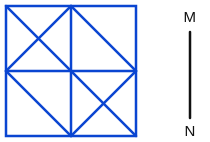
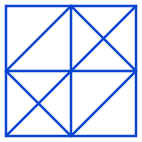
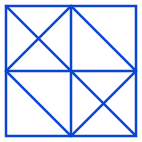
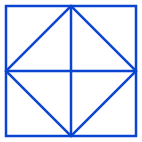
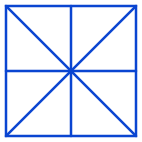
Select the correct mirror image of the given figure when the mirror is placed at MN as shown below.
दी गई आकृति का सही दर्पण प्रतिबिंब चुनिए, जब दर्पण को नीचे दर्शाए अनुसार MN पर रखा जाए।
  1. A
  2. B
  3. C
  4. D
Show answer

Concept: A vertical mirror (MN on the right) swaps left and right only; top and bottom stay.

  1. Square, both mid-lines and the inner diamond are left-right symmetric — they look unchanged.
  2. The single diagonal from top-left to bottom-right flips to top-right to bottom-left.
  3. Choose the option with all symmetric parts unchanged and the diagonal reversed.

Trick: Ignore every symmetric part; look only at the one non-symmetric line (the diagonal) and flip it.

Answer: (A) the figure given in this option

अवधारणा: ऊर्ध्वाधर दर्पण (दाईं ओर MN) केवल बाएँ-दाएँ बदलता है; ऊपर-नीचे वही रहते हैं।

  1. बाहरी चौकोर, बीच की खड़ी-पड़ी लाइनें और अंदर का हीरा — सब बाएँ-दाएँ समान हैं, इसलिए जस-के-तस रहेंगे।
  2. एकमात्र तिरछी रेखा की दिशा उलट जाती है — जो कोना-से-कोना रेखा पहले बाईं ओर से उतरती थी, अब दाईं ओर से उतरेगी।
  3. वही विकल्प चुनें जिसमें बाकी सब समान और विकर्ण उलटा हो।

ट्रिक: सममित भागों को छोड़ दें; केवल असममित रेखा (विकर्ण) को उलटें।

उत्तर: (A) विकल्प में दी गई आकृति

SSC GDGeneral Intelligence & ReasoningMirror image – vertical mirrorSSC GD 2025 · 25 Feb Shift 1 →
Q17207.
What should come in place of the question mark (?) in the given series based on the English alphabetical order? ABC, CDE, EFG, GHI, ? , KLM
अंग्रेज़ी वर्णमाला क्रम के आधार पर, दी गई शृंखला में प्रश्नवाचक चिह्न (?) के स्थान पर क्या आना चाहिए? ABC, CDE, EFG, GHI, ? , KLM
  1. AIJK
  2. BJKL
  3. CNMP
  4. DHIJ
Show answer

Concept: Each cluster is three consecutive letters; the starting letter moves +2.

  1. Starting letters: A, C, E, G, ?, K → gap +2.
  2. So the missing cluster starts at I.
  3. Three consecutive letters: IJK (and next is KLM ✔).

Trick: The last letter of one cluster is the first of the next (ABC → CDE): after GHI comes I _ _ = IJK.

Answer: (A) IJK

अवधारणा: हर समूह तीन क्रमागत अक्षर है; पहला अक्षर +2 बढ़ता है।

  1. पहले अक्षर: A, C, E, G, ?, K → +2।
  2. अतः लुप्त समूह I से शुरू होगा।
  3. तीन क्रमागत अक्षर: IJK (आगे KLM ✔)।

ट्रिक: एक समूह का अंतिम अक्षर अगले का पहला है (ABC → CDE): GHI के बाद I से शुरू — IJK।

उत्तर: (A) IJK

SSC GDGeneral Intelligence & ReasoningLetter-cluster series – +2 startSSC GD 2025 · 25 Feb Shift 1 →
Q17208.
Select the combination of letters that when sequentially placed in the blanks of the given series, will logically complete the series.
_EIMJ_KOLI_QNKO_PMQ_
अक्षरों का वह संयोजन चुनिए जिसे दी गई शृंखला के रिक्त स्थानों में क्रमिक रूप से रखने पर शृंखला तार्किक रूप से पूर्ण हो जाएगी।
_EIMJ_KOLI_QNKO_PMQ_
  1. AFGNSV
  2. BHIMTU
  3. CHGMSU
  4. DFINTV
Show answer

Concept: Split the 20-letter string into five blocks of 4; each column moves +2.

  1. Blocks: _EIM / J_KO / LI_Q / NKO_ / PMQ_.
  2. Column 1: _, J, L, N, P → H. Column 2: E, _, I, K, M → G.
  3. Column 3: I, K, _, O, Q → M. Column 4: M, O, Q, _, _ → S, U.
  4. Blanks: H, G, M, S, U.

Trick: Check option endings: column 4 must go Q → S → U, and only HGMSU ends with 'SU'.

Answer: (C) HGMSU

अवधारणा: 20 अक्षरों को 4-4 के पाँच खंडों में बाँटें; हर स्तंभ +2 चलता है।

  1. खंड: _EIM / J_KO / LI_Q / NKO_ / PMQ_।
  2. स्तंभ 1: _, J, L, N, P → H; स्तंभ 2: E, _, I, K, M → G।
  3. स्तंभ 3: I, K, _, O, Q → M; स्तंभ 4: M, O, Q, _, _ → S, U।
  4. रिक्त: H, G, M, S, U।

ट्रिक: विकल्पों के अंत देखें: स्तंभ 4 में Q → S → U चाहिए, केवल HGMSU 'SU' पर ख़त्म होता है।

उत्तर: (C) HGMSU

SSC GDGeneral Intelligence & ReasoningLetter series – blanks in 4-letter blocksSSC GD 2025 · 25 Feb Shift 1 →
Q17209.
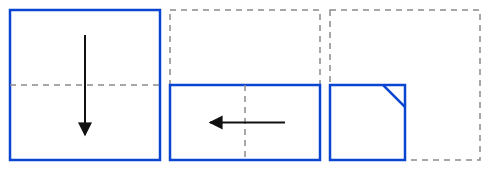
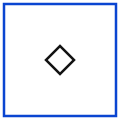
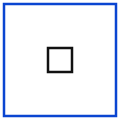
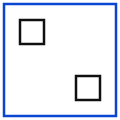
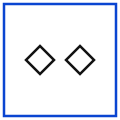
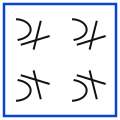
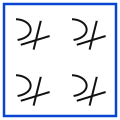
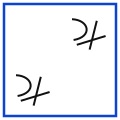
A square sheet of paper is folded along the dotted line successively along the directions shown and is then punched after the last fold. How would the paper look when unfolded?
कागज़ की एक वर्गाकार शीट को बिंदुदार रेखा के अनुदिश क्रमशः दर्शाई गई दिशाओं में मोड़ा जाता है और अंतिम मोड़ के बाद उसमें छेद किया जाता है। खोलने पर कागज़ कैसा दिखाई देगा?
  1. A
  2. B
  3. C
  4. D
Show answer

Concept: Every unfold mirrors the cut across that fold line.

  1. Fold 1: top onto bottom (horizontal crease); fold 2: right onto left (vertical crease) → 4 layers.
  2. The cut corner of the folded packet is the centre of the full sheet.
  3. Unfolding gives 4 triangles meeting at the centre = one diamond-shaped hole.

Trick: If the cut is at the corner where both creases meet, the pieces always join into ONE central shape — no separate holes.

Answer: (A) the figure given in this option

अवधारणा: हर बार खोलने पर कटाव उस मोड़ रेखा के पार दर्पण-प्रतिबिंब बनता है।

  1. मोड़ 1: ऊपर से नीचे (क्षैतिज); मोड़ 2: दाएँ से बाएँ (ऊर्ध्वाधर) → 4 परतें।
  2. मुड़े पैकेट का कटा कोना पूरे कागज़ का केंद्र है।
  3. पूरा खोलने पर चारों कटे टुकड़े बीच में जुड़कर एक हीरे जैसा छेद बनाते हैं।

ट्रिक: जब कटाव दोनों मोड़ों के मिलन-बिंदु पर हो, तो खोलने पर एक ही केंद्रीय आकृति बनती है।

उत्तर: (A) विकल्प में दी गई आकृति

SSC GDGeneral Intelligence & ReasoningPaper folding – cut at the centreSSC GD 2025 · 25 Feb Shift 1 →
Q17210.
What should come in place of the question mark (?) in the given series? 28, 52, 82, 118, 160, ?
दी गई शृंखला में प्रश्नवाचक चिह्न (?) के स्थान पर क्या आना चाहिए? 28, 52, 82, 118, 160, ?
  1. A200
  2. B193
  3. C208
  4. D185
Show answer

Concept: The gaps form an AP with common difference 6.

  1. Gaps: 24, 30, 36, 42.
  2. Next gap = 48.
  3. 160 + 48 = 208.

Trick: Next = last + last gap + 6 = 160 + 42 + 6 = 208.

Answer: (C) 208

अवधारणा: अंतर 6 के सार्व अंतर वाली समांतर श्रेणी में हैं।

  1. अंतर: 24, 30, 36, 42।
  2. अगला अंतर = 48।
  3. 160 + 48 = 208।

ट्रिक: अगला पद = अंतिम पद + अंतिम अंतर + 6 = 160 + 42 + 6 = 208।

उत्तर: (C) 208

SSC GDGeneral Intelligence & ReasoningNumber series – differences rising by 6SSC GD 2025 · 25 Feb Shift 1 →
Q17211.
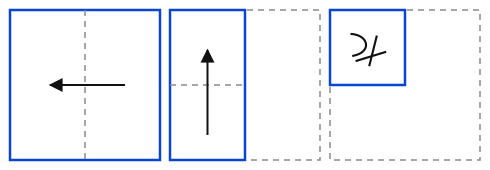
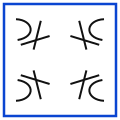
A paper is folded and punched as shown below. How will it appear when unfolded?
एक कागज़ को नीचे दर्शाए अनुसार मोड़ा और छेदा जाता है। खोलने पर यह कैसा दिखाई देगा?
  1. A
  2. B
  3. C
  4. D
Show answer

Concept: Two folds = 4 layers, so one punch gives 4 marks, mirrored across each crease.

  1. Fold 1: right half onto left; fold 2: bottom half onto top → quarter sheet, 4 layers.
  2. 4 marks are needed — option (d) with 2 marks is out.
  3. Open fold 2: mark reflects top-to-bottom; open fold 1: reflects left-to-right. Only (a) shows both reflections.

Trick: Count layers first (2ⁿ for n folds) to cut options; then check one reflection only.

Answer: (A) the figure given in this option

अवधारणा: दो मोड़ = 4 परतें, अतः एक छेद से 4 निशान, हर मोड़ रेखा के पार प्रतिबिंबित।

  1. मोड़ 1: दायाँ आधा बाएँ पर; मोड़ 2: नीचे का आधा ऊपर → चौथाई कागज़, 4 परतें।
  2. 4 निशान चाहिए — 2 निशान वाला (d) बाहर।
  3. मोड़ 2 खोलें: ऊपर-नीचे प्रतिबिंब; मोड़ 1 खोलें: बाएँ-दाएँ प्रतिबिंब। केवल (a) सही।

ट्रिक: पहले परतें गिनें (n मोड़ = 2ⁿ परतें), विकल्प घट जाते हैं; फिर एक प्रतिबिंब जाँचें।

उत्तर: (A) विकल्प में दी गई आकृति

SSC GDGeneral Intelligence & ReasoningPaper folding – two folds, four holesSSC GD 2025 · 25 Feb Shift 1 →
Q17212.
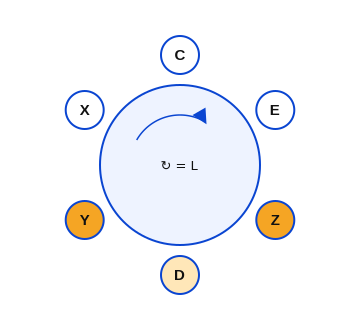
Six people, C, D, E, X, Y and Z, are sitting around a circular table facing the centre (but not necessarily in the same order). Only one person sits between X and D when counted from the left of D. Z sits second to the left of C. Z is an immediate neighbour of E and D. How many people sit between Y and Z when counted from the right of Y?
छह व्यक्ति C, D, E, X, Y और Z एक वृत्ताकार मेज़ के चारों ओर केंद्र की ओर मुख करके बैठे हैं (आवश्यक नहीं कि इसी क्रम में)। D के बाईं ओर से गिनने पर X और D के बीच केवल एक व्यक्ति बैठा है। Z, C के बाईं ओर दूसरे स्थान पर बैठा है। Z, E और D दोनों का निकटतम पड़ोसी है। Y के दाईं ओर से गिनने पर Y और Z के बीच कितने व्यक्ति बैठे हैं?
  1. ATwoदो
  2. BOneएक
  3. CThreeतीन
  4. DFourचार
Show answer

Concept: Facing centre: left = clockwise, right = anticlockwise.

  1. Z is 2nd to the left of C, and Z sits beside E and D → clockwise C, E, Z, D.
  2. One person between D and X from D's left → clockwise D, _, X; Y fills that gap.
  3. Order clockwise: C, E, Z, D, Y, X.
  4. From Y go right (anticlockwise): D, then Z → one person between.

Trick: Fix the person with two known neighbours (Z between E and D) first — the rest drops in.

Answer: (B) One

अवधारणा: केंद्र की ओर मुख: बायाँ = दक्षिणावर्त, दायाँ = वामावर्त।

  1. Z, C के बाएँ दूसरा और E व D के बीच → दक्षिणावर्त C, E, Z, D।
  2. D के बाएँ से X तक एक व्यक्ति → D, _, X; बीच में Y।
  3. क्रम (दक्षिणावर्त): C, E, Z, D, Y, X।
  4. Y के दाएँ (वामावर्त): D, फिर Z → बीच में एक व्यक्ति।

ट्रिक: जिसके दोनों पड़ोसी ज्ञात हों (Z: E और D), उसे पहले बिठाएँ — बाकी अपने आप तय।

उत्तर: (B) एक

SSC GDGeneral Intelligence & ReasoningCircular seating – 6 persons facing centreSSC GD 2025 · 25 Feb Shift 1 →
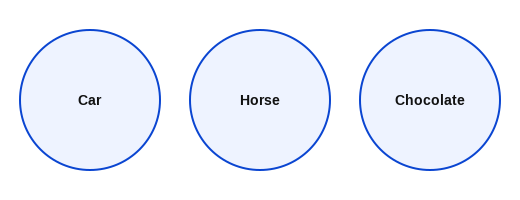
Q17213.
Select the Venn diagram that best illustrates the relationship between the following classes.
Car, Horse, Chocolate
वह वेन आरेख चुनिए जो निम्नलिखित वर्गों के बीच के संबंध को सर्वोत्तम रूप से दर्शाता है।
कार, घोड़ा, चॉकलेट
  1. A
  2. B
  3. C
  4. D
Show answer

Concept: Classes with no common member are drawn as separate circles.

  1. Car = vehicle, horse = animal, chocolate = food.
  2. No member of one class belongs to another; none contains another.
  3. So: three disjoint circles.

Trick: Ask 'can one thing be both?' for each pair — three 'No' answers mean three separate circles.

Answer: (D) the figure given in this option

अवधारणा: जिन वर्गों में कोई साझा सदस्य न हो, वे अलग-अलग वृत्त होते हैं।

  1. कार = वाहन, घोड़ा = पशु, चॉकलेट = खाद्य।
  2. कोई सदस्य दो वर्गों में नहीं, न कोई वर्ग दूसरे के भीतर।
  3. अतः तीन अलग वृत्त।

ट्रिक: हर जोड़ी के लिए पूछें 'क्या कोई चीज़ दोनों हो सकती है?' — तीनों बार 'नहीं' = तीन अलग वृत्त।

उत्तर: (D) विकल्प में दी गई आकृति

SSC GDGeneral Intelligence & ReasoningVenn diagram – three unrelated classesSSC GD 2025 · 25 Feb Shift 1 →
Q17214.
If 'T' stands for '+', 'J' stands for '×', 'K' stands for '÷', and 'L' stands for '−', what will come in place of the question mark '?' in the following equation? (59 L 38) J 4 T (12 T 8) K 2 T 42 L 26 = ?
यदि 'T' का अर्थ '+' है, 'J' का अर्थ '×' है, 'K' का अर्थ '÷' है, और 'L' का अर्थ '−' है, तो निम्नलिखित समीकरण में प्रश्नवाचक चिह्न '?' के स्थान पर क्या आएगा? (59 L 38) J 4 T (12 T 8) K 2 T 42 L 26 = ?
  1. A140
  2. B98
  3. C110
  4. D25
Show answer

Concept: Replace letters by signs, then follow BODMAS.

  1. (59−38)×4+(12+8)÷2+42−26.
  2. =21×4+20÷2+42−26.
  3. =84+10+42−26=110.

Trick: Group the tail first: +42−26=+16, so answer = 84+10+16=110.

Answer: (C) 110

अवधारणा: अक्षरों को चिह्नों से बदलें, फिर BODMAS लगाएँ।

  1. (59−38)×4+(12+8)÷2+42−26।
  2. =21×4+20÷2+42−26।
  3. =84+10+42−26=110।

ट्रिक: अंत का भाग पहले जोड़ें: +42−26=+16; उत्तर = 84+10+16=110।

उत्तर: (C) 110

SSC GDGeneral Intelligence & ReasoningSymbol substitution – BODMASSSC GD 2025 · 25 Feb Shift 1 →
Q17215.
Each letter in the word EXCITED is arranged in the English alphabetical order. How many letters are there in the English alphabetical order between the letter which is second from the left end and the one which is first from the right end in the new letter-cluster thus formed?
शब्द EXCITED के प्रत्येक अक्षर को अंग्रेज़ी वर्णमाला क्रम में व्यवस्थित किया जाता है। इस प्रकार बने नए अक्षर-समूह में बाएँ छोर से दूसरे अक्षर और दाएँ छोर से पहले अक्षर के बीच अंग्रेज़ी वर्णमाला क्रम में कितने अक्षर हैं?
  1. A18
  2. B20
  3. C22
  4. D19
Show answer

Concept: Sort the letters, pick the asked positions, count letters strictly between.

  1. EXCITED sorted: C, D, E, E, I, T, X.
  2. 2nd from left = D (4), 1st from right = X (24).
  3. Letters between = 24 − 4 − 1 = 19.

Trick: Letters between two positions p and q = q − p − 1.

Answer: (D) 19

अवधारणा: अक्षरों को क्रम में लगाएँ, माँगे गए स्थान चुनें, बीच के अक्षर गिनें।

  1. EXCITED क्रम में: C, D, E, E, I, T, X।
  2. बाएँ से दूसरा = D (4), दाएँ से पहला = X (24)।
  3. बीच के अक्षर = 24 − 4 − 1 = 19।

ट्रिक: दो स्थानों p और q के बीच अक्षर = q − p − 1।

उत्तर: (D) 19

SSC GDGeneral Intelligence & ReasoningAlphabetical rearrangement – letters betweenSSC GD 2025 · 25 Feb Shift 1 →
Q17216.
In a certain code language, 'GALS' is coded as '7610' and 'LADS' is coded as '0168'. What is the code for 'D' in the given code language?
एक निश्चित कूट भाषा में, 'GALS' को '7610' के रूप में कूटबद्ध किया जाता है और 'LADS' को '0168' के रूप में कूटबद्ध किया जाता है। दी गई कूट भाषा में 'D' के लिए कूट क्या है?
  1. A1
  2. B8
  3. C0
  4. D6
Show answer

Concept: Jumbled codes: pair the unshared letter with the unshared digit.

  1. Shared letters A, L, S ↔ shared digits 6, 1, 0.
  2. GALS/7610: leftover G ↔ 7.
  3. LADS/0168: leftover D ↔ 8.

Trick: Strike out common letters and common digits; the survivors in one line match each other.

Answer: (B) 8

अवधारणा: कोड उलझे हैं: जो अक्षर साझा नहीं, उसे साझा न होने वाले अंक से मिलाएँ।

  1. साझा अक्षर A, L, S ↔ साझा अंक 6, 1, 0।
  2. GALS/7610: बचा G ↔ 7।
  3. LADS/0168: बचा D ↔ 8।

ट्रिक: साझा अक्षर और साझा अंक काट दें; एक पंक्ति में जो बचें, वही एक-दूसरे के कोड हैं।

उत्तर: (B) 8

SSC GDGeneral Intelligence & ReasoningCoding – common letter eliminationSSC GD 2025 · 25 Feb Shift 1 →
Q17217.
YS Jagan Mohan Reddy, who lost his Chief Minister position in 2024, belongs to which of the following parties as of September 2024?
वाई.एस. जगन मोहन रेड्डी, जिन्होंने 2024 में मुख्यमंत्री पद गँवाया, सितंबर 2024 की स्थिति के अनुसार निम्नलिखित में से किस दल से संबंधित हैं?
  1. AYuvajana Sramika Rythu Congress Party (YSRCP)युवजन श्रमिक रायथु कांग्रेस पार्टी (YSRCP)
  2. BJana Sena Party (JSP)जन सेना पार्टी (JSP)
  3. CTelugu Desam Party (TDP)तेलुगु देशम पार्टी (TDP)
  4. DIndian National Congress (INC)भारतीय राष्ट्रीय कांग्रेस (INC)
Show answer

Concept: Party of Andhra Pradesh's former CM Jagan Mohan Reddy.

  1. Jagan Mohan Reddy founded the YSR Congress Party (YSRCP) in 2011 after quitting the Congress.
  2. He was CM of Andhra Pradesh 2019–2024; the TDP-led NDA under Chandrababu Naidu won in 2024.
  3. Jana Sena is Pawan Kalyan's party; TDP is Naidu's party — both were his rivals.

Yaad rakhein: 'YSR' in the party name comes from his father Y. S. Rajasekhara Reddy, former Congress CM of undivided Andhra Pradesh.

Answer: (A) Yuvajana Sramika Rythu Congress Party (YSRCP)

अवधारणा: आंध्र प्रदेश के पूर्व मुख्यमंत्री जगन मोहन रेड्डी का दल।

  1. कांग्रेस से अलग होकर जगन ने 2011 में अपना दल YSRCP खड़ा किया।
  2. वे 2019–2024 तक आंध्र के CM रहे; 2024 में चंद्रबाबू नायडू के नेतृत्व में TDP गठबंधन जीता।
  3. जन सेना पवन कल्याण का दल और TDP नायडू का — दोनों विरोधी पक्ष थे।

याद रखें: दल के नाम का 'YSR' उनके पिता वाई. एस. राजशेखर रेड्डी से लिया गया है, जो अविभाजित आंध्र के CM थे।

उत्तर: (A) युवजन श्रमिक रायथु कांग्रेस पार्टी (YSRCP)

SSC GDGeneral Knowledge & General AwarenessIndian politics – YSRCP leaderSSC GD 2025 · 25 Feb Shift 1 →
Q17218.
In which year did the Government of India launch the National Youth Policy (NYP) to address the needs of India's youth ?
भारत सरकार ने भारत के युवाओं की आवश्यकताओं की पूर्ति के लिए राष्ट्रीय युवा नीति (NYP) किस वर्ष प्रारंभ की थी?
  1. A2014
  2. B2016
  3. C2015
  4. D2018
Show answer

Concept: Year of the National Youth Policy launched by the Ministry of Youth Affairs & Sports.

  1. NYP was launched in 2014, replacing the 2003 policy.
  2. It treats ages 15–29 as 'youth'.
  3. Focus areas: education, skills & employment, entrepreneurship, health, sports, civic participation.

Yaad rakhein: NYP-2014 youth age band = 15–29 years (earlier policy used 13–35).

Answer: (A) 2014

अवधारणा: भारत सरकार ने युवाओं के लिए NYP किस वर्ष जारी की?

  1. NYP वर्ष 2014 में लागू हुई; इसने 2003 वाली नीति को बदला।
  2. इसमें 15–29 वर्ष की आयु को 'युवा' माना गया।
  3. ज़ोर: पढ़ाई, हुनर व नौकरी, खुद का व्यवसाय, सेहत, खेल और शासन में भागीदारी।

याद रखें: NYP-2014 में युवा = 15–29 वर्ष (पुरानी नीति में 13–35 वर्ष)।

उत्तर: (A) 2014

SSC GDGeneral Knowledge & General AwarenessGovernment policy – National Youth PolicySSC GD 2025 · 25 Feb Shift 1 →
Q17219.
Boiling and evaporation, respectively, are ____ and ____ phenomena.
क्वथन (उबलना) तथा वाष्पन क्रमशः ____ और ____ परिघटनाएँ हैं।
  1. Abulk, bulkबल्क, बल्क
  2. Bbulk, surfaceबल्क, पृष्ठीय
  3. Csurface, surfaceपृष्ठीय, पृष्ठीय
  4. Dsurface, bulkपृष्ठीय, बल्क
Show answer

Concept: Where in the liquid does vaporisation happen?

  1. Boiling: vapour bubbles form throughout the liquid at a fixed temperature → bulk phenomenon.
  2. Evaporation: only surface molecules escape, at any temperature → surface phenomenon.
  3. Order asked: boiling, evaporation → bulk, surface.

Yaad rakhein: Evaporation causes cooling and increases with surface area, temperature and wind speed, but decreases with humidity.

Answer: (B) bulk, surface

अवधारणा: द्रव के किस भाग से वाष्प बनती है?

  1. क्वथन: नियत ताप पर पूरे द्रव में बुलबुले बनते हैं → आयतन (bulk) परिघटना।
  2. वाष्पन: केवल सतह के अणु निकलते हैं, किसी भी ताप पर → सतही परिघटना।
  3. क्रम: क्वथन, वाष्पन → bulk, surface।

याद रखें: वाष्पन से ठंडक होती है; सतह-क्षेत्र, ताप व हवा बढ़ने पर बढ़ता है, आर्द्रता बढ़ने पर घटता है।

उत्तर: (B) बल्क, पृष्ठीय

SSC GDGeneral Knowledge & General AwarenessStates of matter – boiling vs evaporationSSC GD 2025 · 25 Feb Shift 1 →
Q17220.
The bacteria conducting an anoxygenic photosynthesis use which of the following compounds as an electron donor?
अनॉक्सीजनी (ऑक्सीजन-रहित) प्रकाश-संश्लेषण करने वाले जीवाणु निम्नलिखित में से किस यौगिक का उपयोग इलेक्ट्रॉन दाता के रूप में करते हैं?
  1. AHydrogen sulphideहाइड्रोजन सल्फाइड
  2. BCarbon dioxideकार्बन डाइऑक्साइड
  3. CWaterजल
  4. DGlucoseग्लूकोज़
Show answer

Concept: Anoxygenic = no O2 released, so water is not the electron donor.

  1. Purple and green sulphur bacteria use H2S as the electron donor.
  2. They release sulphur instead of oxygen.
  3. CO2 is the carbon source being reduced; water is the donor only in plants, algae and cyanobacteria.

Yaad rakhein: Cyanobacteria are the only bacteria doing oxygenic photosynthesis — the odd one out in such questions.

Answer: (A) Hydrogen sulphide

अवधारणा: अनॉक्सीजनी = O2 नहीं निकलती, इसलिए जल इलेक्ट्रॉन दाता नहीं है।

  1. बैंगनी व हरे सल्फर जीवाणु H2S को इलेक्ट्रॉन दाता बनाते हैं।
  2. ऑक्सीजन की जगह सल्फर मुक्त होता है।
  3. CO2 कार्बन स्रोत है; जल केवल पौधों, शैवाल व सायनोबैक्टीरिया में दाता है।

याद रखें: सायनोबैक्टीरिया ही वे जीवाणु हैं जो पौधों की तरह O2 छोड़ते हैं।

उत्तर: (A) हाइड्रोजन सल्फाइड

SSC GDGeneral Knowledge & General AwarenessPhotosynthesis – anoxygenic bacteriaSSC GD 2025 · 25 Feb Shift 1 →