Question bank

Q&A: practice questions with answers

Search questions on any topic. Filter by exam category, exam, subject and topic, try the question, then open the answer and explanation.

Courses – airGurukul

21,196 questions found.

Q18701.
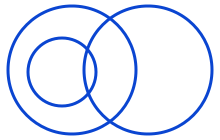
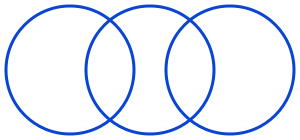
Select the Venn diagram that best illustrates the relationship between the following classes.
Clothes, Shoes, Black
उस वेन आरेख का चयन कीजिए, जो निम्नलिखित वर्गों के बीच के संबंध को सर्वोत्तम रूप से दर्शाता है।
वस्त्र, जूते, काला
  1. A
  2. B
  3. C
  4. D
Show answer

Concept: Check each pair of classes: separate, partly overlapping, or one inside another.
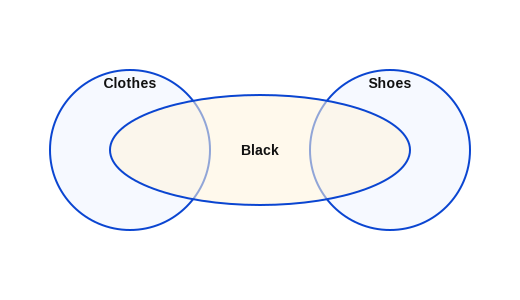
  1. Clothes and Shoes: nothing common → two separate circles.
  2. Black things: some clothes are black, some shoes are black → Black partly overlaps both.
  3. So one circle (Black) cuts two non-touching circles – this is option (D).

Trick: Black is a colour, so it can cut across any two object classes; the two object classes themselves stay apart.

Answer: (D) Figure (D)

अवधारणा: हर दो वर्गों का संबंध देखें – अलग, आंशिक रूप से साझा या एक-दूसरे के अंदर।

  1. वस्त्र और जूते: कोई साझा भाग नहीं → दो अलग वृत्त।
  2. काला: कुछ वस्त्र काले, कुछ जूते काले → काला दोनों को आंशिक रूप से काटता है।
  3. अतः बीच का एक वृत्त दो अलग वृत्तों को काटता है – विकल्प (D)।

ट्रिक: रंग (काला) किसी भी दो वस्तु-वर्गों को काट सकता है, पर दोनों वस्तु-वर्ग आपस में अलग रहते हैं।

उत्तर: (D) आकृति (D)
SSC GDGeneral Intelligence & ReasoningVenn diagram – three classesSSC GD 2025 · 17 Feb Shift 1 →
Q18702.
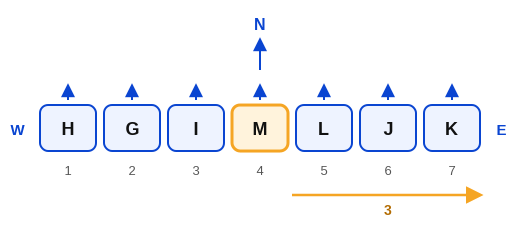
Seven people, G, H, I, J, K, L and M, are sitting in a row, facing north(but not necessarily in the same order). Only two people sit to the left of I. Only three people sit between I and K. L sits second to the right of I. Only two people sit between L and G. M sits at some place to the right of H but at some place to the left of J. How many people sit to the right of M?
सात व्यक्ति G, H, I, J, K, L और M एक पंक्ति में उत्तर की ओर मुख करके बैठे हैं (आवश्यक नहीं कि इसी क्रम में)। I के बाईं ओर केवल दो व्यक्ति बैठे हैं। I और K के बीच केवल तीन व्यक्ति बैठे हैं। L, I के दाईं ओर दूसरे स्थान पर बैठा है। L और G के बीच केवल दो व्यक्ति बैठे हैं। M, H के दाईं ओर किसी स्थान पर तथा J के बाईं ओर किसी स्थान पर बैठा है। M के दाईं ओर कितने व्यक्ति बैठे हैं?
  1. AFourचार
  2. BTwoदो
  3. CThreeतीन
  4. DOneएक
Show answer

Concept: Fix the person with a definite seat first, then place others around them.

  1. Seats 1–7 from left. Two people left of I → I = 3.
  2. Three between I and K → K = 7. L second right of I → L = 5.
  3. Two between L and G → G = 2. Remaining seats 1, 4, 6 with H left of M, M left of J → H = 1, M = 4, J = 6.
  4. Order: H G I M L J K. Right of M: L, J, K = 3 people.

Trick: Right of seat n in a row of 7 = 7 − n people; M at seat 4 → 7 − 4 = 3.

Answer: (C) Three

अवधारणा: जिस व्यक्ति की जगह पक्की हो, उसे पहले बैठाएँ, फिर बाकी।

  1. बाएँ से सीट 1–7 मानें। I के बाएँ दो व्यक्ति → I = 3।
  2. I और K के बीच तीन → K = 7; L, I के दाएँ दूसरा → L = 5।
  3. L और G के बीच दो → G = 2। बची सीटें 1, 4, 6 में H, फिर M, फिर J (बाएँ से) → H = 1, M = 4, J = 6।
  4. क्रम: H G I M L J K; M के दाएँ L, J, K = 3 व्यक्ति।

ट्रिक: 7 की पंक्ति में सीट n के दाएँ = 7 − n व्यक्ति; M सीट 4 पर → 3।

उत्तर: (C) तीन

SSC GDGeneral Intelligence & ReasoningLinear seating – row facing northSSC GD 2025 · 17 Feb Shift 1 →
Q18703.
In a certain code language, 'HXCT' is coded as '55' and 'LAMU' is coded as '47'. What is the code for 'ZFGD' in the given code language?
एक निश्चित कूट भाषा में, 'HXCT' को '55' के रूप में तथा 'LAMU' को '47' के रूप में कूटबद्ध किया जाता है। उसी कूट भाषा में 'ZFGD' का कूट क्या होगा?
  1. A56
  2. B48
  3. C53
  4. D43
Show answer

Concept: Code = sum of the alphabet positions of the letters.

  1. HXCT: 8 + 24 + 3 + 20 = 55 ✔
  2. LAMU: 12 + 1 + 13 + 21 = 47 ✔
  3. ZFGD: 26 + 6 + 7 + 4 = 43

Trick: Remember EJOTY = 5, 10, 15, 20, 25 to get any letter's position instantly.

Answer: (D) 43

अवधारणा: कूट = अक्षरों की वर्णमाला क्रम-संख्याओं का योग।

  1. HXCT: 8 + 24 + 3 + 20 = 55 ✔
  2. LAMU: 12 + 1 + 13 + 21 = 47 ✔
  3. ZFGD: 26 + 6 + 7 + 4 = 43

ट्रिक: EJOTY = 5, 10, 15, 20, 25 याद रखें – किसी भी अक्षर की संख्या तुरंत मिलेगी।

उत्तर: (D) 43

SSC GDGeneral Intelligence & ReasoningCoding – sum of letter positionsSSC GD 2025 · 17 Feb Shift 1 →
Q18704.
What will come in place of '?' in the following equation, if '+' and '÷' are interchanged and '−' and '×' are interchanged?
112 + 8 × 2 − 13 ÷ 21 = ?
यदि '+' और '÷' को आपस में बदल दिया जाए तथा '−' और '×' को आपस में बदल दिया जाए, तो निम्नलिखित समीकरण में '?' के स्थान पर क्या आएगा?
112 + 8 × 2 − 13 ÷ 21 = ?
  1. A5
  2. B9
  3. C6
  4. D11
Show answer

Concept: Swap the signs as told, then solve using BODMAS (÷, × before +, −).

  1. After swapping: 112÷8−2×13+21
  2. 112÷8=14;2×13=26
  3. 14−26+21=9

Trick: Rewrite the whole expression once with new signs before calculating – avoids half-swapped mistakes.

Answer: (B) 9

अवधारणा: बताए अनुसार चिह्न बदलें, फिर BODMAS से हल करें।

  1. बदलने के बाद: 112÷8−2×13+21
  2. 112÷8=14;2×13=26
  3. 14−26+21=9

ट्रिक: गणना से पहले पूरा व्यंजक नए चिह्नों के साथ एक बार लिख लें – गलती नहीं होगी।

उत्तर: (B) 9

SSC GDGeneral Intelligence & ReasoningInterchanging signs – BODMASSSC GD 2025 · 17 Feb Shift 1 →
Q18705.
What should come in place of the question mark (?) in the given series?
800, 789, 767, 734, 690, 635, ?
दी गई शृंखला में प्रश्नवाचक चिह्न (?) के स्थान पर क्या आना चाहिए?
800, 789, 767, 734, 690, 635, ?
  1. A569
  2. B530
  3. C400
  4. D250
Show answer

Concept: Check the differences between consecutive terms.

  1. Differences: −11, −22, −33, −44, −55 (multiples of 11).
  2. Next difference = −66.
  3. 635 − 66 = 569

Trick: Answer must be 635 minus a number bigger than 55 – only 569 fits; 530 would need −105.

Answer: (A) 569

अवधारणा: लगातार पदों का अंतर देखें।

  1. अंतर: −11, −22, −33, −44, −55 (11 के गुणज)
  2. अगला अंतर = −66
  3. 635 − 66 = 569

ट्रिक: अगला पद 635 − (55 से थोड़ी बड़ी संख्या) होगा – केवल 569 सही बैठता है।

उत्तर: (A) 569

SSC GDGeneral Intelligence & ReasoningNumber series – multiples of 11SSC GD 2025 · 17 Feb Shift 1 →
Q18706.
What should come in place of the question mark (?) in the given series based on the English alphabetical order?
Y, N, X, L, W, J, V, H, ?, F
अंग्रेजी वर्णमाला क्रम के आधार पर दी गई शृंखला में प्रश्नवाचक चिह्न (?) के स्थान पर क्या आना चाहिए?
Y, N, X, L, W, J, V, H, ?, F
  1. AT
  2. BI
  3. CU
  4. DJ
Show answer

Concept: Two series are mixed: odd places and even places.

  1. Odd places: Y, X, W, V, ? → each −1.
  2. Even places: N, L, J, H, F → each −2 (confirms the split).
  3. ? is 9th (odd) → letter after V going back = U.

Trick: Whenever letters jump back and forth, split into odd/even positions first.

Answer: (C) U

अवधारणा: दो शृंखलाएँ मिली हैं: विषम स्थान और सम स्थान।

  1. विषम स्थान: Y, X, W, V, ? → हर बार −1
  2. सम स्थान: N, L, J, H, F → हर बार −2
  3. ? नौवें (विषम) स्थान पर है → V के बाद पीछे की ओर = U।

ट्रिक: अक्षर आगे-पीछे कूदें तो पहले विषम/सम स्थानों में बाँटें।

उत्तर: (C) U

SSC GDGeneral Intelligence & ReasoningAlphabet series – alternate lettersSSC GD 2025 · 17 Feb Shift 1 →
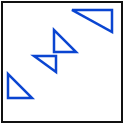
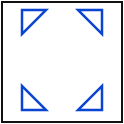
Q18707.
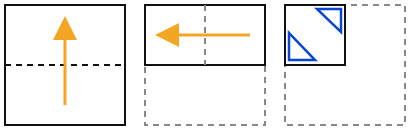
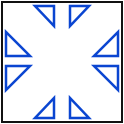
The sequence of folding a piece of paper and the manner in which the folded paper is cut is shown in the following figures. How would this paper look when unfolded?
कागज के एक टुकड़े को मोड़ने का क्रम तथा मुड़े हुए कागज को जिस प्रकार काटा गया है, वह निम्नलिखित आकृतियों में दर्शाया गया है। खोलने पर यह कागज कैसा दिखाई देगा?
  1. A
  2. B
  3. C
  4. D
Show answer

Concept: Each cut is repeated in every layer; unfold step by step as mirror images about fold lines.

  1. Fold 1: bottom half onto top; fold 2: right half onto left → 4 layers in the top-left quarter.
  2. Two triangle cuts lie inside the quarter (not on a fold line) → each opens into 4 triangles.
  3. Total 2 × 4 = 8 triangles, symmetric about both fold lines – as in option (A).

Trick: Holes after unfolding = cuts × number of layers (when no cut touches a fold).

Answer: (A) Figure (A)

अवधारणा: हर कट सभी परतों में बनता है; खोलते समय मोड़-रेखा के सापेक्ष दर्पण-प्रतिबिंब बनाते जाएँ।

  1. पहला मोड़: निचला आधा ऊपर; दूसरा मोड़: दायाँ आधा बाएँ → ऊपर-बाएँ चौथाई में 4 परतें।
  2. दोनों त्रिभुज-कट मोड़ की रेखा को नहीं छूते → खुलने पर हर कट चार अलग त्रिभुज देगा।
  3. कुल त्रिभुज = 8 (2 × 4), चारों चौथाइयों में दर्पण-जैसी व्यवस्था में – विकल्प (A)।

ट्रिक: खोलने पर छेद = कटों की संख्या × परतों की संख्या (जब कट मोड़ पर न हो)।

उत्तर: (A) आकृति (A)

SSC GDGeneral Intelligence & ReasoningPaper folding and cuttingSSC GD 2025 · 17 Feb Shift 1 →
Q18708.
What should come in place of the question mark (?) in the given series?
645, 650, 656, 663, 671, ?
दी गई शृंखला में प्रश्नवाचक चिह्न (?) के स्थान पर क्या आना चाहिए?
645, 650, 656, 663, 671, ?
  1. A676
  2. B677
  3. C680
  4. D679
Show answer

Concept: Differences increase by 1 each time.

  1. Differences: +5, +6, +7, +8
  2. Next difference = +9
  3. 671 + 9 = 680

Trick: Last digits 5→0→6→3→1: just add 9 to 671 – the answer ends in 0, so (C) at once.

Answer: (C) 680

अवधारणा: अंतर हर बार 1 बढ़ता है।

  1. अंतर: +5, +6, +7, +8
  2. अगला अंतर = +9
  3. 671 + 9 = 680

ट्रिक: 671 + 9 का इकाई अंक 0 होगा – केवल 680 मेल खाता है।

उत्तर: (C) 680

SSC GDGeneral Intelligence & ReasoningNumber series – increasing differenceSSC GD 2025 · 17 Feb Shift 1 →
Q18709.
MISC is related to OFUZ in a certain way based on the English alphabetical order. In the same way, ZDEN is related to BAGK. To which of the given options is PVAT related, following the same logic?
अंग्रेजी वर्णमाला क्रम के आधार पर MISC एक निश्चित प्रकार से OFUZ से संबंधित है। उसी प्रकार, ZDEN, BAGK से संबंधित है। उसी तर्क का अनुसरण करते हुए, PVAT दिए गए विकल्पों में से किससे संबंधित है?
  1. ATQBO
  2. BRSCQ
  3. CSTDP
  4. DSTBP
Show answer

Concept: Find the shift on each letter position and apply the same shift.

  1. MISC → OFUZ: M+2=O, I−3=F, S+2=U, C−3=Z.
  2. Check ZDEN → BAGK: Z+2=B, D−3=A, E+2=G, N−3=K ✔.
  3. PVAT: P+2=R, V−3=S, A+2=C, T−3=Q → RSCQ.

Trick: First letter P+2 = R appears only in option (B) – done in one step.

Answer: (B) RSCQ

अवधारणा: हर स्थान के अक्षर पर कितना खिसकाव है, पता करें और वही लागू करें।

  1. MISC → OFUZ: M+2=O, I−3=F, S+2=U, C−3=Z
  2. जाँच ZDEN → BAGK: Z+2=B, D−3=A, E+2=G, N−3=K ✔
  3. PVAT: P+2=R, V−3=S, A+2=C, T−3=Q → RSCQ

ट्रिक: पहला अक्षर P+2 = R केवल विकल्प (B) में है – एक कदम में उत्तर।

उत्तर: (B) RSCQ

SSC GDGeneral Intelligence & ReasoningLetter analogy – +2, −3 patternSSC GD 2025 · 17 Feb Shift 1 →
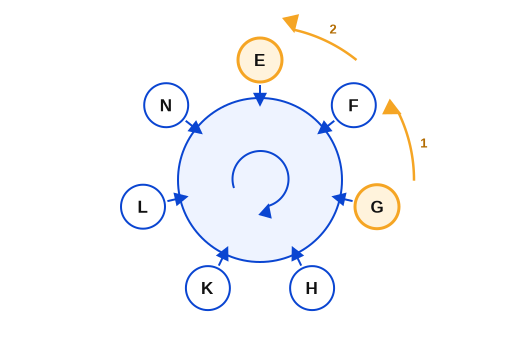
Q18710.
E, F, G, H, K, L and N are sitting around a circular table facing the centre (but not necessarily in the same order) . N sits to the immediate right of E. Only three people sit between N and H when counted from the left of N . Only three people sit between E and K. F sits to the immediate right of G.
How many people sit between E and G when counted from the right of G ?
E, F, G, H, K, L और N एक वृत्ताकार मेज के चारों ओर केंद्र की ओर मुख करके बैठे हैं (आवश्यक नहीं कि इसी क्रम में)। N, E के ठीक दाईं ओर बैठा है। N के बाईं ओर से गिनने पर N और H के बीच केवल तीन व्यक्ति बैठे हैं। E और K के बीच केवल तीन व्यक्ति बैठे हैं। F, G के ठीक दाईं ओर बैठा है।
G के दाईं ओर से गिनने पर E और G के बीच कितने व्यक्ति बैठे हैं?
  1. AThreeतीन
  2. BFourचार
  3. COneएक
  4. DTwoदो
Show answer

Concept: Facing the centre: right = anticlockwise, left = clockwise.

  1. Seats 1–7 clockwise; E = 1. N immediate right of E → N = 7.
  2. From left (clockwise) of N, three between → H = 4.
  3. Three between E and K → K = 5 (other side would hit H).
  4. Free seats 2, 3, 6; F immediate right of G → G = 3, F = 2; L = 6.
  5. From G's right (anticlockwise): G(3) → F(2) → E(1): one person between.

Trick: Facing centre, 'right' moves anticlockwise – draw arrows once and count.

Answer: (C) One

अवधारणा: केंद्र की ओर मुख हो तो दायाँ = वामावर्त, बायाँ = दक्षिणावर्त।

  1. सीट 1–7 दक्षिणावर्त; E = 1। N, E के ठीक दाएँ → N = 7।
  2. N के बाएँ (दक्षिणावर्त) से तीन के बाद → H = 4।
  3. E और K के बीच तीन → K = 5 (दूसरी ओर H से टकराव)।
  4. खाली सीटें 2, 3, 6; F, G के ठीक दाएँ → G = 3, F = 2; L = 6।
  5. G के दाएँ से (वामावर्त): G(3) → F(2) → E(1): बीच में एक व्यक्ति।

ट्रिक: केंद्रमुखी में 'दायाँ' वामावर्त चलता है – एक बार तीर बनाकर गिनें।

उत्तर: (C) एक

SSC GDGeneral Intelligence & ReasoningCircular seating – facing centreSSC GD 2025 · 17 Feb Shift 1 →
Q18711.
Select the combination of letters that when sequentially placed in the blanks of the given series, will logically complete the series.
_QMRN_OTPU_VRWS_TYU_
उन अक्षरों के संयोजन का चयन कीजिए, जिन्हें दी गई शृंखला के रिक्त स्थानों में क्रमिक रूप से रखने पर शृंखला तार्किक रूप से पूर्ण हो जाएगी।
_QMRN_OTPU_VRWS_TYU_
  1. ALSQXZ
  2. BKSNXW
  3. CLRQUZ
  4. DKRNUW
Show answer

Concept: Split the series into equal blocks; each block is the previous one shifted by a fixed number.

  1. Blocks: _QMR | N_OT | PU_V | RWS_ | TYU_
  2. Block 2 vs block 1: every letter is +2 (Q→S, M→O, R→T).
  3. Blocks: LQMR, NSOT, PUQV, RWSX, TYUZ → blanks L, S, Q, X, Z.

Trick: First blank: N − 2 = L, so the answer starts with L; then 2nd blank Q + 2 = S picks (A).

Answer: (A) LSQXZ

अवधारणा: शृंखला को बराबर खंडों में बाँटें; हर खंड पिछले खंड से निश्चित अक्षर आगे है।

  1. खंड: _QMR | N_OT | PU_V | RWS_ | TYU_
  2. खंड 2 बनाम खंड 1: हर अक्षर +2 (Q→S, M→O, R→T)।
  3. खंड: LQMR, NSOT, PUQV, RWSX, TYUZ → रिक्त स्थान L, S, Q, X, Z।

ट्रिक: पहला रिक्त N − 2 = L; दूसरा Q + 2 = S – सीधे (A)।

उत्तर: (A) LSQXZ

SSC GDGeneral Intelligence & ReasoningLetter series – blocks of fourSSC GD 2025 · 17 Feb Shift 1 →
Q18712.
In a certain code language, 'plant more trees' is coded as 'uf gk ro' and 'trees give oxygen' is coded as ' lm xs gk '. How is 'trees' coded in the given language?
एक निश्चित कूट भाषा में, 'plant more trees' को 'uf gk ro' के रूप में तथा 'trees give oxygen' को 'lm xs gk' के रूप में कूटबद्ध किया जाता है। दी गई भाषा में 'trees' को किस प्रकार कूटबद्ध किया जाएगा?
  1. Aro
  2. Buf
  3. Cxs
  4. Dgk
Show answer

Concept: A word that appears in two sentences gets the code that appears in both code groups.

  1. Common word in both sentences: 'trees'.
  2. Common code in 'uf gk ro' and 'lm xs gk': 'gk'.
  3. So trees = gk.

Trick: Never use word order – codes are jumbled; only matching common items works.

Answer: (D) gk

अवधारणा: दो वाक्यों में साझा शब्द का कूट वही होगा जो दोनों कूट-समूहों में साझा है।

  1. दोनों वाक्यों में साझा शब्द: 'trees'।
  2. 'uf gk ro' और 'lm xs gk' में साझा कूट: 'gk'।
  3. अतः trees = gk।

ट्रिक: शब्दों का क्रम न देखें – कूट उलझे होते हैं; केवल साझा शब्द-कूट मिलाएँ।

उत्तर: (D) gk

SSC GDGeneral Intelligence & ReasoningCoding – common word, common codeSSC GD 2025 · 17 Feb Shift 1 →
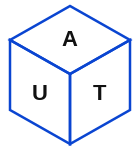
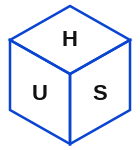
Q18713.
A dice has its faces marked by letters U, J, T, H, A and S. Two positions of the same dice are given below. Which face is opposite to face J ?

एक पासे के फलकों पर U, J, T, H, A और S अक्षर अंकित हैं। इसी पासे की दो स्थितियाँ नीचे दी गई हैं। J फलक के विपरीत कौन-सा फलक है?

  1. AS
  2. BA
  3. CU
  4. DT
Show answer

Concept: Letters seen next to a face are its neighbours; the one never seen with it is opposite.

  1. U appears in both views at the same place.
  2. View 1 shows A, T beside U; view 2 shows H, S beside U.
  3. So A, T, H, S are the four neighbours of U; the only remaining letter J is opposite U.

Trick: Common face in both views → list its 4 neighbours → the 6th letter is its opposite.

Answer: (C) U

अवधारणा: जो अक्षर किसी फलक के साथ दिखते हैं वे पड़ोसी हैं; जो कभी साथ न दिखे वह विपरीत है।

  1. U दोनों स्थितियों में एक ही जगह दिखता है।
  2. पहली स्थिति में U के साथ A, T; दूसरी में H, S दिखते हैं।
  3. अतः U के चारों पड़ोसी A, T, H, S हैं; बचा अक्षर J, U के विपरीत है।

ट्रिक: दोनों स्थितियों का साझा फलक → उसके 4 पड़ोसी गिनें → छठा अक्षर विपरीत।

उत्तर: (C) U

SSC GDGeneral Intelligence & ReasoningDice – opposite faceSSC GD 2025 · 17 Feb Shift 1 →
Q18714.
The position(s) of how many letters will remain unchanged if each of the letters in the word FUNFAIRS is arranged in reverse English alphabetical order?
यदि शब्द FUNFAIRS के प्रत्येक अक्षर को अंग्रेजी वर्णमाला के विपरीत क्रम में व्यवस्थित किया जाए, तो कितने अक्षरों की स्थिति अपरिवर्तित रहेगी?
  1. AZeroशून्य
  2. BThreeतीन
  3. COneएक
  4. DTwoदो
Show answer

Concept: Write the letters in Z→A order and compare position by position.

  1. Original word: FUNFAIRS.
  2. Arranged Z→A: USRNIFFA.
  3. Place by place (1st to 8th) the two strings differ everywhere – no letter stays put.

Trick: Check only letters that could stay: first must be the largest (U) – F isn't, so scan quickly; none match.

Answer: (A) Zero

अवधारणा: अक्षरों को Z→A क्रम में लिखें और स्थान-दर-स्थान मिलाएँ।

  1. मूल शब्द: FUNFAIRS
  2. Z→A क्रम में: USRNIFFA
  3. दोनों को पहले से आठवें स्थान तक मिलाएँ – किसी भी स्थान पर एक जैसा अक्षर नहीं।

ट्रिक: पहला अक्षर सबसे बड़ा (U) और अंतिम सबसे छोटा (A) होना चाहिए – मूल शब्द में ऐसा नहीं, बाकी भी जल्दी जाँचें।

उत्तर: (A) शून्य

SSC GDGeneral Intelligence & ReasoningLetter rearrangement – reverse orderSSC GD 2025 · 17 Feb Shift 1 →
Q18715.
In a certain code language, GTSU is written as TGHF and KJIE is written as PQRV. How will ALMO be written in the given language?
एक निश्चित कूट भाषा में, GTSU को TGHF लिखा जाता है तथा KJIE को PQRV लिखा जाता है। दी गई भाषा में ALMO को किस प्रकार लिखा जाएगा?
  1. AZYEL
  2. BZLNO
  3. CZONL
  4. DLOGL
Show answer

Concept: Each letter is replaced by its opposite letter (positions add to 27).

  1. G(7) → T(20), T → G, S(19) → H(8), U(21) → F(6): sums = 27.
  2. KJIE → PQRV also follows it.
  3. ALMO: A → Z, L → O, M → N, O → L = ZONL.

Trick: Opposite pairs mnemonic: AZ, BY, … LO ('LOve'), MN ('MaN').

Answer: (C) ZONL

अवधारणा: हर अक्षर को उसके विपरीत अक्षर से बदला गया है (स्थानों का योग 27)।

  1. G(7) → T(20), T → G, S(19) → H(8), U(21) → F(6): योग = 27
  2. KJIE → PQRV भी इसी नियम से।
  3. ALMO: A → Z, L → O, M → N, O → L = ZONL

ट्रिक: विपरीत जोड़े याद रखें: AZ, BY, … LO, MN।

उत्तर: (C) ZONL

SSC GDGeneral Intelligence & ReasoningCoding – opposite lettersSSC GD 2025 · 17 Feb Shift 1 →
Q18716.
Read the given statements and conclusions carefully. Assuming that the information given in the statements is true, even if it appears to be at variance with commonly known facts, decide which of the given conclusions logically follow(s) from the statements.
Statements:
All vacuums are machines.
No vacuum is a game.
All games are toys.
Conclusions:
(I) No toy is a machine.
(II) Some toys are vacuums.
दिए गए कथनों और निष्कर्षों को ध्यानपूर्वक पढ़िए। यह मानते हुए कि कथनों में दी गई जानकारी सत्य है, चाहे वह सर्वज्ञात तथ्यों से भिन्न प्रतीत होती हो, निर्णय कीजिए कि दिए गए निष्कर्षों में से कौन-सा/से निष्कर्ष कथनों का तार्किक रूप से अनुसरण करता है/करते हैं।
कथन:
सभी वैक्यूम मशीनें हैं।
कोई भी वैक्यूम खेल नहीं है।
सभी खेल खिलौने हैं।
निष्कर्ष:
(I) कोई भी खिलौना मशीन नहीं है।
(II) कुछ खिलौने वैक्यूम हैं।
  1. AOnly conclusion (II) followsकेवल निष्कर्ष (II) अनुसरण करता है
  2. BBoth conclusions (I) and (II) followनिष्कर्ष (I) और (II) दोनों अनुसरण करते हैं
  3. COnly conclusion (I) followsकेवल निष्कर्ष (I) अनुसरण करता है
  4. DNeither conclusion (I) nor (II) followsन तो निष्कर्ष (I) और न ही निष्कर्ष (II) अनुसरण करता है
Show answer

Concept: A conclusion follows only if it is true in every possible diagram.

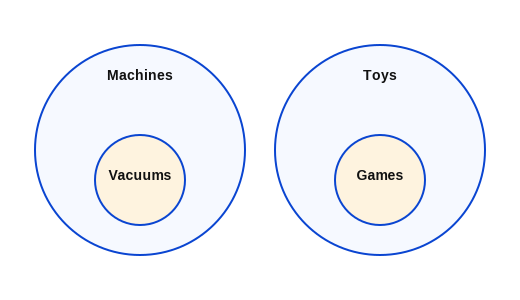
  1. Vacuum circle inside Machine; Game circle inside Toy; Vacuum and Game separate.
  2. (I) 'No toy is a machine': toys and machines may overlap – not certain.
  3. (II) 'Some toys are vacuums': vacuums may lie fully outside toys – not certain.
  4. Neither follows.

Trick: 'No' + 'All' chains rarely link two outer circles – if no direct link is given, both 'no' and 'some' are doubtful.

Answer: (D) Neither conclusion (I) nor (II) follows

अवधारणा: कोई निष्कर्ष तभी मान्य है जब कथनों से वह निश्चित रूप से निकले – किसी भी चित्र में गलत न हो सके।

  1. वैक्यूम, मशीन के अंदर; खेल, खिलौने के अंदर; वैक्यूम और खेल अलग।
  2. (I) के लिए खिलौना-वृत्त मशीन-वृत्त को काट सकता है, अतः यह पक्का नहीं।
  3. (II) के लिए वैक्यूम-वृत्त को खिलौना-वृत्त से पूरा बाहर रखा जा सकता है, अतः यह भी पक्का नहीं।
  4. कोई भी निष्कर्ष नहीं निकलता।

ट्रिक: जिन दो बाहरी वर्गों के बीच सीधा संबंध न दिया हो, उन पर 'कोई नहीं' और 'कुछ' दोनों संदिग्ध रहते हैं।

उत्तर: (D) न तो निष्कर्ष (I) और न ही निष्कर्ष (II) अनुसरण करता है

SSC GDGeneral Intelligence & ReasoningSyllogismSSC GD 2025 · 17 Feb Shift 1 →
Q18717.
Which of the following rivers is NOT mentioned in Rigveda ?
निम्नलिखित में से किस नदी का उल्लेख ऋग्वेद में नहीं है ?
  1. AKrishnaकृष्णा
  2. BYamunaयमुना
  3. CSaraswatiसरस्वती
  4. DSindhuसिंधु
Show answer

Concept: The Rigveda knows the rivers of north-west India (Sapta Sindhu region), not those of the Deccan.

  1. Sindhu (Indus), Saraswati and Yamuna are all named in the Rigveda; the Nadistuti hymn praises a list of rivers.
  2. Krishna rises at Mahabaleshwar in the Western Ghats and flows through the Deccan – far outside the Rigvedic area.

Yaad rakhein: Old Rigvedic names: Vitasta = Jhelum, Asikni = Chenab, Parushni = Ravi, Vipasha = Beas, Shutudri = Sutlej.

Answer: (A) Krishna

अवधारणा: ऋग्वैदिक लोग उत्तर-पश्चिम भारत (सप्त सैंधव) की नदियों से परिचित थे, दक्कन की नदियों से नहीं।

  1. सिंधु, सरस्वती और यमुना – तीनों ऋग्वेद में आती हैं; नदी-सूक्त में कई नदियों की स्तुति है।
  2. कृष्णा पश्चिमी घाट (महाबलेश्वर) से निकलकर दक्कन में बहती है – ऋग्वैदिक क्षेत्र से बहुत दूर।

याद रखें: पुराने नाम: वितस्ता = झेलम, अस्किनी = चिनाब, परुष्णी = रावी, विपाशा = ब्यास, शुतुद्री = सतलुज।

उत्तर: (A) कृष्णा

SSC GDGeneral Knowledge & General AwarenessRivers of the RigvedaSSC GD 2025 · 17 Feb Shift 1 →
Q18718.
Which was an ancient ocean that existed approximately 250 to 50 million years ago before the evolution of the Indian Ocean ?
हिंद महासागर के विकास से पहले लगभग 250 से 50 मिलियन वर्ष पूर्व विद्यमान प्राचीन महासागर कौन-सा था ?
  1. ATethys seaटेथिस सागर
  2. BIonian Seaआयोनियन सागर
  3. CAegean Seaईजियन सागर
  4. DAral Seaअरल सागर
Show answer

Concept: Before the Indian Ocean took shape, the Tethys Sea separated Laurasia (north) and Gondwanaland (south).

  1. As the Indian plate moved north, the Tethys closed; its sediments were pushed up to form the Himalayas.
  2. Ionian and Aegean are parts of today's Mediterranean; Aral is an inland lake-sea of Central Asia.

Yaad rakhein: Marine fossils found in the Himalayas are proof that the Tethys once lay there.

Answer: (A) Tethys sea

अवधारणा: हिंद महासागर बनने से पहले टेथिस सागर उत्तर के लॉरेशिया और दक्षिण के गोंडवानालैंड के बीच था।

  1. जब इंडियन प्लेट ने उत्तर दिशा में यात्रा की, तब टेथिस बंद हुआ और उसके अवसाद ऊपर उठकर हिमालय बने।
  2. आयोनियन और एजियन सागर आज के भूमध्य सागर के भाग हैं; अरल मध्य एशिया की भीतरी झील-सागर है।

याद रखें: हिमालय में मिलने वाले समुद्री जीवाश्म बताते हैं कि वहाँ कभी टेथिस सागर था।

उत्तर: (A) टेथिस सागर

SSC GDGeneral Knowledge & General AwarenessTethys SeaSSC GD 2025 · 17 Feb Shift 1 →
Q18719.
Who among the following authored the book 'Sarvajanik Satyadharma' ?
निम्नलिखित में से किसने 'सार्वजनिक सत्यधर्म' नामक पुस्तक की रचना की थी ?
  1. AJyotiba Phuleज्योतिबा फुले
  2. BSwami Vivekanandaस्वामी विवेकानंद
  3. CDebendranath Tagoreदेवेंद्रनाथ टैगोर
  4. DMahatma Gandhiमहात्मा गांधी
Show answer

Concept: Jyotiba Phule wrote 'Sarvajanik Satyadharma Pustak' on a caste-free religion of truth.

  1. Phule founded the Satyashodhak Samaj in 1873.
  2. His other books: Gulamgiri (1873) and Shetkaryacha Asud.
  3. Hind Swaraj is Gandhi's; Raja Yoga is Vivekananda's – so the other names are ruled out.

Trick: Phule + Satya: Satyashodhak Samaj and Sarvajanik Satyadharma both start with 'Satya'.

Answer: (A) Jyotiba Phule

अवधारणा: ज्योतिबा फुले ने जाति-मुक्त 'सत्य धर्म' पर 'सार्वजनिक सत्यधर्म' पुस्तक लिखी।

  1. सत्यशोधक समाज (स्थापना वर्ष 1873) भी फुले की ही देन है।
  2. उनकी अन्य रचनाएँ: गुलामगिरी (1873) और शेतकऱ्यांचा आसूड।
  3. हिंद स्वराज गांधीजी की और राजयोग विवेकानंद की पुस्तक है।

ट्रिक: फुले = 'सत्य': सत्यशोधक समाज और सार्वजनिक सत्यधर्म, दोनों 'सत्य' से शुरू।

उत्तर: (A) ज्योतिबा फुले

SSC GDGeneral Knowledge & General AwarenessSarvajanik Satyadharma – authorSSC GD 2025 · 17 Feb Shift 1 →
Q18720.
What was a unique feature of the Fifth Five Year Plan (1974-1979) ?
पाँचवीं पंचवर्षीय योजना (1974-1979) की एक विशिष्ट विशेषता क्या थी ?
  1. AIt was the first plan to focus on the environment.यह पर्यावरण पर ध्यान केंद्रित करने वाली पहली योजना थी।
  2. BIt introduced economic liberalisation.इसने आर्थिक उदारीकरण की शुरुआत की।
  3. CExclusive focus on the service sectorकेवल सेवा क्षेत्र पर ध्यान केंद्रित करना
  4. DEmphasis on 'Garibi Hatao' (Eradicate Poverty)'गरीबी हटाओ' पर बल
Show answer

Concept: The Fifth Plan (1974–79) aimed at removal of poverty ('Garibi Hatao') and self-reliance.

  1. The plan was ended early in 1978 by the Janata government, which began Rolling Plans.
  2. Liberalisation came only with the 1991 reforms and the Eighth Plan (1992–97).
  3. No plan ever focused exclusively on the service sector.

Trick: Garibi Hatao slogan → Indira Gandhi (1971 election) → built into the Fifth Plan.

Answer: (D) Emphasis on 'Garibi Hatao' (Eradicate Poverty)

अवधारणा: पाँचवीं योजना (1974–79) का मुख्य लक्ष्य गरीबी उन्मूलन ('गरीबी हटाओ') और आत्मनिर्भरता था।

  1. जनता सरकार ने इसे 1978 में एक वर्ष पहले समाप्त कर अनवरत (रोलिंग) योजना शुरू की।
  2. उदारीकरण 1991 के सुधारों और आठवीं योजना (1992–97) से जुड़ा है।
  3. किसी भी योजना में केवल सेवा क्षेत्र पर ध्यान नहीं दिया गया।

ट्रिक: 'गरीबी हटाओ' नारा = इंदिरा गांधी (1971 चुनाव) → पाँचवीं योजना में शामिल।

उत्तर: (D) 'गरीबी हटाओ' पर बल

SSC GDGeneral Knowledge & General AwarenessFifth Five Year PlanSSC GD 2025 · 17 Feb Shift 1 →