Question bank

Q&A: practice questions with answers

Search questions on any topic. Filter by exam category, exam, subject and topic, try the question, then open the answer and explanation.

Courses – airGurukul

5,000 questions found.

Directions (Qs. 18-22): Read the following passage carefully and answer the questions that follow.

In modern business, the traditional office has long been viewed as the essential hub for productivity and team collaboration. These workspaces, which require strict and constant supervision, are designed to ensure direct oversight of employees. However, in recent times, their absolute necessity seems to be diminishing for various reasons.

Firstly, a growing number of employees and managers claim that physical presence prioritizes attendance rather than true output or efficiency. Furthermore, the fatigue and expense associated with daily commuting often affect workers' work-life balance poorly. With the adoption of digital tools, like video conferencing and cloud platforms, many companies are rethinking their dependence on central headquarters.

Additionally, the rapid expansion of global internet access has offered professionals flexible options for employment. Today, leaders are placing higher value on autonomous work, deliverables, and digital adaptability rather than solely on desk time. While physical offices still possess utility, their dominance is gradually waning as the economy shifts towards more flexible ways of operating.
Q2721.
In the sentence:
"Furthermore, the fatigue and expense associated with daily commuting often affect workers' work-life balance poorly," which of the following is the closest synonym for the phrase "associated with" as used in the sentence?
  1. Adisconnected from
  2. Bhidden by
  3. Cconnected to
  4. Dimproved by
Show answer

Concept: Replace the phrase with one that keeps the sentence's meaning.

  1. 'Fatigue and expense associated with commuting' = tiredness and cost linked to commuting.
  2. 'connected to' expresses the same link.
  3. A is the opposite; B and D add ideas absent from the sentence.

Trick: Substitute each option into the sentence – only 'connected to' reads naturally.

Answer: (C) connected to

अवधारणा: ऐसा विकल्प चुनें जो वाक्य का अर्थ न बदले।

हल:

  1. 'commuting से associated थकान और खर्च' = आने-जाने से जुड़ी थकान और खर्च।
  2. 'connected to' भी यही संबंध बताता है।
  3. A विलोम है; B, D नए भाव जोड़ते हैं।

ट्रिक: हर विकल्प वाक्य में रखकर पढ़ें – केवल 'connected to' सही बैठता है।

उत्तर: (C) connected to
SSC CHSLEnglish LanguageSynonym in context – 'associated with'SSC CHSL 2025 · 20 Nov Shift 3 →
Directions (Qs. 18-22): Read the following passage carefully and answer the questions that follow.

In modern business, the traditional office has long been viewed as the essential hub for productivity and team collaboration. These workspaces, which require strict and constant supervision, are designed to ensure direct oversight of employees. However, in recent times, their absolute necessity seems to be diminishing for various reasons.

Firstly, a growing number of employees and managers claim that physical presence prioritizes attendance rather than true output or efficiency. Furthermore, the fatigue and expense associated with daily commuting often affect workers' work-life balance poorly. With the adoption of digital tools, like video conferencing and cloud platforms, many companies are rethinking their dependence on central headquarters.

Additionally, the rapid expansion of global internet access has offered professionals flexible options for employment. Today, leaders are placing higher value on autonomous work, deliverables, and digital adaptability rather than solely on desk time. While physical offices still possess utility, their dominance is gradually waning as the economy shifts towards more flexible ways of operating.
Q2722.
What is the main idea of the passage ?
  1. ATraditional offices are being banned by the government
  2. BRemote work is lazy and unproductive
  3. CThe dominance of traditional offices is fading due to new work flexibility
  4. DEmployees should never go into an office again
Show answer

Concept: The main idea covers the whole passage, not one detail or an extreme claim.

  1. Para 1: offices were seen as essential, now less so.
  2. Paras 2–3: commuting cost, digital tools, global internet → more flexible work.
  3. Last line: office 'dominance is gradually waning'.
  4. A (government ban) and D ('never') are extreme; B is a negative opinion not in the text.

Trick: Reject options with absolute words like 'never', 'banned' – main ideas are usually balanced.

Answer: (C) The dominance of traditional offices is fading due to new work flexibility

अवधारणा: मुख्य विचार पूरे गद्यांश को समेटता है, किसी एक बात या अतिशयोक्ति को नहीं।

हल:

  1. पैरा 1: ऑफिस को ज़रूरी माना जाता था, अब कम।
  2. पैरा 2–3: आने-जाने का खर्च, डिजिटल टूल, इंटरनेट → लचीला काम।
  3. अंतिम पंक्ति: ऑफिस का 'dominance gradually waning'।
  4. A (सरकारी प्रतिबंध), D ('never') अतिशयोक्ति हैं; B गद्यांश में नहीं है।

ट्रिक: 'never', 'banned' जैसे पूर्ण/अतिवादी शब्दों वाले विकल्प हटा दें।

उत्तर: (C) The dominance of traditional offices is fading due to new work flexibility

SSC CHSLEnglish LanguageReading comprehension – main ideaSSC CHSL 2025 · 20 Nov Shift 3 →
Q2723.
Which word is closest in meaning to knack ?
She had a special knack for fixing broken engines easily.
  1. AInability
  2. BDoubt
  3. CSkill
  4. DMistake
Show answer

Concept: Find the word with the closest meaning.

  1. 'Knack' = a natural talent or ability to do something well.
  2. She fixes engines easily → her ability → Skill.
  3. Inability is the opposite; Doubt and Mistake don't fit.

Trick: 'Has a knack for' = 'is good at'.

Answer: (C) Skill

अवधारणा: निकटतम अर्थ वाला शब्द चुनें।

हल:

  1. 'Knack' = किसी काम को अच्छे से करने की स्वाभाविक कला/क्षमता।
  2. वह इंजन आसानी से ठीक करती है → उसकी क्षमता → Skill।
  3. Inability विलोम है; Doubt, Mistake मेल नहीं खाते।

ट्रिक: 'Has a knack for' = 'में माहिर होना'।

उत्तर: (C) Skill

SSC CHSLEnglish LanguageSynonym in context – knackSSC CHSL 2025 · 20 Nov Shift 3 →
Q2724.
What is the term for an object through which light cannot pass ?
  1. ATransparent
  2. BOpaque
  3. CTranslucent
  4. DLuminous
Show answer

Concept: Materials are classed by how much light passes through them.

  1. Opaque: no light passes (wall, wood).
  2. Transparent: almost all light passes (clear glass); Translucent: partial (butter paper).
  3. Luminous: emits its own light (Sun).

Trick: Order by light passing: Transparent > Translucent > Opaque (0%).

Answer: (B) Opaque

अवधारणा: वस्तुएँ इस आधार पर बँटती हैं कि उनसे कितना प्रकाश गुजरता है।

हल:

  1. Opaque (अपारदर्शी): प्रकाश बिल्कुल नहीं गुजरता (दीवार, लकड़ी)।
  2. Transparent (पारदर्शी): लगभग पूरा; Translucent (पारभासी): आंशिक (बटर पेपर)।
  3. Luminous: स्वयं प्रकाश देने वाला (सूर्य)।

ट्रिक: प्रकाश का क्रम: Transparent > Translucent > Opaque (0%)।

उत्तर: (B) Opaque

SSC CHSLEnglish LanguageOne-word substitution – opaqueSSC CHSL 2025 · 20 Nov Shift 3 →
Q2725.
What is the term for a government controlled by the wealthy ?
  1. APlutocracy
  2. BAristocracy
  3. CTheocracy
  4. DBureaucracy
Show answer

Concept: Words ending in '-cracy' mean 'rule by'.

  1. Pluto/ploutos = wealth → Plutocracy = rule by the rich.
  2. Aristocracy = nobles; Theocracy = religious leaders/God; Bureaucracy = officials.

Trick: Pluto was the Greek god of riches – link 'Pluto' with 'wealth'.

Answer: (A) Plutocracy

अवधारणा: '-cracy' का अर्थ है 'शासन'।

हल:

  1. Ploutos = धन → Plutocracy = धनिकों का शासन (धनिकतंत्र)।
  2. Aristocracy = कुलीन वर्ग; Theocracy = धर्मगुरु/ईश्वर के नाम पर; Bureaucracy = अफसरशाही।

ट्रिक: ग्रीक देवता Pluto को धन का देवता माना जाता था – Pluto = धन।

उत्तर: (A) Plutocracy

SSC CHSLEnglish LanguageOne-word substitution – plutocracySSC CHSL 2025 · 20 Nov Shift 3 →
Q2726.
A shopkeeper bought 20 dozens of eggs at ₹60 per dozen. He sold 15 dozens at ₹70 per dozen and the remaining eggs at ₹55 per dozen. What is his total profit or loss?
एक दुकानदार ने ₹60 प्रति दर्जन की दर से 20 दर्जन अंडे खरीदे। उसने 15 दर्जन अंडे ₹70 प्रति दर्जन की दर से तथा शेष अंडे ₹55 प्रति दर्जन की दर से बेच दिए। उसका कुल लाभ अथवा हानि कितनी है?
  1. A₹155 Profit₹155 लाभ
  2. B₹125 Profit₹125 लाभ
  3. C₹145 Loss₹145 हानि
  4. D₹120 Profit₹120 लाभ
Show answer

Concept: Profit = Total SP − Total CP.

  1. CP = 20 × ₹60 = ₹1200.
  2. SP = 15 × ₹70 + 5 × ₹55 = ₹1050 + ₹275 = ₹1325.
  3. Profit = 1325 − 1200 = ₹125.

Trick: Work per dozen vs CP: 15 dozens earn +₹10 each = +₹150; 5 dozens lose ₹5 each = −₹25 → net +₹125.

Answer: (B) ₹125 Profit

अवधारणा: लाभ = कुल विक्रय मूल्य − कुल क्रय मूल्य।

हल:

  1. CP = 20 × ₹60 = ₹1200।
  2. SP = 15 × ₹70 + 5 × ₹55 = ₹1050 + ₹275 = ₹1325।
  3. लाभ = 1325 − 1200 = ₹125।

ट्रिक: प्रति दर्जन अंतर देखें: 15 दर्जन पर +₹10 = +₹150; 5 दर्जन पर −₹5 = −₹25 → कुल +₹125।

उत्तर: (B) ₹125 लाभ

SSC CHSLGeneral IntelligenceProfit and loss – mixed selling ratesSSC CHSL 2025 · 20 Nov Shift 3 →
Q2727.
If A:B=3:4 and B:C=5:6, what is A:B:C ?
यदि A:B=3:4 और B:C=5:6 है, तो A:B:C क्या होगा?
  1. A12:13:15
  2. B15 : 20 : 24
  3. C18:19:15
  4. D14:16:15
Show answer

Concept: Make the common term B equal in both ratios.

  1. A:B = 3:4, B:C = 5:6.
  2. A=3×5=15, B=4×5=20, C=4×6=24.
  3. A:B:C = 15:20:24.

Trick: N-shape rule: A=a×c, B=b×c, C=b×d for A:B = a:b and B:C = c:d.

Answer: (B) 15 : 20 : 24

अवधारणा: उभयनिष्ठ पद B को दोनों अनुपातों में बराबर करें।

हल:

  1. A:B = 3:4, B:C = 5:6।
  2. A=3×5=15, B=4×5=20, C=4×6=24।
  3. A:B:C = 15:20:24।

ट्रिक: N-नियम: A:B = a:b, B:C = c:d हो तो A=a×c, B=b×c, C=b×d।

उत्तर: (B) 15 : 20 : 24

SSC CHSLGeneral IntelligenceRatio – combining A:B and B:CSSC CHSL 2025 · 20 Nov Shift 3 →
Q2728.
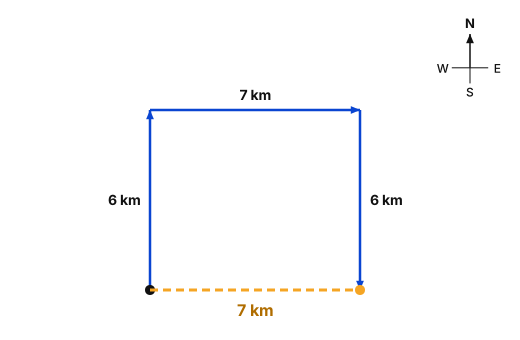
A person walks 6 km north, then 7 km east, and finally 6 km south. How far is he from his starting point?
एक व्यक्ति 6 km उत्तर की ओर चलता है, फिर 7 km पूर्व की ओर और अंत में 6 km दक्षिण की ओर चलता है। वह अपने प्रारंभिक बिंदु से कितनी दूर है?
  1. A6 km
  2. B7 km
  3. C8 km
  4. D9 km
Show answer

Concept: Equal moves in opposite directions cancel out.

  1. 6 km North and 6 km South cancel each other.
  2. Only 7 km East remains.
  3. Distance from start = 7 km.

Trick: Net N–S = 6−6=0, Net E–W = 7 → distance = 02+72=7 km.

Answer: (B) 7 km

अवधारणा: विपरीत दिशाओं की बराबर दूरियाँ एक-दूसरे को काट देती हैं।

हल:

  1. 6 km उत्तर और 6 km दक्षिण कट गए।
  2. केवल 7 km पूर्व बचा।
  3. आरंभ बिंदु से दूरी = 7 km।

ट्रिक: शुद्ध उत्तर-दक्षिण = 0, पूर्व-पश्चिम = 7 → दूरी = 02+72=7 km।

उत्तर: (B) 7 km

SSC CHSLGeneral IntelligenceDirection sense – shortest distanceSSC CHSL 2025 · 20 Nov Shift 3 →
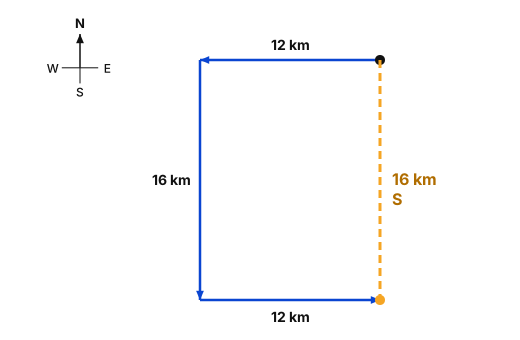
Q2729.
A person walks 12 km west, then 16 km south, and finally 12 km east. In which direction is he from his starting point?
एक व्यक्ति 12 km पश्चिम की ओर चलता है, फिर 16 km दक्षिण की ओर और अंत में 12 km पूर्व की ओर चलता है। वह अपने प्रारंभिक बिंदु से किस दिशा में है?
  1. ANorthउत्तर
  2. BSouthदक्षिण
  3. CEastपूर्व
  4. DWestपश्चिम
Show answer

Concept: Find the net displacement along each axis.

  1. 12 km West and 12 km East cancel → no east–west shift.
  2. Net movement = 16 km South.
  3. So he is due South of the start.

Trick: Cancel opposite equal moves first; whatever remains gives the direction directly.

Answer: (B) South

अवधारणा: हर अक्ष पर शुद्ध विस्थापन निकालें।

हल:

  1. 12 km पश्चिम और 12 km पूर्व कट गए।
  2. शुद्ध गति = 16 km दक्षिण।
  3. अतः वह आरंभ बिंदु से दक्षिण में है।

ट्रिक: पहले बराबर विपरीत दूरियाँ काटें; जो बचे वही दिशा है।

उत्तर: (B) दक्षिण

SSC CHSLGeneral IntelligenceDirection sense – final directionSSC CHSL 2025 · 20 Nov Shift 3 →
Q2730.
Pick the correct options from the given alternatives
UPZ : VQA : : LFZ : ?
दिए गए विकल्पों में से सही विकल्प चुनिए
UPZ : VQA : : LFZ : ?
  1. AHMC
  2. BCMH
  3. CAQV
  4. DMGA
Show answer

Concept: Find the letter shift from the first pair and apply it.

  1. U→V, P→Q, Z→A: each letter +1 (Z wraps to A).
  2. LFZ: L→M, F→G, Z→A.
  3. Answer: MGA.

Trick: Z + 1 = A (cyclic); only one option ends in A after a +1 rule – MGA.

Answer: (D) MGA

अवधारणा: पहले जोड़े से अक्षर का खिसकाव निकालकर लागू करें।

हल:

  1. U→V, P→Q, Z→A: हर अक्षर +1 (Z के बाद फिर A)।
  2. LFZ: L→M, F→G, Z→A।
  3. उत्तर: MGA।

ट्रिक: Z + 1 = A (चक्रीय); L+1 = M से शुरू होने वाला एक ही विकल्प है – MGA।

उत्तर: (D) MGA

SSC CHSLGeneral IntelligenceLetter analogy – +1 shiftSSC CHSL 2025 · 20 Nov Shift 3 →
Q2731.
Select the correct options from the given alternatives 24,36,48,?
दिए गए विकल्पों में से सही विकल्प चुनिए 24,36,48,?
  1. A108
  2. B510
  3. C810
  4. D1210
Show answer

Concept: The terms are fractions 24, 36, 48 – each equals 12.

  1. Numerators: 2, 3, 4 → next 5.
  2. Denominator = 2× numerator → 10.
  3. Next term = 510 (shown as 510).

Trick: Every term = 12; pick the option that also equals 12 → 510.

Answer: (B) 510

अवधारणा: पद भिन्न हैं: 24, 36, 48 – सबका मान 12।

हल:

  1. अंश: 2, 3, 4 → अगला 5।
  2. हर = 2× अंश → 10।
  3. अगला पद = 510 (510 के रूप में लिखा)।

ट्रिक: हर पद = 12; जिस विकल्प का मान भी 12 हो वही उत्तर – 510।

उत्तर: (B) 510

SSC CHSLGeneral IntelligenceNumber series – equivalent fractionsSSC CHSL 2025 · 20 Nov Shift 3 →
Q2732.
For the question below, carefully examine the Reference Statement. Then, identify the single option among the four alternatives (a, b, c, d) that is an EXACT AND COMPLETE REPLICATION of the Reference Statement. Pay exceptionally close attention to every character, number, symbol, space, and punctuation mark.
Reference: Detroit ; 15 Augu.st, 2024 (Tuesday).
नीचे दिए गए प्रश्न में संदर्भ कथन को ध्यानपूर्वक देखिए। फिर चार विकल्पों (a, b, c, d) में से उस एक विकल्प की पहचान कीजिए जो संदर्भ कथन की पूर्णतः सटीक प्रतिकृति है। प्रत्येक अक्षर, अंक, चिह्न, रिक्त स्थान और विराम-चिह्न पर अत्यंत सावधानी से ध्यान दीजिए।
संदर्भ: Detroit ; 15 Augu.st, 2024 (Tuesday).
  1. ADetroit ; 15 Augu.st, 2025 (Thursday).
  2. BDetroit ; 15 Augu.st, 2024 (Tuesday).
  3. CDetroit ; 15 Augus.t, 2024 (Thursday).
  4. DDetroit ; 15 Augu.st, 2024 (Tuesday).
Show answer

Concept: Compare place, date, year and day character by character.

  1. A: year 2025 and day Thursday – wrong.
  2. C: 'Augus.t' and Thursday – wrong.
  3. B matches every character of the reference.

Trick: Check the parts most likely to be altered first – digits and the bracketed day – to eliminate fast.

Answer: (B) Detroit ; 15 Augu.st, 2024 (Tuesday).

अवधारणा: स्थान, तारीख, वर्ष और दिन को अक्षर-दर-अक्षर मिलाएँ।

हल:

  1. A: वर्ष 2025 और दिन Thursday – गलत।
  2. C: 'Augus.t' और Thursday – गलत।
  3. B हर चिह्न में संदर्भ से मेल खाता है।

ट्रिक: सबसे पहले अंक और कोष्ठक वाला दिन जाँचें – जल्दी विकल्प हटते हैं।

उत्तर: (B) Detroit ; 15 Augu.st, 2024 (Tuesday).

SSC CHSLGeneral IntelligenceExact replication – date statementSSC CHSL 2025 · 20 Nov Shift 3 →
Q2733.
For the question below, carefully examine the Reference Statement. Then, identify the single option among the four alternatives (a, b, c, d) that is an EXACT AND COMPLETE REPLICATION of the Reference Statement. Pay exceptionally close attention to every character, number, symbol, space, and punctuation mark.
Reference: Vacnaa, ST: 6 November 2025.
नीचे दिए गए प्रश्न में संदर्भ कथन को ध्यानपूर्वक देखिए। फिर चार विकल्पों (a, b, c, d) में से उस एक विकल्प की पहचान कीजिए जो संदर्भ कथन की पूर्णतः सटीक प्रतिकृति है। प्रत्येक अक्षर, अंक, चिह्न, रिक्त स्थान और विराम-चिह्न पर अत्यंत सावधानी से ध्यान दीजिए।
संदर्भ: Vacnaa, ST: 6 November 2025.
  1. AVacnaa, ST: 6 November 2025.
  2. BVaknaa, ST: 6 November 2025.
  3. CVacnaa, ST; 16 November 2025.
  4. DVantaa, ST: 21 Novembers 2026.
Show answer

Concept: Check spelling, punctuation and numbers one by one.

  1. B: 'Vaknaa' (k instead of c).
  2. C: semicolon after ST and date 16.
  3. D: 'Vantaa', 21, 'Novembers', 2026.
  4. A is identical.

Trick: Scan the first word's spelling first – it removes B and D in one look.

Answer: (A) Vacnaa, ST: 6 November 2025.

अवधारणा: वर्तनी, विराम-चिह्न और अंक क्रम से जाँचें।

हल:

  1. B: 'Vaknaa' (c की जगह k)।
  2. C: ST के बाद semicolon और तारीख 16।
  3. D: 'Vantaa', 21, 'Novembers', 2026।
  4. A बिल्कुल समान है।

ट्रिक: पहले शब्द की वर्तनी देखें – B और D एक नज़र में हट जाते हैं।

उत्तर: (A) Vacnaa, ST: 6 November 2025.

SSC CHSLGeneral IntelligenceExact replication – name and dateSSC CHSL 2025 · 20 Nov Shift 3 →
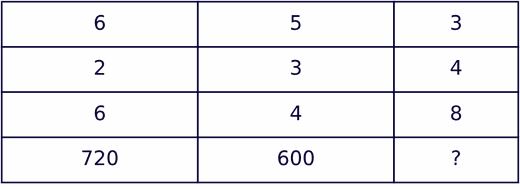
Q2734.
In the following question, select the number which can be placed at the sign of question mark (?) from the given alternatives.
figure
निम्नलिखित प्रश्न में, दिए गए विकल्पों में से वह संख्या चुनिए जिसे प्रश्नवाचक चिह्न (?) के स्थान पर रखा जा सकता है।
figure
  1. A860
  2. B960
  3. C760
  4. D660
Show answer

Concept: Bottom number = product of the three numbers above it × 10.

  1. Column 1: 6×2×6=72 → 720 ✓.
  2. Column 2: 5×3×4=60 → 600 ✓.
  3. Column 3: 3×4×8=96 → 960.

Trick: All answers end in 60 – just find the leading digit: 3×4×8=96 → 960.

Answer: (B) 960

अवधारणा: नीचे की संख्या = ऊपर की तीनों संख्याओं का गुणनफल × 10।

हल:

  1. स्तंभ 1: 6×2×6=72 → 720 ✓।
  2. स्तंभ 2: 5×3×4=60 → 600 ✓।
  3. स्तंभ 3: 3×4×8=96 → 960।

ट्रिक: सभी विकल्प 60 पर खत्म – बस 3×4×8=96 निकालें → 960।

उत्तर: (B) 960

SSC CHSLGeneral IntelligenceMissing number – column productSSC CHSL 2025 · 20 Nov Shift 3 →
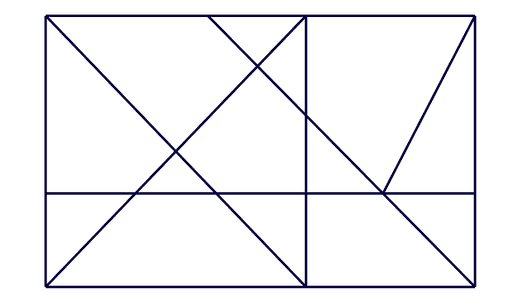
Q2735.
How many triangles are there in the given figure?
figure
दी गई आकृति में कितने त्रिभुज हैं?
figure
  1. A25
  2. B22
  3. C16
  4. D28
Show answer

Concept: Count triangles group-wise so none is missed or repeated.

  1. Group 1: triangles formed by the two long crossing slant lines with the rectangle's sides.
  2. Group 2: extra triangles created where the middle horizontal line cuts these slants.
  3. Group 3: triangles using the vertical line and the right-side slant line.
  4. Adding all groups gives 25 triangles.

Trick: Label every intersection point first, then count by 'which lines form the triangle' – faster and safer than eyeballing.

Answer: (A) 25

अवधारणा: त्रिभुज समूहों में गिनें ताकि कोई छूटे या दोहराए नहीं।

हल:

  1. समूह 1: दोनों लंबी तिरछी रेखाओं और आयत की भुजाओं से बने त्रिभुज।
  2. समूह 2: बीच की क्षैतिज रेखा द्वारा तिरछी रेखाओं को काटने से बने अतिरिक्त त्रिभुज।
  3. समूह 3: ऊर्ध्व रेखा और दाईं ओर की तिरछी रेखा से बने त्रिभुज।
  4. सब जोड़ने पर कुल 25 त्रिभुज।

ट्रिक: पहले हर कटान बिंदु पर नाम लिखें, फिर 'कौन-सी रेखाएँ त्रिभुज बनाती हैं' के आधार पर गिनें।

उत्तर: (A) 25

SSC CHSLGeneral IntelligenceCounting triangles – rectangle with diagonalsSSC CHSL 2025 · 20 Nov Shift 3 →
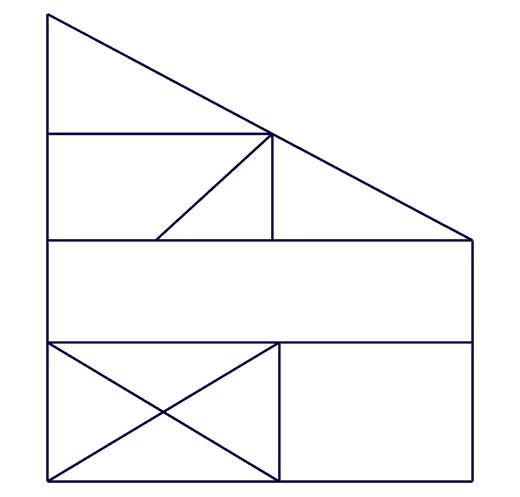
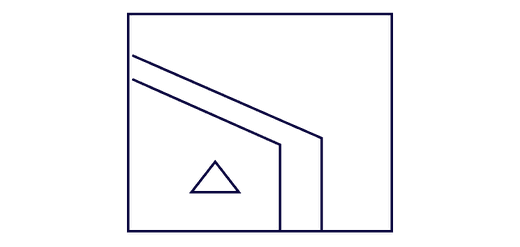
Q2736.
How many triangles are there in the given figure?
figure
दी गई आकृति में कितने त्रिभुज हैं?
figure
  1. A1313 (b) 15
  2. B1512
  3. C1214
  4. D14
Show answer

Concept: Split the figure into parts and count each part separately.

  1. Top slanted part: small top triangle 1 + whole big triangle 1 + three triangles at the point where the slant meets the vertical (two small + their union) = 5.
  2. Middle band: plain rectangle, no triangle.
  3. Bottom-left rectangle with both diagonals: 8.
  4. Total = 5 + 0 + 8 = 13.

Trick: A rectangle with both diagonals always contains 8 triangles – memorise it.

Answer: (A) 13

अवधारणा: आकृति को भागों में बाँटकर अलग-अलग गिनें।

हल:

  1. ऊपरी तिरछा भाग: सबसे ऊपर का छोटा त्रिभुज 1 + पूरा बड़ा त्रिभुज 1 + ऊर्ध्व रेखा वाले बिंदु पर बने 3 (दो छोटे + दोनों मिलाकर) = 5।
  2. बीच की पट्टी: सादा आयत, कोई त्रिभुज नहीं।
  3. नीचे बायाँ आयत जिसमें दोनों विकर्ण: 8।
  4. कुल = 5 + 0 + 8 = 13।

ट्रिक: दोनों विकर्णों वाले आयत में हमेशा 8 त्रिभुज होते हैं – याद रखें।

उत्तर: (A) 13 (b) 15

SSC CHSLGeneral IntelligenceCounting triangles – composite figureSSC CHSL 2025 · 20 Nov Shift 3 →
Q2737.
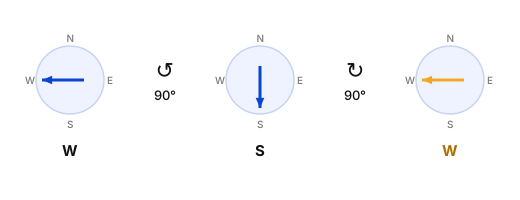
P is walking towards the west. He takes 1 left turn and 1 right turn. In which direction he will be facing finally ?
P पश्चिम की ओर चल रहा है। वह 1 बार बाएँ मुड़ता है और 1 बार दाएँ मुड़ता है। अंत में उसका मुख किस दिशा में होगा?
  1. ASouthदक्षिण
  2. BEastपूर्व
  3. CWestपश्चिम
  4. DNorthउत्तर
Show answer

Concept: Each left turn = 90° anticlockwise, each right turn = 90° clockwise.

  1. Facing West → left turn → South.
  2. Facing South → right turn → West.

Trick: One left + one right = net 0° turn, so the direction is unchanged.

Answer: (C) West

अवधारणा: बायाँ मोड़ = 90° वामावर्त, दायाँ मोड़ = 90° दक्षिणावर्त।

हल:

  1. पश्चिम की ओर → बाएँ मुड़ा → दक्षिण।
  2. दक्षिण की ओर → दाएँ मुड़ा → पश्चिम।

ट्रिक: एक बायाँ + एक दायाँ = कुल 0° मोड़, दिशा नहीं बदली।

उत्तर: (C) पश्चिम

SSC CHSLGeneral IntelligenceDirection sense – left then right turnSSC CHSL 2025 · 20 Nov Shift 3 →
Q2738.
M starts cycling 20 meters straight from her office. During her journey she took 16 right turns. Finally she is facing towards east direction. In which direction she started cycling ? (she took no left turn)
M अपने कार्यालय से 20 मीटर सीधे साइकिल चलाना आरंभ करती है। अपनी यात्रा के दौरान वह 16 बार दाएँ मुड़ती है। अंत में उसका मुख पूर्व दिशा की ओर है। उसने किस दिशा में साइकिल चलाना आरंभ किया था? (उसने एक भी बार बाएँ मोड़ नहीं लिया)
  1. ASouthदक्षिण
  2. BWestपश्चिम
  3. CNorthउत्तर
  4. DEastपूर्व
Show answer

Concept: 4 right turns = 360°, i.e. back to the original direction.

  1. 16 right turns = 16×90∘=1440∘ = 4 full rounds.
  2. Net change in direction = 0°.
  3. She ends facing East, so she started East.

Trick: Divide the number of turns by 4 and use only the remainder: 16÷4 → remainder 0 → no change.

Answer: (D) East

अवधारणा: 4 दाएँ मोड़ = 360°, यानी फिर उसी दिशा में।

हल:

  1. 16 दाएँ मोड़ = 16×90∘=1440∘ = 4 पूरे चक्कर।
  2. दिशा में कुल परिवर्तन = 0°।
  3. अंत में पूर्व की ओर है, अतः शुरुआत भी पूर्व से।

ट्रिक: मोड़ों की संख्या को 4 से भाग दें, केवल शेषफल देखें: 16÷4 → शेष 0 → कोई बदलाव नहीं।

उत्तर: (D) पूर्व

SSC CHSLGeneral IntelligenceDirection sense – many right turnsSSC CHSL 2025 · 20 Nov Shift 3 →
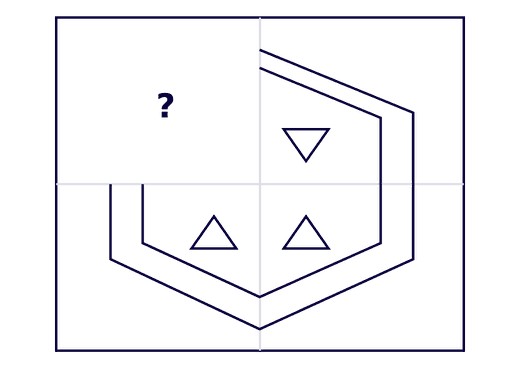
Q2739.
Which option figure will complete the pattern in the question figure ?
(Rotation is not allowed)
figure
कौन-सी विकल्प आकृति प्रश्न आकृति के पैटर्न को पूरा करेगी?
(घुमाने की अनुमति नहीं है)
figure
  1. Afigure
  2. Bfigure
  3. Cfigure
  4. Dfigure
Show answer

Concept: The figure is symmetric about its vertical and horizontal centre lines; the missing part is a mirror of its neighbour.

  1. Take the quarter next to the gap and reflect it about the vertical centre line.
  2. Slant lines, double borders and the triangle must appear in mirrored positions.
  3. Only option A fits all the lines without rotating it.

Trick: Check where the lines touch the edges of the gap – they must continue the lines of the figure exactly; this eliminates options fast.

Answer: (A) Option A

अवधारणा: आकृति अपनी ऊर्ध्व व क्षैतिज मध्य रेखाओं के सापेक्ष सममित है; लुप्त भाग पास वाले भाग का दर्पण प्रतिबिंब है।

हल:

  1. रिक्त स्थान के पास वाले चौथाई भाग को ऊर्ध्व मध्य रेखा पर पलटें।
  2. तिरछी रेखाएँ, दोहरी किनारी और त्रिभुज उलटी स्थिति में आने चाहिए।
  3. केवल विकल्प A बिना घुमाए सभी रेखाओं से मेल खाता है।

ट्रिक: देखें कि रेखाएँ रिक्त भाग के किनारे कहाँ छूती हैं – वहीं से आगे बढ़नी चाहिए।

उत्तर: (A) Option A

SSC CHSLGeneral IntelligencePattern completion – symmetric figureSSC CHSL 2025 · 20 Nov Shift 3 →
Q2740.
In the following question, in each option a pair of figures is given. In each pair the figure towards the left of (:) is related by some logic/rule/relation with the figure on the right of (:). Select the odd figure pair from the given alternatives.
निम्नलिखित प्रश्न में, प्रत्येक विकल्प में आकृतियों का एक युग्म दिया गया है। प्रत्येक युग्म में (:) के बाईं ओर की आकृति किसी तर्क/नियम/संबंध द्वारा दाईं ओर की आकृति से संबंधित है। दिए गए विकल्पों में से विषम आकृति-युग्म चुनिए।
  1. Afigure
  2. Bfigure
  3. Cfigure
  4. Dfigure
Show answer

Concept: In three pairs the outer and inner shapes simply swap places.

  1. A: circle with diamond → diamond with circle.
  2. C and D: same swap of the two shapes.
  3. B: the second figure brings in a new shape and loses the triangle – the rule breaks.

Trick: Check whether both shapes of the first figure are present in the second – B fails at once.

Answer: (B) Option B

अवधारणा: तीन युग्मों में बाहरी और भीतरी आकृतियाँ स्थान बदल लेती हैं।

हल:

  1. A: वृत्त में diamond → diamond में वृत्त।
  2. C और D: दोनों आकृतियों की वही अदला-बदली।
  3. B: दूसरी आकृति में नई आकृति आ गई और त्रिभुज गायब – नियम टूटा।

ट्रिक: जाँचें कि पहली आकृति की दोनों आकृतियाँ दूसरी में मौजूद हैं या नहीं – B तुरंत अलग दिखता है।

उत्तर: (B) Option B

SSC CHSLGeneral IntelligenceOdd figure pair – inner/outer swapSSC CHSL 2025 · 20 Nov Shift 3 →