Question bank

Q&A: practice questions with answers

Search questions on any topic. Filter by exam category, exam, subject and topic, try the question, then open the answer and explanation.

Courses – airGurukul

5,000 questions found.

Q4541.
Select the option figure which is embedded in the given figure (rotation is NOT allowed).

figure
उस विकल्प आकृति का चयन कीजिए जो दी गई आकृति में सन्निहित (embedded) है (घुमाने की अनुमति नहीं है)।
figure
  1. Afigure
  2. Bfigure
  3. Cfigure
  4. Dfigure
Show answer

Concept: The option must be traced inside the figure exactly – same size, slope and orientation (no rotation).

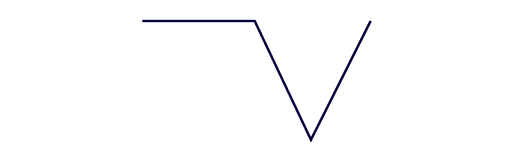
  1. Option A: a horizontal segment of half-width followed by a V-shape.
  2. The top edge of the left half + the diagonals of the right half form exactly this shape.
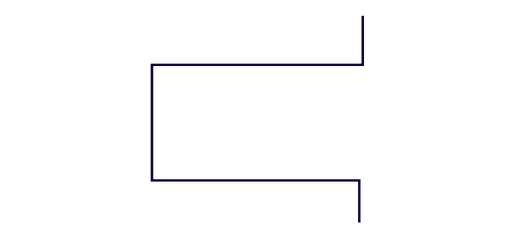
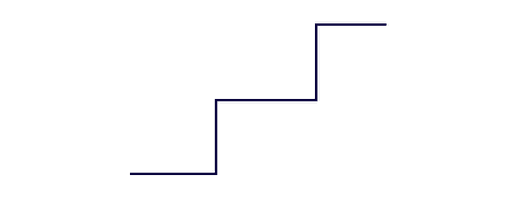
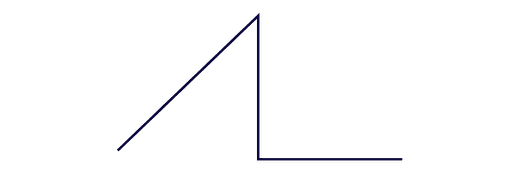
  3. B and C need right-angle joints and D needs a slope that the figure doesn't have.

Trick: Check angles first – the figure has only diagonal and straight lines of fixed slopes.

Answer: (A) Option figure A

अवधारणा: विकल्प आकृति बिना घुमाए, उसी आकार और ढलान के साथ मुख्य आकृति में दिखनी चाहिए।

  1. विकल्प A: आधी चौड़ाई की क्षैतिज रेखा, फिर V आकार।
  2. बाएँ आधे का ऊपरी किनारा + दाएँ आधे के विकर्ण ठीक यही आकार बनाते हैं।
  3. B, C में समकोण जोड़ चाहिए, D की ढलान आकृति में नहीं।

ट्रिक: पहले कोण मिलाएँ – आकृति में केवल तय ढलान वाली रेखाएँ हैं।

उत्तर: (A) विकल्प आकृति A
SSC CHSLGeneral IntelligenceEmbedded figureSSC CHSL 2025 · 13 Nov Shift 3 →
Q4542.
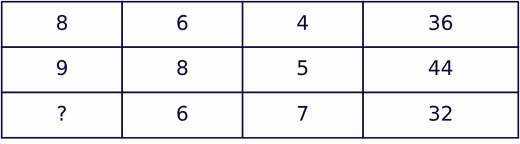
In the following question, select the number which can be placed at the sign of question mark (?) from the given alternatives.
figure
निम्नलिखित प्रश्न में, दिए गए विकल्पों में से उस संख्या का चयन कीजिए जिसे प्रश्नवाचक चिह्न (?) के स्थान पर रखा जा सकता है।
figure
  1. A1
  2. B3
  3. C4
  4. D2
Show answer

Concept: The last number of each row = (sum of first three) × 2.

  1. Row 1: (8+6+4)×2=36 ✓
  2. Row 2: (9+8+5)×2=44 ✓
  3. Row 3: (?+6+7)×2=32 → ?+13=16 → ?=3.

Trick: Halve the last number (32 → 16) and subtract the known numbers: 16−13=3.

Answer: (B) 3

अवधारणा: हर पंक्ति की अंतिम संख्या = (पहली तीन का योग) × 2।

  1. पहली पंक्ति: 8+6+4=18, 18×2=36 ✓
  2. दूसरी पंक्ति: 9+8+5=22, 22×2=44 ✓
  3. तीसरी पंक्ति: 32÷2=16, अतः ?=16−13=3।

ट्रिक: अंतिम संख्या आधी करें (16) और ज्ञात संख्याएँ घटाएँ: 16−13=3।

उत्तर: (B) 3

SSC CHSLGeneral IntelligenceMissing number – row-wise sum ×2SSC CHSL 2025 · 13 Nov Shift 3 →
Q4543.
How many triangles are there in the given figure?
figure
दी गई आकृति में कितने त्रिभुज हैं?
figure
  1. A13
  2. B14
  3. C10
  4. D16
Show answer

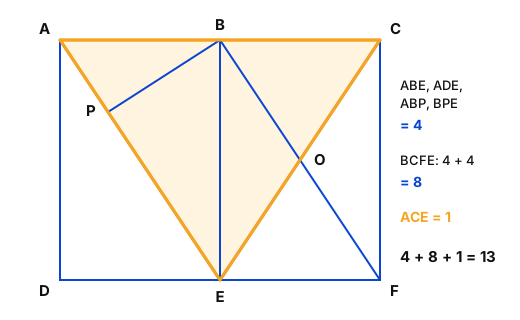
Concept: Count each half separately, then the triangles that cross the middle line.

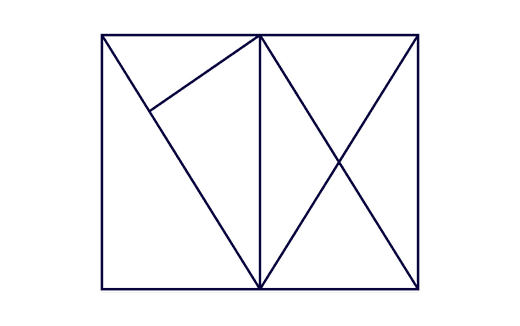
  1. Left rectangle (one diagonal + a short line from top-middle): 4 triangles.
  2. Right rectangle with both diagonals: 4 small + 4 large = 8.
  3. Crossing the middle line: 1 big triangle (top-left corner, top-right corner, bottom-middle).
  4. Total = 4 + 8 + 1 = 13.

Trick: A rectangle with both diagonals always gives 8 triangles – use it as a ready block.

Answer: (A) 13

अवधारणा: दोनों हिस्से अलग-अलग गिनें, फिर बीच की रेखा पार करने वाले।

  1. बायाँ आयत (एक विकर्ण + ऊपर-मध्य से छोटी रेखा): 4 त्रिभुज।
  2. दायाँ आयत दोनों विकर्णों के साथ: 4 छोटे + 4 बड़े = 8।
  3. बीच की रेखा पार: 1 बड़ा त्रिभुज (ऊपर-बायाँ कोना, ऊपर-दायाँ कोना, नीचे-मध्य)।
  4. कुल = 4 + 8 + 1 = 13।

ट्रिक: दोनों विकर्ण वाले आयत में हमेशा 8 त्रिभुज – इसे तैयार block मानें।

उत्तर: (A) 13

SSC CHSLGeneral IntelligenceCounting trianglesSSC CHSL 2025 · 13 Nov Shift 3 →
Q4544.
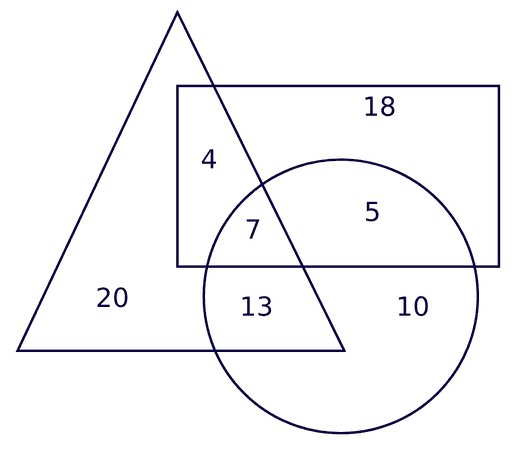
In the figure given below the rectangle represents socks, the triangle represents watches and the circle represents caps. The number in each area represents the number of items in that area.
figure
How many caps are socks ?
नीचे दी गई आकृति में आयत मोज़ों को, त्रिभुज घड़ियों को तथा वृत्त टोपियों को दर्शाता है। प्रत्येक क्षेत्र में लिखी संख्या उस क्षेत्र की वस्तुओं की संख्या दर्शाती है।
figure
कितनी टोपियाँ मोज़े हैं?
  1. A13
  2. B5
  3. C7
  4. D10
Show answer

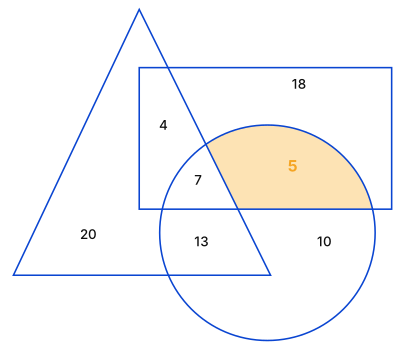
Concept: 'Caps that are socks' = region common to circle and rectangle only.

  1. Circle ∩ rectangle, outside the triangle → 5.
  2. 7 is inside all three (caps, socks and watches), so it is not taken here.
  3. Answer: 5.

Trick: Shade the two named shapes and exclude the third – read only the number left.

Answer: (B) 5

अवधारणा: 'Caps that are socks' = केवल वृत्त और आयत का साझा भाग।

  1. वृत्त ∩ आयत, त्रिभुज के बाहर → 5।
  2. 7 तीनों में (caps, socks, watches) है, इसलिए नहीं लिया।
  3. उत्तर: 5।

ट्रिक: जिन दो आकृतियों का नाम है उन्हें छायांकित करें, तीसरी को बाहर रखें।

उत्तर: (B) 5

SSC CHSLGeneral IntelligenceVenn diagram – reading regionsSSC CHSL 2025 · 13 Nov Shift 3 →
Q4545.
Identify the diagram that best represents the relationship among the given classes.
Colour, Red, Yellow
उस आरेख की पहचान कीजिए जो दिए गए वर्गों के बीच के संबंध को सर्वोत्तम रूप से दर्शाता है।
रंग, लाल, पीला
  1. Afigure
  2. Bfigure
  3. Cfigure
  4. Dfigure
Show answer

Concept: Show whole–part relations and whether the parts overlap.

  1. Red and Yellow are both colours → both inside 'Colour'.
  2. Nothing is red and yellow at once → the two circles are separate.
  3. Diagram: one big circle with two separate small circles inside – option C.

Trick: Same pattern as Fruit, Apple, Mango – two separate circles inside one big circle.

Answer: (C) Option figure C

अवधारणा: पूर्ण–अंश संबंध और अंशों के बीच ओवरलैप देखें।

  1. Red व Yellow, Colour वर्ग के सदस्य हैं → दोनों बड़े वृत्त के भीतर।
  2. Red कभी Yellow नहीं हो सकता → छोटे वृत्त आपस में अलग।
  3. आरेख: बड़े वृत्त में दो अलग छोटे वृत्त – विकल्प C।

ट्रिक: फल, सेब, आम जैसा ही पैटर्न – बड़े वृत्त में दो अलग वृत्त।

उत्तर: (C) विकल्प आकृति C

SSC CHSLGeneral IntelligenceVenn diagram – Colour, Red, YellowSSC CHSL 2025 · 13 Nov Shift 3 →
Q4546.
Select the option that represents the correct order of the given words as they would appear in an English dictionary.
1.Creation
2. Creative 3. Creature
4. Credit
5. Crisis
उस विकल्प का चयन कीजिए जो दिए गए शब्दों का वह सही क्रम दर्शाता है जिसमें वे अंग्रेज़ी शब्दकोश में आएँगे।
1.Creation
2. Creative 3. Creature
4. Credit
5. Crisis
  1. A1, 2, 3, 4, 5
  2. B1, 3, 2, 4, 5
  3. C2, 1, 3, 5, 4
  4. D1, 2, 4, 3, 5
Show answer

Concept: Compare letter by letter until the first different letter.

  1. Cre-a-… (Creation, Creative, Creature) < Cre-d-… (Credit) < Cri-… (Crisis).
  2. Creat-i… vs Creat-u…: i < u, so Creature is after the other two.
  3. Creati-o-n vs Creati-v-e: o < v → Creation, Creative.
  4. Order: 1, 2, 3, 4, 5.

Trick: Group by common prefix first (Creat-), then sort only the differing letter.

Answer: (A) 1, 2, 3, 4, 5

अवधारणा: पहला अलग अक्षर आने तक अक्षर-दर-अक्षर तुलना करें।

  1. Cre-a-… < Cre-d-… (Credit) < Cri-… (Crisis)।
  2. Creat-i… और Creat-u…: i < u, इसलिए Creature बाद में।
  3. Creati-o-n और Creati-v-e: o < v → Creation, Creative।
  4. क्रम: 1, 2, 3, 4, 5।

ट्रिक: पहले समान prefix (Creat-) वाले शब्द समूह में रखें, फिर केवल अलग अक्षर देखें।

उत्तर: (A) 1, 2, 3, 4, 5

SSC CHSLGeneral IntelligenceDictionary orderSSC CHSL 2025 · 13 Nov Shift 3 →
Q4547.
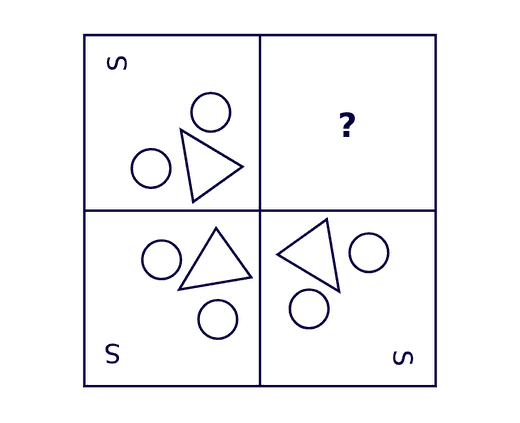
Which option figure will complete the pattern in the question figure?
(Rotation is not allowed)
figure
कौन-सी विकल्प आकृति प्रश्न आकृति के पैटर्न को पूरा करेगी?
(घुमाने की अनुमति नहीं है)
figure
  1. Afigure
  2. Bfigure
  3. Cfigure
  4. Dfigure
Show answer

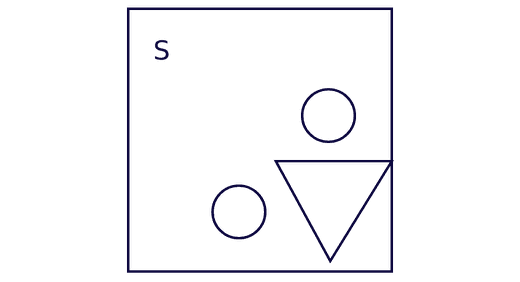
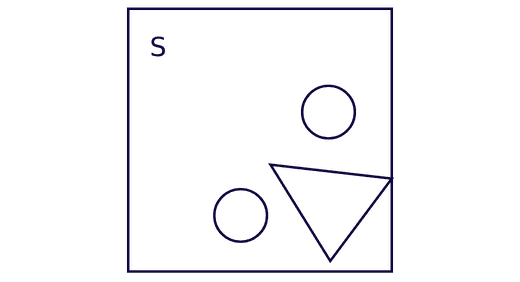
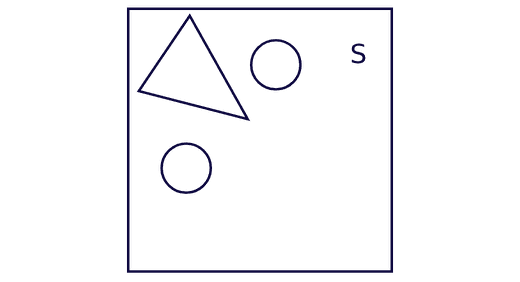
Concept: The four quarters are copies of one design turned by 90° each time.

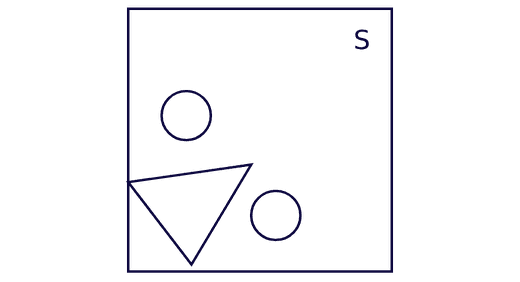
  1. Each quarter has 'S' in the outer corner, two small circles and a triangle near the centre.
  2. For the missing top-right quarter: S at the top-right corner, triangle at the bottom-left (near centre).
  3. Only option C places the elements this way.

Trick: Check the corner nearest the centre – the triangle must point there.

Answer: (C) Option figure C

अवधारणा: चारों भाग एक ही डिज़ाइन हैं, हर बार 90° घुमाया गया।

  1. प्रत्येक हिस्से में: बड़े वर्ग के बाहरी कोने पर S, बीच की ओर एक त्रिकोण, और दो गोले।
  2. गायब हिस्सा ऊपर-दायाँ है, तो S उसके ऊपर-दाएँ और त्रिकोण उसके भीतरी कोने (केंद्र की तरफ़) पर होगा।
  3. यह व्यवस्था सिर्फ़ विकल्प C में मिलती है।

ट्रिक: केंद्र के पास वाला कोना देखें – त्रिभुज वहीं होना चाहिए।

उत्तर: (C) विकल्प आकृति C

SSC CHSLGeneral IntelligencePattern completion – rotational symmetrySSC CHSL 2025 · 13 Nov Shift 3 →
Q4548.
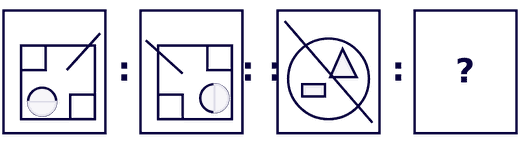
In the following question, in each option a pair of figures is given. In each pair the figure towards the left of (:) is related by some logic/rule/relation with the figure on the right of (:). Select the odd figure pair from the given alternatives.
figure
निम्नलिखित प्रश्न में, प्रत्येक विकल्प में आकृतियों का एक युग्म दिया गया है। प्रत्येक युग्म में (:) के बाईं ओर की आकृति, (:) के दाईं ओर की आकृति से किसी तर्क/नियम/संबंध द्वारा संबंधित है। दिए गए विकल्पों में से विषम आकृति-युग्म का चयन कीजिए।
figure
  1. Afigure
  2. Bfigure
  3. Cfigure
  4. Dfigure
Show answer

Concept: Find the change from figure 1 to figure 2 and apply it to figure 3.

  1. Figure 1 → 2: every element moves one quarter turn anticlockwise (bottom-left circle goes to bottom-right, top-right line goes to top-left; the shaded half of the circle turns from bottom to right).
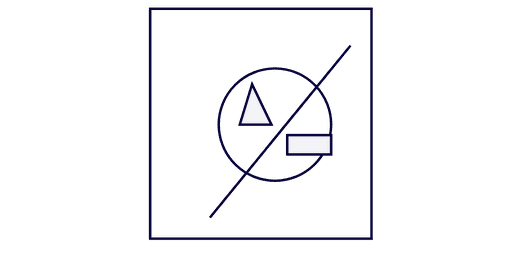
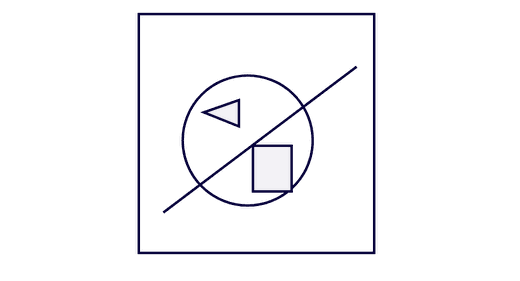
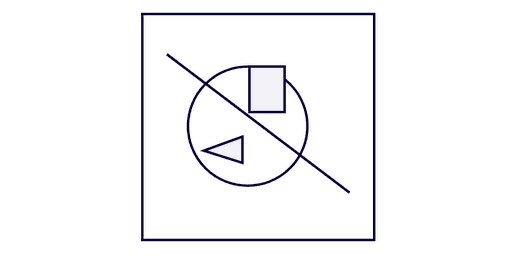
  2. Rotate figure 3 the same way: triangle goes to the upper left pointing left, the small rectangle stands upright at the lower right, and the long diagonal changes direction.
  3. Option C shows exactly this.

Trick: Follow one corner element (the circle) to confirm the direction of turn before checking options.

Answer: (C) Option figure C

अवधारणा: आकृति 1 से 2 का बदलाव पहचानें और आकृति 3 पर लगाएँ।

  1. 1 → 2: पूरी आकृति 90° वामावर्त घूमी (नीचे-बायाँ वृत्त नीचे-दाएँ, ऊपर-दाईं रेखा ऊपर-बाएँ; वृत्त का छायांकित आधा नीचे से दाएँ)।
  2. आकृति 3 को भी ऐसे घुमाएँ: त्रिभुज ऊपर-बाएँ (शीर्ष बाईं ओर), छोटा आयत नीचे-दाएँ खड़ा, लंबी तिरछी रेखा की दिशा बदलेगी।
  3. विकल्प C यही दिखाता है।

ट्रिक: पहले एक तत्व (वृत्त) की चाल से घुमाव की दिशा पक्की करें।

उत्तर: (C) विकल्प आकृति C

SSC CHSLGeneral IntelligenceFigure analogy – 90° anticlockwise rotationSSC CHSL 2025 · 13 Nov Shift 3 →
Q4549.
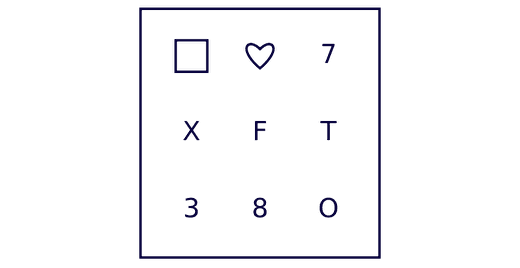
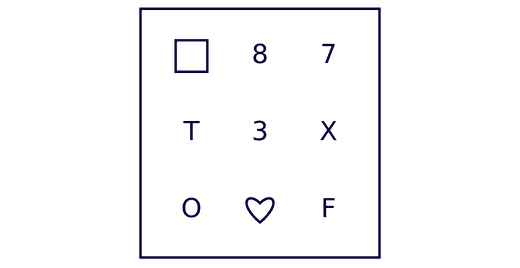
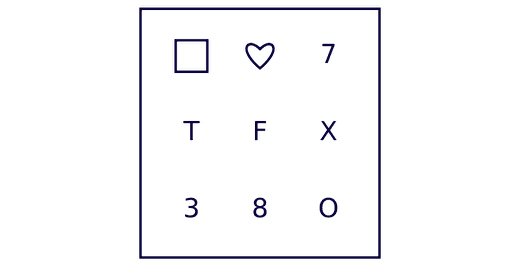
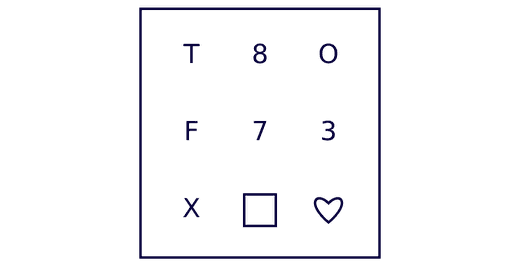
In the following figure series, select the figure which can be placed at the sign of question mark (?) from the given alternatives.
निम्नलिखित आकृति शृंखला में, दिए गए विकल्पों में से उस आकृति का चयन कीजिए जिसे प्रश्नवाचक चिह्न (?) के स्थान पर रखा जा सकता है।
  1. Afigure
  2. Bfigure
  3. Cfigure
  4. Dfigure
Show answer

Concept: The same nine symbols shift positions in a fixed pattern from figure to figure.

  1. Track how each symbol moves from one figure to the next.
  2. Continuing the move: square, heart, 7 in the top row; X, F, T in the middle; 3, 8, O at the bottom.
  3. This grid matches option A.

Trick: Follow just 2–3 symbols (e.g. heart and 7); usually that alone eliminates three options.

Answer: (A) Option figure A

अवधारणा: वही नौ चिह्न हर आकृति में तय नियम से स्थान बदलते हैं।

  1. हर चिह्न एक आकृति से अगली में कहाँ जाता है, देखें।
  2. नियम आगे बढ़ाने पर: ऊपर वर्ग, दिल, 7; बीच में X, F, T; नीचे 3, 8, O।
  3. विकल्प A की आकृति इससे पूरी तरह मेल खाती है।

ट्रिक: केवल 2–3 चिह्न (जैसे दिल और 7) का पीछा करें – तीन विकल्प तुरंत हटेंगे।

उत्तर: (A) विकल्प आकृति A
SSC CHSLGeneral IntelligenceFigure series – symbols changing placesSSC CHSL 2025 · 13 Nov Shift 3 →
Q4550.
In a certain coded language 'KBQU' is coded as 'HYNR' and 'RPFY' is coded as 'OMCV'. How will 'NTIH' be coded in the same code language?
एक निश्चित कूट भाषा में 'KBQU' को 'HYNR' के रूप में तथा 'RPFY' को 'OMCV' के रूप में कूटबद्ध किया जाता है। उसी कूट भाषा में 'NTIH' को किस प्रकार कूटबद्ध किया जाएगा?
  1. AKFEQ
  2. BKEQF
  3. CKFQE
  4. DKQFE
Show answer

Concept: Compare word and code letter by letter to find the shift.

  1. K→H, B→Y, Q→N, U→R: each moves 3 back (B−3 wraps to Y).
  2. RPFY → OMCV confirms −3.
  3. NTIH: N→K, T→Q, I→F, H→E = KQFE.

Trick: Just check the 2nd letter: T−3 = Q → only option D has Q second.

Answer: (D) KQFE

अवधारणा: शब्द और कोड के अक्षरों की एक-एक कर तुलना करें।

  1. K→H, B→Y, Q→N, U→R: हर अक्षर 3 पीछे (B−3 घूमकर Y)।
  2. RPFY → OMCV से −3 पक्का।
  3. NTIH: N→K, T→Q, I→F, H→E = KQFE।

ट्रिक: केवल दूसरा अक्षर जाँचें: T−3 = Q → सिर्फ D में दूसरा अक्षर Q है।

उत्तर: (D) KQFE

SSC CHSLGeneral IntelligenceCoding-decoding – each letter −3SSC CHSL 2025 · 13 Nov Shift 3 →
Q4551.
A bicycle is sold for ₹2000 at a loss of 20%. At what price should it be sold to gain 10% ?
एक साइकिल ₹2000 में 20% की हानि पर बेची जाती है। 10% का लाभ प्राप्त करने के लिए इसे किस मूल्य पर बेचा जाना चाहिए?
  1. A₹2450
  2. B₹2150
  3. C₹2350
  4. D₹2750
Show answer

Concept: SP at loss r% = CP×100−r100; SP at gain g% = CP×100+g100.

  1. 80% of CP = ₹2000 → CP=2000×10080= ₹2500.
  2. Required SP = 110% of 2500 = ₹2750.

Trick: Direct ratio: new SP = 2000×11080=25×110= ₹2750.

Answer: (D) ₹2750

अवधारणा: हानि r% पर SP = CP×100−r100; लाभ g% पर SP = CP×100+g100।

  1. CP का 80% = ₹2000 → CP = ₹2500।
  2. चाहिए SP = 2500 का 110% = ₹2750।

ट्रिक: सीधा अनुपात: नया SP = 2000×11080= ₹2750।

उत्तर: (D) ₹2750

SSC CHSLQuantitative AptitudeProfit & loss – new SP for desired gainSSC CHSL 2025 · 13 Nov Shift 3 →
Q4552.
P, Q, and R started a business. P contributed Rs. 10,000, Q contributed Rs. 12,000 , and R contributed Rs. 16,000 . After 6 months, Q withdrew Rs. 4,000, while R added Rs. 8,000. If the total profit at the end of the year is Rs. 8,4000 how much did R receive?
P, Q और R ने एक व्यवसाय आरंभ किया। P ने Rs. 10,000, Q ने Rs. 12,000 तथा R ने Rs. 16,000 का निवेश किया। 6 महीने बाद Q ने Rs. 4,000 निकाल लिए, जबकि R ने Rs. 8,000 और जोड़ दिए। यदि वर्ष के अंत में कुल लाभ Rs. 8,4000 है, तो R को कितना प्राप्त हुआ?
  1. A₹36,000
  2. B₹24,000
  3. C₹42,000
  4. D₹48,000
Show answer

Concept: Profit is shared in the ratio of (capital × months).

  1. P: 10000×12=1,20,000.
  2. Q: 12000×6+8000×6=1,20,000.
  3. R: 16000×6+24000×6=2,40,000.
  4. Ratio 1 : 1 : 2 → R = 84000×24= ₹42,000.

Trick: For two 6-month halves, just add the two capitals: P 20k, Q 20k, R 40k → 1 : 1 : 2 at once.

Answer: (C) ₹42,000

अवधारणा: लाभ (पूँजी × महीने) के अनुपात में बँटता है।

  1. P: 10000×12=1,20,000।
  2. Q: 12000×6+8000×6=1,20,000।
  3. R: 16000×6+24000×6=2,40,000।
  4. अनुपात 1 : 1 : 2 → R = 84000×24= ₹42,000।

ट्रिक: दोनों छमाही बराबर हैं, तो पूँजियाँ सीधे जोड़ें: 20k, 20k, 40k → 1 : 1 : 2।

उत्तर: (C) ₹42,000

SSC CHSLQuantitative AptitudePartnership – capital changed mid-yearSSC CHSL 2025 · 13 Nov Shift 3 →
Q4553.
Simplify the expression: cosecxcos⁡x+sec⁡xsin⁡x.
व्यंजक को सरल कीजिए: cosecxcos⁡x+sec⁡xsin⁡x।
  1. A-1
  2. Btan⁡xsin⁡x
  3. C2sin⁡x
  4. Dcot⁡x+tan⁡x
Show answer

Concept: Convert cosec and sec into sin and cos.

  1. cscx·cosx=cosxsinx=cotx.
  2. secx·sinx=sinxcosx=tanx.
  3. Sum = cotx+tanx.

Trick: Put x=45∘: value = 1+1=2; only cotx+tanx gives 2 (option C gives 2).

Answer: (D) cot⁡x+tan⁡x

अवधारणा: cosec और sec को sin, cos में बदलें।

  1. cscx·cosx=cosxsinx=cotx।
  2. secx·sinx=sinxcosx=tanx।
  3. योग = cotx+tanx।

ट्रिक: x=45∘ रखें: मान = 2; केवल cotx+tanx से 2 आता है।

उत्तर: (D) cot⁡x+tan⁡x

SSC CHSLQuantitative AptitudeTrigonometry – simplify cosec·cos + sec·sinSSC CHSL 2025 · 13 Nov Shift 3 →
Q4554.
If the ratio of shoes to socks is 5 : 3 and there are 50 shoes, how many socks are there?
यदि जूतों और मोज़ों का अनुपात 5 : 3 है और जूते 50 हैं, तो मोज़े कितने हैं?
  1. A30
  2. B40
  3. C20
  4. D10
Show answer

Concept: Equal ratio parts have equal value.

  1. 5 parts = 50 shoes → 1 part = 10.
  2. Socks = 3 parts = 30.

Trick: Scale the ratio: 5 → 50 is ×10, so 3 → 30.

Answer: (A) 30

अवधारणा: अनुपात के हर भाग का मान बराबर होता है।

  1. 5 भाग = 50 जूते → 1 भाग = 10।
  2. मोज़े = 3 भाग = 30।

ट्रिक: 5 से 50 = ×10, तो 3×10=30।

उत्तर: (A) 30

SSC CHSLQuantitative AptitudeRatio – find the other quantitySSC CHSL 2025 · 13 Nov Shift 3 →
Q4555.
The compound interest on ₹6,000 for 1 year 6 months at 20% p.a., compounded yearly, is:
₹6,000 पर 1 वर्ष 6 महीने के लिए 20% वार्षिक दर से, वार्षिक रूप से संयोजित चक्रवृद्धि ब्याज कितना होगा?
  1. A₹1920
  2. B₹2120
  3. C₹2,540
  4. D₹2,000
Show answer

Concept: Yearly compounding: full years at R%, the leftover part-year at proportional rate on the new amount.

  1. Year 1: 20% → 6000×1.2=7200.
  2. Next 6 months: 10% of 7200 = 720 → 7920.
  3. CI = 7920−6000= ₹1920.

Trick: Effective rate for 20% then 10%: 20+10+20×10100=32% → 32% of 6000 = 1920.

Answer: (A) ₹1920

अवधारणा: वार्षिक चक्रवृद्धि: पूरे वर्ष R% पर, बचा आधा वर्ष आनुपातिक दर से नई राशि पर।

  1. पहला वर्ष: 20% → 6000×1.2=7200।
  2. अगले 6 महीने: 7200 का 10% = 720 → 7920।
  3. CI = 7920−6000= ₹1920।

ट्रिक: प्रभावी दर: 20+10+20×10100=32% → 6000 का 32% = 1920।

उत्तर: (A) ₹1920

SSC CHSLQuantitative AptitudeCompound interest – fractional yearSSC CHSL 2025 · 13 Nov Shift 3 →
Q4556.
A man deposits ₹2,50,000 at a Cl rate of 20% p.a. After the first year's interest is credited, he withdraws 40% of the interest earned. What is his account balance at the end of the second year?
एक व्यक्ति ₹2,50,000 की राशि 20% वार्षिक चक्रवृद्धि ब्याज दर पर जमा करता है। पहले वर्ष का ब्याज जमा हो जाने के बाद वह अर्जित ब्याज का 40% निकाल लेता है। दूसरे वर्ष के अंत में उसके खाते में कितनी राशि होगी?
  1. A₹2,80,000
  2. B₹2,36,000
  3. C₹3,36,000
  4. D₹2,50,000
Show answer

Concept: Work year by year; the second year's interest is on the balance left.

  1. Year-1 interest = 20% of 2,50,000 = 50,000.
  2. Withdraws 40% of 50,000 = 20,000 → balance 2,80,000.
  3. Year-2: 2,80,000×1.2= ₹3,36,000.

Trick: Keep 60% of the interest: 2,50,000+30,000=2,80,000, then ×1.2.

Answer: (C) ₹3,36,000

अवधारणा: एक-एक वर्ष करके हल करें; दूसरे वर्ष ब्याज बची राशि पर।

  1. पहले वर्ष का ब्याज = 2,50,000 का 20% = 50,000।
  2. 50,000 का 40% = 20,000 निकाले → शेष 2,80,000।
  3. दूसरा वर्ष: 2,80,000×1.2= ₹3,36,000।

ट्रिक: ब्याज का 60% बचा: 2,50,000+30,000=2,80,000, फिर ×1.2।

उत्तर: (C) ₹3,36,000

SSC CHSLQuantitative AptitudeCompound interest – withdrawal after year 1SSC CHSL 2025 · 13 Nov Shift 3 →
Q4557.
The ratio of two numbers is 5:3 and their LCM is 180 . What is the sum of the two numbers?
दो संख्याओं का अनुपात 5:3 है और उनका ल.स. 180 है। दोनों संख्याओं का योग क्या है?
  1. A96
  2. B90
  3. C75
  4. D80
Show answer

Concept: Numbers in ratio a : b (co-prime) = ax, bx; their LCM = abx.

  1. Numbers 5x, 3x → LCM = 15x=180 → x=12.
  2. Numbers: 60 and 36.
  3. Sum = 96.

Trick: Sum = (5+3)×x=8×12=96 – no need to find each number.

Answer: (A) 96

अवधारणा: a : b (सह-अभाज्य) अनुपात की संख्याएँ ax, bx; LCM = abx।

  1. 5x, 3x → LCM = 15x=180 → x=12।
  2. संख्याएँ: 60 और 36।
  3. योग = 96।

ट्रिक: योग = (5+3)×12=96 – अलग-अलग संख्या निकालने की ज़रूरत नहीं।

उत्तर: (A) 96

SSC CHSLQuantitative AptitudeRatio and LCM – sum of numbersSSC CHSL 2025 · 13 Nov Shift 3 →
Q4558.
The average age of 25 students is 16 years. A group of 5 new students joins, increasing the average to 18 years. Find the average age of the 5 new students.
25 विद्यार्थियों की औसत आयु 16 वर्ष है। 5 नए विद्यार्थियों का एक समूह इसमें सम्मिलित हो जाता है, जिससे औसत बढ़कर 18 वर्ष हो जाता है। 5 नए विद्यार्थियों की औसत आयु ज्ञात कीजिए।
  1. A30
  2. B32
  3. C28
  4. D34
Show answer

Concept: Total = average × number; find the totals before and after.

  1. Old total = 25×16=400.
  2. New total = 30×18=540.
  3. 5 new students: 140 → average = 1405=28.

Trick: New average+old count×risenew count: 18+25×25=18+10=28.

Answer: (C) 28

अवधारणा: कुल = औसत × संख्या; पहले और बाद का कुल निकालें।

  1. पुराना कुल = 25×16=400।
  2. नया कुल = 30×18=540।
  3. 5 नए छात्र: 140 → औसत = 28।

ट्रिक: 18+25×25=18+10=28।

उत्तर: (C) 28

SSC CHSLQuantitative AptitudeAverage – new members joiningSSC CHSL 2025 · 13 Nov Shift 3 →
Q4559.
Which of the following is the least?
निम्नलिखित में से सबसे कम कौन-सा है?
  1. A16% of 350350 का 16%
  2. B25% of 400400 का 25%
  3. C28% of 300300 का 28%
  4. D30% of 340340 का 30%
Show answer

Concept: Compute each percentage value and compare.

  1. 16% of 350 = 56.
  2. Others: B = 100, C = 84, D = 102.
  3. Least = 56.

Trick: Option A has both the smallest % and a small base – check it first.

Answer: (A) 16% of 350

अवधारणा: हर विकल्प का मान निकालकर तुलना करें।

  1. 350 का 16% = 56।
  2. 400 का 25% = 100; 300 का 28% = 84; 340 का 30% = 102।
  3. सबसे कम = 56।

ट्रिक: A में प्रतिशत भी सबसे कम और आधार भी छोटा – पहले उसे देखें।

उत्तर: (A) 350 का 16%

SSC CHSLQuantitative AptitudePercentage – least valueSSC CHSL 2025 · 13 Nov Shift 3 →
Q4560.
Rohan goes to shop at a speed of 7km/h and returns home at 5km/h. If the total time taken is 6 hours, what is the distance between his home and shop?
रोहन 7km/h की चाल से दुकान जाता है और 5km/h की चाल से घर लौटता है। यदि कुल लिया गया समय 6 घंटे है, तो उसके घर और दुकान के बीच की दूरी कितनी है?
  1. A12.75 km
  2. B13.25 km
  3. C17.5 km
  4. D14.25 km
Show answer

Concept: Same distance both ways: total time = ds1+ds2.

  1. d7+d5=6.
  2. 5d+7d35=6 → 12d=210.
  3. d=17.5 km.

Trick: Average speed = 2×7×512=356 km/h; total distance = 356×6=35 → one way 17.5 km.

Answer: (C) 17.5 km

अवधारणा: दोनों तरफ़ दूरी समान: कुल समय = ds1+ds2।

  1. d7+d5=6।
  2. 5d+7d35=6 → 12d=210।
  3. d=17.5 km।

ट्रिक: औसत चाल = 2×7×512=356; कुल दूरी = 35 → एक तरफ़ 17.5 km।

उत्तर: (C) 17.5 km

SSC CHSLQuantitative AptitudeSpeed – to and fro journeySSC CHSL 2025 · 13 Nov Shift 3 →