Q541.
Simplify the given expression.
दिए गए व्यंजक को सरल कीजिए।
- A4.9
- B9.6
- C7.4
- D3.2
Show answer
Concept: BODMAS: 'of', then / left to right, then /.
- ;
Trick: , so first term .
Answer: (D)
अवधारणा: BODMAS: 'of', फिर /, फिर /।
ट्रिक: ।
उत्तर: (D)

Question bank
Search questions on any topic. Filter by exam category, exam, subject and topic, try the question, then open the answer and explanation.

Concept: BODMAS: 'of', then / left to right, then /.
Trick: , so first term .
Answer: (D)
अवधारणा: BODMAS: 'of', फिर /, फिर /।
ट्रिक: ।
उत्तर: (D)
Concept: .
Yaad rakhein: .
Answer: (C)
अवधारणा: ।
याद रखें: ।
उत्तर: (C)
Concept: Simplify each bracket, then and left to right.
Trick: Each bracket gives a whole number – no LCM needed.
Answer: (A)
अवधारणा: हर कोष्ठक सरल करें, फिर बाएँ से दाएँ , ।
ट्रिक: हर कोष्ठक पूर्णांक देता है।
उत्तर: (A)
Concept: SP .
Trick: Option check: ✔
Answer: (C) ₹14475
अवधारणा: SP ।
ट्रिक: विकल्प जाँच: ✔
उत्तर: (C) ₹14475
Concept: Transverse (direct-crossing) common tangent .
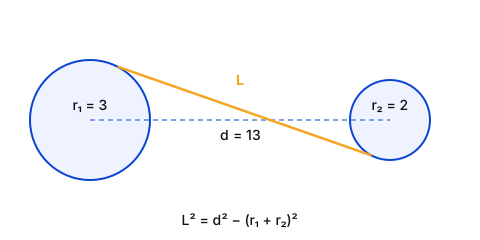
Yaad rakhein: Transverse uses ; direct common tangent uses .
Answer: (D)
अवधारणा: अनुप्रस्थ (transverse) उभयनिष्ठ स्पर्शरेखा ।
याद रखें: Transverse में , direct में ।
उत्तर: (D)
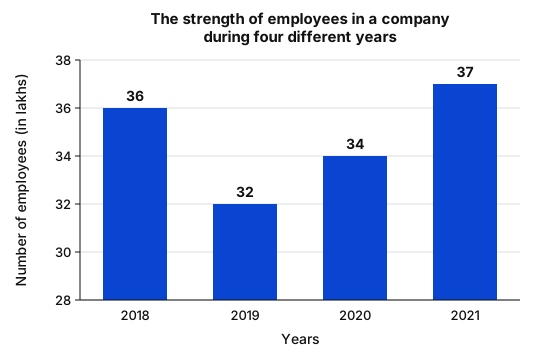
Concept: .
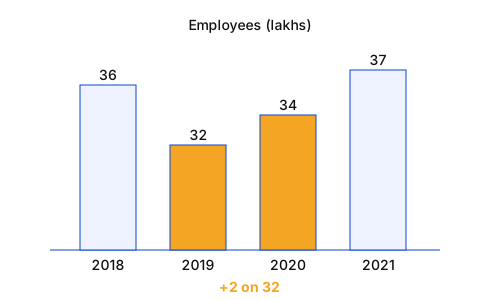
Trick: .
Answer: (A)
अवधारणा: ।
ट्रिक: ।
उत्तर: (A)
Concept: Remainder on dividing by is ; add its negative.
Trick: Remainder → add .
Answer: (D)
अवधारणा: को से भाग देने पर शेष ; उसका ऋणात्मक जोड़ें।
ट्रिक: शेष → जोड़ें।
उत्तर: (D)
Concept: Start with and move up the chain.
Trick: .
Answer: (A)
अवधारणा: लेकर श्रृंखला में आगे बढ़ें।
ट्रिक: ।
उत्तर: (A)
Concept: Volume of cone .
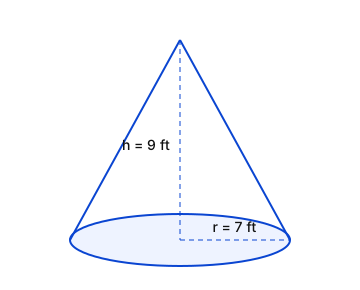
Trick: Cone is one third of the cylinder: (1386 is the cylinder trap).
Answer: (B) cubic ft.
अवधारणा: शंकु का आयतन ।
ट्रिक: शंकु = बेलन का एक-तिहाई; बेलन का आयतन है (जाल विकल्प)।
उत्तर: (B) cubic ft.
Concept: Lateral (curved) surface area of a cone .
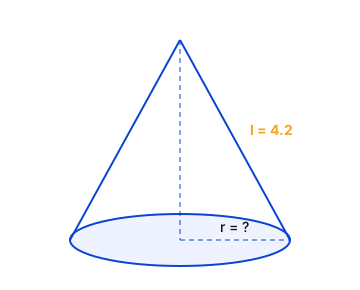
Trick: exactly, so .
Answer: (D) 1 unit
अवधारणा: शंकु का वक्र पृष्ठ क्षेत्रफल ।
ट्रिक: ।
उत्तर: (D) 1 unit (1 इकाई)
Concept: The verb ask takes the preposition for when we request something: ask somebody for something.
Yaad rakhein: ask for (request) money/help/permission; ask a question (no 'for').
Answer: (D) he asked me money
अवधारणा: क्रिया ask से कुछ माँगने के अर्थ में preposition for आता है: ask somebody for something.
याद रखें: माँगना = ask for (money/help); प्रश्न पूछना = ask a question (बिना 'for').
उत्तर: (D) he asked me money
Concept: A lagoon is a stretch of salt water separated from the sea by a low sandbank, rocks or a coral reef.
Yaad rakhein: Lagoon = sea-water lake behind a sand bar, e.g. Chilika Lake (Odisha).
Answer: (A) lagoon
अवधारणा: Lagoon (लैगून) खारे पानी की झील है जो रेत की पट्टी, चट्टानों या प्रवाल-भित्ति से समुद्र से अलग होती है।
याद रखें: Lagoon का उदाहरण – चिल्का झील (ओडिशा)।
उत्तर: (A) lagoon
Concept: The correct spelling is Bureaucracy (bu-reau-cra-cy), from French bureau (office) + -cracy (rule).
Trick: Think of 'bureau' (a desk/office) + 'cracy' → bureaucracy.
Answer: (B) Bueraucracy
अवधारणा: सही वर्तनी Bureaucracy है – French bureau (कार्यालय) + -cracy (शासन)।
ट्रिक: 'bureau' (दफ़्तर) + 'cracy' = bureaucracy (नौकरशाही)।
उत्तर: (B) Bueraucracy
Concept: Choose 'a/an' by the first sound, not the first letter. 'SDO' is read 'es-dee-o' – it begins with a vowel sound.
Trick: Abbreviations like MLA, SDO, FIR, MP take 'an' because the letter name starts with a vowel sound.
Answer: (D) an; a
अवधारणा: 'a/an' का चुनाव पहली ध्वनि (sound) से होता है, अक्षर से नहीं। 'SDO' का उच्चारण 'एस-डी-ओ' है – स्वर ध्वनि से शुरू।
ट्रिक: MLA, SDO, FIR, MP जैसे संक्षिप्त रूपों से पहले 'an' लगता है।
उत्तर: (D) an; a
Concept: Conundrum means a confusing and difficult problem or question.
Yaad rakhein: Conundrum = puzzle / riddle / dilemma / problem.
Answer: (C) problem
अवधारणा: Conundrum का अर्थ है उलझन भरी कठिन समस्या या पहेली।
याद रखें: Conundrum = puzzle, riddle, dilemma (पहेली/दुविधा)।
उत्तर: (C) problem
Concept: The correct spelling is Withering (wither + -ing), meaning drying up or fading.
Trick: Keep the root unchanged: wither → withering, like gather → gathering.
Answer: (B) Witharing
अवधारणा: सही वर्तनी Withering है (wither + -ing) – मुरझाना/सूखना।
ट्रिक: मूल शब्द न बदलें: wither → withering, gather → gathering.
उत्तर: (B) Witharing
Concept: Before a word beginning with a vowel sound we use an, not 'a'.
Yaad rakhein: a + consonant sound, an + vowel sound (an apple, an hour, an international).
Answer: (C) a international
अवधारणा: स्वर ध्वनि (vowel sound) से शुरू होने वाले शब्द से पहले an आता है, 'a' नहीं।
याद रखें: a + व्यंजन ध्वनि, an + स्वर ध्वनि (an apple, an hour).
उत्तर: (C) a international
Concept: After the possessive 'His' and before 'of' we need a noun. 'Interpretation' (noun) is replaced by the noun/gerund understanding.
Trick: Possessive (his/her/my) + noun + of … – pick the option that is a noun.
Answer: (D) understanding of realities
अवधारणा: Possessive 'His' के बाद और 'of' से पहले noun चाहिए। 'Interpretation' (noun) की जगह noun/gerund understanding आएगा।
ट्रिक: his/her/my + noun + of … – वही विकल्प चुनें जो noun हो।
उत्तर: (D) understanding of realities
Concept: Nip in the bud = to stop something (usually bad) at an early stage, before it develops.
Yaad rakhein: Bud = beginning stage → nip in the bud = kill it at the start.
Answer: (D) To suppress something at an early stage
अवधारणा: Nip in the bud = किसी (बुरी) चीज़ को शुरुआत में ही दबा देना/रोक देना।
याद रखें: शुरुआत में ही कुचल देना = nip in the bud.
उत्तर: (D) To suppress something at an early stage
Concept: Future continuous tense = will be + V-ing. A modal + be is never followed by the base verb.
Trick: will be / could be / might be → always V-ing after 'be'.
Answer: (A) I will be drive into town later on.
अवधारणा: Future continuous tense = will be + V-ing. 'be' के बाद base verb (drive) नहीं आता।
ट्रिक: will be / could be / might be के बाद हमेशा V-ing.
उत्तर: (A) I will be drive into town later on.