Question bank

Q&A: practice questions with answers

Search questions on any topic. Filter by exam category, exam, subject and topic, try the question, then open the answer and explanation.

Courses – airGurukul

6,600 questions found.

Q5801.
Three of the following letter-clusters are alike in some manner and one is different. Select the one that is different.
निम्नलिखित चार अक्षर-समूहों में से तीन किसी प्रकार से एकसमान हैं और एक उनसे असंगत है। उस असंगत अक्षर-समूह का चयन कीजिए।
  1. ANQST
  2. BGTHS
  3. CPSUV
  4. DSVXY
Show answer

Concept: Find the gap between consecutive letters of each cluster.

  1. NQST: N →+3 Q →+2 S →+1 T
  2. PSUV: P(+3)S(+2)U(+1)V; SVXY: S(+3)V(+2)X(+1)Y
  3. GTHS: G → T is +13, which breaks the +3,+2,+1 pattern.

Trick: Write alphabet positions: N=14, Q=17, S=19, T=20 – the gaps 3,2,1 are visible at once.

Answer: (B) GTHS

अवधारणा: प्रत्येक समूह में क्रमागत अक्षरों का अंतर देखें।

  1. NQST: +3,+2,+1
  2. PSUV और SVXY: दोनों में +3,+2,+1
  3. GTHS: G → T में +13 – यह पैटर्न से अलग है।

ट्रिक: अक्षरों की स्थिति लिखें (N=14, Q=17…), अंतर तुरंत दिख जाएगा।

उत्तर: (B) GTHS
SSC CPO Paper IGeneral Intelligence and ReasoningOdd one out (letter clusters)SSC CPO Paper I 2023 · 4 Oct Shift 1 →
Q5802.
Three statements are given followed by three conclusions numbered I, II and III.
Assuming the statements to be true, even if they seem to be at variance with
commonly known facts, decide which of the conclusions logically follow(s) from the statements.
Statements:
Some elephants are fishes.
No fish is a tiger.
All deer are tigers.
Conclusions:
I. Some elephants are deer.
II. No elephant is a tiger.
III. No deer is a fish.
तीन कथन और उसके बाद तीन निष्कर्ष I, II और III दिए गए हैं।
कथनों को सत्य मानते हुए, भले ही वे सामान्यतः ज्ञात तथ्यों से भिन्न प्रतीत होते हों,
निर्णय लीजिए कि कौन-सा/से निष्कर्ष कथनों का तार्किक रूप से अनुसरण करता है/करते हैं।
कथन:
कुछ हाथी, मछलियाँ हैं।
कोई भी मछली, बाघ नहीं है।
सभी हिरण, बाघ हैं।
निष्कर्ष:
I. कुछ हाथी, हिरण हैं।
II. कोई भी हाथी, बाघ नहीं है।
III. कोई भी हिरण, मछली नहीं है।
  1. AOnly conclusion III follows.केवल निष्कर्ष III अनुसरण करता है।
  2. BBoth conclusions I and III follow.निष्कर्ष I और III दोनों अनुसरण करते हैं।
  3. CBoth conclusions I and II follow.निष्कर्ष I और II दोनों अनुसरण करते हैं।
  4. DOnly conclusion II follows.केवल निष्कर्ष II अनुसरण करता है।
Show answer

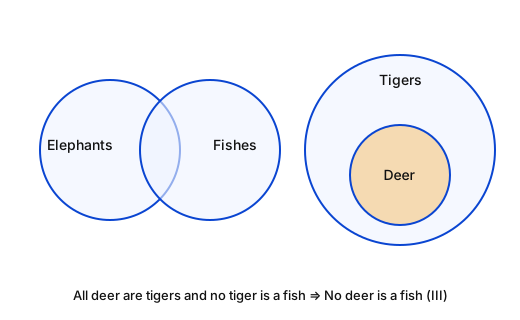
Concept: Draw the least-overlap Venn diagram; a conclusion follows only if it is true in every possible diagram.

  1. Some elephants are fishes; no fish is a tiger; all deer are tigers (deer circle inside tigers).
  2. I: elephants and deer need not meet – does not follow. II: some elephants (those that are not fishes) may be tigers – does not follow.
  3. III: deer lie inside tigers and tigers never touch fishes, so no deer is a fish – follows.

Trick: "All A are B" + "No B is C" ⇒ "No A is C" always.

Answer: (A) Only conclusion III follows.

अवधारणा: न्यूनतम ओवरलैप वाला वेन आरेख बनाएँ; निष्कर्ष तभी सही है जब हर संभव आरेख में सही हो।

  1. कुछ elephants, fishes हैं; कोई fish, tiger नहीं; सभी deer, tigers हैं।
  2. I: elephants और deer का मिलना ज़रूरी नहीं – नहीं। II: जो elephants fish नहीं हैं वे tiger हो सकते हैं – नहीं।
  3. III: deer, tigers के अंदर हैं और tigers का fishes से कोई संबंध नहीं – अतः कोई deer, fish नहीं – सही।

ट्रिक: "सभी A, B हैं" + "कोई B, C नहीं" ⇒ "कोई A, C नहीं"।

उत्तर: (A) केवल निष्कर्ष III अनुसरण करता है।

SSC CPO Paper IGeneral Intelligence and ReasoningSyllogismSSC CPO Paper I 2023 · 4 Oct Shift 1 →
Q5803.
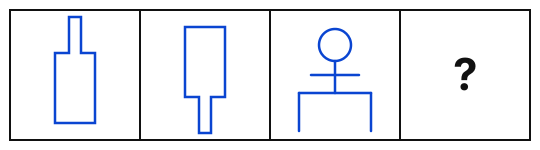
Select the figure that will come next (?) in the following series.
उस आकृति का चयन कीजिए जो निम्नलिखित श्रृंखला में आगे आएगी (?)।
  1. A
  2. B
  3. C
  4. D
Show answer

Concept: The figures come in pairs: the second figure of each pair is the first one turned upside down (180∘ rotation).

  1. Figure 1 is a bottle standing upright; figure 2 is the same bottle upside down.
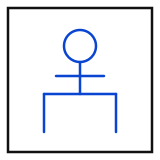
  2. Figure 3 is a stick figure with head on top and the open frame below.
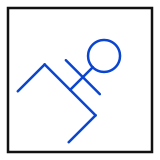
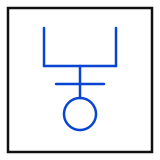
  3. So figure 4 must be figure 3 turned upside down – head at the bottom, open frame on top, which is option (D).

Trick: Look at the pairs (1, 2) and (3, ?) – the same change repeats in each pair.

Answer: (D) The inverted stick figure (head at the bottom).

अवधारणा: आकृतियाँ जोड़ियों में हैं: हर जोड़ी की दूसरी आकृति पहली को 180∘ घुमाकर (उल्टा करके) बनी है।

  1. आकृति 1 सीधी बोतल है, आकृति 2 वही बोतल उल्टी है।
  2. आकृति 3 में सिर ऊपर और खुला ढाँचा नीचे है।
  3. अतः आकृति 4 = आकृति 3 उल्टी – सिर नीचे, ढाँचा ऊपर, यानी विकल्प (D)।

ट्रिक: जोड़ियों (1, 2) और (3, ?) में एक ही बदलाव दोहराया जाता है।

उत्तर: (D) उल्टी आकृति (सिर नीचे)।

SSC CPO Paper IGeneral Intelligence and ReasoningFigure seriesSSC CPO Paper I 2023 · 4 Oct Shift 1 →
Q5804.
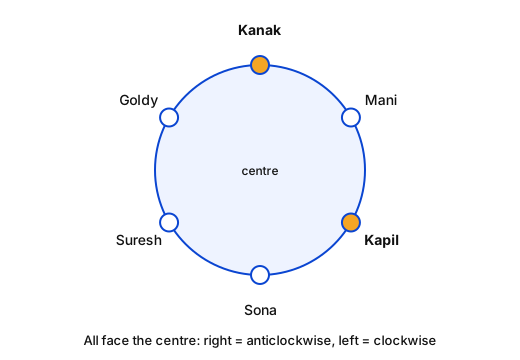
Six friends are sitting in a circle. All of them are facing the centre. Kanak sits third to the right of Sona. Kapil is an immediate neighbour of Mani. Goldy sits second to the right of Mani. Sona is an immediate neighbour of Kapil and Suresh.
Who sits second to the left of Kanak?
छह मित्र एक वृत्त में बैठे हैं। उन सभी का मुख केंद्र की ओर है। कनक, सोना के दाएँ से तीसरे स्थान पर बैठा है। कपिल, मणि का निकटतम पड़ोसी है। गोल्डी, मणि के दाएँ से दूसरे स्थान पर बैठा है। सोना, कपिल और सुरेश का निकटतम पड़ोसी है।
कनक के बाएँ से दूसरे स्थान पर कौन बैठा है?
  1. ASureshसुरेश
  2. BKapilकपिल
  3. CGoldyगोल्डी
  4. DManiमणि
Show answer

Concept: For people facing the centre, right = anticlockwise and left = clockwise.

  1. Kanak is third to the right of Sona, i.e. exactly opposite her. Kapil and Suresh are Sona's two neighbours.
  2. If Kapil is to Sona's right, Mani is next to Kapil and Goldy is second to the right of Mani – this fits: Sona, Kapil, Mani, Kanak, Goldy, Suresh (anticlockwise).
  3. (If Kapil were on Sona's left, Goldy would fall on Sona's seat – impossible.)
  4. Second to the left of Kanak (moving clockwise): Mani, then Kapil.

Trick: In a circle of 6, "third to the right/left" always means the opposite seat.

Answer: (B) Kapil

अवधारणा: केंद्र की ओर मुख होने पर दायाँ = वामावर्त (anticlockwise) और बायाँ = दक्षिणावर्त (clockwise)।

  1. Kanak, Sona के दाएँ तीसरे स्थान पर – यानी ठीक सामने। Kapil और Suresh, Sona के दोनों पड़ोसी हैं।
  2. Kapil को Sona के दाएँ रखें: Mani, Kapil के बगल में और Goldy, Mani के दाएँ दूसरा – क्रम (वामावर्त): Sona, Kapil, Mani, Kanak, Goldy, Suresh।
  3. (Kapil बाएँ हो तो Goldy, Sona की सीट पर आ जाएगा – असंभव।)
  4. Kanak के बाएँ दूसरा (दक्षिणावर्त): पहले Mani, फिर Kapil।

ट्रिक: 6 लोगों के वृत्त में "तीसरा दाएँ/बाएँ" = ठीक सामने वाली सीट।

उत्तर: (B) Kapil

SSC CPO Paper IGeneral Intelligence and ReasoningCircular seating arrangementSSC CPO Paper I 2023 · 4 Oct Shift 1 →
Q5805.
In this question, three statements are given, followed by two conclusions numbered I and II. Assuming the statements to be true, even if they seem to be at variance with commonly known facts, decide which of the conclusions logically follows/follow from the statements.
Statements:
I. All buildings are towers.
II. No tower is a shop.
III. Some shops are offices.
Conclusions:
I. Some offices are towers.
II. No building is a shop.
इस प्रश्न में तीन कथन और उसके बाद दो निष्कर्ष I और II दिए गए हैं। कथनों को सत्य मानते हुए, भले ही वे सामान्यतः ज्ञात तथ्यों से भिन्न प्रतीत होते हों, निर्णय लीजिए कि कौन-सा/से निष्कर्ष कथनों का तार्किक रूप से अनुसरण करता है/करते हैं।
कथन:
I. सभी इमारतें, मीनारें हैं।
II. कोई भी मीनार, दुकान नहीं है।
III. कुछ दुकानें, कार्यालय हैं।
निष्कर्ष:
I. कुछ कार्यालय, मीनारें हैं।
II. कोई भी इमारत, दुकान नहीं है।
  1. ABoth conclusions I and II followनिष्कर्ष I और II दोनों अनुसरण करते हैं
  2. BOnly conclusion I followsकेवल निष्कर्ष I अनुसरण करता है
  3. COnly conclusion II followsकेवल निष्कर्ष II अनुसरण करता है
  4. DNeither conclusion I nor II followsन तो निष्कर्ष I और न ही II अनुसरण करता है
Show answer

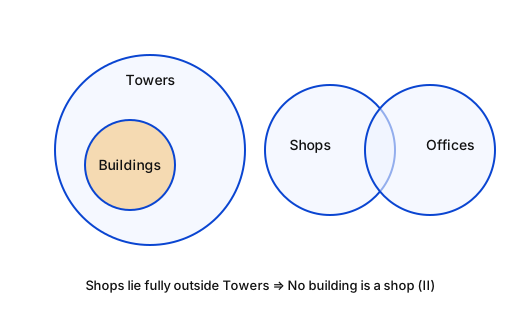
Concept: Combine the statements in a Venn diagram and test each conclusion in every possible case.

  1. Buildings lie inside towers; towers and shops do not meet; some shops are offices.
  2. I: offices touch shops, but no statement links offices with towers – does not follow.
  3. II: buildings are inside towers and no tower is a shop, so no building is a shop – follows.

Trick: "All A are B" + "No B is C" ⇒ "No A is C".

Answer: (C) Only conclusion II follows

अवधारणा: कथनों को वेन आरेख में मिलाएँ और हर संभव स्थिति में निष्कर्ष जाँचें।

  1. buildings, towers के अंदर; towers और shops अलग; कुछ shops, offices हैं।
  2. I: offices का towers से कोई सीधा संबंध नहीं – नहीं।
  3. II: buildings, towers के अंदर और कोई tower, shop नहीं – अतः कोई building, shop नहीं – सही।

ट्रिक: "सभी A, B हैं" + "कोई B, C नहीं" ⇒ "कोई A, C नहीं"।

उत्तर: (C) केवल निष्कर्ष II अनुसरण करता है

SSC CPO Paper IGeneral Intelligence and ReasoningSyllogismSSC CPO Paper I 2023 · 4 Oct Shift 1 →
Q5806.
Which of the following numbers will replace the question mark (?) in the given series? 239, 274, 309, 354, 399, 454, ?
दी गई श्रृंखला में प्रश्न चिह्न (?) के स्थान पर निम्नलिखित में से कौन-सी संख्या आएगी? 239, 274, 309, 354, 399, 454, ?
  1. A499
  2. B474
  3. C539
  4. D509
Show answer

Concept: Look at the differences between consecutive terms – they repeat in pairs.

  1. Differences: 274−239=35, 309−274=35, 354−309=45, 399−354=45, 454−399=55.
  2. Each difference appears twice and then increases by 10: 35,35,45,45,55,55―.
  3. Next term =454+55=509.

Trick: When differences come in equal pairs, the next difference repeats the last one.

Answer: (D) 509

अवधारणा: क्रमागत पदों का अंतर देखें – अंतर जोड़ियों में दोहराए जाते हैं।

  1. अंतर: 35,35,45,45,55।
  2. हर अंतर दो बार आता है, फिर 10 बढ़ता है – अगला अंतर 55।
  3. अगला पद =454+55=509।

ट्रिक: अंतर जोड़ियों में हों तो अगला अंतर पिछले के बराबर होगा।

उत्तर: (D) 509

SSC CPO Paper IGeneral Intelligence and ReasoningNumber seriesSSC CPO Paper I 2023 · 4 Oct Shift 1 →
Q5807.
If ‘+’ means ‘−’, ‘−’ means ‘×’, ‘×’ means ‘÷’ and ‘÷’ means ‘+’, what will come in place of ‘?’ in the following equation?
36 - 5 ÷ 240 × 6 + 17 = ?
यदि ‘+’ का अर्थ ‘−’, ‘−’ का अर्थ ‘×’, ‘×’ का अर्थ ‘÷’ और ‘÷’ का अर्थ ‘+’ है, तो निम्नलिखित समीकरण में ‘?’ के स्थान पर क्या आएगा?
36 - 5 ÷ 240 × 6 + 17 = ?
  1. A218
  2. B221
  3. C203
  4. D237
Show answer

Concept: Replace each sign by its meaning, then solve using BODMAS.

  1. Given: 36−5÷240×6+17
  2. After replacing: 36×5+240÷6−17
  3. =180+40−17=203

Trick: Write the new expression on a separate line before calculating – it avoids sign mix-ups.

Answer: (C) 203

अवधारणा: हर चिह्न को उसके अर्थ से बदलें, फिर BODMAS से हल करें।

  1. दिया है: 36−5÷240×6+17
  2. बदलने पर: 36×5+240÷6−17
  3. =180+40−17=203

ट्रिक: गणना से पहले नया व्यंजक अलग पंक्ति में लिखें – गलती नहीं होगी।

उत्तर: (C) 203

SSC CPO Paper IGeneral Intelligence and ReasoningMathematical operationsSSC CPO Paper I 2023 · 4 Oct Shift 1 →
Q5808.
If A, B, C, D and E denote +, ̶ , ×, ÷ and =, respectively, then which of the following
options is correct?
यदि A, B, C, D और E क्रमशः +, ̶ , ×, ÷ और = को दर्शाते हैं, तो निम्नलिखित में से
कौन-सा विकल्प सही है?
  1. A4A9C6D2E40A9
  2. B4A9C6D2B40E9
  3. C4A9C6D2E40B9
  4. D4A9E6D2C40B9
Show answer

Concept: Decode A = +, B = −, C = ×, D = ÷, E = = and check which option gives equal sides.

  1. (C) 4A9C6D2E40B9 ⇒4+9×6÷2=40−9
  2. LHS =4+27=31; RHS =40−9=31 – true.
  3. (A): 31≠49; (B): 4+9×6÷2−40=−9≠9; (D): 4+9≠6÷2×40−9 – all false.

Trick: Check options with only one E first; solve LHS and RHS separately using BODMAS.

Answer: (C) 4A9C6D2E40B9

अवधारणा: A = +, B = −, C = ×, D = ÷, E = = रखकर देखें किस विकल्प में दोनों पक्ष बराबर हैं।

  1. (C) ⇒4+9×6÷2=40−9
  2. बायाँ पक्ष =4+27=31, दायाँ पक्ष =31 – सही।
  3. (A), (B), (D) में दोनों पक्ष बराबर नहीं होते।

ट्रिक: दोनों पक्षों को अलग-अलग BODMAS से हल करें।

उत्तर: (C) 4A9C6D2E40B9

SSC CPO Paper IGeneral Intelligence and ReasoningMathematical operationsSSC CPO Paper I 2023 · 4 Oct Shift 1 →
Q5809.
Which of the following numbers will replace the question mark (?) in the given series? 25, 26, 28, 32, 40, ?
दी गई श्रृंखला में प्रश्न चिह्न (?) के स्थान पर निम्नलिखित में से कौन-सी संख्या आएगी? 25, 26, 28, 32, 40, ?
  1. A50
  2. B56
  3. C58
  4. D52
Show answer

Concept: The differences are successive powers of 2.

  1. 26−25=1, 28−26=2, 32−28=4, 40−32=8
  2. Differences double: 1,2,4,8,16
  3. Next term =40+16=56

Trick: Doubling differences (20,21,22…) is a very common SSC pattern.

Answer: (B) 56

अवधारणा: अंतर 2 की क्रमागत घातें हैं।

  1. अंतर: 1,2,4,8
  2. हर बार अंतर दोगुना: अगला 16
  3. अगला पद =40+16=56

ट्रिक: दोगुने होते अंतर (20,21,22…) SSC में बहुत आम हैं।

उत्तर: (B) 56

SSC CPO Paper IGeneral Intelligence and ReasoningNumber seriesSSC CPO Paper I 2023 · 4 Oct Shift 1 →
Q5810.
Which letter-cluster will replace the question mark (?) to complete the given series? VQSN, ?, ROOL, PNMK, NMKJ
दी गई श्रृंखला को पूरा करने के लिए प्रश्न चिह्न (?) के स्थान पर कौन-सा अक्षर-समूह आएगा? VQSN, ?, ROOL, PNMK, NMKJ
  1. APQMN
  2. BTPQM
  3. CPTMQ
  4. DTQRN
Show answer

Concept: Track each letter position of the clusters separately.

  1. 1st letters: V, T, R, P, N (−2 each) ⇒ T
  2. 2nd: Q, P, O, N, M (−1) ⇒ P; 3rd: S, Q, O, M, K (−2) ⇒ Q
  3. 4th: N, M, L, K, J (−1) ⇒ M. Missing cluster = TPQM.

Trick: Fill the column of the term that already has neighbours on both sides.

Answer: (B) TPQM

अवधारणा: हर स्थान के अक्षरों को अलग-अलग देखें।

  1. पहला अक्षर: V, T, R, P, N (−2) ⇒ T
  2. दूसरा: Q, P, O… (−1) ⇒ P; तीसरा: S, Q, O… (−2) ⇒ Q
  3. चौथा: N, M, L… (−1) ⇒ M। उत्तर TPQM।

ट्रिक: हर स्थान का अलग कॉलम बनाकर पैटर्न देखें।

उत्तर: (B) TPQM

SSC CPO Paper IGeneral Intelligence and ReasoningLetter seriesSSC CPO Paper I 2023 · 4 Oct Shift 1 →
Q5811.
If '+' means '×', '×' means '–', '–' means '÷' and '÷' means '+', then what will come in
place of the (?) in the following equation?
9 + 3 ÷ 2 × 135 – 15 = ?
यदि '+' का अर्थ '×', '×' का अर्थ '–', '–' का अर्थ '÷' और '÷' का अर्थ '+' है, तो निम्नलिखित समीकरण में
(?) के स्थान पर क्या आएगा?
9 + 3 ÷ 2 × 135 – 15 = ?
  1. A22
  2. B25
  3. C18.5
  4. D20
Show answer

Concept: Interchange the signs as given, then apply BODMAS.

  1. 9+3÷2×135−15 becomes 9×3+2−135÷15
  2. =27+2−9
  3. =20

Trick: Do division/multiplication first: 135÷15=9.

Answer: (D) 20

अवधारणा: दिए अनुसार चिह्न बदलें, फिर BODMAS लगाएँ।

  1. 9+3÷2×135−15⇒9×3+2−135÷15
  2. =27+2−9
  3. =20

ट्रिक: पहले भाग/गुणा: 135÷15=9।

उत्तर: (D) 20

SSC CPO Paper IGeneral Intelligence and ReasoningMathematical operationsSSC CPO Paper I 2023 · 4 Oct Shift 1 →
Q5812.
Select the correct option that indicates the arrangement of the given words in the
order in which they appear in an English dictionary.
1. Realistic
2. Readily
3. Reach
4. Really
5. Reactor
6. Realize
उस सही विकल्प का चयन कीजिए जो दिए गए शब्दों की उस व्यवस्था को दर्शाता है जिस
क्रम में वे अंग्रेज़ी शब्दकोश में आते हैं।
1. Realistic
2. Readily
3. Reach
4. Really
5. Reactor
6. Realize
  1. A3, 5, 1, 2, 6, 4
  2. B3, 5, 2, 1, 6, 4
  3. C3, 2, 6, 1, 5, 4
  4. D3, 5, 6, 1, 2, 4
Show answer

Concept: Compare words letter by letter; all start with "Rea", so look at the 4th letter onward.

  1. 4th letters: Reac(h), Reac(tor), Read(ily), Real(istic), Real(ize), Real(ly) ⇒ c, c, d, l, l, l.
  2. Reach before Reactor (h < t); then Readily.
  3. Among "Real…": Reali-s-tic, Reali-z-e, Reall-y ⇒ Realistic, Realize, Really.
  4. Order: 3, 5, 2, 1, 6, 4

Trick: For a long common start, jump straight to the first letter where words differ.

Answer: (B) 3, 5, 2, 1, 6, 4

अवधारणा: शब्दों की अक्षर-दर-अक्षर तुलना करें; सभी "Rea" से शुरू होते हैं।

  1. चौथा अक्षर: c, c, d, l, l, l।
  2. Reach, Reactor से पहले (h, t से पहले); फिर Readily।
  3. "Real…" में: Realistic (s), Realize (z), Really (l) ⇒ Realistic, Realize, Really।
  4. क्रम: 3, 5, 2, 1, 6, 4

ट्रिक: जहाँ पहली बार अक्षर अलग हो, वहीं से तुलना करें।

उत्तर: (B) 3, 5, 2, 1, 6, 4

SSC CPO Paper IGeneral Intelligence and ReasoningDictionary orderSSC CPO Paper I 2023 · 4 Oct Shift 1 →
Q5813.
Select the option that is related to the third word in the same way as the second word is related to the first word.
(The words must be considered as meaningful words and must not be related to each other based on the number of letters/number of consonants/vowels in the word.)
Derive : Infer :: Urge : ?
उस विकल्प का चयन कीजिए जो तीसरे शब्द से उसी प्रकार संबंधित है, जिस प्रकार दूसरा शब्द पहले शब्द से संबंधित है।
(शब्दों को अर्थपूर्ण शब्द माना जाना चाहिए और शब्द में अक्षरों की संख्या/व्यंजनों/स्वरों की संख्या के आधार पर एक-दूसरे से संबंधित नहीं होने चाहिए।)
Derive (व्युत्पन्न करना) : Infer (अनुमान लगाना) :: Urge (आग्रह करना) : ?
  1. AProtestProtest (विरोध करना)
  2. BHinderHinder (बाधा डालना)
  3. CCensureCensure (निंदा करना)
  4. DExhortExhort (प्रोत्साहित करना)
Show answer

Concept: Derive and Infer are synonyms – both mean to reach a conclusion from evidence.

  1. Urge = to strongly encourage someone to do something.
  2. Exhort = to strongly encourage or urge – a synonym.
  3. Protest (object), Hinder (obstruct) and Censure (criticise) do not mean "urge".

Trick: First decide the relation (synonym/antonym) from the first pair, then look for the same in options.

Answer: (D) Exhort

अवधारणा: Derive और Infer समानार्थी हैं – दोनों का अर्थ है प्रमाण से निष्कर्ष निकालना।

  1. Urge = किसी को ज़ोर देकर प्रेरित करना।
  2. Exhort = दृढ़ता से प्रोत्साहित करना – समानार्थी।
  3. Protest (विरोध), Hinder (रुकावट), Censure (निंदा) – अर्थ अलग।

ट्रिक: पहली जोड़ी से संबंध (समानार्थी/विलोम) तय करें, फिर वही विकल्पों में खोजें।

उत्तर: (D) Exhort

SSC CPO Paper IGeneral Intelligence and ReasoningWord analogy (synonyms)SSC CPO Paper I 2023 · 4 Oct Shift 1 →
Q5814.
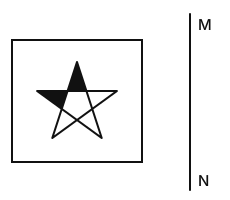
Select the correct mirror image of the given figure when the mirror is placed at line MN as shown.
दर्पण को दर्शाए अनुसार रेखा MN पर रखे जाने पर दी गई आकृति के सही दर्पण प्रतिबिंब का चयन कीजिए।
  1. A
  2. B
  3. C
  4. D
Show answer

Concept: A vertical mirror (MN on the right) swaps left and right; top and bottom stay the same.

  1. In the figure, the top point of the star is black and a small black piece is on the left of it.
  2. In the mirror image the top point stays black and the small black piece moves to the right side.
  3. Only option (C) shows the top point black with the black piece on the right.

Trick: For a vertical mirror, track one asymmetric detail (here the side black piece) and flip only its left–right position.

Answer: (C) The star with the black top point and black piece on the right.

अवधारणा: खड़ा दर्पण (दाईं ओर MN) बाएँ-दाएँ बदल देता है; ऊपर-नीचे वही रहते हैं।

  1. तारे का ऊपरी कोना काला है और उसके बाईं ओर छोटा काला भाग है।
  2. दर्पण में ऊपरी कोना काला ही रहेगा, पर छोटा काला भाग दाईं ओर आ जाएगा।
  3. केवल विकल्प (C) में ऐसा है।

ट्रिक: खड़े दर्पण में किसी एक असममित भाग की केवल बाएँ-दाएँ स्थिति बदलें।

उत्तर: (C) ऊपरी कोना काला और काला भाग दाईं ओर।

SSC CPO Paper IGeneral Intelligence and ReasoningMirror imageSSC CPO Paper I 2023 · 4 Oct Shift 1 →
Q5815.
‘D @ G’ means ‘D is the father of G’,
‘D # G’ means ‘D is the daughter of G’,
‘D * G’ means ‘D is the mother of G’, and
‘D – G’ means ‘D is the husband of G’.
If A – Q * B @ R, how is A related to R?
‘D @ G’ का अर्थ है ‘D, G का पिता है’,
‘D # G’ का अर्थ है ‘D, G की पुत्री है’,
‘D * G’ का अर्थ है ‘D, G की माता है’, और
‘D – G’ का अर्थ है ‘D, G का पति है’।
यदि A – Q * B @ R है, तो A का R से क्या संबंध है?
  1. AFatherपिता
  2. BHusbandपति
  3. CSonपुत्र
  4. DFather’s fatherपिता के पिता
Show answer

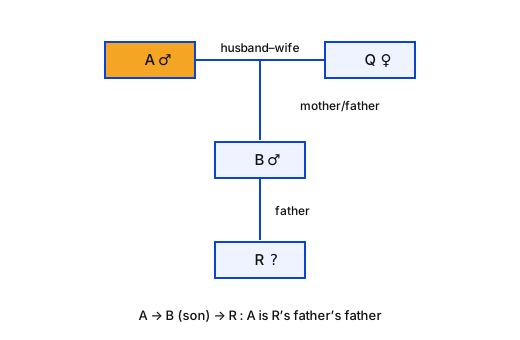
Concept: Decode each symbol step by step: A – Q * B @ R.

  1. A – Q: A is the husband of Q.
  2. Q * B: Q is the mother of B, so A (Q's husband) is B's father.
  3. B @ R: B is the father of R.
  4. So A is the father of R's father, i.e. R's father's father.

Trick: Go from left to right and fix genders as soon as a symbol reveals them (husband/father ⇒ male).

Answer: (D) Father’s father

अवधारणा: हर चिह्न को क्रम से डिकोड करें: A – Q * B @ R।

  1. A – Q: A, Q का पति है।
  2. Q * B: Q, B की माँ है ⇒ A, B का पिता।
  3. B @ R: B, R का पिता है।
  4. अतः A, R के पिता का पिता (दादा) है।

ट्रिक: बाएँ से दाएँ चलें और लिंग तुरंत तय करें (पति/पिता ⇒ पुरुष)।

उत्तर: (D) पिता के पिता (Father’s father)

SSC CPO Paper IGeneral Intelligence and ReasoningBlood relations (coded)SSC CPO Paper I 2023 · 4 Oct Shift 1 →
Q5816.
If A denotes ‘+’, B denotes ‘×’, C denotes ‘−’, and D denotes ‘÷’, then what will come in place of ‘?’ in the following equation?
145 A 27 D 3 B ? = 163
यदि A का अर्थ ‘+’, B का अर्थ ‘×’, C का अर्थ ‘−’ और D का अर्थ ‘÷’ है, तो निम्नलिखित समीकरण में ‘?’ के स्थान पर क्या आएगा?
145 A 27 D 3 B ? = 163
  1. A1
  2. B2
  3. C3
  4. D6
Show answer

Concept: Replace letters by signs and solve the equation for the unknown.

  1. 145+27÷3×?=163
  2. 145+9×?=163⇒9×?=18
  3. ?=2

Trick: Move the known numbers to the other side first: 163−145=18.

Answer: (B) 2

अवधारणा: अक्षरों को चिह्नों से बदलें और अज्ञात का मान निकालें।

  1. 145+27÷3×?=163
  2. 145+9×?=163⇒9×?=18
  3. ?=2

ट्रिक: पहले ज्ञात संख्या घटाएँ: 163−145=18।

उत्तर: (B) 2

SSC CPO Paper IGeneral Intelligence and ReasoningMathematical operationsSSC CPO Paper I 2023 · 4 Oct Shift 1 →
Q5817.
In a certain code language, ‘LIFE’ is coded as ‘9351’ and ‘NEAR’ is coded as ‘4692’. What is the code for ‘E’ in the given code language?
एक निश्चित कूट भाषा में, ‘LIFE’ को ‘9351’ और ‘NEAR’ को ‘4692’ के रूप में कूटबद्ध किया जाता है। दी गई कूट भाषा में ‘E’ के लिए कूट क्या है?
  1. A3
  2. B4
  3. C1
  4. D9
Show answer

Concept: A letter common to two words takes the digit common to both codes.

  1. LIFE → 9351 and NEAR → 4692.
  2. Common letter: E. Common digit: 9.
  3. So E = 9.

Trick: Common letter ↔ common digit – no need to decode the full word.

Answer: (D) 9

अवधारणा: दो शब्दों में उभयनिष्ठ अक्षर का कोड दोनों कोड में उभयनिष्ठ अंक होगा।

  1. LIFE → 9351, NEAR → 4692।
  2. उभयनिष्ठ अक्षर E, उभयनिष्ठ अंक 9।
  3. अतः E = 9।

ट्रिक: उभयनिष्ठ अक्षर ↔ उभयनिष्ठ अंक।

उत्तर: (D) 9

SSC CPO Paper IGeneral Intelligence and ReasoningCoding–decodingSSC CPO Paper I 2023 · 4 Oct Shift 1 →
Q5818.
If ‘+’ means ‘–’, ‘–’ means ‘×’, ‘×’ means ‘÷’, ‘÷’ means ‘+’, then what will come in place of the question mark (?) in the following equation?
124 × 4 ÷ 13 – 3 + 36 = ?
यदि ‘+’ का अर्थ ‘–’, ‘–’ का अर्थ ‘×’, ‘×’ का अर्थ ‘÷’, ‘÷’ का अर्थ ‘+’ है, तो निम्नलिखित समीकरण में प्रश्न चिह्न (?) के स्थान पर क्या आएगा?
124 × 4 ÷ 13 – 3 + 36 = ?
  1. A31
  2. B34
  3. C45
  4. D42
Show answer

Concept: Replace each sign by its meaning, then use BODMAS.

  1. 124×4÷13−3+36⇒124÷4+13×3−36
  2. =31+39−36
  3. =34

Trick: Write the converted expression first, then calculate.

Answer: (B) 34

अवधारणा: चिह्नों को उनके अर्थ से बदलें, फिर BODMAS लगाएँ।

  1. 124×4÷13−3+36⇒124÷4+13×3−36
  2. =31+39−36
  3. =34

ट्रिक: पहले बदला हुआ व्यंजक लिखें, फिर गणना करें।

उत्तर: (B) 34

SSC CPO Paper IGeneral Intelligence and ReasoningMathematical operationsSSC CPO Paper I 2023 · 4 Oct Shift 1 →
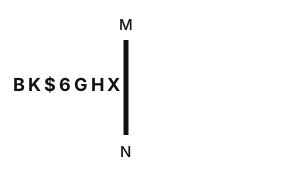
Q5819.
Select the correct mirror image of the given figure when the mirror is placed at MN as shown below.
दर्पण को नीचे दर्शाए अनुसार MN पर रखे जाने पर दी गई आकृति के सही दर्पण प्रतिबिंब का चयन कीजिए।
  1. A
  2. B
  3. C
  4. D
Show answer

Concept: A vertical mirror on the right reverses the order of characters and flips each character left–right.

  1. BK$6GHX read in the mirror starts from X (the character nearest the mirror) and ends with B.
  2. Each character is also laterally inverted: the 6, $, K and B face the other way; symmetric letters H and X look unchanged.
  3. Option (C) shows X H G, a reversed 6, a reversed $, K and B in this order – the correct image.

Trick: The character closest to the mirror appears first (closest) in the image.

Answer: (C) The image beginning with X and having reversed 6, $, K, B.

अवधारणा: दाईं ओर का खड़ा दर्पण अक्षरों का क्रम उलट देता है और हर अक्षर को बाएँ-दाएँ पलट देता है।

  1. BK$6GHX का प्रतिबिंब X (दर्पण के सबसे पास) से शुरू होकर B पर खत्म होगा।
  2. हर अक्षर भी पलटेगा: 6, $, K, B उल्टी दिशा में दिखेंगे; H और X सममित हैं।
  3. विकल्प (C) में यही क्रम और पलटे अक्षर हैं।

ट्रिक: दर्पण के सबसे पास वाला अक्षर प्रतिबिंब में भी सबसे पास (पहले) दिखता है।

उत्तर: (C) X से शुरू, पलटे हुए 6, $, K, B वाला प्रतिबिंब।

SSC CPO Paper IGeneral Intelligence and ReasoningMirror imageSSC CPO Paper I 2023 · 4 Oct Shift 1 →
Q5820.
In a certain code language, ‘FIRE’ is coded as ‘7391’ and ‘AGED’ is coded as ‘8247’. What is the code for ‘E’ in the given code language?
एक निश्चित कूट भाषा में, ‘FIRE’ को ‘7391’ और ‘AGED’ को ‘8247’ के रूप में कूटबद्ध किया जाता है। दी गई कूट भाषा में ‘E’ के लिए कूट क्या है?
  1. A2
  2. B7
  3. C4
  4. D3
Show answer

Concept: The letter common to two words gets the digit common to both codes.

  1. FIRE → 7391 and AGED → 8247.
  2. Common letter: E. Common digit: 7.
  3. So E = 7.

Trick: Match common letter with common digit.

Answer: (B) 7

अवधारणा: दोनों शब्दों में उभयनिष्ठ अक्षर का कोड उभयनिष्ठ अंक होगा।

  1. FIRE → 7391, AGED → 8247।
  2. उभयनिष्ठ अक्षर E, उभयनिष्ठ अंक 7।
  3. अतः E = 7।

ट्रिक: उभयनिष्ठ अक्षर ↔ उभयनिष्ठ अंक।

उत्तर: (B) 7

SSC CPO Paper IGeneral Intelligence and ReasoningCoding–decodingSSC CPO Paper I 2023 · 4 Oct Shift 1 →