Question bank

Q&A: practice questions with answers

Search questions on any topic. Filter by exam category, exam, subject and topic, try the question, then open the answer and explanation.

Courses – airGurukul

6,600 questions found.

Q41.
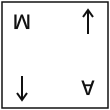
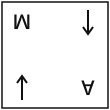
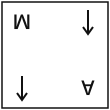
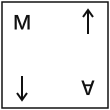
Identify the figure given in the options which when put in place of ‘?’ will logically
complete the series.

विकल्पों में दी गई उस आकृति की पहचान कीजिए जिसे ‘?’ के स्थान पर रखने पर शृंखला तार्किक रूप से
पूरी हो जाएगी।
  1. A
  2. B
  3. C
  4. D
Show answer

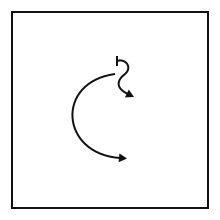
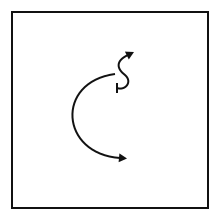
Concept: Each figure has four elements (M, two arrows, A); in every step exactly one element turns upside down, moving anticlockwise round the corners.

  1. Fig 1 → 2: A (bottom-right) is inverted.
  2. Fig 2 → 3: the bottom-left arrow is inverted (↑ to ↓).
  3. Fig 3 → 4: M (top-left) is inverted.
  4. Fig 4 → 5: the top-right arrow is inverted (↑ to ↓). All four are now inverted — option (C).

Trick: Compare consecutive figures and note which single corner changed — the changing corner moves BR → BL → TL → TR.

Answer: (C)

अवधारणा: हर आकृति में चार तत्व (M, दो तीर, A); हर चरण में ठीक एक तत्व उल्टा (upside down) होता है, कोनों में वामावर्त क्रम से।

  1. Fig 1 → 2: A (नीचे-दाएँ) उल्टा।
  2. Fig 2 → 3: नीचे-बाएँ तीर उल्टा (↑ से ↓)।
  3. Fig 3 → 4: M (ऊपर-बाएँ) उल्टा।
  4. Fig 4 → 5: ऊपर-दाएँ तीर उल्टा (↑ से ↓)। अब चारों उल्टे — विकल्प (C)।

ट्रिक: लगातार दो आकृतियों में देखें कौन-सा एक कोना बदला — क्रम BR → BL → TL → TR.

उत्तर: (C)
SSC CPO Paper IGeneral Intelligence and ReasoningFigure seriesSSC CPO Paper I 2024 · 29 Jun Shift 3 →
Q42.
Two statements are given, followed by two conclusions numbered I and II. Assuming the statements to be true, even if they seem to be at variance with commonly known facts, decide which of the conclusions logically follow(s) from the statements.
Statements:
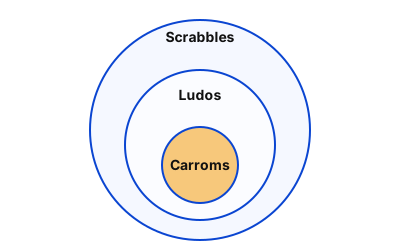
All carroms are ludos.
All ludos are scrabbles.
Conclusions:
I. Some carroms are not scrabbles.
II. Some scrabbles are carroms.
दो कथन दिए गए हैं, जिनके बाद I और II क्रमांकित दो निष्कर्ष दिए गए हैं। कथनों को सत्य मानते हुए, भले ही वे सामान्यतः ज्ञात तथ्यों से भिन्न प्रतीत होते हों, निर्णय कीजिए कि कौन-सा/से निष्कर्ष तार्किक रूप से कथनों का अनुसरण करता है/करते हैं।
कथन:
सभी कैरम, लूडो हैं।
सभी लूडो, स्क्रैबल हैं।
निष्कर्ष:
I. कुछ कैरम, स्क्रैबल नहीं हैं।
II. कुछ स्क्रैबल, कैरम हैं।
  1. AOnly conclusion II followsकेवल निष्कर्ष II अनुसरण करता है
  2. BOnly conclusion I followsकेवल निष्कर्ष I अनुसरण करता है
  3. CBoth conclusions I and II followनिष्कर्ष I और II दोनों अनुसरण करते हैं
  4. DNeither conclusion I nor II followsन तो निष्कर्ष I और न ही II अनुसरण करता है
Show answer

Concept: Chain 'All' statements: All C are L and All L are S → All C are S.

  1. Carroms ⊂ Ludos ⊂ Scrabbles.
  2. I: 'Some carroms are not scrabbles' contradicts 'All carroms are scrabbles' → does not follow.
  3. II: 'Some scrabbles are carroms' is the conversion of 'All carroms are scrabbles' → follows.

Trick: All + All = All; and every 'All A are B' gives 'Some B are A'.

Answer: (A) Only conclusion II follows

अवधारणा: 'All' कथनों की श्रृंखला: All C are L और All L are S → All C are S.

  1. Carroms ⊂ Ludos ⊂ Scrabbles.
  2. I: 'Some carroms are not scrabbles', 'All carroms are scrabbles' के विपरीत → गलत।
  3. II: 'Some scrabbles are carroms', 'All carroms are scrabbles' का रूपांतरण → सही।

याद रखें: All + All = All; और हर 'All A are B' से 'Some B are A' निकलता है।

उत्तर: (A) Only conclusion II follows

SSC CPO Paper IGeneral Intelligence and ReasoningSyllogismSSC CPO Paper I 2024 · 29 Jun Shift 3 →
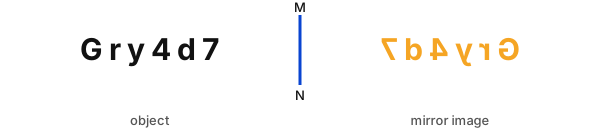
Q43.
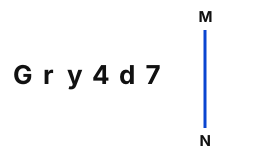
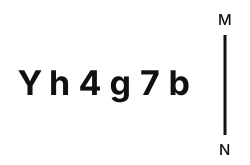
Select the correct mirror image of the given figure when the mirror is placed at MN as shown below.
नीचे दर्शाए अनुसार दर्पण को MN पर रखे जाने पर दी गई आकृति के सही दर्पण प्रतिबिंब का चयन कीजिए।
  1. A
  2. B
  3. C
  4. D
Show answer

Concept: A vertical mirror on the right reverses the order of characters and flips each one left–right; nothing turns upside down.

  1. Object: G r y 4 d 7 → in the mirror the order becomes 7 d 4 y r G.
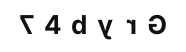
  2. Each character is laterally inverted: 7 faces the other way, d looks like b, 4 is flipped, G opens to the left.
  3. All characters stay upright.
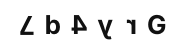
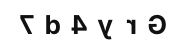
  4. Option (C) shows this; (A) keeps d and 4 unflipped, (B)/(D) turn characters upside down.

Trick: In lateral inversion b ↔ d, but never b ↔ p (that would be a water image).

Answer: (C)

अवधारणा: दाईं ओर ऊर्ध्वाधर दर्पण अक्षरों का क्रम उलट देता है और हर अक्षर बाएँ–दाएँ पलटता है; कुछ भी ऊपर-नीचे नहीं होता।

  1. वस्तु: G r y 4 d 7 → दर्पण में क्रम 7 d 4 y r G.
  2. हर अक्षर पार्श्व उल्टा: 7 दूसरी ओर, d, b जैसा दिखता है, 4 पलटता है, G बाईं ओर खुलता है।
  3. सभी अक्षर सीधे खड़े रहते हैं।
  4. विकल्प (C) यही दिखाता है; (A) में d और 4 नहीं पलटे, (B)/(D) में अक्षर उल्टे (upside down)।

ट्रिक: पार्श्व उल्टापन में b ↔ d होता है, b ↔ p नहीं (वह जल-प्रतिबिंब है)।

उत्तर: (C)

SSC CPO Paper IGeneral Intelligence and ReasoningMirror imageSSC CPO Paper I 2024 · 29 Jun Shift 3 →
Q44.
If + means − , − means × , × means ÷ , ÷ means +, what will come in place of the
question mark (?) in the given equation?
99 × 33 – 70 ÷ 90 + 100 = ?
यदि + का अर्थ − है, − का अर्थ × है, × का अर्थ ÷ है, ÷ का अर्थ + है, तो दिए गए समीकरण में
प्रश्न चिह्न (?) के स्थान पर क्या आएगा?
99 × 33 – 70 ÷ 90 + 100 = ?
  1. A100
  2. B201
  3. C300
  4. D200
Show answer

Concept: Replace each sign as given, then apply BODMAS.

  1. 99×33−70÷90+100 becomes 99÷33×70+90−100.
  2. 99÷33=3, 3×70=210.
  3. 210+90−100=200.

Trick: Convert first, calculate later — a single wrongly replaced sign changes the answer.

Answer: (D) 200

अवधारणा: दिए अनुसार चिह्न बदलें, फिर BODMAS लगाएँ।

  1. 99×33−70÷90+100 बदलकर 99÷33×70+90−100.
  2. 99÷33=3, 3×70=210.
  3. 210+90−100=200.

ट्रिक: पहले बदलें, फिर गणना करें — एक भी चिह्न गलत बदला तो उत्तर बदल जाएगा।

उत्तर: (D) 200

SSC CPO Paper IGeneral Intelligence and ReasoningMathematical operationsSSC CPO Paper I 2024 · 29 Jun Shift 3 →
Q45.
Select the set in which the numbers are related in the same way as are the numbers of the following sets.
(NOTE: Operations should be performed on the whole numbers, without breaking
down the numbers into its constituent digits. E.g. 13 – Operations on 13 such as
adding /deleting /multiplying etc. to 13 can be performed. Breaking down 13 into 1 and 3 and then performing mathematical operations on 1 and 3 is not allowed)
(112, 56, 8)
(196, 98, 14)
उस समुच्चय का चयन कीजिए जिसमें संख्याएँ उसी प्रकार संबंधित हैं जिस प्रकार निम्नलिखित समुच्चयों की संख्याएँ संबंधित हैं।
(ध्यान दें: संख्याओं को उनके घटक अंकों में तोड़े बिना, संक्रियाएँ पूर्ण संख्याओं पर की जानी चाहिए। उदाहरण के लिए 13 – 13 पर संक्रियाएँ जैसे
13 में जोड़ना/घटाना/गुणा करना आदि किया जा सकता है। 13 को 1 और 3 में तोड़कर फिर 1 और 3 पर गणितीय संक्रियाएँ करने की अनुमति नहीं है।)
(112, 56, 8)
(196, 98, 14)
  1. A(294, 147, 21)
  2. B(294, 147, 19)
  3. C(294, 149, 21)
  4. D(292, 147, 21)
Show answer

Concept: Second number = first ÷ 2; third number = second ÷ 7.

  1. 112÷2=56, 56÷7=8 ✓.
  2. 196÷2=98, 98÷7=14 ✓.
  3. (A) 294÷2=147, 147÷7=21 ✓. (B) needs 21 not 19; (C) needs 147 not 149; (D) 292÷2=146≠147.

Trick: Equivalently, first = 14 × third and second = 7 × third: 14×21=294, 7×21=147.

Answer: (A) (294, 147, 21)

अवधारणा: दूसरी संख्या = पहली ÷ 2; तीसरी = दूसरी ÷ 7.

  1. 112÷2=56, 56÷7=8 ✓.
  2. 196÷2=98, 98÷7=14 ✓.
  3. (A) 294÷2=147, 147÷7=21 ✓. (B) में 19 नहीं 21 चाहिए; (C) में 149 नहीं 147; (D) 292÷2=146≠147.

ट्रिक: अर्थात पहली = 14 × तीसरी, दूसरी = 7 × तीसरी: 14×21=294, 7×21=147.

उत्तर: (A) (294, 147, 21)

SSC CPO Paper IGeneral Intelligence and ReasoningNumber set relationSSC CPO Paper I 2024 · 29 Jun Shift 3 →
Q46.
Which of the following interchanges of signs would make the given equation correct? 3 − 15 + 10 ÷ 2 × 7 = 43
चिह्नों के निम्नलिखित में से किस परस्पर परिवर्तन से दिया गया समीकरण सही हो जाएगा? 3 − 15 + 10 ÷ 2 × 7 = 43
  1. A÷ and ×÷ और ×
  2. B+ and ×+ और ×
  3. C− and ×− और ×
  4. D− and +− और +
Show answer

Concept: Swap the two signs in each option and check with BODMAS.

  1. Swap − and ×: 3×15+10÷2−7.
  2. 3×15=45, 10÷2=5.
  3. 45+5−7=43 ✓.

Trick: 43 is close to 3×15=45 — a strong hint that × must go between 3 and 15.

Answer: (C) − and ×

अवधारणा: हर विकल्प के दोनों चिह्न बदलकर BODMAS से जाँचें।

  1. − और × बदलें: 3×15+10÷2−7.
  2. 3×15=45, 10÷2=5.
  3. 45+5−7=43 ✓.

ट्रिक: 43, 3×15=45 के पास है — संकेत कि × 3 और 15 के बीच होगा।

उत्तर: (C) − और ×

SSC CPO Paper IGeneral Intelligence and ReasoningInterchange of signsSSC CPO Paper I 2024 · 29 Jun Shift 3 →
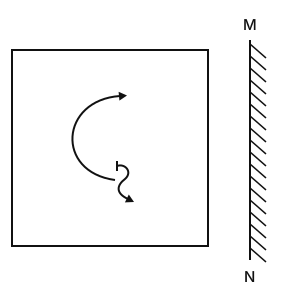
Q47.
Select the correct mirror image of the given figure when the mirror is placed at MN as shown below.
नीचे दर्शाए अनुसार दर्पण को MN पर रखे जाने पर दी गई आकृति के सही दर्पण प्रतिबिंब का चयन कीजिए।
  1. A
  2. B
  3. C
  4. D
Show answer

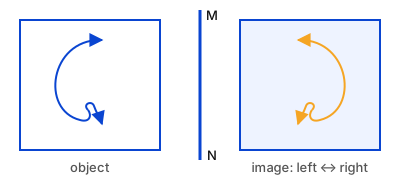
Concept: With the mirror MN on the right side, the figure flips left ↔ right only; top and bottom stay the same.

  1. In the object the large arc bulges to the left and its top arrow points right.
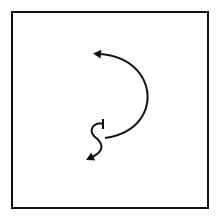
  2. In the image the arc bulges to the right and the top arrow points left.
  3. The small wavy tail stays at the bottom but now hangs towards the left, its arrow pointing down-left.
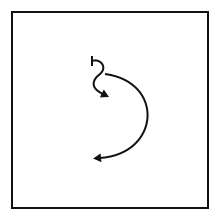
  4. Option (A) shows exactly this; (C)/(D) are not flipped, (B) is turned upside down.

Trick: For a vertical mirror ask only: 'what was on the left is now on the right' — up/down never changes.

Answer: (A)

अवधारणा: दर्पण MN दाईं ओर हो तो आकृति केवल बाएँ ↔ दाएँ पलटती है; ऊपर-नीचे वही रहता है।

  1. वस्तु में बड़ा चाप बाईं ओर उभरा है और ऊपर का तीर दाईं ओर।
  2. प्रतिबिंब में चाप दाईं ओर उभरा और ऊपर का तीर बाईं ओर।
  3. छोटी लहरदार पूँछ नीचे ही रहती है पर अब बाईं ओर, तीर नीचे-बाएँ।
  4. विकल्प (A) यही दिखाता है; (C)/(D) पलटे नहीं, (B) ऊपर-नीचे उल्टा।

ट्रिक: ऊर्ध्वाधर दर्पण में केवल बाएँ–दाएँ बदलता है, ऊपर–नीचे कभी नहीं।

उत्तर: (A)

SSC CPO Paper IGeneral Intelligence and ReasoningMirror imageSSC CPO Paper I 2024 · 29 Jun Shift 3 →
Q48.
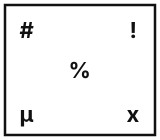
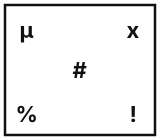
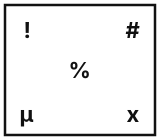
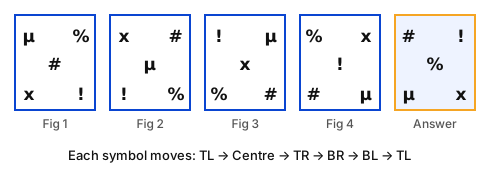
Select the figure from among the given options that can logically replace the question mark (?) in the following series.
दिए गए विकल्पों में से उस आकृति का चयन कीजिए जो निम्नलिखित शृंखला में प्रश्न चिह्न (?) का तार्किक रूप से स्थान ले सकती है।
  1. A
  2. B
  3. C
  4. D
Show answer

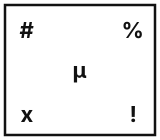
Concept: Track each symbol through the five positions (four corners + centre).

  1. μ: TL (Fig 1) → centre → TR → BR (Fig 4).
  2. All symbols follow the same cycle: TL → Centre → TR → BR → BL → TL.
  3. Fig 5: μ (BR) → BL, % (TL) → centre, # (BL) → TL, x (TR) → BR, ! (centre) → TR.
  4. Result: # and ! on top, % in the centre, μ and x at the bottom — option (B).

Trick: Follow the centre symbol: it always goes to the top-right next.

Answer: (B)

अवधारणा: हर चिह्न को पाँच स्थानों (चार कोने + केंद्र) में ट्रैक करें।

  1. μ: TL (Fig 1) → केंद्र → TR → BR (Fig 4)।
  2. सभी चिह्नों का एक ही चक्र: TL → केंद्र → TR → BR → BL → TL.
  3. Fig 5: μ (BR) → BL, % (TL) → केंद्र, # (BL) → TL, x (TR) → BR, ! (केंद्र) → TR.
  4. परिणाम: ऊपर # और !, केंद्र में %, नीचे μ और x — विकल्प (B)।

ट्रिक: केंद्र वाले चिह्न को देखें: वह अगली आकृति में हमेशा ऊपर-दाएँ जाता है।

उत्तर: (B)

SSC CPO Paper IGeneral Intelligence and ReasoningFigure seriesSSC CPO Paper I 2024 · 29 Jun Shift 3 →
Q49.
Which of the following numbers will replace the question mark (?) in the given series? 10, 50, 250, 1250, 6250, ?
दी गई शृंखला में प्रश्न चिह्न (?) के स्थान पर निम्नलिखित में से कौन-सी संख्या आएगी? 10, 50, 250, 1250, 6250, ?
  1. A61250
  2. B31250
  3. C21250
  4. D91250
Show answer

Concept: Each term is 5 times the previous term (geometric progression).

  1. 10×5=50, 50×5=250, 250×5=1250, 1250×5=6250.
  2. Next term =6250×5=31250.

Trick: Quick: ×5 = ×10÷2 → 62500÷2=31250.

Answer: (B) 31250

अवधारणा: हर पद पिछले पद का 5 गुना है (गुणोत्तर श्रेढ़ी)।

  1. 10×5=50, 50×5=250, 250×5=1250, 1250×5=6250.
  2. अगला पद =6250×5=31250.

ट्रिक: जल्दी: ×5 = ×10÷2 → 62500÷2=31250.

उत्तर: (B) 31250

SSC CPO Paper IGeneral Intelligence and ReasoningNumber seriesSSC CPO Paper I 2024 · 29 Jun Shift 3 →
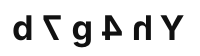
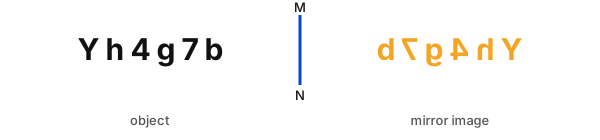
Q50.
Select the correct mirror image of the given figure when the mirror is placed at MN.
दर्पण को MN पर रखे जाने पर दी गई आकृति के सही दर्पण प्रतिबिंब का चयन कीजिए।
  1. A
  2. B
  3. C
  4. D
Show answer

Concept: A vertical mirror (MN on the right) reverses the order of characters and laterally inverts each one; they stay upright.

  1. Object: Y h 4 g 7 b → mirror order b 7 g 4 h Y.
  2. Lateral inversion: b looks like d, 7 faces left, g opens to the left, 4 is flipped, h has its stem on the right, Y unchanged.
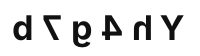
  3. Option (A) shows d 7 g 4 h Y with every character correctly flipped and upright.
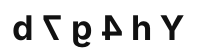
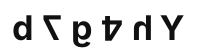
  4. (B) leaves h unflipped; (C)/(D) flip 4 or g wrongly.

Trick: Check the most asymmetric characters (4, g, h) one by one — that eliminates the near-identical options.

Answer: (A)

अवधारणा: दाईं ओर ऊर्ध्वाधर दर्पण अक्षरों का क्रम उलटता है और हर अक्षर बाएँ–दाएँ पलटता है; अक्षर सीधे रहते हैं।

  1. वस्तु: Y h 4 g 7 b → दर्पण क्रम b 7 g 4 h Y.
  2. पार्श्व उल्टापन: b, d जैसा; 7 बाईं ओर मुख; g बाईं ओर खुलता; 4 पलटता; h का डंडा दाईं ओर; Y वैसा ही।
  3. विकल्प (A) में d 7 g 4 h Y सही पलटे और सीधे हैं।
  4. (B) में h नहीं पलटा; (C)/(D) में 4 या g गलत।

ट्रिक: सबसे असममित अक्षर (4, g, h) एक-एक करके जाँचें — मिलते-जुलते विकल्प हट जाएँगे।

उत्तर: (A)

SSC CPO Paper IGeneral Intelligence and ReasoningMirror imageSSC CPO Paper I 2024 · 29 Jun Shift 3 →
Q51.
Which of the following organisms can initiate ecological succession even in bare
rocks?
निम्नलिखित में से कौन-से जीव नंगी चट्टानों पर भी पारिस्थितिक अनुक्रमण (ecological succession)
आरंभ कर सकते हैं?
  1. AOrchidsआर्किड
  2. BLichensलाइकेन
  3. CAspergillumsएस्पर्जिलम
  4. DLilyलिली
Show answer

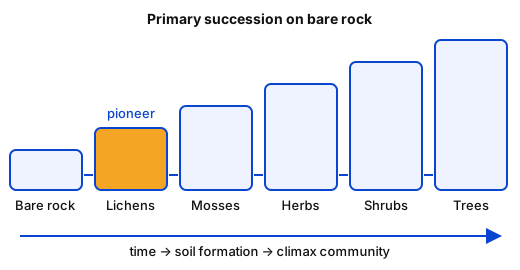
Concept: Primary succession on bare rock begins with pioneer species that can survive without soil.

  1. Lichens (an association of an alga and a fungus) secrete acids that dissolve and weather the rock, forming the first thin soil.
  2. Mosses follow, then herbs, shrubs and finally trees form the climax community.
  3. Orchids and lily need soil or a host; Aspergillus is a mould that grows on organic matter, not bare rock.

Yaad rakhein: Bare rock → Lichen → Moss → Herbs → Shrubs → Trees.

Answer: (B) Lichens

अवधारणा: नंगी चट्टान पर प्राथमिक अनुक्रमण (primary succession) अग्रणी प्रजातियों (pioneer species) से शुरू होता है जो बिना मिट्टी के जीवित रह सकें।

  1. लाइकेन (शैवाल + कवक का सहजीवी संघ) अम्ल स्रावित कर चट्टान को तोड़ते हैं और पहली पतली मिट्टी बनाते हैं।
  2. इसके बाद मॉस, फिर शाक (herbs), झाड़ियाँ और अंत में वृक्ष (climax community) आते हैं।
  3. ऑर्किड व लिली को मिट्टी/आधार चाहिए; Aspergillus एक फफूँद है जो जैविक पदार्थ पर उगता है।

याद रखें: चट्टान → लाइकेन → मॉस → शाक → झाड़ी → वृक्ष।

उत्तर: (B) Lichens

SSC CPO Paper IGeneral Knowledge and General AwarenessEcological successionSSC CPO Paper I 2024 · 29 Jun Shift 3 →
Q52.
In which of the following parts of India are thorn forests and scrub forests found?
भारत के निम्नलिखित में से किस भाग में कंटीले वन और झाड़ीदार वन पाए जाते हैं?
  1. ANorth-eastern Indiaउत्तर-पूर्वी भारत
  2. BSouth-western Indiaदक्षिण-पश्चिमी भारत
  3. CNorth-western Indiaउत्तर-पश्चिमी भारत
  4. DSouth-eastern Indiaदक्षिण-पूर्वी भारत
Show answer

Concept: Thorn and scrub forests grow where annual rainfall is less than about 70 cm.

  1. Such low rainfall occurs in north-western India: Rajasthan, Gujarat, south-west Punjab, Haryana and adjoining Madhya Pradesh/Uttar Pradesh.
  2. Typical plants: acacia, babool, khair, cactus, khejri and euphorbias with long roots and thorny leaves.
  3. North-eastern and south-western India receive heavy rain and have evergreen/moist forests.

Yaad rakhein: Least rain → thorny bushes → Thar region of north-west India.

Answer: (C) North-western India

अवधारणा: कंटीले वन और झाड़ियाँ (thorn and scrub forests) वहाँ पाए जाते हैं जहाँ वार्षिक वर्षा लगभग 70 cm से कम होती है।

  1. इतनी कम वर्षा उत्तर-पश्चिमी भारत में होती है — राजस्थान, गुजरात, दक्षिण-पश्चिम पंजाब, हरियाणा तथा निकटवर्ती मध्य प्रदेश/उत्तर प्रदेश।
  2. प्रमुख पौधे: बबूल, खैर, खेजड़ी, कैक्टस, नागफनी — लंबी जड़ें और काँटेदार पत्तियाँ।
  3. उत्तर-पूर्वी व दक्षिण-पश्चिमी भारत में भारी वर्षा से सदाबहार/आर्द्र वन मिलते हैं।

याद रखें: सबसे कम वर्षा → काँटेदार झाड़ियाँ → उत्तर-पश्चिमी भारत (थार क्षेत्र)।

उत्तर: (C) North-western India

SSC CPO Paper IGeneral Knowledge and General AwarenessNatural vegetation of IndiaSSC CPO Paper I 2024 · 29 Jun Shift 3 →
Q53.
Match column A with column B.
Column-AColumn-B
i. Lemona. Tartaric acid
ii. Milkb. Citric acid
iii. Vinegarc. Lactic acid
iv. Tamarindd. Acetic acid
स्तंभ A का स्तंभ B से मिलान कीजिए।
स्तंभ-Aस्तंभ-B
i. नींबूa. टार्टरिक अम्ल
ii. दूधb. सिट्रिक अम्ल
iii. सिरकाc. लैक्टिक अम्ल
iv. इमलीd. एसीटिक अम्ल
  1. Ai-b, ii-a, iii-c, iv-d
  2. Bi-a, ii-b, iii-c, iv-d
  3. Ci-d, ii-c, iii-b, iv-a
  4. Di-b, ii-c, iii-d, iv-a
Show answer

Concept: Many natural substances owe their sour taste to a particular organic acid.

  1. Lemon (and other citrus fruits) → citric acid: i-b.
  2. Sour milk/curd → lactic acid: ii-c.
  3. Vinegar → acetic acid: iii-d.
  4. Tamarind → tartaric acid: iv-a.

Yaad rakhein: Lemon–Citric, Milk–Lactic (lact = milk), Vinegar–Acetic (acetum = vinegar), Tamarind–Tartaric.

Answer: (D) i-b, ii-c, iii-d, iv-a

अवधारणा: कई प्राकृतिक पदार्थों का खट्टा स्वाद किसी विशेष कार्बनिक अम्ल (organic acid) के कारण होता है।

  1. नींबू → साइट्रिक अम्ल (citric acid): i-b
  2. खट्टा दूध/दही → लैक्टिक अम्ल (lactic acid): ii-c
  3. सिरका (vinegar) → ऐसीटिक अम्ल (acetic acid): iii-d
  4. इमली (tamarind) → टार्टरिक अम्ल (tartaric acid): iv-a

याद रखें: नींबू–Citric, दूध–Lactic, सिरका–Acetic, इमली–Tartaric।

उत्तर: (D) i-b, ii-c, iii-d, iv-a

SSC CPO Paper IGeneral Knowledge and General AwarenessAcids in daily lifeSSC CPO Paper I 2024 · 29 Jun Shift 3 →
Q54.
What is the chemical formula for butane?
ब्यूटेन का रासायनिक सूत्र क्या है?
  1. AC2H10
  2. BC4H8
  3. CC2H6
  4. DC4H10
Show answer

Concept: Alkanes are saturated hydrocarbons with general formula CnH2n+2.

  1. Butane has 4 carbon atoms, so n=4.
  2. Hydrogen atoms =2(4)+2=10, giving C4H10.
  3. C4H8 is butene (alkene), C2H6 is ethane, and C2H10 is not a possible formula.

Yaad rakhein: Meth-1, Eth-2, Prop-3, But-4 carbons; alkane H =2n+2.

Answer: (D) C4H10

अवधारणा: ऐल्केन संतृप्त हाइड्रोकार्बन हैं जिनका सामान्य सूत्र CnH2n+2 है।

  1. ब्यूटेन में 4 कार्बन परमाणु हैं, अतः n=4।
  2. हाइड्रोजन परमाणु =2(4)+2=10, यानी C4H10।
  3. C4H8 ब्यूटीन (alkene) है, C2H6 एथेन है, और C2H10 संभव ही नहीं।

याद रखें: Meth-1, Eth-2, Prop-3, But-4 कार्बन; ऐल्केन में H =2n+2।

उत्तर: (D) C4H10

SSC CPO Paper IGeneral Knowledge and General AwarenessAlkanesSSC CPO Paper I 2024 · 29 Jun Shift 3 →
Q55.
Choose the correct statements about the Western Ghats.
a. The height of the Western Ghats progressively increases from north to south.
b. Mahendragiri is the highest peak in the Western Ghats.
c. The Western Ghats are higher than the Eastern Ghats.
d. The height of the Western Ghats progressively decreases from north to south.
पश्चिमी घाट के बारे में सही कथनों का चयन कीजिए।
a. पश्चिमी घाट की ऊँचाई उत्तर से दक्षिण की ओर उत्तरोत्तर बढ़ती जाती है।
b. महेंद्रगिरि पश्चिमी घाट की सबसे ऊँची चोटी है।
c. पश्चिमी घाट, पूर्वी घाट से अधिक ऊँचे हैं।
d. पश्चिमी घाट की ऊँचाई उत्तर से दक्षिण की ओर उत्तरोत्तर घटती जाती है।
  1. AOnly c and dकेवल c और d
  2. Ba and ca और c
  3. Ca and ba और b
  4. Db, c and db, c और d
Show answer

Concept: The Western Ghats (Sahyadri) run along the western edge of the Deccan Plateau and are continuous, unlike the broken Eastern Ghats.

  1. Their height increases from north to south (about 900–1600 m in the north; Anamudi 2695 m in the south) – statement a is true, d is false.
  2. They are higher than the Eastern Ghats (average about 900–1600 m vs about 600 m) – statement c is true.
  3. Mahendragiri (1501 m) is the highest peak of the Eastern Ghats; Anamudi is the highest of the Western Ghats – statement b is false.

Yaad rakhein: Western Ghats: higher, continuous, height rises southwards; Anamudi top. Eastern Ghats top: Mahendragiri.

Answer: (B) a and c

अवधारणा: पश्चिमी घाट (सह्याद्रि) दक्कन पठार के पश्चिमी किनारे पर लगातार फैले हैं, जबकि पूर्वी घाट टूटे-फूटे हैं।

  1. इनकी ऊँचाई उत्तर से दक्षिण की ओर बढ़ती है (दक्षिण में अनाईमुडी 2695 m) — कथन a सही, d गलत।
  2. पश्चिमी घाट पूर्वी घाट से ऊँचे हैं — कथन c सही।
  3. महेंद्रगिरि (1501 m) पूर्वी घाट की सबसे ऊँची चोटी है; पश्चिमी घाट की सबसे ऊँची चोटी अनाईमुडी है — कथन b गलत।

याद रखें: पश्चिमी घाट: ऊँचे, सतत, दक्षिण की ओर ऊँचाई बढ़ती; शिखर अनाईमुडी। पूर्वी घाट: महेंद्रगिरि।

उत्तर: (B) a and c

SSC CPO Paper IGeneral Knowledge and General AwarenessWestern GhatsSSC CPO Paper I 2024 · 29 Jun Shift 3 →
Q56.
What is the colour of the antenna used on the volleyball net?
वॉलीबॉल नेट पर प्रयुक्त एंटीना का रंग क्या होता है?
  1. ARed and whiteलाल और सफ़ेद
  2. BBlack and whiteकाला और सफ़ेद
  3. CGreen and whiteहरा और सफ़ेद
  4. DYellow and blackपीला और काला
Show answer

Concept: A volleyball net carries two flexible antennas that mark the crossing space above the net.

  1. Each antenna is 1.80 m long, 10 mm in diameter and made of fibreglass or similar material.
  2. It is painted in contrasting stripes of 10 cm, in red and white.
  3. The antennas stand just outside the side bands; the ball must cross the net between them.

Yaad rakhein: Volleyball antenna = red–white stripes, 1.80 m long.

Answer: (A) Red and white

अवधारणा: वॉलीबॉल नेट पर दो लचीले एंटीना लगे होते हैं जो नेट के ऊपर गेंद के पार जाने की जगह (crossing space) की सीमा बताते हैं।

  1. प्रत्येक एंटीना 1.80 m लंबा, 10 mm व्यास का, फाइबरग्लास जैसे पदार्थ का होता है।
  2. इस पर 10 cm की लाल और सफेद (red and white) विपरीत रंग की पट्टियाँ होती हैं।
  3. गेंद को दोनों एंटीना के बीच से ही नेट पार करना होता है।

याद रखें: वॉलीबॉल एंटीना = लाल–सफेद पट्टियाँ, 1.80 m।

उत्तर: (A) Red and white

SSC CPO Paper IGeneral Knowledge and General AwarenessVolleyballSSC CPO Paper I 2024 · 29 Jun Shift 3 →
Q57.
Of the total water content available globally, how much percentage of water is received from freshwater resources?
विश्व स्तर पर उपलब्ध कुल जल में से, कितने प्रतिशत जल अलवण (मीठे) जल संसाधनों से प्राप्त होता है?
  1. A3.5%
  2. B2.5%
  3. C0.5%
  4. D4.5%
Show answer

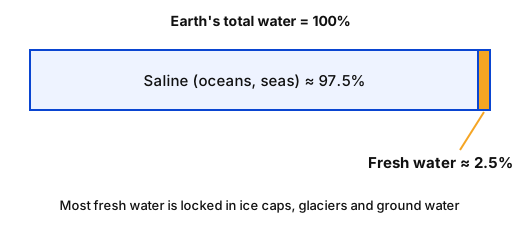
Concept: Most of Earth's water is saline; only a small part is fresh water.

  1. About 97.5% of the total water is salt water in oceans and seas.
  2. Fresh water is only about 2.5% of the total.
  3. Of this fresh water, roughly 70% is frozen in ice sheets and glaciers; most of the rest is ground water, so usable surface water is tiny.

Yaad rakhein: Salt 97.5% + Fresh 2.5% =100%.

Answer: (B) 2.5%

अवधारणा: पृथ्वी का अधिकांश जल खारा (saline) है; मीठा जल (fresh water) बहुत कम है।

  1. कुल जल का लगभग 97.5% महासागरों और समुद्रों का खारा जल है।
  2. मीठा जल कुल का केवल लगभग 2.5% है।
  3. इस मीठे जल का बड़ा भाग (लगभग 70%) हिमनदों व बर्फ की चादरों में जमा है, शेष अधिकतर भूजल है।

याद रखें: खारा 97.5% + मीठा 2.5% =100%।

उत्तर: (B) 2.5%

SSC CPO Paper IGeneral Knowledge and General AwarenessWater resourcesSSC CPO Paper I 2024 · 29 Jun Shift 3 →
Q58.
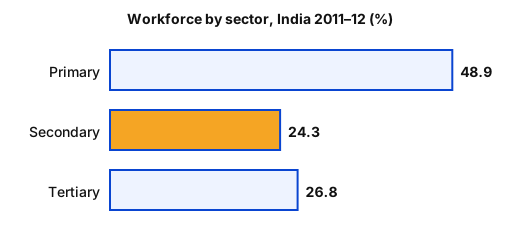
In 2011–12, what percentage of Indian workforce was engaged in secondary sector?
2011–12 में, भारतीय कार्यबल का कितना प्रतिशत द्वितीयक क्षेत्रक में लगा हुआ था?
  1. A15.8%
  2. B60.4%
  3. C30.0%
  4. D24.3%
Show answer

Concept: The NSSO survey of 2011–12 shows how India's workforce is divided among the three sectors.

  1. Primary sector (agriculture etc.): about 48.9% of workers.
  2. Secondary sector (manufacturing, construction, electricity): about 24.3%.
  3. Tertiary/service sector: about 26.8%.
  4. Check: 48.9+24.3+26.8=100.

Yaad rakhein: 2011–12 workforce ≈ half in agriculture, about one-fourth each in industry and services.

Answer: (D) 24.3%

अवधारणा: 2011–12 के NSSO सर्वेक्षण के अनुसार भारत की श्रम-शक्ति (workforce) तीन क्षेत्रों में बँटी थी।

  1. प्राथमिक क्षेत्र (कृषि आदि): लगभग 48.9%
  2. द्वितीयक क्षेत्र (विनिर्माण, निर्माण, बिजली): लगभग 24.3%
  3. तृतीयक/सेवा क्षेत्र: लगभग 26.8%
  4. जाँच: 48.9+24.3+26.8=100

याद रखें: 2011–12 में लगभग आधे कृषि में, लगभग एक-चौथाई उद्योग में और एक-चौथाई सेवाओं में।

उत्तर: (D) 24.3%

SSC CPO Paper IGeneral Knowledge and General AwarenessEmployment structureSSC CPO Paper I 2024 · 29 Jun Shift 3 →
Q59.
Pulakeshin II belonged to which of the following dynasties?
पुलकेशिन द्वितीय निम्नलिखित में से किस राजवंश से संबंधित था?
  1. AChalukyaचालुक्य
  2. BPandyaपांड्य
  3. CCheraचेर
  4. DRashtrakutaराष्ट्रकूट
Show answer

Concept: Pulakeshin II (c. 610–642 CE) was the greatest ruler of the Chalukyas of Vatapi (Badami).

  1. He defeated Harshavardhana on the banks of the Narmada, stopping Harsha's southward expansion.
  2. His court poet Ravikirti composed the Aihole inscription describing his victories.
  3. Pandya and Chera were Tamil dynasties; the Rashtrakutas rose later (8th century) by overthrowing the Chalukyas.

Yaad rakhein: Pulakeshin II – Chalukya – Aihole inscription – defeated Harsha.

Answer: (A) Chalukya

अवधारणा: पुलकेशिन द्वितीय (लगभग 610–642 ई.) वातापी (बादामी) के चालुक्य वंश के सबसे प्रतापी शासक थे।

  1. उन्होंने नर्मदा तट पर हर्षवर्धन को पराजित किया।
  2. उनके दरबारी कवि रविकीर्ति ने ऐहोल अभिलेख (Aihole inscription) लिखा।
  3. पांड्य व चेर तमिल राजवंश थे; राष्ट्रकूट बाद में (8वीं सदी) चालुक्यों को हटाकर उभरे।

याद रखें: पुलकेशिन II – चालुक्य – ऐहोल अभिलेख – हर्ष पर विजय।

उत्तर: (A) Chalukya

SSC CPO Paper IGeneral Knowledge and General AwarenessChalukyas of BadamiSSC CPO Paper I 2024 · 29 Jun Shift 3 →
Q60.
LakshyaSen was born in ___________.
लक्ष्य सेन का जन्म ___________ में हुआ था।
  1. AUttarakhandउत्तराखंड
  2. BTelanganaतेलंगाना
  3. CHimachal Pradeshहिमाचल प्रदेश
  4. DUttar Pradeshउत्तर प्रदेश
Show answer

Concept: Lakshya Sen is an Indian badminton player.

  1. He was born in 2001 in Almora, Uttarakhand.
  2. He won bronze at the 2021 World Championships and gold in men's singles at the 2022 Commonwealth Games, Birmingham.
  3. He was part of India's Thomas Cup-winning team in 2022.

Yaad rakhein: Lakshya Sen – Almora (Uttarakhand) – badminton.

Answer: (A) Uttarakhand

अवधारणा: लक्ष्य सेन भारतीय बैडमिंटन खिलाड़ी हैं।

  1. उनका जन्म 2001 में अल्मोड़ा, उत्तराखंड में हुआ।
  2. उन्होंने 2021 विश्व चैंपियनशिप में कांस्य और 2022 बर्मिंघम राष्ट्रमंडल खेलों में पुरुष एकल स्वर्ण जीता।
  3. वे 2022 में थॉमस कप जीतने वाली भारतीय टीम के सदस्य थे।

याद रखें: लक्ष्य सेन – अल्मोड़ा (उत्तराखंड) – बैडमिंटन।

उत्तर: (A) Uttarakhand

SSC CPO Paper IGeneral Knowledge and General AwarenessSports personalitiesSSC CPO Paper I 2024 · 29 Jun Shift 3 →