- A664 cm3
- B612 cm3
- C512 cm3
- D564 cm3
Show answer
Concept: Volume of a cube .
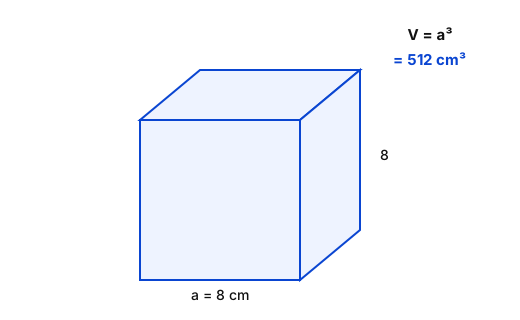
Trick: .
Answer: (C)
अवधारणा: घन का आयतन ।
ट्रिक: ।
उत्तर: (C)
Question bank
Search questions on any topic. Filter by exam category, exam, subject and topic, try the question, then open the answer and explanation.
Concept: Volume of a cube .
Trick: .
Answer: (C)
अवधारणा: घन का आयतन ।
ट्रिक: ।
उत्तर: (C)
Concept: Extra quantity new price money saved by the reduction.
Trick: Reduced price — no equation needed.
Answer: (D)
अवधारणा: अतिरिक्त मात्रा नया मूल्य कमी से बची राशि।
ट्रिक: घटा मूल्य ।
उत्तर: (D)
Concept: Make the common term (Praveen) equal in both ratios.
Trick: One part ; J .
Answer: (C) ₹
अवधारणा: दोनों अनुपातों में साझा पद (प्रवीण) बराबर करें।
ट्रिक: एक भाग ; J ।
उत्तर: (C) ₹
| Year | Gross Turnover |
|---|---|
| 2016 | 12 |
| 2017 | 18 |
| 2018 | 25 |
| 2019 | 25 |
| 2020 | 30 |
| वर्ष | सकल कारोबार |
|---|---|
| 2016 | 12 |
| 2017 | 18 |
| 2018 | 25 |
| 2019 | 25 |
| 2020 | 30 |
Concept: Percentage higher , base .
Trick: Base is the value after “than”.
Answer: (A)
अवधारणा: प्रतिशत अधिक , आधार ।
ट्रिक: “than” के बाद वाला मान आधार होता है।
उत्तर: (A)
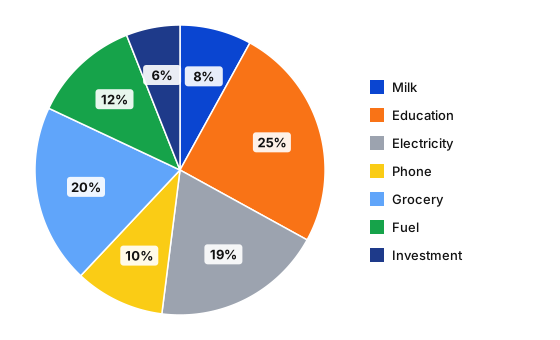
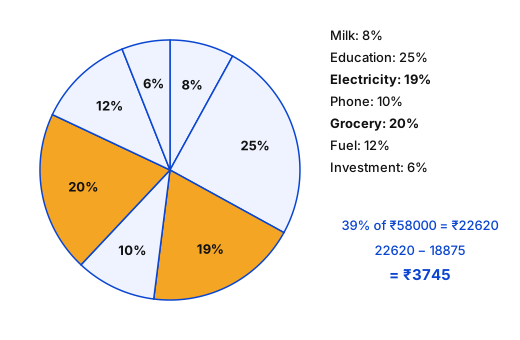
Concept: Budget share percentage total.
Trick: of ; .
Answer: (C) ₹
अवधारणा: बजट हिस्सा प्रतिशत कुल।
ट्रिक: का ; ।
उत्तर: (C) ₹
| City | P | Q | R | S |
|---|---|---|---|---|
| Number of candidates | 1.10 | 2.26 | 2.12 | 1.46 |
| City | Passing | Failing |
|---|---|---|
| P | 6 | 5 |
| Q | 3 | 7 |
| R | 5 | 7 |
| S | 3 | 5 |
| शहर | P | Q | R | S |
|---|---|---|---|---|
| उम्मीदवारों की संख्या | 1.10 | 2.26 | 2.12 | 1.46 |
| शहर | उत्तीर्ण | अनुत्तीर्ण |
|---|---|---|
| P | 6 | 5 |
| Q | 3 | 7 |
| R | 5 | 7 |
| S | 3 | 5 |
Concept: Passing in Q candidates of Q .
Trick: Pass share of Q is ; is about one-third of , so answer .
Answer: (D)
अवधारणा: Q में उत्तीर्ण Q के अभ्यर्थी ।
ट्रिक: Q का उत्तीर्ण हिस्सा ; अनुमान ।
उत्तर: (D)
Concept: Inner brackets first, then , then /.
Trick: Never add before multiplying: .
Answer: (D)
अवधारणा: पहले भीतरी कोष्ठक, फिर , फिर /।
ट्रिक: गुणा से पहले जोड़ न करें: ।
उत्तर: (D)
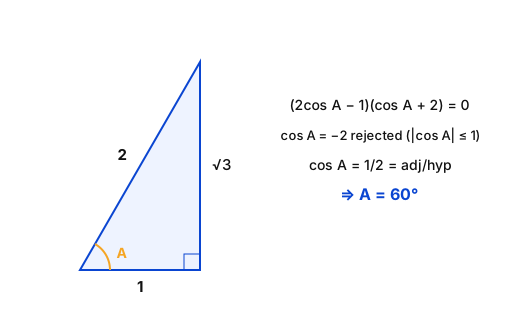
Concept: Treat it as a quadratic in and factorise.
Trick: Put options: gives .
Answer: (B)
अवधारणा: इसे में द्विघात मानकर गुणनखंड करें।
ट्रिक: विकल्प रखें: से ।
उत्तर: (B)
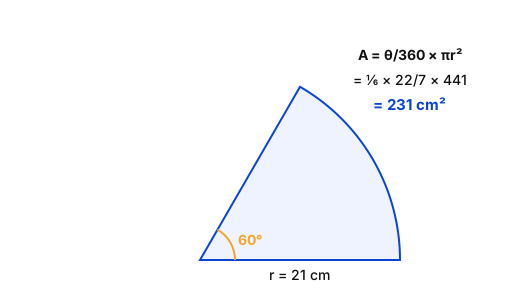
Concept: Area of sector .
Trick: A sector is one-sixth of the circle.
Answer: (C)
अवधारणा: त्रिज्यखंड का क्षेत्रफल ।
ट्रिक: का त्रिज्यखंड वृत्त का छठा भाग है।
उत्तर: (C)
Concept: Divide by : .
Trick: always.
Answer: (D)
अवधारणा: से भाग दें: ।
ट्रिक: सदैव।
उत्तर: (D)
Concept: The stage of life between childhood and adulthood, when a person is developing into an adult, is called adolescence.
Trick: Adolescent = 'growing up' (Latin adolescere = to grow up).
Answer: (A) Adolescence
अवधारणा: बचपन और वयस्कता के बीच का वह समय जब व्यक्ति वयस्क बन रहा होता है, Adolescence (किशोरावस्था) कहलाता है।
ट्रिक: Adolescent = 'बड़ा हो रहा' (Latin adolescere = to grow up)।
उत्तर: (A) Adolescence
Concept: A singular countable noun needs an article (a/an/the) before it.
Yaad rakhein: Singular countable noun can never stand alone – use a/an/the (a horse, an apple).
Answer: (D) horse
अवधारणा: Singular countable noun से पहले article (a/an/the) आवश्यक है।
याद रखें: एकवचन गणनीय संज्ञा अकेली नहीं आती – a/an/the लगाएँ (a horse, an apple)।
उत्तर: (D) horse
Concept: 'By the time' + subject needs a finite verb; with a past perfect main clause, the time clause takes the simple past.
Yaad rakhein: By the time + Simple Past, … Past Perfect (By the time I reached, the train had left).
Answer: (D) By the time I reaching
अवधारणा: 'By the time' + subject के बाद finite verb चाहिए; मुख्य उपवाक्य Past Perfect हो तो time clause में Simple Past आता है।
याद रखें: By the time + Simple Past, … Past Perfect।
उत्तर: (D) By the time I reaching
Concept: A single precise adjective is preferred over a weak 'adverb + adjective' phrase.
Trick: Excruciating comes from Latin cruciare = to torture – pain of torture level.
Answer: (A) excruciating
अवधारणा: कमज़ोर 'adverb + adjective' के स्थान पर एक सटीक विशेषण बेहतर होता है।
ट्रिक: Excruciating – Latin cruciare = यातना देना, यानी यातना जैसा दर्द।
उत्तर: (A) excruciating
Concept: Pacify means to calm someone who is angry or upset.
Trick: Pacify has 'pax' (peace) – bring peace = soothe.
Answer: (D) Soothe
अवधारणा: Pacify का अर्थ है क्रोधित या परेशान व्यक्ति को शांत करना।
ट्रिक: Pacify में 'pax' (शांति) – शांति लाना = soothe।
उत्तर: (D) Soothe
Concept: Choose the option that keeps the meaning of the underlined words: 'expand' = make larger.
Trick: Expand ↔ contract are opposites; expand ≈ increase/enlarge.
Answer: (C) to increase
अवधारणा: रेखांकित शब्द का अर्थ बनाए रखने वाला विकल्प चुनें: 'expand' = बढ़ाना/फैलाना।
ट्रिक: Expand का विलोम contract; expand ≈ increase।
उत्तर: (C) to increase
Concept: Ephemeral means lasting for a very short time; the context 'bloom for only a short period' confirms it.
Yaad rakhein: Ephemeral = transient = fleeting ↔ permanent = eternal = everlasting.
Answer: (C) Permanent
अवधारणा: Ephemeral = बहुत कम समय तक रहने वाला (क्षणभंगुर); वाक्य में 'bloom for only a short period' इसकी पुष्टि करता है।
याद रखें: Ephemeral = transient = fleeting ↔ permanent = eternal।
उत्तर: (C) Permanent
Concept: Conservative = holding traditional values and disliking change.
Yaad rakhein: Conservative ↔ Liberal / Progressive / Modern.
Answer: (A) Liberal
अवधारणा: Conservative = रूढ़िवादी, परंपराओं से जुड़ा और बदलाव पसंद न करने वाला।
याद रखें: Conservative ↔ Liberal / Progressive।
उत्तर: (A) Liberal
Concept: Nerves of steel describes a person who does not feel fear or nervousness even in difficult or dangerous situations.
Trick: Nerves = anxiety; 'of steel' = unbreakable → fear cannot shake you.
Answer: (B) An absence of fear or anxiety
अवधारणा: Nerves of steel उस व्यक्ति के लिए कहा जाता है जो कठिन या ख़तरनाक स्थिति में भी डरता या घबराता नहीं।
ट्रिक: Nerves = घबराहट; 'of steel' = अटूट → डर असर नहीं करता।
उत्तर: (B) An absence of fear or anxiety
Concept: A substance that can be hammered or pressed into any desired shape without breaking is called malleable.
Yaad rakhein: Malleable (beaten into sheets) vs ductile (drawn into wires).
Answer: (A) malleable
अवधारणा: जिस पदार्थ को बिना टूटे पीटकर या दबाकर इच्छित आकार दिया जा सके, वह malleable (आघातवर्धनीय) कहलाता है।
याद रखें: Malleable = पीटकर चादर; ductile = खींचकर तार।
उत्तर: (A) malleable