Question bank

Q&A: practice questions with answers

Search questions on any topic. Filter by exam category, exam, subject and topic, try the question, then open the answer and explanation.

Courses – airGurukul

4,200 questions found.

Q2401.
In a certain code language, 'TDYI' is coded as '116' and 'NRDP' is coded as '104'. What is the code for 'LAWG' in the given language ?
एक निश्चित कूट भाषा में, 'TDYI' को '116' के रूप में कूटबद्ध किया जाता है तथा 'NRDP' को '104' के रूप में कूटबद्ध किया जाता है। उसी कूट भाषा में 'LAWG' का कूट क्या है?
  1. A77
  2. B82
  3. C86
  4. D72
Show answer

Concept: Each word's code = 2 × (sum of alphabet positions of its letters).

  1. TDYI: 20+4+25+9=58 → 58×2=116 ✔
  2. NRDP: 14+18+4+16=52 → 52×2=104 ✔
  3. LAWG: 12+1+23+7=43 → 43×2=86

Trick: Code ÷ 2 gives a neat whole number (58, 52) – a strong hint that the rule is 'sum × 2'.

Answer: (C) 86

अवधारणा: शब्द का कोड = उसके अक्षरों के वर्णमाला-स्थानों के योग का दोगुना।

हल:

  1. TDYI: 20+4+25+9=58, 58×2=116 ✔
  2. NRDP: 14+18+4+16=52, 52×2=104 ✔
  3. LAWG: 12+1+23+7=43, 43×2=86

ट्रिक: कोड को 2 से भाग देने पर पूर्ण संख्या (58, 52) मिले तो नियम 'योग × 2' जाँचें।

उत्तर: (C) 86

SSC GDGeneral Intelligence & ReasoningCoding – sum of letter positions doubledSSC GD 2025 · 11 Feb Shift 3 →
Q2402.
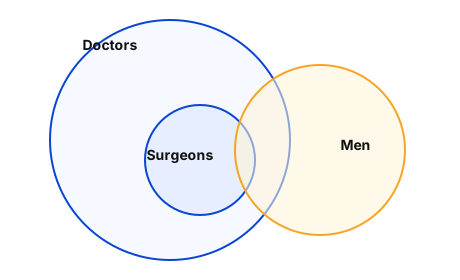
Select the Venn diagram that best illustrates the relationship among the following classes. Doctors, Surgeons, Men
उस वेन आरेख का चयन कीजिए जो निम्नलिखित वर्गों के बीच के संबंध को सर्वोत्तम रूप से दर्शाता है। डॉक्टर, सर्जन, पुरुष
  1. Afigure
  2. Bfigure
  3. Cfigure
  4. Dfigure
Show answer

Concept: Show a subset fully inside its parent class, and a class that only partly matches as an overlapping circle.

  1. Every surgeon is a doctor → Surgeons circle lies inside Doctors.
  2. Some doctors are men, some are not → Men cuts the Doctors circle.
  3. Some surgeons are men, some are women → Men also cuts the Surgeons circle.

Trick: Ask 'Is every X a Y?' for each pair – 'yes' means circle-inside-circle; 'some' means overlap.

Answer: (B) the diagram with Surgeons inside Doctors and Men crossing both

अवधारणा: जो वर्ग पूरी तरह दूसरे में शामिल है वह उसके अंदर बनेगा; आंशिक संबंध वाले वृत्त एक-दूसरे को काटेंगे।

हल:

  1. सर्जन, डॉक्टरों का ही एक वर्ग हैं → उनका वृत्त डॉक्टर वाले वृत्त के भीतर।
  2. डॉक्टरों में पुरुष भी हैं और महिलाएँ भी → पुरुष वाला वृत्त इसे आंशिक रूप से काटेगा।
  3. सर्जनों में भी पुरुष और महिलाएँ दोनों → पुरुष वाला वृत्त सर्जन वाले को भी काटेगा।

ट्रिक: हर जोड़े पर पूछें – 'क्या हर X, Y है?' हाँ = अंदर वाला वृत्त, 'कुछ' = कटते वृत्त।

उत्तर: (B) सर्जन डॉक्टर के अंदर और पुरुष दोनों को काटता हुआ आरेख

SSC GDGeneral Intelligence & ReasoningVenn diagram – Doctors, Surgeons, MenSSC GD 2025 · 11 Feb Shift 3 →
Q2403.
Select the combination of letters that when sequentially placed in the blanks of the given series, will logically complete the series.
_YUXT_SVRU_TPSO_NQM_
उस अक्षर-संयोजन का चयन कीजिए, जिसे दी गई शृंखला के रिक्त स्थानों में क्रमिक रूप से रखने पर शृंखला तार्किक रूप से पूर्ण हो जाएगी।
_YUXT_SVRU_TPSO_NQM_
  1. ATXSUO
  2. BVWQRP
  3. CTWSRO
  4. DVXQUP
Show answer

Concept: Split the series into equal blocks; the same letter-position in each block follows one step rule.

  1. With VWQRP the line becomes VYUX | TWSV | RUQT | PSOR | NQMP.
  2. 1st letters: V, T, R, P, N (−2 each).
  3. 2nd letters: Y, W, U, S, Q; 3rd: U, S, Q, O, M; 4th: X, V, T, R, P – all −2.

Trick: 5 blanks in 20 letters → try blocks of 4; the first blank must be 2 ahead of T (from 'T_SV'), so it is V – only (B) and (D) remain.

Answer: (B) VWQRP

अवधारणा: श्रृंखला को बराबर समूहों में बाँटें; हर समूह के एक ही स्थान वाले अक्षर एक नियम से चलते हैं।

हल:

  1. VWQRP भरने पर: VYUX | TWSV | RUQT | PSOR | NQMP
  2. हर स्थान के अक्षर अगले समूह में 2 पीछे जाते हैं: V→T→R→P→N
  3. Y→W→U→S→Q, U→S→Q→O→M, X→V→T→R→P

ट्रिक: 20 अक्षर और 5 रिक्त → 4-4 के समूह बनाकर देखें; पहला रिक्त T से 2 आगे = V, तो केवल (B), (D) बचते हैं।

उत्तर: (B) VWQRP

SSC GDGeneral Intelligence & ReasoningLetter series – fill the blanksSSC GD 2025 · 11 Feb Shift 3 →
Q2404.
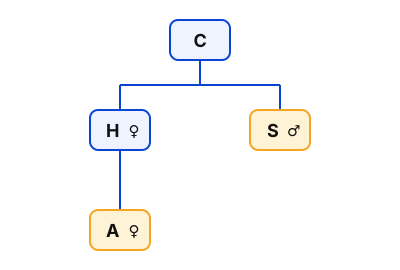
In a certain code language,
'Y + F' means 'Y is the daughter of F',
'Y − F' means 'Y is the son of F',
'Y @ F' means 'Y is the sister of F' and
'Y # F' means 'Y is the father of F'.
Based on the above, how is S related to A if 'A + H @ S - C'?
एक निश्चित कूट भाषा में,
'Y + F' का अर्थ है 'Y, F की पुत्री है',
'Y − F' का अर्थ है 'Y, F का पुत्र है',
'Y @ F' का अर्थ है 'Y, F की बहन है' तथा
'Y # F' का अर्थ है 'Y, F का पिता है'।
उपर्युक्त के आधार पर, यदि 'A + H @ S - C' है, तो S, A से किस प्रकार संबंधित है?
  1. ASister's daughterबहन की पुत्री
  2. BMother's sisterमाता की बहन
  3. CSisterबहन
  4. DMother's brotherमाता का भाई
Show answer

Concept: Decode each symbol one by one and fix the gender of every person.

  1. A + H → A is H's daughter, so H is A's parent.
  2. H @ S → H is S's sister, so H is female → H is A's mother.
  3. S − C → S is C's son, so S is male.
  4. S is the brother of A's mother.

Trick: Gender of the middle person (H) comes from '@ = sister' – that is the key to 'mother' instead of 'father'.

Answer: (D) Mother's brother

अवधारणा: हर चिह्न को क्रम से खोलें और हर व्यक्ति का लिंग तय करें।

हल:

  1. A + H → A, H की बेटी है; H, A का माता/पिता है।
  2. H @ S → H, S की बहन है, अतः H महिला = A की माँ।
  3. S − C → S, C का बेटा है, अतः S पुरुष है।
  4. S = A की माँ का भाई (मामा)।

ट्रिक: बीच वाले व्यक्ति H का लिंग '@ = बहन' से मिलता है – यही 'माँ' तय करता है।

उत्तर: (D) माता का भाई

SSC GDGeneral Intelligence & ReasoningCoded blood relationSSC GD 2025 · 11 Feb Shift 3 →
Q2405.
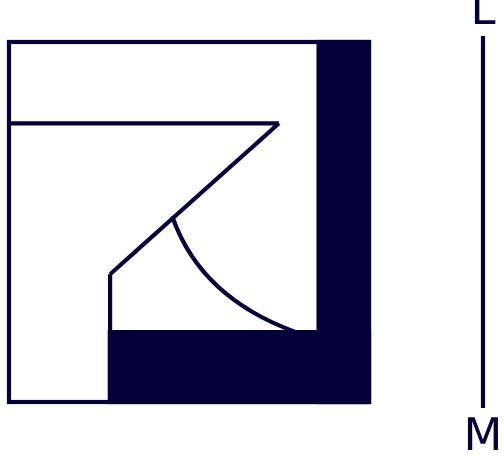
Select the correct mirror image of the given figure when the mirror is placed at LM as shown below.
figure
उस विकल्प का चयन कीजिए जो नीचे दर्शाए अनुसार LM पर दर्पण रखे जाने पर दी गई आकृति का सही दर्पण प्रतिबिंब है।
figure
  1. Afigure
  2. Bfigure
  3. Cfigure
  4. Dfigure
Show answer

Concept: A vertical mirror (LM) swaps left and right only; top and bottom stay the same.

  1. Every part on the right edge of the figure moves to the left edge in the image, and vice versa.
  2. Parts at the top stay at the top; parts at the bottom stay at the bottom.
  3. Match the thick border bands and the inner lines: only option (D) shows them flipped sideways with no up-down change.

Trick: First eliminate any option where the figure is turned upside down – with a side mirror the vertical order never changes.

Answer: (D) the figure in option (D)

अवधारणा: ऊर्ध्वाधर दर्पण (LM) केवल बाएँ-दाएँ बदलता है; ऊपर-नीचे वैसा ही रहता है।

हल:

  1. आकृति के दाएँ किनारे का भाग प्रतिबिंब में बाएँ किनारे पर आ जाता है, और उलटा भी।
  2. ऊपर वाले भाग ऊपर और नीचे वाले भाग नीचे ही रहते हैं।
  3. मोटी पट्टियों और भीतरी रेखाओं का मिलान करें – केवल विकल्प (D) सही बैठता है।

ट्रिक: साइड-दर्पण में ऊपर-नीचे का क्रम कभी नहीं बदलता – जो विकल्प उल्टा दिखे उसे पहले हटा दें।

उत्तर: (D) विकल्प (D) की आकृति

SSC GDGeneral Intelligence & ReasoningMirror image – vertical mirrorSSC GD 2025 · 11 Feb Shift 3 →
Q2406.
What will come in the place of the question mark '(?)' in the following equation, if '÷' and '×' are interchanged and '+' and '−' are interchanged?
45 − 2 ÷ 8 + 2 × 2 = ?
निम्नलिखित समीकरण में प्रश्नवाचक चिह्न '(?)' के स्थान पर क्या आएगा, यदि '÷' और '×' को आपस में बदल दिया जाए तथा '+' और '−' को आपस में बदल दिया जाए?
45 − 2 ÷ 8 + 2 × 2 = ?
  1. A61
  2. B60
  3. C62
  4. D59
Show answer

Concept: Swap the signs first, then solve using BODMAS.

  1. After swapping: 45+2×8−2÷2
  2. × and ÷ first: 2×8=16, 2÷2=1
  3. 45+16−1=60

Trick: Rewrite the whole expression with new signs before calculating – mixing old and new signs is the usual mistake.

Answer: (B) 60

अवधारणा: पहले चिह्न बदलें, फिर BODMAS से हल करें।

हल:

  1. चिह्न बदलने पर: 45+2×8−2÷2
  2. पहले गुणा-भाग: 2×8=16, 2÷2=1
  3. 45+16−1=60

ट्रिक: गणना से पहले पूरा व्यंजक नए चिह्नों के साथ दोबारा लिखें – यही गलती सबसे आम है।

उत्तर: (B) 60

SSC GDGeneral Intelligence & ReasoningSign interchange – BODMASSSC GD 2025 · 11 Feb Shift 3 →
Q2407.
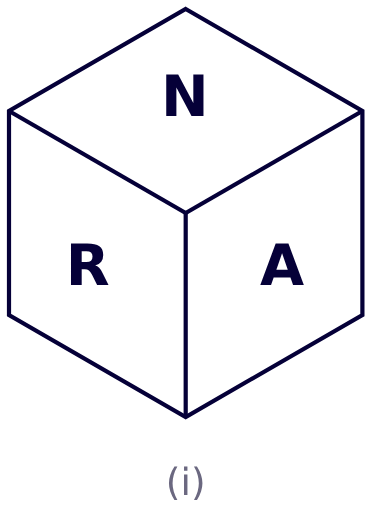
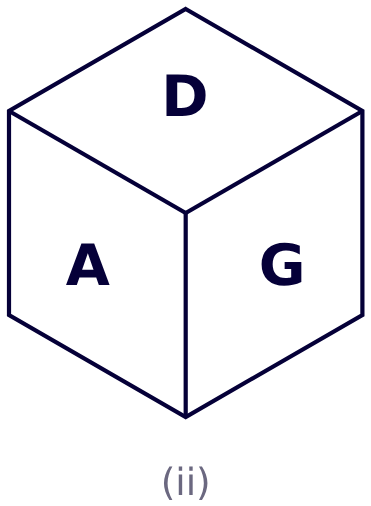
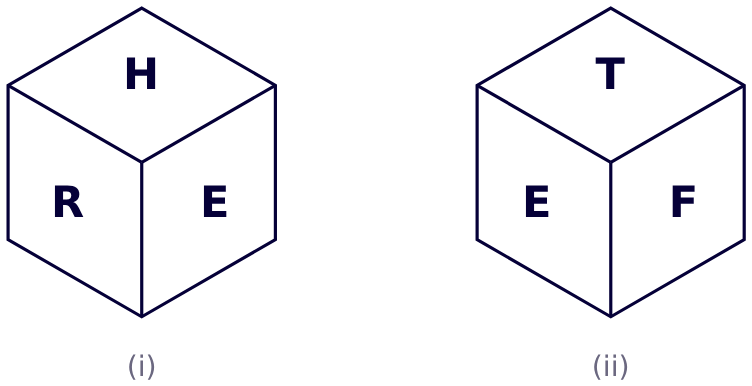
A dice has its faces marked by letters G, E, D, A, N and R. Two positions of the same dice are shown in the given figures. Which face is opposite to face E?
figure
figure
एक पासे के फलकों पर G, E, D, A, N और R अक्षर अंकित हैं। दिए गए चित्रों में उसी पासे की दो स्थितियाँ दर्शाई गई हैं। फलक E के विपरीत कौन-सा फलक है?
figure
figure
  1. AN
  2. BG
  3. CA
  4. DD
Show answer

Concept: Faces seen together in any view are neighbours, never opposite.

  1. View 1: A is with N and R.
  2. View 2: A is with D and G.
  3. So A touches N, R, D, G; the only face left for A's opposite is E.

Trick: Find the letter that appears in both views – it has 4 known neighbours, so its opposite is the one letter never seen with it.

Answer: (C) A

अवधारणा: किसी भी स्थिति में साथ दिखने वाले फलक पड़ोसी होते हैं, विपरीत नहीं।

हल:

  1. पहली स्थिति: A के साथ N, R
  2. दूसरी स्थिति: A के साथ D, G
  3. A के चार पड़ोसी N, R, D, G – बचा E, अतः E के विपरीत A।

ट्रिक: दोनों स्थितियों में आया अक्षर खोजें – उसके साथ कभी न दिखा अक्षर ही उसके विपरीत होगा।

उत्तर: (C) A

SSC GDGeneral Intelligence & ReasoningDice – opposite faceSSC GD 2025 · 11 Feb Shift 3 →
Q2408.
What should come in place of (?) in the given series based on the English alphabetical order ?
MTD, JRC, GPB, DNA, ?
अंग्रेजी वर्णमाला क्रम पर आधारित दी गई शृंखला में प्रश्नवाचक चिह्न (?) के स्थान पर क्या आना चाहिए?
MTD, JRC, GPB, DNA, ?
  1. ACNY
  2. BCMX
  3. CBMX
  4. DALZ
Show answer

Concept: Track the 1st, 2nd and 3rd letters of the clusters as three separate series.

  1. 1st: M, J, G, D → −3 each → A
  2. 2nd: T, R, P, N → −2 each → L
  3. 3rd: D, C, B, A → −1 each → Z (after A comes Z, wrapping around)

Trick: Only the first letter is enough here: D − 3 = A, and only option (D) begins with A.

Answer: (D) ALZ

अवधारणा: समूह के पहले, दूसरे और तीसरे अक्षर को अलग-अलग श्रृंखला मानें।

हल:

  1. पहला: M, J, G, D → −3 → A
  2. दूसरा: T, R, P, N → −2 → L
  3. तीसरा: D, C, B, A → −1 → Z (A के बाद फिर Z)

ट्रिक: केवल पहला अक्षर देखें: D − 3 = A, और A से शुरू होने वाला एक ही विकल्प (D) है।

उत्तर: (D) ALZ

SSC GDGeneral Intelligence & ReasoningLetter-cluster seriesSSC GD 2025 · 11 Feb Shift 3 →
Q2409.
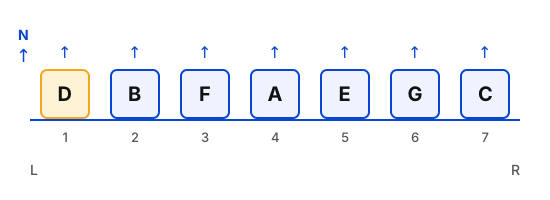
Seven people A, B, C, D, E, F and G are sitting in a straight line facing the north (but not necessarily in the same order). B is sitting to the immediate right of D and the immediate left of F. A is sitting to the immediate left of E and the immediate right of F. G is sitting to the immediate right of E and the immediate left of C. Who is sitting at the left end of the line?
सात व्यक्ति A, B, C, D, E, F और G उत्तर की ओर मुख करके एक सीधी पंक्ति में बैठे हैं (आवश्यक नहीं कि इसी क्रम में)। B, D के ठीक दाईं ओर तथा F के ठीक बाईं ओर बैठा है। A, E के ठीक बाईं ओर तथा F के ठीक दाईं ओर बैठा है। G, E के ठीक दाईं ओर तथा C के ठीक बाईं ओर बैठा है। पंक्ति के बाएँ छोर पर कौन बैठा है?
  1. AF
  2. BG
  3. CE
  4. DD
Show answer

Concept: Facing north, the person's right is our right; join the 'immediate' blocks into one row.

  1. D _ B _ F: B is right of D and left of F → D B F
  2. F, A, E: A right of F, left of E → D B F A E
  3. E, G, C: G right of E, left of C → D B F A E G C

Trick: The person who never appears as anyone's 'right' neighbour is the left-most – here D.

Answer: (D) D

अवधारणा: सबका मुँह उत्तर में है तो उनकी दाईं दिशा और हमारी दाईं दिशा एक ही है; 'ठीक बगल' वाले टुकड़ों को जोड़ें।

हल:

  1. D B F (B, D के दाएँ और F के बाएँ)
  2. D B F A E (A, F के दाएँ और E के बाएँ)
  3. D B F A E G C (G, E के दाएँ और C के बाएँ)

ट्रिक: जो व्यक्ति किसी के भी 'दाएँ' नहीं बताया गया, वही सबसे बाएँ है – यहाँ D।

उत्तर: (D) D

SSC GDGeneral Intelligence & ReasoningLinear seating – facing northSSC GD 2025 · 11 Feb Shift 3 →
Q2410.
NRNL is related to IMIG in a certain way based on the English alphabetical order. In the same way, PTPN is related to KOKI. To which of the given options is DHDB related, following the same logic?
अंग्रेजी वर्णमाला क्रम के आधार पर NRNL एक निश्चित प्रकार से IMIG से संबंधित है। उसी प्रकार, PTPN, KOKI से संबंधित है। उसी तर्क का अनुसरण करते हुए, DHDB दिए गए विकल्पों में से किससे संबंधित है?
  1. AYCYW
  2. BYBXW
  3. CYDXE
  4. DYCXW
Show answer

Concept: Every letter of the first group is shifted back by the same number to get the second group.

  1. NRNL → IMIG: each letter −5 (N→I, R→M, L→G).
  2. Check: PTPN → KOKI, also −5 ✔
  3. DHDB − 5: D→Y, H→C, D→Y, B→W → YCYW

Trick: Pattern check: in DHDB the 1st and 3rd letters are the same, so the answer must have 1st = 3rd – only YCYW fits.

Answer: (A) YCYW

अवधारणा: पहले समूह के हर अक्षर को बराबर स्थान पीछे करके दूसरा समूह बनता है।

हल:

  1. NRNL → IMIG: हर अक्षर −5
  2. जाँच: PTPN → KOKI, −5 ✔
  3. DHDB − 5: D→Y, H→C, D→Y, B→W = YCYW

ट्रिक: DHDB में पहला और तीसरा अक्षर समान है, तो उत्तर में भी होना चाहिए – केवल YCYW।

उत्तर: (A) YCYW

SSC GDGeneral Intelligence & ReasoningLetter analogy – fixed backward shiftSSC GD 2025 · 11 Feb Shift 3 →
Q2411.
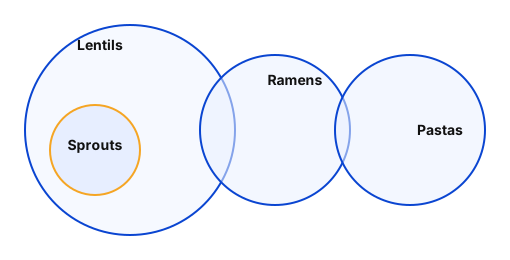
Read the given statements and conclusions carefully. Assuming that the information given in the statements is true, even if it appears to be at variance with commonly known facts, decide which of the given conclusion(s) logically follow(s) from the statements.
Statements:
All sprouts are lentils.
Some lentils are ramens.
Some ramens are pastas.
Conclusions:
(I) Some pastas are sprouts.
(II) Some ramens are sprouts.
दिए गए कथनों और निष्कर्षों को ध्यानपूर्वक पढ़िए। यह मानते हुए कि कथनों में दी गई जानकारी सत्य है, चाहे वह सर्वज्ञात तथ्यों से भिन्न प्रतीत होती हो, निर्णय कीजिए कि दिए गए निष्कर्षों में से कौन-सा/से कथनों का तार्किक रूप से अनुसरण करता है/करते हैं।
कथन:
सभी स्प्राउट्स, लेंटिल्स हैं।
कुछ लेंटिल्स, रामेन्स हैं।
कुछ रामेन्स, पास्ता हैं।
निष्कर्ष:
(I) कुछ पास्ता, स्प्राउट्स हैं।
(II) कुछ रामेन्स, स्प्राउट्स हैं।
  1. AOnly conclusion (II) follows.केवल निष्कर्ष (II) अनुसरण करता है।
  2. BNeither conclusion (I) nor (II) follows.न तो निष्कर्ष (I) और न ही (II) अनुसरण करता है।
  3. COnly conclusion (I) follows.केवल निष्कर्ष (I) अनुसरण करता है।
  4. DBoth conclusions (I) and (II) follow.निष्कर्ष (I) और (II) दोनों अनुसरण करते हैं।
Show answer

Concept: Two 'some' statements in a chain give no definite link between the end terms.

  1. Sprouts ⊂ Lentils; Lentils–Ramens overlap only partly.
  2. The ramen part of lentils may lie outside sprouts → 'Some ramens are sprouts' is not certain.
  3. Pastas are linked only to ramens, so 'Some pastas are sprouts' is also not certain.

Trick: Try to draw a diagram where the conclusion fails; if you can, it does not follow.

Answer: (B) Neither conclusion (I) nor (II) follows.

अवधारणा: 'कुछ' वाले दो कथनों की श्रृंखला से छोर वाले पदों में कोई निश्चित संबंध नहीं बनता।

हल:

  1. स्प्राउट पूरा लेंटिल के अंदर; लेंटिल-रेमन का केवल आंशिक मेल।
  2. रेमन वाला भाग स्प्राउट से बाहर भी हो सकता है → (II) निश्चित नहीं।
  3. पास्ता केवल रेमन से जुड़ा है → (I) भी निश्चित नहीं।

ट्रिक: ऐसा चित्र बनाकर देखें जिसमें निष्कर्ष गलत हो; बन जाए तो निष्कर्ष अनुसरण नहीं करता।

उत्तर: (B) न तो निष्कर्ष (I) और न ही (II) अनुसरण करता है।

SSC GDGeneral Intelligence & ReasoningSyllogism – some + someSSC GD 2025 · 11 Feb Shift 3 →
Q2412.
The position(s) of how many letters will remain unchanged if each letter in the word MIGHTY is arranged in the English alphabetical order ?
यदि शब्द MIGHTY के प्रत्येक अक्षर को अंग्रेजी वर्णमाला क्रम में व्यवस्थित किया जाए, तो कितने अक्षरों का स्थान अपरिवर्तित रहेगा?
  1. ATwoदो
  2. BNoneकोई नहीं
  3. COneएक
  4. DThreeतीन
Show answer

Concept: Write the word and its alphabetically sorted form one below the other and compare position by position.

  1. Word: M I G H T Y
  2. Sorted: G H I M T Y
  3. Same place: T (5th) and Y (6th) → 2 letters

Trick: Letters already at the end in increasing order (T, Y here) usually stay put – check the tail first.

Answer: (A) Two

अवधारणा: शब्द और उसका वर्णक्रम वाला रूप एक के नीचे एक लिखकर स्थान मिलाएँ।

हल:

  1. शब्द: M I G H T Y
  2. क्रम में: G H I M T Y
  3. समान स्थान: T (5वाँ) और Y (6वाँ) → 2 अक्षर

ट्रिक: अंत में पहले से बढ़ते क्रम वाले अक्षर (T, Y) अक्सर अपनी जगह रहते हैं – अंत से जाँचें।

उत्तर: (A) दो

SSC GDGeneral Intelligence & ReasoningLetter positions after sortingSSC GD 2025 · 11 Feb Shift 3 →
Q2413.
CJ 16 is related to DF 9 in a certain way. In the same way, FK 9 is related to GG 2. To which of the following is OO 2 related following the same logic?
CJ 16 एक निश्चित प्रकार से DF 9 से संबंधित है। उसी प्रकार, FK 9, GG 2 से संबंधित है। उसी तर्क का अनुसरण करते हुए, OO 2 निम्नलिखित में से किससे संबंधित है?
  1. APK −5
  2. BPR −2
  3. CSP −6
  4. DLP −4
Show answer

Concept: Apply the same change to each part: 1st letter, 2nd letter and the number.

  1. CJ 16 → DF 9: C +1, J −4, 16 − 7.
  2. FK 9 → GG 2: F +1, K −4, 9 − 7 ✔
  3. OO 2 → O+1 = P, O−4 = K, 2 − 7 = −5 → PK −5

Trick: Number part alone decides it: 2 − 7 = −5, and only option (A) has −5.

Answer: (A) PK −5

अवधारणा: हर भाग पर एक-सा बदलाव लगाएँ: पहला अक्षर, दूसरा अक्षर और संख्या।

हल:

  1. CJ 16 → DF 9: C +1, J −4, 16 − 7
  2. FK 9 → GG 2: वही नियम ✔
  3. OO 2 → P, K, 2 − 7 = −5 → PK −5

ट्रिक: केवल संख्या से ही उत्तर: 2 − 7 = −5, जो सिर्फ विकल्प (A) में है।

उत्तर: (A) PK −5

SSC GDGeneral Intelligence & ReasoningLetter–number analogySSC GD 2025 · 11 Feb Shift 3 →
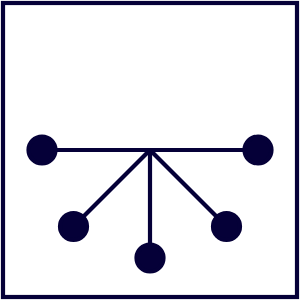
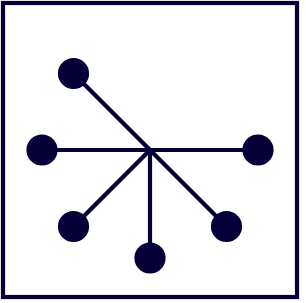
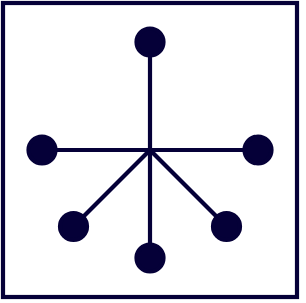
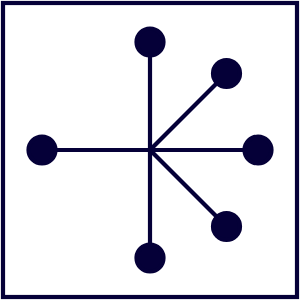
Q2414.
Select the figure from among the given options that can replace the question mark (?) in the following series.
figure
उस आकृति का चयन कीजिए जो दिए गए विकल्पों में से निम्नलिखित शृंखला में प्रश्नवाचक चिह्न (?) के स्थान पर आ सकती है।
figure
  1. Afigure
  2. Bfigure
  3. Cfigure
  4. Dfigure
Show answer

Concept: Each figure adds one ray from the centre, turning in a fixed clockwise order.

  1. Rays in the boxes: 1, 2, 3, 4 → next must have 5.
  2. New rays appear one step clockwise each time (E, SE, S, SW …), so the 5th points W.
  3. Option (A) has exactly these five rays.

Trick: Count first – discard every option without 5 rays, then check the direction of the newest one.

Answer: (A) the figure in option (A)

अवधारणा: हर अगले चित्र में बीच से निकलने वाली एक और रेखा (किरण) बढ़ जाती है, घड़ी की सुई की दिशा में।

हल:

  1. किरणों की संख्या: 1, 2, 3, 4 → अगली में 5
  2. नई रेखा की दिशा क्रम से → ↘ ↓ ↙ है, तो पाँचवीं ← (बाईं ओर) होगी।
  3. विकल्प (A) में ठीक ये पाँच किरणें हैं।

ट्रिक: पहले गिनती करें – 5 किरण वाले विकल्प ही रखें, फिर नई किरण की दिशा मिलाएँ।

उत्तर: (A) विकल्प (A) की आकृति

SSC GDGeneral Intelligence & ReasoningFigure series – adding raysSSC GD 2025 · 11 Feb Shift 3 →
Q2415.
What should come in place of the question mark (?) in the given series ? 7, 10, 16, 25, ?, 52
दी गई शृंखला में प्रश्नवाचक चिह्न (?) के स्थान पर क्या आना चाहिए? 7, 10, 16, 25, ?, 52
  1. A36
  2. B35
  3. C37
  4. D38
Show answer

Concept: Differences between terms rise by a constant amount (+3).

  1. Differences: 3, 6, 9, 12, 15
  2. Missing term = 25+12=37
  3. Check: 37+15=52 ✔

Trick: Differences are 3 × 1, 3 × 2, 3 × 3 … – the table of 3.

Answer: (C) 37

अवधारणा: पदों के अंतर हर बार 3 बढ़ते हैं।

हल:

  1. अंतर: 3, 6, 9, 12, 15
  2. लुप्त पद = 25+12=37
  3. जाँच: 37+15=52 ✔

ट्रिक: अंतर 3 का पहाड़ा हैं: 3, 6, 9, 12, 15।

उत्तर: (C) 37

SSC GDGeneral Intelligence & ReasoningNumber series – differences in APSSC GD 2025 · 11 Feb Shift 3 →
Q2416.
Based on the English alphabetical order, three of the following four letter-clusters are alike in a certain way and thus form a group. Which letter-cluster DOES NOT belong to that group?
(Note: The odd man out is not based on the number of consonants/vowels or their position in the letter-cluster.)
अंग्रेजी वर्णमाला क्रम के आधार पर, निम्नलिखित चार अक्षर-समूहों में से तीन एक निश्चित प्रकार से समान हैं और इस प्रकार एक समूह बनाते हैं। कौन-सा अक्षर-समूह उस समूह से संबंधित नहीं है?
(नोट: असंगत अक्षर-समूह, अक्षर-समूह में व्यंजनों/स्वरों की संख्या या उनकी स्थिति पर आधारित नहीं है।)
  1. ABIO
  2. BUBI
  3. CSZG
  4. DKRY
Show answer

Concept: In three clusters the letters advance by the same gap (+7, +7); find the cluster that breaks it.

  1. UBI: U+7 = B, B+7 = I ✔ (wrap after Z)
  2. SZG: +7, +7 ✔; KRY: +7, +7 ✔
  3. BIO: gaps are +7 then only +6 (I to O) ✘

Trick: Compare first and last letters: a +14 jump in the three alike clusters, only +13 in BIO.

Answer: (A) BIO

अवधारणा: तीन समूहों में अक्षर बराबर अंतर (+7, +7) से बढ़ते हैं; जो अलग है वह विषम है।

हल:

  1. UBI: +7, +7 ✔ (Z के बाद फिर A)
  2. SZG और KRY: +7, +7 ✔
  3. BIO: +7, फिर +6 ✘

ट्रिक: पहले और आखिरी अक्षर का अंतर: बाकी में +14, BIO में +13।

उत्तर: (A) BIO

SSC GDGeneral Intelligence & ReasoningOdd one out – letter gapsSSC GD 2025 · 11 Feb Shift 3 →
Q2417.
A dice has its faces marked by letters T, F, H, A, R and E. Two positions of the same dice are shown in the given figures. Which face is opposite to face A?
figure
एक पासे के फलकों पर T, F, H, A, R और E अक्षर अंकित हैं। दिए गए चित्रों में उसी पासे की दो स्थितियाँ दर्शाई गई हैं। फलक A के विपरीत कौन-सा फलक है?
figure
  1. AE
  2. BH
  3. CF
  4. DR
Show answer

Concept: Any two faces visible together are adjacent; the face never seen with a letter is its opposite.

  1. View 1: E is with H and R.
  2. View 2: E is with T and F.
  3. E is adjacent to H, R, T, F → its opposite is A, so A is opposite E.

Trick: The letter common to both views has four known neighbours – the sixth letter sits opposite it.

Answer: (A) E

अवधारणा: साथ दिखने वाले फलक पड़ोसी होते हैं; जो अक्षर कभी साथ न दिखे वही विपरीत है।

हल:

  1. पहली स्थिति: E के साथ H, R
  2. दूसरी स्थिति: E के साथ T, F
  3. E के पड़ोसी H, R, T, F → बचा A, अतः A के विपरीत E।

ट्रिक: दोनों स्थितियों में आया अक्षर पकड़ें – छठा अक्षर उसके सामने होगा।

उत्तर: (A) E

SSC GDGeneral Intelligence & ReasoningDice – opposite faceSSC GD 2025 · 11 Feb Shift 3 →
Q2418.
What should come in place of the question mark (?) in the given series?
670, 668, 671, 666, 673, 662, 676, ?
दी गई शृंखला में प्रश्नवाचक चिह्न (?) के स्थान पर क्या आना चाहिए?
670, 668, 671, 666, 673, 662, 676, ?
  1. A680
  2. B656
  3. C654
  4. D681
Show answer

Concept: The terms go up and down, so split them into odd-place and even-place series.

  1. Odd places: 670, 671, 673, 676 (+1, +2, +3)
  2. Even places: 668, 666, 662, ? (−2, −4, −6)
  3. 8th term (even place): 662 − 6 = 656

Trick: Up-down zig-zag almost always means two hidden series – 8th term belongs to the even one.

Answer: (B) 656

अवधारणा: पद ऊपर-नीचे हो रहे हैं, अतः विषम और सम स्थानों की दो श्रृंखलाएँ बनाएँ।

हल:

  1. विषम स्थान: 670, 671, 673, 676 (+1, +2, +3)
  2. सम स्थान: 668, 666, 662, ? (−2, −4, −6)
  3. 8वाँ पद: 662 − 6 = 656

ट्रिक: ऊपर-नीचे टेढ़ी-मेढ़ी चाल = दो छुपी श्रृंखलाएँ।

उत्तर: (B) 656

SSC GDGeneral Intelligence & ReasoningAlternate number seriesSSC GD 2025 · 11 Feb Shift 3 →
Q2419.
In a certain code language, 'DAYS' is coded as '7812' and 'AIDS' is coded as '1237'. What is the code for ' I ' in the given code language ?
एक निश्चित कूट भाषा में, 'DAYS' को '7812' के रूप में कूटबद्ध किया जाता है तथा 'AIDS' को '1237' के रूप में कूटबद्ध किया जाता है। उसी कूट भाषा में ' I ' का कूट क्या है?
  1. A7
  2. B3
  3. C2
  4. D1
Show answer

Concept: Letters common to both words take the digits common to both codes.

  1. DAYS = 7812, AIDS = 1237
  2. Common letters D, A, S ↔ common digits 7, 1, 2
  3. Extra letter in AIDS is I, extra digit in 1237 is 3 → I = 3

Trick: Cancel the common items; the leftover letter matches the leftover digit.

Answer: (B) 3

अवधारणा: दोनों शब्दों के समान अक्षरों के कोड, दोनों कोडों के समान अंक होते हैं।

हल:

  1. DAYS = 7812, AIDS = 1237
  2. समान अक्षर D, A, S ↔ समान अंक 7, 1, 2
  3. AIDS में बचा I और 1237 में बचा 3 → I = 3

ट्रिक: समान चीजें काट दें – बचा अक्षर बचे अंक से मेल खाता है।

उत्तर: (B) 3

SSC GDGeneral Intelligence & ReasoningCoding – common letters, common digitsSSC GD 2025 · 11 Feb Shift 3 →
Q2420.
G, H, I, J, K, L and M are sitting around a circular table, facing the centre of the table (but not necessarily in the same order).
K sits to the immediate right of L. Only three people sit between K and M when counted from the left of K. Only three people sit between L and H. J sits to the immediate right of I. How many people sit between L and I when counted from the left of I?
G, H, I, J, K, L और M एक वृत्ताकार मेज के चारों ओर मेज के केंद्र की ओर मुख करके बैठे हैं (आवश्यक नहीं कि इसी क्रम में)।
K, L के ठीक दाईं ओर बैठा है। K के बाईं ओर से गिनने पर K और M के बीच केवल तीन व्यक्ति बैठे हैं। L और H के बीच केवल तीन व्यक्ति बैठे हैं। J, I के ठीक दाईं ओर बैठा है। I के बाईं ओर से गिनने पर L और I के बीच कितने व्यक्ति बैठे हैं?
  1. AFourचार
  2. BThreeतीन
  3. CTwoदो
  4. DOneएक
Show answer

Concept: Facing the centre, a person's left is clockwise and right is anticlockwise.

  1. Number seats clockwise: K = 1, L = 2 (K is L's right).
  2. M is 4 seats clockwise from K → M = 5; three between L and H → H = 6.
  3. J is I's immediate right (anticlockwise) → I = 4, J = 3, G = 7.
  4. From the left of I (clockwise): M, H, G, K, then L → 4 people.

Yaad rakhein: For facing-centre seating: left = clockwise, right = anticlockwise; for facing-outside it reverses.

Answer: (A) Four

अवधारणा: बीच की ओर मुँह हो तो बाईं ओर जाना = घड़ी की दिशा, दाईं ओर = घड़ी की उलटी दिशा।

हल:

  1. घड़ी की दिशा में सीट नंबर: K = 1, L = 2 (K, L के दाएँ)।
  2. K से घड़ी की दिशा में चौथी सीट M → M = 5; L और H के बीच तीन → H = 6।
  3. J, I के ठीक दाएँ → I = 4, J = 3, G = 7।
  4. I के बाएँ से गिनें: M, H, G, K फिर L → 4 व्यक्ति।

याद रखें: अंदर मुँह: बायाँ = घड़ी की दिशा; बाहर मुँह हो तो नियम उलट जाता है।

उत्तर: (A) चार

SSC GDGeneral Intelligence & ReasoningCircular seating – facing centreSSC GD 2025 · 11 Feb Shift 3 →