Question bank

Q&A: practice questions with answers

Search questions on any topic. Filter by exam category, exam, subject and topic, try the question, then open the answer and explanation.

Courses – airGurukul

4,200 questions found.

Q1901.
Eight people are sitting in two parallel rows containing 4 people each, in such a way that there is equal distance between adjacent persons.
In row 1 - G, I, F and T are seated and all of them are facing south.
In row 2 - B, O, N and D are seated and all of them are facing north.
Thus each person faces another person from the other row.
No one sits to the right of B. Only two people sit between N and B. The one facing O sits second to the right of the one facing B. I sits to the immediate right of F. G sits to the immediate right of I and doesn't face O.
Which of the following represents both people sitting at the extreme ends of the rows?
आठ व्यक्ति दो समानांतर पंक्तियों में बैठे हैं, प्रत्येक पंक्ति में 4 व्यक्ति हैं और आसन्न व्यक्तियों के बीच समान दूरी है।
पंक्ति 1 में - G, I, F और T बैठे हैं तथा ये सभी दक्षिण की ओर उन्मुख हैं।
पंक्ति 2 में - B, O, N और D बैठे हैं तथा ये सभी उत्तर की ओर उन्मुख हैं।
इस प्रकार प्रत्येक व्यक्ति दूसरी पंक्ति के किसी एक व्यक्ति के सम्मुख है।
B के दाईं ओर कोई नहीं बैठा है। N और B के बीच केवल दो व्यक्ति बैठे हैं। O के सम्मुख बैठा व्यक्ति, B के सम्मुख बैठे व्यक्ति के दाईं ओर दूसरे स्थान पर बैठा है। I, F के ठीक दाईं ओर बैठा है। G, I के ठीक दाईं ओर बैठा है और O के सम्मुख नहीं है।
निम्नलिखित में से कौन-सा विकल्प पंक्तियों के अंतिम सिरों पर बैठे दोनों व्यक्तियों को दर्शाता है?
  1. AG and DG और D
  2. BT and NT और N
  3. CI and BI और B
  4. DT and OT और O
Show answer

Concept: Row 1 faces south, so its 'right' is west; Row 2 faces north, so its 'right' is east.
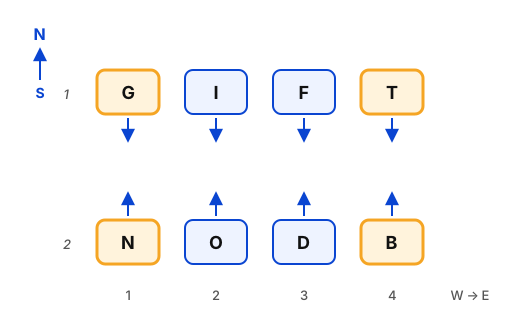
  1. Nobody is right of B → B at the east end of Row 2; two people between N and B → N at the west end.
  2. The person opposite B is at the east end of Row 1; two seats to his right (westward) is the person facing O → O is 2nd from west, D is 3rd.
  3. F–I–G must stand together (I right of F, G right of I). G cannot face O, so Row 1 west→east = G, I, F, T.
  4. End seats: G, T (Row 1) and N, B (Row 2).

Trick: Fix the 'no one to the right' person first – he always takes an end seat.

Answer: (B) T and N

अवधारणा: पंक्ति 1 दक्षिणमुखी है, इसलिए उसका 'दायाँ' = पश्चिम; पंक्ति 2 उत्तरमुखी, उसका 'दायाँ' = पूर्व।

  1. B के दाएँ कोई नहीं → B पंक्ति 2 के पूर्वी छोर पर; N और B के बीच दो → N पश्चिमी छोर पर।
  2. B के सामने वाला पंक्ति 1 के पूर्वी छोर पर; उससे दो स्थान दाएँ (पश्चिम) O के सामने वाला → O पश्चिम से दूसरे, D तीसरे स्थान पर।
  3. F, I, G लगातार बैठे हैं; G, O के सामने नहीं → पंक्ति 1 (पश्चिम→पूर्व) = G, I, F, T।
  4. छोर: G, T तथा N, B।

ट्रिक: जिसके 'दाएँ कोई नहीं' उसे सबसे पहले छोर पर बैठाएँ।

उत्तर: (B) T और N
SSC GDGeneral Intelligence & ReasoningParallel-row seating – end positionsSSC GD 2025 · 13 Feb Shift 2 →
Q1902.
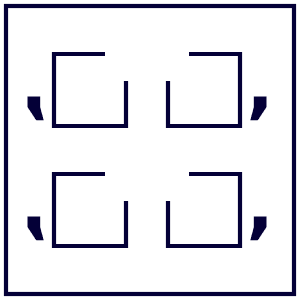
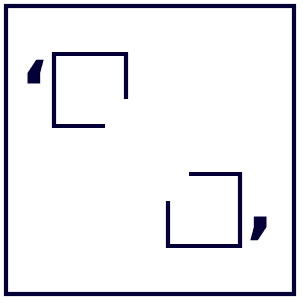
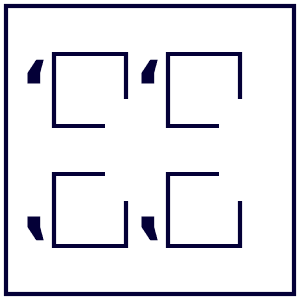
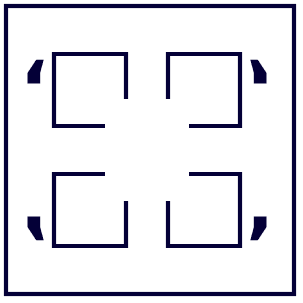
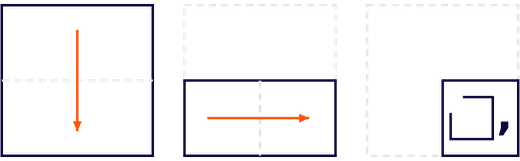
A paper is folded and punched as shown below. How will it appear when unfolded?
figure
एक कागज़ को नीचे दर्शाए अनुसार मोड़ा और छिद्रित किया जाता है। खोलने पर वह कैसा दिखाई देगा?
figure
  1. Afigure
  2. Bfigure
  3. Cfigure
  4. Dfigure
Show answer

Concept: Each fold doubles the punches; while unfolding, every punch is mirrored across the crease.

  1. The paper is folded twice (one horizontal, one vertical crease), so 1 punch → 4 punches, one in each quarter.
  2. Unfolding the vertical fold gives a left–right mirror image of the mark.
  3. Unfolding the horizontal fold then gives top–bottom mirror images, so all four marks point outward from the centre.
  4. Only option (D) shows four mirror-correct marks.

Trick: Count first: 2 folds → 4 holes. Reject options with the wrong count, then check mirror direction.

Answer: (D)the fourth figure

अवधारणा: हर मोड़ पर छेद दोगुने होते हैं; खोलते समय छेद मोड़-रेखा के सापेक्ष दर्पण-प्रतिबिंब बनाता है।

  1. कागज़ दो बार मुड़ा है → 1 छेद से 4 छेद, हर चौथाई में एक।
  2. खड़ी तह हटाते ही निशान की बाएँ–दाएँ प्रति बनती है।
  3. फिर आड़ी तह हटाने पर ऊपर–नीचे की प्रति; चारों निशान केंद्र से बाहर की ओर।
  4. केवल विकल्प (D) सही दर्पण-स्थिति दिखाता है।

ट्रिक: पहले छेदों की संख्या गिनें (2 मोड़ = 4 छेद), फिर दिशा मिलाएँ।

उत्तर: (D)चौथी आकृति

SSC GDGeneral Intelligence & ReasoningPaper folding and punchingSSC GD 2025 · 13 Feb Shift 2 →
Q1903.
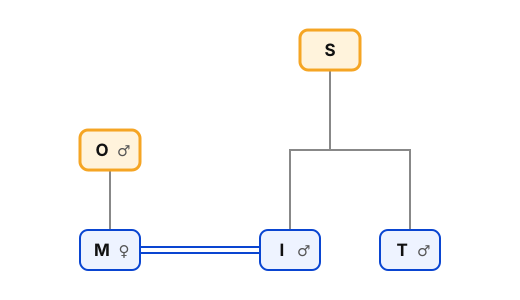
In a certain code language, 'A ! B' means 'A is the brother of B', 'A < B' means 'A is the son of B', 'A : B' means 'A is the wife of B' and 'A / B' means 'A is the father of B'.
How is O related to S if 'O / M : I ! T < S'?
एक निश्चित कूट भाषा में, 'A ! B' का अर्थ है 'A, B का भाई है', 'A < B' का अर्थ है 'A, B का पुत्र है', 'A : B' का अर्थ है 'A, B की पत्नी है' तथा 'A / B' का अर्थ है 'A, B का पिता है'।
यदि 'O / M : I ! T < S' है, तो O, S से किस प्रकार संबंधित है?
  1. ASon's wife's sisterपुत्र की पत्नी की बहन
  2. BSon's wife's motherपुत्र की पत्नी की माता
  3. CSon's wife's fatherपुत्र की पत्नी का पिता
  4. DSon's wife's sonपुत्र की पत्नी का पुत्र
Show answer

Concept: Decode each symbol link by link, then connect the two end persons.

  1. O / M → O is father of M; M : I → M is wife of I.
  2. I ! T → I is brother of T; T < S → T is son of S.
  3. So I is also a son of S, and M is the wife of S's son.
  4. O is M's father → O = S's son's wife's father.

Trick: Work from the end person (S) backward: S → son I → wife M → her father O.

Answer: (C) Son's wife's father

अवधारणा: हर चिह्न को एक-एक कड़ी में खोलें और अंत में दोनों छोर जोड़ें।

  1. O / M: O पिता है M का; M : I: M पत्नी है I की।
  2. I ! T: I भाई है T का; T < S: T बेटा है S का।
  3. यानी I भी S का बेटा है और M उस बेटे की पत्नी (S की बहू)।
  4. O, M का पिता → O = S की बहू का पिता।

ट्रिक: S से उल्टा चलें: S → बेटा I → बहू M → उसका पिता O।

उत्तर: (C) पुत्र की पत्नी का पिता

SSC GDGeneral Intelligence & ReasoningCoded blood relationSSC GD 2025 · 13 Feb Shift 2 →
Q1904.
Each letter in the word FROCKED is arranged in the English alphabetical order. How many letters are there in the English alphabetical order between the letter which is third from the left end and the one which is second from the right end in the new letter- cluster thus formed?
शब्द FROCKED के प्रत्येक अक्षर को अंग्रेज़ी वर्णमाला क्रम में व्यवस्थित किया जाता है। इस प्रकार बने नए अक्षर-समूह में बाएँ छोर से तीसरे अक्षर और दाएँ छोर से दूसरे अक्षर के बीच अंग्रेज़ी वर्णमाला क्रम में कितने अक्षर हैं?
  1. A9
  2. B12
  3. C8
  4. D10
Show answer

Concept: Letters between two letters = (larger position − smaller position − 1).

  1. FROCKED in alphabetical order: C D E F K O R.
  2. 3rd from left = E (5); 2nd from right = O (15).
  3. Letters between = 15 − 5 − 1 = 9.

Trick: Remember EJOTY = 5, 10, 15, 20, 25 – E and O positions come instantly.

Answer: (A) 9

अवधारणा: दो अक्षरों के बीच के अक्षर = (बड़ा स्थान − छोटा स्थान − 1)।

  1. FROCKED को क्रम में लगाएँ: C D E F K O R।
  2. बाएँ से तीसरा = E (5); दाएँ से दूसरा = O (15)।
  3. बीच के अक्षर = 15 − 5 − 1 = 9।

ट्रिक: EJOTY = 5, 10, 15, 20, 25 याद रखें – स्थान तुरंत मिलेंगे।

उत्तर: (A) 9

SSC GDGeneral Intelligence & ReasoningLetters between – rearranged wordSSC GD 2025 · 13 Feb Shift 2 →
Q1905.
What should come in place of the question mark (?) in the given series?
991 1000 1010 1021 1033 ?
दी गई शृंखला में प्रश्नवाचक चिह्न (?) के स्थान पर क्या आना चाहिए?
991 1000 1010 1021 1033 ?
  1. A1044
  2. B1045
  3. C1043
  4. D1046
Show answer

Concept: Differences between terms rise by 1 each step.

  1. Differences: 1000−991 = 9, 10, 11, 12.
  2. Next difference = 13.
  3. ? = 1033 + 13 = 1046.

Trick: When gaps are consecutive numbers, the next gap is just one more.

Answer: (D) 1046

अवधारणा: पदों के बीच का अंतर हर बार 1 बढ़ता है।

  1. अंतर: 9, 10, 11, 12।
  2. अगला अंतर = 13।
  3. ? = 1033 + 13 = 1046।

ट्रिक: अंतर लगातार संख्याएँ हों तो अगला अंतर बस 1 अधिक।

उत्तर: (D) 1046

SSC GDGeneral Intelligence & ReasoningNumber series – increasing differenceSSC GD 2025 · 13 Feb Shift 2 →
Q1906.
Based on the English alphabetical order, three of the following four letter-clusters are alike in a certain way and thus form a group. Which letter-cluster DOES NOT belong to that group?
(Note: The odd one out is not based on the number of consonants/vowels or their position in the letter-cluster.)
अंग्रेज़ी वर्णमाला क्रम के आधार पर, निम्नलिखित चार अक्षर-समूहों में से तीन एक निश्चित प्रकार से समान हैं और इस प्रकार एक समूह बनाते हैं। कौन-सा अक्षर-समूह उस समूह से संबंधित नहीं है?
(नोट: असंगत अक्षर-समूह, समूह में व्यंजनों/स्वरों की संख्या अथवा उनकी स्थिति पर आधारित नहीं है।)
  1. AAJS
  2. BVEM
  3. COXG
  4. DKTC
Show answer

Concept: Find the forward gap between letters (wrap Z → A).

  1. AJS: A+9 = J, J+9 = S → (+9, +9).
  2. OXG: O+9 = X, X+9 = G; KTC: K+9 = T, T+9 = C → (+9, +9).
  3. VEM: V+9 = E but E+8 = M → (+9, +8). Odd one.

Trick: +9 is the same as −17; just check the 2nd and 3rd letters – the pattern breaks only in VEM.

Answer: (B) VEM

अवधारणा: अक्षरों के बीच आगे का अंतर देखें (Z के बाद फिर A)।

  1. AJS: +9, +9।
  2. OXG और KTC: दोनों +9, +9।
  3. VEM: V+9 = E, पर E+8 = M → (+9, +8), यही अलग है।

ट्रिक: सिर्फ दूसरे से तीसरे अक्षर का अंतर जाँचें – VEM में ही 8 है।

उत्तर: (B) VEM

SSC GDGeneral Intelligence & ReasoningOdd one out – letter gapsSSC GD 2025 · 13 Feb Shift 2 →
Q1907.
'XUOF' is related to 'BWQH' in a certain way based on the English alphabetical order. In the same way, 'DWQI' is related to 'HYSK'. To which of the following is 'VAPD' related, following the same logic ?
'XUOF', अंग्रेज़ी वर्णमाला क्रम के आधार पर एक निश्चित प्रकार से 'BWQH' से संबंधित है। उसी प्रकार, 'DWQI', 'HYSK' से संबंधित है। उसी तर्क का अनुसरण करते हुए 'VAPD' निम्नलिखित में से किससे संबंधित है?
  1. AZCRF
  2. BXCRG
  3. CXDSE
  4. DYBQD
Show answer

Concept: Apply the same letter-wise shift found in the example pairs.

  1. XUOF → BWQH: X+4 = B, U+2 = W, O+2 = Q, F+2 = H.
  2. Check DWQI → HYSK: +4, +2, +2, +2 ✓.
  3. VAPD: V+4 = Z, A+2 = C, P+2 = R, D+2 = F → ZCRF.

Trick: Only option A starts with Z (V+4) – the first letter alone decides.

Answer: (A) ZCRF

अवधारणा: उदाहरण जोड़ी में मिला अक्षर-अंतर ही लागू करें।

  1. XUOF → BWQH: +4, +2, +2, +2।
  2. DWQI → HYSK में भी यही नियम ✓।
  3. VAPD: Z, C, R, F → ZCRF।

ट्रिक: V+4 = Z; केवल विकल्प A Z से शुरू होता है।

उत्तर: (A) ZCRF

SSC GDGeneral Intelligence & ReasoningLetter analogy – position shiftSSC GD 2025 · 13 Feb Shift 2 →
Q1908.
What should come in place of the question mark (?) in the given series?
712 711 713 710 714 709 715 ?
दी गई शृंखला में प्रश्नवाचक चिह्न (?) के स्थान पर क्या आना चाहिए?
712 711 713 710 714 709 715 ?
  1. A708
  2. B707
  3. C717
  4. D716
Show answer

Concept: Signs alternate (−, +) while the size grows by 1.

  1. Differences: −1, +2, −3, +4, −5, +6.
  2. Next: −7.
  3. ? = 715 − 7 = 708.

Trick: Split into two series: 712, 713, 714, 715 (rising) and 711, 710, 709, 708 (falling).

Answer: (A) 708

अवधारणा: चिह्न बारी-बारी बदलते हैं (−, +) और मान 1-1 बढ़ता है।

  1. अंतर: −1, +2, −3, +4, −5, +6।
  2. अगला: −7।
  3. ? = 715 − 7 = 708।

ट्रिक: दो श्रृंखलाएँ बनाएँ: 711, 710, 709 → अगला 708।

उत्तर: (A) 708

SSC GDGeneral Intelligence & ReasoningNumber series – alternating differencesSSC GD 2025 · 13 Feb Shift 2 →
Q1909.
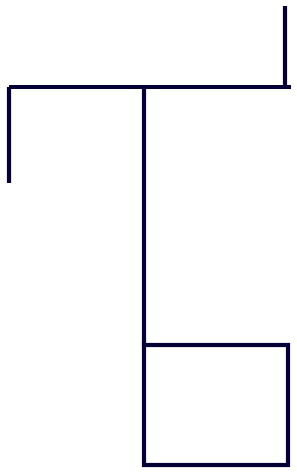
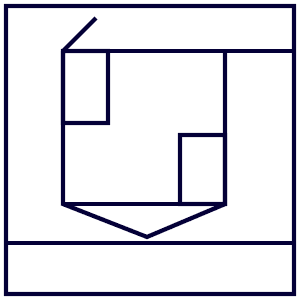
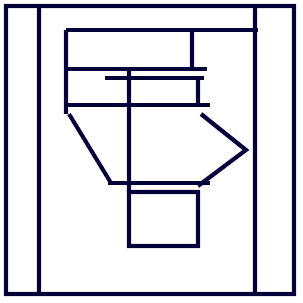
Select the option figure in which the given figure ( X ) is embedded as its part (rotation is NOT allowed).
figure
(X)
उस विकल्प आकृति का चयन कीजिए जिसमें दी गई आकृति (X) उसके एक भाग के रूप में सन्निहित है (घुमाने की अनुमति नहीं है)।
figure
(X)
  1. Afigure
  2. Bfigure
  3. Cfigure
  4. Dfigure
Show answer

Concept: The given figure must appear in the option with the same size and orientation (no rotation).

  1. Figure X: a horizontal bar, a short arm down at the left end, a short arm up at the right end, a long central stem and a small rectangle to the right of the stem's foot.
  2. Options A, B and D lack this exact stem-plus-rectangle arrangement.
  3. Option (C) contains all parts in the same position.

Trick: Search first for the most unusual part (the small rectangle at the stem's foot) – it eliminates options fastest.

Answer: (C)the third figure

अवधारणा: दी गई आकृति विकल्प में उसी आकार और दिशा में दिखनी चाहिए (घुमाना मना)।

  1. दी गई आकृति में एक आड़ी पट्टी, बाएँ सिरे पर नीचे छोटी भुजा, दाएँ सिरे पर ऊपर छोटी भुजा, बीच में लंबा तना और तने के नीचे दाईं ओर छोटा आयत।
  2. A, B, D में यह संयोजन नहीं है।
  3. विकल्प (C) में सारे भाग उसी स्थिति में हैं।

ट्रिक: सबसे अलग भाग (तने के नीचे आयत) पहले खोजें – विकल्प जल्दी कटेंगे।

उत्तर: (C)तीसरी आकृति

SSC GDGeneral Intelligence & ReasoningEmbedded figureSSC GD 2025 · 13 Feb Shift 2 →
Q1910.
In a certain code language 'JRZQ' is coded as '74' and 'LOBT' is coded as '118'. What is the code for 'XGCF' in the given language ?
एक निश्चित कूट भाषा में 'JRZQ' को '74' के रूप में तथा 'LOBT' को '118' के रूप में कूटबद्ध किया जाता है। उसी भाषा में 'XGCF' का कूट क्या है?
  1. A136
  2. B128
  3. C124
  4. D132
Show answer

Concept: Code = 2 × (sum of opposite-letter positions); opposite of a letter = 27 − its position.

  1. JRZQ: opposites Q, I, A, J = 17+9+1+10=37; 37×2=74 ✓.
  2. LOBT: O, L, Y, G = 15+12+25+7=59; 59×2=118 ✓.
  3. XGCF: C, T, X, U = 3+20+24+21=68; 68×2=136.

Trick: For a 4-letter word, opposite sum = 108 − (own sum). XGCF: 24+7+3+6=40 → 108−40=68 → ×2 = 136.

Answer: (A) 136

अवधारणा: कूट = 2 × (विपरीत अक्षरों के स्थानों का योग); विपरीत = 27 − स्थान।

  1. JRZQ: Q, I, A, J = 37; 37×2=74 ✓।
  2. LOBT: O, L, Y, G = 59; 59×2=118 ✓।
  3. XGCF: C, T, X, U = 3+20+24+21=68; ×2 = 136।

ट्रिक: 4 अक्षरों में विपरीत योग = 108 − अपना योग: 108−40=68 → 136।

उत्तर: (A) 136

SSC GDGeneral Intelligence & ReasoningCoding – opposite-letter sumSSC GD 2025 · 13 Feb Shift 2 →
Q1911.
What should come in place of the question mark (?) in the given series based on the English alphabetical order ? EFL IJP MNT QRX ?
अंग्रेज़ी वर्णमाला क्रम पर आधारित दी गई शृंखला में प्रश्नवाचक चिह्न (?) के स्थान पर क्या आना चाहिए? EFL IJP MNT QRX ?
  1. AUVB
  2. BUWB
  3. CVUB
  4. DVUP
Show answer

Concept: Each letter moves 4 places forward in the next group.

  1. 1st letters: E, I, M, Q → U.
  2. 2nd letters: F, J, N, R → V.
  3. 3rd letters: L, P, T, X → B (X + 4 wraps to B).

Trick: First two letters are always consecutive (EF, IJ, MN, QR) → next must be UV; only option A fits.

Answer: (A) UVB

अवधारणा: हर अक्षर अगले समूह में 4 स्थान आगे जाता है।

  1. पहले अक्षर: E, I, M, Q → U।
  2. दूसरे: F, J, N, R → V।
  3. तीसरे: L, P, T, X → B (Z के बाद फिर A से)।

ट्रिक: पहले दो अक्षर हमेशा लगातार (EF, IJ…) → अगला UV; केवल A।

उत्तर: (A) UVB

SSC GDGeneral Intelligence & ReasoningLetter series – +4 patternSSC GD 2025 · 13 Feb Shift 2 →
Q1912.
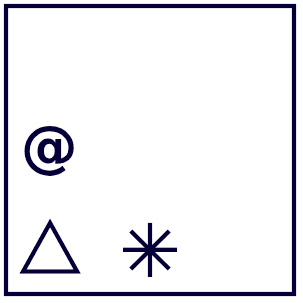
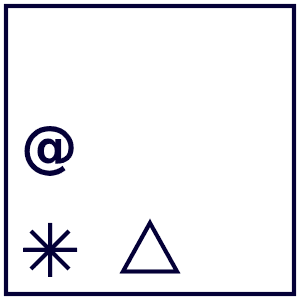
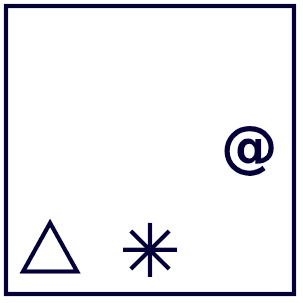
Identify the figure given in the options which when put in place of the question mark (?) will logically complete the series.
figure
उस आकृति की पहचान कीजिए जो विकल्पों में दी गई है और जिसे प्रश्नवाचक चिह्न (?) के स्थान पर रखने पर शृंखला तार्किक रूप से पूर्ण हो जाएगी।
figure
  1. Afigure
  2. Bfigure
  3. Cfigure
  4. Dfigure
Show answer

Concept: The whole group of symbols turns 90° clockwise at each step.

  1. @ moves left-middle → top-middle → right-middle → bottom-middle.
  2. The triangle and star turn along with @, keeping the same relative positions.
  3. After four 90° turns the figure is back to the start, so the 5th figure = 1st figure.
  4. Option (A) matches the first figure.

Trick: 4×90∘=360∘: in a quarter-turn series, the 5th figure repeats the 1st.

Answer: (A)the first figure

अवधारणा: चिह्नों का पूरा समूह हर चरण में 90° दक्षिणावर्त घूमता है।

  1. @ बायाँ-मध्य → ऊपर-मध्य → दायाँ-मध्य → नीचे-मध्य।
  2. त्रिभुज और तारा @ के साथ ही घूमते हैं।
  3. चार बार 90° = पूरा चक्कर, इसलिए 5वीं आकृति = पहली आकृति।
  4. विकल्प (A) पहली आकृति जैसा है।

ट्रिक: 90° घूमने वाली श्रृंखला में 5वीं आकृति पहली को दोहराती है।

उत्तर: (A)पहली आकृति

SSC GDGeneral Intelligence & ReasoningFigure series – rotationSSC GD 2025 · 13 Feb Shift 2 →
Q1913.
What will come in the place of the question mark '(?)' in the following equation, if '×' and '+' are interchanged and '−' and '÷' are interchanged?
57 ÷ 9 × 50 − 5 + 2 = ?
यदि '×' और '+' को आपस में बदल दिया जाए तथा '−' और '÷' को आपस में बदल दिया जाए, तो निम्नलिखित समीकरण में प्रश्नवाचक चिह्न '(?)' के स्थान पर क्या आएगा?
57 ÷ 9 × 50 − 5 + 2 = ?
  1. A68
  2. B70
  3. C69
  4. D71
Show answer

Concept: Swap the signs first, then solve using BODMAS.

  1. Swap × ↔ + and − ↔ ÷: 57−9+50÷5×2.
  2. 50÷5=10; 10×2=20.
  3. 57−9+20=68.

Trick: Rewrite the whole expression once before calculating – most errors come from swapping only some signs.

Answer: (A) 68

अवधारणा: पहले चिह्न बदलें, फिर BODMAS से हल करें।

  1. × ↔ + और − ↔ ÷ बदलने पर: 57−9+50÷5×2।
  2. 50÷5=10; 10×2=20।
  3. 57−9+20=68।

ट्रिक: पहले पूरा व्यंजक नए चिह्नों से लिख लें, फिर गणना करें।

उत्तर: (A) 68

SSC GDGeneral Intelligence & ReasoningInterchanging signs – BODMASSSC GD 2025 · 13 Feb Shift 2 →
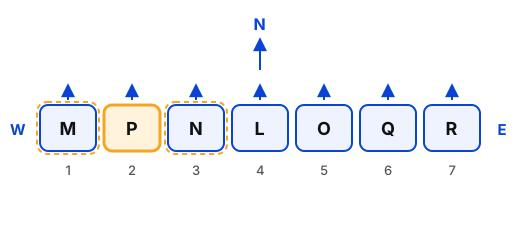
Q1914.
Seven people L, M, N, O, P, Q and R are sitting in a straight line facing the north (but not necessarily in the same order). M is sitting at one of the ends of the line. P is sitting to the immediate right of M. N is sitting to the immediate right of P and the immediate left of L. Q is sitting to the immediate right of O and the immediate left of R. L is sitting to the immediate right of N. Who is sitting between M and N?
सात व्यक्ति L, M, N, O, P, Q और R एक सीधी पंक्ति में उत्तर की ओर उन्मुख होकर बैठे हैं (आवश्यक नहीं कि इसी क्रम में हों)। M पंक्ति के किसी एक सिरे पर बैठा है। P, M के ठीक दाईं ओर बैठा है। N, P के ठीक दाईं ओर और L के ठीक बाईं ओर बैठा है। Q, O के ठीक दाईं ओर और R के ठीक बाईं ओर बैठा है। L, N के ठीक दाईं ओर बैठा है। M और N के बीच कौन बैठा है?
  1. AL
  2. BO
  3. CR
  4. DP
Show answer

Concept: Facing north, 'immediate right' = next seat to the east.

  1. M at an end; P right of M, N right of P, L right of N → M P N L from the left end.
  2. O, Q, R sit together in that order → line: M P N L O Q R.
  3. Between M and N sits only P.

Trick: Chain the 'immediate right' clues into one block – the answer appears without placing everyone.

Answer: (D) P

अवधारणा: उत्तर की ओर मुख होने पर 'ठीक दाएँ' = पूर्व की ओर अगली सीट।

  1. M छोर पर; उसके दाएँ P, फिर N, फिर L → M P N L।
  2. O, Q, R इसी क्रम में साथ → M P N L O Q R।
  3. M और N के बीच केवल P है।

ट्रिक: 'ठीक दाएँ' वाले संकेतों को एक ब्लॉक में जोड़ें, उत्तर तुरंत।

उत्तर: (D) P

SSC GDGeneral Intelligence & ReasoningLinear seating – facing northSSC GD 2025 · 13 Feb Shift 2 →
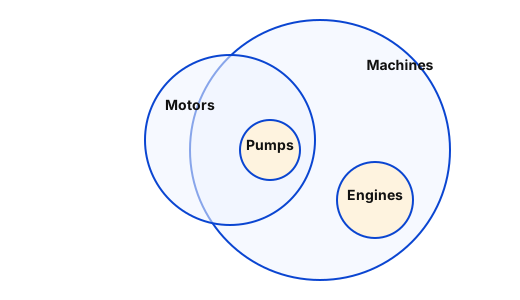
Q1915.
Read the given statements and conclusions carefully. Assuming that the information given in the statements is true, even if it appears to be at variance with commonly known facts, decide which of the given conclusions logically follow(s) from the statements.
Statements:
All pumps are motors.
All pumps are machines.
All engines are machines.
Conclusions:
(I): All engines are motors.
(II): Some machines are motors.
दिए गए कथनों और निष्कर्षों को ध्यानपूर्वक पढ़िए। यह मानते हुए कि कथनों में दी गई जानकारी सत्य है, चाहे वह सामान्यतः ज्ञात तथ्यों से भिन्न प्रतीत होती हो, निर्णय कीजिए कि दिए गए निष्कर्षों में से कौन-सा/से कथनों का तार्किक रूप से अनुसरण करता है/करते हैं।
कथन:
सभी पंप मोटर हैं।
सभी पंप मशीन हैं।
सभी इंजन मशीन हैं।
निष्कर्ष:
(I): सभी इंजन मोटर हैं।
(II): कुछ मशीनें मोटर हैं।
  1. ANeither conclusion (I) nor (II) follows.न तो निष्कर्ष (I) और न ही (II) अनुसरण करता है।
  2. BOnly conclusion (I) follows.केवल निष्कर्ष (I) अनुसरण करता है।
  3. COnly conclusion (II) follows.केवल निष्कर्ष (II) अनुसरण करता है।
  4. DBoth conclusions (I) and (II) follow.दोनों निष्कर्ष (I) और (II) अनुसरण करते हैं।
Show answer

Concept: A conclusion follows only if it is true in every possible diagram.

  1. Pumps lie inside both Motors and Machines → these pumps are machines that are motors → 'Some machines are motors' is definite (II follows).
  2. Engines are inside Machines but not linked to Motors; engines can lie outside Motors → I does not follow.

Trick: An 'All' statement with no common term (engines–motors) can never give a definite 'All' conclusion.

Answer: (C) Only conclusion (II) follows.

अवधारणा: निष्कर्ष तभी सही है जब वह हर संभव चित्र में सत्य हो।

  1. Pumps, Motors और Machines दोनों के अंदर हैं → कुछ machines ज़रूर motors हैं → II सही।
  2. Engines का Motors से कोई संबंध नहीं; वे Motors के बाहर हो सकते हैं → I गलत।

ट्रिक: बिना साझा पद के दो वर्गों पर निश्चित 'All' निष्कर्ष नहीं निकलता।

उत्तर: (C) केवल निष्कर्ष (II) अनुसरण करता है।

SSC GDGeneral Intelligence & ReasoningSyllogism – two conclusionsSSC GD 2025 · 13 Feb Shift 2 →
Q1916.
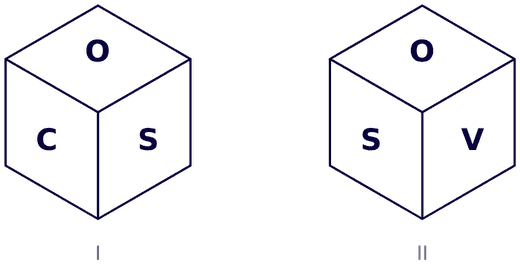
A dice has its faces marked by letters S, O, V, E, L and C. Two positions of the same dice are shown in the given figures. Which face is opposite to face V?
figure
एक पासे के फलकों पर अक्षर S, O, V, E, L और C अंकित हैं। दी गई आकृतियों में उसी पासे की दो स्थितियाँ दर्शाई गई हैं। फलक V के विपरीत कौन-सा फलक है?
figure
  1. AC
  2. BO
  3. CS
  4. DE
Show answer

Concept: If two views share two faces, the remaining unshared faces are opposite.

  1. O and S appear in both views.
  2. The third face is C in one view and V in the other.
  3. So C is opposite V (also O–E and S–L).

Trick: Two common faces → the 'odd' faces of the two views are opposite each other.

Answer: (A) C

अवधारणा: दोनों चित्रों में दो सतहें साझा हों तो बची हुई अलग सतहें आमने-सामने होती हैं।

  1. O और S दोनों स्थितियों में हैं।
  2. तीसरा फलक एक में C, दूसरे में V।
  3. इसलिए V के सामने C आता है।

ट्रिक: दो साझा सतहें → बची अलग सतहें आमने-सामने।

उत्तर: (A) C

SSC GDGeneral Intelligence & ReasoningDice – opposite faceSSC GD 2025 · 13 Feb Shift 2 →
Q1917.
Find the correct alternative that when filled in the blanks in the same sequence will make the series logically complete.
_BDGI_GJLH_MOKM_RNP_
उस सही विकल्प का चयन कीजिए जिसे उसी क्रम में रिक्त स्थानों में भरने पर शृंखला तार्किक रूप से पूर्ण हो जाएगी।
_BDGI_GJLH_MOKM_RNP_
  1. AGEIPR
  2. BFDJOS
  3. CFEJPS
  4. DGDIOR
Show answer

Concept: Break into equal groups and look at each column.

  1. Groups of 4: _BDG / I_GJ / LH_M / OKM_ / RNP_.
  2. Every column goes up by +3: B E H K N; D G J M P; G J M P S.
  3. So 1st column = F I L O R.
  4. Blanks: F, E, J, P, S → FEJPS.

Trick: Length 20 with 5 blanks → try 5 groups of 4 first.

Answer: (C) FEJPS

अवधारणा: श्रृंखला को बराबर समूहों में बाँटकर हर स्तंभ देखें।

  1. 4-4 के समूह: _BDG / I_GJ / LH_M / OKM_ / RNP_।
  2. हर स्तंभ +3 बढ़ता है: B E H K N; D G J M P; G J M P S।
  3. पहला स्तंभ = F I L O R।
  4. रिक्त: F, E, J, P, S।

ट्रिक: 20 अक्षर, 5 रिक्त → पहले 4-4 के 5 समूह आज़माएँ।

उत्तर: (C) FEJPS

SSC GDGeneral Intelligence & ReasoningLetter series – fill in the blanksSSC GD 2025 · 13 Feb Shift 2 →
Q1918.
In a certain code language, 'ALSO' is coded as '4381' and 'LOAN' is coded as '1436'. How is 'N' coded in the given language ?
एक निश्चित कूट भाषा में, 'ALSO' को '4381' के रूप में तथा 'LOAN' को '1436' के रूप में कूटबद्ध किया जाता है। उसी भाषा में 'N' को किस प्रकार कूटबद्ध किया जाएगा?
  1. A4
  2. B6
  3. C8
  4. D1
Show answer

Concept: Letters common to both words share the common digits.

  1. ALSO = 4381, LOAN = 1436.
  2. Common letters A, L, O ↔ common digits 4, 3, 1.
  3. ALSO's extra letter S = 8; LOAN's extra letter N = 6.

Trick: Cancel the common digits; the leftover digit in each code belongs to the leftover letter.

Answer: (B) 6

अवधारणा: दोनों शब्दों के समान अक्षरों के कूट भी समान अंक होंगे।

  1. ALSO = 4381, LOAN = 1436।
  2. समान अक्षर A, L, O ↔ समान अंक 4, 3, 1।
  3. बचा S = 8 और बचा N = 6।

ट्रिक: समान अंक काट दें; बचा अंक बचे अक्षर का।

उत्तर: (B) 6

SSC GDGeneral Intelligence & ReasoningCoding – common lettersSSC GD 2025 · 13 Feb Shift 2 →
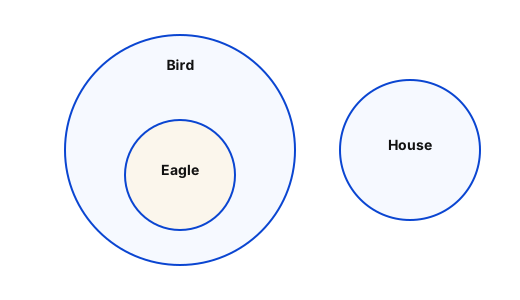
Q1919.
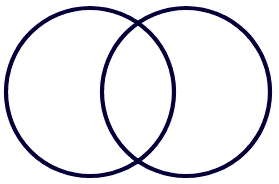
Select the Venn diagram that best illustrates the relationship between the following classes.
Eagle, Bird, House
उस वेन आरेख का चयन कीजिए जो निम्नलिखित वर्गों के बीच के संबंध को सर्वोत्तम रूप से दर्शाता है।
बाज़, पक्षी, घर
  1. Afigure
  2. Bfigure
  3. Cfigure
  4. Dfigure
Show answer

Concept: A subclass sits inside its class; an unrelated class is drawn separately.

  1. Every eagle is a bird → Eagle circle inside Bird circle.
  2. A house has nothing to do with birds → separate circle.
  3. Option (B): one circle inside another plus a separate circle.

Yaad rakhein: Pattern 'one inside another + one separate' is the most common Venn answer for X, its class, and an unrelated item.

Answer: (B)the second figure

अवधारणा: उपवर्ग अपने वर्ग के अंदर; असंबंधित वर्ग अलग बनता है।

  1. हर चील एक पक्षी है → Eagle वृत्त, Bird वृत्त के अंदर।
  2. घर का पक्षियों से संबंध नहीं → अलग वृत्त।
  3. विकल्प (B) यही दिखाता है।

याद रखें: 'एक के अंदर एक + एक अलग' – वस्तु, उसका वर्ग और असंबंधित वस्तु का सामान्य रूप।

उत्तर: (B)दूसरी आकृति

SSC GDGeneral Intelligence & ReasoningVenn diagram – classesSSC GD 2025 · 13 Feb Shift 2 →
Q1920.
SOMI is related to HDBX in a certain way based on the English alphabetical order. In the same way, NJHD is related to CYWS. To which of the given options is YUSO related, following the same logic ?
SOMI, अंग्रेज़ी वर्णमाला क्रम के आधार पर एक निश्चित प्रकार से HDBX से संबंधित है। उसी प्रकार, NJHD, CYWS से संबंधित है। उसी तर्क का अनुसरण करते हुए YUSO दिए गए विकल्पों में से किससे संबंधित है?
  1. ANJHD
  2. BNKGP
  3. CNJGD
  4. DNIGD
Show answer

Concept: Every letter moves 11 places back (same as 15 forward).

  1. SOMI → HDBX: 19→8, 15→4, 13→2, 9→24 (wrap) – a fall of 11 each ✓.
  2. NJHD → CYWS follows the same rule ✓.
  3. YUSO (25, 21, 19, 15) → each minus 11 → 14, 10, 8, 4 = NJHD.

Trick: Moving 11 back = moving 15 ahead. Check just the 2nd and 3rd letters (J, H) – only option A has both.

Answer: (A) NJHD

अवधारणा: प्रत्येक वर्ण अपनी जगह से ग्यारह कदम पीछे खिसकता है (= 15 आगे)।

  1. SOMI → HDBX: 19→8, 15→4, 13→2, 9→24 ✓।
  2. NJHD → CYWS में भी −11 ✓।
  3. YUSO (25, 21, 19, 15) में से 11 घटाएँ → 14, 10, 8, 4 = NJHD।

ट्रिक: सिर्फ़ दूसरा और तीसरा अक्षर (J, H) जाँचें – दोनों केवल विकल्प A में।

उत्तर: (A) NJHD

SSC GDGeneral Intelligence & ReasoningLetter analogy – backward shiftSSC GD 2025 · 13 Feb Shift 2 →