Question bank

Q&A: practice questions with answers

Search questions on any topic. Filter by exam category, exam, subject and topic, try the question, then open the answer and explanation.

Courses – airGurukul

53,050 questions in the question bank.

Q4461.
In the neutral or faintly alkaline medium, KMnO4 oxidises iodide into iodate. The change in oxidation state of manganese in this reaction is from
उदासीन या दुर्बल क्षारीय माध्यम में KMnO4 आयोडाइड को आयोडेट में ऑक्सीकृत करता है। इस अभिक्रिया में मैंगनीज़ की ऑक्सीकरण अवस्था में परिवर्तन है
  1. A+7 to +4+7 से +4
  2. B+6 to +4+6 से +4
  3. C+7 to +3+7 से +3
  4. D+6 to +5+6 से +5
Show answer

Concept: In neutral/faintly alkaline medium MnO4− is reduced to MnO2 (3-electron change).

  1. 2MnO4− + H2O + I− → 2MnO2 + 2OH− + IO3−.
  2. Mn in MnO4−: x − 8 = −1 → +7; Mn in MnO2: +4.
  3. Change: +7 → +4.

Short trick: KMnO4 end products: acidic → Mn2+ (+2); neutral/weakly basic → MnO2 (+4); strongly basic → MnO42− (+6).

Answer: (A) +7 to +4

अवधारणा: उदासीन/दुर्बल क्षारीय माध्यम में MnO4− का अपचयन MnO2 में होता है (3-इलेक्ट्रॉन परिवर्तन)।

  1. 2MnO4− + H2O + I− → 2MnO2 + 2OH− + IO3−।
  2. MnO4− में Mn: x − 8 = −1 → +7; MnO2 में Mn: +4।
  3. परिवर्तन: +7 → +4।

शॉर्ट ट्रिक: KMnO4 के अंतिम उत्पाद: अम्लीय → Mn2+ (+2); उदासीन/दुर्बल क्षारीय → MnO2 (+4); प्रबल क्षारीय → MnO42− (+6)।

उत्तर: (A) +7 से +4
NEET UGChemistryd-Block – oxidising action of KMnO<sub>4</sub>NEET UG 2022 · 17 Jul Shift 1 →
Q4462.
The pollution due to oxides of sulphur gets enhanced due to the presence of:
(a) Particulate matter
(b) Ozone
(c) Hydrocarbons
(d) Hydrogen peroxide.
Choose the most appropriate answer from the options given below:
सल्फ़र के ऑक्साइडों के कारण होने वाला प्रदूषण किसकी उपस्थिति के कारण बढ़ जाता है:
(a) कणिकीय पदार्थ (particulate matter)
(b) ओज़ोन
(c) हाइड्रोकार्बन
(d) हाइड्रोजन परॉक्साइड।
नीचे दिए गए विकल्पों में से सबसे उपयुक्त उत्तर चुनिए:
  1. A(a), (d) onlyकेवल (a), (d)
  2. B(a), (b), (d) onlyकेवल (a), (b), (d)
  3. C(b), (c), (d) onlyकेवल (b), (c), (d)
  4. D(a), (c), (d) onlyकेवल (a), (c), (d)
Show answer

Concept: NCERT: particulate matter in polluted air catalyses oxidation of SO2 to SO3; the reaction is also promoted by ozone and hydrogen peroxide.

  1. 2SO2 + O2 → 2SO3 (catalysed by particulates); SO2 + O3 → SO3 + O2; SO2 + H2O2 → H2SO4.
  2. So (a), (b) and (d) enhance it.
  3. Hydrocarbons are linked with photochemical smog (with NOx), not with SO2 oxidation – (c) excluded.

Short trick: SO2 gets worse with 'P-O-P': Particulates, Ozone, Peroxide.

Answer: (B)

अवधारणा: NCERT: प्रदूषित वायु में कणिकीय पदार्थ SO2 के SO3 में ऑक्सीकरण को उत्प्रेरित करते हैं; यह अभिक्रिया ओज़ोन और हाइड्रोजन परॉक्साइड द्वारा भी बढ़ाई जाती है।

  1. 2SO2 + O2 → 2SO3 (कणिकीय पदार्थ द्वारा उत्प्रेरित); SO2 + O3 → SO3 + O2; SO2 + H2O2 → H2SO4।
  2. अतः (a), (b) तथा (d) इसे बढ़ाते हैं।
  3. हाइड्रोकार्बन प्रकाश-रासायनिक धूम-कोहरे (NOx के साथ) से संबंधित हैं, SO2 के ऑक्सीकरण से नहीं – (c) बाहर।

शॉर्ट ट्रिक: SO2 बिगड़ता है 'P-O-P' से: Particulates (कण), Ozone, Peroxide।

उत्तर: (B)

NEET UGChemistryEnvironmental chemistry – oxides of sulphurNEET UG 2022 · 17 Jul Shift 1 →
Q4463.
Given below are two statements :
Statement I: In Lucas test, primary, secondary and tertiary alcohols are distinguished on the basis of their reactivity with conc. HCl + ZnCl2, knowns as Lucas Reagent.
Statement II: Primary alcohols are most reactive and immediately produce turbidity at room temperature on reaction with Lucas Reagent.
In the light of the above statements, choose the most appropriate answer from the options given below:
नीचे दो कथन दिए गए हैं:
कथन I: ल्यूकस परीक्षण में प्राथमिक, द्वितीयक और तृतीयक ऐल्कोहॉलों को सांद्र HCl + ZnCl2, जिसे ल्यूकस अभिकर्मक कहते हैं, के साथ उनकी अभिक्रियाशीलता के आधार पर विभेदित किया जाता है।
कथन II: प्राथमिक ऐल्कोहॉल सबसे अधिक अभिक्रियाशील होते हैं और ल्यूकस अभिकर्मक से अभिक्रिया पर कमरे के ताप पर तुरंत आविलता (turbidity) उत्पन्न करते हैं।
उपर्युक्त कथनों के आलोक में, नीचे दिए गए विकल्पों में से सबसे उपयुक्त उत्तर चुनिए:
  1. ABoth statement I and Statement II are correctकथन I और कथन II दोनों सही हैं
  2. BBoth statement I and Statement II are incorrectकथन I और कथन II दोनों गलत हैं
  3. CStatement I is correct but Statement II is incorrect.कथन I सही है परंतु कथन II गलत है।
  4. DStatement I is incorrect but statement II is correctकथन I गलत है परंतु कथन II सही है
Show answer

Concept: Lucas reagent converts alcohols to insoluble alkyl chlorides via carbocations; rate follows carbocation stability 3° > 2° > 1°.

  1. Statement I: the test distinguishes 1°, 2°, 3° alcohols by their reactivity with conc. HCl + ZnCl2 – correct.
  2. Statement II: it is tertiary alcohols that give turbidity immediately; 2° in about 5 min; 1° give no turbidity at room temperature (only on heating). Incorrect.

Short trick: Lucas: 3° – at once, 2° – in 5 minutes, 1° – not at room temperature.

Answer: (C)

अवधारणा: ल्यूकस अभिकर्मक कार्बधनायन के माध्यम से ऐल्कोहॉलों को अविलेय ऐल्किल क्लोराइडों में बदलता है; दर कार्बधनायन स्थायित्व 3° > 2° > 1° का अनुसरण करती है।

  1. कथन I: यह परीक्षण सांद्र HCl + ZnCl2 के साथ अभिक्रियाशीलता के आधार पर 1°, 2°, 3° ऐल्कोहॉलों में विभेद करता है – सही।
  2. कथन II: तुरंत आविलता तृतीयक ऐल्कोहॉल देते हैं; 2° लगभग 5 मिनट में; 1° कमरे के ताप पर आविलता नहीं देते (केवल गर्म करने पर)। गलत।

शॉर्ट ट्रिक: ल्यूकस: 3° – तुरंत, 2° – 5 मिनट में, 1° – कमरे के ताप पर नहीं।

उत्तर: (C)

NEET UGChemistryAlcohols – Lucas testNEET UG 2022 · 17 Jul Shift 1 →
Q4464.
Copper crystallises in fcc unit cell with cell edge length of 3.608 × 10⁻⁸ cm. The density of copper is 8.92 g cm-3. Calculate the atomic mass of copper
कॉपर fcc एकक कोष्ठिका में क्रिस्टलीकृत होता है जिसकी कोर लंबाई 3.608 × 10⁻⁸ cm है। कॉपर का घनत्व 8.92 g cm-3 है। कॉपर के परमाणु द्रव्यमान की गणना कीजिए
  1. A63.1 u
  2. B31.55 u
  3. C60 u
  4. D65 u
Show answer

Concept: d=ZMNAa3 → M=dNAa3Z; fcc → Z = 4.

  1. a3 = (3.608 × 10⁻⁸)3 = 4.697 × 10⁻²³ cm3.
  2. d × NA × a3 = 8.92 × 6.022 × 1023 × 4.697 × 10−23 = 252.3 g mol−1.
  3. M = 252.3/4 = 63.1 g mol−1 → atomic mass 63.1 u.

Short trick: Cu's known mass is ≈ 63.5 – the 31.55 option comes from using Z = 8 (wrong); fcc means Z = 4.

Answer: (A) 63.1 u

अवधारणा: d=ZMNAa3 → M=dNAa3Z; fcc → Z = 4।

  1. a3 = (3.608 × 10⁻⁸)3 = 4.697 × 10⁻²³ cm3।
  2. d × NA × a3 = 8.92 × 6.022 × 1023 × 4.697 × 10−23 = 252.3 g mol−1।
  3. M = 252.3/4 = 63.1 g mol−1 → परमाणु द्रव्यमान 63.1 u।

शॉर्ट ट्रिक: Cu का ज्ञात द्रव्यमान ≈ 63.5 है – 31.55 वाला विकल्प Z = 8 (गलत) लेने से आता है; fcc अर्थात Z = 4।

उत्तर: (A) 63.1 u

NEET UGChemistrySolid state – density of unit cellNEET UG 2022 · 17 Jul Shift 1 →
Q4465.
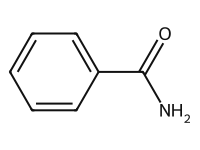
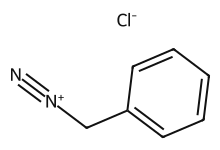
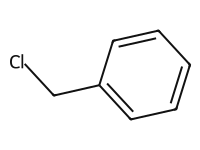
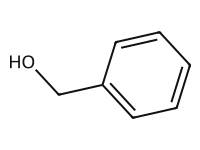
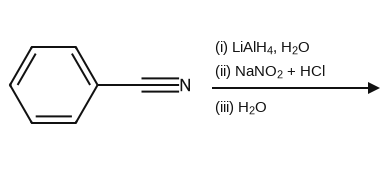
The product formed from the following reaction sequence is
निम्नलिखित अभिक्रिया अनुक्रम से बनने वाला उत्पाद है
  1. A
  2. B
  3. C
  4. D
Show answer

Concept: LiAlH4 reduces –C≡N to –CH2NH2 (1° amine). A 1° aliphatic (benzylic) amine with HNO2 gives an unstable diazonium ion that loses N2; water then gives the alcohol.

  1. C6H5CN LiAlH4, H2O​ C6H5CH2NH2 (benzylamine).
  2. C6H5CH2NH2 + NaNO2/HCl → [C6H5CH2N2+] → C6H5CH2+ + N2↑.
  3. H2O traps the cation → C6H5CH2OH (benzyl alcohol).
  4. Benzamide would need partial hydrolysis; benzyl diazonium chloride is not isolable (CH2 breaks resonance with the ring); benzyl chloride is not the product in water.

Short trick: –CN → –CH2NH2 → –CH2OH: HNO2 on an aliphatic 1° amine = 'NH2 swapped for OH'.

Answer: (D)

अवधारणा: LiAlH4, –C≡N को –CH2NH2 (1° ऐमीन) में अपचयित करता है। 1° ऐलिफ़ैटिक (बेन्ज़िलिक) ऐमीन HNO2 से अस्थायी डाइऐज़ोनियम आयन देती है जो N2 खो देता है; फिर जल से ऐल्कोहॉल बनता है।

  1. C6H5CN LiAlH4, H2O​ C6H5CH2NH2 (बेन्ज़िलऐमीन)।
  2. C6H5CH2NH2 + NaNO2/HCl → [C6H5CH2N2+] → C6H5CH2+ + N2↑।
  3. H2O धनायन को पकड़ लेता है → C6H5CH2OH (बेन्ज़िल ऐल्कोहॉल)।
  4. बेन्ज़ैमाइड के लिए आंशिक जल-अपघटन चाहिए; बेन्ज़िल डाइऐज़ोनियम क्लोराइड पृथक नहीं किया जा सकता (CH2 वलय से अनुनाद तोड़ देता है); जल में उत्पाद बेन्ज़िल क्लोराइड नहीं है।

शॉर्ट ट्रिक: –CN → –CH2NH2 → –CH2OH: ऐलिफ़ैटिक 1° ऐमीन पर HNO2 = 'NH2 की जगह OH'।

उत्तर: (D)

NEET UGChemistryAmines – reduction of nitriles and reaction with HNO<sub>2</sub>NEET UG 2022 · 17 Jul Shift 1 →
Q4466.
Given below are two statements: one is labelled as Assertion (A) and the other is labelled as Reason (R).
Assertion (A): Polymerase chain reaction is used in DNA amplification.
Reason (R): The ampicillin resistant gene is used as a selectable marker to check transformation.
In the light of the above statements, choose the correct answer from the options given below:
नीचे दो कथन दिए गए हैं: एक को अभिकथन (A) तथा दूसरे को कारण (R) के रूप में चिह्नित किया गया है।
अभिकथन (A): पॉलीमरेज़ शृंखला अभिक्रिया (PCR) का उपयोग DNA प्रवर्धन (amplification) में किया जाता है।
कारण (R): रूपांतरण (transformation) की जाँच के लिए ऐम्पिसिलिन प्रतिरोधी जीन का उपयोग वरणयोग्य चिह्नक (selectable marker) के रूप में किया जाता है।
उपर्युक्त कथनों के आलोक में, नीचे दिए गए विकल्पों में से सही उत्तर चुनिए:
  1. ABoth (A) and (R) are correct and (R) is the correct explanation of (A)(A) और (R) दोनों सही हैं और (R), (A) की सही व्याख्या है
  2. BBoth (A) and (R) are correct but (R) is not the correct explanation of (A)(A) और (R) दोनों सही हैं परंतु (R), (A) की सही व्याख्या नहीं है
  3. C(A) is correct but (R) is not correct(A) सही है परंतु (R) सही नहीं है
  4. D(A) is not correct but (R) is correct(A) सही नहीं है परंतु (R) सही है
Show answer

Concept: PCR makes many copies of a chosen DNA segment; selectable markers (e.g., ampR) are used later, to pick out transformed host cells.

  1. (A) is true – PCR uses primers + thermostable Taq polymerase over repeated cycles to amplify DNA (about a billion copies).
  2. (R) is also true – ampR/tetR genes let only transformants grow on antibiotic medium.
  3. But (R) does not explain (A): PCR is an in-vitro reaction and needs no marker at all.

Short trick: Two true facts from two different steps of rDNA technology (amplification vs selection) → ‘both true, not the explanation’.

Answer: (B) Both (A) and (R) are correct but (R) is not the correct explanation of (A)

अवधारणा: PCR किसी चुने हुए DNA खंड की अनेक प्रतियाँ बनाता है; वरणयोग्य चिह्नक (जैसे ampR) बाद में रूपांतरित परपोषी कोशिकाओं को चुनने के काम आते हैं।

  1. (A) सही है – PCR में प्राइमर तथा तापस्थायी Taq पॉलीमरेज़ द्वारा बार-बार चक्र चलाकर DNA का प्रवर्धन होता है (लगभग एक अरब प्रतियाँ)।
  2. (R) भी सही है – ampR/tetR जीन के कारण केवल रूपांतरित कोशिकाएँ ही प्रतिजैविक (antibiotic) युक्त माध्यम पर उगती हैं।
  3. परंतु (R), (A) की व्याख्या नहीं करता: PCR एक पात्रे (in-vitro) अभिक्रिया है, इसमें किसी चिह्नक की आवश्यकता ही नहीं होती।

शॉर्ट ट्रिक: rDNA तकनीक के दो अलग-अलग चरणों (प्रवर्धन बनाम चयन) के दो सही तथ्य → ‘दोनों सही, पर व्याख्या नहीं’।

उत्तर: (B) (A) और (R) दोनों सही हैं परंतु (R), (A) की सही व्याख्या नहीं है

NEET UGBotanyBiotechnology – PCR and selectable markersNEET UG 2022 · 17 Jul Shift 1 →
Q4467.
The process of translation of mRNA to proteins begins as soon as:
mRNA से प्रोटीन बनने की स्थानांतरण (translation) प्रक्रिया तब आरंभ होती है जैसे ही:
  1. AThe small subunit of ribosome encounters mRNAराइबोसोम की छोटी उपइकाई mRNA से मिलती है
  2. BThe larger subunit of ribosome encounters mRNAराइबोसोम की बड़ी उपइकाई mRNA से मिलती है
  3. CBoth the subunits join together to bind with mRNAदोनों उपइकाइयाँ आपस में जुड़कर mRNA से बंधती हैं
  4. DThe tRNA is activated and the larger subunit of ribosome encounters mRNAtRNA सक्रिय होता है तथा राइबोसोम की बड़ी उपइकाई mRNA से मिलती है
Show answer

Concept: NCERT: “In the inactive state, ribosome exists as two subunits; when the small subunit encounters an mRNA, the process of translation of the mRNA to protein begins.”

  1. Initiation starts with the small subunit binding the mRNA at the start codon (AUG) along with initiator tRNA.
  2. The large subunit joins only afterwards – so (B) and (C) describe later events.
  3. tRNA activation (aminoacylation) is a preparatory step, not the trigger with the large subunit – (D) is wrong.

Short trick: Small first, large later – “small subunit meets mRNA = start”.

Answer: (A) The small subunit of ribosome encounters mRNA

अवधारणा: NCERT: “निष्क्रिय अवस्था में राइबोसोम दो उपइकाइयों के रूप में रहता है; जैसे ही छोटी उपइकाई mRNA से मिलती है, mRNA से प्रोटीन बनने की प्रक्रिया आरंभ हो जाती है।”

  1. प्रारंभन (initiation) में छोटी उपइकाई आरंभन कोडॉन (AUG) पर mRNA से, प्रारंभक tRNA के साथ, जुड़ती है।
  2. बड़ी उपइकाई बाद में जुड़ती है – अतः (B) और (C) बाद की घटनाएँ बताते हैं।
  3. tRNA का सक्रियण (ऐमिनोऐसिलेशन) एक तैयारी चरण है, बड़ी उपइकाई के साथ आरंभ का संकेत नहीं – (D) गलत है।

शॉर्ट ट्रिक: पहले छोटी, फिर बड़ी – “छोटी उपइकाई mRNA से मिली = आरंभ”।

उत्तर: (A) राइबोसोम की छोटी उपइकाई mRNA से मिलती है

NEET UGBotanyMolecular basis of inheritance – translationNEET UG 2022 · 17 Jul Shift 1 →
Q4468.
The gaseous plant growth regulator is used in plants to:
गैसीय पादप वृद्धि नियामक का उपयोग पौधों में किसलिए किया जाता है?
  1. ASpeed up the malting processमाल्टिंग (malting) प्रक्रिया को तीव्र करने के लिए
  2. BPromote root growth and root hair formation to increase the absorption surfaceमूल वृद्धि तथा मूलरोम निर्माण को बढ़ाकर अवशोषण सतह बढ़ाने के लिए
  3. CHelp overcome apical dominanceशीर्ष प्रभाविता (apical dominance) को समाप्त करने में सहायता के लिए
  4. DKill dicotyledonous weeds in the fieldsखेतों में द्विबीजपत्री खरपतवारों को नष्ट करने के लिए
Show answer

Concept: Ethylene is the only gaseous PGR. NCERT: “Ethylene also promotes root growth and root hair formation, thus helping the plants to increase their absorption surface.”

  1. (A) Speeding up malting is done by gibberellin (GA3) in the brewing industry.
  2. (C) Overcoming apical dominance is a cytokinin effect (auxin causes apical dominance).
  3. (D) Killing dicot weeds is done by synthetic auxin 2,4-D.
  4. (B) is a listed ethylene function – correct.

Short trick: Gas = Ethylene → ripening, femaleness in cucumber, root hairs. Malting = GA, weeds = 2,4-D (auxin), lateral buds = cytokinin.

Answer: (B) Promote root growth and root hair formation

अवधारणा: एथिलीन एकमात्र गैसीय पादप वृद्धि नियामक है। NCERT: “एथिलीन मूल वृद्धि तथा मूलरोम निर्माण को भी बढ़ाता है, जिससे पौधों की अवशोषण सतह बढ़ती है।”

  1. (A) माल्टिंग को तीव्र करना शराब उद्योग में जिबरेलिन (GA3) से किया जाता है।
  2. (C) शीर्ष प्रभाविता को समाप्त करना साइटोकाइनिन का प्रभाव है (ऑक्सिन शीर्ष प्रभाविता लाता है)।
  3. (D) द्विबीजपत्री खरपतवारों को नष्ट करने के लिए संश्लिष्ट ऑक्सिन 2,4-D प्रयुक्त होता है।
  4. (B) एथिलीन का बताया गया कार्य है – सही।

शॉर्ट ट्रिक: गैस = एथिलीन → फल पकना, खीरे में स्त्रीत्व, मूलरोम। माल्टिंग = GA, खरपतवार = 2,4-D (ऑक्सिन), पार्श्व कलिकाएँ = साइटोकाइनिन।

उत्तर: (B) मूल वृद्धि तथा मूलरोम निर्माण को बढ़ाना

NEET UGBotanyPlant growth regulators – ethyleneNEET UG 2022 · 17 Jul Shift 1 →
Q4469.
Exoskeleton of arthropods is composed of:
आर्थ्रोपोडा (संधिपाद) का बाह्यकंकाल किससे बना होता है?
  1. ACutinक्यूटिन
  2. BCelluloseसेलुलोस
  3. CChitinकाइटिन
  4. DGlucosamineग्लूकोसैमीन
Show answer

Concept: Chitin is a complex homopolymer of N-acetylglucosamine; NCERT: “Exoskeletons of arthropods have a complex polysaccharide called chitin.”

  1. Cutin – waxy polymer of plant cuticle, not of animals.
  2. Cellulose – plant cell-wall polysaccharide.
  3. Glucosamine – only the monomer unit (as N-acetylglucosamine) of chitin, not the exoskeleton itself.
  4. Chitin – correct.

Short trick: Arthropod armour = Chitin; fungal wall = chitin too; plant wall = cellulose.

Answer: (C) Chitin

अवधारणा: काइटिन N-ऐसीटिलग्लूकोसैमीन का एक जटिल समबहुलक है; NCERT: “आर्थ्रोपोडा के बाह्यकंकाल में काइटिन नामक जटिल पॉलीसैकेराइड होता है।”

  1. क्यूटिन – पादप उपत्वचा (cuticle) का मोमी बहुलक है, जंतुओं का नहीं।
  2. सेलुलोस – पादप कोशिका भित्ति का पॉलीसैकेराइड है।
  3. ग्लूकोसैमीन – काइटिन की केवल एकलक इकाई (N-ऐसीटिलग्लूकोसैमीन के रूप में) है, स्वयं बाह्यकंकाल नहीं।
  4. काइटिन – सही।

शॉर्ट ट्रिक: संधिपाद का कवच = काइटिन; कवक भित्ति = काइटिन भी; पादप भित्ति = सेलुलोस।

उत्तर: (C) काइटिन

NEET UGBotanyBiomolecules – structural polysaccharidesNEET UG 2022 · 17 Jul Shift 1 →
Q4470.
Which of the following is not observed during an apoplastic pathway?
निम्नलिखित में से कौन-सा एपोप्लास्टी पथ (apoplastic pathway) के दौरान नहीं देखा जाता है?
  1. AMovement of water occurs through intercellular spaces and wall of the cellsजल की गति अंतराकोशिकीय स्थानों तथा कोशिकाओं की भित्तियों से होकर होती है
  2. BThe movement does not involve crossing of cell membraneइस गति में कोशिका झिल्ली को पार नहीं करना पड़ता
  3. CThe movement is aided by cytoplasmic streamingयह गति कोशिकाद्रव्यी प्रवाह (cytoplasmic streaming) द्वारा सहायित होती है
  4. DApoplast is continuous and does not provide any barrier to water movementएपोप्लास्ट सतत है तथा जल की गति में कोई अवरोध उत्पन्न नहीं करता
Show answer

Concept: Apoplast = non-living continuum of cell walls and intercellular spaces; symplast = living cytoplasm connected by plasmodesmata.

  1. (A), (B), (D) are NCERT features of the apoplast – water moves through walls/spaces, never crosses a membrane, and the path is continuous with no barrier (except the Casparian strip at the endodermis).
  2. Cytoplasmic streaming aids movement only in the symplastic pathway, since it needs living cytoplasm – so (C) is not seen in apoplast.

Short trick: Apo = “away from” protoplasm → walls only; streaming needs cytoplasm → symplast.

Answer: (C) The movement is aided by cytoplasmic streaming

अवधारणा: एपोप्लास्ट = कोशिका भित्तियों तथा अंतराकोशिकीय स्थानों का निर्जीव सतत तंत्र; सिमप्लास्ट = प्लाज़्मोडेस्मेटा से जुड़ा सजीव कोशिकाद्रव्य।

  1. (A), (B), (D) एपोप्लास्ट के NCERT लक्षण हैं – जल भित्तियों/स्थानों से जाता है, कभी झिल्ली पार नहीं करता, और पथ सतत तथा अवरोधरहित है (अंतस्त्वचा की कैस्पेरी पट्टी को छोड़कर)।
  2. कोशिकाद्रव्यी प्रवाह केवल सिमप्लास्टी पथ में गति को सहायता देता है, क्योंकि इसके लिए सजीव कोशिकाद्रव्य चाहिए – अतः (C) एपोप्लास्ट में नहीं देखा जाता।

शॉर्ट ट्रिक: Apo = जीवद्रव्य से ‘दूर’ → केवल भित्तियाँ; प्रवाह के लिए कोशिकाद्रव्य चाहिए → सिमप्लास्ट।

उत्तर: (C) यह गति कोशिकाद्रव्यी प्रवाह द्वारा सहायित होती है

NEET UGBotanyTransport in plants – apoplast pathwayNEET UG 2022 · 17 Jul Shift 1 →
Q4471.
Which of the following is not a method of ex situ conservation?
निम्नलिखित में से कौन-सी बहिःस्थाने (ex situ) संरक्षण की विधि नहीं है?
  1. AIn vitro fertilizationपात्रे निषेचन (In vitro fertilization)
  2. BNational Parksराष्ट्रीय उद्यान (National Parks)
  3. CMicropropagationसूक्ष्मप्रवर्धन (Micropropagation)
  4. DCryopreservationनिम्नताप परिरक्षण (Cryopreservation)
Show answer

Concept: Ex situ = protecting organisms outside their natural habitat; in situ = protecting the whole ecosystem where they live.

  1. IVF, micropropagation (tissue culture) and cryopreservation of gametes/seeds at –196 °C are all NCERT examples of ex situ methods.
  2. National parks, wildlife sanctuaries, biosphere reserves and sacred groves protect organisms in their own habitat → in situ.

Short trick: Anything ‘in the lab/zoo/seed bank’ = ex situ; anything ‘in the forest’ (park, sanctuary, reserve) = in situ.

Answer: (B) National Parks

अवधारणा: बहिःस्थाने = जीवों का उनके प्राकृतिक आवास से बाहर संरक्षण; स्वस्थाने = उस पूरे पारितंत्र का संरक्षण जहाँ वे रहते हैं।

  1. IVF, सूक्ष्मप्रवर्धन (ऊतक संवर्धन) तथा –196 °C पर युग्मकों/बीजों का निम्नताप परिरक्षण – ये सभी NCERT में बहिःस्थाने विधियों के उदाहरण हैं।
  2. राष्ट्रीय उद्यान, वन्यजीव अभयारण्य, जैवमंडल आरक्षित क्षेत्र तथा पवित्र उपवन जीवों को उनके अपने आवास में बचाते हैं → स्वस्थाने।

शॉर्ट ट्रिक: ‘प्रयोगशाला/चिड़ियाघर/बीज बैंक’ में = बहिःस्थाने; ‘वन’ में (उद्यान, अभयारण्य, आरक्षित क्षेत्र) = स्वस्थाने।

उत्तर: (B) राष्ट्रीय उद्यान

NEET UGBotanyBiodiversity conservation – in situ vs ex situNEET UG 2022 · 17 Jul Shift 1 →
Q4472.
Match List - I with List - II. Choose the correct answer from the options given below:
List - IList - II
(a)Manganese(i)Activates the enzyme catalase
(b)Magnesium(ii)Required for pollen germination
(c)Boron(iii)Activates enzymes of respiration
(d)Iron(iv)Functions in splitting of water during photosynthesis
सूची - I का सूची - II से मिलान कीजिए। नीचे दिए गए विकल्पों में से सही उत्तर चुनिए:
सूची - Iसूची - II
(a)मैंगनीज़(i)कैटेलेज़ एंज़ाइम को सक्रिय करता है
(b)मैग्नीशियम(ii)परागकण अंकुरण के लिए आवश्यक
(c)बोरॉन(iii)श्वसन के एंज़ाइमों को सक्रिय करता है
(d)लोहा (आयरन)(iv)प्रकाश-संश्लेषण के दौरान जल के विघटन में कार्य करता है
  1. A(a) - (iii); (b) - (iv); (c) - (i); (d) - (ii)
  2. B(a) - (iv); (b) - (iii); (c) - (ii); (d) - (i)
  3. C(a) - (iv); (b) - (i); (c) - (ii); (d) - (iii)
  4. D(a) - (iii); (b) - (i); (c) - (ii); (d) - (iv)
Show answer

Concept: NCERT (Mineral Nutrition) functions of micro/macro-nutrients.

  1. Mn – best-defined function is splitting of water to liberate O2 in photosynthesis → (a)-(iv).
  2. Mg – activates enzymes of respiration and photosynthesis (RuBisCO, PEPcase), part of chlorophyll → (b)-(iii).
  3. B – needed for pollen germination, Ca uptake, cell differentiation → (c)-(ii).
  4. Fe – activates catalase; part of ferredoxin and cytochromes → (d)-(i).

Short trick: Only one option starts with (a)-(iv) and has (b)-(iii): “Mn splits water, B for pollen” fixes it instantly.

Answer: (B) (a) - (iv); (b) - (iii); (c) - (ii); (d) - (i)

अवधारणा: NCERT (खनिज पोषण) – सूक्ष्म/दीर्घ पोषक तत्वों के कार्य।

  1. Mn – प्रकाश-संश्लेषण में जल के विघटन से O2 मुक्त करना इसका सबसे स्पष्ट कार्य है → (a)-(iv)।
  2. Mg – श्वसन तथा प्रकाश-संश्लेषण के एंज़ाइमों (RuBisCO, PEPcase) को सक्रिय करता है, पर्णहरित का घटक → (b)-(iii)।
  3. B – परागकण अंकुरण, Ca अवशोषण, कोशिका विभेदन के लिए आवश्यक → (c)-(ii)।
  4. Fe – कैटेलेज़ को सक्रिय करता है; फेरेडॉक्सिन तथा साइटोक्रोम का घटक → (d)-(i)।

शॉर्ट ट्रिक: केवल एक विकल्प (a)-(iv) तथा (b)-(iii) से युक्त है: “Mn जल तोड़ता है, B पराग के लिए” – तुरंत उत्तर।

उत्तर: (B) (a) - (iv); (b) - (iii); (c) - (ii); (d) - (i)

NEET UGBotanyMineral nutrition – functions of elementsNEET UG 2022 · 17 Jul Shift 1 →
Q4473.
Which one of the following statements is not true regarding gel electrophoresis technique?
जेल वैद्युतकणसंचलन (gel electrophoresis) तकनीक के संबंध में निम्नलिखित में से कौन-सा कथन सत्य नहीं है?
  1. AThe process of extraction of separated DNA strands from gel is called elutionजेल से पृथक्कृत DNA रज्जुकों को निकालने की प्रक्रिया को निक्षालन (elution) कहते हैं
  2. BThe separated DNA fragments are stained by using ethidium bromideपृथक्कृत DNA खंडों को एथिडियम ब्रोमाइड द्वारा अभिरंजित किया जाता है
  3. CThe presence of chromogenic substrate gives blue coloured DNA bands on the gelवर्णजनक क्रियाधार (chromogenic substrate) की उपस्थिति से जेल पर नीले रंग के DNA बैंड बनते हैं
  4. DBright orange coloured bands of DNA can be observed in the gel when exposed to UV lightUV प्रकाश में रखने पर जेल में DNA के चमकीले नारंगी रंग के बैंड दिखाई देते हैं
Show answer

Concept: In agarose gel electrophoresis DNA fragments are stained with ethidium bromide and seen as bright orange bands under UV; the bands are cut out and eluted.

  1. (A) true – extraction of the separated bands from the gel = elution.
  2. (B) true – EtBr stains DNA.
  3. (D) true – EtBr-stained DNA glows bright orange in UV.
  4. (C) false – a chromogenic substrate giving blue colour is used in blue–white selection of recombinants (β-galactosidase + X-gal), not in electrophoresis.

Short trick: Blue colour = lacZ/X-gal colonies on a plate; orange colour = EtBr bands in a gel.

Answer: (C) The presence of chromogenic substrate gives blue coloured DNA bands on the gel

अवधारणा: ऐगारोस जेल वैद्युतकणसंचलन में DNA खंडों को एथिडियम ब्रोमाइड से अभिरंजित किया जाता है और UV में वे चमकीले नारंगी बैंड के रूप में दिखते हैं; बैंडों को काटकर निक्षालित किया जाता है।

  1. (A) सत्य – जेल से पृथक्कृत बैंडों को निकालना = निक्षालन।
  2. (B) सत्य – EtBr DNA को अभिरंजित करता है।
  3. (D) सत्य – EtBr से अभिरंजित DNA UV में चमकीला नारंगी दिखता है।
  4. (C) असत्य – नीला रंग देने वाला वर्णजनक क्रियाधार पुनर्योगजों के नीला–सफ़ेद चयन (β-गैलेक्टोसाइडेज़ + X-gal) में प्रयुक्त होता है, वैद्युतकणसंचलन में नहीं।

शॉर्ट ट्रिक: नीला रंग = प्लेट पर lacZ/X-gal कॉलोनी; नारंगी रंग = जेल में EtBr बैंड।

उत्तर: (C) वर्णजनक क्रियाधार से जेल पर नीले DNA बैंड बनते हैं

NEET UGBotanyBiotechnology – gel electrophoresisNEET UG 2022 · 17 Jul Shift 1 →
Q4474.
Which one of the following is not true regarding the release of energy during ATP synthesis through chemiosmosis? It involves:
रसोपरासरण (chemiosmosis) द्वारा ATP संश्लेषण के दौरान ऊर्जा मुक्त होने के संबंध में निम्नलिखित में से कौन-सा सत्य नहीं है? इसमें सम्मिलित है:
  1. ABreakdown of proton gradientप्रोटॉन प्रवणता का टूटना
  2. BBreakdown of electron gradientइलेक्ट्रॉन प्रवणता का टूटना
  3. CMovement of protons across the membrane to the stromaझिल्ली के पार प्रोटॉनों की स्ट्रोमा की ओर गति
  4. DReduction of NADP to NADPH2 on the stroma side of the membraneझिल्ली के स्ट्रोमा वाले भाग पर NADP का NADPH2 में अपचयन
Show answer

Concept: Chemiosmosis: ATP is made when the proton gradient across the thylakoid membrane breaks down as H+ flow through CF0–CF1 (ATP synthase).

  1. Gradient builds by water splitting in the lumen, H+ pumping by the cytochrome complex, and NADP reductase removing H+ from the stroma side (so (D) is part of it).
  2. Protons move from lumen to stroma through the CF0 channel – (C) true; that is the breakdown of the proton gradient – (A) true.
  3. No ‘electron gradient’ exists – electrons flow along the ETS, but energy for ATP comes from the proton gradient → (B) is not true.

Short trick: Chemi-OSMOSIS is about H+ (protons), never an electron gradient.

Answer: (B) Breakdown of electron gradient

अवधारणा: रसोपरासरण: थाइलेकॉइड झिल्ली के आर-पार प्रोटॉन प्रवणता के टूटने पर, जब H+ CF0–CF1 (ATP सिंथेज़) से होकर बहते हैं, ATP बनता है।

  1. प्रवणता बनती है – ल्यूमेन में जल के विघटन से, साइटोक्रोम संकुल द्वारा H+ पम्पिंग से, तथा NADP रिडक्टेज़ द्वारा स्ट्रोमा की ओर से H+ हटाने से (अतः (D) भी इसका भाग है)।
  2. प्रोटॉन CF0 चैनल से ल्यूमेन से स्ट्रोमा की ओर जाते हैं – (C) सत्य; यही प्रोटॉन प्रवणता का टूटना है – (A) सत्य।
  3. ‘इलेक्ट्रॉन प्रवणता’ होती ही नहीं – इलेक्ट्रॉन ETS में बहते हैं, परंतु ATP की ऊर्जा प्रोटॉन प्रवणता से आती है → (B) सत्य नहीं है।

शॉर्ट ट्रिक: रसो-परासरण H+ (प्रोटॉन) की बात है, इलेक्ट्रॉन प्रवणता की कभी नहीं।

उत्तर: (B) इलेक्ट्रॉन प्रवणता का टूटना

NEET UGBotanyPhotosynthesis – chemiosmotic ATP synthesisNEET UG 2022 · 17 Jul Shift 1 →
Q4475.
DNA polymorphism forms the basis of:
DNA बहुरूपता (polymorphism) किसका आधार है?
  1. AGenetic mappingआनुवंशिक मानचित्रण (Genetic mapping)
  2. BDNA fingerprintingDNA अंगुलिछापन (DNA fingerprinting)
  3. CBoth genetic mapping and DNA fingerprintingआनुवंशिक मानचित्रण तथा DNA अंगुलिछापन दोनों
  4. DTranslationस्थानांतरण (Translation)
Show answer

Concept: NCERT (DNA fingerprinting): polymorphism in DNA sequence “is the basis of genetic mapping of human genome as well as of DNA fingerprinting.”

  1. Inheritable variation (mutations at frequency > 0.01) in repetitive/satellite DNA creates polymorphism.
  2. Such polymorphic markers (VNTRs, SNPs) are used both to build genetic maps of the genome and to make individual DNA fingerprints.
  3. Translation is protein synthesis – unrelated.

Short trick: NCERT line has ‘as well as’ → pick the option that has BOTH.

Answer: (C) Both genetic mapping and DNA fingerprinting

अवधारणा: NCERT (DNA अंगुलिछापन): DNA अनुक्रम की बहुरूपता “मानव जीनोम के आनुवंशिक मानचित्रण तथा DNA अंगुलिछापन – दोनों का आधार है।”

  1. पुनरावृत्त/अनुषंगी (satellite) DNA में वंशागत विभिन्नता (0.01 से अधिक आवृत्ति वाले उत्परिवर्तन) बहुरूपता उत्पन्न करती है।
  2. ऐसे बहुरूपी चिह्नक (VNTR, SNP) जीनोम के आनुवंशिक मानचित्र बनाने तथा व्यक्ति के DNA अंगुलिछाप बनाने – दोनों में प्रयुक्त होते हैं।
  3. स्थानांतरण प्रोटीन संश्लेषण है – असंबंधित।

शॉर्ट ट्रिक: NCERT पंक्ति में ‘as well as’ (तथा) है → ‘दोनों’ वाला विकल्प चुनिए।

उत्तर: (C) आनुवंशिक मानचित्रण तथा DNA अंगुलिछापन दोनों

NEET UGBotanyMolecular basis of inheritance – DNA polymorphismNEET UG 2022 · 17 Jul Shift 1 →
Q4476.
Habitat loss and fragmentation, over exploitation, alien species invasion and co-extinction are causes for:
आवास क्षति एवं विखंडन, अतिदोहन, विदेशी जातियों का आक्रमण तथा सहविलुप्तता किसके कारण हैं?
  1. APopulation explosionजनसंख्या विस्फोट
  2. BCompetitionप्रतिस्पर्धा
  3. CBiodiversity lossजैव विविधता की क्षति
  4. DNatalityजन्मदर (Natality)
Show answer

Concept: NCERT calls these four the ‘Evil Quartet’ – the four major causes of biodiversity loss.

  1. Habitat loss & fragmentation – most important cause (e.g., tropical rain forests).
  2. Over-exploitation – Steller’s sea cow, passenger pigeon.
  3. Alien species invasion – Nile perch in Lake Victoria, Parthenium, Lantana, African catfish.
  4. Co-extinction – host and its obligate parasite go extinct together.
  5. They do not cause population explosion, competition or natality.

Short trick: Mnemonic “HOAC” – Habitat, Over-exploitation, Alien, Co-extinction = Evil Quartet.

Answer: (C) Biodiversity loss

अवधारणा: NCERT इन चार को ‘दुष्ट चौकड़ी’ (Evil Quartet) कहता है – जैव विविधता ह्रास के चार प्रमुख कारण।

  1. आवास क्षति एवं विखंडन – सबसे महत्त्वपूर्ण कारण (जैसे उष्णकटिबंधीय वर्षा वन)।
  2. अतिदोहन – स्टेलर समुद्री गाय, पैसेंजर कबूतर।
  3. विदेशी जातियों का आक्रमण – विक्टोरिया झील में नाइल पर्च, पार्थेनियम, लैंटाना, अफ्रीकी कैटफ़िश।
  4. सहविलुप्तता – परपोषी के साथ उसका अविकल्पी परजीवी भी विलुप्त।
  5. ये जनसंख्या विस्फोट, प्रतिस्पर्धा या जन्मदर के कारण नहीं हैं।

शॉर्ट ट्रिक: स्मरण-सूत्र “HOAC” – Habitat, Over-exploitation, Alien, Co-extinction = दुष्ट चौकड़ी।

उत्तर: (C) जैव विविधता की क्षति

NEET UGBotanyBiodiversity – causes of loss (Evil Quartet)NEET UG 2022 · 17 Jul Shift 1 →
Q4477.
The device which can remove particulate matter present in the exhaust from a thermal power plant is:
तापीय विद्युत संयंत्र के निर्वातक (exhaust) में उपस्थित कणिकीय पदार्थ को हटाने वाली युक्ति है:
  1. ASTPSTP (वाहित मल उपचार संयंत्र)
  2. BIncineratorभस्मक (Incinerator)
  3. CElectrostatic Precipitatorस्थिरवैद्युत अवक्षेपित्र (Electrostatic Precipitator)
  4. DCatalytic Convertorउत्प्रेरक परिवर्तक (Catalytic Convertor)
Show answer

Concept: NCERT: an electrostatic precipitator removes over 99% of particulate matter from thermal power plant exhaust.

  1. Electrode wires at thousands of volts produce a corona that releases electrons; dust particles become negatively charged and are attracted to earthed collecting plates.
  2. STP treats sewage; an incinerator burns (hospital) waste; a catalytic converter in vehicles converts CO, NO and unburnt hydrocarbons – none removes particulates from a power-plant chimney.

Short trick: Particulates + power plant = ESP; gases (SO2) = scrubber; vehicles = catalytic converter.

Answer: (C) Electrostatic Precipitator

अवधारणा: NCERT: स्थिरवैद्युत अवक्षेपित्र तापीय विद्युत संयंत्र के निर्वातक से 99% से अधिक कणिकीय पदार्थ हटा देता है।

  1. हज़ारों वोल्ट पर आवेशित इलेक्ट्रोड तार कोरोना उत्पन्न करते हैं जिससे इलेक्ट्रॉन मुक्त होते हैं; धूल कण ऋणावेशित होकर भूसंपर्कित संग्राहक प्लेटों की ओर आकर्षित होते हैं।
  2. STP वाहित मल का उपचार करता है; भस्मक (अस्पताल के) अपशिष्ट जलाता है; वाहनों का उत्प्रेरक परिवर्तक CO, NO व अदग्ध हाइड्रोकार्बन बदलता है – इनमें से कोई भी संयंत्र की चिमनी से कणिकाएँ नहीं हटाता।

शॉर्ट ट्रिक: कणिकाएँ + विद्युत संयंत्र = ESP; गैसें (SO2) = मार्जक (scrubber); वाहन = उत्प्रेरक परिवर्तक।

उत्तर: (C) स्थिरवैद्युत अवक्षेपित्र

NEET UGBotanyEnvironmental issues – air pollution controlNEET UG 2022 · 17 Jul Shift 1 →
Q4478.
Which one of the following plants does not show plasticity?
निम्नलिखित में से कौन-सा पौधा सुघट्यता (plasticity) प्रदर्शित नहीं करता है?
  1. ACottonकपास
  2. BCorianderधनिया
  3. CButtercupबटरकप
  4. DMaizeमक्का
Show answer

Concept: Plasticity = ability of a plant to form different structures in response to environment or phase of life; NCERT example is heterophylly.

  1. Heterophylly due to developmental stage: cotton, coriander and larkspur (juvenile and mature leaves differ).
  2. Heterophylly due to environment: buttercup (submerged vs aerial leaves).
  3. Maize is not cited and has uniform leaves → does not show plasticity.

Short trick: NCERT list: “Cotton, Coriander, Larkspur – Buttercup in water” → anything outside the list (Maize) is the answer.

Answer: (D) Maize

अवधारणा: सुघट्यता = पर्यावरण या जीवन की प्रावस्था के अनुसार पौधे द्वारा भिन्न संरचनाएँ बनाने की क्षमता; NCERT उदाहरण विषमपर्णता (heterophylly) है।

  1. परिवर्धन अवस्था के कारण विषमपर्णता: कपास, धनिया तथा लार्कस्पर (शिशु व परिपक्व पत्तियाँ भिन्न)।
  2. पर्यावरण के कारण विषमपर्णता: बटरकप (जलमग्न बनाम वायवीय पत्तियाँ)।
  3. मक्का का उल्लेख नहीं है और इसकी पत्तियाँ एक-समान होती हैं → सुघट्यता नहीं दिखाता।

शॉर्ट ट्रिक: NCERT सूची: “कपास, धनिया, लार्कस्पर – जल में बटरकप” → सूची से बाहर (मक्का) उत्तर है।

उत्तर: (D) मक्का

NEET UGBotanyPlant growth – plasticity (heterophylly)NEET UG 2022 · 17 Jul Shift 1 →
Q4479.
Which one of the following statements cannot be connected to Predation?
निम्नलिखित में से कौन-सा कथन परभक्षण (Predation) से संबद्ध नहीं किया जा सकता है?
  1. AIt helps in maintaining species diversity in a communityयह समुदाय में जातीय विविधता बनाए रखने में सहायता करता है
  2. BIt might lead to extinction of a speciesइससे किसी जाति का विलोपन हो सकता है
  3. CBoth the interacting species are negatively impactedदोनों परस्पर क्रिया करने वाली जातियाँ नकारात्मक रूप से प्रभावित होती हैं
  4. DIt is necessitated by nature to maintain the ecological balanceपारिस्थितिक संतुलन बनाए रखने के लिए प्रकृति द्वारा यह आवश्यक है
Show answer

Concept: Predation is a (+, –) interaction: predator benefits, prey is harmed.

  1. (A) Predators reduce competition among prey and maintain species diversity (e.g., removal of starfish Pisaster led to extinction of >10 invertebrates).
  2. (B) Over-predation (e.g., by an introduced exotic predator) can drive a prey species extinct.
  3. (D) Predators keep prey populations under control – nature’s way of maintaining balance.
  4. (C) ‘Both negatively affected’ (–, –) describes competition, not predation.

Short trick: Predation = + / –; competition = – / –.

Answer: (C) Both the interacting species are negatively impacted

अवधारणा: परभक्षण एक (+, –) अन्योन्यक्रिया है: परभक्षी को लाभ, शिकार को हानि।

  1. (A) परभक्षी शिकार जातियों के बीच प्रतिस्पर्धा घटाकर जातीय विविधता बनाए रखते हैं (जैसे तारामीन पाइसेस्टर हटाने पर 10 से अधिक अकशेरुकी विलुप्त हो गए)।
  2. (B) अति-परभक्षण (जैसे लाए गए विदेशी परभक्षी द्वारा) से शिकार जाति विलुप्त हो सकती है।
  3. (D) परभक्षी शिकार की समष्टि को नियंत्रण में रखते हैं – संतुलन बनाए रखने का प्रकृति का तरीका।
  4. (C) ‘दोनों नकारात्मक रूप से प्रभावित’ (–, –) प्रतिस्पर्धा है, परभक्षण नहीं।

शॉर्ट ट्रिक: परभक्षण = + / –; प्रतिस्पर्धा = – / –।

उत्तर: (C) दोनों परस्पर क्रिया करने वाली जातियाँ नकारात्मक रूप से प्रभावित होती हैं

NEET UGBotanyOrganisms and populations – predationNEET UG 2022 · 17 Jul Shift 1 →
Q4480.
What amount of energy is released from glucose during lactic acid fermentation?
लैक्टिक अम्ल किण्वन के दौरान ग्लूकोज़ से कितनी ऊर्जा मुक्त होती है?
  1. AApproximately 15%लगभग 15%
  2. BMore than 18%18% से अधिक
  3. CAbout 10%लगभग 10%
  4. DLess than 7%7% से कम
Show answer

Concept: NCERT: “In both lactic acid and alcoholic fermentation not much energy is released; less than seven per cent of the energy in glucose is released and not all of it is trapped as high energy bonds of ATP.”

  1. Glucose → 2 pyruvate gives a net 2 ATP only.
  2. Pyruvate is reduced to lactic acid by NADH (no further oxidation), so most energy stays locked in lactic acid.
  3. Hence < 7% of glucose energy is released.

Short trick: Fermentation = “Seven-less” → < 7%.

Answer: (D) Less than 7%

अवधारणा: NCERT: “लैक्टिक अम्ल तथा ऐल्कोहॉली – दोनों किण्वनों में अधिक ऊर्जा मुक्त नहीं होती; ग्लूकोज़ की ऊर्जा का सात प्रतिशत से कम भाग मुक्त होता है और वह भी पूरा ATP के उच्च ऊर्जा बंधों में संचित नहीं होता।”

  1. ग्लूकोज़ → 2 पाइरूवेट से शुद्ध केवल 2 ATP मिलते हैं।
  2. पाइरूवेट NADH द्वारा लैक्टिक अम्ल में अपचयित हो जाता है (आगे ऑक्सीकरण नहीं), अतः अधिकांश ऊर्जा लैक्टिक अम्ल में ही बंद रहती है।
  3. अतः ग्लूकोज़ की ऊर्जा का < 7% ही मुक्त होता है।

शॉर्ट ट्रिक: किण्वन = “सात से कम” → < 7%।

उत्तर: (D) 7% से कम

NEET UGBotanyRespiration in plants – fermentationNEET UG 2022 · 17 Jul Shift 1 →