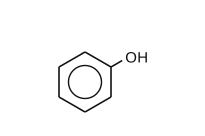
Q141.The descending order of acidity among the following compounds is:
A.
B.
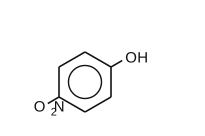
C.
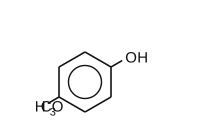
D.
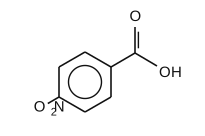
E.
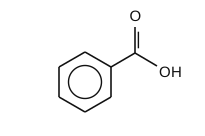
Choose the correct answer from the options given below:
निम्नलिखित यौगिकों में अम्लता का अवरोही क्रम है:
A.
B.
C.
D.
E.
नीचे दिए गए विकल्पों में से सही उत्तर चुनिए:
- AB > D > E > A > C
- BD > B > E > A > C
- CC > A > B > D > E
- DD > E > B > A > C
Show answer
Concept: Carboxylic acids (pKa ≈ 3.4–4.2) are much stronger than phenols (pKa ≈ 7–10). Electron-withdrawing groups (–NO2) increase acidity; electron-donating groups (–OCH3 at para, +R) decrease it.
- D (4-nitrobenzoic acid, pKa 3.4) > E (benzoic acid, 4.2).
- B (4-nitrophenol, 7.1) – strongest phenol, –NO2 stabilises phenoxide by −R.
- A (phenol, 10.0) > C (4-methoxyphenol, 10.2), as para –OCH3 destabilises the phenoxide.
- Order D > E > B > A > C. (A) and (B) place 4-nitrophenol above benzoic acid; (C) is the reverse order.
Short trick: Acids first (nitro-acid, then plain acid), then phenols (nitro, plain, methoxy).
Answer: (D) D > E > B > A > C
अवधारणा: कार्बोक्सिलिक अम्ल (pKa ≈ 3.4–4.2) फ़ीनॉलों (pKa ≈ 7–10) से बहुत प्रबल होते हैं। इलेक्ट्रॉन-आकर्षी समूह (–NO2) अम्लता बढ़ाते हैं; इलेक्ट्रॉन-दाता समूह (पैरा पर –OCH3, +R) घटाते हैं।
- D (4-नाइट्रोबेंज़ोइक अम्ल, pKa 3.4) > E (बेंज़ोइक अम्ल, 4.2)।
- B (4-नाइट्रोफ़ीनॉल, 7.1) – सबसे प्रबल फ़ीनॉल, –NO2 −R द्वारा फ़ीनॉक्साइड को स्थायी करता है।
- A (फ़ीनॉल, 10.0) > C (4-मेथॉक्सीफ़ीनॉल, 10.2), क्योंकि पैरा –OCH3 फ़ीनॉक्साइड को अस्थायी करता है।
- क्रम D > E > B > A > C। (A) और (B) में 4-नाइट्रोफ़ीनॉल को बेंज़ोइक अम्ल से ऊपर रखा गया है; (C) उल्टा क्रम है।
शॉर्ट ट्रिक: पहले अम्ल (नाइट्रो-अम्ल, फिर साधारण अम्ल), फिर फ़ीनॉल (नाइट्रो, साधारण, मेथॉक्सी)।
उत्तर: (D) D > E > B > A > C
JEE Main 2026 (April) – Paper 1 (B.E./B.Tech)ChemistryAcidity of phenols and carboxylic acidsJEE Main 2026 (April) – Paper 1 (B.E./B.Tech) 2026 · 4 Apr Shift 2
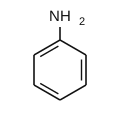
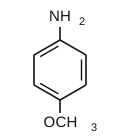
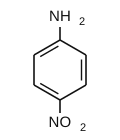
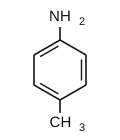
Q142.The strongest conjugate acid will result from:
सबसे प्रबल संयुग्मी अम्ल किससे बनेगा:
- A
- B
- C
- D
Show answer
Concept: The weaker the base, the stronger its conjugate acid. Electron-withdrawing groups reduce the availability of the N lone pair in aniline.
- (C) p-Nitroaniline: –NO2 (−I, −R) pulls the lone pair into the ring → weakest base (pKb ≈ 13) → its anilinium ion is the strongest acid.
- (A) Aniline (pKb 9.4) is a stronger base than (C).
- (B) p-Anisidine (+R of –OCH3) and (D) p-toluidine (+I, hyperconjugation of –CH3) are even stronger bases, giving weaker conjugate acids.
Short trick: Strongest conjugate acid ↔ weakest base ↔ strongest electron-withdrawing substituent (–NO2).
Answer: (C) p-nitroaniline
अवधारणा: क्षारक जितना दुर्बल, उसका संयुग्मी अम्ल उतना प्रबल। इलेक्ट्रॉन-आकर्षी समूह ऐनिलीन में N के एकाकी युग्म की उपलब्धता घटाते हैं।
- (C) p-नाइट्रोऐनिलीन: –NO2 (−I, −R) एकाकी युग्म को वलय में खींचता है → सबसे दुर्बल क्षारक (pKb ≈ 13) → इसका ऐनिलीनियम आयन सबसे प्रबल अम्ल।
- (A) ऐनिलीन (pKb 9.4), (C) से प्रबल क्षारक है।
- (B) p-ऐनिसिडीन (–OCH3 का +R) और (D) p-टॉलूइडीन (–CH3 का +I, अतिसंयुग्मन) और भी प्रबल क्षारक हैं, अतः इनके संयुग्मी अम्ल दुर्बल हैं।
शॉर्ट ट्रिक: सबसे प्रबल संयुग्मी अम्ल ↔ सबसे दुर्बल क्षारक ↔ सबसे प्रबल इलेक्ट्रॉन-आकर्षी प्रतिस्थापी (–NO2)।
उत्तर: (C) p-नाइट्रोऐनिलीन
JEE Main 2026 (April) – Paper 1 (B.E./B.Tech)ChemistryAmines – basicity of substituted anilinesJEE Main 2026 (April) – Paper 1 (B.E./B.Tech) 2026 · 4 Apr Shift 2
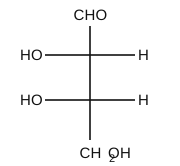
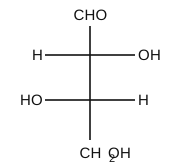
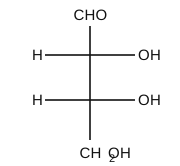
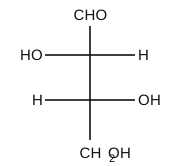
Q143.A D-aldotetrose on oxidation with concentrated HNO3 resulted in optically inactive dicarboxylic acid. The structure of the D-aldotetrose is:
एक D-ऐल्डोटेट्रोस का सांद्र HNO3 से ऑक्सीकरण करने पर प्रकाशिक रूप से निष्क्रिय डाइकार्बोक्सिलिक अम्ल प्राप्त हुआ। D-ऐल्डोटेट्रोस की संरचना है:
- A
- B
- C
- D
Show answer
Concept: Conc. HNO3 oxidises both CHO and CH2OH to COOH, giving tartaric acid. It is optically inactive (meso) only if both OH groups are on the same side in the Fischer projection (erythro). D-configuration: OH of the lowest stereocentre (C-3) on the right.
- (A) Both OH on the left → L-erythrose (gives meso acid but is L) ✘.
- (B) C-2 OH right, C-3 OH left → L-threose; gives optically active tartaric acid ✘.
- (C) Both OH on the right → D-erythrose; oxidation gives meso-tartaric acid (internal plane of symmetry) ✔.
- (D) C-2 OH left, C-3 OH right → D-threose; gives optically active (−)-tartaric acid ✘.
Short trick: D + meso product ⇒ all OH on the right ⇒ D-erythrose.
Answer: (C)
अवधारणा: सांद्र HNO3, CHO तथा CH2OH दोनों को COOH में ऑक्सीकृत करता है, जिससे टार्टरिक अम्ल बनता है। यह प्रकाशिक रूप से निष्क्रिय (मीसो) तभी होता है जब फिशर प्रक्षेप में दोनों OH एक ही ओर हों (एरिथ्रो)। D-विन्यास: सबसे नीचे के त्रिविम केंद्र (C-3) का OH दाईं ओर।
- (A) दोनों OH बाईं ओर → L-एरिथ्रोस (मीसो अम्ल देता है पर L है) ✘।
- (B) C-2 OH दाईं ओर, C-3 OH बाईं ओर → L-थ्रियोस; प्रकाशिक सक्रिय टार्टरिक अम्ल देता है ✘।
- (C) दोनों OH दाईं ओर → D-एरिथ्रोस; ऑक्सीकरण से मीसो-टार्टरिक अम्ल (आंतरिक सममिति तल) ✔।
- (D) C-2 OH बाईं ओर, C-3 OH दाईं ओर → D-थ्रियोस; प्रकाशिक सक्रिय (−)-टार्टरिक अम्ल देता है ✘।
शॉर्ट ट्रिक: D + मीसो उत्पाद ⇒ सभी OH दाईं ओर ⇒ D-एरिथ्रोस।
उत्तर: (C)
JEE Main 2026 (April) – Paper 1 (B.E./B.Tech)ChemistryBiomolecules – aldotetroses, D/L, meso acidJEE Main 2026 (April) – Paper 1 (B.E./B.Tech) 2026 · 4 Apr Shift 2
Q144.Among Fe3+, Pb2+, Cu2+ and Mn2+, identify the one that gets precipitated out while passing H2S in presence of NH4OH as group reagent. The highest possible oxidation state of the corresponding metal is
Fe3+, Pb2+, Cu2+ तथा Mn2+ में से उसे पहचानिए जो समूह अभिकर्मक के रूप में NH4OH की उपस्थिति में H2S प्रवाहित करने पर अवक्षेपित होता है। संगत धातु की उच्चतम संभव ऑक्सीकरण अवस्था है
- A+3
- B+4
- C+2
- D+7
Show answer
Concept: H2S in presence of NH4OH is the group-IV reagent (high [S2−]); it precipitates Zn2+, Mn2+, Co2+, Ni2+ as sulphides.
- Pb2+, Cu2+ → group II (H2S in dil. HCl); Fe3+ → group III (as Fe(OH)3 by NH4OH/NH4Cl), removed earlier.
- Mn2+ precipitates as buff/flesh-coloured MnS in group IV.
- Mn (3d54s2) can use all 7 valence electrons → highest oxidation state +7 (e.g. KMnO4, Mn2O7).
Short trick: Group IV → Mn; Mn max = group number 7.
Answer: (D) +7
अवधारणा: NH4OH की उपस्थिति में H2S वर्ग-IV का समूह अभिकर्मक है (उच्च [S2−]); यह Zn2+, Mn2+, Co2+, Ni2+ को सल्फ़ाइड के रूप में अवक्षेपित करता है।
- Pb2+, Cu2+ → वर्ग II (तनु HCl में H2S); Fe3+ → वर्ग III (NH4OH/NH4Cl द्वारा Fe(OH)3 के रूप में), पहले ही पृथक।
- Mn2+ वर्ग IV में हल्के गुलाबी (buff) रंग के MnS के रूप में अवक्षेपित होता है।
- Mn (3d54s2) सभी 7 संयोजकता इलेक्ट्रॉनों का उपयोग कर सकता है → उच्चतम ऑक्सीकरण अवस्था +7 (जैसे KMnO4, Mn2O7)।
शॉर्ट ट्रिक: वर्ग IV → Mn; Mn की अधिकतम = वर्ग संख्या 7।
उत्तर: (D) +7
JEE Main 2026 (April) – Paper 1 (B.E./B.Tech)ChemistryQualitative analysis – group IV cations; oxidation states of MnJEE Main 2026 (April) – Paper 1 (B.E./B.Tech) 2026 · 4 Apr Shift 2
Q145.Match the
LIST-I with
LIST-IIList-I
Compound | List-II
Test |
|---|
A. 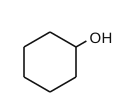 | I. Hinsberg's reagent test |
B. 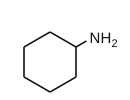 | II. Phthalein dye test |
C. 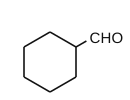 | III. Lucas test |
D. 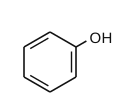 | IV. Tollen's test |
Choose the
correct answer from the options given below:
सूची-I का
सूची-II से मिलान कीजिए
सूची-I
यौगिक | सूची-II
परीक्षण |
|---|
| A. | I. हिंसबर्ग अभिकर्मक परीक्षण |
| B. | II. थैलीन रंजक परीक्षण |
| C. | III. ल्यूकास परीक्षण |
| D. | IV. टॉलेन परीक्षण |
नीचे दिए गए विकल्पों में से
सही उत्तर चुनिए:
- AA-III, B-I, C-IV, D-II
- BA-III, B-IV, C-I, D-II
- CA-I, B-III, C-II, D-IV
- DA-I, B-II, C-III, D-IV
Show answer
Concept: Match each functional group with its characteristic test.
- A. Cyclohexanol – a secondary alcohol → Lucas test (turbidity in ~5 min) → III.
- B. Cyclohexylamine – a primary amine → Hinsberg's reagent (C6H5SO2Cl) gives an alkali-soluble sulphonamide → I.
- C. Cyclohexanecarbaldehyde – an aldehyde → Tollens' test (silver mirror) → IV.
- D. Phenol – phthalein dye test (fused with phthalic anhydride/conc. H2SO4, pink in alkali) → II.
- A-III, B-I, C-IV, D-II. (B) swaps B and C; (C) and (D) give Hinsberg to the alcohol, which is wrong.
Short trick: Alcohol–Lucas, amine–Hinsberg, aldehyde–Tollens, phenol–phthalein.
Answer: (A) A-III, B-I, C-IV, D-II
अवधारणा: प्रत्येक क्रियात्मक समूह को उसके अभिलाक्षणिक परीक्षण से मिलाइए।
- A. साइक्लोहेक्सेनॉल – द्वितीयक ऐल्कोहॉल → ल्यूकास परीक्षण (~5 min में आविलता) → III।
- B. साइक्लोहेक्सिलऐमीन – प्राथमिक ऐमीन → हिंसबर्ग अभिकर्मक (C6H5SO2Cl) क्षार-विलेय सल्फ़ोनैमाइड देता है → I।
- C. साइक्लोहेक्सेनकार्बैल्डिहाइड – ऐल्डिहाइड → टॉलेन परीक्षण (रजत दर्पण) → IV।
- D. फ़ीनॉल – थैलीन रंजक परीक्षण (थैलिक ऐनहाइड्राइड/सांद्र H2SO4 के साथ गलन, क्षार में गुलाबी) → II।
- A-III, B-I, C-IV, D-II। (B) में B और C बदले हुए हैं; (C) और (D) में ऐल्कोहॉल को हिंसबर्ग दिया गया है, जो गलत है।
शॉर्ट ट्रिक: ऐल्कोहॉल–ल्यूकास, ऐमीन–हिंसबर्ग, ऐल्डिहाइड–टॉलेन, फ़ीनॉल–थैलीन।
उत्तर: (A) A-III, B-I, C-IV, D-II
JEE Main 2026 (April) – Paper 1 (B.E./B.Tech)ChemistryOrganic qualitative tests – match the listJEE Main 2026 (April) – Paper 1 (B.E./B.Tech) 2026 · 4 Apr Shift 2
Q146.If 3.365g of ethanol (l) is burnt completely in a bomb calorimeter at 298.15 K, the heat produced is 99.472 kJ. The |ΔHf°| of ethanol at 298.15 K is ___________ ×102 kJ mol−1. (Nearest integer)
Given: Standard enthalpy for combustion of graphite = −393.5 kJ mol−1
Standard enthalpy of formation of water (l) = −285.8 kJ mol−1
Molar mass in g mol−1 of C, H, O are 12 , 1 and 16 respectively
यदि 298.15 K पर बम कैलोरीमीटर में 3.365 g एथेनॉल (l) को पूर्णतः जलाया जाता है, तो उत्पन्न ऊष्मा 99.472 kJ है। 298.15 K पर एथेनॉल का |ΔHf°| ___________ ×102 kJ mol−1 है। (निकटतम पूर्णांक)
दिया है: ग्रेफ़ाइट के दहन की मानक एन्थैल्पी = −393.5 kJ mol−1
जल (l) के संभवन की मानक एन्थैल्पी = −285.8 kJ mol−1
C, H, O के मोलर द्रव्यमान g mol−1 में क्रमशः 12, 1 तथा 16 हैं
Show answer
Concept: A bomb calorimeter (constant volume) gives ; convert with , then use Hess's law for .
- Moles of C2H5OH () mol.
- kJ mol−1.
- C2H5OH(l) + 3O2(g) → 2CO2(g) + 3H2O(l): .
- kJ mol−1.
- → kJ mol−1.
- kJ mol−1 → nearest integer 3.
Short trick: ; → 2.82 × 10² ≈ 3 × 10².
Answer: 3
अवधारणा: बम कैलोरीमीटर (स्थिर आयतन) देता है; से रूपांतरित कीजिए, फिर के लिए हेस नियम लगाइए।
- C2H5OH () के मोल mol।
- kJ mol−1।
- C2H5OH(l) + 3O2(g) → 2CO2(g) + 3H2O(l): ।
- kJ mol−1।
- → kJ mol−1।
- kJ mol−1 → निकटतम पूर्णांक 3।
शॉर्ट ट्रिक: ; → 2.82 × 10² ≈ 3 × 10²।
उत्तर: 3
JEE Main 2026 (April) – Paper 1 (B.E./B.Tech)ChemistryThermochemistry – bomb calorimetry, enthalpy of formationJEE Main 2026 (April) – Paper 1 (B.E./B.Tech) 2026 · 4 Apr Shift 2
Q147.For the following reaction at 50 °C and at 2 atm pressure,
2N2O5(g) ⇌ 2N2O4(g) + O2(g)
N2O5 is 50% dissociated.
The magnitude of standard free energy change at this temperature is x.
x = ________ J mol−1 [Nearest integer].
Given : R = 8.314 J mol−1 K−1, log 2 = 0.30, log 3 = 0.48, ln10 = 2.303, °C + 273 = K
50 °C तथा 2 atm दाब पर निम्नलिखित अभिक्रिया के लिए,
2N2O5(g) ⇌ 2N2O4(g) + O2(g)
N2O5 50% वियोजित है।
इस ताप पर मानक मुक्त ऊर्जा परिवर्तन का परिमाण x है।
x = ________ J mol−1 [निकटतम पूर्णांक]।
दिया है : R = 8.314 J mol−1 K−1, log 2 = 0.30, log 3 = 0.48, ln10 = 2.303, °C + 273 = K
Show answer
Concept: Find equilibrium partial pressures from the degree of dissociation, get Kp, then .
- Start with 2 mol N2O5; 50% dissociates: N2O5 = 1, N2O4 = 1, O2 = 0.5; total = 2.5 mol.
- Mole fractions 0.4, 0.4, 0.2; at P = 2 atm: , , atm.
- ; .
- T = 50 + 273 = 323 K: J mol−1.
- J mol−1.
Short trick: Here Kp = pO2 (the N2O4/N2O5 terms cancel) = 0.2 × 2 = 0.4 atm.
Answer: 2474
अवधारणा: वियोजन मात्रा से साम्य आंशिक दाब ज्ञात कीजिए, Kp निकालिए, फिर ।
- 2 mol N2O5 से प्रारंभ; 50% वियोजित: N2O5 = 1, N2O4 = 1, O2 = 0.5; कुल = 2.5 mol।
- मोल अंश 0.4, 0.4, 0.2; P = 2 atm पर: , , atm।
- ; ।
- T = 50 + 273 = 323 K: J mol−1।
- J mol−1।
शॉर्ट ट्रिक: यहाँ Kp = pO2 (N2O4/N2O5 पद कट जाते हैं) = 0.2 × 2 = 0.4 atm।
उत्तर: 2474
JEE Main 2026 (April) – Paper 1 (B.E./B.Tech)ChemistryChemical equilibrium – K<sub>p</sub> and ΔG°JEE Main 2026 (April) – Paper 1 (B.E./B.Tech) 2026 · 4 Apr Shift 2
Q148.An electrochemical cell, consist of the following two redox couples, Mx+(aq)/M(s) [ V] and Fe3+(aq)/Fe(s) [ V]. The cell EMF (Ecell) is recorded to be 0.2057 V. If the reaction quotient of the electrochemical reaction is found to be 10−2, then the value of x is ___________.(Nearest integer)
[Given : M is a p-block metal and V]
एक वैद्युतरासायनिक सेल निम्नलिखित दो रेडॉक्स युग्मों से बना है, Mx+(aq)/M(s) [ V] तथा Fe3+(aq)/Fe(s) [ V]। सेल का EMF (Ecell) 0.2057 V दर्ज किया गया। यदि वैद्युतरासायनिक अभिक्रिया का अभिक्रिया भागफल 10−2 पाया जाता है, तो x का मान ___________ है। (निकटतम पूर्णांक)
[दिया है : M एक p-ब्लॉक धातु है तथा V]
Show answer
Concept: The couple with higher reduction potential is the cathode. Nernst: , with n = electrons transferred in the balanced reaction.
- Cathode Mx+/M (+0.15 V), anode Fe/Fe3+ (−0.036 V): V.
- Balanced reaction: , so .
- .
- → → .
- So M is a p-block metal in the +2 state (e.g. Sn2+, Pb2+ type).
Short trick: → n = 6 = 3x → x = 2.
Answer: 2
अवधारणा: अधिक अपचयन विभव वाला युग्म कैथोड होता है। नेर्न्स्ट: , जहाँ n संतुलित अभिक्रिया में स्थानांतरित इलेक्ट्रॉन हैं।
- कैथोड Mx+/M (+0.15 V), ऐनोड Fe/Fe3+ (−0.036 V): V।
- संतुलित अभिक्रिया: , अतः ।
- ।
- → → ।
- अतः M, +2 अवस्था में एक p-ब्लॉक धातु है (जैसे Sn2+, Pb2+ प्रकार)।
शॉर्ट ट्रिक: → n = 6 = 3x → x = 2।
उत्तर: 2
JEE Main 2026 (April) – Paper 1 (B.E./B.Tech)ChemistryElectrochemistry – Nernst equationJEE Main 2026 (April) – Paper 1 (B.E./B.Tech) 2026 · 4 Apr Shift 2
Q149.For a first order reaction A → B
| t/min | [A]/M |
|---|
| 0 | 0.6500 |
| x | 0.0650 |
| 20 | 0.00065 |
x = ____________ min. (Nearest integer)
एक प्रथम कोटि अभिक्रिया A → B के लिए
| t/min | [A]/M |
|---|
| 0 | 0.6500 |
| x | 0.0650 |
| 20 | 0.00065 |
x = ____________ min। (निकटतम पूर्णांक)
Show answer
Concept: For a first-order reaction , so the time taken is proportional to the logarithm of the factor by which [A] falls.
- From t = 0 to 20 min: → min−1.
- From t = 0 to x: → min.
- Nearest integer: x = 7 min.
Short trick: A 1000-fold fall (3 decades) takes 20 min, so one 10-fold fall takes min ≈ 7.
Answer: 7
अवधारणा: प्रथम कोटि अभिक्रिया के लिए , अतः लगा समय उस गुणक के लघुगणक के समानुपाती है जितने गुना [A] घटता है।
- t = 0 से 20 min तक: → min−1।
- t = 0 से x तक: → min।
- निकटतम पूर्णांक: x = 7 min।
शॉर्ट ट्रिक: 1000 गुना ह्रास (3 दशक) में 20 min लगते हैं, अतः एक 10 गुना ह्रास में min ≈ 7।
उत्तर: 7
JEE Main 2026 (April) – Paper 1 (B.E./B.Tech)ChemistryChemical kinetics – first-order reactionJEE Main 2026 (April) – Paper 1 (B.E./B.Tech) 2026 · 4 Apr Shift 2
Q150.In sulphur estimation, 2.0 × 10⁻³ mol of an organic compound (X) (molar mass 76 g mol−1) gave 0.4813 g of barium sulphate (molar mass 233 g mol−1). The percentage of sulphur in the compound (X) is ___________ ×10−1 % (Nearest integer)
सल्फ़र आकलन में, एक कार्बनिक यौगिक (X) (मोलर द्रव्यमान 76 g mol−1) के 2.0 × 10⁻³ mol से 0.4813 g बेरियम सल्फ़ेट (मोलर द्रव्यमान 233 g mol−1) प्राप्त हुआ। यौगिक (X) में सल्फ़र की प्रतिशतता ___________ ×10−1 % है (निकटतम पूर्णांक)
Show answer
Concept: Carius method: all S → BaSO4; mass of S mass of BaSO4.
- Mass of compound g.
- Mass of S g.
- % S .
- → nearest integer 435.
Short trick: Moles of BaSO4 ≈ moles of S; % S .
Answer: 435
अवधारणा: कैरिअस विधि: सम्पूर्ण S → BaSO4; S का द्रव्यमान BaSO4 का द्रव्यमान।
- यौगिक का द्रव्यमान g।
- S का द्रव्यमान g।
- % S ।
- → निकटतम पूर्णांक 435।
शॉर्ट ट्रिक: BaSO4 के मोल ≈ S के मोल; % S ।
उत्तर: 435
JEE Main 2026 (April) – Paper 1 (B.E./B.Tech)ChemistryQuantitative analysis – estimation of sulphurJEE Main 2026 (April) – Paper 1 (B.E./B.Tech) 2026 · 4 Apr Shift 2
Q151.Number of moles and number of molecules in 1.4187 L of SO2 at STP respectively are
STP पर 1.4187 L SO2 में मोलों की संख्या तथा अणुओं की संख्या क्रमशः हैं
- A0.1266;
- B0.0633;
- C0.1266;
- D0.0633;
Show answer
Concept: At STP one mole of any gas occupies 22.4 L; molecules = moles × .
- mol
- Molecules
- Options (A) and (C) double the moles; (C) and (D) double the molecules – both wrong.
Short trick: 1.4187/22.4 ≈ 0.063, and 0.063 × 6 ≈ 0.38 → 3.8 × 10²².
Answer: (B) 0.0633;
अवधारणा: STP पर किसी भी गैस का एक मोल 22.4 L आयतन घेरता है; अणुओं की संख्या = मोल × ।
- mol
- अणु
- विकल्प (A) और (C) में मोल दोगुने हैं; (C) और (D) में अणु दोगुने हैं – दोनों गलत।
शॉर्ट ट्रिक: 1.4187/22.4 ≈ 0.063, तथा 0.063 × 6 ≈ 0.38 → 3.8 × 10²²।
उत्तर: (B) 0.0633;
JEE Main 2026 (April) – Paper 1 (B.E./B.Tech)ChemistryMole concept – molar volume at STPJEE Main 2026 (April) – Paper 1 (B.E./B.Tech) 2026 · 4 Apr Shift 1
Q152.What is the ratio of wave number of first line (lowest energy line) of Balmer series of H atomic spectrum to first line of its Brackett series?
H परमाणु स्पेक्ट्रम की बामर श्रेणी की प्रथम रेखा (न्यूनतम ऊर्जा वाली रेखा) की तरंग संख्या का उसकी ब्रैकेट श्रेणी की प्रथम रेखा की तरंग संख्या से अनुपात क्या है?
- A5:1
- B5:0.81
- C5:1.75
- D5:27
Show answer
Concept: ; first line of a series means . Balmer: ; Brackett: .
- Balmer first line:
- Brackett first line:
- Ratio . Writing it as :
- So ratio = 5 : 0.81 (≈ 6.17 : 1); none of the other ratios equals 6.17.
Short trick: Multiply both terms by 36: Balmer → 5, Brackett → 36 × 9/400 = 0.81.
Answer: (B) 5:0.81
अवधारणा: ; किसी श्रेणी की प्रथम रेखा के लिए । बामर: ; ब्रैकेट: ।
- बामर प्रथम रेखा:
- ब्रैकेट प्रथम रेखा:
- अनुपात ; इसे के रूप में लिखने पर
- अतः अनुपात = 5 : 0.81 (≈ 6.17 : 1); अन्य कोई अनुपात 6.17 के बराबर नहीं है।
शॉर्ट ट्रिक: दोनों पदों को 36 से गुणा करें: बामर → 5, ब्रैकेट → 36 × 9/400 = 0.81।
उत्तर: (B) 5:0.81
JEE Main 2026 (April) – Paper 1 (B.E./B.Tech)ChemistryAtomic structure – hydrogen spectrumJEE Main 2026 (April) – Paper 1 (B.E./B.Tech) 2026 · 4 Apr Shift 1
Q153.Which of the following is correct set of 4 quantum numbers of 19th electron in Chromium (Atomic number = 24) in accordance with Aufbau principle?
आफबाऊ सिद्धांत के अनुसार क्रोमियम (परमाणु क्रमांक = 24) के 19वें इलेक्ट्रॉन के लिए 4 क्वांटम संख्याओं का सही समुच्चय निम्नलिखित में से कौन-सा है?
- A
- B
- C
- D
Show answer
Concept: Aufbau filling order: 1s 2s 2p 3s 3p 4s 3d … Electrons 1–18 complete the argon core.
- The 19th electron enters 4s (4s is filled before 3d).
- 4s: , and the first electron in it has .
- (A), (B) are 3d electrons (filled after 4s); (C) is a 4p electron – not reached in Cr.
Short trick: 19th electron of any element from K onwards = first 4s electron → (4, 0, 0, +½).
Answer: (D)
अवधारणा: आफबाऊ भरण क्रम: 1s 2s 2p 3s 3p 4s 3d … इलेक्ट्रॉन 1–18 आर्गन कोर पूर्ण करते हैं।
- 19वाँ इलेक्ट्रॉन 4s में जाता है (4s, 3d से पहले भरता है)।
- 4s: , तथा इसमें पहले इलेक्ट्रॉन के लिए ।
- (A), (B) 3d इलेक्ट्रॉन हैं (4s के बाद भरते हैं); (C) 4p इलेक्ट्रॉन है – Cr में 4p भरता ही नहीं।
शॉर्ट ट्रिक: K के बाद किसी भी तत्व का 19वाँ इलेक्ट्रॉन = प्रथम 4s इलेक्ट्रॉन → (4, 0, 0, +½)।
उत्तर: (D)
JEE Main 2026 (April) – Paper 1 (B.E./B.Tech)ChemistryAtomic structure – quantum numbersJEE Main 2026 (April) – Paper 1 (B.E./B.Tech) 2026 · 4 Apr Shift 1
Q154.Given below are two statements:
Statement I: For an ideal gas, heat capacity at constant volume is always greater than the heat capacity at constant pressure.
Statement II: In a constant volume process, no work is produced and all the heat withdrawn goes into the chaotic motion and is reflected by a temperature increase of the ideal gas.
In the light of the above statements, choose the correct answer from the options given below
नीचे दो कथन दिए गए हैं:
कथन I: एक आदर्श गैस के लिए, स्थिर आयतन पर ऊष्मा धारिता सदैव स्थिर दाब पर ऊष्मा धारिता से अधिक होती है।
कथन II: स्थिर आयतन प्रक्रम में कोई कार्य नहीं होता तथा ली गई सम्पूर्ण ऊष्मा अव्यवस्थित (chaotic) गति में जाती है और आदर्श गैस के ताप में वृद्धि के रूप में परिलक्षित होती है।
उपर्युक्त कथनों के आलोक में, नीचे दिए गए विकल्पों में से सही उत्तर चुनिए
- ABoth Statement I and Statement II are trueकथन I और कथन II दोनों सत्य हैं
- BBoth Statement I and Statement II are falseकथन I और कथन II दोनों असत्य हैं
- CStatement I is true but Statement II is falseकथन I सत्य है परन्तु कथन II असत्य है
- DStatement I is false but Statement II is trueकथन I असत्य है परन्तु कथन II सत्य है
Show answer
Concept: For an ideal gas , so .
- Statement I says – false. At constant pressure part of the heat does expansion work, so more heat is needed per kelvin.
- Statement II: at constant volume , so ; all heat raises the internal (random/chaotic) energy and hence the temperature – true.
Short trick: – is always the bigger one.
Answer: (D) Statement I is false but Statement II is true
अवधारणा: आदर्श गैस के लिए , अतः ।
- कथन I के अनुसार – असत्य। स्थिर दाब पर ऊष्मा का कुछ भाग प्रसार कार्य में लगता है, इसलिए प्रति केल्विन अधिक ऊष्मा चाहिए।
- कथन II: स्थिर आयतन पर , अतः ; सम्पूर्ण ऊष्मा आंतरिक (अव्यवस्थित) ऊर्जा और इसलिए ताप बढ़ाती है – सत्य।
शॉर्ट ट्रिक: – सदैव बड़ा होता है।
उत्तर: (D) कथन I असत्य है परन्तु कथन II सत्य है
JEE Main 2026 (April) – Paper 1 (B.E./B.Tech)ChemistryThermodynamics – heat capacitiesJEE Main 2026 (April) – Paper 1 (B.E./B.Tech) 2026 · 4 Apr Shift 1
Q155.At T(K), the equilibrium constant of A2(g) + B2(g) ⇌ C(g) is 2.7 × 10⁻⁵. What is the equilibrium constant for A2(g) + B2(g) ⇌ C(g) at the same temperature?
T(K) पर, A2(g) + B2(g) ⇌ C(g) का साम्य स्थिरांक 2.7 × 10⁻⁵ है। उसी ताप पर A2(g) + B2(g) ⇌ C(g) के लिए साम्य स्थिरांक क्या है?
- A
- B
- C
- D
Show answer
Concept: Multiplying a balanced equation by raises to the power .
- Here the equation is multiplied by : .
- (A) is for ×3, (C) is for ×½, (B) wrongly divides by 3 after taking the root.
Short trick: Rewrite as – a perfect cube.
Answer: (D)
अवधारणा: संतुलित समीकरण को से गुणा करने पर की घात हो जाती है।
- यहाँ समीकरण को से गुणा किया गया है: ।
- (A) ×3 के लिए है, (C) ×½ के लिए है, (B) गलत गणना है।
शॉर्ट ट्रिक: को लिखें – पूर्ण घन।
उत्तर: (D)
JEE Main 2026 (April) – Paper 1 (B.E./B.Tech)ChemistryChemical equilibrium – manipulating KJEE Main 2026 (April) – Paper 1 (B.E./B.Tech) 2026 · 4 Apr Shift 1
Q156.In order to oxidise a mixture of 1 mole each of FeC2O4, Fe2(C2O4)3, FeSO4 and Fe2(SO4)3 in acidic medium, the number of moles of KMnO4 required is
अम्लीय माध्यम में FeC2O4, Fe2(C2O4)3, FeSO4 तथा Fe2(SO4)3 प्रत्येक के 1 मोल के मिश्रण को ऑक्सीकृत करने के लिए आवश्यक KMnO4 के मोलों की संख्या है
- A3
- B2
- C5
- D7
Show answer
Concept: Equivalents of reductant = equivalents of KMnO4; in acid MnO4− → Mn2+ takes 5 e−. Fe2+ → Fe3+ gives 1 e−, C2O42− → 2CO2 gives 2 e−; Fe3+ and SO42− cannot be oxidised.
- FeC2O4: 1 + 2 = 3 e−
- Fe2(C2O4)3: only oxalate, 3 × 2 = 6 e−
- FeSO4: 1 e−; Fe2(SO4)3: 0
- Total = 10 e− → moles KMnO4 = 10/5 = 2
Short trick: Count only Fe2+ (1 each) and C2O42− (2 each): 2×1 + 4×2 = 10 → ÷5 = 2.
Answer: (B) 2
अवधारणा: अपचायक के तुल्यांक = KMnO4 के तुल्यांक; अम्ल में MnO4− → Mn2+ में 5 e− लगते हैं। Fe2+ → Fe3+ 1 e− देता है, C2O42− → 2CO2 2 e− देता है; Fe3+ और SO42− ऑक्सीकृत नहीं होते।
- FeC2O4: 1 + 2 = 3 e−
- Fe2(C2O4)3: केवल ऑक्सेलेट, 3 × 2 = 6 e−
- FeSO4: 1 e−; Fe2(SO4)3: 0
- कुल = 10 e− → KMnO4 के मोल = 10/5 = 2
शॉर्ट ट्रिक: केवल Fe2+ (प्रत्येक 1) और C2O42− (प्रत्येक 2) गिनें: 2×1 + 4×2 = 10 → ÷5 = 2।
उत्तर: (B) 2
JEE Main 2026 (April) – Paper 1 (B.E./B.Tech)ChemistryRedox – n-factor and KMnO₄JEE Main 2026 (April) – Paper 1 (B.E./B.Tech) 2026 · 4 Apr Shift 1
Q157.Consider the first order reaction R → P.
The fraction of molecules decomposed in the given first order reaction can be expressed as
प्रथम कोटि अभिक्रिया R → P पर विचार कीजिए।
दी गई प्रथम कोटि अभिक्रिया में विघटित अणुओं के अंश को व्यक्त किया जा सकता है
- A
- B
- C
- D
Show answer
Concept: First order: .
- Fraction remaining
- Fraction decomposed (lies between 0 and 1)
- (A) is negative for , (B) and (C) exceed 1 – impossible for a fraction.
Short trick: At the decomposed fraction must be 0 and tend to 1 as – only does this.
Answer: (D)
अवधारणा: प्रथम कोटि: ।
- शेष अंश
- विघटित अंश (0 और 1 के बीच)
- (A) के लिए ऋणात्मक है, (B) और (C) 1 से अधिक हैं – अंश के लिए असंभव।
शॉर्ट ट्रिक: पर विघटित अंश 0 होना चाहिए और पर 1 की ओर – केवल ऐसा करता है।
उत्तर: (D)
JEE Main 2026 (April) – Paper 1 (B.E./B.Tech)ChemistryChemical kinetics – first order reactionJEE Main 2026 (April) – Paper 1 (B.E./B.Tech) 2026 · 4 Apr Shift 1
Q158.A monoatomic anion (A−) has 45 neutrons and 36 electrons. Atomic mass, group in the periodic table and physical state at room temperature of the element (A) respectively are
एक एकपरमाणुक ऋणायन (A−) में 45 न्यूट्रॉन तथा 36 इलेक्ट्रॉन हैं। तत्व (A) का परमाणु द्रव्यमान, आवर्त सारणी में वर्ग तथा कमरे के ताप पर भौतिक अवस्था क्रमशः हैं
- A80, 17, liquid80, 17, द्रव
- B81, 16, solid81, 16, ठोस
- C80, 16, gas80, 16, गैस
- D81, 15, gas81, 15, गैस
Show answer
Concept: For A−: electrons = Z + 1; mass number = Z + neutrons.
- Z = 36 − 1 = 35 → bromine
- Mass = 35 + 45 = 80
- Br is a halogen – group 17 – and a liquid at room temperature.
- (B), (C), (D) give a wrong group (16/15) and/or wrong mass.
Short trick: 36 e− = Kr configuration; a uninegative ion with Kr configuration is Br−.
Answer: (A) 80, 17, liquid
अवधारणा: A− के लिए: इलेक्ट्रॉन = Z + 1; द्रव्यमान संख्या = Z + न्यूट्रॉन।
- Z = 36 − 1 = 35 → ब्रोमीन
- द्रव्यमान = 35 + 45 = 80
- Br एक हैलोजन है – वर्ग 17 – तथा कमरे के ताप पर द्रव है।
- (B), (C), (D) में वर्ग (16/15) और/या द्रव्यमान गलत है।
शॉर्ट ट्रिक: 36 e− = Kr विन्यास; Kr विन्यास वाला एकऋणी आयन Br− है।
उत्तर: (A) 80, 17, द्रव
JEE Main 2026 (April) – Paper 1 (B.E./B.Tech)ChemistryPeriodic table – identifying elementJEE Main 2026 (April) – Paper 1 (B.E./B.Tech) 2026 · 4 Apr Shift 1
Q159.Given below are two statements:
Statement I: The covalency of oxygen is generally two but it can exceed upto four. The oxidation state of oxygen in SO2 is −2 and in OF2 it is +2.
Statement II: The anomalous behaviour of oxygen when compared to the other elements of group 16 is due to its small size and high electronegativity.
In the light of the above statements, choose the correct answer from the options given below
नीचे दो कथन दिए गए हैं:
कथन I: ऑक्सीजन की सहसंयोजकता सामान्यतः दो होती है परन्तु यह चार तक हो सकती है। SO2 में ऑक्सीजन की ऑक्सीकरण अवस्था −2 तथा OF2 में +2 है।
कथन II: वर्ग 16 के अन्य तत्वों की तुलना में ऑक्सीजन का असामान्य व्यवहार इसके छोटे आकार तथा उच्च विद्युतऋणात्मकता के कारण है।
उपर्युक्त कथनों के आलोक में, नीचे दिए गए विकल्पों में से सही उत्तर चुनिए
- ABoth Statement I and Statement II are trueकथन I और कथन II दोनों सत्य हैं
- BBoth Statement I and Statement II are falseकथन I और कथन II दोनों असत्य हैं
- CStatement I is true but Statement II is falseकथन I सत्य है परन्तु कथन II असत्य है
- DStatement I is false but Statement II is trueकथन I असत्य है परन्तु कथन II सत्य है
Show answer
Concept: Oxygen has no d-orbitals, so its maximum covalency is four (e.g. in some complexes/oxonium species), though it is usually two.
- In SO2, O is more electronegative than S → −2. In OF2, F is more electronegative → O is +2. Statement I is true.
- Anomalous behaviour of O (H-bonding in water, O2 diatomic, etc.) arises from its small size, high electronegativity and absence of d-orbitals. Statement II is true.
Short trick: OF2 is the classic case of positive oxidation state of oxygen.
Answer: (A) Both Statement I and Statement II are true
अवधारणा: ऑक्सीजन में d-कक्षक नहीं होते, अतः इसकी अधिकतम सहसंयोजकता चार है, यद्यपि सामान्यतः यह दो होती है।
- SO2 में O, S से अधिक विद्युतऋणात्मक है → −2। OF2 में F अधिक विद्युतऋणात्मक है → O की +2। कथन I सत्य है।
- O का असामान्य व्यवहार (जल में H-बंध, O2 द्विपरमाणुक आदि) उसके छोटे आकार, उच्च विद्युतऋणात्मकता तथा d-कक्षकों की अनुपस्थिति के कारण है। कथन II सत्य है।
शॉर्ट ट्रिक: OF2 ऑक्सीजन की धनात्मक ऑक्सीकरण अवस्था का प्रमुख उदाहरण है।
उत्तर: (A) कथन I और कथन II दोनों सत्य हैं
JEE Main 2026 (April) – Paper 1 (B.E./B.Tech)Chemistryp-Block – group 16 (oxygen)JEE Main 2026 (April) – Paper 1 (B.E./B.Tech) 2026 · 4 Apr Shift 1
Q160.The correct statements among the following are,
A. Mo(VI) and W(VI) are less stable than Cr(VI).
B. Ce4+ and Tb4+ are oxidant while Eu2+ and Yb2+ are reductant.
C. Cm and Am have seven unpaired electrons.
D. Actinoid contraction is greater from element to element than lanthanoid contraction.
Choose the correct answer from the options given below:
निम्नलिखित में से सही कथन हैं,
A. Mo(VI) तथा W(VI), Cr(VI) से कम स्थायी हैं।
B. Ce4+ तथा Tb4+ ऑक्सीकारक हैं जबकि Eu2+ तथा Yb2+ अपचायक हैं।
C. Cm तथा Am में सात अयुग्मित इलेक्ट्रॉन होते हैं।
D. एक तत्व से दूसरे तत्व तक एक्टिनॉयड आकुंचन, लैन्थेनॉयड आकुंचन से अधिक होता है।
नीचे दिए गए विकल्पों में से सही उत्तर चुनिए:
- AA and B Onlyकेवल A और B
- BC and D Onlyकेवल C और D
- CB and D Onlyकेवल B और D
- DA and C Onlyकेवल A और C
Show answer
Concept: In d-block groups the higher oxidation state becomes more stable down the group; Ln3+ is the stable state for lanthanoids.
- A – false: Mo(VI) and W(VI) are more stable than Cr(VI) (Cr(VI) in dichromate is a strong oxidant; MoO3, WO3 are not).
- B – true: Ce4+, Tb4+ tend to go to +3 (oxidants); Eu2+, Yb2+ tend to go to +3 (reductants).
- C – false: Am = [Rn]5f77s2 has 7 unpaired electrons, but Cm = [Rn]5f76d17s2 has 8.
- D – true: poor shielding by 5f electrons makes actinoid contraction greater from element to element.
- Correct: B and D. (A) and (D) include A; (B) and (D) include C.
Short trick: Cm (Z = 96) has 5f76d1 → 8 unpaired; that kills C.
Answer: (C) B and D Only
अवधारणा: d-ब्लॉक वर्गों में नीचे जाने पर उच्च ऑक्सीकरण अवस्था अधिक स्थायी होती है; लैन्थेनॉयडों की स्थायी अवस्था +3 है।
- A – असत्य: Mo(VI) तथा W(VI), Cr(VI) से अधिक स्थायी हैं (डाइक्रोमेट में Cr(VI) प्रबल ऑक्सीकारक है; MoO3, WO3 नहीं)।
- B – सत्य: Ce4+, Tb4+ +3 में जाना चाहते हैं (ऑक्सीकारक); Eu2+, Yb2+ +3 में जाना चाहते हैं (अपचायक)।
- C – असत्य: Am = [Rn]5f77s2 में 7 अयुग्मित इलेक्ट्रॉन, परन्तु Cm = [Rn]5f76d17s2 में 8।
- D – सत्य: 5f इलेक्ट्रॉनों के दुर्बल परिरक्षण के कारण एक्टिनॉयड आकुंचन अधिक होता है।
- सही: B और D। (A) और (D) में A है; (B) और (D) में C है।
शॉर्ट ट्रिक: Cm (Z = 96) में 5f76d1 → 8 अयुग्मित; इससे C गलत।
उत्तर: (C) केवल B और D
JEE Main 2026 (April) – Paper 1 (B.E./B.Tech)Chemistryd- and f-Block elementsJEE Main 2026 (April) – Paper 1 (B.E./B.Tech) 2026 · 4 Apr Shift 1

