Q181.What amount of bromine will be required to convert 2 g of phenol into 2,4,6-tribromophenol? (Given molar mass in gmol−1 of C, H, O, Br are 12, 1, 16, 80 respectively )
2 g फीनॉल को 2,4,6-ट्राइब्रोमोफीनॉल में परिवर्तित करने के लिए कितनी ब्रोमीन की आवश्यकता होगी? (C, H, O, Br के मोलर द्रव्यमान gmol−1 में क्रमशः 12, 1, 16, 80 दिए गए हैं)
- A20.44 g
- B4.0 g
- C6.0 g
- D10.22
Show answer
Concept: Phenol + 3Br2 (aq) → 2,4,6-tribromophenol + 3HBr; 1 mol phenol needs 3 mol Br2.
- Molar mass of phenol C6H5OH = 6(12) + 6(1) + 16 = 94 g mol−1.
- Moles of phenol = = 0.0213 mol.
- Moles of Br2 needed = 3 × 0.0213 = 0.0638 mol.
- Mass of Br2 = 0.0638 × 160 = 10.21 ≈ 10.22 g.
Short trick: Mass of Br2 = ≈ 10.2 g.
Answer: (D)
अवधारणा: फीनॉल + 3Br2 (जलीय) → 2,4,6-ट्राइब्रोमोफीनॉल + 3HBr; 1 मोल फीनॉल को 3 मोल Br2 चाहिए।
- फीनॉल C6H5OH का मोलर द्रव्यमान = 6(12) + 6(1) + 16 = 94 g mol−1।
- फीनॉल के मोल = = 0.0213 मोल।
- आवश्यक Br2 के मोल = 3 × 0.0213 = 0.0638 मोल।
- Br2 का द्रव्यमान = 0.0638 × 160 = 10.21 ≈ 10.22 g।
शॉर्ट ट्रिक: Br2 का द्रव्यमान = ≈ 10.2 g।
उत्तर: (D)
JEE Main 2025 (January) – Paper 1 (B.E./B.Tech)ChemistryPhenols – bromination stoichiometryJEE Main 2025 (January) – Paper 1 (B.E./B.Tech) 2025 · 23 Jan Shift 1
Q182.A. 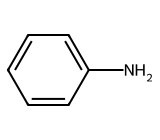
B. 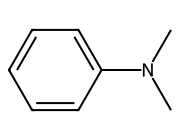
C. CH3–NH2
D. N(CH3)3
E. 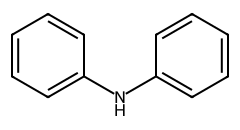
Which among the following react with Hinsberg's reagent?
Choose the correct answer from the options given below:
A.
B.
C. CH3–NH2
D. N(CH3)3
E.
निम्नलिखित में से कौन हिन्सबर्ग अभिकर्मक (Hinsberg's reagent) के साथ अभिक्रिया करते हैं?
नीचे दिए गए विकल्पों में से सही उत्तर चुनिए:
- AA, B and E Onlyकेवल A, B और E
- BA, C and E Onlyकेवल A, C और E
- CC and D Onlyकेवल C और D
- DB and D Onlyकेवल B और D
Show answer
Concept: Hinsberg's reagent is benzenesulphonyl chloride, C6H5SO2Cl. It reacts only with amines having an N–H bond, i.e. primary and secondary amines; tertiary amines do not react.
- A (aniline) – 1° amine → reacts (gives KOH-soluble sulphonamide).
- B (N,N-dimethylaniline) – 3° amine, no N–H → does not react.
- C (methylamine, CH3NH2) – 1° amine → reacts.
- D (trimethylamine, N(CH3)3) – 3° amine → does not react.
- E (diphenylamine) – 2° amine → reacts (gives KOH-insoluble sulphonamide).
- Hence A, C and E only.
Short trick: No N–H ⇒ no reaction with C6H5SO2Cl.
Answer: (B)
अवधारणा: हिन्सबर्ग अभिकर्मक बेन्जीनसल्फोनिल क्लोराइड, C6H5SO2Cl है। यह केवल उन ऐमीनों से अभिक्रिया करता है जिनमें N–H आबंध है, अर्थात् प्राथमिक एवं द्वितीयक ऐमीन; तृतीयक ऐमीन अभिक्रिया नहीं करते।
- A (ऐनिलीन) – 1° ऐमीन → अभिक्रिया करता है (KOH में विलेय सल्फोनामाइड देता है)।
- B (N,N-डाइमेथिलऐनिलीन) – 3° ऐमीन, N–H नहीं → अभिक्रिया नहीं।
- C (मेथिलऐमीन, CH3NH2) – 1° ऐमीन → अभिक्रिया करता है।
- D (ट्राइमेथिलऐमीन, N(CH3)3) – 3° ऐमीन → अभिक्रिया नहीं।
- E (डाइफेनिलऐमीन) – 2° ऐमीन → अभिक्रिया करता है (KOH में अविलेय सल्फोनामाइड)।
- अतः केवल A, C और E।
शॉर्ट ट्रिक: N–H नहीं ⇒ C6H5SO2Cl से अभिक्रिया नहीं।
उत्तर: (B)
JEE Main 2025 (January) – Paper 1 (B.E./B.Tech)ChemistryAmines – Hinsberg testJEE Main 2025 (January) – Paper 1 (B.E./B.Tech) 2025 · 23 Jan Shift 1
Q183.The correct set of ions (aqueous solution) with same colour from the following is:
निम्नलिखित में से समान रंग वाले (जलीय विलयन में) आयनों का सही समुच्चय है:
- ASc3+, Ti3+, Cr2+
- BV2+, Cr3+, Mn3+
- CTi4+, V4+, Mn2+
- DZn2+, V3+, Fe3+
Show answer
Concept: Colour of aquated 3d-ions arises from d–d transitions; ions with d0/d10 configuration are colourless.
- (B) V2+ (d3) – violet, Cr3+ (d3) – violet, Mn3+ (d4) – violet: all three are violet.
- (A) Sc3+ (d0) colourless, Ti3+ purple, Cr2+ blue – different.
- (C) Ti4+ (d0) colourless, V4+ blue, Mn2+ pale pink – different.
- (D) Zn2+ (d10) colourless, V3+ green, Fe3+ yellow – different.
Short trick: Any set containing a d0/d10 ion (Sc3+, Ti4+, Zn2+) can be rejected at once.
Answer: (B)
अवधारणा: जलयोजित 3d-आयनों का रंग d–d संक्रमण से आता है; d0/d10 विन्यास वाले आयन रंगहीन होते हैं।
- (B) V2+ (d3) – बैंगनी, Cr3+ (d3) – बैंगनी, Mn3+ (d4) – बैंगनी: तीनों बैंगनी हैं।
- (A) Sc3+ (d0) रंगहीन, Ti3+ बैंगनी-जामुनी, Cr2+ नीला – भिन्न।
- (C) Ti4+ (d0) रंगहीन, V4+ नीला, Mn2+ हल्का गुलाबी – भिन्न।
- (D) Zn2+ (d10) रंगहीन, V3+ हरा, Fe3+ पीला – भिन्न।
शॉर्ट ट्रिक: जिस समुच्चय में d0/d10 आयन (Sc3+, Ti4+, Zn2+) हो, उसे तुरन्त हटा दीजिए।
उत्तर: (B)
JEE Main 2025 (January) – Paper 1 (B.E./B.Tech)Chemistryd-block – colours of aqueous ionsJEE Main 2025 (January) – Paper 1 (B.E./B.Tech) 2025 · 23 Jan Shift 1
Q184.Given below are two statements:
Statement I: In Lassaigne's test, the covalent organic molecules are transformed into ionic compounds.
Statement II: The sodium fusion extract of an organic compound having N and S gives prussian blue colour with FeSO4 and Na4[Fe(CN)6]
In the light of the above statements, choose the correct answer from the options given below.
नीचे दो कथन दिए गए हैं:
कथन I: लैसें परीक्षण (Lassaigne's test) में सहसंयोजक कार्बनिक अणु आयनिक यौगिकों में परिवर्तित हो जाते हैं।
कथन II: N तथा S युक्त कार्बनिक यौगिक का सोडियम संगलन निष्कर्ष FeSO4 तथा Na4[Fe(CN)6] के साथ प्रशियन नीला रंग देता है।
उपर्युक्त कथनों के आलोक में, नीचे दिए गए विकल्पों में से सही उत्तर चुनिए।
- AStatement I is true but Statement II is falseकथन I सत्य है परन्तु कथन II असत्य है
- BBoth Statement I and Statement II are falseकथन I और कथन II दोनों असत्य हैं
- CBoth Statement I and Statement II are trueकथन I और कथन II दोनों सत्य हैं
- DStatement I is false but Statement II is trueकथन I असत्य है परन्तु कथन II सत्य है
Show answer
Concept: Na fusion converts covalently bound N, S, X into ionic NaCN, Na2S, NaX; when N and S are both present, NaSCN is formed.
- Statement I: fusion with sodium converts covalent organic molecules into ionic salts (NaCN, Na2S, NaSCN, NaX) – true.
- Statement II: with both N and S present, the extract contains SCN−, which gives blood-red [Fe(SCN)]2+ with Fe3+ – not prussian blue.
- Prussian blue Fe4[Fe(CN)6]3 is obtained from CN− (N without S) by boiling the extract with FeSO4 and acidifying – Na4[Fe(CN)6] is formed in the test, not added.
- So Statement II is false.
Short trick: N + S together ⇒ SCN− ⇒ blood-red colour, not prussian blue.
Answer: (A)
अवधारणा: सोडियम संगलन, सहसंयोजी रूप से बंधे N, S, X को आयनिक NaCN, Na2S, NaX में बदल देता है; N और S दोनों होने पर NaSCN बनता है।
- कथन I: सोडियम के साथ संगलन से सहसंयोजक कार्बनिक अणु आयनिक लवणों (NaCN, Na2S, NaSCN, NaX) में बदल जाते हैं – सत्य।
- कथन II: N तथा S दोनों उपस्थित होने पर निष्कर्ष में SCN− होता है, जो Fe3+ के साथ रक्त-लाल [Fe(SCN)]2+ देता है – प्रशियन नीला नहीं।
- प्रशियन नीला Fe4[Fe(CN)6]3 केवल CN− (S रहित N) से बनता है – निष्कर्ष को FeSO4 के साथ उबालकर अम्लीकृत करने पर; Na4[Fe(CN)6] परीक्षण में बनता है, बाहर से नहीं मिलाया जाता।
- अतः कथन II असत्य है।
शॉर्ट ट्रिक: N + S साथ-साथ ⇒ SCN− ⇒ रक्त-लाल रंग, प्रशियन नीला नहीं।
उत्तर: (A)
JEE Main 2025 (January) – Paper 1 (B.E./B.Tech)ChemistryOrganic analysis – Lassaigne's testJEE Main 2025 (January) – Paper 1 (B.E./B.Tech) 2025 · 23 Jan Shift 1
Q185.Propane molecule on chlorination under photochemical condition gives two di-chloro products, " x " and " y ". Amongst " x " and " y ", " x " is an optically active molecule. How many tri-chloro products (consider only structural isomers) will be obtained from " x " when it is further treated with chlorine under the photochemical condition?
प्रकाश-रासायनिक परिस्थितियों में प्रोपेन अणु के क्लोरीनीकरण से दो डाइ-क्लोरो उत्पाद " x " तथा " y " प्राप्त होते हैं। " x " तथा " y " में से " x " एक ध्रुवण-सक्रिय (optically active) अणु है। प्रकाश-रासायनिक परिस्थितियों में " x " की क्लोरीन से आगे अभिक्रिया करने पर कितने ट्राइ-क्लोरो उत्पाद (केवल संरचनात्मक समावयव लीजिए) प्राप्त होंगे?
- A2
- B5
- C4
- D3
Show answer
Concept: The optically active dichloropropane is 1,2-dichloropropane (chiral C-2); count the structurally different positions for the third Cl.
- x = CH3–CHCl–CH2Cl (1,2-dichloropropane), with a chiral carbon at C-2.
- Third chlorination at C-1 → CH3–CHCl–CHCl2 (1,1,2-trichloropropane).
- At C-2 → CH3–CCl2–CH2Cl (1,2,2-trichloropropane).
- At C-3 → CH2Cl–CHCl–CH2Cl (1,2,3-trichloropropane).
- So 3 structural isomers are obtained.
Short trick: Number of monosubstitution products = number of structurally distinct H positions; x has 3 kinds of H (C1, C2, C3).
Answer: (D)
अवधारणा: ध्रुवण-सक्रिय डाइक्लोरोप्रोपेन 1,2-डाइक्लोरोप्रोपेन है (C-2 किरैल); तीसरे Cl के लिए संरचनात्मक रूप से भिन्न स्थितियाँ गिनिए।
- x = CH3–CHCl–CH2Cl (1,2-डाइक्लोरोप्रोपेन), जिसमें C-2 किरैल कार्बन है।
- C-1 पर तीसरा क्लोरीनीकरण → CH3–CHCl–CHCl2 (1,1,2-ट्राइक्लोरोप्रोपेन)।
- C-2 पर → CH3–CCl2–CH2Cl (1,2,2-ट्राइक्लोरोप्रोपेन)।
- C-3 पर → CH2Cl–CHCl–CH2Cl (1,2,3-ट्राइक्लोरोप्रोपेन)।
- अतः 3 संरचनात्मक समावयव प्राप्त होते हैं।
शॉर्ट ट्रिक: एकल-प्रतिस्थापन उत्पादों की संख्या = संरचनात्मक रूप से भिन्न H स्थितियों की संख्या; x में 3 प्रकार के H हैं (C1, C2, C3)।
उत्तर: (D)
JEE Main 2025 (January) – Paper 1 (B.E./B.Tech)ChemistryHaloalkanes – free-radical chlorination, isomer countingJEE Main 2025 (January) – Paper 1 (B.E./B.Tech) 2025 · 23 Jan Shift 1
Q186.CrCl3·xNH3 can exist as a complex. 0.1 molal aqueous solution of this complex shows a depression in freezing point of 0.558°C. Assuming 100% ionisation of this complex and coordination number of Cr is 6 , the complex will be (Given Kf = 1.86 K kg mol−1 )
CrCl3·xNH3 एक संकुल के रूप में रह सकता है। इस संकुल का 0.1 मोलल जलीय विलयन हिमांक में 0.558°C का अवनमन दर्शाता है। संकुल का 100% आयनन तथा Cr की उपसहसंयोजन संख्या 6 मानते हुए, संकुल होगा (दिया है Kf = 1.86 K kg mol−1)
- A[Cr(NH3)5Cl]Cl2
- B[Cr(NH3)6]Cl3
- C[Cr(NH3)3Cl3]
- D[Cr(NH3)4Cl2]Cl
Show answer
Concept: ; the van't Hoff factor i equals the number of ions produced on 100% ionisation.
- .
- So the complex gives 3 ions in solution.
- [Cr(NH3)5Cl]Cl2 → [Cr(NH3)5Cl]2+ + 2Cl− = 3 ions ✓ (CN = 6 satisfied).
- (B) gives 4 ions, (C) gives no ions, (D) gives 2 ions – all inconsistent with i = 3.
Short trick: i = ΔTf/(Kfm) directly counts the ions; pick the complex releasing that many ions.
Answer: (A)
अवधारणा: ; 100% आयनन पर वान्ट हॉफ गुणांक i = बनने वाले आयनों की संख्या।
- ।
- अतः संकुल विलयन में 3 आयन देता है।
- [Cr(NH3)5Cl]Cl2 → [Cr(NH3)5Cl]2+ + 2Cl− = 3 आयन ✓ (उपसहसंयोजन संख्या 6 भी सही)।
- (B) 4 आयन, (C) कोई आयन नहीं, (D) 2 आयन देता है – कोई भी i = 3 से मेल नहीं खाता।
शॉर्ट ट्रिक: i = ΔTf/(Kfm) सीधे आयनों की संख्या देता है; उतने ही आयन देने वाला संकुल चुनिए।
उत्तर: (A)
JEE Main 2025 (January) – Paper 1 (B.E./B.Tech)ChemistryCoordination compounds – colligative propertiesJEE Main 2025 (January) – Paper 1 (B.E./B.Tech) 2025 · 23 Jan Shift 1
Q187.Which of the following happens when NH4OH is added gradually to the solution containing 1 M A2+ and 1 M B3+ ions? Given : Ksp[A(OH)2] = 9 × 10⁻¹⁰ and Ksp[B(OH)3] = 27 × 10−18 at 298 K .
1 M A2+ तथा 1 M B3+ आयनों वाले विलयन में NH4OH धीरे-धीरे मिलाने पर निम्नलिखित में से क्या होता है? दिया है: 298 K पर Ksp[A(OH)2] = 9 × 10⁻¹⁰ तथा Ksp[B(OH)3] = 27 × 10−18।
- ABoth A(OH)2 and B(OH)3 do not show precipitation with NH4OHA(OH)2 तथा B(OH)3 दोनों NH4OH के साथ अवक्षेपण नहीं दर्शाते
- BA(OH)2 will precipitate before B(OH)3A(OH)2, B(OH)3 से पहले अवक्षेपित होगा
- CB(OH)3 will precipitate before A(OH)2B(OH)3, A(OH)2 से पहले अवक्षेपित होगा
- DA(OH)2 and B(OH)3 will precipitate togetherA(OH)2 तथा B(OH)3 साथ-साथ अवक्षेपित होंगे
Show answer
Concept: Precipitation begins when the ionic product just exceeds Ksp; the hydroxide needing the lower [OH−] precipitates first.
- For A(OH)2: M.
- For B(OH)3: M.
- B(OH)3 needs ten times less OH−, so it precipitates first as NH4OH is added gradually.
Short trick: Compare the [OH−] thresholds, not the raw Ksp values – the formulae differ (MX2 vs MX3).
Answer: (C)
अवधारणा: अवक्षेपण तब आरम्भ होता है जब आयनिक गुणनफल Ksp से अधिक हो जाता है; जिस हाइड्रॉक्साइड को कम [OH−] चाहिए, वह पहले अवक्षेपित होता है।
- A(OH)2 के लिए: M।
- B(OH)3 के लिए: M।
- B(OH)3 को दस गुना कम OH− चाहिए, अतः NH4OH धीरे-धीरे मिलाने पर वह पहले अवक्षेपित होगा।
शॉर्ट ट्रिक: सीधे Ksp नहीं, [OH−] की सीमाएँ तुलना कीजिए – सूत्र भिन्न हैं (MX2 बनाम MX3)।
उत्तर: (C)
JEE Main 2025 (January) – Paper 1 (B.E./B.Tech)ChemistryIonic equilibrium – selective precipitation (Ksp)JEE Main 2025 (January) – Paper 1 (B.E./B.Tech) 2025 · 23 Jan Shift 1
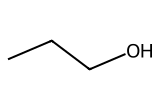
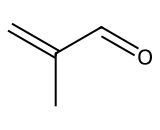
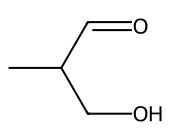
Q188.The major product of the following reaction is: ?
निम्नलिखित अभिक्रिया का मुख्य उत्पाद है: ?
- A
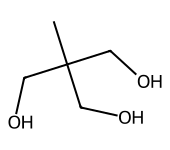
- B
- C
- D
Show answer
Concept: With excess HCHO and alkali, an aldehyde having α-hydrogens undergoes repeated crossed aldol additions, and the remaining –CHO is finally reduced by crossed Cannizzaro reaction (HCHO is oxidised to formate).
- Propanal CH3CH2CHO has two α-H on C-2.
- Two successive crossed aldol additions with HCHO replace both α-H by –CH2OH: CH3C(CH2OH)2CHO.
- No α-H is left, so excess HCHO does a crossed Cannizzaro: the –CHO of the product is reduced to –CH2OH while HCHO → HCOO−.
- Major product = CH3C(CH2OH)3, a triol – structure (A).
Short trick: Excess HCHO/base replaces every α-H by CH2OH and finally converts –CHO → –CH2OH (like pentaerythritol from acetaldehyde).
Answer: (A)
अवधारणा: आधिक्य HCHO और क्षार के साथ, α-हाइड्रोजन वाला ऐल्डिहाइड बार-बार क्रॉस ऐल्डॉल योग करता है, और शेष –CHO अन्त में क्रॉस कैनिज़ारो अभिक्रिया द्वारा अपचयित हो जाता है (HCHO फॉर्मेट में ऑक्सीकृत होता है)।
- प्रोपेनैल CH3CH2CHO के C-2 पर दो α-H हैं।
- HCHO के साथ दो क्रमिक क्रॉस ऐल्डॉल योग दोनों α-H को –CH2OH से प्रतिस्थापित कर देते हैं: CH3C(CH2OH)2CHO।
- अब कोई α-H नहीं बचता, अतः आधिक्य HCHO क्रॉस कैनिज़ारो करता है: उत्पाद का –CHO अपचयित होकर –CH2OH बनता है जबकि HCHO → HCOO−।
- मुख्य उत्पाद = CH3C(CH2OH)3, एक ट्राइऑल – संरचना (A)।
शॉर्ट ट्रिक: आधिक्य HCHO/क्षार प्रत्येक α-H को CH2OH से बदल देता है और अन्त में –CHO → –CH2OH कर देता है (जैसे ऐसीटैल्डिहाइड से पेन्टाएरिथ्रिटॉल)।
उत्तर: (A)
JEE Main 2025 (January) – Paper 1 (B.E./B.Tech)ChemistryAldehydes – crossed aldol and Cannizzaro reactionsJEE Main 2025 (January) – Paper 1 (B.E./B.Tech) 2025 · 23 Jan Shift 1
Q189.Ice at −5°C is heated to become vapor with temperature of 110°C at atmospheric pressure. The entropy change associated with this process can be obtained from
−5°C की बर्फ को वायुमण्डलीय दाब पर गर्म करके 110°C ताप की वाष्प बनाया जाता है। इस प्रक्रम से सम्बद्ध एन्ट्रॉपी परिवर्तन निम्न से प्राप्त किया जा सकता है
- A
- B
- C
- D
Show answer
Concept: For heating at constant pressure ; for a phase change at its transition temperature .
- Ice 268 K → 273 K: .
- Melting at = 273 K: .
- Water 273 K → 373 K: .
- Vaporisation at = 373 K: .
- Steam 373 K → 383 K: . Option (B) is the only one with every heating term as .
- (A) uses (that is enthalpy, not entropy); (C) ignores the phase changes and mixes at one T; (D) also uses .
Short trick: Every entropy term must carry a division by T – reject options whose integrals lack 1/T.
Answer: (B)
अवधारणा: स्थिर दाब पर गर्म करने के लिए ; संक्रमण ताप पर प्रावस्था परिवर्तन के लिए ।
- बर्फ 268 K → 273 K: ।
- = 273 K पर गलन: ।
- जल 273 K → 373 K: ।
- = 373 K पर वाष्पन: ।
- भाप 373 K → 383 K: । केवल विकल्प (B) में प्रत्येक तापन पद रूप में है।
- (A) में है (यह एन्थैल्पी है, एन्ट्रॉपी नहीं); (C) प्रावस्था परिवर्तनों की उपेक्षा करता है; (D) में भी है।
शॉर्ट ट्रिक: एन्ट्रॉपी के हर पद में T से भाग अवश्य होता है – जिन समाकलनों में 1/T नहीं, उन्हें हटा दीजिए।
उत्तर: (B)
JEE Main 2025 (January) – Paper 1 (B.E./B.Tech)ChemistryThermodynamics – entropy change with phase transitionsJEE Main 2025 (January) – Paper 1 (B.E./B.Tech) 2025 · 23 Jan Shift 1
Q190.The incorrect statement among the following is
निम्नलिखित में से असत्य कथन है
- APH3 shows lower proton affinity than NH3.PH3 की प्रोटॉन बन्धुता NH3 से कम है।
- BSO2 can act as an oxidizing agent, but not as a reducing agent.SO2 ऑक्सीकारक के रूप में कार्य कर सकता है, परन्तु अपचायक के रूप में नहीं।
- CPF3 exists but NF5 does not.PF3 अस्तित्व में है परन्तु NF5 नहीं।
- DNO2 can dimerise easily.NO2 आसानी से द्वितयन (डाइमराइज़) कर सकता है।
Show answer
Concept: In SO2, sulphur is in the +4 state – intermediate between −2 and +6 – so SO2 can be both oxidised and reduced.
- (B) is incorrect: SO2 acts as a reducing agent too (S+4 → S+6), e.g. it decolourises acidified KMnO4 and reduces Fe3+ to Fe2+; it is an oxidising agent only towards stronger reductants (e.g. with H2S it gives S).
- (A) is correct: the lone pair of P in PH3 lies in a large, diffuse (more s-character) orbital, so its proton affinity is lower than that of NH3.
- (C) is correct: PF3 exists; NF5 does not because nitrogen (period 2) cannot expand its octet.
- (D) is correct: NO2 has an odd electron on N and readily dimerises to N2O4.
Short trick: Intermediate oxidation state ⇒ both oxidant and reductant (SO2, H2O2, HNO2).
Answer: (B)
अवधारणा: SO2 में सल्फर +4 अवस्था में है – −2 और +6 के बीच – अतः SO2 ऑक्सीकृत और अपचयित दोनों हो सकता है।
- (B) असत्य है: SO2 अपचायक के रूप में भी कार्य करता है (S+4 → S+6), जैसे यह अम्लीकृत KMnO4 को रंगहीन करता है तथा Fe3+ को Fe2+ में अपचयित करता है; प्रबल अपचायकों (जैसे H2S) के प्रति ही यह ऑक्सीकारक है।
- (A) सत्य है: PH3 में P का एकाकी युग्म बड़े, विसरित (अधिक s-लक्षण) कक्षक में है, अतः इसकी प्रोटॉन बन्धुता NH3 से कम है।
- (C) सत्य है: PF3 अस्तित्व में है; NF5 नहीं, क्योंकि नाइट्रोजन (आवर्त 2) अपना अष्टक प्रसारित नहीं कर सकता।
- (D) सत्य है: NO2 में N पर विषम इलेक्ट्रॉन है और यह सरलता से N2O4 में द्वितयित हो जाता है।
शॉर्ट ट्रिक: मध्यवर्ती ऑक्सीकरण अवस्था ⇒ ऑक्सीकारक और अपचायक दोनों (SO2, H2O2, HNO2)।
उत्तर: (B)
JEE Main 2025 (January) – Paper 1 (B.E./B.Tech)Chemistryp-block – properties of N, P, S compoundsJEE Main 2025 (January) – Paper 1 (B.E./B.Tech) 2025 · 23 Jan Shift 1
Q191.2.8 × 10−3 mol of CO2 is left after removing 1021 molecules from its ' x ' mg sample. The mass of CO2 taken initially is Given: NA = 6.02 × 10²³ mol−1
CO2 के ' x ' mg प्रतिदर्श में से 1021 अणु निकालने के बाद 2.8 × 10⁻³ मोल CO2 शेष रहता है। प्रारम्भ में लिए गए CO2 का द्रव्यमान है (दिया है: NA = 6.02 × 10²³ mol−1)
- A98.3 mg
- B48.2 mg
- C196.2 mg
- D150.4 mg
Show answer
Concept: Initial moles = moles left + moles removed; mass = moles × molar mass (CO2 = 44 g mol−1).
- Moles removed = = 1.66 × 10⁻³ mol.
- Initial moles = 2.8 × 10⁻³ + 1.66 × 10−3 = 4.46 × 10⁻³ mol.
- Initial mass = 4.46 × 10−3 × 44 = 0.1963 g ≈ 196.2 mg.
Short trick: 1021 molecules ≈ 1/600 mol ≈ 1.66 mmol – add to what is left, then ×44.
Answer: (C)
अवधारणा: प्रारम्भिक मोल = शेष मोल + निकाले गए मोल; द्रव्यमान = मोल × मोलर द्रव्यमान (CO2 = 44 g mol−1)।
- निकाले गए मोल = = 1.66 × 10⁻³ मोल।
- प्रारम्भिक मोल = 2.8 × 10⁻³ + 1.66 × 10−3 = 4.46 × 10⁻³ मोल।
- प्रारम्भिक द्रव्यमान = 4.46 × 10−3 × 44 = 0.1963 g ≈ 196.2 mg।
शॉर्ट ट्रिक: 1021 अणु ≈ 1/600 मोल ≈ 1.66 mmol – शेष में जोड़िए, फिर ×44।
उत्तर: (C)
JEE Main 2025 (January) – Paper 1 (B.E./B.Tech)ChemistryMole concept – molecules and massJEE Main 2025 (January) – Paper 1 (B.E./B.Tech) 2025 · 23 Jan Shift 1
Q192.Match the LIST-I with LIST-II
LIST-I
Name reaction | LIST-II
Product obtainable |
|---|
| A. | Swarts reaction | I. | Ethyl benzene |
| B. | Sandmeyer's reaction | II. | Ethyl iodide |
| C. | Wurtz Fittig reaction | III. | Cyanobenzene |
| D. | Finkelstein reaction | IV. | Ethyl fluoride |
Choose the correct answer from the options given below:
सूची-I का सूची-II से मिलान कीजिए
सूची-I
नामाभिक्रिया | सूची-II
प्राप्त हो सकने वाला उत्पाद |
|---|
| A. | स्वार्ट्स अभिक्रिया | I. | एथिल बेन्जीन |
| B. | सैण्डमायर अभिक्रिया | II. | एथिल आयोडाइड |
| C. | वुर्ट्ज़ फिटिग अभिक्रिया | III. | सायनोबेन्जीन |
| D. | फिंकेलस्टाइन अभिक्रिया | IV. | एथिल फ्लुओराइड |
नीचे दिए गए विकल्पों में से सही उत्तर चुनिए:
- AA-II, B-I, C-III, D-IV
- BA-II, B-III, C-I, D-IV
- CA-IV, B-I, C-III, D-II
- DA-IV, B-III, C-I, D-II
Show answer
Concept: Identify the product type of each classical name reaction.
- A → IV: Swarts reaction – alkyl chloride/bromide + AgF (or Hg2F2) → alkyl fluoride, e.g. ethyl fluoride.
- B → III: Sandmeyer's reaction – benzenediazonium salt + CuCN/KCN → cyanobenzene.
- C → I: Wurtz–Fittig reaction – aryl halide + alkyl halide + Na/dry ether → ethyl benzene.
- D → II: Finkelstein reaction – R–Cl/Br + NaI in dry acetone → ethyl iodide.
Short trick: Swarts = F, Finkelstein = I; Sandmeyer works on diazonium salts, Wurtz–Fittig joins aryl + alkyl.
Answer: (D)
अवधारणा: प्रत्येक प्रसिद्ध नामाभिक्रिया के उत्पाद का प्रकार पहचानिए।
- A → IV: स्वार्ट्स अभिक्रिया – ऐल्किल क्लोराइड/ब्रोमाइड + AgF (या Hg2F2) → ऐल्किल फ्लुओराइड, जैसे एथिल फ्लुओराइड।
- B → III: सैण्डमायर अभिक्रिया – बेन्जीनडाइऐज़ोनियम लवण + CuCN/KCN → सायनोबेन्जीन।
- C → I: वुर्ट्ज़–फिटिग अभिक्रिया – ऐरिल हैलाइड + ऐल्किल हैलाइड + Na/शुष्क ईथर → एथिल बेन्जीन।
- D → II: फिंकेलस्टाइन अभिक्रिया – R–Cl/Br + NaI शुष्क ऐसीटोन में → एथिल आयोडाइड।
शॉर्ट ट्रिक: स्वार्ट्स = F, फिंकेलस्टाइन = I; सैण्डमायर डाइऐज़ोनियम लवणों पर चलती है, वुर्ट्ज़–फिटिग ऐरिल + ऐल्किल जोड़ती है।
उत्तर: (D)
JEE Main 2025 (January) – Paper 1 (B.E./B.Tech)ChemistryHaloalkanes/haloarenes – name reactionsJEE Main 2025 (January) – Paper 1 (B.E./B.Tech) 2025 · 23 Jan Shift 1
Q193.Heat treatment of muscular pain involves radiation of wavelength of about 900 nm . Which spectral line of H atom is suitable for this? Given : Rydberg constant RH = 105 cm−1, h = 6.6 × 10⁻³⁴ J s, c = 3 × 10⁸ m/s )
पेशीय दर्द के ऊष्मा उपचार में लगभग 900 nm तरंगदैर्घ्य का विकिरण प्रयुक्त होता है। इसके लिए H परमाणु की कौन-सी स्पेक्ट्रमी रेखा उपयुक्त है? (दिया है: रिडबर्ग स्थिरांक RH = 105 cm−1, h = 6.6 × 10⁻³⁴ J s, c = 3 × 10⁸ m/s)
- ABalmer series, ∞ → 2बामर श्रेणी, ∞ → 2
- BLyman series, ∞ → 1लाइमन श्रेणी, ∞ → 1
- CPaschen series, ∞ → 3पाशन श्रेणी, ∞ → 3
- DPaschen series, 5 → 3पाशन श्रेणी, 5 → 3
Show answer
Concept: ; for a series limit , so .
- Paschen limit (∞ → 3): cm = 9 × 10⁻⁵ cm = 900 nm ✓.
- (A) Balmer limit: cm = 400 nm – too short.
- (B) Lyman limit: cm = 100 nm – far too short.
- (D) Paschen 5 → 3: gives λ ≈ 1406 nm – not 900 nm.
Short trick: With RH = 105 cm−1, series limits are n12 × 100 nm: 100, 400, 900 nm for Lyman, Balmer, Paschen.
Answer: (C)
अवधारणा: ; श्रेणी सीमा के लिए , अतः ।
- पाशन सीमा (∞ → 3): cm = 9 × 10⁻⁵ cm = 900 nm ✓।
- (A) बामर सीमा: cm = 400 nm – बहुत छोटी।
- (B) लाइमन सीमा: cm = 100 nm – अत्यधिक छोटी।
- (D) पाशन 5 → 3: से λ ≈ 1406 nm – 900 nm नहीं।
शॉर्ट ट्रिक: RH = 105 cm−1 होने पर श्रेणी सीमाएँ n12 × 100 nm होती हैं: लाइमन, बामर, पाशन के लिए 100, 400, 900 nm।
उत्तर: (C)
JEE Main 2025 (January) – Paper 1 (B.E./B.Tech)ChemistryAtomic structure – hydrogen spectrumJEE Main 2025 (January) – Paper 1 (B.E./B.Tech) 2025 · 23 Jan Shift 1
Q194.The d- electronic configuration of an octahedral Co(II) complex having magnetic moment of 3.95 BM is:
3.95 BM चुम्बकीय आघूर्ण वाले अष्टफलकीय Co(II) संकुल का d-इलेक्ट्रॉनिक विन्यास है:
- A
- B
- C
- D
Show answer
Concept: BM gives the number of unpaired electrons n; Co(II) is d7.
- BM ⇒ ⇒ n = 3 unpaired electrons.
- Co2+: [Ar]3d7. High-spin octahedral d7 = → 3 unpaired electrons ✓.
- (A) is d3, not d7; (B) (low spin) has only 1 unpaired e− (μ ≈ 1.73 BM); (D) is a tetrahedral configuration, not octahedral.
Short trick: μ ≈ 4 BM ⇒ 3 unpaired; d7 high-spin octahedral is always .
Answer: (C)
अवधारणा: BM से अयुग्मित इलेक्ट्रॉनों की संख्या n मिलती है; Co(II) d7 है।
- BM ⇒ ⇒ n = 3 अयुग्मित इलेक्ट्रॉन।
- Co2+: [Ar]3d7। उच्च-चक्रण अष्टफलकीय d7 = → 3 अयुग्मित इलेक्ट्रॉन ✓।
- (A) d3 है, d7 नहीं; (B) (निम्न-चक्रण) में केवल 1 अयुग्मित e− है (μ ≈ 1.73 BM); (D) चतुष्फलकीय विन्यास है, अष्टफलकीय नहीं।
शॉर्ट ट्रिक: μ ≈ 4 BM ⇒ 3 अयुग्मित; उच्च-चक्रण d7 अष्टफलकीय सदैव ।
उत्तर: (C)
JEE Main 2025 (January) – Paper 1 (B.E./B.Tech)ChemistryCoordination compounds – CFT and magnetic momentJEE Main 2025 (January) – Paper 1 (B.E./B.Tech) 2025 · 23 Jan Shift 1
Q195.The correct stability order of the following species/molecules is:
p:
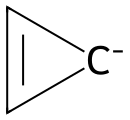
q:
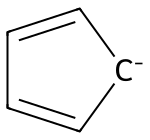
r:
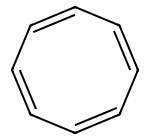
निम्नलिखित स्पीशीज़/अणुओं का सही स्थायित्व क्रम है:
p:
q:
r:
- Aq > r > p
- Br > q > p
- Cq > p > r
- Dp > q > r
Show answer
Concept: Aromatic (4n+2 π e−, planar, cyclic conjugation) > non-aromatic > antiaromatic (4n π e−, planar).
- q = cyclopentadienyl anion: 6 π electrons (4n+2, n = 1), planar – aromatic, most stable.
- r = cyclooctatetraene: 8 π electrons, but it adopts a non-planar tub shape, so it is simply non-aromatic (not antiaromatic).
- p = cyclopropenyl anion: 4 π electrons in a planar three-membered ring – antiaromatic, least stable.
- Hence q > r > p.
Short trick: Aromatic > non-aromatic > antiaromatic; COT escapes antiaromaticity by puckering.
Answer: (A)
अवधारणा: ऐरोमैटिक (4n+2 π e−, समतलीय, चक्रीय संयुग्मन) > अन-ऐरोमैटिक > प्रति-ऐरोमैटिक (4n π e−, समतलीय)।
- q = साइक्लोपेन्टाडाइईनिल ऋणायन: 6 π इलेक्ट्रॉन (4n+2, n = 1), समतलीय – ऐरोमैटिक, सर्वाधिक स्थायी।
- r = साइक्लोऑक्टाटेट्राईन: 8 π इलेक्ट्रॉन, परन्तु यह असमतलीय टब (tub) आकृति अपनाता है, अतः यह केवल अन-ऐरोमैटिक है (प्रति-ऐरोमैटिक नहीं)।
- p = साइक्लोप्रोपीनिल ऋणायन: समतलीय त्रिसदस्यीय वलय में 4 π इलेक्ट्रॉन – प्रति-ऐरोमैटिक, न्यूनतम स्थायी।
- अतः q > r > p।
शॉर्ट ट्रिक: ऐरोमैटिक > अन-ऐरोमैटिक > प्रति-ऐरोमैटिक; COT मुड़कर (puckering) प्रति-ऐरोमैटिकता से बच जाता है।
उत्तर: (A)
JEE Main 2025 (January) – Paper 1 (B.E./B.Tech)ChemistryGOC – aromaticity and stabilityJEE Main 2025 (January) – Paper 1 (B.E./B.Tech) 2025 · 23 Jan Shift 1
Q196.The standard enthalpy and standard entropy of decomposition of N2O4 to NO2 are 55.0 kJ mol−1 and 175.0 J/K/mol respectively. The standard free energy change for this reaction at 25°C in J mol−1 is ______ (Nearest integer)
N2O4 के NO2 में अपघटन की मानक एन्थैल्पी तथा मानक एन्ट्रॉपी क्रमशः 55.0 kJ mol−1 तथा 175.0 J/K/mol हैं। 25°C पर इस अभिक्रिया के लिए मानक मुक्त ऊर्जा परिवर्तन J mol−1 में ______ है (निकटतम पूर्णांक)
Show answer
Concept: , with all quantities in the same units.
- = 55.0 kJ mol−1 = 55000 J mol−1; T = 25°C = 298 K.
- = 298 × 175.0 = 52150 J mol−1.
- = 55000 − 52150 = 2850 J mol−1.
Short trick: Convert kJ → J first; most errors here are unit slips.
Answer: 2850
अवधारणा: , सभी राशियाँ समान मात्रकों में।
- = 55.0 kJ mol−1 = 55000 J mol−1; T = 25°C = 298 K।
- = 298 × 175.0 = 52150 J mol−1।
- = 55000 − 52150 = 2850 J mol−1।
शॉर्ट ट्रिक: पहले kJ → J बदलिए; यहाँ अधिकांश गलतियाँ मात्रक की होती हैं।
उत्तर: 2850
JEE Main 2025 (January) – Paper 1 (B.E./B.Tech)ChemistryThermodynamics – Gibbs free energyJEE Main 2025 (January) – Paper 1 (B.E./B.Tech) 2025 · 23 Jan Shift 1
Q197.For the thermal decomposition of N
2O
5(g) at constant volume, the following table can be formed, for the reaction mentioned below. 2 N
2O
5(g) → 2 N
2O
4(g) + O
2(g)
| Sr.No | Time/s | Total pressure/(atm) |
|---|
| 1 | 0 | 0.6 |
| 2 | 100 | 'x' |
x = … × 10
−3 atm [nearest integer] Given : Rate constant for the reaction is 4.606 × 10
−2 s
−1.
स्थिर आयतन पर N
2O
5(g) के तापीय अपघटन के लिए, नीचे दी गई अभिक्रिया हेतु निम्न सारणी बनाई जा सकती है। 2 N
2O
5(g) → 2 N
2O
4(g) + O
2(g)
| क्र.सं. | समय/s | कुल दाब/(atm) |
|---|
| 1 | 0 | 0.6 |
| 2 | 100 | 'x' |
x = … × 10
−3 atm [निकटतम पूर्णांक] दिया है: अभिक्रिया का वेग स्थिरांक 4.606 × 10
−2 s
−1 है।
Show answer
Concept: Decomposition of N2O5 is first order: (P = partial pressure of N2O5); total pressure follows from stoichiometry.
- , so ⇒ atm.
- Fall in N2O5 pressure: y = 0.6 − 0.006 = 0.594 atm.
- From 2N2O5 → 2N2O4 + O2: N2O4 formed = y, O2 formed = y/2.
- Total pressure = (0.6 − y) + y + y/2 = 0.6 + 0.297 = 0.897 atm = 897 × 10−3 atm.
Short trick: kt = 4.606 ⇒ log(ratio) = 2 ⇒ only 1% N2O5 left; total = P0 + (drop)/2.
Answer: 897
अवधारणा: N2O5 का अपघटन प्रथम कोटि का है: (P = N2O5 का आंशिक दाब); कुल दाब रससमीकरणमिति से निकलता है।
- , अतः ⇒ atm।
- N2O5 के दाब में कमी: y = 0.6 − 0.006 = 0.594 atm।
- 2N2O5 → 2N2O4 + O2 से: बना N2O4 = y, बना O2 = y/2।
- कुल दाब = (0.6 − y) + y + y/2 = 0.6 + 0.297 = 0.897 atm = 897 × 10−3 atm।
शॉर्ट ट्रिक: kt = 4.606 ⇒ log(अनुपात) = 2 ⇒ केवल 1% N2O5 शेष; कुल = P0 + (कमी)/2।
उत्तर: 897
JEE Main 2025 (January) – Paper 1 (B.E./B.Tech)ChemistryChemical kinetics – first-order gas reactionJEE Main 2025 (January) – Paper 1 (B.E./B.Tech) 2025 · 23 Jan Shift 1
Q198.During " S " estimation, 160 mg of an organic compound gives 466 mg of barium sulphate. The percentage of Sulphur in the given compound is _______ %. (Given molar mass in gmol−1 of Ba : 137, S : 32, O : 16 )
" S " आकलन में, 160 mg कार्बनिक यौगिक से 466 mg बेरियम सल्फेट प्राप्त होता है। दिए गए यौगिक में सल्फर का प्रतिशत _______ % है। (Ba, S, O के मोलर द्रव्यमान gmol−1 में क्रमशः 137, 32, 16 दिए गए हैं)
Show answer
Concept: Carius method: %S = (M of BaSO4 = 137 + 32 + 64 = 233 g mol−1).
- Moles of BaSO4 = = 2.0 mmol, so mass of S = 2.0 × 32 = 64 mg.
- %S = = 40%.
Short trick: 466 is exactly 2 × 233 – spot it and S = 64 mg instantly.
Answer: 40
अवधारणा: कैरिअस विधि: %S = (BaSO4 का M = 137 + 32 + 64 = 233 g mol−1)।
- BaSO4 के मोल = = 2.0 mmol, अतः S का द्रव्यमान = 2.0 × 32 = 64 mg।
- %S = = 40%।
शॉर्ट ट्रिक: 466 ठीक 2 × 233 है – इसे पहचानते ही S = 64 mg।
उत्तर: 40
JEE Main 2025 (January) – Paper 1 (B.E./B.Tech)ChemistryOrganic analysis – estimation of sulphurJEE Main 2025 (January) – Paper 1 (B.E./B.Tech) 2025 · 23 Jan Shift 1
Q199.If 1 mM solution of ethylamine produces pH = 9, then the ionization constant (Kb) of ethylamine is 10−x. The value of x is ______ (nearest integer). [The degree of ionization of ethylamine can be neglected with respect to unity.]
यदि एथिलऐमीन का 1 mM विलयन pH = 9 देता है, तो एथिलऐमीन का आयनन स्थिरांक (Kb) 10−x है। x का मान ______ है (निकटतम पूर्णांक)। [एथिलऐमीन की आयनन की मात्रा को इकाई की तुलना में नगण्य माना जा सकता है।]
Show answer
Concept: For a weak base of concentration c with small α: .
- pH = 9 ⇒ pOH = 14 − 9 = 5 ⇒ [OH−] = 10−5 M.
- c = 1 mM = 10−3 M.
- .
- So x = 7.
Short trick: x = 2·pOH − pC = 2(5) − 3 = 7.
Answer: 7
अवधारणा: सान्द्रता c वाले दुर्बल क्षार के लिए, α छोटा होने पर: ।
- pH = 9 ⇒ pOH = 14 − 9 = 5 ⇒ [OH−] = 10−5 M।
- c = 1 mM = 10−3 M।
- ।
- अतः x = 7।
शॉर्ट ट्रिक: x = 2·pOH − pC = 2(5) − 3 = 7।
उत्तर: 7
JEE Main 2025 (January) – Paper 1 (B.E./B.Tech)ChemistryIonic equilibrium – ionization constant of a weak baseJEE Main 2025 (January) – Paper 1 (B.E./B.Tech) 2025 · 23 Jan Shift 1
Q200.Consider the following sequence of reactions to produce major product (A)
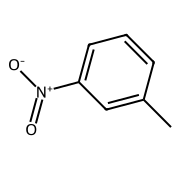
i) Br
2, Fe ii) Sn, HCl iii) NaNO
2, HCl, 273 K iv) H
3PO
2, H
2O → (A) Major Product
Molar mass of product (A) is ______ gmol
−1. (Given molar mass in gmol
−1 of C : 12, H : 1, O : 16, Br : 80, N : 14, P : 31 )
मुख्य उत्पाद (A) बनाने हेतु निम्नलिखित अभिक्रिया अनुक्रम पर विचार कीजिए
i) Br
2, Fe ii) Sn, HCl iii) NaNO
2, HCl, 273 K iv) H
3PO
2, H
2O → (A) मुख्य उत्पाद
उत्पाद (A) का मोलर द्रव्यमान ______ gmol
−1 है। (C, H, O, Br, N, P के मोलर द्रव्यमान gmol
−1 में क्रमशः 12, 1, 16, 80, 14, 31 दिए गए हैं)
Show answer
Concept: Track the functional groups: bromination → reduction of –NO2 → diazotisation → deamination with H3PO2.
- i) Br2/Fe: electrophilic bromination of m-nitrotoluene; orientation is controlled by the activating –CH3, so Br enters para to CH3, giving bromo-nitrotoluene (C7H6BrNO2).
- ii) Sn/HCl reduces –NO2 to –NH2.
- iii) NaNO2/HCl at 273 K converts –NH2 to the diazonium salt –N2+Cl−.
- iv) H3PO2/H2O replaces –N2+ by –H (reductive deamination).
- Product (A) = bromotoluene, CH3C6H4Br = C7H7Br.
- Molar mass = 7(12) + 7(1) + 80 = 84 + 7 + 80 = 171 g mol−1.
Short trick: Sn/HCl → NaNO2/HCl → H3PO2 simply deletes the –NO2 group; A = toluene + Br = 92 − 1 + 80 = 171.
Answer: 171
अवधारणा: क्रियात्मक समूहों का अनुगमन कीजिए: ब्रोमीनीकरण → –NO2 का अपचयन → डाइऐज़ोटीकरण → H3PO2 से विऐमीनीकरण।
- i) Br2/Fe: m-नाइट्रोटॉलूईन का इलेक्ट्रॉनस्नेही ब्रोमीनीकरण; अभिविन्यास सक्रियकारी –CH3 द्वारा नियन्त्रित होता है, अतः Br, CH3 के पैरा स्थान पर जुड़ता है और ब्रोमो-नाइट्रोटॉलूईन (C7H6BrNO2) बनता है।
- ii) Sn/HCl, –NO2 को –NH2 में अपचयित करता है।
- iii) 273 K पर NaNO2/HCl, –NH2 को डाइऐज़ोनियम लवण –N2+Cl− में बदलता है।
- iv) H3PO2/H2O, –N2+ को –H से प्रतिस्थापित करता है (अपचयी विऐमीनीकरण)।
- उत्पाद (A) = ब्रोमोटॉलूईन, CH3C6H4Br = C7H7Br।
- मोलर द्रव्यमान = 7(12) + 7(1) + 80 = 84 + 7 + 80 = 171 g mol−1।
शॉर्ट ट्रिक: Sn/HCl → NaNO2/HCl → H3PO2 का अर्थ है –NO2 समूह हटाना; A = टॉलूईन + Br = 92 − 1 + 80 = 171।
उत्तर: 171
JEE Main 2025 (January) – Paper 1 (B.E./B.Tech)ChemistryAromatic compounds – reaction sequence (diazonium chemistry)JEE Main 2025 (January) – Paper 1 (B.E./B.Tech) 2025 · 23 Jan Shift 1

