Q21.In the sulphur estimation, 0.20 g of a pure organic compound gave 0.40 g of barium sulphate. The percentage of sulphur in the compound is ______ ×10−1 %. (Molar mass : O = 16, S = 32, Ba = 137 in g mol−1)
सल्फ़र आकलन में, एक शुद्ध कार्बनिक यौगिक के 0.20 g से 0.40 g बेरियम सल्फ़ेट प्राप्त हुआ। यौगिक में सल्फ़र का प्रतिशत ______ ×10−1 % है। (मोलर द्रव्यमान : O = 16, S = 32, Ba = 137, g mol−1 में)
Show answer
Concept: Carius method: all sulphur in the compound ends up as BaSO4. .
- g mol−1.
- Mass of S in 0.40 g BaSO4 g.
- .
Short trick: .
Answer: 275
अवधारणा: कैरिअस विधि: यौगिक का सारा सल्फ़र BaSO4 के रूप में प्राप्त होता है। ।
- g mol−1।
- 0.40 g BaSO4 में S का द्रव्यमान g।
- ।
शॉर्ट ट्रिक: ।
उत्तर: 275
JEE Main 2025 (January) – Paper 1 (B.E./B.Tech)ChemistryOrganic analysis – estimation of sulphurJEE Main 2025 (January) – Paper 1 (B.E./B.Tech) 2025 · 29 Jan Shift 2
Q22.Isomeric hydrocarbons → negative Baeyer's test (Molecular formula C9H12)
The total number of isomers from above with four different non-aliphatic substitution sites is -
समावयवी हाइड्रोकार्बन → ऋणात्मक बेयर परीक्षण (अणुसूत्र C9H12)
उपर्युक्त में से चार भिन्न अ-ऐलिफ़ैटिक (non-aliphatic) प्रतिस्थापन स्थलों वाले समावयवियों की कुल संख्या है -
Show answer
Concept: C9H12 with a negative Baeyer's test (no C=C/C≡C oxidisable by cold KMnO4) means benzene-ring isomers. “Non-aliphatic substitution sites” = distinct types of ring (aromatic) H positions.
- The 8 aromatic isomers: n-propylbenzene, isopropylbenzene, o-/m-/p-ethyltoluene, 1,2,3-, 1,2,4- and 1,3,5-trimethylbenzene.
- Distinct ring-H sites: n-propyl- and isopropylbenzene → 3 (o, m, p); p-ethyltoluene → 2; 1,2,3-TMB → 2; 1,2,4-TMB → 3; 1,3,5-TMB → 1.
- o-Ethyltoluene (1-Et-2-Me): ring H at C-3, 4, 5, 6 are all inequivalent → 4 sites.
- m-Ethyltoluene (1-Et-3-Me): H at C-2, 4, 5, 6 are all inequivalent → 4 sites.
- So exactly 2 isomers qualify.
Short trick: Four different ring-H types need two different substituents placed unsymmetrically → only o- and m-ethyltoluene.
Answer: 2
अवधारणा: ऋणात्मक बेयर परीक्षण (ठंडे KMnO4 से ऑक्सीकृत होने वाला C=C/C≡C नहीं) वाले C9H12 का अर्थ है बेंज़ीन-वलय समावयवी। “अ-ऐलिफ़ैटिक प्रतिस्थापन स्थल” = वलय (ऐरोमैटिक) H स्थितियों के भिन्न प्रकार।
- 8 ऐरोमैटिक समावयवी: n-प्रोपिलबेंज़ीन, आइसोप्रोपिलबेंज़ीन, o-/m-/p-एथिलटॉलूईन, 1,2,3-, 1,2,4- तथा 1,3,5-ट्राइमेथिलबेंज़ीन।
- भिन्न वलय-H स्थल: n-प्रोपिल- व आइसोप्रोपिलबेंज़ीन → 3 (o, m, p); p-एथिलटॉलूईन → 2; 1,2,3-TMB → 2; 1,2,4-TMB → 3; 1,3,5-TMB → 1।
- o-एथिलटॉलूईन (1-Et-2-Me): C-3, 4, 5, 6 के वलय H सभी असमतुल्य → 4 स्थल।
- m-एथिलटॉलूईन (1-Et-3-Me): C-2, 4, 5, 6 के H सभी असमतुल्य → 4 स्थल।
- अतः ठीक 2 समावयवी ऐसे हैं।
शॉर्ट ट्रिक: चार भिन्न वलय-H प्रकारों के लिए दो भिन्न प्रतिस्थापी असममित स्थिति में चाहिए → केवल o- व m-एथिलटॉलूईन।
उत्तर: 2
JEE Main 2025 (January) – Paper 1 (B.E./B.Tech)ChemistryHydrocarbons – aromatic isomers of C9H12JEE Main 2025 (January) – Paper 1 (B.E./B.Tech) 2025 · 29 Jan Shift 2
Q23.Consider the following low-spin complexes K3[Co(NO2)6], K4[Fe(CN)6], K3[Fe(CN)6], Cu2[Fe(CN)6] and Zn2[Fe(CN)6]
The sum of the spin-only magnetic moment values of complexes having yellow colour is _____ B.M. (answer in nearest integer)
निम्नलिखित निम्न-चक्रण संकुलों पर विचार कीजिए: K3[Co(NO2)6], K4[Fe(CN)6], K3[Fe(CN)6], Cu2[Fe(CN)6] तथा Zn2[Fe(CN)6]
पीले रंग वाले संकुलों के चक्रण-मात्र चुंबकीय आघूर्ण मानों का योग _____ B.M. है। (निकटतम पूर्णांक में उत्तर दीजिए)
Show answer
Concept: Identify the yellow complexes, then add their spin-only moments for low-spin configurations.
- K3[Co(NO2)6] (potassium hexanitrocobaltate(III)) – yellow; Co3+ d6 low spin: , , .
- K4[Fe(CN)6] (potassium ferrocyanide) – yellow; Fe2+ d6 low spin: , .
- K3[Fe(CN)6] is ruby red, Cu2[Fe(CN)6] is chocolate brown, Zn2[Fe(CN)6] is white – none is yellow.
- Sum B.M.
Short trick: Both yellow ones are low-spin d6 → diamagnetic → the sum must be 0.
Answer: 0
अवधारणा: पहले पीले संकुल पहचानिए, फिर निम्न-चक्रण विन्यासों के लिए उनके चक्रण-मात्र आघूर्ण जोड़िए।
- K3[Co(NO2)6] (पोटैशियम हेक्सानाइट्रोकोबाल्टेट(III)) – पीला; Co3+ d6 निम्न-चक्रण: , , ।
- K4[Fe(CN)6] (पोटैशियम फेरोसायनाइड) – पीला; Fe2+ d6 निम्न-चक्रण: , ।
- K3[Fe(CN)6] लाल, Cu2[Fe(CN)6] चॉकलेटी भूरा, Zn2[Fe(CN)6] श्वेत है – कोई पीला नहीं।
- योग B.M.
शॉर्ट ट्रिक: दोनों पीले संकुल निम्न-चक्रण d6 हैं → प्रतिचुंबकीय → योग 0 ही होगा।
उत्तर: 0
JEE Main 2025 (January) – Paper 1 (B.E./B.Tech)ChemistryCoordination Compounds – colour and magnetic momentJEE Main 2025 (January) – Paper 1 (B.E./B.Tech) 2025 · 29 Jan Shift 2
Q24.In the Claisen-Schmidt reaction to prepare, dibenzalacetone from 5.3 g of benzaldehyde, a total of 3.51 g of product was obtained. The percentage yield in this reaction was ______ %.
5.3 g बेंज़ैल्डिहाइड से डाइबेंज़ैलऐसीटोन बनाने की क्लेज़न-श्मिट अभिक्रिया में कुल 3.51 g उत्पाद प्राप्त हुआ। इस अभिक्रिया में प्रतिशत लब्धि ______ % थी।
Show answer
Concept: Claisen–Schmidt condensation: 2 C6H5CHO + CH3COCH3 → (C6H5CH=CH)2C=O (dibenzalacetone, C17H14O) + 2H2O. Benzaldehyde is the limiting reagent.
- Moles of PhCHO mol.
- 2 mol PhCHO give 1 mol product ⇒ theoretical product mol.
- (C17H14O) g mol−1 ⇒ theoretical mass g.
- .
Short trick: exactly – the data are built for a clean 60.
Answer: 60
अवधारणा: क्लेज़न–श्मिट संघनन: 2 C6H5CHO + CH3COCH3 → (C6H5CH=CH)2C=O (डाइबेंज़ैलऐसीटोन, C17H14O) + 2H2O। बेंज़ैल्डिहाइड सीमांत अभिकर्मक है।
- PhCHO के मोल mol।
- 2 mol PhCHO से 1 mol उत्पाद ⇒ सैद्धांतिक उत्पाद mol।
- (C17H14O) g mol−1 ⇒ सैद्धांतिक द्रव्यमान g।
- लब्धि ।
शॉर्ट ट्रिक: ठीक-ठीक – आँकड़े सीधे 60 के लिए बने हैं।
उत्तर: 60
JEE Main 2025 (January) – Paper 1 (B.E./B.Tech)ChemistryAldehydes & Ketones – Claisen–Schmidt, percentage yieldJEE Main 2025 (January) – Paper 1 (B.E./B.Tech) 2025 · 29 Jan Shift 2
Q25.Total number of non bonded electrons present in NO2− ion based on Lewis theory is
लूइस सिद्धांत के आधार पर NO2− आयन में उपस्थित अनाबंधित (non bonded) इलेक्ट्रॉनों की कुल संख्या है
Show answer
Concept: Non-bonded electrons = total valence electrons − electrons used in bonds.
- Total valence electrons in NO2− .
- Lewis structure: O=N–O− → one N–O single bond and one N=O double bond = 3 bond pairs = 6 bonding electrons.
- Non-bonded electrons (one lone pair on N, two on the double-bonded O, three on the single-bonded O).
Short trick: 18 valence e− − 6 in bonds = 12 = 6 lone pairs.
Answer: 12
अवधारणा: अनाबंधित इलेक्ट्रॉन = कुल संयोजी इलेक्ट्रॉन − आबंधों में लगे इलेक्ट्रॉन।
- NO2− में कुल संयोजी इलेक्ट्रॉन ।
- लूइस संरचना: O=N–O− → एक N–O एकल आबंध तथा एक N=O द्विआबंध = 3 आबंध युग्म = 6 आबंधी इलेक्ट्रॉन।
- अनाबंधित इलेक्ट्रॉन (N पर एक एकाकी युग्म, द्विआबंधित O पर दो, एकल-आबंधित O पर तीन)।
शॉर्ट ट्रिक: 18 संयोजी e− − 6 आबंधी = 12 = 6 एकाकी युग्म।
उत्तर: 12
JEE Main 2025 (January) – Paper 1 (B.E./B.Tech)ChemistryChemical Bonding – Lewis structure of NO2-JEE Main 2025 (January) – Paper 1 (B.E./B.Tech) 2025 · 29 Jan Shift 2
Q26.Match List - I with List - II.
| List - I
(Complex) | | List - II
(Hybridisation & Magnetic characters) |
|---|
| (A) | [MnBr4]2− | (I) | d2sp3 & diamagnetic |
| (B) | [FeF6]3− | (II) | sp3d2 & paramagnetic |
| (C) | [Co(C2O4)3]3− | (III) | sp3 & diamagnetic |
| (D) | [Ni(CO)4] | (IV) | sp3 & paramagnetic |
Choose the correct answer from the options given below :
सूची - I का सूची - II से मिलान कीजिए।
| सूची - I
(संकुल) | | सूची - II
(संकरण एवं चुंबकीय लक्षण) |
|---|
| (A) | [MnBr4]2− | (I) | d2sp3 एवं प्रतिचुंबकीय |
| (B) | [FeF6]3− | (II) | sp3d2 एवं अनुचुंबकीय |
| (C) | [Co(C2O4)3]3− | (III) | sp3 एवं प्रतिचुंबकीय |
| (D) | [Ni(CO)4] | (IV) | sp3 एवं अनुचुंबकीय |
नीचे दिए गए विकल्पों में से सही उत्तर चुनिए:
- A(A) − (IV), (B) − (II), (C) − (I), (D) − (III)
- B(A) − (III), (B) − (I), (C) − (II), (D) − (IV)
- C(A) − (IV), (B) − (I), (C) − (II), (D) − (III)
- D(A) − (III), (B) − (II), (C) − (I), (D) − (IV)
Show answer
Concept: Weak-field ligands (Br−, F−) give high-spin/outer-orbital complexes; strong-field or chelating ligands (C2O42−, CO) force pairing.
- [MnBr4]2−: Mn2+ (3d5), Br− weak field, 4-coordinate → sp3 tetrahedral with 5 unpaired electrons → paramagnetic → (IV).
- [FeF6]3−: Fe3+ (3d5), F− weak field → outer-orbital sp3d2, 5 unpaired electrons → paramagnetic → (II).
- [Co(C2O4)3]3−: Co3+ (3d6), oxalate chelate acts as a strong field here → low-spin t2g6, inner-orbital d2sp3, no unpaired electron → diamagnetic → (I).
- [Ni(CO)4]: Ni(0) with strong-field CO; 4s electrons pair into 3d (3d10) → sp3 tetrahedral, diamagnetic → (III).
Short trick: Fix [Ni(CO)4] = sp3 diamagnetic (III) first – only one option keeps D–(III) with B–(II).
Answer: (A)
अवधारणा: दुर्बल क्षेत्र लिगन्ड (Br−, F−) उच्च-चक्रण/बाह्य-कक्षक संकुल देते हैं; प्रबल क्षेत्र या कीलेटी लिगन्ड (C2O42−, CO) इलेक्ट्रॉन युग्मन कराते हैं।
- [MnBr4]2−: Mn2+ (3d5), Br− दुर्बल क्षेत्र, 4-उपसहसंयोजन → sp3 चतुष्फलकीय, 5 अयुग्मित इलेक्ट्रॉन → अनुचुंबकीय → (IV)।
- [FeF6]3−: Fe3+ (3d5), F− दुर्बल क्षेत्र → बाह्य-कक्षक sp3d2, 5 अयुग्मित इलेक्ट्रॉन → अनुचुंबकीय → (II)।
- [Co(C2O4)3]3−: Co3+ (3d6), ऑक्सैलेट कीलेट यहाँ प्रबल क्षेत्र की तरह व्यवहार करता है → निम्न-चक्रण t2g6, आंतरिक-कक्षक d2sp3, कोई अयुग्मित इलेक्ट्रॉन नहीं → प्रतिचुंबकीय → (I)।
- [Ni(CO)4]: Ni(0) तथा प्रबल क्षेत्र CO; 4s इलेक्ट्रॉन 3d में युग्मित (3d10) → sp3 चतुष्फलकीय, प्रतिचुंबकीय → (III)।
शॉर्ट ट्रिक: पहले [Ni(CO)4] = sp3 प्रतिचुंबकीय (III) तय कीजिए – D–(III) और B–(II) केवल एक ही विकल्प में साथ हैं।
उत्तर: (A)
JEE Main 2025 (January) – Paper 1 (B.E./B.Tech)ChemistryCoordination compounds – VBT hybridisation & magnetismJEE Main 2025 (January) – Paper 1 (B.E./B.Tech) 2025 · 29 Jan Shift 1
Q27.500 J of energy is transferred as heat to 0.5 mol of Argon gas at 298 K and 1.00 atm. The final temperature and the change in internal energy respectively are:
Given : R = 8.3 J K−1 mol−1
298 K ताप तथा 1.00 atm दाब पर 0.5 mol आर्गन गैस को 500 J ऊर्जा ऊष्मा के रूप में स्थानांतरित की जाती है। अंतिम ताप तथा आंतरिक ऊर्जा में परिवर्तन क्रमशः हैं:
दिया है : R = 8.3 J K−1 mol−1
- A378 K and 500 J378 K तथा 500 J
- B368 K and 500 J368 K तथा 500 J
- C348 K and 300 J348 K तथा 300 J
- D378 K and 300 J378 K तथा 300 J
Show answer
Concept: At constant pressure ; for a monoatomic gas , and .
- .
- (nearest value).
- .
Short trick: For a monoatomic gas heated at constant P, J – only one option has 300 J with T ≈ 348 K.
Answer: (C)
अवधारणा: नियत दाब पर ; एकपरमाणुक गैस के लिए , तथा ।
- ।
- (निकटतम मान)।
- ।
शॉर्ट ट्रिक: नियत P पर एकपरमाणुक गैस के लिए J – 300 J तथा T ≈ 348 K केवल एक विकल्प में है।
उत्तर: (C)
JEE Main 2025 (January) – Paper 1 (B.E./B.Tech)ChemistryThermodynamics – q, ΔU at constant pressureJEE Main 2025 (January) – Paper 1 (B.E./B.Tech) 2025 · 29 Jan Shift 1
Q28.At temperature T, compound dissociates as having degree of dissociation (small compared to unity). The correct expression for in terms of and is :
ताप T पर, यौगिक का वियोजन के अनुसार होता है, जिसकी वियोजन की मात्रा (इकाई की तुलना में बहुत छोटी) है। तथा के पदों में का सही व्यंजक है:
- A
- B
- C
- D
Show answer
Concept: Set up equilibrium moles, convert to partial pressures and neglect against 1.
- Start with 1 mol AB2: at equilibrium AB2 = , AB = , B2 = ; total ≈ 1 (since ).
- Partial pressures: , , .
- .
- So , i.e. .
Short trick: Powers of on the product side add to → – only option (C) has under a cube root.
Answer: (C)
अवधारणा: साम्य पर मोल लिखकर आंशिक दाब निकालिए और 1 के सामने की उपेक्षा कीजिए।
- 1 mol AB2 से प्रारंभ: साम्य पर AB2 = , AB = , B2 = ; कुल ≈ 1 (क्योंकि )।
- आंशिक दाब: , , ।
- ।
- अतः , अर्थात् ।
शॉर्ट ट्रिक: उत्पाद पक्ष में की घातों का योग है → – घनमूल के अंदर केवल विकल्प (C) में है।
उत्तर: (C)
JEE Main 2025 (January) – Paper 1 (B.E./B.Tech)ChemistryChemical equilibrium – Kp and degree of dissociationJEE Main 2025 (January) – Paper 1 (B.E./B.Tech) 2025 · 29 Jan Shift 1
Q29.An element ' E ' has the ionisation enthalpy value of 374 kJ mol−1. ' E ' reacts with elements A, B, C and D with electron gain enthalpy values of −328, −349, −325 and −295 kJ mol−1, respectively. The correct order of the products EA, EB, EC and ED in terms of ionic character is :
एक तत्व ' E ' की आयनन एन्थैल्पी का मान 374 kJ mol−1 है। ' E ', तत्वों A, B, C तथा D से अभिक्रिया करता है, जिनकी इलेक्ट्रॉन लब्धि एन्थैल्पी के मान क्रमशः −328, −349, −325 तथा −295 kJ mol−1 हैं। आयनिक लक्षण की दृष्टि से उत्पादों EA, EB, EC तथा ED का सही क्रम है:
- AED > EC > EB > EA
- BEA > EB > EC > ED
- CEB > EA > EC > ED
- DED > EC > EA > EB
Show answer
Concept: With the same highly electropositive metal E (very low ionisation enthalpy), ionic character of E–X increases as the electron gain enthalpy of X becomes more negative.
- Order of magnitude of ΔegH: B (−349) > A (−328) > C (−325) > D (−295).
- The more negative the ΔegH of the non-metal, the more readily it forms the anion and the larger the electronegativity difference with E.
- Hence ionic character: EB > EA > EC > ED.
Short trick: Just rank |ΔegH|: 349 > 328 > 325 > 295 → B, A, C, D.
Answer: (C)
अवधारणा: अत्यधिक विद्युत-धनात्मक धातु E (बहुत कम आयनन एन्थैल्पी) के साथ E–X का आयनिक लक्षण उतना अधिक होगा जितनी X की इलेक्ट्रॉन लब्धि एन्थैल्पी अधिक ऋणात्मक होगी।
- ΔegH के परिमाण का क्रम: B (−349) > A (−328) > C (−325) > D (−295)।
- जिस अधातु की ΔegH जितनी अधिक ऋणात्मक है, वह उतनी सरलता से ऋणायन बनाती है और E के साथ विद्युत ऋणात्मकता का अंतर उतना बड़ा होता है।
- अतः आयनिक लक्षण: EB > EA > EC > ED।
शॉर्ट ट्रिक: बस |ΔegH| का क्रम लगाइए: 349 > 328 > 325 > 295 → B, A, C, D।
उत्तर: (C)
JEE Main 2025 (January) – Paper 1 (B.E./B.Tech)ChemistryChemical bonding – ionic characterJEE Main 2025 (January) – Paper 1 (B.E./B.Tech) 2025 · 29 Jan Shift 1
Q30.Total number of nucleophiles from the following is :
NH3, PhSH, (H3C)2S, H2C=CH2, ⊖OH, H3O⊕, (CH3)2CO, :C=N−CH3
निम्नलिखित में से नाभिकस्नेहियों (nucleophiles) की कुल संख्या है:
NH3, PhSH, (H3C)2S, H2C=CH2, ⊖OH, H3O⊕, (CH3)2CO, :C=N−CH3
- A7
- B4
- C6
- D5
Show answer
Concept: A nucleophile is an electron-rich species that donates a lone pair (or readily available electron pair) to an electron-deficient centre.
- Nucleophiles: NH3 (lone pair on N), PhSH (lone pair on S), (CH3)2S (lone pair on S), ⊖OH (anion) and :C=N−CH3 (methyl isocyanide – carbon lone pair) → 5 species.
- H3O⊕ is positively charged – it is a proton donor (electrophilic), not a nucleophile.
- (CH3)2CO: the carbonyl carbon is the reactive (electrophilic) site – acetone behaves as an electrophile.
- H2C=CH2: a plain, unpolarised π bond is a very poor electron donor and is not counted as a nucleophile.
Short trick: Strike out everything positive (H3O⊕), the carbonyl compound and the bare alkene – the rest (5) are nucleophiles.
Answer: (D)
अवधारणा: नाभिकस्नेही वह इलेक्ट्रॉन-समृद्ध स्पीशीज़ है जो इलेक्ट्रॉन-न्यून केंद्र को एकाकी इलेक्ट्रॉन युग्म देती है।
- नाभिकस्नेही: NH3 (N पर एकाकी युग्म), PhSH (S पर एकाकी युग्म), (CH3)2S (S पर एकाकी युग्म), ⊖OH (ऋणायन) तथा :C=N−CH3 (मेथिल आइसोसायनाइड – कार्बन पर एकाकी युग्म) → 5 स्पीशीज़।
- H3O⊕ धनावेशित है – यह प्रोटॉन दाता (इलेक्ट्रॉनस्नेही) है, नाभिकस्नेही नहीं।
- (CH3)2CO: कार्बोनिल कार्बन ही अभिक्रियाशील (इलेक्ट्रॉनस्नेही) स्थल है – ऐसीटोन इलेक्ट्रॉनस्नेही की तरह व्यवहार करता है।
- H2C=CH2: साधारण, अध्रुवित π आबंध बहुत दुर्बल इलेक्ट्रॉन दाता है, इसे नाभिकस्नेही नहीं गिना जाता।
शॉर्ट ट्रिक: सभी धनावेशित स्पीशीज़ (H3O⊕), कार्बोनिल यौगिक तथा साधारण ऐल्कीन हटा दीजिए – शेष (5) नाभिकस्नेही हैं।
उत्तर: (D)
JEE Main 2025 (January) – Paper 1 (B.E./B.Tech)ChemistryGOC – nucleophilesJEE Main 2025 (January) – Paper 1 (B.E./B.Tech) 2025 · 29 Jan Shift 1
Q31.The steam volatile compounds among the following are :
(A)
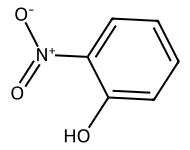
(B)
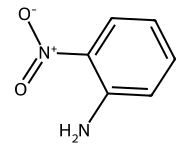
(C)
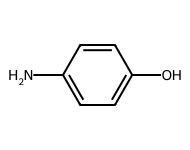
(D)
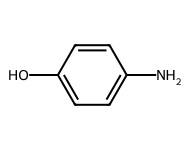
Choose the correct answer from the options given below :
निम्नलिखित में से भाप-वाष्पशील (steam volatile) यौगिक हैं:
(A)
(B)
(C)
(D)
नीचे दिए गए विकल्पों में से सही उत्तर चुनिए:
- A(B) and (D) Onlyकेवल (B) तथा (D)
- B(A) and (C) Onlyकेवल (A) तथा (C)
- C(A), (B) and (C) Onlyकेवल (A), (B) तथा (C)
- D(A) and (B) Onlyकेवल (A) तथा (B)
Show answer
Concept: A compound is steam volatile when intramolecular hydrogen bonding (chelation) prevents association with other molecules, lowering its effective boiling point.
- (A) o-nitrophenol and (B) o-nitroaniline: the −OH/−NH2 hydrogen bonds internally with the adjacent −NO2 → no intermolecular association → steam volatile.
- (C) and (D) are para isomers (amino + hydroxy para to each other): only intermolecular hydrogen bonding is possible → strong association, high boiling → not steam volatile.
Short trick: ortho-substituted –OH/–NH2 with –NO2 = chelation = steam volatile; para = intermolecular = not volatile.
Answer: (D)
अवधारणा: कोई यौगिक तब भाप-वाष्पशील होता है जब अंतःअणुक हाइड्रोजन आबंध (कीलेशन) के कारण वह अन्य अणुओं से संगुणित नहीं होता और उसका प्रभावी क्वथनांक कम हो जाता है।
- (A) o-नाइट्रोफीनॉल तथा (B) o-नाइट्रोऐनिलीन: −OH/−NH2 समीपवर्ती −NO2 के साथ अंतःअणुक हाइड्रोजन आबंध बनाते हैं → अंतराअणुक संगुणन नहीं → भाप-वाष्पशील।
- (C) तथा (D) पैरा समावयवी हैं (ऐमीनो व हाइड्रॉक्सी परस्पर पैरा): केवल अंतराअणुक हाइड्रोजन आबंध संभव है → प्रबल संगुणन, उच्च क्वथनांक → भाप-वाष्पशील नहीं।
शॉर्ट ट्रिक: –NO2 के साथ ortho में –OH/–NH2 = कीलेशन = भाप-वाष्पशील; para = अंतराअणुक = वाष्पशील नहीं।
उत्तर: (D)
JEE Main 2025 (January) – Paper 1 (B.E./B.Tech)ChemistryPurification – steam distillation & H-bondingJEE Main 2025 (January) – Paper 1 (B.E./B.Tech) 2025 · 29 Jan Shift 1
Q32.Given below are two statements :
Statement (I): The radii of isoelectronic species increases in the order. Mg2+ < Na+ < F− < O2−
Statement (II): The magnitude of electron gain enthalpy of halogen decreases in the order. Cl > F > Br > I
In the light of the above statements, choose the most appropriate answer from the options given below :
नीचे दो कथन दिए गए हैं:
कथन (I): समइलेक्ट्रॉनी स्पीशीज़ की त्रिज्याएँ इस क्रम में बढ़ती हैं: Mg2+ < Na+ < F− < O2−
कथन (II): हैलोजनों की इलेक्ट्रॉन लब्धि एन्थैल्पी का परिमाण इस क्रम में घटता है: Cl > F > Br > I
उपर्युक्त कथनों के आलोक में, नीचे दिए गए विकल्पों में से सबसे उपयुक्त उत्तर चुनिए:
- AStatement I is incorrect but Statement II is correctकथन I गलत है परन्तु कथन II सही है
- BStatement I is correct but Statement II is incorrectकथन I सही है परन्तु कथन II गलत है
- CBoth Statement I and Statement II are incorrectकथन I तथा कथन II दोनों गलत हैं
- DBoth Statement I and Statement II are correctकथन I तथा कथन II दोनों सही हैं
Show answer
Concept: In an isoelectronic series, radius decreases with increasing nuclear charge; ΔegH of F is less negative than Cl due to e–e repulsion in the compact 2p subshell.
- All four species have 10 electrons; protons: Mg2+ (12) > Na+ (11) > F− (9) > O2− (8). More protons pull electrons closer, so radii: Mg2+ < Na+ < F− < O2− – Statement I is correct.
- |ΔegH| of halogens: Cl (−349) > F (−328) > Br (−325) > I (−295 kJ mol−1) – fluorine's small size causes inter-electronic repulsion – Statement II is correct.
Short trick: Both are standard NCERT facts – Cl beats F in |ΔegH|, cation < anion in isoelectronic size.
Answer: (D)
अवधारणा: समइलेक्ट्रॉनी श्रेणी में नाभिकीय आवेश बढ़ने पर त्रिज्या घटती है; संकुचित 2p उपकोश में e–e प्रतिकर्षण के कारण F की ΔegH, Cl से कम ऋणात्मक होती है।
- चारों स्पीशीज़ में 10 इलेक्ट्रॉन हैं; प्रोटॉन: Mg2+ (12) > Na+ (11) > F− (9) > O2− (8)। अधिक प्रोटॉन इलेक्ट्रॉनों को अधिक खींचते हैं, अतः त्रिज्याएँ: Mg2+ < Na+ < F− < O2− – कथन I सही है।
- हैलोजनों की |ΔegH|: Cl (−349) > F (−328) > Br (−325) > I (−295 kJ mol−1) – फ्लुओरीन के छोटे आकार से अंतर-इलेक्ट्रॉनिक प्रतिकर्षण होता है – कथन II सही है।
शॉर्ट ट्रिक: दोनों मानक NCERT तथ्य हैं – |ΔegH| में Cl, F से आगे; समइलेक्ट्रॉनी आकार में धनायन < ऋणायन।
उत्तर: (D)
JEE Main 2025 (January) – Paper 1 (B.E./B.Tech)ChemistryPeriodic properties – ionic radii & electron gain enthalpyJEE Main 2025 (January) – Paper 1 (B.E./B.Tech) 2025 · 29 Jan Shift 1
Q33.Match List - I with List - II.
| List - I
(Carbohydrate) | | List - II
(Linkage Source) |
|---|
| (A) | Amylose | (I) | β − C1 − C4, plant |
| (B) | Cellulose | (II) | α − C1 − C4, animal |
| (C) | Glycogen | (III) | α − C1 − C4, α − C1 − C6, plant |
| (D) | Amylopectin | (IV) | α − C1 − C4, plant |
Choose the correct answer from the options given below :
सूची - I का सूची - II से मिलान कीजिए।
| सूची - I
(कार्बोहाइड्रेट) | | सूची - II
(लिंकेज स्रोत) |
|---|
| (A) | ऐमाइलोस | (I) | β − C1 − C4, पादप |
| (B) | सेलुलोस | (II) | α − C1 − C4, जन्तु |
| (C) | ग्लाइकोजन | (III) | α − C1 − C4, α − C1 − C6, पादप |
| (D) | ऐमाइलोपेक्टिन | (IV) | α − C1 − C4, पादप |
नीचे दिए गए विकल्पों में से सही उत्तर चुनिए:
- A(A)-(IV), (B)-(I), (C)-(III), (D)-(II)
- B(A)-(III), (B)-(II), (C)-(I), (D)-(IV)
- C(A)-(II), (B)-(III), (C)-(I), (D)-(IV)
- D(A)-(IV), (B)-(I), (C)-(II), (D)-(III)
Show answer
Concept: Starch (plant) = amylose (linear α-1,4) + amylopectin (branched α-1,4 and α-1,6); glycogen is the animal reserve; cellulose is the β-1,4 plant polymer.
- (A) Amylose: unbranched chain of α-D-glucose joined by α−C1−C4 links, from plants → (IV).
- (B) Cellulose: β−C1−C4 linked glucose units, plant cell walls → (I).
- (C) Glycogen: the animal storage polysaccharide (α-glucosidic linkages) → (II), the only 'animal' entry.
- (D) Amylopectin: branched plant polymer with α−C1−C4 chains and α−C1−C6 branches → (III).
Short trick: Glycogen is 'animal starch' – pin (C)-(II) first; cellulose is the only β – (B)-(I).
Answer: (D)
अवधारणा: स्टार्च (पादप) = ऐमाइलोस (रैखिक α-1,4) + ऐमाइलोपेक्टिन (शाखित α-1,4 व α-1,6); ग्लाइकोजन जन्तु संचित पॉलिसैकेराइड है; सेलुलोस β-1,4 पादप बहुलक है।
- (A) ऐमाइलोस: α-D-ग्लूकोस की अशाखित शृंखला, α−C1−C4 बंधन, पादप स्रोत → (IV)।
- (B) सेलुलोस: β−C1−C4 बंधित ग्लूकोस इकाइयाँ, पादप कोशिका भित्ति → (I)।
- (C) ग्लाइकोजन: जन्तु संचयी पॉलिसैकेराइड (α-ग्लूकोसाइडी बंधन) → (II), एकमात्र 'जन्तु' प्रविष्टि।
- (D) ऐमाइलोपेक्टिन: शाखित पादप बहुलक, α−C1−C4 शृंखलाएँ व α−C1−C6 शाखाएँ → (III)।
शॉर्ट ट्रिक: ग्लाइकोजन = 'जन्तु स्टार्च' – पहले (C)-(II) पक्का कीजिए; β केवल सेलुलोस में – (B)-(I)।
उत्तर: (D)
JEE Main 2025 (January) – Paper 1 (B.E./B.Tech)ChemistryBiomolecules – carbohydratesJEE Main 2025 (January) – Paper 1 (B.E./B.Tech) 2025 · 29 Jan Shift 1
Q34.The molar conductivity of a weak electrolyte when plotted against the square root of its concentration, which of the following is expected to be observed ?
जब किसी दुर्बल विद्युत-अपघट्य की मोलर चालकता को उसकी सांद्रता के वर्गमूल के विरुद्ध आलेखित किया जाता है, तो निम्नलिखित में से क्या प्रेक्षित होने की अपेक्षा है?
- AA small decrease in molar conductivity is observed at infinite dilution.अनन्त तनुता पर मोलर चालकता में थोड़ी कमी प्रेक्षित होती है।
- BMolar conductivity decreases sharply with increase in concentration.सांद्रता बढ़ने पर मोलर चालकता तीव्रता से घटती है।
- CA small increase in molar conductivity is observed at infinite dilution.अनन्त तनुता पर मोलर चालकता में थोड़ी वृद्धि प्रेक्षित होती है।
- DMolar conductivity increases sharply with increase in concentration.सांद्रता बढ़ने पर मोलर चालकता तीव्रता से बढ़ती है।
Show answer
Concept: For a weak electrolyte depends on the degree of dissociation , which rises steeply on dilution.
- On dilution, , so shoots up at very low concentration; conversely, falls sharply as concentration increases.
- The vs plot is a steep curve, so cannot be found by extrapolation (Kohlrausch's law is used instead).
- (A)/(C) are meaningless – at infinite dilution is a limiting constant; (D) is the opposite of the real trend.
Short trick: Weak electrolyte = steep hockey-stick curve; strong electrolyte = gentle straight line.
Answer: (B)
अवधारणा: दुर्बल विद्युत-अपघट्य के लिए वियोजन की मात्रा पर निर्भर करती है, जो तनुकरण पर तीव्रता से बढ़ती है।
- तनुकरण पर , अतः बहुत कम सांद्रता पर तेज़ी से बढ़ती है; इसके विपरीत सांद्रता बढ़ने पर तीव्रता से घटती है।
- बनाम आलेख तीव्र वक्र है, अतः बहिर्वेशन से नहीं मिलता (इसके लिए कोलराउश नियम प्रयुक्त होता है)।
- (A)/(C) अर्थहीन हैं – अनन्त तनुता पर एक सीमान्त स्थिरांक है; (D) वास्तविक प्रवृत्ति के विपरीत है।
शॉर्ट ट्रिक: दुर्बल विद्युत-अपघट्य = तीव्र हॉकी-स्टिक वक्र; प्रबल = मंद सरल रेखा।
उत्तर: (B)
JEE Main 2025 (January) – Paper 1 (B.E./B.Tech)ChemistryElectrochemistry – molar conductivityJEE Main 2025 (January) – Paper 1 (B.E./B.Tech) 2025 · 29 Jan Shift 1
Q35.The standard reduction potential values of some of the p-block ions are given below. Predict the one with the strongest oxidising capacity.
कुछ p-ब्लॉक आयनों के मानक अपचयन विभव के मान नीचे दिए गए हैं। प्रबलतम ऑक्सीकारक क्षमता वाले की भविष्यवाणी कीजिए।
- A
- B
- C
- D
Show answer
Concept: The more positive the standard reduction potential, the greater the tendency of the species to get reduced – hence the stronger its oxidising power.
- Compare: +1.67 V (Pb4+/Pb2+) > +1.26 V (Tl3+/Tl) > +1.15 V (Sn4+/Sn2+) > −1.66 V (Al3+/Al).
- Pb4+ has the highest value → strongest oxidising capacity. Due to the inert pair effect, Pb2+ is far more stable than Pb4+, so Pb4+ is eagerly reduced.
- Al3+/Al is highly negative – Al is a reducing agent, the weakest oxidant here.
Short trick: Biggest positive E° wins as oxidant – just pick +1.67 V.
Answer: (A)
अवधारणा: मानक अपचयन विभव जितना अधिक धनात्मक, स्पीशीज़ के अपचयित होने की प्रवृत्ति उतनी अधिक – अतः उसकी ऑक्सीकारक क्षमता उतनी प्रबल।
- तुलना: +1.67 V (Pb4+/Pb2+) > +1.26 V (Tl3+/Tl) > +1.15 V (Sn4+/Sn2+) > −1.66 V (Al3+/Al)।
- Pb4+ का मान सर्वाधिक → प्रबलतम ऑक्सीकारक क्षमता। अक्रिय युग्म प्रभाव (inert pair effect) से Pb2+, Pb4+ से कहीं अधिक स्थायी है, अतः Pb4+ शीघ्र अपचयित होता है।
- Al3+/Al अत्यधिक ऋणात्मक है – Al अपचायक है, यहाँ सबसे दुर्बल ऑक्सीकारक।
शॉर्ट ट्रिक: सबसे बड़ा धनात्मक E° ही सबसे प्रबल ऑक्सीकारक – सीधे +1.67 V चुनिए।
उत्तर: (A)
JEE Main 2025 (January) – Paper 1 (B.E./B.Tech)ChemistryElectrochemistry / p-block – reduction potentialsJEE Main 2025 (January) – Paper 1 (B.E./B.Tech) 2025 · 29 Jan Shift 1
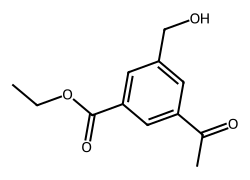
Q36.The product (P) formed in the following reaction is :
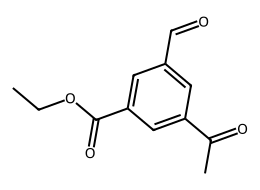
Product (P)
निम्नलिखित अभिक्रिया में बनने वाला उत्पाद (P) है:
उत्पाद (P)
- A
- B
- C
- D
Show answer
Concept: Zn–Hg/HCl (Clemmensen reduction) converts the C=O of aldehydes and ketones to CH2; esters and carboxylic acids are not reduced.
- The substrate has three groups on the ring: –COCH3 (ketone), –COOC2H5 (ester) and –CHO (aldehyde).
- –COCH3 → –CH2CH3 (ethyl); –CHO → –CH3; the ester stays intact.
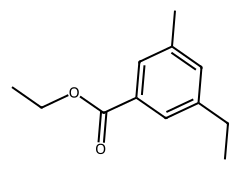
- Product = ethyl 3-ethyl-5-methylbenzoate, i.e. option (A).
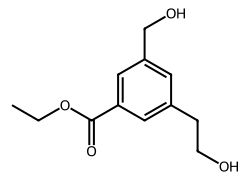
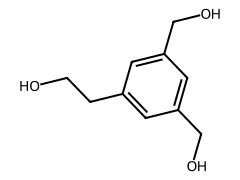
- (B) and (C) show alcohols – Clemmensen never stops at the alcohol (and (C) even reduces the ester); (D) leaves the carbonyls untouched.
Short trick: Clemmensen/Wolff–Kishner: C=O of aldehyde/ketone → CH2; –COOR/–COOH survive.
Answer: (A)
अवधारणा: Zn–Hg/HCl (क्लेमेन्सन अपचयन) ऐल्डिहाइड व कीटोन के C=O को CH2 में बदलता है; एस्टर तथा कार्बोक्सिलिक अम्ल अपचयित नहीं होते।
- क्रियाधार की वलय पर तीन समूह हैं: –COCH3 (कीटोन), –COOC2H5 (एस्टर) तथा –CHO (ऐल्डिहाइड)।
- –COCH3 → –CH2CH3 (एथिल); –CHO → –CH3; एस्टर अपरिवर्तित रहता है।
- उत्पाद = एथिल 3-एथिल-5-मेथिलबेंज़ोएट, अर्थात् विकल्प (A)।
- (B) तथा (C) में ऐल्कोहॉल दिखाए गए हैं – क्लेमेन्सन ऐल्कोहॉल पर नहीं रुकता ((C) में तो एस्टर भी अपचयित है); (D) में कार्बोनिल समूह अपरिवर्तित हैं।
शॉर्ट ट्रिक: क्लेमेन्सन/वुल्फ-किश्नर: ऐल्डिहाइड/कीटोन का C=O → CH2; –COOR/–COOH बचे रहते हैं।
उत्तर: (A)
JEE Main 2025 (January) – Paper 1 (B.E./B.Tech)ChemistryAldehydes & ketones – Clemmensen reductionJEE Main 2025 (January) – Paper 1 (B.E./B.Tech) 2025 · 29 Jan Shift 1
Q37.If is denoted as the Bohr radius of hydrogen atom, then what is the de-Broglie wavelength () of the electron present in the second orbit of hydrogen atom? [n : any integer]
यदि हाइड्रोजन परमाणु की बोर त्रिज्या है, तो हाइड्रोजन परमाणु की द्वितीय कक्षा में उपस्थित इलेक्ट्रॉन की दे-ब्रॉग्ली तरंगदैर्घ्य () क्या है? [n : कोई पूर्णांक]
- A
- B
- C
- D
Show answer
Concept: Bohr's quantisation is equivalent to fitting standing waves in the orbit: , with for hydrogen.
- For the 2nd orbit: and .
- .
- Writing it with the integer n of the 2nd orbit (n = 2): , which equals – option (A).
Short trick: → n = 2 gives ; check which option returns at n = 2.
Answer: (A)
अवधारणा: बोर का क्वांटीकरण कक्षा में अप्रगामी तरंगों के समायोजन के तुल्य है: , तथा हाइड्रोजन के लिए ।
- द्वितीय कक्षा के लिए: तथा ।
- ।
- द्वितीय कक्षा के पूर्णांक n (n = 2) के साथ लिखें: , जो के बराबर है – विकल्प (A)।
शॉर्ट ट्रिक: → n = 2 पर ; देखिए कौन-सा विकल्प n = 2 पर देता है।
उत्तर: (A)
JEE Main 2025 (January) – Paper 1 (B.E./B.Tech)ChemistryAtomic structure – de Broglie wavelength in Bohr orbitJEE Main 2025 (January) – Paper 1 (B.E./B.Tech) 2025 · 29 Jan Shift 1
Q38.Match List - I with List - II.
| List - I
(Structure) | | List - II
(IUPAC Name) |
|---|
| (A) | H3C−CH2−CH(C2H5)−CH2−CH(CH3)−C2H5 | (I) | 4-Methylpent-1-ene |
| (B) | (CH3)2C (C3H7)2 | (II) | 3-Ethyl-5-methylheptane |
| (C) | 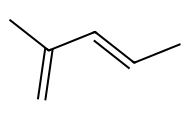 | (III) | 4,4-Dimethylheptane |
| (D) | 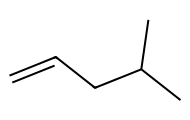 | (IV) | 2-Methyl-1,3-pentadiene |
Choose the correct answer from the options given below :
सूची - I का सूची - II से मिलान कीजिए।
| सूची - I
(संरचना) | | सूची - II
(IUPAC नाम) |
|---|
| (A) | H3C−CH2−CH(C2H5)−CH2−CH(CH3)−C2H5 | (I) | 4-मेथिलपेन्ट-1-ईन |
| (B) | (CH3)2C (C3H7)2 | (II) | 3-एथिल-5-मेथिलहेप्टेन |
| (C) | | (III) | 4,4-डाइमेथिलहेप्टेन |
| (D) | | (IV) | 2-मेथिल-1,3-पेन्टाडाईन |
नीचे दिए गए विकल्पों में से सही उत्तर चुनिए:
- A(A)-(II), (B)-(III), (C)-(IV), (D)-(I)
- B(A)-(II), (B)-(III), (C)-(I), (D)-(IV)
- C(A)-(III), (B)-(II), (C)-(I), (D)-(IV)
- D(A)-(III), (B)-(II), (C)-(IV), (D)-(I)
Show answer
Concept: Pick the longest chain (running through substituents if needed), number from the end giving lowest locants.
- (A) Taking the chain through one ethyl branch gives a 7-carbon chain with C2H5 at C-3 and CH3 at C-5 → 3-ethyl-5-methylheptane → (II).
- (B) A central carbon with two CH3 and two C3H7: the two propyls form a heptane chain with both methyls on C-4 → 4,4-dimethylheptane → (III).
- (C) CH2=C(CH3)−CH=CH−CH3: pentadiene with double bonds at 1,3 and methyl at C-2 → 2-methyl-1,3-pentadiene → (IV).
- (D) CH2=CH−CH2−CH(CH3)−CH3: pent-1-ene with methyl at C-4 → 4-methylpent-1-ene → (I).
Short trick: (C) is the only diene and (D) the only mono-ene – match them to (IV) and (I) first; only one option fits.
Answer: (A)
अवधारणा: सबसे लंबी शृंखला चुनिए (आवश्यक होने पर प्रतिस्थापी से होकर), न्यूनतम स्थानांक देने वाले सिरे से क्रमांकन कीजिए।
- (A) एक एथिल शाखा से होकर शृंखला लेने पर 7 कार्बन की शृंखला मिलती है, जिसमें C-3 पर C2H5 तथा C-5 पर CH3 है → 3-एथिल-5-मेथिलहेप्टेन → (II)।
- (B) केंद्रीय कार्बन पर दो CH3 व दो C3H7: दोनों प्रोपिल मिलकर हेप्टेन शृंखला बनाते हैं, दोनों मेथिल C-4 पर → 4,4-डाइमेथिलहेप्टेन → (III)।
- (C) CH2=C(CH3)−CH=CH−CH3: 1,3 पर द्विआबंध व C-2 पर मेथिल वाला पेन्टाडाईन → 2-मेथिल-1,3-पेन्टाडाईन → (IV)।
- (D) CH2=CH−CH2−CH(CH3)−CH3: C-4 पर मेथिल वाला पेन्ट-1-ईन → 4-मेथिलपेन्ट-1-ईन → (I)।
शॉर्ट ट्रिक: (C) एकमात्र डाईन और (D) एकमात्र मोनो-ईन है – पहले इन्हें (IV) व (I) से मिलाइए; केवल एक विकल्प बचता है।
उत्तर: (A)
JEE Main 2025 (January) – Paper 1 (B.E./B.Tech)ChemistryIUPAC nomenclatureJEE Main 2025 (January) – Paper 1 (B.E./B.Tech) 2025 · 29 Jan Shift 1
Q39.The reaction follows the mechanism
(fast)
(slow)
(fast)
The overall order of the reaction is :
अभिक्रिया निम्न क्रियाविधि का अनुसरण करती है
(तीव्र)
(मंद)
(तीव्र)
अभिक्रिया की समग्र कोटि है:
- A2
- B2.5
- C3
- D1.5
Show answer
Concept: The rate law comes from the slow (rate-determining) step; concentrations of intermediates are replaced using the fast pre-equilibrium.
- Slow step: rate .
- Fast equilibrium: → .
- Rate → order .
Short trick: Dissociative pre-equilibrium always contributes a half power of the parent molecule.
Answer: (D)
अवधारणा: वेग नियम मंद (वेग-निर्धारक) पद से मिलता है; मध्यवर्ती की सांद्रता तीव्र पूर्व-साम्य से प्रतिस्थापित की जाती है।
- मंद पद: वेग ।
- तीव्र साम्य: → ।
- वेग → कोटि ।
शॉर्ट ट्रिक: वियोजनी पूर्व-साम्य सदैव जनक अणु की आधी घात देता है।
उत्तर: (D)
JEE Main 2025 (January) – Paper 1 (B.E./B.Tech)ChemistryChemical kinetics – order from mechanismJEE Main 2025 (January) – Paper 1 (B.E./B.Tech) 2025 · 29 Jan Shift 1
Q40.1.24 g of AX2 (molar mass 124 g mol−1) is dissolved in 1 kg of water to form a solution with boiling point of 100.0156°C, while 25.4 g of AY2 (molar mass 250 g mol−1) in 2 kg of water constitutes a solution with a boiling point of 100.0260°C. Kb(H2O) = 0.52 K kg mol−1
Which of the following is correct ?
1.24 g AX2 (मोलर द्रव्यमान 124 g mol−1) को 1 kg जल में घोलने पर विलयन का क्वथनांक 100.0156°C होता है, जबकि 25.4 g AY2 (मोलर द्रव्यमान 250 g mol−1) को 2 kg जल में घोलने पर विलयन का क्वथनांक 100.0260°C होता है। Kb(H2O) = 0.52 K kg mol−1
निम्नलिखित में से कौन-सा सही है?
- AAX2 is fully ionised while AY2 is completely unionised.AX2 पूर्णतः आयनित है जबकि AY2 पूर्णतः अनायनित है।
- BAX2 is completely unionised while AY2 is fully ionised.AX2 पूर्णतः अनायनित है जबकि AY2 पूर्णतः आयनित है।
- CAX2 and AY2 (both) are completely unionised.AX2 तथा AY2 (दोनों) पूर्णतः अनायनित हैं।
- DAX2 and AY2 (both) are fully ionised.AX2 तथा AY2 (दोनों) पूर्णतः आयनित हैं।
Show answer
Concept: ; comparing observed with the calculated gives the van't Hoff factor .
- AX2: ; ; .
- means AX2 → A2+ + 2X− (3 particles) – fully ionised.
- AY2: ; ; .
- means AY2 stays undissociated – completely unionised.
Short trick: Observed/calculated ΔTb = i: 3 → full ionisation (3 ions); 1 → no ionisation.
Answer: (A)
अवधारणा: ; प्रेक्षित की परिकलित से तुलना करने पर वान्ट हॉफ गुणांक मिलता है।
- AX2: ; ; ।
- अर्थात् AX2 → A2+ + 2X− (3 कण) – पूर्णतः आयनित।
- AY2: ; ; ।
- अर्थात् AY2 अवियोजित रहता है – पूर्णतः अनायनित।
शॉर्ट ट्रिक: प्रेक्षित/परिकलित ΔTb = i: 3 → पूर्ण आयनन (3 आयन); 1 → कोई आयनन नहीं।
उत्तर: (A)
JEE Main 2025 (January) – Paper 1 (B.E./B.Tech)ChemistrySolutions – elevation of boiling point & van't Hoff factorJEE Main 2025 (January) – Paper 1 (B.E./B.Tech) 2025 · 29 Jan Shift 1

