NEET UG · 2,240 questions

NEET UG 2015, 2016, 2017, 2018, 2019, 2020, 2021, 2022, 2023, 2024, 2025, 2026 PYQs

Real previous year questions, subject-wise. Try the question, then open the answer and the explanation in Hindi & English – free, no login.

Courses – airGurukul

200 questions in Botany.

Q181.
The site of perception of light in plants during photoperiodism is:
दीप्तिकालिता (photoperiodism) के दौरान पादपों में प्रकाश के संवेदन का स्थल है:
  1. AAxillary budकक्षस्थ कलिका
  2. BLeafपत्ती
  3. CShoot apexप्ररोह शीर्ष
  4. DStemतना
Show answer

Concept: NCERT: while shoot apices modify into floral meristems, the site of perception of light/dark duration is the leaves; a hormonal substance (florigen) migrates from leaves to the shoot apex.

  1. Leaf perceives photoperiod – (B) correct.
  2. Shoot apex / axillary bud is where flowering occurs (response), not perception – (A), (C) wrong.
  3. Stem only conducts the stimulus – (D) wrong.

Short trick: “Leaf senses, apex flowers” (florigen travels leaf → apex).

Answer: (B) Leaf

अवधारणा: NCERT: यद्यपि प्ररोह शीर्ष पुष्पी विभज्योतक में रूपांतरित होते हैं, परन्तु प्रकाश/अंधकार की अवधि के संवेदन का स्थल पत्तियाँ हैं; एक हॉर्मोनी पदार्थ (फ्लोरिजन) पत्तियों से प्ररोह शीर्ष तक जाता है।

  1. पत्ती दीप्तिकाल का संवेदन करती है – (B) सही।
  2. प्ररोह शीर्ष / कक्षस्थ कलिका पर पुष्पन (अनुक्रिया) होता है, संवेदन नहीं – (A), (C) गलत।
  3. तना केवल उद्दीपन का संवहन करता है – (D) गलत।

शॉर्ट ट्रिक: “पत्ती महसूस करती है, शीर्ष फूलता है” (फ्लोरिजन पत्ती → शीर्ष)।

उत्तर: (B) पत्ती

NEET UGBotanyPlant growth and development – photoperiodismNEET UG 2021 · 12 Sep Shift 1
Q182.
The first stable product of CO2 fixation in sorghum is:
ज्वार (sorghum) में CO2 स्थिरीकरण का प्रथम स्थायी उत्पाद है:
  1. ASuccinic acidसक्सिनिक अम्ल
  2. BPhosphoglyceric acidफॉस्फोग्लिसरिक अम्ल
  3. CPyruvic acidपाइरुविक अम्ल
  4. DOxaloacetic acidऑक्सैलोऐसीटिक अम्ल
Show answer

Concept: Sorghum is a C4 plant (like maize, sugarcane). In mesophyll cells PEP (3C) accepts CO2 via PEP carboxylase forming the 4C oxaloacetic acid (OAA).

  1. PEP + CO2 → OAA (first stable product, 4C) – (D) correct.
  2. Phosphoglyceric acid (3-PGA) is the first product in C3 plants – (B) wrong.
  3. Pyruvic acid is formed in bundle-sheath cells after decarboxylation of malate – (C) wrong.
  4. Succinic acid is a Krebs-cycle intermediate – (A) wrong.

Short trick: C4 plants: “Maize, Sugarcane, Sorghum = MSS → OAA”.

Answer: (D) Oxaloacetic acid

अवधारणा: ज्वार एक C4 पादप है (मक्का, गन्ने की तरह)। पर्णमध्योतक कोशिकाओं में PEP (3C) PEP कार्बोक्सिलेज़ द्वारा CO2 ग्रहण करके 4C ऑक्सैलोऐसीटिक अम्ल (OAA) बनाता है।

  1. PEP + CO2 → OAA (प्रथम स्थायी उत्पाद, 4C) – (D) सही।
  2. फॉस्फोग्लिसरिक अम्ल (3-PGA) C3 पादपों में प्रथम उत्पाद है – (B) गलत।
  3. पाइरुविक अम्ल पूलाच्छद कोशिकाओं में मैलेट के विकार्बोक्सिलन के बाद बनता है – (C) गलत।
  4. सक्सिनिक अम्ल क्रेब्स चक्र का मध्यवर्ती है – (A) गलत।

शॉर्ट ट्रिक: C4 पादप: “मक्का, गन्ना, ज्वार → OAA”।

उत्तर: (D) ऑक्सैलोऐसीटिक अम्ल

NEET UGBotanyPhotosynthesis – C4 pathwayNEET UG 2021 · 12 Sep Shift 1
Q183.
Match List -I with List – II
List IList II
(a) Cristae(i) Primary constriction in chromosome
(b) Thylakoide(ii) Disc-shaped sacs in Golgi apparatus
(c) Centromere(iii) Infoldings in mitochondria
(d) Cisternae(iv) Flattened membranous sacs in stroma of plastids
सूची-I का सूची-II से मिलान कीजिए
सूची Iसूची II
(a) क्रिस्टी(i) गुणसूत्र में प्राथमिक संकीर्णन
(b) थाइलेकॉइड(ii) गॉल्जी उपकरण में चक्रिकाकार कोष
(c) गुणसूत्रबिन्दु(iii) सूत्रकणिका (माइटोकॉन्ड्रिया) में अंतर्वलन
(d) सिस्टर्नी(iv) लवक के पीठिका (स्ट्रोमा) में चपटे झिल्लीमय कोष
  1. A(a)-(iii), (b)-(iv), (c)-(i), (d)-(ii)
  2. B(a)-(ii), (b)-(iii), (c)-(iv), (d)-(i)
  3. C(a)-(iv), (b)-(iii), (c)-(ii), (d)-(i)
  4. D(a)-(i), (b)-(iv), (c)-(iii), (d)-(ii)
Show answer

Concept: NCERT (Cell): the inner mitochondrial membrane forms infoldings called cristae; thylakoids are flattened sacs in the chloroplast stroma; the centromere is the primary constriction; Golgi consists of flat disc-shaped cisternae.

  1. (a) Cristae → infoldings in mitochondria (iii).
  2. (b) Thylakoid → flattened membranous sacs in stroma of plastids (iv).
  3. (c) Centromere → primary constriction (i).
  4. (d) Cisternae → disc-shaped sacs of Golgi (ii).
  5. a-iii, b-iv, c-i, d-ii = (A).

Short trick: “Cristae = Crinkles of mitochondria; Cisternae = Golgi stack”.

Answer: (A) (a)-(iii), (b)-(iv), (c)-(i), (d)-(ii)

अवधारणा: NCERT (कोशिका): सूत्रकणिका की भीतरी झिल्ली क्रिस्टी नामक अंतर्वलन बनाती है; थाइलेकॉइड हरितलवक की पीठिका में चपटे कोष हैं; गुणसूत्रबिन्दु प्राथमिक संकीर्णन है; गॉल्जी चपटे चक्रिकाकार सिस्टर्नी से बना होता है।

  1. (a) क्रिस्टी → सूत्रकणिका में अंतर्वलन (iii)।
  2. (b) थाइलेकॉइड → लवक की पीठिका में चपटे झिल्लीमय कोष (iv)।
  3. (c) गुणसूत्रबिन्दु → प्राथमिक संकीर्णन (i)।
  4. (d) सिस्टर्नी → गॉल्जी के चक्रिकाकार कोष (ii)।
  5. a-iii, b-iv, c-i, d-ii = (A)।

शॉर्ट ट्रिक: “क्रिस्टी = सूत्रकणिका की सिलवटें; सिस्टर्नी = गॉल्जी का ढेर”।

उत्तर: (A) (a)-(iii), (b)-(iv), (c)-(i), (d)-(ii)

NEET UGBotanyCell – cell organellesNEET UG 2021 · 12 Sep Shift 1
Q184.
Complete the flow chart on central dogma.
केन्द्रीय सिद्धान्त (central dogma) पर आधारित प्रवाह चार्ट को पूर्ण कीजिए।
  1. A(a)-Replication; (b)-Transcription; (c)-Translation; (d)-Protein(a)-प्रतिकृतियन (Replication); (b)-अनुलेखन (Transcription); (c)-स्थानांतरण (Translation); (d)-प्रोटीन
  2. B(a)-Transduction; (b)-Translation; (c)-Replication; (d)-Protein(a)-पारक्रमण (Transduction); (b)-स्थानांतरण (Translation); (c)-प्रतिकृतियन (Replication); (d)-प्रोटीन
  3. C(a)-Replication; (b)-Transcription; (c)-Transduction; (d)-Protein(a)-प्रतिकृतियन (Replication); (b)-अनुलेखन (Transcription); (c)-पारक्रमण (Transduction); (d)-प्रोटीन
  4. D(a)-Translation; (b)-Replication; (c)-Transcription; (d)-Transduction(a)-स्थानांतरण (Translation); (b)-प्रतिकृतियन (Replication); (c)-अनुलेखन (Transcription); (d)-पारक्रमण (Transduction)
Show answer

Concept: Central dogma (Crick): DNA → mRNA → protein. The curved arrow on DNA shows DNA copying itself.

  1. (a) the circular arrow on DNA = replication.
  2. (b) DNA → mRNA = transcription.
  3. (c) mRNA → (d) = translation, product (d) = protein.
  4. Transduction is gene transfer by phages, not a step of the central dogma – (B), (C), (D) wrong.

Short trick: Write it like a sentence: DNA copies itself, writes (transcribes) mRNA, which is translated to protein.

Answer: (A) (a)-Replication; (b)-Transcription; (c)-Translation; (d)-Protein

अवधारणा: केन्द्रीय सिद्धान्त (क्रिक): DNA → mRNA → प्रोटीन। DNA पर बना वक्र तीर DNA के स्वयं की प्रतिलिपि बनाने को दर्शाता है।

  1. (a) DNA पर वृत्ताकार तीर = प्रतिकृतियन (replication)।
  2. (b) DNA → mRNA = अनुलेखन (transcription)।
  3. (c) mRNA → (d) = स्थानांतरण (translation), उत्पाद (d) = प्रोटीन।
  4. पारक्रमण (transduction) फेज द्वारा जीन स्थानांतरण है, केन्द्रीय सिद्धान्त का चरण नहीं – (B), (C), (D) गलत।

शॉर्ट ट्रिक: वाक्य की तरह याद रखें: DNA स्वयं की प्रतिलिपि बनाता है, mRNA लिखता (अनुलेखन) है, जो प्रोटीन में अनुवादित (स्थानांतरित) होता है।

उत्तर: (A) (a)-प्रतिकृतियन; (b)-अनुलेखन; (c)-स्थानांतरण; (d)-प्रोटीन

NEET UGBotanyMolecular basis of inheritance – central dogmaNEET UG 2021 · 12 Sep Shift 1
Q185.
Match List -I with List – II
List IList II
(a) Cohesion(i) More attraction in liquid phase
(b) Adhesion(ii) Mutual attraction among water molecules
(c) Surface tension(iii) Water loss in liquid phase
(d) Guttation(iv) Attraction towards polar surfaces
Choose the correct answer from the options given below.
सूची-I का सूची-II से मिलान कीजिए
सूची Iसूची II
(a) संसंजन (Cohesion)(i) द्रव प्रावस्था में अधिक आकर्षण
(b) आसंजन (Adhesion)(ii) जल अणुओं के बीच परस्पर आकर्षण
(c) पृष्ठ तनाव(iii) द्रव प्रावस्था में जल की हानि
(d) बिन्दुस्राव (Guttation)(iv) ध्रुवीय सतहों की ओर आकर्षण
नीचे दिए गए विकल्पों में से सही उत्तर चुनिए।
  1. A(a)-(iii), (b)-(i), (c)-(iv), (d)-(ii)
  2. B(a)-(ii), (b)-(i), (c)-(iv), (d)-(iii)
  3. C(a)-(ii), (b)-(iv), (c)-(i), (d)-(iii)
  4. D(a)-(iv), (b)-(iii), (c)-(ii), (d)-(i)
Show answer

Concept: NCERT (Transport in plants): cohesion – mutual attraction between water molecules; adhesion – attraction of water to polar surfaces (e.g. xylem walls); surface tension – water molecules attracted to each other more in the liquid than in the gas phase; guttation – loss of water in liquid form through hydathodes.

  1. (a) Cohesion → (ii).
  2. (b) Adhesion → (iv).
  3. (c) Surface tension → (i).
  4. (d) Guttation → (iii).
  5. a-ii, b-iv, c-i, d-iii = (C); (B) wrongly gives adhesion (i).

Short trick: Cohesion = co-workers (water–water); Adhesion = address to wall (water–surface).

Answer: (C) (a)-(ii), (b)-(iv), (c)-(i), (d)-(iii)

अवधारणा: NCERT (पादपों में परिवहन): संसंजन – जल अणुओं के बीच परस्पर आकर्षण; आसंजन – जल का ध्रुवीय सतहों (जैसे जाइलम भित्ति) की ओर आकर्षण; पृष्ठ तनाव – जल अणु गैस प्रावस्था की तुलना में द्रव प्रावस्था में परस्पर अधिक आकर्षित होते हैं; बिन्दुस्राव – जलरंध्रों (hydathodes) द्वारा द्रव रूप में जल की हानि।

  1. (a) संसंजन → (ii)।
  2. (b) आसंजन → (iv)।
  3. (c) पृष्ठ तनाव → (i)।
  4. (d) बिन्दुस्राव → (iii)।
  5. a-ii, b-iv, c-i, d-iii = (C); (B) आसंजन को गलत रूप से (i) देता है।

शॉर्ट ट्रिक: Cohesion = साथी-साथी (जल–जल); Adhesion = दीवार से चिपकना (जल–सतह)।

उत्तर: (C) (a)-(ii), (b)-(iv), (c)-(i), (d)-(iii)

NEET UGBotanyTransport in plants – properties of waterNEET UG 2021 · 12 Sep Shift 1
Q186.
Which of the following statements is incorrect?
निम्नलिखित में से कौन-सा कथन गलत है?
  1. AGrana lamellae have both PS I and PS IIग्रैना पटलिकाओं में PS I तथा PS II दोनों होते हैं
  2. BCyclic photophosphorylation involves both PS I and PS II.चक्रीय प्रकाश फॉस्फोरिलीकरण में PS I तथा PS II दोनों भाग लेते हैं।
  3. CBoth ATP and NADPH + H+ are synthesized during non-cyclic photophosphorylation.अचक्रीय प्रकाश फॉस्फोरिलीकरण के दौरान ATP तथा NADPH + H+ दोनों संश्लेषित होते हैं।
  4. DStroma lamellae have PS I only and lack NADP reductaseस्ट्रोमा पटलिकाओं में केवल PS I होता है तथा NADP रिडक्टेज़ अनुपस्थित होता है
Show answer

Concept: NCERT: cyclic photophosphorylation takes place in the stroma lamellae, involves only PS I (P700); electrons cycle back and only ATP is formed.

  1. (A) correct – grana lamellae carry both PS I and PS II.
  2. (B) incorrect – cyclic flow uses PS I only.
  3. (C) correct – non-cyclic (Z-scheme) forms both ATP and NADPH + H+.
  4. (D) correct – stroma lamellae lack PS II and NADP reductase, hence only cyclic flow there.

Short trick: “Cyclic = 1 PS, 1 product (ATP)”; non-cyclic = 2 PS, 2 products.

Answer: (B) Cyclic photophosphorylation involves both PS I and PS II.

अवधारणा: NCERT: चक्रीय प्रकाश फॉस्फोरिलीकरण स्ट्रोमा पटलिकाओं में होता है, इसमें केवल PS I (P700) भाग लेता है; इलेक्ट्रॉन चक्र में वापस लौटते हैं तथा केवल ATP बनता है।

  1. (A) सही – ग्रैना पटलिकाओं में PS I तथा PS II दोनों होते हैं।
  2. (B) गलत – चक्रीय प्रवाह में केवल PS I प्रयुक्त होता है।
  3. (C) सही – अचक्रीय (Z-योजना) में ATP तथा NADPH + H+ दोनों बनते हैं।
  4. (D) सही – स्ट्रोमा पटलिकाओं में PS II तथा NADP रिडक्टेज़ नहीं होते, इसलिए वहाँ केवल चक्रीय प्रवाह होता है।

शॉर्ट ट्रिक: “चक्रीय = 1 PS, 1 उत्पाद (ATP)”; अचक्रीय = 2 PS, 2 उत्पाद।

उत्तर: (B) चक्रीय प्रकाश फॉस्फोरिलीकरण में PS I तथा PS II दोनों…

NEET UGBotanyPhotosynthesis – photophosphorylationNEET UG 2021 · 12 Sep Shift 1
Q187.
Select the correct pair.
सही युग्म का चयन कीजिए।
  1. ACells of medullary rays that form part of cambial ring - Interfascicular cambiumमज्जा किरणों की वे कोशिकाएँ जो एधा वलय का भाग बनाती हैं - अंतरापूलीय एधा
  2. BLoose parenchyma cells rupturing the epidermis and forming a lens-shaped opening in bark - Spongy parenchymaशिथिल मृदूतक कोशिकाएँ जो बाह्यत्वचा को फाड़कर छाल में लेंस-आकार का छिद्र बनाती हैं - स्पंजी मृदूतक
  3. CLarge colorless empty cells in the epidermis of grass leaves – Subsidiary cellsघासों की पत्तियों की बाह्यत्वचा में बड़ी रंगहीन रिक्त कोशिकाएँ – सहायक कोशिकाएँ
  4. DIn dicot leaves, vascular bundles are surrounded by large thick-walled cells– Conjunctive tissueद्विबीजपत्री पत्तियों में संवहन पूल बड़ी मोटी भित्ति वाली कोशिकाओं से घिरे रहते हैं – संयोजी ऊतक
Show answer

Concept: NCERT: in dicot stem, cells of medullary rays adjoining the intrafascicular cambium become meristematic and form the interfascicular cambium, completing the cambial ring.

  1. (A) correct pair.
  2. (B) wrong – these loose cells (complementary cells) form lenticels; spongy parenchyma is in leaf mesophyll.
  3. (C) wrong – large colourless empty cells in grass-leaf epidermis are bulliform cells; subsidiary cells surround guard cells.
  4. (D) wrong – the large thick-walled cells around leaf vascular bundles are the bundle sheath; conjunctive tissue is parenchyma between xylem and phloem in roots.

Short trick: Each wrong option has a “swapped name”: lenticel, bulliform, bundle sheath → only (A) is untouched.

Answer: (A) Cells of medullary rays … – Interfascicular cambium

अवधारणा: NCERT: द्विबीजपत्री तने में अंतःपूलीय एधा से सटी मज्जा किरणों की कोशिकाएँ विभज्योतकी होकर अंतरापूलीय एधा बनाती हैं, जिससे एधा वलय पूर्ण होता है।

  1. (A) सही युग्म।
  2. (B) गलत – ये शिथिल कोशिकाएँ (पूरक कोशिकाएँ) वातरंध्र (lenticels) बनाती हैं; स्पंजी मृदूतक पत्ती के पर्णमध्योतक में होता है।
  3. (C) गलत – घास की पत्ती की बाह्यत्वचा में बड़ी रंगहीन रिक्त कोशिकाएँ आवर्ध त्वक कोशिकाएँ (bulliform cells) हैं; सहायक कोशिकाएँ द्वार कोशिकाओं को घेरती हैं।
  4. (D) गलत – पत्ती के संवहन पूलों के चारों ओर बड़ी मोटी भित्ति वाली कोशिकाएँ पूलाच्छद (bundle sheath) हैं; संयोजी ऊतक जड़ों में जाइलम तथा फ्लोएम के बीच का मृदूतक है।

शॉर्ट ट्रिक: प्रत्येक गलत विकल्प में “नाम बदला हुआ” है: वातरंध्र, आवर्ध त्वक, पूलाच्छद → केवल (A) अपरिवर्तित।

उत्तर: (A) मज्जा किरणों की कोशिकाएँ … – अंतरापूलीय एधा

NEET UGBotanyAnatomy – tissues of leaf and stemNEET UG 2021 · 12 Sep Shift 1
Q188.
Identify the correct statement.
सही कथन की पहचान कीजिए।
  1. AThe coding strand in a transcription unit is copied to an mRNAअनुलेखन इकाई का कूटलेखन रज्जुक (coding strand) mRNA में प्रतिलिपित होता है
  2. BSplit gene arrangement is characteristic of prokaryotesखण्डित जीन (split gene) व्यवस्था प्रोकैरियोट की विशेषता है
  3. CIn capping, methyl guanosine triphosphate is added to the 3’ end of hnRNA.कैपिंग में, मेथिल ग्वानोसीन ट्राइफॉस्फेट hnRNA के 3’ सिरे पर जोड़ा जाता है।
  4. DRNA polymerase binds with Rho factor to terminate the process of transcription in bacteria.जीवाणुओं में अनुलेखन की प्रक्रिया को समाप्त करने के लिए RNA पॉलिमरेज़ Rho कारक से जुड़ता है।
Show answer

Concept: NCERT: in bacteria, RNA polymerase associates transiently with the initiation factor σ (sigma) to start and with the termination factor ρ (rho) to terminate transcription.

  1. (A) wrong – the template strand (3’→5’) is copied; the coding strand has the same sequence as mRNA (T in place of U).
  2. (B) wrong – split genes (exons + introns) are characteristic of eukaryotes.
  3. (C) wrong – the methyl guanosine triphosphate cap is added to the 5’ end; poly-A tail is added at the 3’ end.
  4. (D) correct – rho factor terminates transcription in bacteria.

Short trick: “σ starts, ρ stops”; “Cap at 5’, tail at 3’”.

Answer: (D) RNA polymerase binds with Rho factor…

अवधारणा: NCERT: जीवाणुओं में RNA पॉलिमरेज़ अनुलेखन शुरू करने के लिए प्रारम्भन कारक σ (सिग्मा) से तथा समाप्त करने के लिए समापन कारक ρ (रो) से अस्थायी रूप से जुड़ता है।

  1. (A) गलत – टेम्पलेट (साँचा) रज्जुक (3’→5’) प्रतिलिपित होता है; कूटलेखन रज्जुक का अनुक्रम mRNA जैसा ही होता है (U के स्थान पर T)।
  2. (B) गलत – खण्डित जीन (एक्सॉन + इन्ट्रॉन) यूकैरियोट की विशेषता है।
  3. (C) गलत – मेथिल ग्वानोसीन ट्राइफॉस्फेट कैप 5’ सिरे पर जोड़ा जाता है; पॉली-A पुच्छ 3’ सिरे पर जुड़ती है।
  4. (D) सही – जीवाणुओं में रो कारक अनुलेखन समाप्त करता है।

शॉर्ट ट्रिक: “σ शुरू करता है, ρ रोकता है”; “कैप 5’ पर, पुच्छ 3’ पर”।

उत्तर: (D) RNA पॉलिमरेज़ Rho कारक से जुड़ता है…

NEET UGBotanyMolecular basis of inheritance – transcriptionNEET UG 2021 · 12 Sep Shift 1
Q189.
Match List -I with List – II
List IList II
(a) S phase(i) Proteins are synthesized
(b) G2 phase(ii) Inactive phase
(c) Quiescent stage(iii) Interval between mitosis and initiation of DNA replication
(d) G1 phase(iv) DNA replication
सूची-I का सूची-II से मिलान कीजिए
सूची Iसूची II
(a) S प्रावस्था(i) प्रोटीन संश्लेषित होते हैं
(b) G2 प्रावस्था(ii) निष्क्रिय प्रावस्था
(c) शांत (quiescent) अवस्था(iii) समसूत्री विभाजन तथा DNA प्रतिकृतियन के प्रारम्भ के बीच का अंतराल
(d) G1 प्रावस्था(iv) DNA प्रतिकृतियन
  1. A(a)-(iv), (b)-(i), (c)-(ii), (d)-(iii)
  2. B(a)-(ii), (b)-(iv), (c)-(iii), (d)-(i)
  3. C(a)-(iii), (b)-(ii), (c)-(i), (d)-(iv)
  4. D(a)-(iv), (b)-(ii), (c)-(iii), (d)-(i)
Show answer

Concept: NCERT: G1 = interval between mitosis and initiation of DNA replication; S = DNA synthesis/replication; G2 = proteins synthesised in preparation for mitosis; G0 (quiescent stage) = metabolically active but no longer proliferating (inactive phase of the cycle).

  1. (a) S phase → DNA replication (iv).
  2. (b) G2 → proteins synthesised (i).
  3. (c) Quiescent stage (G0) → inactive phase (ii).
  4. (d) G1 → interval between mitosis and DNA replication (iii).
  5. a-iv, b-i, c-ii, d-iii = (A); (D) wrongly makes G2 inactive.

Short trick: S = Synthesis of DNA; G1 comes before S, G2 after S; G0 = “zero activity” (quiescent).

Answer: (A) (a)-(iv), (b)-(i), (c)-(ii), (d)-(iii)

अवधारणा: NCERT: G1 = समसूत्री विभाजन तथा DNA प्रतिकृतियन के प्रारम्भ के बीच का अंतराल; S = DNA संश्लेषण/प्रतिकृतियन; G2 = समसूत्री विभाजन की तैयारी में प्रोटीन संश्लेषण; G0 (शांत अवस्था) = उपापचयी रूप से सक्रिय पर विभाजित नहीं होती (चक्र की निष्क्रिय प्रावस्था)।

  1. (a) S प्रावस्था → DNA प्रतिकृतियन (iv)।
  2. (b) G2 → प्रोटीन संश्लेषण (i)।
  3. (c) शांत अवस्था (G0) → निष्क्रिय प्रावस्था (ii)।
  4. (d) G1 → समसूत्री विभाजन तथा DNA प्रतिकृतियन के बीच अंतराल (iii)।
  5. a-iv, b-i, c-ii, d-iii = (A); (D) G2 को गलत रूप से निष्क्रिय बताता है।

शॉर्ट ट्रिक: S = DNA का संश्लेषण; G1 S से पहले, G2 S के बाद; G0 = “शून्य सक्रियता” (शांत)।

उत्तर: (A) (a)-(iv), (b)-(i), (c)-(ii), (d)-(iii)

NEET UGBotanyCell cycle – phases of interphaseNEET UG 2021 · 12 Sep Shift 1
Q190.
Match list I with list II.
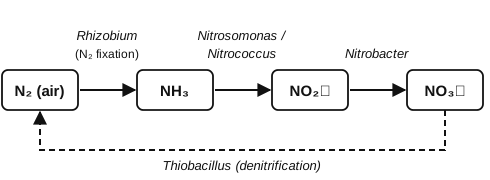
List IList II
(a) Nitrococcus(i) Denitrification
(b) Rhizobium(ii) Conversion of ammonia to nitrite
(c) Thiobacillus(iii) Conversion of nitrite to nitrate
(d) Nitrobacter(iv) Conversion of atmospheric nitrogen to ammonia
सूची I का सूची II से मिलान कीजिए।
सूची Iसूची II
(a) Nitrococcus(i) विनाइट्रीकरण
(b) Rhizobium(ii) अमोनिया का नाइट्राइट में रूपांतरण
(c) Thiobacillus(iii) नाइट्राइट का नाइट्रेट में रूपांतरण
(d) Nitrobacter(iv) वायुमंडलीय नाइट्रोजन का अमोनिया में रूपांतरण
  1. A(a)-(iii); (b)-(i); (c)-(iv); (d)-(ii)
  2. B(a)-(iv); (b)-(iii); (c)-(ii); (d)-(i)
  3. C(a)-(ii); (b)-(iv); (c)-(i); (d)-(iii)
  4. D(a)-(i); (b)-(ii); (c)-(iii); (d)-(iv)
Show answer

Concept: NCERT (Mineral nutrition): ammonia is oxidised to nitrite by Nitrosomonas/Nitrococcus, nitrite to nitrate by Nitrobacter; Rhizobium fixes N2 to ammonia in root nodules; Pseudomonas and Thiobacillus carry out denitrification.

  1. (a) Nitrococcus → NH3 to NO2− (ii).
  2. (b) Rhizobium → N2 to NH3 (iv).
  3. (c) Thiobacillus → denitrification (i).
  4. (d) Nitrobacter → NO2− to NO3− (iii).
  5. a-ii, b-iv, c-i, d-iii = (C).

Short trick: Alphabet order of the oxidation: Nitroso/coccus come first (→ nitrite), Nitrobacter “becomes nitrate”.

Answer: (C) (a)-(ii); (b)-(iv); (c)-(i); (d)-(iii)

अवधारणा: NCERT (खनिज पोषण): अमोनिया का नाइट्राइट में ऑक्सीकरण Nitrosomonas/Nitrococcus द्वारा, नाइट्राइट का नाइट्रेट में Nitrobacter द्वारा होता है; Rhizobium मूल ग्रंथिकाओं में N2 को अमोनिया में स्थिर करता है; Pseudomonas तथा Thiobacillus विनाइट्रीकरण करते हैं।

  1. (a) Nitrococcus → NH3 से NO2− (ii)।
  2. (b) Rhizobium → N2 से NH3 (iv)।
  3. (c) Thiobacillus → विनाइट्रीकरण (i)।
  4. (d) Nitrobacter → NO2− से NO3− (iii)।
  5. a-ii, b-iv, c-i, d-iii = (C)।

शॉर्ट ट्रिक: ऑक्सीकरण का क्रम: Nitroso/coccus पहले (→ नाइट्राइट), Nitrobacter बाद में (→ नाइट्रेट)।

उत्तर: (C) (a)-(ii); (b)-(iv); (c)-(i); (d)-(iii)

NEET UGBotanyMineral nutrition – nitrogen cycleNEET UG 2021 · 12 Sep Shift 1
Q191.
Match list I with list II.
List IList II
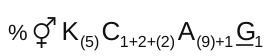
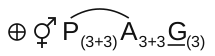
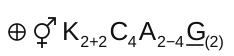
(a) (i) Brassicaceae
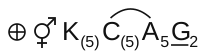
(b) (ii) Liliaceae
(c) (iii) Fabaceae
(d) (iv) Solanaceae
सूची I का सूची II से मिलान कीजिए।
सूची Iसूची II
(a) (i) ब्रैसिकेसी
(b) (ii) लिलिएसी
(c) (iii) फैबेसी
(d) (iv) सोलेनेसी
  1. A(a)-(ii); (b)-(iii); (c)-(iv); (d)-(i)
  2. B(a)-(iv); (b)-(ii); (c)-(i); (d)-(iii)
  3. C(a)-(iii); (b)-(iv); (c)-(ii); (d)-(i)
  4. D(a)-(i); (b)-(ii); (c)-(iii); (d)-(iv)
Show answer

Concept: Read the key feature of each floral formula: zygomorphy + vexillary corolla, epipetalous stamens, perianth (P), tetradynamous stamens.

  1. (a) % (zygomorphic), C1+2+(2) (standard, wings, keel), A(9)+1 (diadelphous), G1 (monocarpellary) → Fabaceae (iii).
  2. (b) ⊕, K(5), C(5) with epipetalous A5 (arc), bicarpellary superior ovary → Solanaceae (iv).
  3. (c) P(3+3) (perianth, no separate calyx/corolla), epiphyllous A3+3, G(3) → Liliaceae (ii).
  4. (d) K2+2 C4 (cruciform), 6 stamens in 2 + 4 (tetradynamous), G(2) → Brassicaceae (i).
  5. a-iii, b-iv, c-ii, d-i = (C).

Short trick: “P = perianth = monocot (Liliaceae)”, “(9)+1 = pea family”, “2+2 / 4 = mustard (cross)”.

Answer: (C) (a)-(iii); (b)-(iv); (c)-(ii); (d)-(i)

अवधारणा: प्रत्येक पुष्प सूत्र की मुख्य विशेषता पढ़ें: एकव्यास सममिति + ध्वजक दलविन्यास, दललग्न पुंकेसर, परिदलपुंज (P), चतुर्दीर्घी पुंकेसर।

  1. (a) % (एकव्यास सममित), C1+2+(2) (ध्वजक, पंख, नौतल), A(9)+1 (द्विसंघी), G1 (एकाण्डपी) → फैबेसी (iii)।
  2. (b) ⊕, K(5), C(5) के साथ दललग्न A5 (चाप), द्विअण्डपी ऊर्ध्ववर्ती अण्डाशय → सोलेनेसी (iv)।
  3. (c) P(3+3) (परिदलपुंज, अलग बाह्यदलपुंज/दलपुंज नहीं), परिदललग्न A3+3, G(3) → लिलिएसी (ii)।
  4. (d) K2+2 C4 (क्रूसरूपी), 2 + 4 में 6 पुंकेसर (चतुर्दीर्घी), G(2) → ब्रैसिकेसी (i)।
  5. a-iii, b-iv, c-ii, d-i = (C)।

शॉर्ट ट्रिक: “P = परिदलपुंज = एकबीजपत्री (लिलिएसी)”, “(9)+1 = मटर कुल”, “2+2 / 4 = सरसों (क्रॉस)”।

उत्तर: (C) (a)-(iii); (b)-(iv); (c)-(ii); (d)-(i)

NEET UGBotanyMorphology – floral formulae of familiesNEET UG 2021 · 12 Sep Shift 1
Q192.
Match list I with list II.
List IList II
(a) Protein(i) C = C double bonds
(b) Unsaturated fatty acid(ii) Phosphodiester bonds
(c) Nucleic acid(iii) Glycosidic bonds
(d) Polysaccharide(iv) Peptide bonds
सूची I का सूची II से मिलान कीजिए।
सूची Iसूची II
(a) प्रोटीन(i) C = C द्विबंध
(b) असंतृप्त वसा अम्ल(ii) फॉस्फोडाइएस्टर आबंध
(c) न्यूक्लिक अम्ल(iii) ग्लाइकोसिडिक आबंध
(d) पॉलीसैकेराइड(iv) पेप्टाइड आबंध
  1. A(a)-(ii); (b)-(i); (c)-(iv); (d)-(iii)
  2. B(a)-(iv); (b)-(iii); (c)-(i); (d)-(ii)
  3. C(a)-(iv); (b)-(i); (c)-(ii); (d)-(iii)
  4. D(a)-(i); (b)-(iv); (c)-(iii); (d)-(ii)
Show answer

Concept: Each biopolymer has a characteristic linkage between its monomers.

  1. (a) Protein – amino acids joined by peptide bonds (iv).
  2. (b) Unsaturated fatty acid – has one or more C = C double bonds (i).
  3. (c) Nucleic acid – nucleotides joined by 3’-5’ phosphodiester bonds (ii).
  4. (d) Polysaccharide – monosaccharides joined by glycosidic bonds (iii).
  5. a-iv, b-i, c-ii, d-iii = (C).

Short trick: “P-P, N-P, S-G”: Protein-Peptide, Nucleic-Phosphodiester, Sugar-Glycosidic.

Answer: (C) (a)-(iv); (b)-(i); (c)-(ii); (d)-(iii)

अवधारणा: प्रत्येक जैव बहुलक में उसके एकलकों के बीच एक विशिष्ट बंधन होता है।

  1. (a) प्रोटीन – अमीनो अम्ल पेप्टाइड आबंध से जुड़े (iv)।
  2. (b) असंतृप्त वसा अम्ल – एक या अधिक C = C द्विबंध (i)।
  3. (c) न्यूक्लिक अम्ल – न्यूक्लियोटाइड 3’-5’ फॉस्फोडाइएस्टर आबंध से जुड़े (ii)।
  4. (d) पॉलीसैकेराइड – मोनोसैकेराइड ग्लाइकोसिडिक आबंध से जुड़े (iii)।
  5. a-iv, b-i, c-ii, d-iii = (C)।

शॉर्ट ट्रिक: “P-P, N-P, S-G”: प्रोटीन-पेप्टाइड, न्यूक्लिक-फॉस्फोडाइएस्टर, शर्करा-ग्लाइकोसिडिक।

उत्तर: (C) (a)-(iv); (b)-(i); (c)-(ii); (d)-(iii)

NEET UGBotanyBiomolecules – bonds in biomoleculesNEET UG 2021 · 12 Sep Shift 1
Q193.
Which of the following statements is incorrect?
निम्नलिखित में से कौन-सा कथन गलत है?
  1. AATP is synthesized through complex VATP का संश्लेषण संकुल V द्वारा होता है
  2. BOxidation-reduction reactions produce proton gradient in respiration.श्वसन में ऑक्सीकरण-अपचयन अभिक्रियाएँ प्रोटॉन प्रवणता उत्पन्न करती हैं।
  3. CDuring aerobic respiration, role of oxygen is limited to the terminal stageवायवीय श्वसन के दौरान ऑक्सीजन की भूमिका अंतिम चरण तक सीमित है
  4. DIn ETC (Electron Transport Chain), one molecule of NADH + H+ gives rise to 2 ATP molecules, and one FADH2 gives rise to 3 ATP moleculesETC (इलेक्ट्रॉन परिवहन तंत्र) में NADH + H+ का एक अणु 2 ATP अणु तथा FADH2 का एक अणु 3 ATP अणु उत्पन्न करता है
Show answer

Concept: NCERT: oxidation of one NADH + H+ gives 3 ATP and one FADH2 gives 2 ATP (the values are reversed in statement (D)).

  1. (A) correct – complex V (F0-F1 ATP synthase) makes ATP.
  2. (B) correct – redox reactions in the ETC pump protons and create the gradient.
  3. (C) correct – O2 acts only as the final hydrogen/electron acceptor at the terminal stage.
  4. (D) incorrect – NADH → 3 ATP, FADH2 → 2 ATP (FADH2 enters at complex II, bypassing one proton-pumping site).

Short trick: “N = 3, F = 2” – NADH enters earlier (complex I), so it earns more ATP.

Answer: (D) In ETC, one NADH + H+ gives 2 ATP and one FADH2 gives 3 ATP

अवधारणा: NCERT: NADH + H+ के एक अणु के ऑक्सीकरण से 3 ATP तथा FADH2 के एक अणु से 2 ATP बनते हैं (कथन (D) में मान उलटे हैं)।

  1. (A) सही – संकुल V (F0-F1 ATP सिंथेज़) ATP बनाता है।
  2. (B) सही – ETC में रेडॉक्स अभिक्रियाएँ प्रोटॉन पम्प करके प्रवणता बनाती हैं।
  3. (C) सही – O2 केवल अंतिम चरण में अंतिम हाइड्रोजन/इलेक्ट्रॉन ग्राही का कार्य करती है।
  4. (D) गलत – NADH → 3 ATP, FADH2 → 2 ATP (FADH2 संकुल II पर प्रवेश करता है, एक प्रोटॉन-पम्पिंग स्थल छूट जाता है)।

शॉर्ट ट्रिक: “N = 3, F = 2” – NADH पहले (संकुल I पर) प्रवेश करता है, इसलिए अधिक ATP देता है।

उत्तर: (D) ETC में NADH + H+ से 2 ATP तथा FADH2 से 3 ATP

NEET UGBotanyRespiration in plants – electron transport chainNEET UG 2021 · 12 Sep Shift 1
Q194.
DNA fingerprinting involves identifying differences in some specific regions in DNA sequence, called as:
DNA फिंगरप्रिंटिंग में DNA अनुक्रम के कुछ विशिष्ट क्षेत्रों में अंतर की पहचान की जाती है, जिन्हें कहते हैं:
  1. ASingle nucleotidesएकल न्यूक्लियोटाइड
  2. BPolymorphic DNAबहुरूपी DNA
  3. CSatellite DNAअनुषंगी (सैटेलाइट) DNA
  4. DRepetitive DNAपुनरावृत्त DNA
Show answer

Concept: NCERT (exact line): “DNA fingerprinting involves identifying differences in some specific regions in DNA sequence called as repetitive DNA, because in these sequences a small stretch of DNA is repeated many times.”

  1. Repetitive DNA is the term used in this definition – (D) correct.
  2. Satellite DNA is the separated peak of repetitive DNA on density-gradient centrifugation; it is a part of repetitive DNA, not the defining term here – (C) not the intended answer.
  3. Polymorphism is the property (variation) these regions show – (B) wrong.
  4. Single nucleotides (SNPs) are a different marker type – (A) wrong.

Short trick: Quote the NCERT definition word-for-word: “… specific regions … called as repetitive DNA”.

Answer: (D) Repetitive DNA

अवधारणा: NCERT (शब्दशः): “DNA फिंगरप्रिंटिंग में DNA अनुक्रम के कुछ विशिष्ट क्षेत्रों में अंतर की पहचान की जाती है जिन्हें पुनरावृत्त DNA कहते हैं, क्योंकि इन अनुक्रमों में DNA का एक छोटा भाग कई बार दोहराया जाता है।”

  1. इस परिभाषा में प्रयुक्त शब्द पुनरावृत्त DNA है – (D) सही।
  2. अनुषंगी DNA घनत्व-प्रवणता अपकेन्द्रण पर पुनरावृत्त DNA का अलग शिखर है; यह पुनरावृत्त DNA का एक भाग है, यहाँ परिभाषित शब्द नहीं – (C) अभीष्ट उत्तर नहीं।
  3. बहुरूपता वह गुण (भिन्नता) है जो ये क्षेत्र दर्शाते हैं – (B) गलत।
  4. एकल न्यूक्लियोटाइड (SNP) एक भिन्न प्रकार के चिह्नक हैं – (A) गलत।

शॉर्ट ट्रिक: NCERT परिभाषा शब्दशः याद रखें: “… विशिष्ट क्षेत्र … जिन्हें पुनरावृत्त DNA कहते हैं”।

उत्तर: (D) पुनरावृत्त DNA

NEET UGBotanyMolecular basis of inheritance – DNA fingerprintingNEET UG 2021 · 12 Sep Shift 1
Q195.
Which of the following statements is correct?
निम्नलिखित में से कौन-सा कथन सही है?
  1. AOrganisms that depend on living plants are called saprophytesजीवित पादपों पर निर्भर जीव मृतोपजीवी कहलाते हैं
  2. BSome of the organisms can fix atmospheric nitrogen in specialized cells called sheath cellsकुछ जीव आच्छद कोशिकाएँ (sheath cells) कहलाने वाली विशिष्ट कोशिकाओं में वायुमंडलीय नाइट्रोजन का स्थिरीकरण कर सकते हैं
  3. CFusion of two cells is called Karyogamy.दो कोशिकाओं का संलयन केन्द्रक-संलयन (Karyogamy) कहलाता है।
  4. DFusion of protoplasms between two motile or non-motile gametes is called plasmogamyदो चल या अचल युग्मकों के बीच जीवद्रव्य का संलयन जीवद्रव्य-संलयन (plasmogamy) कहलाता है
Show answer

Concept: NCERT (Fungi): sexual cycle = plasmogamy (fusion of protoplasms of two motile or non-motile gametes) → karyogamy (fusion of two nuclei) → meiosis in zygote.

  1. (A) wrong – organisms depending on living plants are parasites; saprophytes feed on dead organic matter.
  2. (B) wrong – cyanobacteria fix N2 in specialised cells called heterocysts.
  3. (C) wrong – karyogamy is fusion of two nuclei, not cells.
  4. (D) correct – exact NCERT definition of plasmogamy.

Short trick: Plasma-gamy = cytoplasm fuses; Karyo-gamy = nucleus (karyon) fuses.

Answer: (D) Fusion of protoplasms between two motile or non-motile gametes is called plasmogamy

अवधारणा: NCERT (कवक): लैंगिक चक्र = जीवद्रव्य-संलयन (दो चल या अचल युग्मकों के जीवद्रव्य का संलयन) → केन्द्रक-संलयन (दो केन्द्रकों का संलयन) → युग्मनज में अर्धसूत्री विभाजन।

  1. (A) गलत – जीवित पादपों पर निर्भर जीव परजीवी होते हैं; मृतोपजीवी मृत कार्बनिक पदार्थों पर निर्भर होते हैं।
  2. (B) गलत – सायनोबैक्टीरिया हेटेरोसिस्ट (विषमपुटी) नामक विशिष्ट कोशिकाओं में N2 स्थिर करते हैं।
  3. (C) गलत – केन्द्रक-संलयन दो केन्द्रकों का संलयन है, कोशिकाओं का नहीं।
  4. (D) सही – जीवद्रव्य-संलयन की NCERT परिभाषा।

शॉर्ट ट्रिक: Plasma-gamy = कोशिकाद्रव्य का संलयन; Karyo-gamy = केन्द्रक (karyon) का संलयन।

उत्तर: (D) दो चल या अचल युग्मकों के बीच जीवद्रव्य का संलयन जीवद्रव्य-संलयन कहलाता है

NEET UGBotanyBiological classification – fungi and nutritionNEET UG 2021 · 12 Sep Shift 1
Q196.
Now a days it is possible to detect the mutated gene causing cancer by allowing radioactive probe to hybridise its complementary DNA in a clone of cells, followed by its detection using autoradiography because :
आजकल कोशिकाओं के एक क्लोन में रेडियोसक्रिय प्रोब को उसके पूरक DNA से संकरित होने देकर तथा उसके बाद ऑटोरेडियोग्राफी द्वारा संसूचन करके कैंसर उत्पन्न करने वाले उत्परिवर्तित जीन का पता लगाना संभव है, क्योंकि:
  1. Amutated gene does not appear on a Photographic film as the probe has no complementarity with itउत्परिवर्तित जीन फोटोग्राफिक फिल्म पर दिखाई नहीं देता क्योंकि प्रोब की उसके साथ पूरकता नहीं होती
  2. Bmutated gene does not appear on Photographic film as the probe has complementarity with itउत्परिवर्तित जीन फोटोग्राफिक फिल्म पर दिखाई नहीं देता क्योंकि प्रोब की उसके साथ पूरकता होती है
  3. Cmutated gene partially appears on a photographic filmउत्परिवर्तित जीन फोटोग्राफिक फिल्म पर आंशिक रूप से दिखाई देता है
  4. Dmutated gene completely and clearly appears on a photographic film.उत्परिवर्तित जीन फोटोग्राफिक फिल्म पर पूर्णतः तथा स्पष्ट रूप से दिखाई देता है।
Show answer

Concept: NCERT: a probe (radioactively labelled ss DNA/RNA) is allowed to hybridise to its complementary DNA in a clone of cells and detected by autoradiography; the clone having the mutated gene will not appear on the photographic film, because the probe will not have complementarity with the mutated gene.

  1. Normal gene → probe binds → signal on film.
  2. Mutated gene → sequence changed → probe cannot pair → no signal – (A) correct.
  3. (B) is self-contradictory – complementarity would give a signal.
  4. (C), (D) – the mutated gene does not appear at all.

Short trick: “No match, no mark” – absence of the band reveals the mutation.

Answer: (A) mutated gene does not appear … as the probe has no complementarity with it

अवधारणा: NCERT: प्रोब (रेडियोसक्रिय चिह्नित एकल रज्जुक DNA/RNA) को कोशिकाओं के क्लोन में उसके पूरक DNA से संकरित होने दिया जाता है तथा ऑटोरेडियोग्राफी से संसूचित किया जाता है; उत्परिवर्तित जीन वाला क्लोन फोटोग्राफिक फिल्म पर दिखाई नहीं देगा, क्योंकि प्रोब की उत्परिवर्तित जीन से पूरकता नहीं होगी।

  1. सामान्य जीन → प्रोब जुड़ता है → फिल्म पर संकेत।
  2. उत्परिवर्तित जीन → अनुक्रम बदला हुआ → प्रोब युग्मित नहीं होता → कोई संकेत नहीं – (A) सही।
  3. (B) स्व-विरोधी है – पूरकता होने पर संकेत मिलता।
  4. (C), (D) – उत्परिवर्तित जीन बिल्कुल दिखाई नहीं देता।

शॉर्ट ट्रिक: “मेल नहीं, निशान नहीं” – बैंड की अनुपस्थिति उत्परिवर्तन बताती है।

उत्तर: (A) उत्परिवर्तित जीन दिखाई नहीं देता … प्रोब की उसके साथ पूरकता नहीं होती

NEET UGBotanyBiotechnology – molecular diagnosis (probes and autoradiography)NEET UG 2021 · 12 Sep Shift 1
Q197.
Plasmid pBR322 has PstI restriction enzyme site within gene ampR that confers ampicillin resistance. If this enzyme is used for inserting a gene for β-galactoside production and the recombinant plasmid is inserted in a E.coli strain
प्लाज़्मिड pBR322 में ऐम्पिसिलिन प्रतिरोध प्रदान करने वाले जीन ampR के भीतर PstI प्रतिबंधन एंजाइम स्थल होता है। यदि इस एंजाइम का उपयोग β-गैलेक्टोसाइड उत्पादन के जीन को निवेशित करने हेतु किया जाए तथा पुनर्योगज प्लाज़्मिड को E.coli स्ट्रेन में प्रविष्ट कराया जाए, तो
  1. Ait will lead to lysis of host cell.यह परपोषी कोशिका के लयन का कारण बनेगा।
  2. Bit will be able to produce a novel protein with dual abilityयह दोहरी क्षमता वाला एक नया प्रोटीन उत्पन्न कर सकेगा
  3. Cit will not be able to confer ampicillin resistance to the host cellयह परपोषी कोशिका को ऐम्पिसिलिन प्रतिरोध प्रदान नहीं कर सकेगा
  4. Dthe transformed cells will have the ability to resist ampicillin as well as produce β-galactosideरूपांतरित कोशिकाओं में ऐम्पिसिलिन का प्रतिरोध करने के साथ-साथ β-गैलेक्टोसाइड उत्पन्न करने की क्षमता होगी
Show answer

Concept: Insertional inactivation: a foreign DNA inserted within a selectable-marker gene inactivates that gene.

  1. PstI cuts inside ampR; the inserted gene splits ampR → it can no longer code for the functional enzyme.
  2. So the recombinant plasmid will not confer ampicillin resistance – (C) correct (tetracycline resistance via tetR remains).
  3. (A) wrong – plasmid insertion does not lyse the host.
  4. (B) wrong – no fused “dual” protein is formed; ampR is simply disrupted.
  5. (D) wrong – ampicillin resistance is lost.

Short trick: Insert inside a marker = that marker dies. (PstI/PvuI → ampR lost; BamHI/SalI → tetR lost.)

Answer: (C) it will not be able to confer ampicillin resistance to the host cell

अवधारणा: निवेशी निष्क्रियता (insertional inactivation): किसी वरण योग्य चिह्नक जीन के भीतर विजातीय DNA निवेशित करने पर वह जीन निष्क्रिय हो जाता है।

  1. PstI ampR के भीतर काटता है; निवेशित जीन ampR को खण्डित कर देता है → यह क्रियाशील एंजाइम का कूटलेखन नहीं कर पाता।
  2. अतः पुनर्योगज प्लाज़्मिड ऐम्पिसिलिन प्रतिरोध प्रदान नहीं करेगा – (C) सही (tetR द्वारा टेट्रासाइक्लिन प्रतिरोध बना रहता है)।
  3. (A) गलत – प्लाज़्मिड निवेशन से परपोषी का लयन नहीं होता।
  4. (B) गलत – कोई संलयित “दोहरा” प्रोटीन नहीं बनता; ampR केवल बाधित होता है।
  5. (D) गलत – ऐम्पिसिलिन प्रतिरोध समाप्त हो जाता है।

शॉर्ट ट्रिक: चिह्नक के भीतर निवेशन = वह चिह्नक निष्क्रिय। (PstI/PvuI → ampR समाप्त; BamHI/SalI → tetR समाप्त।)

उत्तर: (C) यह परपोषी कोशिका को ऐम्पिसिलिन प्रतिरोध प्रदान नहीं कर सकेगा

NEET UGBotanyBiotechnology – cloning vector pBR322NEET UG 2021 · 12 Sep Shift 1
Q198.
In some members of which of the following pairs of families, pollen grains retain their viability for months after release ?
निम्नलिखित में से कुलों के किस युग्म के कुछ सदस्यों में परागकण मुक्त होने के बाद महीनों तक अपनी जीवनक्षमता बनाए रखते हैं?
  1. APoaceae ; Solanaceaeपोएसी ; सोलेनेसी
  2. BRosaceae ; Leguminosaeरोज़ेसी ; लेग्यूमिनोसी
  3. CPoaceae ; Rosaceaeपोएसी ; रोज़ेसी
  4. DPoaceae ; Leguminosaeपोएसी ; लेग्यूमिनोसी
Show answer

Concept: NCERT: in rice and wheat (Poaceae) pollen grains lose viability within 30 minutes of release, while in some members of Rosaceae, Leguminosae and Solanaceae they maintain viability for months.

  1. Rosaceae and Leguminosae are both “months” families – (B) correct.
  2. Every other option contains Poaceae, whose pollen dies in ~30 min – (A), (C), (D) wrong.

Short trick: “RLS = Really Long Survival” (Rosaceae, Leguminosae, Solanaceae); grasses = 30 minutes. Eliminate every pair with Poaceae.

Answer: (B) Rosaceae ; Leguminosae

अवधारणा: NCERT: धान तथा गेहूँ (पोएसी) में परागकण मुक्त होने के 30 मिनट के भीतर जीवनक्षमता खो देते हैं, जबकि रोज़ेसी, लेग्यूमिनोसी तथा सोलेनेसी के कुछ सदस्यों में वे महीनों तक जीवनक्षम रहते हैं।

  1. रोज़ेसी तथा लेग्यूमिनोसी दोनों “महीनों” वाले कुल हैं – (B) सही।
  2. अन्य प्रत्येक विकल्प में पोएसी है, जिसके परागकण ~30 मिनट में मर जाते हैं – (A), (C), (D) गलत।

शॉर्ट ट्रिक: “RLS = Really Long Survival” (रोज़ेसी, लेग्यूमिनोसी, सोलेनेसी); घासें = 30 मिनट। पोएसी वाले हर युग्म को हटा दें।

उत्तर: (B) रोज़ेसी ; लेग्यूमिनोसी

NEET UGBotanySexual reproduction in flowering plants – pollen viabilityNEET UG 2021 · 12 Sep Shift 1
Q199.
What is the role of RNA polymerase III in the process of transcription in eukaryotes?
यूकैरियोट में अनुलेखन की प्रक्रिया में RNA पॉलिमरेज़ III की क्या भूमिका है?
  1. ATranscribes precursor of mRNAmRNA के पूर्वगामी का अनुलेखन करता है
  2. BTranscribes only snRNAsकेवल snRNA का अनुलेखन करता है
  3. CTranscribes rRNAs (28S, 18S and 5.8S)rRNA (28S, 18S तथा 5.8S) का अनुलेखन करता है
  4. DTranscribes tRNA, 5s rRNA and snRNAtRNA, 5s rRNA तथा snRNA का अनुलेखन करता है
Show answer

Concept: NCERT: eukaryotes have three RNA polymerases in the nucleus – RNA pol I: rRNAs (28S, 18S, 5.8S); RNA pol II: precursor of mRNA (hnRNA); RNA pol III: tRNA, 5S rRNA and snRNAs.

  1. (A) precursor of mRNA – RNA polymerase II – wrong.
  2. (B) “only snRNAs” – incomplete; pol III also makes tRNA and 5S rRNA – wrong.
  3. (C) 28S, 18S, 5.8S rRNA – RNA polymerase I – wrong.
  4. (D) tRNA, 5S rRNA, snRNA – RNA polymerase III – correct.

Short trick: “I = rRNA, II = mRNA (hnRNA), III = tRNA + 5S + snRNA” – small RNAs go to pol III.

Answer: (D) Transcribes tRNA, 5s rRNA and snRNA

अवधारणा: NCERT: यूकैरियोट के केन्द्रक में तीन RNA पॉलिमरेज़ होते हैं – RNA pol I: rRNA (28S, 18S, 5.8S); RNA pol II: mRNA का पूर्वगामी (hnRNA); RNA pol III: tRNA, 5S rRNA तथा snRNA।

  1. (A) mRNA का पूर्वगामी – RNA पॉलिमरेज़ II – गलत।
  2. (B) “केवल snRNA” – अपूर्ण; pol III tRNA तथा 5S rRNA भी बनाता है – गलत।
  3. (C) 28S, 18S, 5.8S rRNA – RNA पॉलिमरेज़ I – गलत।
  4. (D) tRNA, 5S rRNA, snRNA – RNA पॉलिमरेज़ III – सही।

शॉर्ट ट्रिक: “I = rRNA, II = mRNA (hnRNA), III = tRNA + 5S + snRNA” – छोटे RNA pol III के पास।

उत्तर: (D) tRNA, 5s rRNA तथा snRNA का अनुलेखन करता है

NEET UGBotanyMolecular basis of inheritance – eukaryotic RNA polymerasesNEET UG 2021 · 12 Sep Shift 1
Q200.
In the exponential growth equation Nt = N0ert, e represents:
चरघातांकी वृद्धि समीकरण Nt = N0ert में, e निरूपित करता है:
  1. AThe base of natural logarithmsप्राकृतिक लघुगणकों का आधार
  2. BThe base of geometric logarithmsज्यामितीय लघुगणकों का आधार
  3. CThe base of number logarithmsसंख्या लघुगणकों का आधार
  4. DThe base of exponential logarithmsचरघातांकी लघुगणकों का आधार
Show answer

Concept: NCERT: Nt = N0ert, where Nt = population density after time t, N0 = initial density, r = intrinsic rate of natural increase, e = the base of natural logarithms (2.71828).

  1. Integrating dN/dt = rN gives Nt = N0ert; e ≈ 2.718 is the base of natural (ln) logarithms – (A) correct.
  2. “Geometric”, “number” and “exponential” logarithms are not standard terms – (B), (C), (D) wrong.

Short trick: ln = log to base e = “natural log”; e ≈ 2.718.

Answer: (A) The base of natural logarithms

अवधारणा: NCERT: Nt = N0ert, जहाँ Nt = समय t के बाद समष्टि घनत्व, N0 = प्रारम्भिक घनत्व, r = प्राकृतिक वृद्धि की अंतर्जात दर (intrinsic rate), e = प्राकृतिक लघुगणकों का आधार (2.71828)।

  1. dN/dt = rN का समाकलन करने पर Nt = N0ert मिलता है; e ≈ 2.718 प्राकृतिक (ln) लघुगणकों का आधार है – (A) सही।
  2. “ज्यामितीय”, “संख्या” तथा “चरघातांकी” लघुगणक मानक शब्द नहीं हैं – (B), (C), (D) गलत।

शॉर्ट ट्रिक: ln = आधार e पर लघुगणक = “प्राकृतिक लघुगणक”; e ≈ 2.718।

उत्तर: (A) प्राकृतिक लघुगणकों का आधार

NEET UGBotanyOrganisms and populations – exponential growthNEET UG 2021 · 12 Sep Shift 1