NEET UG · 2,240 questions

NEET UG 2015, 2016, 2017, 2018, 2019, 2020, 2021, 2022, 2023, 2024, 2025, 2026 PYQs

Real previous year questions, subject-wise. Try the question, then open the answer and the explanation in Hindi & English – free, no login.

Courses – airGurukul

720 questions in Biology.

Q21.
Given below are two statements :
Statement I : In gymnosperms, the male and female gametophytes remain within the sporangia.
Statement II : In gymnosperms, seeds are not covered.
In the light of the above statements, choose the most appropriate answer from the options given below:
नीचे दो कथन दिए गए हैं :
कथन I : अनावृतबीजी में नर और मादा युग्मकोद्भिद बीजाणुधानियों के भीतर ही रहते हैं।
कथन II : अनावृतबीजी में बीज ढके नहीं होते।
उपर्युक्त कथनों के आलोक में, नीचे दिए गए विकल्पों में से सबसे उपयुक्त उत्तर चुनिए :
  1. ABoth Statement I and Statement II are correctकथन I और कथन II दोनों सही हैं
  2. BBoth Statement I and Statement II are incorrectकथन I और कथन II दोनों गलत हैं
  3. CStatement I is correct but Statement II is incorrectकथन I सही है लेकिन कथन II गलत है
  4. DStatement I is incorrect but Statement II is correctकथन I गलत है लेकिन कथन II सही है
Show answer

Concept: In gymnosperms the gametophytes are highly reduced and do not have an independent free-living existence.

  1. Statement I – correct; NCERT: male and female gametophytes remain within the sporangia retained on the sporophytes (pollen grain in microsporangium, female gametophyte in ovule/megasporangium).
  2. Statement II – correct; gymnosperms (gymnos = naked, sperma = seed) have naked ovules and seeds – there is no ovary wall/fruit.

Short trick: Gymnosperm = "naked seed + dependent gametophyte" – both statements are textbook lines.

Answer: (A) Both Statement I and Statement II are correct

अवधारणा: अनावृतबीजी में युग्मकोद्भिद अत्यधिक ह्रासित होते हैं और उनका स्वतंत्र मुक्तजीवी अस्तित्व नहीं होता।

  1. कथन I – सही; NCERT: नर और मादा युग्मकोद्भिद बीजाणुद्भिद पर स्थित बीजाणुधानियों के भीतर ही रहते हैं (परागकण लघुबीजाणुधानी में, मादा युग्मकोद्भिद बीजांड/गुरुबीजाणुधानी में)।
  2. कथन II – सही; अनावृतबीजी (gymnos = नग्न, sperma = बीज) में बीजांड और बीज नग्न होते हैं – अंडाशय भित्ति/फल नहीं होता।

शॉर्ट ट्रिक: अनावृतबीजी = "नग्न बीज + आश्रित युग्मकोद्भिद" – दोनों कथन पाठ्यपुस्तक की पंक्तियाँ हैं।

उत्तर: (A) कथन I और कथन II दोनों सही हैं
NEET UGBiologyPlant kingdom – gymnospermsNEET UG 2026 · 21 Jun Shift 1
Q22.
Match List-I with List-II.
List-IList-II
A. SphericalI. Vibrio
B. RodII. Cocci
C. CommaIII. Spirilla
D. SpirillumIV. Bacilli
Choose the correct answer from the options given below :
सूची-I का सूची-II से मिलान कीजिए।
सूची-Iसूची-II
A. गोलाकार (Spherical)I. विब्रियो (Vibrio)
B. छड़ (Rod)II. कोकाई (Cocci)
C. कॉमा (Comma)III. स्पाइरिला (Spirilla)
D. स्पाइरिलम (Spirillum)IV. बैसिलाई (Bacilli)
नीचे दिए गए विकल्पों में से सही उत्तर चुनिए :
  1. AA-I, B-III, C-II, D-IV
  2. BA-III, B-II, C-I, D-IV
  3. CA-II, B-I, C-IV, D-III
  4. DA-II, B-IV, C-I, D-III
Show answer

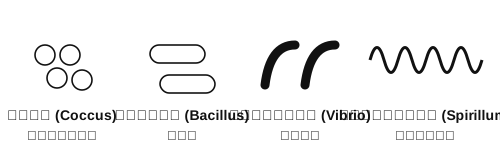
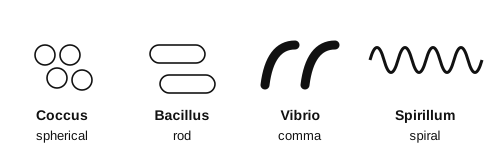
Concept: Bacteria are grouped into four types by shape: coccus, bacillus, vibrium and spirillum.

  1. A. Spherical → coccus (pl. cocci) – II.
  2. B. Rod-shaped → bacillus (pl. bacilli) – IV.
  3. C. Comma-shaped → vibrio – I.
  4. D. Spiral → spirillum (pl. spirilla) – III.

Short trick: Spherical = cocci is obvious → only (C) and (D); rod = bacilli → (D).

Answer: (D) A-II, B-IV, C-I, D-III

अवधारणा: आकृति के आधार पर जीवाणु चार प्रकार के होते हैं: कोकस, बैसिलस, विब्रियो और स्पाइरिलम।

  1. A. गोलाकार → कोकस (बहुवचन कोकाई) – II।
  2. B. छड़ाकार → बैसिलस (बहुवचन बैसिलाई) – IV।
  3. C. कॉमा-आकार → विब्रियो – I।
  4. D. सर्पिल → स्पाइरिलम (बहुवचन स्पाइरिला) – III।

शॉर्ट ट्रिक: गोलाकार = कोकाई स्पष्ट है → केवल (C) और (D); छड़ = बैसिलाई → (D)।

उत्तर: (D) A-II, B-IV, C-I, D-III

NEET UGBiologyBiological classification – bacterial shapesNEET UG 2026 · 21 Jun Shift 1
Q23.
Which of the following are characteristic features of Solanaceae family ?
(a) Flowers are bisexual and actinomorphic
(b) Calyx have five sepals and are united
(c) Androecium have five stamens and are epipetalous
(d) Ovary is inferior
Choose the correct answer from the options given below :
निम्नलिखित में से कौन-से सोलेनेसी कुल के अभिलक्षण हैं ?
(a) पुष्प द्विलिंगी और त्रिज्यासममित (actinomorphic) होते हैं
(b) बाह्यदलपुंज में पाँच बाह्यदल होते हैं जो संयुक्त होते हैं
(c) पुमंग में पाँच पुंकेसर होते हैं जो दललग्न (epipetalous) होते हैं
(d) अंडाशय अधोवर्ती (inferior) होता है
नीचे दिए गए विकल्पों में से सही उत्तर चुनिए :
  1. A(a), (b) and (c) onlyकेवल (a), (b) और (c)
  2. B(d) onlyकेवल (d)
  3. C(a) and (b) onlyकेवल (a) और (b)
  4. D(b), (c) and (d) onlyकेवल (b), (c) और (d)
Show answer

Concept: Solanaceae (potato family) floral formula: ⊕ ⚥ K(5) C(5) A5 G(2) with superior ovary.

  1. (a) Correct – flowers bisexual and actinomorphic.
  2. (b) Correct – calyx: five sepals, united (gamosepalous), persistent.
  3. (c) Correct – five stamens, epipetalous.
  4. (d) Incorrect – gynoecium bicarpellary, syncarpous with superior ovary, swollen placenta with axile placentation.

Short trick: Solanaceae ovary is superior and obliquely placed – the bar is drawn under G(2) in the floral formula.

Answer: (A) (a), (b) and (c) only

अवधारणा: सोलेनेसी (आलू कुल) का पुष्प सूत्र: ⊕ ⚥ K(5) C(5) A5 G(2), ऊर्ध्ववर्ती अंडाशय के साथ।

  1. (a) सही – पुष्प द्विलिंगी और त्रिज्यासममित।
  2. (b) सही – बाह्यदलपुंज: पाँच बाह्यदल, संयुक्त (युक्तबाह्यदली), चिरस्थायी।
  3. (c) सही – पाँच पुंकेसर, दललग्न।
  4. (d) गलत – जायांग द्विअंडपी, युक्तांडपी तथा ऊर्ध्ववर्ती अंडाशय, फूला हुआ बीजांडासन और स्तंभीय बीजांडन्यास।

शॉर्ट ट्रिक: सोलेनेसी में अंडाशय ऊर्ध्ववर्ती और तिरछा स्थित होता है – पुष्प सूत्र में रेखा G(2) के नीचे खींची जाती है।

उत्तर: (A) केवल (a), (b) और (c)

NEET UGBiologyMorphology of flowering plants – SolanaceaeNEET UG 2026 · 21 Jun Shift 1
Q24.
Select the correct sequence of experiments that led to a gradual understanding of photosynthesis in green plants.
उन प्रयोगों का सही क्रम चुनिए जिनसे हरे पादपों में प्रकाश-संश्लेषण की क्रमिक समझ विकसित हुई।
  1. AAbsorption spectra of chlorophyll a and b → production of glucose → release of oxygen → role of airक्लोरोफिल a और b का अवशोषण स्पेक्ट्रम → ग्लूकोज़ का उत्पादन → ऑक्सीजन का मुक्त होना → वायु की भूमिका
  2. BRole of air → release of oxygen → production of glucose → absorption spectra of chlorophyll a and bवायु की भूमिका → ऑक्सीजन का मुक्त होना → ग्लूकोज़ का उत्पादन → क्लोरोफिल a और b का अवशोषण स्पेक्ट्रम
  3. CRelease of oxygen → production of glucose → absorption spectra of chlorophyll a and b → role of airऑक्सीजन का मुक्त होना → ग्लूकोज़ का उत्पादन → क्लोरोफिल a और b का अवशोषण स्पेक्ट्रम → वायु की भूमिका
  4. DProduction of glucose → role of air → release of oxygen → absorption spectra of chlorophyll a and bग्लूकोज़ का उत्पादन → वायु की भूमिका → ऑक्सीजन का मुक्त होना → क्लोरोफिल a और b का अवशोषण स्पेक्ट्रम
Show answer

Concept: NCERT "Early experiments" are described in historical order.

  1. Joseph Priestley (1770) – bell-jar with candle/mouse and mint plant: plants restore the air ("role of air").
  2. Jan Ingenhousz (1730–1799) – only green parts in sunlight release oxygen (bubbles from aquatic plant).
  3. Julius von Sachs (1854) – green parts produce glucose, usually stored as starch.
  4. T.W. Engelmann (1843–1909) – prism + green alga Cladophora + aerobic bacteria: action spectrum resembles the absorption spectra of chlorophyll a and b.

Short trick: Mnemonic "P-I-S-E" (Priestley → Ingenhousz → Sachs → Engelmann) = air → O2 → glucose → spectrum.

Answer: (B) Role of air → release of oxygen → production of glucose → absorption spectra of chlorophyll a and b

अवधारणा: NCERT के "प्रारंभिक प्रयोग" ऐतिहासिक क्रम में वर्णित हैं।

  1. जोसेफ प्रीस्टले (1770) – बेल-जार में मोमबत्ती/चूहा और पुदीने का पौधा: पौधे वायु को शुद्ध करते हैं ("वायु की भूमिका")।
  2. जान इंजेनहाउज़ (1730–1799) – केवल हरे भाग सूर्य-प्रकाश में ऑक्सीजन मुक्त करते हैं (जलीय पौधे से बुलबुले)।
  3. जूलियस वॉन सैक्स (1854) – हरे भाग ग्लूकोज़ बनाते हैं, जो प्रायः मंड के रूप में संचित होता है।
  4. टी.डब्ल्यू. एंगलमान (1843–1909) – प्रिज़्म + हरा शैवाल Cladophora + वायवीय जीवाणु: क्रिया स्पेक्ट्रम क्लोरोफिल a और b के अवशोषण स्पेक्ट्रम जैसा है।

शॉर्ट ट्रिक: स्मृति-सूत्र "P-I-S-E" (प्रीस्टले → इंजेनहाउज़ → सैक्स → एंगलमान) = वायु → O2 → ग्लूकोज़ → स्पेक्ट्रम।

उत्तर: (B) वायु की भूमिका → ऑक्सीजन का मुक्त होना → ग्लूकोज़ का उत्पादन → क्लोरोफिल a और b का अवशोषण स्पेक्ट्रम

NEET UGBiologyPhotosynthesis – early experimentsNEET UG 2026 · 21 Jun Shift 1
Q25.
The number of action potentials generated by sino-arterial node (SAN) in a healthy human is ________ per minute.
एक स्वस्थ मनुष्य में शिरा-अलिंद पर्व (SAN) द्वारा प्रति मिनट ________ क्रिया विभव उत्पन्न होते हैं।
  1. A28 - 30
  2. B70 - 75
  3. C100 - 110
  4. D120 - 140
Show answer

Concept: The SA node is the pacemaker; it generates the maximum number of action potentials, i.e. 70–75 min−1, which sets the heart rate.

  1. Each action potential from the SAN starts one cardiac cycle (≈ 0.8 s).
  2. Heart rate = 60 / 0.8 ≈ 72–75 beats per minute → 70–75 action potentials per minute.
  3. 28–30 is too low (bradycardia); 100–110 and 120–140 are tachycardia values (or fetal rates), not a healthy adult resting rate.

Short trick: Cardiac cycle 0.8 s ⇒ 60/0.8 = 75 → "SAN = 72-ish".

Answer: (B) 70 - 75

अवधारणा: SA पर्व गति-प्रेरक (pacemaker) है; यह अधिकतम क्रिया विभव, अर्थात 70–75 प्रति मिनट उत्पन्न करता है, जो हृदय दर निर्धारित करता है।

  1. SAN से प्रत्येक क्रिया विभव एक हृद् चक्र (≈ 0.8 s) आरंभ करता है।
  2. हृदय दर = 60 / 0.8 ≈ 72–75 स्पंदन प्रति मिनट → 70–75 क्रिया विभव प्रति मिनट।
  3. 28–30 बहुत कम है (ब्रैडीकार्डिया); 100–110 और 120–140 टैकीकार्डिया (या भ्रूणीय दर) के मान हैं, स्वस्थ वयस्क की विश्राम दर नहीं।

शॉर्ट ट्रिक: हृद् चक्र 0.8 s ⇒ 60/0.8 = 75 → "SAN ≈ 72"।

उत्तर: (B) 70 - 75

NEET UGBiologyBody fluids and circulation – SA nodeNEET UG 2026 · 21 Jun Shift 1
Q26.
How many turns of Calvin cycle are required for the formation of three molecules of glucose ?
ग्लूकोज़ के तीन अणुओं के निर्माण के लिए केल्विन चक्र के कितने चक्करों (turns) की आवश्यकता होती है ?
  1. A6
  2. B3
  3. C1
  4. D18
Show answer

Concept: Each turn of the Calvin cycle fixes one CO2; glucose has 6 carbons, so 6 turns make one glucose.

  1. 1 glucose (C6H12O6) needs 6 CO2 fixed = 6 turns (using 18 ATP and 12 NADPH).
  2. 3 glucose → 3 × 6 = 18 turns.

Short trick: Turns = carbons in product: 3 × 6C = 18.

Answer: (D) 18

अवधारणा: केल्विन चक्र का प्रत्येक चक्कर एक CO2 स्थिर करता है; ग्लूकोज़ में 6 कार्बन होते हैं, अतः एक ग्लूकोज़ के लिए 6 चक्कर।

  1. 1 ग्लूकोज़ (C6H12O6) के लिए 6 CO2 का स्थिरीकरण = 6 चक्कर (18 ATP और 12 NADPH का उपयोग)।
  2. 3 ग्लूकोज़ → 3 × 6 = 18 चक्कर।

शॉर्ट ट्रिक: चक्कर = उत्पाद में कार्बन: 3 × 6C = 18।

उत्तर: (D) 18

NEET UGBiologyPhotosynthesis – Calvin cycleNEET UG 2026 · 21 Jun Shift 1
Q27.
Which of the following statements is incorrect ?
निम्नलिखित में से कौन-सा कथन गलत है ?
  1. ABlood coagulates in response to an injuryचोट की अनुक्रिया में रक्त का स्कंदन होता है
  2. BBlood clot consists of fibrinsरक्त का थक्का फाइब्रिन से बना होता है
  3. CFibrin is produced from fibrinogenफाइब्रिन, फाइब्रिनोजन से बनता है
  4. DFibrinogen is produced from fibrinफाइब्रिनोजन, फाइब्रिन से बनता है
Show answer

Concept: Clotting: thrombokinase → prothrombin to thrombin; thrombin converts soluble plasma protein fibrinogen into insoluble fibrin threads.

  1. (A) Correct – coagulation is a response to injury/trauma to prevent blood loss.
  2. (B) Correct – a clot is a mesh of fibrin threads with trapped formed elements.
  3. (C) Correct – fibrinogen → fibrin (by thrombin).
  4. (D) Incorrect – the reaction is reversed; fibrinogen is the precursor, made in the liver.

Short trick: Precursors end in "-ogen" (fibrinogen, prothrombin...) → the "-ogen" form always comes first.

Answer: (D) Fibrinogen is produced from fibrin

अवधारणा: स्कंदन: थ्रोम्बोकाइनेज़ → प्रोथ्रोम्बिन से थ्रोम्बिन; थ्रोम्बिन विलेय प्लाज्मा प्रोटीन फाइब्रिनोजन को अविलेय फाइब्रिन धागों में बदलता है।

  1. (A) सही – रक्त-हानि रोकने हेतु स्कंदन चोट/आघात की अनुक्रिया है।
  2. (B) सही – थक्का फाइब्रिन धागों का जाल है जिसमें संगठित पदार्थ फँसे होते हैं।
  3. (C) सही – फाइब्रिनोजन → फाइब्रिन (थ्रोम्बिन द्वारा)।
  4. (D) गलत – अभिक्रिया उलटी लिखी है; फाइब्रिनोजन पूर्ववर्ती है, जो यकृत में बनता है।

शॉर्ट ट्रिक: पूर्ववर्ती के नाम "-ogen" पर समाप्त होते हैं (फाइब्रिनोजन…) → "-ogen" रूप सदा पहले आता है।

उत्तर: (D) फाइब्रिनोजन, फाइब्रिन से बनता है

NEET UGBiologyBody fluids and circulation – coagulationNEET UG 2026 · 21 Jun Shift 1
Q28.
Match List-I with List-II.
List-IList-II
A. FamilyI. Sapindales
B. GenusII. Dicotyledonae
C. ClassIII. Anacardiaceae
D. PhylumIV. Angiospermae
E. OrderV. Mangifera
Choose the correct answer from the options given below :
सूची-I का सूची-II से मिलान कीजिए।
सूची-Iसूची-II
A. कुल (Family)I. Sapindales
B. वंश (Genus)II. Dicotyledonae
C. वर्ग (Class)III. Anacardiaceae
D. संघ (Phylum)IV. Angiospermae
E. गण (Order)V. Mangifera
नीचे दिए गए विकल्पों में से सही उत्तर चुनिए :
  1. AA-I, B-V, C-II, D-IV, E-III
  2. BA-II, B-I, C-III, D-IV, E-V
  3. CA-II, B-III, C-V, D-I, E-IV
  4. DA-III, B-V, C-II, D-IV, E-I
Show answer

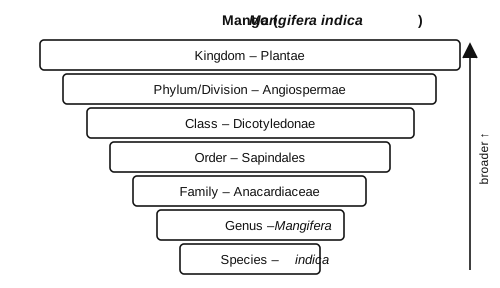
Concept: Mango: Kingdom Plantae → Division Angiospermae → Class Dicotyledonae → Order Sapindales → Family Anacardiaceae → Genus Mangifera → species indica.

  1. Family ends in "-aceae" → Anacardiaceae (III).
  2. Genus → Mangifera (V, italic).
  3. Class → Dicotyledonae (II).
  4. Phylum/Division → Angiospermae (IV).
  5. Order ends in "-ales" → Sapindales (I).

Short trick: Suffix trick: "-ales" = order, "-aceae" = family. Family = -aceae alone gives A-III → only option (D).

Answer: (D) A-III, B-V, C-II, D-IV, E-I

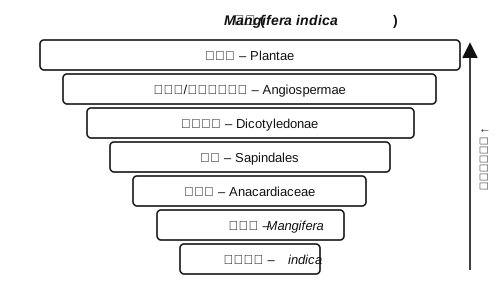
अवधारणा: आम: जगत Plantae → प्रभाग Angiospermae → वर्ग Dicotyledonae → गण Sapindales → कुल Anacardiaceae → वंश Mangifera → जाति indica।

  1. कुल का अंत "-aceae" से → Anacardiaceae (III)।
  2. वंश → Mangifera (V, तिरछा)।
  3. वर्ग → Dicotyledonae (II)।
  4. संघ/प्रभाग → Angiospermae (IV)।
  5. गण का अंत "-ales" से → Sapindales (I)।

शॉर्ट ट्रिक: प्रत्यय ट्रिक: "-ales" = गण, "-aceae" = कुल। केवल कुल = -aceae से A-III मिलता है → केवल विकल्प (D)।

उत्तर: (D) A-III, B-V, C-II, D-IV, E-I

NEET UGBiologyThe living world – taxonomic categories (mango)NEET UG 2026 · 21 Jun Shift 1
Q29.
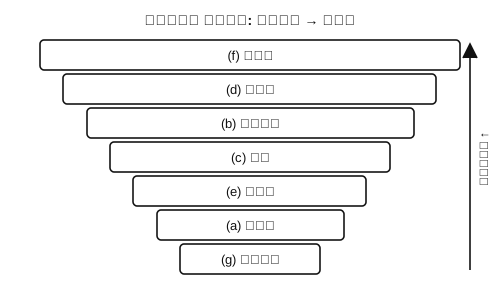
Arrange the following taxonomic categories in ascending order.
(a) Genus   (b) Class
(c) Order   (d) Phylum
(e) Family   (f) Kingdom
(g) Species
Choose the correct answer from the options given below :
निम्नलिखित वर्गिकी संवर्गों को आरोही क्रम में व्यवस्थित कीजिए।
(a) वंश (Genus)   (b) वर्ग (Class)
(c) गण (Order)   (d) संघ (Phylum)
(e) कुल (Family)   (f) जगत (Kingdom)
(g) जाति (Species)
नीचे दिए गए विकल्पों में से सही उत्तर चुनिए :
  1. A(g), (a), (e), (c), (b), (d), (f)
  2. B(a), (c), (d), (g), (f), (b), (e)
  3. C(g), (c), (d), (b), (e), (a), (f)
  4. D(f), (c), (b), (g), (d), (e), (a)
Show answer

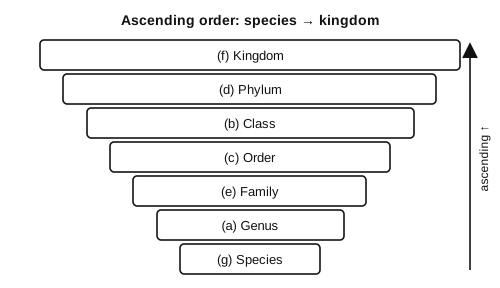
Concept: Taxonomic hierarchy (lowest to highest): Species → Genus → Family → Order → Class → Phylum → Kingdom.

  1. Ascending = from the lowest (most specific) to the highest (broadest) category.
  2. Species (g) → Genus (a) → Family (e) → Order (c) → Class (b) → Phylum (d) → Kingdom (f).
  3. Only option (A) starts with (g), (a) and ends with (f).

Short trick: Reverse of "King Philip Came Over For Good Soup" (Kingdom, Phylum, Class, Order, Family, Genus, Species).

Answer: (A) (g), (a), (e), (c), (b), (d), (f)

अवधारणा: वर्गिकी पदानुक्रम (निम्नतम से उच्चतम): जाति → वंश → कुल → गण → वर्ग → संघ → जगत।

  1. आरोही = निम्नतम (सबसे विशिष्ट) से उच्चतम (सबसे व्यापक) संवर्ग की ओर।
  2. जाति (g) → वंश (a) → कुल (e) → गण (c) → वर्ग (b) → संघ (d) → जगत (f)।
  3. केवल विकल्प (A) (g), (a) से आरंभ होकर (f) पर समाप्त होता है।

शॉर्ट ट्रिक: "King Philip Came Over For Good Soup" (जगत, संघ, वर्ग, गण, कुल, वंश, जाति) का उलटा।

उत्तर: (A) (g), (a), (e), (c), (b), (d), (f)

NEET UGBiologyThe living world – taxonomic hierarchyNEET UG 2026 · 21 Jun Shift 1
Q30.
Match List-I with List-II.
List-IList-II
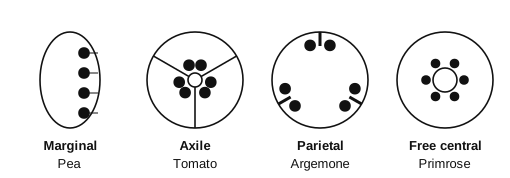
A. Marginal placentationI. Argemone
B. Axile placentationII. Tomato
C. Parietal placentationIII. Primrose
D. Free central placentationIV. Pea
Choose the correct answer from the options given below :
सूची-I का सूची-II से मिलान कीजिए।
सूची-Iसूची-II
A. सीमांत बीजांडन्यास (Marginal)I. Argemone
B. स्तंभीय बीजांडन्यास (Axile)II. टमाटर
C. भित्तीय बीजांडन्यास (Parietal)III. Primrose
D. मुक्त स्तंभीय बीजांडन्यास (Free central)IV. मटर
नीचे दिए गए विकल्पों में से सही उत्तर चुनिए :
  1. AA-II, B-IV, C-I, D-III
  2. BA-IV, B-II, C-III, D-I
  3. CA-IV, B-III, C-I, D-II
  4. DA-IV, B-II, C-I, D-III
Show answer

Concept: Placentation is the arrangement of ovules within the ovary.

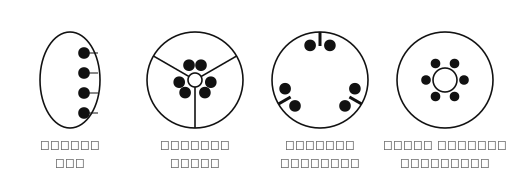
  1. Marginal – placenta forms a ridge along the ventral suture of a monocarpellary ovary: pea (IV).
  2. Axile – placenta is axial, ovules attached to it in a multilocular ovary: china rose, tomato, lemon (II).
  3. Parietal – ovules on the inner wall/periphery of a unilocular ovary: mustard, Argemone (I).
  4. Free central – ovules on a central axis, septa absent: Dianthus, Primrose (III).

Short trick: "Pea-Tomato-Argemone-Primrose" = M-A-P-F; pea is marginal → A-IV, tomato axile → B-II, leaving only (B) vs (D); Argemone parietal → (D).

Answer: (D) A-IV, B-II, C-I, D-III

अवधारणा: अंडाशय के भीतर बीजांडों की व्यवस्था को बीजांडन्यास कहते हैं।

  1. सीमांत – एकांडपी अंडाशय में अधर सीवन पर बीजांडासन कटक बनाता है: मटर (IV)।
  2. स्तंभीय – बहुकोष्ठी अंडाशय में बीजांडासन अक्षीय होता है और बीजांड उस पर लगे होते हैं: गुड़हल, टमाटर, नींबू (II)।
  3. भित्तीय – एककोष्ठी अंडाशय की भीतरी भित्ति/परिधि पर बीजांड: सरसों, Argemone (I)।
  4. मुक्त स्तंभीय – केंद्रीय अक्ष पर बीजांड, पट अनुपस्थित: Dianthus, Primrose (III)।

शॉर्ट ट्रिक: "मटर-टमाटर-आर्जिमोन-प्रिमरोज़" = सीमांत-स्तंभीय-भित्तीय-मुक्त; मटर सीमांत → A-IV, टमाटर स्तंभीय → B-II, केवल (B) व (D) बचे; आर्जिमोन भित्तीय → (D)।

उत्तर: (D) A-IV, B-II, C-I, D-III

NEET UGBiologyMorphology of flowering plants – placentationNEET UG 2026 · 21 Jun Shift 1
Q31.
Sphenopsida class belongs to _______ .
स्फीनोप्सिडा वर्ग _______ से संबंधित है।
  1. Abryophytesब्रायोफाइट
  2. Bangiospermsआवृतबीजी
  3. Cgymnospermsअनावृतबीजी
  4. Dpteridophytesटेरिडोफाइट
Show answer

Concept: Pteridophytes are classified into four classes: Psilopsida, Lycopsida, Sphenopsida and Pteropsida.

  1. Psilopsida – Psilotum; Lycopsida – Selaginella, Lycopodium; Sphenopsida – Equisetum (horsetail); Pteropsida – Dryopteris, Pteris, Adiantum.
  2. Bryophytes are divided into liverworts and mosses; angiosperms into dicots and monocots – no "Sphenopsida" there.

Short trick: Pteridophyte classes = "PLSP" (Psilo, Lyco, Spheno, Ptero) – all end in "-opsida".

Answer: (D) pteridophytes

अवधारणा: टेरिडोफाइट को चार वर्गों में बाँटा गया है: साइलोप्सिडा, लाइकोप्सिडा, स्फीनोप्सिडा और टेरोप्सिडा।

  1. साइलोप्सिडा – Psilotum; लाइकोप्सिडा – Selaginella, Lycopodium; स्फीनोप्सिडा – Equisetum (हॉर्सटेल); टेरोप्सिडा – Dryopteris, Pteris, Adiantum।
  2. ब्रायोफाइट लिवरवर्ट और मॉस में तथा आवृतबीजी द्विबीजपत्री और एकबीजपत्री में विभाजित हैं – वहाँ "स्फीनोप्सिडा" नहीं है।

शॉर्ट ट्रिक: टेरिडोफाइट के वर्ग = "PLSP" (साइलो, लाइको, स्फीनो, टेरो) – सभी "-opsida" पर समाप्त।

उत्तर: (D) टेरिडोफाइट

NEET UGBiologyPlant kingdom – pteridophytesNEET UG 2026 · 21 Jun Shift 1
Q32.
Which of the following statements regarding photorespiration are correct ?
(a) Do not occur in C3 plants
(b) CO2 is consumed and O2 is generated
(c) Phosphoglycolate is formed
(d) No synthesis of ATP and NADPH
Choose the correct answer from the options given below :
प्रकाश-श्वसन के संबंध में निम्नलिखित में से कौन-से कथन सही हैं ?
(a) C3 पादपों में नहीं होता
(b) CO2 उपभुक्त होती है और O2 उत्पन्न होती है
(c) फॉस्फोग्लाइकोलेट बनता है
(d) ATP और NADPH का संश्लेषण नहीं होता
नीचे दिए गए विकल्पों में से सही उत्तर चुनिए :
  1. A(a) and (d) onlyकेवल (a) और (d)
  2. B(c) and (d) onlyकेवल (c) और (d)
  3. C(b) and (d) onlyकेवल (b) और (d)
  4. D(a) and (b) onlyकेवल (a) और (b)
Show answer

Concept: In photorespiration RuBisCo binds O2 instead of CO2: RuBP + O2 → PGA + phosphoglycolate; it is a wasteful process.

  1. (a) Incorrect – photorespiration occurs in C3 plants; it is absent (negligible) in C4 plants.
  2. (b) Incorrect – it is the reverse: O2 is consumed and CO2 is released.
  3. (c) Correct – 2-phosphoglycolate is formed.
  4. (d) Correct – NCERT: there is neither synthesis of sugars nor of ATP (or NADPH); instead ATP is used up.

Short trick: Photorespiration = "light-dependent respiration": like respiration it takes O2 and gives CO2, but makes no ATP.

Answer: (B) (c) and (d) only

अवधारणा: प्रकाश-श्वसन में RuBisCo, CO2 के स्थान पर O2 से बंधता है: RuBP + O2 → PGA + फॉस्फोग्लाइकोलेट; यह एक व्यर्थ प्रक्रिया है।

  1. (a) गलत – प्रकाश-श्वसन C3 पादपों में होता है; C4 पादपों में अनुपस्थित (नगण्य) होता है।
  2. (b) गलत – यह उलटा है: O2 उपभुक्त होती है और CO2 मुक्त होती है।
  3. (c) सही – 2-फॉस्फोग्लाइकोलेट बनता है।
  4. (d) सही – NCERT: इसमें न तो शर्करा का और न ही ATP (या NADPH) का संश्लेषण होता है; बल्कि ATP का उपयोग होता है।

शॉर्ट ट्रिक: प्रकाश-श्वसन = "प्रकाश-आश्रित श्वसन": श्वसन की तरह O2 लेता है और CO2 देता है, पर ATP नहीं बनाता।

उत्तर: (B) केवल (c) और (d)

NEET UGBiologyPhotosynthesis – photorespirationNEET UG 2026 · 21 Jun Shift 1
Q33.
Smooth endoplasmic reticulum ________ .
चिकनी अंतर्द्रव्यी जालिका (SER) ________ ।
  1. Ahas ribosomes attached to its surfaceकी सतह पर राइबोसोम लगे होते हैं
  2. Bis the major site for the synthesis of lipidsलिपिड संश्लेषण का प्रमुख स्थल है
  3. Cis actively involved in protein synthesisप्रोटीन संश्लेषण में सक्रिय रूप से संलग्न है
  4. Dis a site for the synthesis of carbohydratesकार्बोहाइड्रेट संश्लेषण का स्थल है
Show answer

Concept: SER is the major site for synthesis of lipids; in animal cells lipid-like steroidal hormones are synthesised in SER.

  1. (A) Wrong – ribosomes are attached to rough ER; SER lacks them.
  2. (B) Correct – lipids and steroid hormones are made on SER.
  3. (C) Wrong – protein synthesis and secretion is the function of RER.
  4. (D) Wrong – carbohydrates (glycoproteins/glycolipids, cell-wall polysaccharides) are formed mainly in the Golgi; SER is not the stated site.

Short trick: Smooth = "S" for Steroids/lipids; Rough = Ribosomes → pRoteins.

Answer: (B) is the major site for the synthesis of lipids

अवधारणा: SER लिपिड संश्लेषण का प्रमुख स्थल है; जंतु कोशिकाओं में लिपिड जैसे स्टेरॉइडी हॉर्मोन SER में संश्लेषित होते हैं।

  1. (A) गलत – राइबोसोम खुरदरी ER पर लगे होते हैं; SER पर नहीं।
  2. (B) सही – लिपिड और स्टेरॉइड हॉर्मोन SER पर बनते हैं।
  3. (C) गलत – प्रोटीन संश्लेषण और स्राव RER का कार्य है।
  4. (D) गलत – कार्बोहाइड्रेट (ग्लाइकोप्रोटीन/ग्लाइकोलिपिड, भित्ति पॉलिसैकेराइड) मुख्यतः गॉल्जी में बनते हैं; SER इसका बताया गया स्थल नहीं है।

शॉर्ट ट्रिक: Smooth = "S" अर्थात स्टेरॉइड/लिपिड; Rough = राइबोसोम → प्रोटीन।

उत्तर: (B) लिपिड संश्लेषण का प्रमुख स्थल है

NEET UGBiologyCell – endoplasmic reticulumNEET UG 2026 · 21 Jun Shift 1
Q34.
Which one of the following statements is incorrect ?
निम्नलिखित में से कौन-सा कथन गलत है ?
  1. Aα-cells of pancreas secrete glucagonअग्न्याशय की α-कोशिकाएँ ग्लूकैगॉन स्रावित करती हैं
  2. Bα-cells of pancreas secrete insulinअग्न्याशय की α-कोशिकाएँ इंसुलिन स्रावित करती हैं
  3. CGlucagon stimulates glycogenolysisग्लूकैगॉन ग्लाइकोजेनोलिसिस को उद्दीपित करता है
  4. Dβ-cells of pancreas secrete insulinअग्न्याशय की β-कोशिकाएँ इंसुलिन स्रावित करती हैं
Show answer

Concept: Islets of Langerhans: α-cells (~25%) secrete glucagon; β-cells (~60%) secrete insulin.

  1. (A) Correct – α-cells → glucagon (hyperglycaemic hormone).
  2. (B) Incorrect – insulin is secreted by β-cells, not α-cells.
  3. (C) Correct – glucagon acts on liver cells, stimulates glycogenolysis and gluconeogenesis → raises blood glucose.
  4. (D) Correct – β-cells → insulin (hypoglycaemic hormone).

Short trick: "α → Glucagon (A-G), β → Insulin (B-I)"; options (B) and (D) contradict each other, so one must be wrong.

Answer: (B) α-cells of pancreas secrete insulin

अवधारणा: लैंगरहैंस द्वीप: α-कोशिकाएँ (~25%) ग्लूकैगॉन स्रावित करती हैं; β-कोशिकाएँ (~60%) इंसुलिन स्रावित करती हैं।

  1. (A) सही – α-कोशिकाएँ → ग्लूकैगॉन (अतिग्लूकोज़रक्तता हॉर्मोन)।
  2. (B) गलत – इंसुलिन β-कोशिकाओं द्वारा स्रावित होता है, α-कोशिकाओं द्वारा नहीं।
  3. (C) सही – ग्लूकैगॉन यकृत कोशिकाओं पर कार्य कर ग्लाइकोजेनोलिसिस और ग्लूकोनियोजेनेसिस उद्दीपित करता है → रक्त ग्लूकोज़ बढ़ता है।
  4. (D) सही – β-कोशिकाएँ → इंसुलिन (अल्पग्लूकोज़रक्तता हॉर्मोन)।

शॉर्ट ट्रिक: "α → ग्लूकैगॉन, β → इंसुलिन"; विकल्प (B) और (D) परस्पर विरोधी हैं, अतः इनमें से एक गलत होगा।

उत्तर: (B) अग्न्याशय की α-कोशिकाएँ इंसुलिन स्रावित करती हैं

NEET UGBiologyChemical coordination – pancreasNEET UG 2026 · 21 Jun Shift 1
Q35.
Genus represents _______ .
वंश (Genus) _______ को निरूपित करता है।
  1. Aan individual plant or animalएक अकेले पादप या जंतु
  2. Ba population of plants and animalsपादपों और जंतुओं की एक समष्टि
  3. Ca group of closely related speciesनिकट संबंधी जातियों के एक समूह
  4. Da group of closely related familiesनिकट संबंधी कुलों के एक समूह
Show answer

Concept: NCERT: Genus comprises a group of related species which has more characters in common in comparison to species of other genera.

  1. Example: potato, tomato and brinjal are three species of genus Solanum; lion, tiger, leopard are species of Panthera.
  2. An individual is not a taxon; a population is an ecological unit; a group of related families is an order.

Short trick: Each rank groups the rank just below it: genus ⊃ species, family ⊃ genera, order ⊃ families.

Answer: (C) a group of closely related species

अवधारणा: NCERT: वंश संबंधित जातियों का एक समूह है, जिनमें अन्य वंशों की जातियों की तुलना में अधिक लक्षण समान होते हैं।

  1. उदाहरण: आलू, टमाटर और बैंगन वंश Solanum की तीन जातियाँ हैं; शेर, बाघ, तेंदुआ Panthera की जातियाँ हैं।
  2. एक अकेला जीव वर्गक (taxon) नहीं है; समष्टि पारिस्थितिक इकाई है; संबंधित कुलों का समूह गण है।

शॉर्ट ट्रिक: प्रत्येक संवर्ग अपने ठीक नीचे वाले संवर्ग का समूह है: वंश ⊃ जाति, कुल ⊃ वंश, गण ⊃ कुल।

उत्तर: (C) निकट संबंधी जातियों के एक समूह

NEET UGBiologyThe living world – taxonomic categoriesNEET UG 2026 · 21 Jun Shift 1
Q36.
Which of the following is not a prokaryote ?
निम्नलिखित में से कौन-सा प्रोकैरियोट नहीं है ?
  1. ABacteriaजीवाणु (Bacteria)
  2. BBlue green algaeनील-हरित शैवाल (Blue green algae)
  3. CMycoplasmaमाइकोप्लाज्मा (Mycoplasma)
  4. DFungiकवक (Fungi)
Show answer

Concept: Prokaryotes (kingdom Monera) lack a well-defined nucleus and membrane-bound organelles.

  1. Bacteria, blue-green algae (cyanobacteria) and mycoplasma (PPLO) are all prokaryotes of Monera.
  2. Fungi have a true nucleus and membrane-bound organelles → eukaryotes (kingdom Fungi).

Short trick: "Blue-green ALGAE" are actually cyanobacteria – prokaryotic despite the name; fungi are eukaryotic despite being "simple".

Answer: (D) Fungi

अवधारणा: प्रोकैरियोट (जगत मोनेरा) में सुस्पष्ट केंद्रक और झिल्ली-आबद्ध कोशिकांग नहीं होते।

  1. जीवाणु, नील-हरित शैवाल (सायनोबैक्टीरिया) और माइकोप्लाज्मा (PPLO) सभी मोनेरा के प्रोकैरियोट हैं।
  2. कवक में वास्तविक केंद्रक और झिल्ली-आबद्ध कोशिकांग होते हैं → यूकैरियोट (जगत कवक)।

शॉर्ट ट्रिक: "नील-हरित शैवाल" वास्तव में सायनोबैक्टीरिया हैं – नाम के बावजूद प्रोकैरियोट; कवक "सरल" होते हुए भी यूकैरियोट।

उत्तर: (D) कवक (Fungi)

NEET UGBiologyBiological classification – prokaryotesNEET UG 2026 · 21 Jun Shift 1
Q37.
Which of the following plant growth regulators promotes internode elongation prior to flowering in cabbage ?
निम्नलिखित में से कौन-सा पादप वृद्धि नियामक पत्तागोभी में पुष्पन से पूर्व पर्वों (internode) के दीर्घीकरण को बढ़ावा देता है ?
  1. AAbscisic acidएब्सिसिक अम्ल (Abscisic acid)
  2. BGibberellinजिबरेलिन (Gibberellin)
  3. CIndole butyric acidइंडोल ब्यूटिरिक अम्ल (Indole butyric acid)
  4. DEthephonइथेफॉन (Ethephon)
Show answer

Concept: Gibberellins promote bolting – internode elongation just prior to flowering – in rosette plants like cabbage and beet.

  1. ABA is a growth inhibitor (dormancy, stomatal closure).
  2. IBA is an auxin used for rooting of stem cuttings.
  3. Ethephon releases ethylene (fruit ripening, flowering in pineapple, abscission) – ethylene actually promotes rapid internode elongation in deep-water rice, not bolting in cabbage.

Short trick: Bolting = GA ("Gibberellin makes the cabbage Go up").

Answer: (B) Gibberellin

अवधारणा: जिबरेलिन रोज़ेट पादपों जैसे पत्तागोभी और चुकंदर में बोल्टिंग – पुष्पन से ठीक पहले पर्व दीर्घीकरण – को बढ़ावा देते हैं।

  1. ABA वृद्धि-संदमक है (प्रसुप्ति, रंध्र बंद होना)।
  2. IBA एक ऑक्सिन है जो तने की कलमों में जड़ निकालने हेतु प्रयुक्त होता है।
  3. इथेफॉन एथिलीन मुक्त करता है (फल पकना, अनन्नास में पुष्पन, विलगन) – एथिलीन गहरे पानी वाले धान में तीव्र पर्व दीर्घीकरण करता है, पत्तागोभी में बोल्टिंग नहीं।

शॉर्ट ट्रिक: बोल्टिंग = GA ("जिबरेलिन पत्तागोभी को ऊपर ले जाता है")।

उत्तर: (B) जिबरेलिन

NEET UGBiologyPlant growth regulators – gibberellinsNEET UG 2026 · 21 Jun Shift 1
Q38.
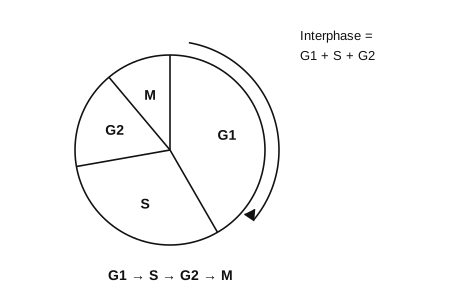
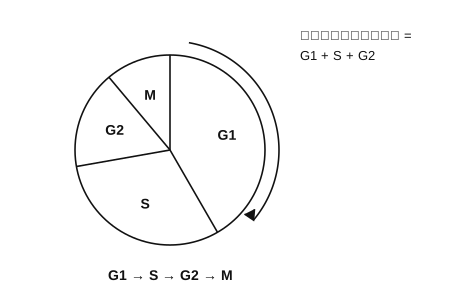
The correct sequence of adult cell cycle phases is ______ .
वयस्क कोशिका चक्र की प्रावस्थाओं का सही क्रम ______ है।
  1. AG1-G2-S-M
  2. BG1-M-G2-S
  3. CG1-S-G2-M
  4. DS-M-G2-G1
Show answer

Concept: Cell cycle = interphase (G1 → S → G2) followed by M phase (karyokinesis + cytokinesis).

  1. G1 (gap 1) – cell grows, metabolically active, no DNA replication.
  2. S (synthesis) – DNA replicates (2C → 4C); centriole duplicates in animal cells.
  3. G2 (gap 2) – proteins for mitosis are made, growth continues.
  4. M – mitosis/division; then daughter cells re-enter G1.

Short trick: Alphabet-like flow "G1 → S → G2 → M": a Gap before and after Synthesis, then Mitosis.

Answer: (C) G1-S-G2-M

अवधारणा: कोशिका चक्र = अंतरावस्था (G1 → S → G2) तत्पश्चात M प्रावस्था (केंद्रक विभाजन + कोशिकाद्रव्य विभाजन)।

  1. G1 (अंतराल 1) – कोशिका वृद्धि करती है, उपापचयी रूप से सक्रिय, DNA प्रतिकृति नहीं।
  2. S (संश्लेषण) – DNA प्रतिकृति (2C → 4C); जंतु कोशिकाओं में तारककेंद्र का द्विगुणन।
  3. G2 (अंतराल 2) – सूत्री विभाजन हेतु प्रोटीन बनते हैं, वृद्धि जारी रहती है।
  4. M – सूत्री विभाजन; फिर संतति कोशिकाएँ पुनः G1 में प्रवेश करती हैं।

शॉर्ट ट्रिक: प्रवाह "G1 → S → G2 → M": संश्लेषण के पहले और बाद में अंतराल, फिर विभाजन।

उत्तर: (C) G1-S-G2-M

NEET UGBiologyCell cycle and cell division – phasesNEET UG 2026 · 21 Jun Shift 1
Q39.
Match List-I with List-II.
List-IList-II
A. Fusion of protoplasms between gametesI. Meiosis
B. Fusion of two nucleiII. Plasmogamy
C. Generation of haploid sporesIII. Karyogamy
Choose the correct answer from the options given below :
सूची-I का सूची-II से मिलान कीजिए।
सूची-Iसूची-II
A. युग्मकों के जीवद्रव्यों का संलयनI. अर्धसूत्री विभाजन (Meiosis)
B. दो केंद्रकों का संलयनII. जीवद्रव्य संलयन (Plasmogamy)
C. अगुणित बीजाणुओं का निर्माणIII. केंद्रक संलयन (Karyogamy)
नीचे दिए गए विकल्पों में से सही उत्तर चुनिए :
  1. AA-II, B-III, C-I
  2. BA-II, B-I, C-III
  3. CA-III, B-II, C-I
  4. DA-I, B-III, C-II
Show answer

Concept: Sexual cycle in fungi has three steps: plasmogamy → karyogamy → meiosis in the zygote.

  1. A. Fusion of protoplasms of two motile/non-motile gametes = plasmogamy (II).
  2. B. Fusion of two nuclei = karyogamy (III).
  3. C. Meiosis in the zygote produces haploid spores (I).

Short trick: Plasma first, then Karyon (nucleus), then Meiosis – "P-K-M" = A-II, B-III, C-I.

Answer: (A) A-II, B-III, C-I

अवधारणा: कवकों में लैंगिक चक्र के तीन चरण हैं: जीवद्रव्य संलयन → केंद्रक संलयन → युग्मनज में अर्धसूत्री विभाजन।

  1. A. दो चल/अचल युग्मकों के जीवद्रव्य का संलयन = जीवद्रव्य संलयन (II)।
  2. B. दो केंद्रकों का संलयन = केंद्रक संलयन (III)।
  3. C. युग्मनज में अर्धसूत्री विभाजन से अगुणित बीजाणु बनते हैं (I)।

शॉर्ट ट्रिक: पहले प्लाज्मा, फिर केरियॉन (केंद्रक), फिर अर्धसूत्री – "P-K-M" = A-II, B-III, C-I।

उत्तर: (A) A-II, B-III, C-I

NEET UGBiologyBiological classification – sexual cycle in fungiNEET UG 2026 · 21 Jun Shift 1
Q40.
Given below are two statements :
Statement I : The class name Reptilia refers to creeping or crawling mode of locomotion.
Statement II : All organisms belonging to Reptilia have three chambered heart.
In the light of the above statements, choose the most appropriate answer from the options given below :
नीचे दो कथन दिए गए हैं :
कथन I : वर्ग का नाम रेप्टीलिया रेंगने या सरकने वाले गमन के तरीके को दर्शाता है।
कथन II : रेप्टीलिया वर्ग के सभी जीवों में तीन-कक्षीय हृदय होता है।
उपर्युक्त कथनों के आलोक में, नीचे दिए गए विकल्पों में से सबसे उपयुक्त उत्तर चुनिए :
  1. ABoth Statement I and Statement II are correctकथन I और कथन II दोनों सही हैं
  2. BBoth Statement I and Statement II are incorrectकथन I और कथन II दोनों गलत हैं
  3. CStatement I is correct but Statement II is incorrectकथन I सही है लेकिन कथन II गलत है
  4. DStatement I is incorrect but Statement II is correctकथन I गलत है लेकिन कथन II सही है
Show answer

Concept: Reptilia (Latin repere/reptum = to creep or crawl); heart is usually three-chambered but four-chambered in crocodiles.

  1. Statement I – correct; NCERT: the class name refers to their creeping or crawling mode of locomotion.
  2. Statement II – incorrect because of the word "All": crocodiles (Crocodilus, Alligator) have a four-chambered heart.

Short trick: Absolute words like "all/only/never" in a biology statement → look for the exception (here, the crocodile).

Answer: (C) Statement I is correct but Statement II is incorrect

अवधारणा: रेप्टीलिया (लैटिन repere/reptum = रेंगना या सरकना); हृदय प्रायः तीन-कक्षीय होता है पर मगरमच्छ में चार-कक्षीय।

  1. कथन I – सही; NCERT: वर्ग का नाम उनके रेंगने या सरकने वाले गमन को दर्शाता है।
  2. कथन II – "सभी" शब्द के कारण गलत: मगरमच्छ (Crocodilus, Alligator) में चार-कक्षीय हृदय होता है।

शॉर्ट ट्रिक: जीवविज्ञान के कथन में "सभी/केवल/कभी नहीं" जैसे निरपेक्ष शब्द → अपवाद खोजें (यहाँ मगरमच्छ)।

उत्तर: (C) कथन I सही है लेकिन कथन II गलत है

NEET UGBiologyAnimal kingdom – ReptiliaNEET UG 2026 · 21 Jun Shift 1