NEET UG · 2,240 questions

NEET UG 2015, 2016, 2017, 2018, 2019, 2020, 2021, 2022, 2023, 2024, 2025, 2026 PYQs

Real previous year questions, subject-wise. Try the question, then open the answer and the explanation in Hindi & English – free, no login.

Courses – airGurukul

200 questions in Zoology.

Q21.
Given below are two statements:
Statement I: The presence or absence of hymen is not a reliable indicator of virginity.
Statement II: The hymen is torn during the first coitus only.
In the light of the above statements, choose the correct answer from the options given below:
नीचे दो कथन दिए गए हैं:
कथन I: योनिच्छद (hymen) की उपस्थिति या अनुपस्थिति कौमार्य का विश्वसनीय सूचक नहीं है।
कथन II: योनिच्छद केवल प्रथम संभोग के दौरान ही फटता है।
उपर्युक्त कथनों के आलोक में, नीचे दिए गए विकल्पों में से सही उत्तर चुनिए:
  1. ABoth statement I and statement II are falseकथन I और कथन II दोनों असत्य हैं
  2. BStatement I is true but statement II is falseकथन I सत्य है परन्तु कथन II असत्य है
  3. CStatement I is false but statement II is trueकथन I असत्य है परन्तु कथन II सत्य है
  4. DBoth statement I and statement II are trueकथन I और कथन II दोनों सत्य हैं
Show answer

Concept: NCERT: the hymen is often torn during first coitus, but can also break otherwise or persist.

  1. Statement I – presence/absence of hymen is not a reliable indicator of virginity or sexual experience → true.
  2. Statement II – "only" is wrong: hymen can also break by a sudden fall or jolt, insertion of a tampon, sports like horse-riding or cycling, and may persist even after coitus → false.

Short trick: Words like "only/always" in a biology statement are usually the trap.

Answer: (B) Statement I is true but statement II is false

अवधारणा: NCERT: योनिच्छद प्रायः प्रथम संभोग में फटता है, परंतु अन्य कारणों से भी फट सकता है या बना रह सकता है।

  1. कथन I – योनिच्छद की उपस्थिति/अनुपस्थिति कौमार्य या लैंगिक अनुभव का विश्वसनीय सूचक नहीं → सत्य।
  2. कथन II – "केवल" गलत है: योनिच्छद अचानक गिरने या झटके, टैम्पोन लगाने, घुड़सवारी या साइकिल चलाने जैसे खेलों से भी फट सकता है, और संभोग के बाद भी बना रह सकता है → असत्य।

शॉर्ट ट्रिक: जीवविज्ञान के कथनों में "केवल/हमेशा" जैसे शब्द प्रायः जाल होते हैं।

उत्तर: (B) कथन I सत्य है परन्तु कथन II असत्य है
NEET UGZoologyHuman reproduction – female reproductive systemNEET UG 2024 · 5 May Shift 1
Q22.
Match List I with List II:
List IList II
A. TyphoidI. Fungus
B. LeishmaniasisII. Nematode
C. RingwormIII. Protozoa
D. FilariasisIV. Bacteria
Choose the correct answer from the options given below:
सूची-I का सूची-II से मिलान कीजिए :
सूची Iसूची II
A. टाइफॉइडI. कवक
B. लीशमैनियता (Leishmaniasis)II. सूत्रकृमि
C. दाद (Ringworm)III. प्रोटोज़ोआ
D. फाइलेरियता (Filariasis)IV. जीवाणु
नीचे दिए गए विकल्पों में से सही उत्तर चुनिए :
  1. AA-IV, B-III, C-I, D-II
  2. BA-III, B-I, C-IV, D-II
  3. CA-II, B-IV, C-III, D-I
  4. DA-I, B-III, C-II, D-IV
Show answer

Concept: Causative organisms of common human diseases.

  1. Typhoid – Salmonella typhi, a bacterium → A-IV.
  2. Leishmaniasis – Leishmania, a protozoan → B-III.
  3. Ringworm – fungi Microsporum, Trichophyton, Epidermophyton → C-I.
  4. Filariasis (elephantiasis) – Wuchereria, a nematode → D-II.

Short trick: "Ringworm" is not a worm – it is a fungus; "Filaria" is the real worm.

Answer: (A) A-IV, B-III, C-I, D-II

अवधारणा: सामान्य मानव रोगों के रोगकारक जीव।

  1. टाइफॉइड – साल्मोनेला टाइफी, एक जीवाणु → A-IV।
  2. लीशमैनियता – लीशमैनिया, एक प्रोटोज़ोआ → B-III।
  3. दाद – कवक माइक्रोस्पोरम, ट्राइकोफाइटॉन, एपिडर्मोफाइटॉन → C-I।
  4. फाइलेरियता (हाथीपाँव) – वुचेरेरिया, एक सूत्रकृमि → D-II।

शॉर्ट ट्रिक: "रिंगवर्म" कृमि नहीं – कवक है; "फाइलेरिया" असली कृमि है।

उत्तर: (A) A-IV, B-III, C-I, D-II

NEET UGZoologyHuman health and disease – causative organismsNEET UG 2024 · 5 May Shift 1
Q23.
Given below are some stages of human evolution. Arrange them in correct sequence. (Past to Recent)
A. Homo habilis
B. Homo sapiens
C. Homo neanderthalensis
D. Homo erectus
Choose the correct sequence of human evolution from the options given below:
मानव विकास की कुछ अवस्थाएँ नीचे दी गई हैं। इन्हें सही क्रम में व्यवस्थित कीजिए। (प्राचीन से नवीन)
A. होमो हैबिलिस
B. होमो सेपियंस
C. होमो निएंडरथैलेंसिस
D. होमो इरेक्टस
नीचे दिए गए विकल्पों में से मानव विकास का सही क्रम चुनिए:
  1. AB-A-D-C
  2. BC-B-D-A
  3. CA-D-C-B
  4. DD-A-C-B
Show answer

Concept: Order follows increasing brain capacity and time.

  1. Homo habilis – first human-like hominid, 650–800 cc, did not eat meat.
  2. Homo erectus – about 1.5 mya, ~900 cc, probably ate meat.
  3. Neanderthal man – 1400 cc, 1,00,000–40,000 years ago, buried their dead.
  4. Homo sapiens – arose in Africa, modern man.
  5. Sequence: A-D-C-B.

Short trick: Brain grows "Handy → Erect → Neanderthal → Sapiens" (650 → 900 → 1400 cc).

Answer: (C) A-D-C-B

अवधारणा: क्रम मस्तिष्क क्षमता व समय के बढ़ने के अनुसार।

  1. होमो हैबिलिस – प्रथम मानव-सदृश होमिनिड, 650–800 cc, मांस नहीं खाते थे।
  2. होमो इरेक्टस – लगभग 15 लाख वर्ष पूर्व, ~900 cc, संभवतः मांस खाते थे।
  3. निएंडरथल मानव – 1400 cc, 1,00,000–40,000 वर्ष पूर्व, मृतकों को दफ़नाते थे।
  4. होमो सेपियंस – अफ्रीका में उत्पन्न, आधुनिक मानव।
  5. क्रम: A-D-C-B।

शॉर्ट ट्रिक: मस्तिष्क बढ़ा "हैबिलिस → इरेक्टस → निएंडरथल → सेपियंस" (650 → 900 → 1400 cc)।

उत्तर: (C) A-D-C-B

NEET UGZoologyEvolution – human evolutionNEET UG 2024 · 5 May Shift 1
Q24.
Which of the following is not a component of Fallopian tube?
निम्नलिखित में से कौन-सा फैलोपियन नलिका का घटक नहीं है?
  1. AIsthmusसंकीर्ण पथ (Isthmus)
  2. BInfundibulumकीपक (Infundibulum)
  3. CAmpullaतुंबिका (Ampulla)
  4. DUterine fundusगर्भाशय बुध्न (Uterine fundus)
Show answer

Concept: Each oviduct (10–12 cm) has infundibulum → ampulla → isthmus, from ovary to uterus.

  1. Infundibulum – funnel-shaped part near the ovary with fimbriae.
  2. Ampulla – wider middle part (site of fertilisation).
  3. Isthmus – narrow last part joining the uterus.
  4. Fundus is the dome-shaped top part of the uterus (uterus = fundus, body, cervix), not of the tube.

Short trick: Tube from ovary: "I Am Iron" – Infundibulum, Ampulla, Isthmus.

Answer: (D) Uterine fundus

अवधारणा: प्रत्येक अंडवाहिनी (10–12 cm) अंडाशय से गर्भाशय तक कीपक → तुंबिका → संकीर्ण पथ से बनी है।

  1. कीपक – अंडाशय के पास कीप-आकार भाग जिस पर झालर (fimbriae) होती है।
  2. तुंबिका – चौड़ा मध्य भाग (निषेचन स्थल)।
  3. संकीर्ण पथ – संकरा अंतिम भाग जो गर्भाशय से जुड़ता है।
  4. बुध्न (fundus) गर्भाशय का गुंबदनुमा ऊपरी भाग है (गर्भाशय = बुध्न, काय, ग्रीवा), नलिका का नहीं।

शॉर्ट ट्रिक: अंडाशय से नलिका: "I Am Iron" – Infundibulum, Ampulla, Isthmus।

उत्तर: (D) गर्भाशय बुध्न

NEET UGZoologyHuman reproduction – Fallopian tubeNEET UG 2024 · 5 May Shift 1
Q25.
Consider the following statement:
A. Annelids are true coelomates
B. Poriferans are pseudocoelomates
C. Aschelminthes are acoelomates
D. Platyhelminthes are pseudocoelomates
Choose the correct answer from the options given below:
निम्नलिखित कथनों पर विचार कीजिए:
A. ऐनेलिड वास्तविक प्रगुही (true coelomates) हैं
B. पोरिफेरा कूटप्रगुही (pseudocoelomates) हैं
C. ऐस्केल्मिंथीज़ अप्रगुही (acoelomates) हैं
D. प्लेटीहेल्मिंथीज़ कूटप्रगुही हैं
नीचे दिए गए विकल्पों में से सही उत्तर चुनिए:
  1. AA onlyकेवल A
  2. BC onlyकेवल C
  3. CD onlyकेवल D
  4. DB onlyकेवल B
Show answer

Concept: Coelom lined by mesoderm = true coelom; scattered mesoderm pouches = pseudocoelom; no cavity = acoelom.

  1. A. Annelids – true coelomates ✔.
  2. B. Poriferans – cellular level, no true germ layers/body cavity → not pseudocoelomates ✘.
  3. C. Aschelminthes (roundworms) – pseudocoelomates ✘.
  4. D. Platyhelminthes – acoelomates ✘.
  5. Only A is correct.

Short trick: "Flat = no cavity, Round = pseudo, Ring (annelid) onwards = true".

Answer: (A) A only

अवधारणा: मीसोडर्म से आस्तरित गुहा = वास्तविक प्रगुहा; बिखरी मीसोडर्म थैलियाँ = कूटप्रगुहा; गुहा नहीं = अप्रगुही।

  1. A. ऐनेलिड – वास्तविक प्रगुही ✔।
  2. B. पोरिफेरा – कोशिकीय स्तर, वास्तविक जनन स्तर/देहगुहा नहीं → कूटप्रगुही नहीं ✘।
  3. C. ऐस्केल्मिंथीज़ (गोलकृमि) – कूटप्रगुही ✘।
  4. D. प्लेटीहेल्मिंथीज़ – अप्रगुही ✘।
  5. केवल A सही है।

शॉर्ट ट्रिक: "चपटे = गुहा नहीं, गोल = कूट, वलयी (ऐनेलिड) से आगे = वास्तविक"।

उत्तर: (A) केवल A

NEET UGZoologyAnimal kingdom – body cavity (coelom)NEET UG 2024 · 5 May Shift 1
Q26.
Match List I with List II:
List IList II
A. AxonemeI. Centriole
B. Cartwheel patternII. Cilia and flagella
C. CristaIII. Chromosome
D. SatelliteIV. Mitochondria
Choose the correct answer from the options given below:
सूची-I का सूची-II से मिलान कीजिए :
सूची Iसूची II
A. अक्षसूत्र (Axoneme)I. तारककेंद्र (Centriole)
B. गाड़ी के पहिए जैसा विन्यास (Cartwheel pattern)II. पक्ष्माभ एवं कशाभ
C. क्रिस्टी (Crista)III. गुणसूत्र
D. अनुषंगी (Satellite)IV. सूत्रकणिका (Mitochondria)
नीचे दिए गए विकल्पों में से सही उत्तर चुनिए :
  1. AA-IV, B-II, C-III, D-I
  2. BA-II, B-IV, C-I, D-III
  3. CA-II, B-I, C-IV, D-III
  4. DA-IV, B-III, C-II, D-I
Show answer

Concept: Characteristic substructures of organelles (NCERT "Cell: The Unit of Life").

  1. Axoneme – core of cilia/flagella with 9+2 microtubules → A-II.
  2. Cartwheel pattern – nine peripheral triplet fibrils of the centriole → B-I.
  3. Cristae – infoldings of the inner mitochondrial membrane → C-IV.
  4. Satellite – small fragment beyond the secondary constriction of some chromosomes → D-III.

Short trick: "Axoneme = Axis of cilia", "Cartwheel = Centriole" (both C), "Crista = mitochondria's Creases".

Answer: (C) A-II, B-I, C-IV, D-III

अवधारणा: कोशिकांगों की विशिष्ट उप-संरचनाएँ (NCERT "कोशिका: जीवन की इकाई")।

  1. अक्षसूत्र – पक्ष्माभ/कशाभ का केंद्रीय भाग, 9+2 सूक्ष्मनलिकाएँ → A-II।
  2. गाड़ी के पहिए जैसा विन्यास – तारककेंद्र के नौ परिधीय त्रिक तंतुक → B-I।
  3. क्रिस्टी – सूत्रकणिका की आंतरिक झिल्ली के अंतर्वलन → C-IV।
  4. अनुषंगी – कुछ गुणसूत्रों में द्वितीयक संकीर्णन के आगे का छोटा खंड → D-III।

शॉर्ट ट्रिक: "Axoneme = पक्ष्माभ की धुरी", "Cartwheel = Centriole" (दोनों C), "Crista = सूत्रकणिका की सिलवटें"।

उत्तर: (C) A-II, B-I, C-IV, D-III

NEET UGZoologyCell – cell organellesNEET UG 2024 · 5 May Shift 1
Q27.
Match List I with List II:
List IList II
A. PterophyllumI. Hag fish
B. MyxineII. Saw fish
C. PristisIII. Angel fish
D. ExocoetusIV. Flying fish
Choose the correct answer from the options given below:
सूची-I का सूची-II से मिलान कीजिए :
सूची Iसूची II
A. टेरोफिल्लम (Pterophyllum)I. हैग मछली
B. मिक्ज़ीन (Myxine)II. आरा मछली (Saw fish)
C. प्रिस्टिस (Pristis)III. एंजेल मछली
D. एक्सोसीटस (Exocoetus)IV. उड़न मछली
नीचे दिए गए विकल्पों में से सही उत्तर चुनिए :
  1. AA-III, B-I, C-II, D-IV
  2. BA-IV, B-I, C-II, D-III
  3. CA-III, B-II, C-I, D-IV
  4. DA-II, B-I, C-III, D-IV
Show answer

Concept: NCERT examples with common names.

  1. Pterophyllum – angel fish (bony fish) → A-III.
  2. Myxine – hag fish (cyclostome) → B-I.
  3. Pristis – saw fish (cartilaginous fish) → C-II.
  4. Exocoetus – flying fish (bony fish) → D-IV.

Short trick: "Ptero = wing → angel"; "Exo-coetus = flying"; "Pristis = Pristine saw"; "Myxine = Mixer → hag".

Answer: (A) A-III, B-I, C-II, D-IV

अवधारणा: NCERT उदाहरण सामान्य नामों सहित।

  1. टेरोफिल्लम – एंजेल मछली (अस्थिल मछली) → A-III।
  2. मिक्ज़ीन – हैग मछली (साइक्लोस्टोम) → B-I।
  3. प्रिस्टिस – आरा मछली (उपास्थिल मछली) → C-II।
  4. एक्सोसीटस – उड़न मछली (अस्थिल मछली) → D-IV।

शॉर्ट ट्रिक: "Ptero = पंख → एंजेल"; "Exocoetus = उड़न"; "Pristis = आरा"; "Myxine = हैग"।

उत्तर: (A) A-III, B-I, C-II, D-IV

NEET UGZoologyAnimal kingdom – fishes (common names)NEET UG 2024 · 5 May Shift 1
Q28.
Match List I with List II:
List IList II
A. PonsI. Provides additional space for Neurons, regulates posture and balance
B. HypothalamusII. Controls respiration and gastric secretions
C. MedullaIII. Connects different regions of the brain
D. CerebellumIV. Neuro secretory cells
Choose the correct answer from the options given below:
सूची-I का सूची-II से मिलान कीजिए :
सूची Iसूची II
A. पोंसI. तंत्रिकाओं के लिए अतिरिक्त स्थान प्रदान करता है, आसन व संतुलन नियंत्रित करता है
B. हाइपोथैलेमसII. श्वसन एवं जठर स्रावों को नियंत्रित करता है
C. मेडुलाIII. मस्तिष्क के विभिन्न भागों को जोड़ता है
D. अनुमस्तिष्क (Cerebellum)IV. तंत्रिकास्रावी कोशिकाएँ
नीचे दिए गए विकल्पों में से सही उत्तर चुनिए :
  1. AA-III, B-IV, C-II, D-I
  2. BA-I, B-III, C-II, D-IV
  3. CA-II, B-I, C-III, D-IV
  4. DA-II, B-III, C-I, D-IV
Show answer

Concept: Functions of brain regions (NCERT).

  1. Pons – fibre tracts that interconnect different regions of the brain → A-III.
  2. Hypothalamus – has neurosecretory cells that secrete hypothalamic hormones → B-IV.
  3. Medulla – centres for respiration, cardiovascular reflexes and gastric secretions → C-II.
  4. Cerebellum – very convoluted surface gives additional space for many neurons; maintains posture and balance → D-I.

Short trick: Medulla = "vital centres" (breathing, heart, gastric). Only option (A) has C-II with A-III.

Answer: (A) A-III, B-IV, C-II, D-I

अवधारणा: मस्तिष्क भागों के कार्य (NCERT)।

  1. पोंस – तंतु पथ जो मस्तिष्क के विभिन्न भागों को परस्पर जोड़ते हैं → A-III।
  2. हाइपोथैलेमस – हाइपोथैलेमिक हॉर्मोन स्रावित करने वाली तंत्रिकास्रावी कोशिकाएँ → B-IV।
  3. मेडुला – श्वसन, हृदवाहिनी प्रतिवर्त व जठर स्राव के केंद्र → C-II।
  4. अनुमस्तिष्क – अत्यधिक वलित सतह अनेक तंत्रिकाओं के लिए अतिरिक्त स्थान देती है; आसन व संतुलन बनाए रखता है → D-I।

शॉर्ट ट्रिक: मेडुला = "जीवन केंद्र" (श्वास, हृदय, जठर)। C-II व A-III साथ केवल (A) में।

उत्तर: (A) A-III, B-IV, C-II, D-I

NEET UGZoologyNeural control – parts of brainNEET UG 2024 · 5 May Shift 1
Q29.
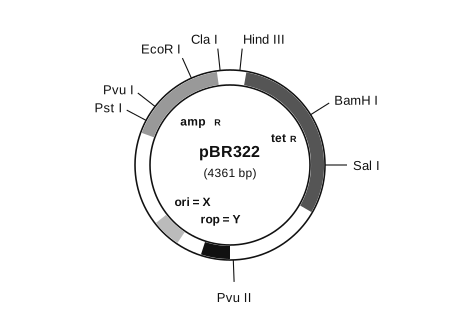
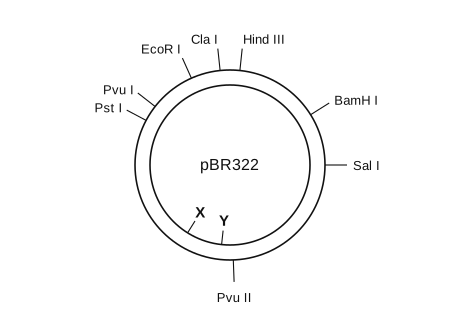
The following diagram showing restriction sites in E. coli cloning vector pBR322. Find the role of ‘X’ and ‘Y’ genes:
निम्नलिखित आरेख E. coli क्लोनिंग संवाहक pBR322 में प्रतिबंधन स्थलों को दर्शाता है। ‘X’ और ‘Y’ जीनों की भूमिका ज्ञात कीजिए:
  1. AThe gene ‘X’ is responsible for controlling the copy number of the linked DNA and ‘Y’ for protein involved in the replication of plasmid.जीन ‘X’ जुड़े हुए DNA की प्रतिलिपि संख्या (copy number) के नियंत्रण के लिए उत्तरदायी है तथा ‘Y’ प्लाज्मिड के प्रतिकृतिकरण में शामिल प्रोटीन के लिए।
  2. BThe gene ‘X’ is for protein involved in replication of plasmid and ‘Y’ for resistance to antibiotics.जीन ‘X’ प्लाज्मिड के प्रतिकृतिकरण में शामिल प्रोटीन के लिए है तथा ‘Y’ प्रतिजैविकों के प्रति प्रतिरोध के लिए।
  3. CGene ‘X’ is responsible for recognition sites and ‘Y’ is responsible for antibiotic resistance.जीन ‘X’ पहचान स्थलों के लिए उत्तरदायी है तथा ‘Y’ प्रतिजैविक प्रतिरोध के लिए उत्तरदायी है।
  4. DThe gene ‘X’ is responsible for resistance to antibiotics and ‘Y’ for protein involved in the replication of plasmid.जीन ‘X’ प्रतिजैविकों के प्रति प्रतिरोध के लिए उत्तरदायी है तथा ‘Y’ प्लाज्मिड के प्रतिकृतिकरण में शामिल प्रोटीन के लिए।
Show answer

Concept: In the NCERT map of pBR322, the region near the bottom-left is ori and the adjacent region near Pvu II is rop.

  1. X marks ori – the origin of replication; it is also responsible for controlling the copy number of the linked DNA.
  2. Y marks rop – codes for proteins involved in the replication of the plasmid.
  3. Antibiotic resistance is carried by ampR (with Pvu I, Pst I sites) and tetR (with BamH I, Sal I sites) – not at X or Y, so (B) and (D) are wrong.
  4. Recognition sites are the restriction sites marked outside the ring – not genes X/Y, so (C) is wrong.

Short trick: In pBR322 read clockwise from Pvu II: "rop then ori" → Y = rop, X = ori.

Answer: (A) X – controls copy number (ori); Y – protein for plasmid replication (rop)

अवधारणा: NCERT के pBR322 मानचित्र में नीचे-बाईं ओर का क्षेत्र ori तथा Pvu II के पास का क्षेत्र rop है।

  1. X = ori – प्रतिकृतिकरण का उद्गम; यही जुड़े DNA की प्रतिलिपि संख्या को भी नियंत्रित करता है।
  2. Y = rop – प्लाज्मिड प्रतिकृतिकरण में शामिल प्रोटीनों का कोड करता है।
  3. प्रतिजैविक प्रतिरोध ampR (Pvu I, Pst I स्थल युक्त) व tetR (BamH I, Sal I स्थल युक्त) पर है – X या Y पर नहीं, अतः (B) व (D) गलत।
  4. पहचान स्थल वलय के बाहर दिखाए गए प्रतिबंधन स्थल हैं – जीन X/Y नहीं, अतः (C) गलत।

शॉर्ट ट्रिक: pBR322 में Pvu II से दक्षिणावर्त पढ़ें: "पहले rop फिर ori" → Y = rop, X = ori।

उत्तर: (A) X – प्रतिलिपि संख्या नियंत्रण (ori); Y – प्लाज्मिड प्रतिकृतिकरण प्रोटीन (rop)

NEET UGZoologyBiotechnology – cloning vector pBR322NEET UG 2024 · 5 May Shift 1
Q30.
Given below are two statements:
Statement I: In the nephron, the descending limb of loop of Henle is impermeable to water and permeable to electrolytes.
Statement II: The proximal convoluted tubule is lined by simple columnar brush border epithelium and increases the surface area for reabsorption.
In the light of the above statements, choose the correct answer from the options given below:
नीचे दो कथन दिए गए हैं:
कथन I: वृक्काणु में हेनले लूप की अवरोही भुजा जल के लिए अपारगम्य तथा विद्युत-अपघट्यों के लिए पारगम्य है।
कथन II: समीपस्थ संवलित नलिका (PCT) सरल स्तंभाकार ब्रश बॉर्डर उपकला से आस्तरित है तथा पुनरवशोषण हेतु सतही क्षेत्रफल बढ़ाती है।
उपर्युक्त कथनों के आलोक में, नीचे दिए गए विकल्पों में से सही उत्तर चुनिए:
  1. ABoth statement I and statement II are falseकथन I और कथन II दोनों असत्य हैं
  2. BStatement I is true but statement II is falseकथन I सत्य है परन्तु कथन II असत्य है
  3. CStatement I is false but statement II is trueकथन I असत्य है परन्तु कथन II सत्य है
  4. DBoth statement I and statement II are trueकथन I और कथन II दोनों सत्य हैं
Show answer

Concept: Descending limb: permeable to water, almost impermeable to electrolytes; PCT: simple cuboidal brush border epithelium.

  1. Statement I reverses the property – the descending limb is permeable to water and almost impermeable to electrolytes (it is the ascending limb that is impermeable to water) → false.
  2. Statement II – PCT is lined by simple cuboidal (not columnar) brush border epithelium → false.
  3. Both statements are false.

Short trick: "Descending = Drinks water; Ascending = Absorbs salt". PCT = "cuboidal with brush border".

Answer: (A) Both statement I and statement II are false

अवधारणा: अवरोही भुजा: जल के लिए पारगम्य, विद्युत-अपघट्यों के लिए लगभग अपारगम्य; PCT: सरल घनाकार ब्रश बॉर्डर उपकला।

  1. कथन I गुण को उलट देता है – अवरोही भुजा जल के लिए पारगम्य तथा विद्युत-अपघट्यों के लिए लगभग अपारगम्य है (जल के लिए अपारगम्य आरोही भुजा है) → असत्य।
  2. कथन II – PCT सरल घनाकार (स्तंभाकार नहीं) ब्रश बॉर्डर उपकला से आस्तरित है → असत्य।
  3. दोनों कथन असत्य हैं।

शॉर्ट ट्रिक: "अवरोही = जल पीती है; आरोही = लवण सोखती है"। PCT = "घनाकार, ब्रश बॉर्डर सहित"।

उत्तर: (A) कथन I और कथन II दोनों असत्य हैं

NEET UGZoologyExcretion – nephron structure and functionNEET UG 2024 · 5 May Shift 1
Q31.
Given below are two statements : one is labelled as Assertion A and the other is labelled as Reason R.
Assertion A: Breast-feeding during initial period of infant growth is recommended by doctors for bringing a healthy baby.
Reason R: Colostrum Contains several antibodies absolutely essential to develop resistance for the new-born baby.
In the light of the above statements, choose the most appropriate answer from the options given below:
नीचे दो कथन दिए गए हैं : एक को अभिकथन A तथा दूसरे को कारण R कहा गया है।
अभिकथन A: शिशु वृद्धि की प्रारंभिक अवधि में स्तनपान की सलाह चिकित्सक स्वस्थ शिशु के लिए देते हैं।
कारण R: खीस (कोलोस्ट्रम) में अनेक प्रतिरक्षी होते हैं जो नवजात शिशु में प्रतिरोध क्षमता विकसित करने के लिए अत्यंत आवश्यक हैं।
उपर्युक्त कथनों के आलोक में, नीचे दिए गए विकल्पों में से सबसे उपयुक्त उत्तर चुनिए:
  1. ABoth A and R are correct, but R is NOT the correct explanation of A.A और R दोनों सही हैं, परन्तु R, A की सही व्याख्या नहीं है।
  2. BA is correct but R is not correct.A सही है परन्तु R सही नहीं है।
  3. CA is not correct but R is correct.A सही नहीं है परन्तु R सही है।
  4. DBoth A and R are correct, and R is the correct explanation of A.A और R दोनों सही हैं, तथा R, A की सही व्याख्या है।
Show answer

Concept: Milk of the first few days of lactation (colostrum) carries IgA antibodies – natural passive immunity.

  1. A – doctors recommend breast-feeding in the initial period for bringing up a healthy baby → correct.
  2. R – colostrum contains several antibodies absolutely essential to develop resistance in the new-born → correct.
  3. The antibodies in colostrum are exactly why early breast-feeding gives a healthy baby → R explains A.

Short trick: Colostrum → IgA → passive immunity → healthy baby: a direct cause-effect chain, so (D).

Answer: (D) Both A and R are correct, and R is the correct explanation of A.

अवधारणा: दुग्धस्रवण के प्रथम कुछ दिनों का दूध (खीस) IgA प्रतिरक्षी देता है – प्राकृतिक निष्क्रिय प्रतिरक्षा।

  1. A – स्वस्थ शिशु के लिए चिकित्सक प्रारंभिक अवधि में स्तनपान की सलाह देते हैं → सही।
  2. R – खीस में नवजात में प्रतिरोध विकसित करने हेतु अत्यंत आवश्यक अनेक प्रतिरक्षी होते हैं → सही।
  3. खीस के प्रतिरक्षी ही कारण हैं कि प्रारंभिक स्तनपान से शिशु स्वस्थ रहता है → R, A की व्याख्या करता है।

शॉर्ट ट्रिक: खीस → IgA → निष्क्रिय प्रतिरक्षा → स्वस्थ शिशु: सीधा कारण-प्रभाव, अतः (D)।

उत्तर: (D) A और R दोनों सही हैं, तथा R, A की सही व्याख्या है।

NEET UGZoologyHuman reproduction – lactation and colostrumNEET UG 2024 · 5 May Shift 1
Q32.
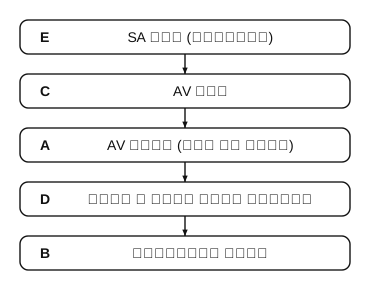
Following are the stages of pathway for conduction of an action potential through the heart
A. AV bundle
B. Purkinje fibres
C. AV node
D. Bundle branches
E. SA node
Choose the correct sequence of pathway from the options given below
हृदय में क्रिया विभव के चालन पथ की अवस्थाएँ नीचे दी गई हैं
A. AV बंडल
B. पुरकिंजे तंतु
C. AV नोड
D. बंडल शाखाएँ
E. SA नोड
नीचे दिए गए विकल्पों में से पथ का सही क्रम चुनिए
  1. AA-E-C-B-D
  2. BB-D-E-C-A
  3. CE-A-D-B-C
  4. DE-C-A-D-B
Show answer

Concept: Nodal tissue is autoexcitable; SAN is the pacemaker and the impulse spreads in a fixed order.

  1. SA node (E) in right upper corner of right atrium generates the impulse.
  2. AV node (C) in lower left corner of right atrium receives it.
  3. AV bundle (A) passes through the atrio-ventricular septum.
  4. It divides into right and left bundle branches (D) on the interventricular septum.
  5. Purkinje fibres (B) spread it through ventricular muscle.

Short trick: "SA → AV → His → Branches → Purkinje": always starts with E and ends with B – only (D).

Answer: (D) E-C-A-D-B

अवधारणा: नोडीय ऊतक स्वउत्तेजनशील है; SAN गति-प्रेरक है और आवेग एक निश्चित क्रम में फैलता है।

  1. SA नोड (E), दाएँ अलिंद के ऊपरी दाएँ कोने में, आवेग उत्पन्न करता है।
  2. AV नोड (C), दाएँ अलिंद के निचले बाएँ कोने में, इसे ग्रहण करता है।
  3. AV बंडल (A) अलिंद-निलय पट से गुज़रता है।
  4. यह अंतर-निलय पट पर दाईं व बाईं बंडल शाखाओं (D) में बँटता है।
  5. पुरकिंजे तंतु (B) इसे निलय पेशी में फैलाते हैं।

शॉर्ट ट्रिक: "SA → AV → हिस → शाखाएँ → पुरकिंजे": सदा E से शुरू, B पर अंत – केवल (D)।

उत्तर: (D) E-C-A-D-B

NEET UGZoologyBody fluids and circulation – conducting system of heartNEET UG 2024 · 5 May Shift 1
Q33.
Which one is the correct product of DNA dependent RNA polymerase to the given template?
3’TACATGGCAAATATCCATTCA5’
दिए गए टेम्पलेट के लिए DNA आश्रित RNA पॉलिमरेज़ का सही उत्पाद कौन-सा है?
3’TACATGGCAAATATCCATTCA5’
  1. A5’AUGUAAAGUUUAUAGGUAAGU3’
  2. B5’AUGUACCGUUUAUAGGGAAGU3’
  3. C5’ATGTACCGTTTATAGGTAAGT3’
  4. D5’AUGUACCGUUUAUAGGUAAGU3’
Show answer

Concept: RNA polymerase builds RNA 5′→3′, complementary and antiparallel to the 3′→5′ template, with U in place of T.

  1. Template 3′-T A C A T G G C A A A T A T C C A T T C A-5′.
  2. Pair each base: T→A, A→U, C→G, G→C.
  3. Product: 5′-A U G U A C C G U U U A U A G G U A A G U-3′.
  4. (A) has "AA" at positions 6–7 instead of "CC"; (B) has "GGG" instead of "GGU" near the end; (C) contains T, so it is DNA, not RNA. Only (D) matches.

Short trick: Reject any option with T (not RNA), then compare only the bases opposite the template’s "GGC" (→ CCG) and "ATT" (→ UAA).

Answer: (D) 5′AUGUACCGUUUAUAGGUAAGU3′

अवधारणा: RNA पॉलिमरेज़ RNA को 5′→3′ दिशा में, 3′→5′ टेम्पलेट के पूरक व प्रतिसमांतर, T के स्थान पर U रखकर बनाता है।

  1. टेम्पलेट 3′-T A C A T G G C A A A T A T C C A T T C A-5′।
  2. प्रत्येक क्षारक युग्मित करें: T→A, A→U, C→G, G→C।
  3. उत्पाद: 5′-A U G U A C C G U U U A U A G G U A A G U-3′।
  4. (A) में स्थान 6–7 पर "CC" के बजाय "AA" है; (B) में अंत के पास "GGU" के बजाय "GGG" है; (C) में T है, अतः वह DNA है, RNA नहीं। केवल (D) मेल खाता है।

शॉर्ट ट्रिक: जिस विकल्प में T हो (RNA नहीं) उसे हटाएँ, फिर केवल टेम्पलेट के "GGC" (→ CCG) व "ATT" (→ UAA) के सामने के क्षारक मिलाएँ।

उत्तर: (D) 5′AUGUACCGUUUAUAGGUAAGU3′

NEET UGZoologyMolecular basis of inheritance – transcriptionNEET UG 2024 · 5 May Shift 1
Q34.
Match List I with List II:
List IList II
A. α-1 antitrypsinI. Cotton bollworm
B. Cry 1AbII. ADA deficiency
C. Cry 1AcIII. Emphysema
D. Enzyme replacement therapyIV. Corn borer
Choose the correct answer from the options given below:
सूची-I का सूची-II से मिलान कीजिए :
सूची Iसूची II
A. α-1 ऐंटीट्रिप्सिनI. कपास का बॉलवर्म
B. Cry 1AbII. ADA की कमी
C. Cry 1AcIII. वातस्फीति (Emphysema)
D. एंजाइम प्रतिस्थापन चिकित्साIV. मक्का छेदक (Corn borer)
नीचे दिए गए विकल्पों में से सही उत्तर चुनिए :
  1. AA-III, B-I, C-II, D-IV
  2. BA-III, B-IV, C-I, D-II
  3. CA-II, B-IV, C-I, D-III
  4. DA-II, B-I, C-IV, D-III
Show answer

Concept: Applications of biotechnology in medicine and agriculture (NCERT).

  1. α-1-antitrypsin (from transgenic animals) is used to treat emphysema → A-III.
  2. cryIAb gene product controls corn borer → B-IV.
  3. cryIAc (and cryIIAb) products control cotton bollworms → C-I.
  4. Enzyme replacement therapy (functional ADA by injection) treats ADA deficiency → D-II.

Short trick: "cryIAc → cotton, cryIAb → corn borer".

Answer: (B) A-III, B-IV, C-I, D-II

अवधारणा: चिकित्सा व कृषि में जैव प्रौद्योगिकी के अनुप्रयोग (NCERT)।

  1. α-1-ऐंटीट्रिप्सिन (पारजीनी जंतुओं से) वातस्फीति के उपचार में प्रयुक्त → A-III।
  2. cryIAb जीन का उत्पाद मक्का छेदक को नियंत्रित करता है → B-IV।
  3. cryIAc (व cryIIAb) के उत्पाद कपास बॉलवर्म को नियंत्रित करते हैं → C-I।
  4. एंजाइम प्रतिस्थापन चिकित्सा (इंजेक्शन से क्रियाशील ADA) ADA की कमी का उपचार करती है → D-II।

शॉर्ट ट्रिक: "cryIAc → cotton (कपास), cryIAb → corn borer (मक्का छेदक)"।

उत्तर: (B) A-III, B-IV, C-I, D-II

NEET UGZoologyBiotechnology – applicationsNEET UG 2024 · 5 May Shift 1
Q35.
The “Ti plasmid” of Agrobacterium tumefaciens stands for
एग्रोबैक्टीरियम ट्यूमीफेसिएंस के “Ti प्लाज्मिड” का पूर्ण रूप है
  1. ATumor independent plasmidट्यूमर स्वतंत्र प्लाज्मिड (Tumor independent plasmid)
  2. BTumor inducing plasmidट्यूमर उत्प्रेरक प्लाज्मिड (Tumor inducing plasmid)
  3. CTemperature independent plasmidताप स्वतंत्र प्लाज्मिड (Temperature independent plasmid)
  4. DTumour inhibiting plasmidट्यूमर निरोधी प्लाज्मिड (Tumour inhibiting plasmid)
Show answer

Concept: A. tumefaciens transfers T-DNA into dicot cells and causes crown gall tumours.

  1. Ti = Tumour inducing plasmid – it transforms normal plant cells into tumour cells.
  2. It has been disarmed (made non-pathogenic) and is used as a cloning vector to deliver genes into plants.
  3. It neither inhibits tumours nor has anything to do with temperature or "independence".

Short trick: The bacterium causes crown gall, so its plasmid must induce tumours – "Ti = Tumour inducer".

Answer: (B) Tumor inducing plasmid

अवधारणा: A. ट्यूमीफेसिएंस द्विबीजपत्री कोशिकाओं में T-DNA स्थानांतरित कर क्राउन गॉल ट्यूमर उत्पन्न करता है।

  1. Ti = ट्यूमर उत्प्रेरक प्लाज्मिड – यह सामान्य पादप कोशिकाओं को ट्यूमर कोशिकाओं में बदल देता है।
  2. इसे निरस्त्र (अरोगजनक) कर पौधों में जीन पहुँचाने हेतु क्लोनिंग संवाहक के रूप में प्रयोग किया जाता है।
  3. यह न तो ट्यूमर रोकता है, न ही इसका ताप या "स्वतंत्रता" से कोई संबंध है।

शॉर्ट ट्रिक: जीवाणु क्राउन गॉल करता है, अतः उसका प्लाज्मिड ट्यूमर उत्प्रेरक है – "Ti = Tumour inducer"।

उत्तर: (B) ट्यूमर उत्प्रेरक प्लाज्मिड

NEET UGZoologyBiotechnology – vectors (Ti plasmid)NEET UG 2024 · 5 May Shift 1
Q36.
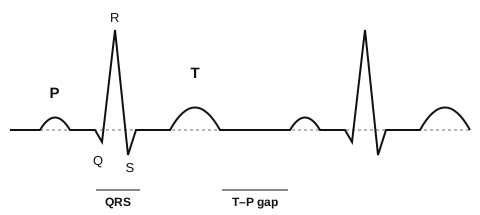
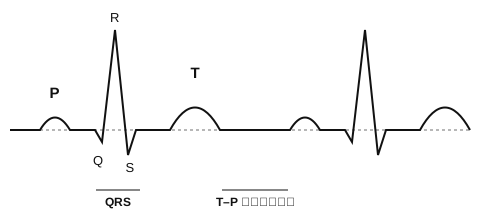
Match List I with List II:
List IList II
A. P WaveI. Heart muscles are electrically silent.
B. QRS complexII. Depolarisation of ventricles.
C. T waveIII. Depolarisation of atria.
D. T-P gapIV. Repolarisation of ventricles.
Choose the correct answer from the options given below:
सूची-I का सूची-II से मिलान कीजिए :
सूची Iसूची II
A. P तरंगI. हृदय पेशियाँ विद्युतीय रूप से निष्क्रिय (शांत) रहती हैं।
B. QRS सम्मिश्रII. निलयों का विध्रुवण।
C. T तरंगIII. अलिंदों का विध्रुवण।
D. T-P अंतरालIV. निलयों का पुनर्ध्रुवण।
नीचे दिए गए विकल्पों में से सही उत्तर चुनिए :
  1. AA-III, B-II, C-IV, D-I
  2. BA-II, B-III, C-I, D-IV
  3. CA-IV, B-II, C-I, D-III
  4. DA-I, B-III, C-IV, D-II
Show answer

Concept: ECG waves record electrical events of the cardiac cycle.

  1. P wave – depolarisation of atria (atrial contraction follows) → A-III.
  2. QRS complex – depolarisation of ventricles (ventricular contraction begins) → B-II.
  3. T wave – repolarisation of ventricles (end of systole) → C-IV.
  4. T-P gap – period between beats when heart muscle is electrically silent → D-I.

Short trick: "P = Pre-ventricle (atria), QRS = big ventricles, T = Turn-back (repolarise), gap = silence".

Answer: (A) A-III, B-II, C-IV, D-I

अवधारणा: ECG तरंगें हृद चक्र की विद्युतीय घटनाएँ दर्शाती हैं।

  1. P तरंग – अलिंदों का विध्रुवण (इसके बाद अलिंद संकुचन) → A-III।
  2. QRS सम्मिश्र – निलयों का विध्रुवण (निलय संकुचन आरंभ) → B-II।
  3. T तरंग – निलयों का पुनर्ध्रुवण (प्रकुंचन का अंत) → C-IV।
  4. T-P अंतराल – दो धड़कनों के बीच का समय जब हृदय पेशी विद्युतीय रूप से शांत रहती है → D-I।

शॉर्ट ट्रिक: "P = अलिंद, QRS = बड़े निलय, T = वापसी (पुनर्ध्रुवण), अंतराल = शांति"।

उत्तर: (A) A-III, B-II, C-IV, D-I

NEET UGZoologyBody fluids and circulation – ECGNEET UG 2024 · 5 May Shift 1
Q37.
Given below are two statements :
Statement I : Gause’s competitive exclusion principle states that two closely related species competing for different resources cannot exist indefinitely.
Statement II : According to Gause’s principle, during competition, the inferior will be eliminated. This may be true if resources are limiting.
In the light of the above statements. choose the correct answer from the options given below :
नीचे दो कथन दिए गए हैं :
कथन I : गॉज़ का प्रतिस्पर्धी अपवर्जन सिद्धांत कहता है कि भिन्न संसाधनों के लिए प्रतिस्पर्धा करने वाली दो निकट संबंधित जातियाँ अनिश्चित काल तक अस्तित्व में नहीं रह सकतीं।
कथन II : गॉज़ के सिद्धांत के अनुसार, प्रतिस्पर्धा के दौरान हीन जाति समाप्त हो जाएगी। यह तब सत्य हो सकता है यदि संसाधन सीमित हों।
उपर्युक्त कथनों के आलोक में, नीचे दिए गए विकल्पों में से सही उत्तर चुनिए :
  1. ABoth Statement I and Statement II are false.कथन I और कथन II दोनों असत्य हैं।
  2. BStatement I is true but Statement II is false.कथन I सत्य है परन्तु कथन II असत्य है।
  3. CStatement I is false but Statement II is true.कथन I असत्य है परन्तु कथन II सत्य है।
  4. DBoth Statement I and Statement II are true.कथन I और कथन II दोनों सत्य हैं।
Show answer

Concept: Gause: two closely related species competing for the same resources cannot co-exist indefinitely; the competitively inferior one is eliminated – true if resources are limiting.

  1. Statement I says "different resources" – species using different resources do not compete and can co-exist → false.
  2. Statement II – the inferior is eliminated, and this may be true if resources are limiting, but not otherwise → true (NCERT line).

Short trick: Competitive exclusion needs the SAME resource – "different" is the planted error.

Answer: (C) Statement I is false but Statement II is true.

अवधारणा: गॉज़: समान संसाधनों के लिए प्रतिस्पर्धा करने वाली दो निकट संबंधित जातियाँ अनिश्चित काल तक सह-अस्तित्व में नहीं रह सकतीं; प्रतिस्पर्धा में हीन जाति समाप्त हो जाती है – यह संसाधन सीमित होने पर सत्य है।

  1. कथन I में "भिन्न संसाधन" लिखा है – भिन्न संसाधन उपयोग करने वाली जातियाँ प्रतिस्पर्धा नहीं करतीं और सह-अस्तित्व रख सकती हैं → असत्य।
  2. कथन II – हीन जाति समाप्त होती है, और यह संसाधन सीमित होने पर सत्य हो सकता है, अन्यथा नहीं → सत्य (NCERT पंक्ति)।

शॉर्ट ट्रिक: प्रतिस्पर्धी अपवर्जन के लिए समान संसाधन चाहिए – "भिन्न" लगाई गई गलती है।

उत्तर: (C) कथन I असत्य है परन्तु कथन II सत्य है।

NEET UGZoologyOrganisms and populations – competitionNEET UG 2024 · 5 May Shift 1
Q38.
Given below are two statements :
Statement I : Mitochondria and chloroplasts are both double membrane bound organelles.
Statement II : Inner membrane of Mitochondria is relatively less permeable, as compared to chloroplast.
In the light of the above statements. choose the correct answer from the options given below :
नीचे दो कथन दिए गए हैं :
कथन I : सूत्रकणिका और हरितलवक दोनों दोहरी झिल्ली से घिरे कोशिकांग हैं।
कथन II : हरितलवक की तुलना में सूत्रकणिका की आंतरिक झिल्ली अपेक्षाकृत कम पारगम्य है।
उपर्युक्त कथनों के आलोक में, नीचे दिए गए विकल्पों में से सही उत्तर चुनिए :
  1. ABoth Statement I and Statement II are incorrect.कथन I और कथन II दोनों गलत हैं।
  2. BStatement I is correct but Statement II is incorrect.कथन I सही है परन्तु कथन II गलत है।
  3. CStatement I is incorrect but Statement II is correct.कथन I गलत है परन्तु कथन II सही है।
  4. DBoth Statement I and Statement II are correct.कथन I और कथन II दोनों सही हैं।
Show answer

Concept: NCERT: "Like mitochondria, the chloroplasts are also double membrane bound. Of the two, the inner chloroplast membrane is relatively less permeable."

  1. Statement I – both organelles have an outer and an inner membrane → correct.
  2. Statement II – NCERT states the inner chloroplast membrane is the relatively less permeable one; the statement attributes this to the mitochondrion as compared to chloroplast → incorrect.

Short trick: NCERT phrase "relatively less permeable" belongs to the chloroplast chapter line – any statement shifting it to mitochondria is the error.

Answer: (B) Statement I is correct but Statement II is incorrect.

अवधारणा: NCERT: "सूत्रकणिका की भाँति हरितलवक भी दोहरी झिल्ली से घिरे होते हैं। दोनों में से हरितलवक की आंतरिक झिल्ली अपेक्षाकृत कम पारगम्य है।"

  1. कथन I – दोनों कोशिकांगों में बाहरी व आंतरिक झिल्ली होती है → सही।
  2. कथन II – NCERT के अनुसार हरितलवक की आंतरिक झिल्ली अपेक्षाकृत कम पारगम्य है; कथन यह गुण हरितलवक की तुलना में सूत्रकणिका को देता है → गलत।

शॉर्ट ट्रिक: NCERT वाक्यांश "अपेक्षाकृत कम पारगम्य" हरितलवक की पंक्ति का है – इसे सूत्रकणिका पर ले जाने वाला कथन गलत है।

उत्तर: (B) कथन I सही है परन्तु कथन II गलत है।

NEET UGZoologyCell – mitochondria and plastidsNEET UG 2024 · 5 May Shift 1
Q39.
Choose the correct statement given below regarding juxta medullary nephron.
जक्स्टा मेड्यूलरी वृक्काणु के संबंध में नीचे दिया गया सही कथन चुनिए।
  1. ARenal corpuscle of juxta medullary nephron lies in the outer portion of the renal medulla.जक्स्टा मेड्यूलरी वृक्काणु का वृक्क कणिका वृक्क मध्यांश (medulla) के बाहरी भाग में स्थित होता है।
  2. BLoop of Henle of juxta medullary nephron runs deep into medulla.जक्स्टा मेड्यूलरी वृक्काणु का हेनले लूप मध्यांश में गहराई तक जाता है।
  3. CJuxta medullary nephrons outnumber the cortical nephrons.जक्स्टा मेड्यूलरी वृक्काणुओं की संख्या वल्कुटीय वृक्काणुओं से अधिक होती है।
  4. DJuxta medullary nephrons are located in the columns of Bertini.जक्स्टा मेड्यूलरी वृक्काणु बर्टिनी स्तंभों में स्थित होते हैं।
Show answer

Concept: Nephrons are cortical (short loop, majority) or juxta medullary (long loop, deep in medulla).

  1. (A) Wrong – the Malpighian (renal) corpuscle, PCT and DCT of every nephron lie in the cortex.
  2. (B) Correct – in juxta medullary nephrons the loop of Henle is very long and runs deep into the medulla.
  3. (C) Wrong – the majority are cortical nephrons with short loops.
  4. (D) Wrong – columns of Bertini are cortical extensions between medullary pyramids; nephrons are not "located" there.

Short trick: "Juxta-medullary = next to medulla → long loop goes deep". The corpuscle is always in the cortex.

Answer: (B) Loop of Henle of juxta medullary nephron runs deep into medulla.

अवधारणा: वृक्काणु वल्कुटीय (छोटा लूप, अधिकांश) या जक्स्टा मेड्यूलरी (लंबा लूप, मध्यांश में गहरा) होते हैं।

  1. (A) गलत – प्रत्येक वृक्काणु का मैल्पीघी (वृक्क) कणिका, PCT व DCT वल्कुट में होते हैं।
  2. (B) सही – जक्स्टा मेड्यूलरी वृक्काणुओं में हेनले लूप बहुत लंबा होता है और मध्यांश में गहराई तक जाता है।
  3. (C) गलत – अधिकांश वृक्काणु छोटे लूप वाले वल्कुटीय होते हैं।
  4. (D) गलत – बर्टिनी स्तंभ मध्यांश पिरामिडों के बीच वल्कुट के प्रसार हैं; वृक्काणु वहाँ "स्थित" नहीं होते।

शॉर्ट ट्रिक: "जक्स्टा-मेड्यूलरी = मध्यांश के पास → लंबा लूप गहराई तक"। कणिका सदा वल्कुट में।

उत्तर: (B) जक्स्टा मेड्यूलरी वृक्काणु का हेनले लूप मध्यांश में गहराई तक जाता है।

NEET UGZoologyExcretion – juxta medullary nephronNEET UG 2024 · 5 May Shift 1
Q40.
Match List I with List II:
List IList II
A. Exophthalmic goiterI. Excess secretion of cortisol, moon face & hyperglycemia
B. AcromegalyII. Hypo-secretion of thyroid hormone and stunted growth.
C. Cushing’s syndromeIII. Hyper secretion of thyroid hormone & protruding eye balls.
D. CretinismIV. Excessive secretion of growth hormone.
Choose the correct answer from the options given below:
सूची-I का सूची-II से मिलान कीजिए :
सूची Iसूची II
A. नेत्रोत्सेधी गलगंड (Exophthalmic goiter)I. कॉर्टिसॉल का अधिक स्राव, चंद्रमुख (moon face) व अतिग्लूकोसरक्तता
B. अतिकायता (Acromegaly)II. थायरॉइड हॉर्मोन का अल्पस्राव तथा अवरुद्ध वृद्धि।
C. कुशिंग सिंड्रोमIII. थायरॉइड हॉर्मोन का अतिस्राव व उभरे हुए नेत्रगोलक।
D. क्रेटिनता (Cretinism)IV. वृद्धि हॉर्मोन का अत्यधिक स्राव।
नीचे दिए गए विकल्पों में से सही उत्तर चुनिए :
  1. AA-IV, B-II, C-I, D-III
  2. BA-III, B-IV, C-II, D-I
  3. CA-III, B-IV, C-I, D-II
  4. DA-I, B-III, C-II, D-IV
Show answer

Concept: Endocrine disorders from hyper- or hypo-secretion.

  1. Exophthalmic goitre (Graves’ disease) – hyperthyroidism with protruding eyeballs → A-III.
  2. Acromegaly – excess GH in adults → B-IV.
  3. Cushing’s syndrome – excess cortisol: moon face, hyperglycaemia → C-I.
  4. Cretinism – hypothyroidism during development: stunted growth, mental retardation → D-II.

Short trick: "Exo-ophthalmic = eyes out → hyper-thyroid"; "Cushing = Cortisol"; "Cretin = child, low thyroid".

Answer: (C) A-III, B-IV, C-I, D-II

अवधारणा: अति- या अल्प-स्राव से होने वाले अंतःस्रावी विकार।

  1. नेत्रोत्सेधी गलगंड (ग्रेव्स रोग) – अतिथायरॉइडता, उभरे नेत्रगोलक → A-III।
  2. अतिकायता – वयस्क में GH का अधिक्य → B-IV।
  3. कुशिंग सिंड्रोम – कॉर्टिसॉल अधिक्य: चंद्रमुख, अतिग्लूकोसरक्तता → C-I।
  4. क्रेटिनता – विकास काल में अल्पथायरॉइडता: अवरुद्ध वृद्धि, मानसिक मंदता → D-II।

शॉर्ट ट्रिक: "Exophthalmic = आँखें बाहर → अतिथायरॉइड"; "Cushing = Cortisol"; "Cretin = बच्चा, कम थायरॉइड"।

उत्तर: (C) A-III, B-IV, C-I, D-II

NEET UGZoologyChemical coordination – hormonal disordersNEET UG 2024 · 5 May Shift 1