Q501.The addition of a catalyst during a chemical reaction alters which of the following quantities?
रासायनिक अभिक्रिया के दौरान उत्प्रेरक मिलाने से निम्नलिखित में से कौन-सी राशि परिवर्तित होती है?
- AEntropyएन्ट्रॉपी
- BInternal energyआंतरिक ऊर्जा
- CEnthalpyएन्थैल्पी
- DActivation energyसक्रियण ऊर्जा
Show answer
Concept: A catalyst provides an alternative pathway (different activated complex) with lower activation energy; it does not change the initial and final states.
- ΔH, ΔU, ΔS (and ΔG) are state functions – they depend only on reactants and products, so a catalyst leaves them unchanged.
- Only Ea (forward and backward equally) is lowered → rate increases, equilibrium constant unchanged.
Short trick: Catalyst changes the "path" (Ea), never the "destination" (ΔH, ΔG, K).
Answer: (D) Activation energy
अवधारणा: उत्प्रेरक कम सक्रियण ऊर्जा वाला वैकल्पिक मार्ग (भिन्न सक्रियित संकुल) प्रदान करता है; यह प्रारंभिक व अंतिम अवस्थाएँ नहीं बदलता।
- ΔH, ΔU, ΔS (तथा ΔG) अवस्था फलन हैं – ये केवल अभिकारकों व उत्पादों पर निर्भर हैं, अतः उत्प्रेरक इन्हें नहीं बदलता।
- केवल Ea (अग्र व पश्च दोनों समान रूप से) घटती है → वेग बढ़ता है, साम्य स्थिरांक अपरिवर्तित।
शॉर्ट ट्रिक: उत्प्रेरक "मार्ग" (Ea) बदलता है, "गंतव्य" (ΔH, ΔG, K) कभी नहीं।
उत्तर: (D) सक्रियण ऊर्जा
NEET UGChemistryChemical kinetics – effect of catalystNEET UG 2016 · 1 May Shift 1
Q502.The ionic radii of A+ and B− ions are 0.98 × 10⁻¹⁰ m and 1.81 × 10⁻¹⁰ m. The coordination number of each ion in AB is
A+ तथा B− आयनों की आयनिक त्रिज्याएँ 0.98 × 10⁻¹⁰ m तथा 1.81 × 10⁻¹⁰ m हैं। AB में प्रत्येक आयन की उपसहसंयोजन संख्या है
- A6
- B4
- C8
- D2
Show answer
Concept: Radius ratio r+/r− decides the coordination number: 0.225–0.414 → 4; 0.414–0.732 → 6; 0.732–1 → 8.
- 0.414 < 0.541 < 0.732 → octahedral voids → C.N. = 6 (NaCl type).
Short trick: These are the radii of Na+ (0.98 Å) and Cl− (1.81 Å) – rock salt, 6 : 6.
Answer: (A) 6
अवधारणा: त्रिज्या अनुपात r+/r− उपसहसंयोजन संख्या निर्धारित करता है: 0.225–0.414 → 4; 0.414–0.732 → 6; 0.732–1 → 8।
- 0.414 < 0.541 < 0.732 → अष्टफलकीय रिक्तियाँ → उपसहसंयोजन संख्या = 6 (NaCl प्रकार)।
शॉर्ट ट्रिक: ये Na+ (0.98 Å) तथा Cl− (1.81 Å) की त्रिज्याएँ हैं – रॉक सॉल्ट, 6 : 6।
उत्तर: (A) 6
NEET UGChemistrySolid state – radius ratio and coordination numberNEET UG 2016 · 1 May Shift 1
Q503.Which is the correct statement for the given acids?
दिए गए अम्लों के लिए सही कथन कौन-सा है?
- APhosphinic acid is a diprotic acid while phosphonic acid is a monoprotic acid.फॉस्फिनिक अम्ल द्विप्रोटिक अम्ल है जबकि फॉस्फोनिक अम्ल एकप्रोटिक अम्ल है।
- BPhosphinic acid is a monoprotic acid while phosphonic acid is a diprotic acid.फॉस्फिनिक अम्ल एकप्रोटिक अम्ल है जबकि फॉस्फोनिक अम्ल द्विप्रोटिक अम्ल है।
- CBoth are triprotic acidsदोनों त्रिप्रोटिक अम्ल हैं
- DBoth are diprotic acidsदोनों द्विप्रोटिक अम्ल हैं
Show answer
Concept: Only H atoms on oxygen (P–OH) are ionisable; P–H hydrogens are not acidic.
- Phosphinic (hypophosphorous) acid H3PO2: one P–OH, two P–H → monoprotic.
- Phosphonic (phosphorous) acid H3PO3: two P–OH, one P–H → diprotic.
- (A) reverses them; (C), (D) are wrong.
Short trick: Basicity = number of –OH on P: H3PO2 → 1, H3PO3 → 2, H3PO4 → 3.
Answer: (B) Phosphinic acid monoprotic, phosphonic acid diprotic
अवधारणा: केवल ऑक्सीजन पर स्थित H परमाणु (P–OH) आयनित होते हैं; P–H हाइड्रोजन अम्लीय नहीं होते।
- फॉस्फिनिक (हाइपोफॉस्फोरस) अम्ल H3PO2: एक P–OH, दो P–H → एकप्रोटिक।
- फॉस्फोनिक (फॉस्फोरस) अम्ल H3PO3: दो P–OH, एक P–H → द्विप्रोटिक।
- (A) इन्हें उलट देता है; (C), (D) गलत हैं।
शॉर्ट ट्रिक: क्षारकता = P पर –OH की संख्या: H3PO2 → 1, H3PO3 → 2, H3PO4 → 3।
उत्तर: (B) फॉस्फिनिक अम्ल एकप्रोटिक, फॉस्फोनिक अम्ल द्विप्रोटिक
NEET UGChemistryp-Block – oxoacids of phosphorus (basicity)NEET UG 2016 · 1 May Shift 1
Q504.Fog is a colloidal solution of:
कोहरा (fog) किसका कोलॉइडी विलयन है?
- ALiquid in gasगैस में द्रव
- BGas in liquidद्रव में गैस
- CSolid in gasगैस में ठोस
- DGas in gasगैस में गैस
Show answer
Concept: Colloids are named "dispersed phase in dispersion medium". Fog = tiny water droplets (liquid) dispersed in air (gas) – an aerosol.
- Liquid in gas (aerosol): fog, mist, clouds. ✔
- Gas in liquid (foam): whipped cream, soap lather.
- Solid in gas (aerosol): smoke, dust.
- Gas in gas: not a colloid – gases mix completely to form a true solution.
Short trick: Fog/cloud/mist = liquid-in-gas; smoke/dust = solid-in-gas.
Answer: (A) Liquid in gas
अवधारणा: कोलॉइडों का नाम "परिक्षेपण माध्यम में परिक्षिप्त प्रावस्था" के रूप में होता है। कोहरा = वायु (गैस) में परिक्षिप्त जल की सूक्ष्म बूँदें (द्रव) – एक ऐरोसॉल।
- गैस में द्रव (ऐरोसॉल): कोहरा, धुंध, बादल। ✔
- द्रव में गैस (फेन): फेंटी हुई क्रीम, साबुन का झाग।
- गैस में ठोस (ऐरोसॉल): धुआँ, धूल।
- गैस में गैस: कोलॉइड नहीं – गैसें पूर्णतः मिलकर वास्तविक विलयन बनाती हैं।
शॉर्ट ट्रिक: कोहरा/बादल/धुंध = गैस में द्रव; धुआँ/धूल = गैस में ठोस।
उत्तर: (A) गैस में द्रव
NEET UGChemistrySurface chemistry – types of colloidsNEET UG 2016 · 1 May Shift 1
Q505.Which of the following statements about the composition of the vapour over an ideal 1 : 1 molar mixture of benzene and toluene is correct? Assume that the temperature is constant at 25°C. (Given vapour pressure data at 25°C, benzene = 12.8 kPa, toluene = 3.85 kPa)
बेन्ज़ीन तथा टॉलूईन के आदर्श 1 : 1 मोलर मिश्रण के ऊपर वाष्प के संघटन के बारे में निम्नलिखित में से कौन-सा कथन सही है? मान लीजिए कि ताप 25°C पर स्थिर है। (25°C पर वाष्प दाब आँकड़े: बेन्ज़ीन = 12.8 kPa, टॉलूईन = 3.85 kPa)
- AThe vapour will contain a higher percentage of benzene.वाष्प में बेन्ज़ीन का प्रतिशत अधिक होगा।
- BThe vapour will contain a higher percentage of toluene.वाष्प में टॉलूईन का प्रतिशत अधिक होगा।
- CThe vapour will contain equal amounts of benzene and toluene.वाष्प में बेन्ज़ीन तथा टॉलूईन की समान मात्राएँ होंगी।
- DNot enough information is given to make a prediction.भविष्यवाणी करने के लिए पर्याप्त सूचना नहीं दी गई है।
Show answer
Concept: Raoult's law: pi = xipi°; in the vapour, yi = pi/Ptotal. The more volatile component is richer in the vapour.
- pbenzene = 0.5 × 12.8 = 6.40 kPa; ptoluene = 0.5 × 3.85 = 1.925 kPa.
- Ptotal = 8.325 kPa.
- ybenzene = 6.40/8.325 = 0.77; ytoluene = 0.23 → vapour is about 77 % benzene.
Short trick: Equal mole fractions in liquid ⇒ vapour ratio = ratio of p° values (12.8 : 3.85 ≈ 3.3 : 1) – benzene dominates.
Answer: (A) Higher percentage of benzene
अवधारणा: राउल्ट नियम: pi = xipi°; वाष्प में yi = pi/Pकुल। अधिक वाष्पशील घटक वाष्प में अधिक होता है।
- pबेन्ज़ीन = 0.5 × 12.8 = 6.40 kPa; pटॉलूईन = 0.5 × 3.85 = 1.925 kPa।
- Pकुल = 8.325 kPa।
- yबेन्ज़ीन = 6.40/8.325 = 0.77; yटॉलूईन = 0.23 → वाष्प में लगभग 77 % बेन्ज़ीन।
शॉर्ट ट्रिक: द्रव में समान मोल अंश ⇒ वाष्प अनुपात = p° मानों का अनुपात (12.8 : 3.85 ≈ 3.3 : 1) – बेन्ज़ीन प्रधान।
उत्तर: (A) बेन्ज़ीन का प्रतिशत अधिक
NEET UGChemistrySolutions – Raoult's law, vapour compositionNEET UG 2016 · 1 May Shift 1
Q506.The correct statement regarding the comparison of staggered and eclipsed conformations of ethane, is:
एथेन के सांतरित (staggered) तथा ग्रसित (eclipsed) संरूपणों की तुलना के संबंध में सही कथन है:
- AThe staggered conformation of ethane is less stable than eclipsed conformation, because staggered conformation has torsional strain.एथेन का सांतरित संरूपण ग्रसित संरूपण से कम स्थायी है, क्योंकि सांतरित संरूपण में मरोड़ी विकृति (torsional strain) होती है।
- BThe eclipsed conformation of ethane is more stable than staggered conformation, because eclipsed conformation has no torsional strain.एथेन का ग्रसित संरूपण सांतरित संरूपण से अधिक स्थायी है, क्योंकि ग्रसित संरूपण में मरोड़ी विकृति नहीं होती।
- CThe eclipsed conformation of ethane is more stable than staggered conformation even though the eclipsed conformation has torsional strain.एथेन का ग्रसित संरूपण सांतरित संरूपण से अधिक स्थायी है, यद्यपि ग्रसित संरूपण में मरोड़ी विकृति होती है।
- DThe staggered conformation of ethane is more stable than eclipsed conformation, because staggered conformation has no torsional strain.एथेन का सांतरित संरूपण ग्रसित संरूपण से अधिक स्थायी है, क्योंकि सांतरित संरूपण में मरोड़ी विकृति नहीं होती।
Show answer
Concept: Torsional strain is the repulsion between bond pairs of C–H bonds on adjacent carbons; it is maximum when they are eclipsed and minimum when staggered.
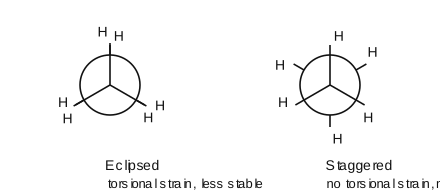
- Staggered: C–H bonds as far apart as possible (60° dihedral) → no torsional strain → most stable.
- Eclipsed: C–H bonds aligned (0°) → maximum torsional strain → least stable (about 12.5 kJ mol−1 higher).
- (A), (B), (C) all wrongly make the eclipsed form more stable or give strain to the staggered form.
Short trick: Staggered = "spread out" = stable; eclipsed = "crowded" = strained.
Answer: (D) Staggered is more stable – it has no torsional strain.
अवधारणा: मरोड़ी विकृति, संलग्न कार्बनों के C–H आबंधों के आबंधी युग्मों के बीच प्रतिकर्षण है; ग्रसित होने पर यह अधिकतम और सांतरित होने पर न्यूनतम होती है।
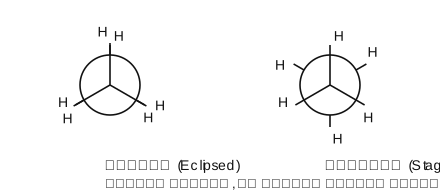
- सांतरित: C–H आबंध अधिकतम दूरी पर (60° द्वितल कोण) → मरोड़ी विकृति नहीं → सर्वाधिक स्थायी।
- ग्रसित: C–H आबंध एक सीध में (0°) → अधिकतम मरोड़ी विकृति → न्यूनतम स्थायी (लगभग 12.5 kJ mol−1 अधिक ऊर्जा)।
- (A), (B), (C) सभी गलत रूप से ग्रसित रूप को अधिक स्थायी बताते हैं या सांतरित रूप में विकृति मानते हैं।
शॉर्ट ट्रिक: सांतरित = "फैला हुआ" = स्थायी; ग्रसित = "भीड़भाड़" = विकृत।
उत्तर: (D) सांतरित अधिक स्थायी है – इसमें मरोड़ी विकृति नहीं होती।
NEET UGChemistryHydrocarbons – conformations of ethaneNEET UG 2016 · 1 May Shift 1
Q507.The reaction

Can be classified as:
अभिक्रिया
को वर्गीकृत किया जा सकता है:
- AWilliamson ether synthesis reactionविलियम्सन ईथर संश्लेषण अभिक्रिया
- BAlcohol formation reactionऐल्कोहॉल निर्माण अभिक्रिया
- CDehydration reactionनिर्जलन अभिक्रिया
- DWilliamson alcohol synthesis reactionविलियम्सन ऐल्कोहॉल संश्लेषण अभिक्रिया
Show answer
Concept: Williamson synthesis: an alkoxide ion (RO−) attacks a primary alkyl halide by SN2 to give an ether R–O–R′.
- Cyclopentanol + NaH → sodium cyclopentoxide + H2 (NaH removes the O–H proton).
- Cyclopentoxide + CH3I → cyclopentyl methyl ether (methoxycyclopentane) + NaI.
- An alcohol is consumed, not formed (B); no water is lost (C); "Williamson alcohol synthesis" does not exist (D).
Short trick: Alkoxide + methyl/1° halide = Williamson ether. Keep the bulky part on the alkoxide side, methyl on the halide side.
Answer: (A) Williamson ether synthesis reaction
अवधारणा: विलियम्सन संश्लेषण: ऐल्कॉक्साइड आयन (RO−) प्राथमिक ऐल्किल हैलाइड पर SN2 आक्रमण कर ईथर R–O–R′ बनाता है।
- साइक्लोपेन्टेनॉल + NaH → सोडियम साइक्लोपेन्टॉक्साइड + H2 (NaH, O–H प्रोटॉन हटाता है)।
- साइक्लोपेन्टॉक्साइड + CH3I → साइक्लोपेन्टिल मेथिल ईथर (मेथॉक्सीसाइक्लोपेन्टेन) + NaI।
- ऐल्कोहॉल उपभुक्त होता है, बनता नहीं (B); जल नहीं निकलता (C); "विलियम्सन ऐल्कोहॉल संश्लेषण" नाम की कोई अभिक्रिया नहीं (D)।
शॉर्ट ट्रिक: ऐल्कॉक्साइड + मेथिल/1° हैलाइड = विलियम्सन ईथर। भारी भाग ऐल्कॉक्साइड की ओर, मेथिल हैलाइड की ओर रखें।
उत्तर: (A) विलियम्सन ईथर संश्लेषण अभिक्रिया
NEET UGChemistryEthers – Williamson synthesisNEET UG 2016 · 1 May Shift 1
Q508.The product formed by the reaction of an aldehyde with a primary amine is:
ऐल्डिहाइड की प्राथमिक ऐमीन के साथ अभिक्रिया द्वारा बनने वाला उत्पाद है:
- ASchiff baseशिफ़ क्षारक (Schiff base)
- BKetoneकीटोन
- CCarboxylic acidकार्बोक्सिलिक अम्ल
- DAromatic acidऐरोमैटिक अम्ल
Show answer
Concept: Ammonia derivatives Z–NH2 add to C=O and then lose water, giving C=N–Z. With a primary amine (Z = R′) the imine formed is called a Schiff base.
- RCHO + R′NH2 → RCH=N–R′ + H2O (Schiff base / imine).
- No oxidation occurs, so no carboxylic acid; an aldehyde cannot become a ketone here.
Short trick: Aldehyde + 1° amine → Schiff base (C=N–R); + NH2OH → oxime; + NH2NH2 → hydrazone.
Answer: (A) Schiff base
अवधारणा: अमोनिया व्युत्पन्न Z–NH2, C=O पर योग कर फिर जल निकालते हैं और C=N–Z बनाते हैं। प्राथमिक ऐमीन (Z = R′) से बनने वाली इमीन शिफ़ क्षारक कहलाती है।
- RCHO + R′NH2 → RCH=N–R′ + H2O (शिफ़ क्षारक / इमीन)।
- कोई ऑक्सीकरण नहीं होता, अतः कार्बोक्सिलिक अम्ल नहीं; ऐल्डिहाइड यहाँ कीटोन नहीं बन सकता।
शॉर्ट ट्रिक: ऐल्डिहाइड + 1° ऐमीन → शिफ़ क्षारक (C=N–R); + NH2OH → ऑक्सिम; + NH2NH2 → हाइड्रेज़ोन।
उत्तर: (A) शिफ़ क्षारक
NEET UGChemistryAldehydes – reaction with primary amines (Schiff base)NEET UG 2016 · 1 May Shift 1
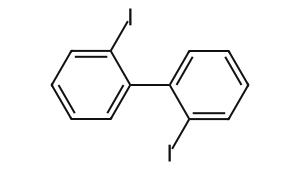
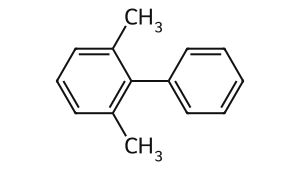
Q509.Which of the following biphenyls is optically active?
निम्नलिखित में से कौन-सा बाइफेनिल ध्रुवण घूर्णक (optically active) है?
- A
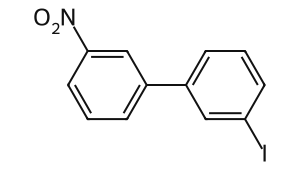
- B
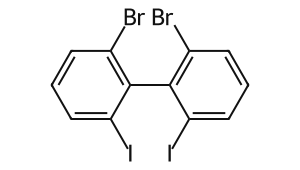
- C
- D
Show answer
Concept: A biphenyl is optically active only if (i) bulky ortho groups stop rotation about the central C–C bond, and (ii) neither ring is symmetric about its own axis (each ring carries two DIFFERENT ortho groups).
- (A) Only meta substituents (NO2, I) – no ortho groups, rings rotate freely → inactive.
- (B) Each ring has Br and I at the two ortho positions: rotation is blocked and each ring is unsymmetrical → the twisted molecule is chiral (atropisomers) → optically active.
- (C) Only one I on each ring – two ortho H atoms are too small to lock rotation well; the molecule interconverts → inactive.
- (D) The dimethyl ring has two identical ortho groups (CH3, CH3) and the other ring is plain phenyl → a plane of symmetry exists → inactive.
Short trick: Look for "2 ortho groups on each ring, and different on each ring" – only (B) has Br/I on both rings.
Answer: (B) The 2,2′-dibromo-6,6′-diiodobiphenyl
अवधारणा: बाइफेनिल केवल तभी ध्रुवण घूर्णक होता है जब (i) भारी ऑर्थो समूह केंद्रीय C–C आबंध के परितः घूर्णन रोकें, तथा (ii) कोई भी वलय अपनी अक्ष के सापेक्ष सममित न हो (प्रत्येक वलय पर दो भिन्न ऑर्थो समूह हों)।
- (A) केवल मेटा प्रतिस्थापी (NO2, I) – कोई ऑर्थो समूह नहीं, वलय स्वतंत्र रूप से घूमते हैं → अघूर्णक।
- (B) प्रत्येक वलय की दोनों ऑर्थो स्थितियों पर Br तथा I हैं: घूर्णन अवरुद्ध है और प्रत्येक वलय असममित है → मुड़ा हुआ अणु किरेल (ऐट्रोपसमावयवी) है → ध्रुवण घूर्णक।
- (C) प्रत्येक वलय पर केवल एक I – दो ऑर्थो H परमाणु घूर्णन को रोकने के लिए बहुत छोटे हैं; अणु परस्पर परिवर्तित होता रहता है → अघूर्णक।
- (D) डाइमेथिल वलय पर दो समान ऑर्थो समूह (CH3, CH3) हैं और दूसरा वलय साधारण फेनिल है → सममिति तल उपस्थित → अघूर्णक।
शॉर्ट ट्रिक: "प्रत्येक वलय पर 2 ऑर्थो समूह, और वे भिन्न हों" देखिए – केवल (B) में दोनों वलयों पर Br/I है।
उत्तर: (B) 2,2′-डाइब्रोमो-6,6′-डाइआयोडोबाइफेनिल
NEET UGChemistryStereochemistry – optical activity of biphenyls (atropisomerism)NEET UG 2016 · 1 May Shift 1
Q510.For the following reactions:
a. CH
3CH
2CH
2Br + KOH → CH
3CH = CH
2 + KBr + H
2O
b.
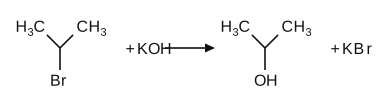
c.
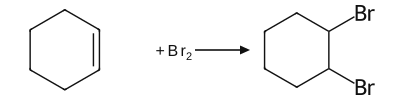
Which of the following statements is correct?
निम्नलिखित अभिक्रियाओं के लिए:
a. CH
3CH
2CH
2Br + KOH → CH
3CH = CH
2 + KBr + H
2O
b.
c.
निम्नलिखित में से कौन-सा कथन सही है?
- Aa and b are elimination reactions and c is addition reaction.a तथा b विलोपन अभिक्रियाएँ हैं और c योगज अभिक्रिया है।
- Ba is elimination, b is substitution and c is addition reaction.a विलोपन, b प्रतिस्थापन और c योगज अभिक्रिया है।
- Ca is elimination, b and c are substitution reactions.a विलोपन है, b तथा c प्रतिस्थापन अभिक्रियाएँ हैं।
- Da is substitution, b and c are addition reactions.a प्रतिस्थापन है, b तथा c योगज अभिक्रियाएँ हैं।
Show answer
Concept: Classify by what happens to the substrate: loss of HX to form C=C = elimination; one group replaced by another = substitution; atoms added across C=C = addition.
- a: 1-bromopropane loses HBr and gives propene (C=C) → elimination.
- b: Br of 2-bromopropane is replaced by OH, giving propan-2-ol → substitution.
- c: Br2 adds across the C=C of cyclohexene → 1,2-dibromocyclohexane → addition.
- Only (B) matches all three.
Short trick: Product has a new C=C → elimination; same skeleton, X swapped → substitution; C=C disappears → addition.
Answer: (B) a elimination, b substitution, c addition
अवधारणा: क्रियाधार के साथ क्या होता है उसके अनुसार वर्गीकरण: HX निकलकर C=C बनना = विलोपन; एक समूह का दूसरे से प्रतिस्थापित होना = प्रतिस्थापन; C=C पर परमाणुओं का जुड़ना = योगज।
- a: 1-ब्रोमोप्रोपेन से HBr निकलकर प्रोपीन (C=C) बनती है → विलोपन।
- b: 2-ब्रोमोप्रोपेन का Br, OH द्वारा प्रतिस्थापित होकर प्रोपेन-2-ऑल बनता है → प्रतिस्थापन।
- c: साइक्लोहेक्सीन के C=C पर Br2 जुड़ता है → 1,2-डाइब्रोमोसाइक्लोहेक्सेन → योगज।
- केवल (B) तीनों से मेल खाता है।
शॉर्ट ट्रिक: उत्पाद में नया C=C → विलोपन; ढाँचा वही, X बदला → प्रतिस्थापन; C=C समाप्त → योगज।
उत्तर: (B) a विलोपन, b प्रतिस्थापन, c योगज
NEET UGChemistryOrganic reactions – substitution, elimination, additionNEET UG 2016 · 1 May Shift 1
Q511.At 100°C the vapour pressure of a solution of 6.5 g of a solute in 100 g water is 732 mm. If Kb = 0.52, the boiling point of this solution will be:
100°C पर 100 g जल में 6.5 g विलेय के विलयन का वाष्प दाब 732 mm है। यदि Kb = 0.52 है, तो इस विलयन का क्वथनांक होगा:
- A101°C
- B100°C
- C102°C
- D103°C
Show answer
Concept: At 100°C pure water has p° = 760 mm. Relative lowering gives the molar mass; then ΔTb = Kbm.
- ⇒
- Molality
- ΔTb = 0.52 × 2.05 ≈ 1.06 K ≈ 1 K → Tb ≈ 101°C.
Short trick: Shortcut: K – no need to find M.
Answer: (A) 101°C
अवधारणा: 100°C पर शुद्ध जल का p° = 760 mm है। आपेक्षिक अवनमन से मोलर द्रव्यमान मिलता है; फिर ΔTb = Kbm।
- ⇒
- मोललता
- ΔTb = 0.52 × 2.05 ≈ 1.06 K ≈ 1 K → Tb ≈ 101°C।
शॉर्ट ट्रिक: शॉर्टकट: K – M निकालने की आवश्यकता नहीं।
उत्तर: (A) 101°C
NEET UGChemistrySolutions – relative lowering of vapour pressure and elevation of boiling pointNEET UG 2016 · 1 May Shift 1
Q512.The correct statement regarding RNA and DNA, respectively is:
क्रमशः RNA तथा DNA के संबंध में सही कथन है:
- AThe sugar component in RNA is arabinose and the sugar component in DNA is 2’-deoxyribose.RNA में शर्करा घटक ऐरेबिनोस है तथा DNA में शर्करा घटक 2’-डीऑक्सीराइबोस है।
- BThe sugar component in RNA is ribose and the sugar component in DNA is 2’-deoxyribose.RNA में शर्करा घटक राइबोस है तथा DNA में शर्करा घटक 2’-डीऑक्सीराइबोस है।
- CThe sugar component in RNA is arabinose and the sugar component in DNA is ribose.RNA में शर्करा घटक ऐरेबिनोस है तथा DNA में शर्करा घटक राइबोस है।
- DThe sugar component in RNA is 2’-deoxyribose and the sugar component in DNA is arabinose.RNA में शर्करा घटक 2’-डीऑक्सीराइबोस है तथा DNA में शर्करा घटक ऐरेबिनोस है।
Show answer
Concept: Both nucleic acids contain a pentose in the furanose form: β-D-ribose in RNA and β-D-2-deoxyribose (no –OH at C-2′) in DNA – the "D" in DNA means deoxy.
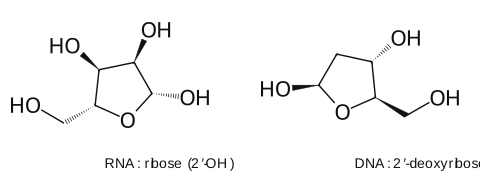
- RNA = Ribo-nucleic acid → ribose.
- DNA = Deoxyribo-nucleic acid → 2′-deoxyribose.
- Arabinose (a C-2 epimer of ribose) is not a sugar of natural nucleic acids → (A), (C), (D) are wrong.
Short trick: The name tells the sugar: Ribo-NA and Deoxyribo-NA.
Answer: (B) RNA – ribose; DNA – 2′-deoxyribose
अवधारणा: दोनों न्यूक्लिक अम्लों में फ्यूरैनोस रूप की पेन्टोस शर्करा होती है: RNA में β-D-राइबोस तथा DNA में β-D-2-डीऑक्सीराइबोस (C-2′ पर –OH नहीं) – DNA में "D" का अर्थ डीऑक्सी है।
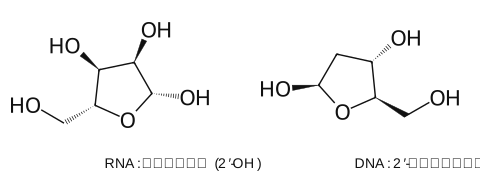
- RNA = राइबो-न्यूक्लिक अम्ल → राइबोस।
- DNA = डीऑक्सीराइबो-न्यूक्लिक अम्ल → 2′-डीऑक्सीराइबोस।
- ऐरेबिनोस (राइबोस का C-2 एपिमर) प्राकृतिक न्यूक्लिक अम्लों की शर्करा नहीं है → (A), (C), (D) गलत हैं।
शॉर्ट ट्रिक: नाम ही शर्करा बताता है: राइबो-NA तथा डीऑक्सीराइबो-NA।
उत्तर: (B) RNA – राइबोस; DNA – 2′-डीऑक्सीराइबोस
NEET UGChemistryBiomolecules – sugars in nucleic acidsNEET UG 2016 · 1 May Shift 1
Q513.The correct statement regarding the basicity of aryl amines is:
ऐरिल ऐमीनों की क्षारकता के संबंध में सही कथन है:
- AAryl amines are generally less basic than alkyl amines because the nitrogen lone-pair electrons are delocalized by interaction with the aromatic ring π electron system.ऐरिल ऐमीन सामान्यतः ऐल्किल ऐमीनों से कम क्षारकीय होती हैं क्योंकि नाइट्रोजन के एकाकी युग्म इलेक्ट्रॉन ऐरोमैटिक वलय के π इलेक्ट्रॉन तंत्र के साथ अन्योन्यक्रिया द्वारा विस्थानीकृत हो जाते हैं।
- BAryl amines are generally more basic than alkyl amines because the nitrogen lone-pair electrons are not delocalized by interaction with the aromatic ring π electron system.ऐरिल ऐमीन सामान्यतः ऐल्किल ऐमीनों से अधिक क्षारकीय होती हैं क्योंकि नाइट्रोजन के एकाकी युग्म इलेक्ट्रॉन ऐरोमैटिक वलय के π इलेक्ट्रॉन तंत्र के साथ अन्योन्यक्रिया द्वारा विस्थानीकृत नहीं होते।
- CAryl amines are generally more basic than alkyl amines because of aryl group.ऐरिल ऐमीन सामान्यतः ऐरिल समूह के कारण ऐल्किल ऐमीनों से अधिक क्षारकीय होती हैं।
- DAryl amines are generally more basic than alkyl amines, because the nitrogen atom in aryl amines is sp-hybridized.ऐरिल ऐमीन सामान्यतः ऐल्किल ऐमीनों से अधिक क्षारकीय होती हैं, क्योंकि ऐरिल ऐमीनों में नाइट्रोजन परमाणु sp-संकरित होता है।
Show answer
Concept: Basicity of an amine = availability of the N lone pair to accept a proton.
- In aniline the N lone pair is in conjugation with the ring (resonance) → less available → weaker base (pKb 9.4).
- In alkyl amines the +I effect of alkyl groups pushes electron density onto N → stronger bases (pKb ≈ 3–4).
- (B), (C), (D) all say aryl amines are MORE basic – wrong; also N in aniline is close to sp2, not sp.
Short trick: Lone pair "busy" in resonance → poor base: aniline < NH3 < CH3NH2.
Answer: (A) Aryl amines are less basic due to delocalisation of the N lone pair.
अवधारणा: ऐमीन की क्षारकता = प्रोटॉन ग्रहण करने के लिए N के एकाकी युग्म की उपलब्धता।
- ऐनिलीन में N का एकाकी युग्म वलय के साथ संयुग्मन (अनुनाद) में है → कम उपलब्ध → दुर्बल क्षारक (pKb 9.4)।
- ऐल्किल ऐमीनों में ऐल्किल समूहों का +I प्रभाव N पर इलेक्ट्रॉन घनत्व बढ़ाता है → प्रबल क्षारक (pKb ≈ 3–4)।
- (B), (C), (D) सभी ऐरिल ऐमीनों को अधिक क्षारकीय बताते हैं – गलत; साथ ही ऐनिलीन में N लगभग sp2 है, sp नहीं।
शॉर्ट ट्रिक: एकाकी युग्म अनुनाद में "व्यस्त" → दुर्बल क्षारक: ऐनिलीन < NH3 < CH3NH2।
उत्तर: (A) N एकाकी युग्म के विस्थानीकरण के कारण ऐरिल ऐमीन कम क्षारकीय हैं।
NEET UGChemistryAmines – basicity of aryl aminesNEET UG 2016 · 1 May Shift 1
Q514.Which one given below is a non-reducing sugar?
नीचे दिए गए में से कौन-सी अनपचायी (non-reducing) शर्करा है?
- AMaltoseमाल्टोस
- BLactoseलैक्टोस
- CGlucoseग्लूकोस
- DSucroseसुक्रोस
Show answer
Concept: A sugar is reducing if it has a free hemiacetal/hemiketal (free aldehyde or keto group) that can reduce Tollens'/Fehling's reagent.
- Sucrose: glycosidic bond joins C1 of α-D-glucose with C2 of β-D-fructose – both reducing groups are used up → non-reducing.
- Maltose (glucose C1–C4 glucose) and lactose (galactose C1–C4 glucose) keep a free C1 → reducing.
- Glucose is a free aldose → reducing.
Short trick: Sucrose is the only common disaccharide where the bond is "head-to-head" (C1–C2) → non-reducing.
Answer: (D) Sucrose
अवधारणा: शर्करा अपचायी होती है यदि उसमें मुक्त हेमिऐसीटैल/हेमिकीटैल (मुक्त ऐल्डिहाइड या कीटो समूह) हो जो टॉलेन/फेलिंग अभिकर्मक को अपचयित कर सके।
- सुक्रोस: ग्लाइकोसाइडी आबंध α-D-ग्लूकोस के C1 को β-D-फ्रक्टोस के C2 से जोड़ता है – दोनों अपचायी समूह प्रयुक्त हो जाते हैं → अनपचायी।
- माल्टोस (ग्लूकोस C1–C4 ग्लूकोस) तथा लैक्टोस (गैलेक्टोस C1–C4 ग्लूकोस) में मुक्त C1 बचा रहता है → अपचायी।
- ग्लूकोस एक मुक्त ऐल्डोस है → अपचायी।
शॉर्ट ट्रिक: सुक्रोस ही वह सामान्य डाइसैकेराइड है जिसमें आबंध "शीर्ष-से-शीर्ष" (C1–C2) है → अनपचायी।
उत्तर: (D) सुक्रोस
NEET UGChemistryBiomolecules – reducing and non-reducing sugarsNEET UG 2016 · 1 May Shift 1
Q515.The pair of electron in the given carbanion, CH3C ≡ C⊖ is present in which of the following orbitals?
दिए गए कार्बऋणायन, CH3C ≡ C⊖ में इलेक्ट्रॉन युग्म निम्नलिखित में से किस कक्षक में उपस्थित है?
- A2p
- Bsp3
- Csp2
- Dsp
Show answer
Concept: Hybridisation = number of σ bonds + lone pairs on the atom (2 → sp, 3 → sp2, 4 → sp3).
- The terminal carbon in CH3–C≡C:− has 1 σ bond (to C) + 1 lone pair = 2 → sp; its two π bonds use the unhybridised 2p orbitals.
- So the lone pair sits in an sp hybrid orbital, pointing along the C≡C axis (50 % s-character – which is why the acetylide ion is relatively stable).
- 2p orbitals are busy in π bonding; sp3/sp2 would need 4 or 3 σ-type domains.
Short trick: Triple-bonded carbon is always sp – the lone pair just replaces the H of the terminal alkyne.
Answer: (D) sp
अवधारणा: संकरण = परमाणु पर σ आबंधों + एकाकी युग्मों की संख्या (2 → sp, 3 → sp2, 4 → sp3)।
- CH3–C≡C:− के सीमांत कार्बन पर 1 σ आबंध (C से) + 1 एकाकी युग्म = 2 → sp; इसके दो π आबंध असंकरित 2p कक्षकों का उपयोग करते हैं।
- अतः एकाकी युग्म sp संकर कक्षक में रहता है, जो C≡C अक्ष के अनुदिश है (50 % s-लक्षण – इसीलिए ऐसीटिलाइड आयन अपेक्षाकृत स्थायी है)।
- 2p कक्षक π आबंधन में व्यस्त हैं; sp3/sp2 के लिए 4 या 3 σ-प्रकार के क्षेत्र चाहिए।
शॉर्ट ट्रिक: त्रिआबंधित कार्बन सदैव sp होता है – एकाकी युग्म बस सीमांत ऐल्काइन के H का स्थान ले लेता है।
उत्तर: (D) sp
NEET UGChemistryOrganic chemistry basics – hybridisation in carbanionsNEET UG 2016 · 1 May Shift 1
Q516.2,3-Dimethyl-2-butene can be prepared by heating which of the following compounds with a strong acid?
2,3-डाइमेथिल-2-ब्यूटीन को निम्नलिखित में से किस यौगिक को प्रबल अम्ल के साथ गर्म करके बनाया जा सकता है?
- A(CH3)2C = CH − CH2 − CH3
- B(CH3)2CH − CH2 − CH = CH2
- C
- D(CH3)3C − CH = CH2
Show answer
Concept: With a strong acid an alkene is protonated to a carbocation; a less stable cation rearranges (1,2-methyl or hydride shift) to a more stable one, and loss of H⁺ then gives the most substituted alkene.
- (CH3)3C–CH=CH2 + H⁺ → (CH3)3C–C⁺H–CH3 (2° carbocation).
- 1,2-methyl shift: → (CH3)2C⁺–CH(CH3)–CH3 (3° carbocation, more stable).
- Loss of H⁺ from the adjacent C–H gives (CH3)2C=C(CH3)2 = 2,3-dimethyl-2-butene (tetrasubstituted, Saytzeff product).
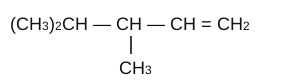
- (A) and (B) have only 5 C on a chain with one branch – any cation from them gives a 2-methylpentene skeleton, not 2,3-dimethylbutene. (C) has 7 C, so it cannot give a C6 alkene.
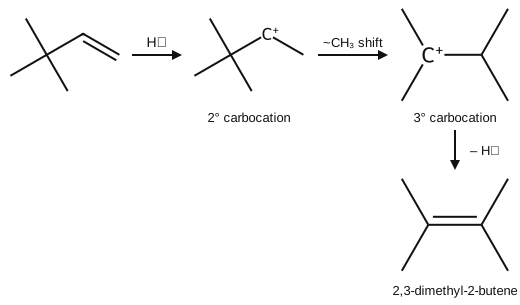
Short trick: Count carbons first: product is C6H12 with a 2,3-dimethylbutane skeleton – only (CH3)3C–CH=CH2 (3,3-dimethyl-1-butene) has a quaternary C that can donate a methyl to the neighbouring cation.
Answer: (D) (CH3)3C − CH = CH2
अवधारणा: प्रबल अम्ल के साथ ऐल्कीन प्रोटॉनित होकर कार्बधनायन (carbocation) बनाती है; कम स्थायी धनायन 1,2-मेथिल या हाइड्राइड विस्थापन द्वारा अधिक स्थायी धनायन में पुनर्विन्यसित होता है, फिर H⁺ के निष्कासन से सर्वाधिक प्रतिस्थापित ऐल्कीन बनती है।
- (CH3)3C–CH=CH2 + H⁺ → (CH3)3C–C⁺H–CH3 (2° कार्बधनायन)।
- 1,2-मेथिल विस्थापन: → (CH3)2C⁺–CH(CH3)–CH3 (3° कार्बधनायन, अधिक स्थायी)।
- समीपवर्ती C–H से H⁺ निकलने पर (CH3)2C=C(CH3)2 = 2,3-डाइमेथिल-2-ब्यूटीन (चतुःप्रतिस्थापित, सेत्जेफ उत्पाद) बनता है।
- (A) तथा (B) में 5 C की शृंखला व एक शाखा है – इनसे बना धनायन 2-मेथिलपेन्टीन ढाँचा देता है, 2,3-डाइमेथिलब्यूटेन नहीं। (C) में 7 C हैं, अतः यह C6 ऐल्कीन नहीं दे सकता।
शॉर्ट ट्रिक: पहले कार्बन गिनें: उत्पाद C6H12 है जिसका ढाँचा 2,3-डाइमेथिलब्यूटेन है – केवल (CH3)3C–CH=CH2 (3,3-डाइमेथिल-1-ब्यूटीन) में चतुष्क C है जो पास के धनायन को मेथिल दे सकता है।
उत्तर: (D) (CH3)3C − CH = CH2
NEET UGChemistryHydrocarbons – carbocation rearrangementNEET UG 2015 · 25 Jul Shift 1
Q517.Gadolinium belongs of 4f series. Its atomic number is 64. Which of the following is the correct electronic configuration of gadolinium?
गैडोलिनियम 4f श्रेणी से संबंधित है। इसका परमाणु क्रमांक 64 है। गैडोलिनियम का सही इलेक्ट्रॉनिक विन्यास निम्नलिखित में से कौन-सा है?
- A[Xe]4f75d16s2
- B[Xe]4f65d26s2
- C[Xe]4f86d2
- D[Xe]4f95s1
Show answer
Concept: Exactly half-filled 4f7 is extra stable, so Gd puts one electron in 5d instead of making 4f8.
- Z = 64; [Xe] accounts for 54 electrons, so 10 electrons remain.
- 6s takes 2 → 8 left; 4f7 (half-filled, stable) + 5d1 uses the remaining 8.
- Gd = [Xe]4f75d16s2. (B) 4f65d2 loses half-filled stability; (C) and (D) use wrong shells (6d, 5s are not being filled after [Xe]).
Short trick: Gd (64) and Cm (96) are the "half-filled f7 + d1" exceptions – same pattern as La/Ce starting the series with 5d1.
Answer: (A) [Xe]4f75d16s2
अवधारणा: पूर्णतः अर्धपूरित 4f7 अतिरिक्त स्थायी होता है, अतः Gd 4f8 बनाने के बजाय एक इलेक्ट्रॉन 5d में रखता है।
- Z = 64; [Xe] में 54 इलेक्ट्रॉन हैं, अतः 10 इलेक्ट्रॉन शेष रहते हैं।
- 6s में 2 → 8 शेष; 4f7 (अर्धपूरित, स्थायी) + 5d1 में शेष 8 इलेक्ट्रॉन जाते हैं।
- Gd = [Xe]4f75d16s2। (B) 4f65d2 में अर्धपूरित स्थायित्व नहीं है; (C) तथा (D) में गलत कोश (6d, 5s) हैं जो [Xe] के बाद नहीं भरते।
शॉर्ट ट्रिक: Gd (64) तथा Cm (96) "अर्धपूरित f7 + d1" अपवाद हैं – ठीक वैसे ही जैसे La/Ce श्रेणी 5d1 से शुरू करते हैं।
उत्तर: (A) [Xe]4f75d16s2
NEET UGChemistryf-block elements – electronic configurationNEET UG 2015 · 25 Jul Shift 1
Q518.The formation of the oxide ion, O2−(g), from oxygen atom requires first an exothermic and then an endothermic step as shown in below:
O(g) + e− ⟶ O−(g) ; ΔfH⊖ = −141 kJ mol−1
O−(g) + e− ⟶ O2−(g) ; ΔfH⊖ = +780 kJ mol−1
Thus process of formation of O2− in gas phase is unfavourable though O2− is isoelectronic with neon. It is due to the fact that,
ऑक्सीजन परमाणु से ऑक्साइड आयन, O2−(g), के बनने में पहले एक ऊष्माक्षेपी तथा फिर एक ऊष्माशोषी चरण होता है, जैसा नीचे दर्शाया गया है:
O(g) + e− ⟶ O−(g) ; ΔfH⊖ = −141 kJ mol−1
O−(g) + e− ⟶ O2−(g) ; ΔfH⊖ = +780 kJ mol−1
अतः गैस प्रावस्था में O2− का बनना प्रतिकूल है, यद्यपि O2− नियॉन के साथ समइलेक्ट्रॉनिक है। इसका कारण यह है कि,
- AOxygen is more electronegative.ऑक्सीजन अधिक विद्युत्ऋणात्मक है।
- BAddition of electron in oxygen results in larger size of the ion.ऑक्सीजन में इलेक्ट्रॉन जुड़ने से आयन का आकार बड़ा हो जाता है।
- CElectron repulsion outweighs the stability gained by achieving noble gas configuration.इलेक्ट्रॉन प्रतिकर्षण, उत्कृष्ट गैस विन्यास प्राप्त करने से मिलने वाले स्थायित्व से अधिक होता है।
- DO− ion has comparatively smaller size than oxygen atom.O− आयन का आकार ऑक्सीजन परमाणु की तुलना में छोटा होता है।
Show answer
Concept: The second electron must be pushed into an already negative ion, so a large energy is needed to overcome electron–electron repulsion.
- O → O− releases 141 kJ mol−1, but O− → O2− needs 780 kJ mol−1; net +639 kJ mol−1.
- This large positive value comes from repulsion between the incoming electron and the negative O− ion; it is larger than the gain from the neon configuration → (C).
- (A) High electronegativity would favour electron gain, not oppose it. (B) Size increase is a consequence, not the reason for the energy cost. (D) is false – O− is larger than O.
Short trick: Any "second electron gain enthalpy" is always positive – the reason is always repulsion of the anion. In solids O2− survives only because lattice energy pays this cost.
Answer: (C) Electron repulsion outweighs the noble-gas stability
अवधारणा: दूसरा इलेक्ट्रॉन पहले से ऋणात्मक आयन में डालना पड़ता है, अतः इलेक्ट्रॉन–इलेक्ट्रॉन प्रतिकर्षण पर विजय पाने के लिए अधिक ऊर्जा चाहिए।
- O → O− में 141 kJ mol−1 मुक्त होती है, पर O− → O2− में 780 kJ mol−1 लगती है; कुल +639 kJ mol−1।
- यह बड़ा धनात्मक मान आने वाले इलेक्ट्रॉन तथा ऋणात्मक O− आयन के बीच प्रतिकर्षण से है; यह नियॉन विन्यास से मिलने वाले स्थायित्व से अधिक है → (C)।
- (A) अधिक विद्युत्ऋणात्मकता इलेक्ट्रॉन ग्रहण के पक्ष में होती, विरोध में नहीं। (B) आकार बढ़ना परिणाम है, ऊर्जा व्यय का कारण नहीं। (D) गलत है – O− का आकार O से बड़ा है।
शॉर्ट ट्रिक: हर "द्वितीय इलेक्ट्रॉन लब्धि एन्थैल्पी" सदैव धनात्मक होती है – कारण सदैव ऋणायन का प्रतिकर्षण है। ठोसों में O2− केवल इसलिए बनता है क्योंकि जालक ऊर्जा यह व्यय पूरा कर देती है।
उत्तर: (C) इलेक्ट्रॉन प्रतिकर्षण उत्कृष्ट गैस स्थायित्व से अधिक है
NEET UGChemistryPeriodic properties – electron gain enthalpyNEET UG 2015 · 25 Jul Shift 1
Q519.The number of structural isomers possible from the molecular formula C3H9N is:
आण्विक सूत्र C3H9N से संभव संरचनात्मक समावयवों की संख्या है:
- A2
- B3
- C4
- D5
Show answer
Concept: C3H9N is a saturated amine; isomers come from chain/position (1°) and from splitting carbons on N (2°, 3°).
- 1° amines: CH3CH2CH2NH2 (propan-1-amine) and (CH3)2CHNH2 (propan-2-amine).
- 2° amine: CH3CH2NHCH3 (N-methylethanamine).
- 3° amine: (CH3)3N (N,N-dimethylmethanamine).
- Total = 2 + 1 + 1 = 4.
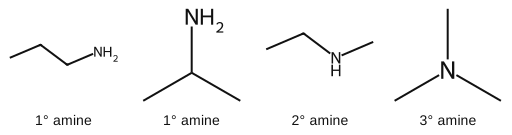
Short trick: C2H7N → 2, C3H9N → 4, C4H11N → 8 amines (doubling pattern worth remembering).
Answer: (C) 4
अवधारणा: C3H9N एक संतृप्त ऐमीन है; समावयव शृंखला/स्थिति (1°) से तथा N पर कार्बनों को बाँटने (2°, 3°) से बनते हैं।
- 1° ऐमीन: CH3CH2CH2NH2 (प्रोपेन-1-ऐमीन) तथा (CH3)2CHNH2 (प्रोपेन-2-ऐमीन)।
- 2° ऐमीन: CH3CH2NHCH3 (N-मेथिलएथेनऐमीन)।
- 3° ऐमीन: (CH3)3N (N,N-डाइमेथिलमेथेनऐमीन)।
- कुल = 2 + 1 + 1 = 4।
शॉर्ट ट्रिक: C2H7N → 2, C3H9N → 4, C4H11N → 8 ऐमीन (दुगुना होने का क्रम याद रखें)।
उत्तर: (C) 4
NEET UGChemistryAmines – structural isomerismNEET UG 2015 · 25 Jul Shift 1
Q520.If the equilibrium constant for N2(g) + O2(g) ⇌ 2NO(g) is K, the equilibrium constant for N2(g) + O2(g) ⇌ NO(g) will be:
यदि N2(g) + O2(g) ⇌ 2NO(g) का साम्य स्थिरांक K है, तो N2(g) + O2(g) ⇌ NO(g) का साम्य स्थिरांक होगा:
- AK
- BK2
- C
- D
Show answer
Concept: If a balanced equation is multiplied by n, the new equilibrium constant is Kn.
- .
- The new reaction is the old one × ½, so .
Short trick: Multiply equation → raise K to that power; reverse → 1/K; add equations → multiply K’s. (D) ½K is the common trap.
Answer: (C)
अवधारणा: यदि संतुलित समीकरण को n से गुणा किया जाए, तो नया साम्य स्थिरांक Kn होता है।
- ।
- नई अभिक्रिया पुरानी × ½ है, अतः ।
शॉर्ट ट्रिक: समीकरण को गुणा → K पर उतनी घात; उलटना → 1/K; समीकरण जोड़ना → K का गुणनफल। (D) ½K सामान्य भ्रामक विकल्प है।
उत्तर: (C)
NEET UGChemistryEquilibrium – manipulation of KNEET UG 2015 · 25 Jul Shift 1

