NEET UG · 2,240 questions

NEET UG 2015, 2016, 2017, 2018, 2019, 2020, 2021, 2022, 2023, 2024, 2025, 2026 PYQs

Real previous year questions, subject-wise. Try the question, then open the answer and the explanation in Hindi & English – free, no login.

Courses – airGurukul

720 questions in Biology.

Q81.
Colostrum, secreted by mother during initial days of lactation, is abundant in ________.
स्तनपान के प्रारंभिक दिनों में माता द्वारा स्रावित खीस (colostrum) में ________ प्रचुर मात्रा में होता है।
  1. AIgG
  2. BIgM
  3. CIgA
  4. DIgD
Show answer

Concept: NCERT: the yellowish fluid colostrum secreted by the mother during the initial days of lactation has abundant antibodies (IgA) to protect the infant – natural passive immunity.

  1. IgA – in colostrum, saliva, tears, mucus → answer.
  2. IgG – crosses the placenta (foetus gets it in utero).
  3. IgM – first antibody in primary response (largest, pentamer).
  4. IgD – on B-cell surface, receptor role.

Short trick: "A for Amrit (colostrum)": IgA in milk; IgG "Goes across placenta".

Answer: (C) IgA

अवधारणा: NCERT: स्तनपान के प्रारंभिक दिनों में माता द्वारा स्रावित पीला द्रव खीस शिशु की रक्षा हेतु प्रचुर प्रतिरक्षी (IgA) युक्त होता है – प्राकृतिक निष्क्रिय प्रतिरक्षा।

  1. IgA – खीस, लार, आँसू, श्लेष्मा में → उत्तर।
  2. IgG – अपरा को पार करता है (भ्रूण को गर्भ में मिलता है)।
  3. IgM – प्राथमिक अनुक्रिया में पहला प्रतिरक्षी (सबसे बड़ा, पेंटामर)।
  4. IgD – B-कोशिका की सतह पर, ग्राही भूमिका।

शॉर्ट ट्रिक: "A से अमृत (खीस)": दूध में IgA; IgG "अपरा पार जाता है"।

उत्तर: (C) IgA
NEET UGBiologyImmunity – passive immunityNEET UG 2026 · 21 Jun Shift 1
Q82.
Given below are two statements : one is labelled as Assertion A and the other is labelled as Reason R.
Assertion A : Abingdon tortoise in Galapagos islands became extinct within a decade after goats were introduced.
Reason R : Goats were more efficient at browsing than Abingdon tortoise.
In the light of the above statements, choose the most appropriate answer from the options given below :
नीचे दो कथन दिए गए हैं : एक को अभिकथन A तथा दूसरे को कारण R कहा गया है।
अभिकथन A : गैलापेगोस द्वीप में बकरियों के लाए जाने के एक दशक के भीतर एबिंग्डन कछुआ विलुप्त हो गया।
कारण R : बकरियाँ एबिंग्डन कछुए की तुलना में चरने में अधिक दक्ष थीं।
उपरोक्त कथनों के आलोक में, नीचे दिए गए विकल्पों में से सबसे उपयुक्त उत्तर चुनिए :
  1. ABoth A and R are correct and R is the correct explanation of AA और R दोनों सही हैं तथा R, A की सही व्याख्या है
  2. BBoth A and R are correct but R is not the correct explanation of AA और R दोनों सही हैं लेकिन R, A की सही व्याख्या नहीं है
  3. CA is correct but R is not correctA सही है लेकिन R सही नहीं है
  4. DA is not correct but R is correctA सही नहीं है लेकिन R सही है
Show answer

Concept: NCERT (Organisms and Populations): the Abingdon tortoise in Galapagos Islands became extinct within a decade after goats were introduced on the island, apparently due to the greater browsing efficiency of the goats – interspecific competition.

  1. A – correct: NCERT example.
  2. R – correct: goats out-competed the tortoise for food.
  3. Greater browsing efficiency (competition) is the stated cause of extinction → R explains A.

Short trick: Galapagos + goats = competition (Abingdon tortoise). Lake Victoria + Nile perch = alien species (cichlid fish).

Answer: (A) Both A and R are correct and R is the correct explanation of A

अवधारणा: NCERT (जीव और समष्टियाँ): गैलापेगोस द्वीप में बकरियों के लाए जाने के एक दशक के भीतर एबिंग्डन कछुआ विलुप्त हो गया, स्पष्टतः बकरियों की अधिक चरने की दक्षता के कारण – अंतरजातीय स्पर्धा।

  1. A – सही: NCERT का उदाहरण।
  2. R – सही: भोजन हेतु स्पर्धा में बकरियों ने कछुए को पछाड़ दिया।
  3. अधिक चरने की दक्षता (स्पर्धा) ही विलुप्ति का बताया गया कारण है → R, A की व्याख्या करता है।

शॉर्ट ट्रिक: गैलापेगोस + बकरियाँ = स्पर्धा (एबिंग्डन कछुआ)। विक्टोरिया झील + नील पर्च = विदेशी जाति (सिक्लिड मछली)।

उत्तर: (A) A और R दोनों सही हैं तथा R, A की सही व्याख्या है

NEET UGBiologyBiodiversity – causes of loss (alien species)NEET UG 2026 · 21 Jun Shift 1
Q83.
The covering of ovum at ovulation is ________.
अंडोत्सर्ग के समय अंडाणु का आवरण ________ है।
  1. Aendometriumगर्भाशय अंतःस्तर (endometrium)
  2. Bzona radiataज़ोना रेडिएटा
  3. Czona pellucidaज़ोना पेल्यूसिडा (पारदर्शी अंडावरण)
  4. Dchorionजरायु (chorion)
Show answer

Concept: The secondary oocyte released at ovulation is surrounded by a new membrane called the zona pellucida, outside which lie the corona radiata (follicle) cells.

  1. Zona pellucida – non-cellular glycoprotein layer of the ovum → answer.
  2. Endometrium – inner lining of the uterus, not of the ovum.
  3. "Zona radiata" is not the NCERT term for the human ovum covering (the cell layer is the corona radiata).
  4. Chorion – extra-embryonic membrane formed after implantation.

Short trick: Sperm must cross "Corona → Zona" (C before Z); the ovum's own coat is zona pellucida.

Answer: (C) zona pellucida

अवधारणा: अंडोत्सर्ग के समय मुक्त द्वितीयक अंडक एक नई झिल्ली ज़ोना पेल्यूसिडा से घिरा होता है, जिसके बाहर कोरोना रेडिएटा (पुटक) कोशिकाएँ होती हैं।

  1. ज़ोना पेल्यूसिडा – अंडाणु की अकोशिकीय ग्लाइकोप्रोटीन परत → उत्तर।
  2. गर्भाशय अंतःस्तर – गर्भाशय की भीतरी परत, अंडाणु की नहीं।
  3. "ज़ोना रेडिएटा" मानव अंडाणु आवरण के लिए NCERT शब्द नहीं है (कोशिका परत कोरोना रेडिएटा है)।
  4. जरायु – रोपण के बाद बनने वाली बाह्य-भ्रूणीय झिल्ली।

शॉर्ट ट्रिक: शुक्राणु को "कोरोना → ज़ोना" पार करना होता है (C पहले, Z बाद में); अंडाणु का अपना आवरण ज़ोना पेल्यूसिडा है।

उत्तर: (C) ज़ोना पेल्यूसिडा

NEET UGBiologyHuman reproduction – ovumNEET UG 2026 · 21 Jun Shift 1
Q84.
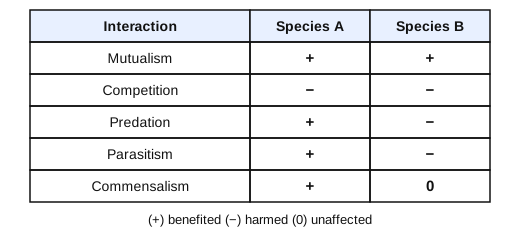
Match List-I with List-II.
List-IList-II
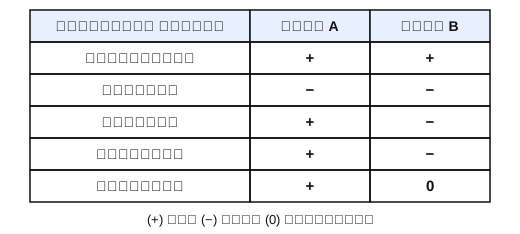
A. Both species are harmedI. Predation
B. One species is harmed and the other is benefitedII. Mutualism
C. Both species are benefitedIII. Competition
D. One is benefited while the other has no effectIV. Commensalism

Choose the correct answer from the options given below :
सूची-I का सूची-II से मिलान कीजिए।
सूची-Iसूची-II
A. दोनों जातियों को हानिI. परभक्षण
B. एक जाति को हानि और दूसरी को लाभII. सहोपकारिता
C. दोनों जातियों को लाभIII. स्पर्धा
D. एक को लाभ जबकि दूसरी अप्रभावितIV. सहभोजिता

नीचे दिए गए विकल्पों में से सही उत्तर चुनिए :
  1. AA-III, B-IV, C-II, D-I
  2. BA-I, B-II, C-III, D-IV
  3. CA-II, B-I, C-IV, D-III
  4. DA-III, B-I, C-II, D-IV
Show answer

Concept: Population interactions by sign (+ benefit, − harm, 0 no effect).

  1. A. (−, −) Competition → III.
  2. B. (+, −) Predation (also parasitism) → I.
  3. C. (+, +) Mutualism → II.
  4. D. (+, 0) Commensalism → IV.

Short trick: Count the plus signs: 0 plus = competition, 1 plus 1 minus = predation/parasitism, 2 plus = mutualism, 1 plus 1 zero = commensalism.

Answer: (D) A-III, B-I, C-II, D-IV

अवधारणा: चिह्नों द्वारा समष्टि पारस्परिक क्रियाएँ (+ लाभ, − हानि, 0 कोई प्रभाव नहीं)।

  1. A. (−, −) स्पर्धा → III।
  2. B. (+, −) परभक्षण (परजीविता भी) → I।
  3. C. (+, +) सहोपकारिता → II।
  4. D. (+, 0) सहभोजिता → IV।

शॉर्ट ट्रिक: धन चिह्न गिनें: 0 धन = स्पर्धा, 1 धन 1 ऋण = परभक्षण/परजीविता, 2 धन = सहोपकारिता, 1 धन 1 शून्य = सहभोजिता।

उत्तर: (D) A-III, B-I, C-II, D-IV

NEET UGBiologyOrganisms and populations – population interactionsNEET UG 2026 · 21 Jun Shift 1
Q85.
Given below are two statements : one is labelled as Assertion A and the other is labelled as Reason R.
Assertion A : In an experiment, Mendel observed that the F1 progeny plants are all tall and none are dwarf.
Reason R : Stem height is a contrasting trait, with tall being dominant and dwarf being recessive.
In the light of the above statements, choose the most appropriate answer from the options given below :
नीचे दो कथन दिए गए हैं : एक को अभिकथन A तथा दूसरे को कारण R कहा गया है।
अभिकथन A : एक प्रयोग में मेंडल ने देखा कि F1 संतति के सभी पादप लंबे हैं और कोई भी बौना नहीं है।
कारण R : तने की ऊँचाई एक विपर्यासी लक्षण है, जिसमें लंबापन प्रभावी और बौनापन अप्रभावी है।
उपरोक्त कथनों के आलोक में, नीचे दिए गए विकल्पों में से सबसे उपयुक्त उत्तर चुनिए :
  1. ABoth A and R are correct and R is the correct explanation of AA और R दोनों सही हैं तथा R, A की सही व्याख्या है
  2. BBoth A and R are correct but R is not the correct explanation of AA और R दोनों सही हैं लेकिन R, A की सही व्याख्या नहीं है
  3. CA is correct but R is not correctA सही है लेकिन R सही नहीं है
  4. DA is not correct but R is correctA सही नहीं है लेकिन R सही है
Show answer

Concept: Law of dominance: in a cross between true-breeding tall (TT) and dwarf (tt) pea plants, the F1 (Tt) expresses only the dominant trait.

  1. A – correct: TT × tt → all Tt → all tall in F1.
  2. R – correct: stem height (tall/dwarf) is one of Mendel's 7 contrasting traits; tall (T) is dominant over dwarf (t).
  3. Dominance of tall over dwarf is exactly why no dwarf appears in F1 → R explains A.

Short trick: F1 shows only the dominant trait; the recessive "hides" and reappears in F2 in 3 : 1.

Answer: (A) Both A and R are correct and R is the correct explanation of A

अवधारणा: प्रभाविता का नियम: शुद्ध लंबे (TT) और बौने (tt) मटर पादपों के संकरण में F1 (Tt) केवल प्रभावी लक्षण प्रदर्शित करती है।

  1. A – सही: TT × tt → सभी Tt → F1 में सभी लंबे।
  2. R – सही: तने की ऊँचाई (लंबा/बौना) मेंडल के 7 विपर्यासी लक्षणों में से एक है; लंबा (T) बौने (t) पर प्रभावी है।
  3. लंबेपन की बौनेपन पर प्रभाविता ही कारण है कि F1 में कोई बौना नहीं दिखता → R, A की व्याख्या करता है।

शॉर्ट ट्रिक: F1 केवल प्रभावी लक्षण दिखाती है; अप्रभावी "छिप" जाता है और F2 में 3 : 1 में पुनः प्रकट होता है।

उत्तर: (A) A और R दोनों सही हैं तथा R, A की सही व्याख्या है

NEET UGBiologyPrinciples of inheritance – monohybrid crossNEET UG 2026 · 21 Jun Shift 1
Q86.
Given below are two statements : one is labelled as Assertion A and the other is labelled as Reason R.
Assertion A : In recombinant DNA technology, lysozyme is used for disrupting bacterial cells while cellulase is for plant cells.
Reason R : Isolation of genetic material needs disruption of cells.
In the light of the above statements, choose the most appropriate answer from the options given below :
नीचे दो कथन दिए गए हैं : एक को अभिकथन A तथा दूसरे को कारण R कहा गया है।
अभिकथन A : पुनर्योगज DNA प्रौद्योगिकी में जीवाणु कोशिकाओं को तोड़ने के लिए लाइसोज़ाइम का उपयोग किया जाता है जबकि पादप कोशिकाओं के लिए सेलुलेज़ का।
कारण R : आनुवंशिक पदार्थ के पृथक्करण के लिए कोशिकाओं को तोड़ना आवश्यक है।
उपरोक्त कथनों के आलोक में, नीचे दिए गए विकल्पों में से सबसे उपयुक्त उत्तर चुनिए :
  1. ABoth A and R are correct and R is the correct explanation of AA और R दोनों सही हैं तथा R, A की सही व्याख्या है
  2. BBoth A and R are correct but R is not the correct explanation of AA और R दोनों सही हैं लेकिन R, A की सही व्याख्या नहीं है
  3. CA is correct but R is not correctA सही है लेकिन R सही नहीं है
  4. DA is not correct but R is correctA सही नहीं है लेकिन R सही है
Show answer

Concept: NCERT: to isolate DNA, the cell must be broken open to release DNA with other macromolecules – bacterial cells with lysozyme, plant cells with cellulase, fungus with chitinase.

  1. A – correct: lysozyme digests the bacterial cell wall (peptidoglycan); cellulase digests the plant cell wall (cellulose).
  2. R – correct: DNA is enclosed within membranes, so cells must be disrupted first.
  3. The need to disrupt cells is why these wall-digesting enzymes are used → R explains A.

Short trick: Match the enzyme to the wall: bacteria – lysozyme, plant – cellulase, fungus – chitinase. Then RNase, protease, chilled ethanol.

Answer: (A) Both A and R are correct and R is the correct explanation of A

अवधारणा: NCERT: DNA पृथक करने के लिए कोशिका को तोड़ना पड़ता है ताकि DNA अन्य वृहद् अणुओं के साथ मुक्त हो – जीवाणु कोशिका लाइसोज़ाइम से, पादप कोशिका सेलुलेज़ से, कवक काइटिनेज़ से।

  1. A – सही: लाइसोज़ाइम जीवाणु कोशिका भित्ति (पेप्टिडोग्लाइकन) को पचाता है; सेलुलेज़ पादप कोशिका भित्ति (सेलुलोज़) को।
  2. R – सही: DNA झिल्लियों से घिरा होता है, अतः पहले कोशिकाओं को तोड़ना आवश्यक है।
  3. कोशिकाओं को तोड़ने की आवश्यकता ही कारण है कि ये भित्ति-पाचक एंज़ाइम प्रयुक्त होते हैं → R, A की व्याख्या करता है।

शॉर्ट ट्रिक: एंज़ाइम को भित्ति से मिलाएँ: जीवाणु – लाइसोज़ाइम, पादप – सेलुलेज़, कवक – काइटिनेज़। फिर RNase, प्रोटिएज़, ठंडा एथेनॉल।

उत्तर: (A) A और R दोनों सही हैं तथा R, A की सही व्याख्या है

NEET UGBiologyBiotechnology – isolation of genetic materialNEET UG 2026 · 21 Jun Shift 1
Q87.
Which of the following is used as an effective sedative and painkiller for treating post-surgery patients ?
शल्यक्रिया के बाद रोगियों के उपचार में निम्नलिखित में से किसका उपयोग प्रभावी शामक (sedative) और पीड़ाहारी के रूप में किया जाता है?
  1. AInterferonइंटरफेरॉन
  2. BAntibioticsप्रतिजैविक
  3. CMorphineमॉर्फीन
  4. DAnti-retroviral drugsप्रति-रेट्रोवायरल औषधियाँ
Show answer

Concept: NCERT: morphine, an opioid extracted from the latex of poppy (Papaver somniferum), is a very effective sedative and painkiller and is very useful in patients who have undergone surgery.

  1. Morphine – binds opioid receptors in CNS and GI tract → sedation + pain relief.
  2. Interferons – antiviral proteins from virus-infected cells.
  3. Antibiotics – kill/inhibit bacteria; no sedation.
  4. Anti-retroviral drugs – used in HIV/AIDS treatment.

Short trick: "Morpheus" = Greek god of dreams → Morphine makes you sleep, kills pain.

Answer: (C) Morphine

अवधारणा: NCERT: पोस्त (Papaver somniferum) के लेटेक्स से निष्कर्षित ओपिऑइड मॉर्फीन एक अत्यंत प्रभावी शामक और पीड़ाहारी है तथा शल्यक्रिया करा चुके रोगियों के लिए बहुत उपयोगी है।

  1. मॉर्फीन – CNS तथा जठरांत्र पथ के ओपिऑइड ग्राहियों से बंधती है → शमन + पीड़ा निवारण।
  2. इंटरफेरॉन – विषाणु-संक्रमित कोशिकाओं से स्रावित प्रति-विषाणु प्रोटीन।
  3. प्रतिजैविक – जीवाणुओं को मारते/रोकते हैं; शामक नहीं।
  4. प्रति-रेट्रोवायरल औषधियाँ – HIV/AIDS के उपचार में।

शॉर्ट ट्रिक: "मॉर्फियस" = स्वप्नों के यूनानी देवता → मॉर्फीन नींद लाती है, दर्द मिटाती है।

उत्तर: (C) मॉर्फीन

NEET UGBiologyDrugs and alcohol abuse – opioidsNEET UG 2026 · 21 Jun Shift 1
Q88.
Which of the following statements are correct ?
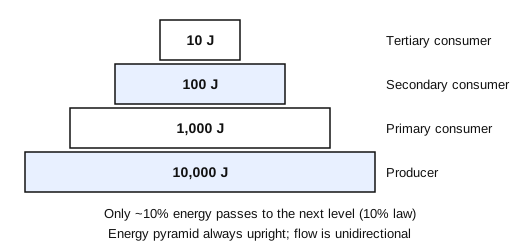
(a) Energy flow from producers to consumers is unidirectional
(b) Energy pyramid can never be inverted
(c) Transfer of energy follows the 1% law
Choose the correct answer from the options given below :
निम्नलिखित में से कौन-से कथन सही हैं?
(a) उत्पादकों से उपभोक्ताओं की ओर ऊर्जा प्रवाह एकदिशीय होता है
(b) ऊर्जा पिरामिड कभी उल्टा नहीं हो सकता
(c) ऊर्जा का स्थानांतरण 1% नियम का पालन करता है
नीचे दिए गए विकल्पों में से सही उत्तर चुनिए :
  1. A(a), (b) and (c)(a), (b) और (c)
  2. B(a) and (b) onlyकेवल (a) और (b)
  3. C(a) and (c) onlyकेवल (a) और (c)
  4. D(b) and (c) onlyकेवल (b) और (c)
Show answer

Concept: Energy flows one way (sun → producers → consumers) and only about 10% of energy passes from one trophic level to the next (Lindeman's 10 per cent law).

  1. (a) Correct – energy is not recycled; flow is unidirectional.
  2. (b) Correct – energy pyramid is always upright because energy is lost as heat at each step.
  3. (c) Incorrect – energy transfer follows the 10% law (1% is roughly the share of incident sunlight/PAR captured in photosynthesis, not trophic transfer).
  4. Hence (a) and (b) only.

Short trick: Energy: "one way, always upright, ten per cent".

Answer: (B) (a) and (b) only

अवधारणा: ऊर्जा एक दिशा में प्रवाहित होती है (सूर्य → उत्पादक → उपभोक्ता) और एक पोषी स्तर से अगले में केवल लगभग 10% ऊर्जा जाती है (लिंडमैन का 10 प्रतिशत नियम)।

  1. (a) सही – ऊर्जा का पुनर्चक्रण नहीं होता; प्रवाह एकदिशीय है।
  2. (b) सही – प्रत्येक चरण पर ऊष्मा के रूप में ऊर्जा क्षय के कारण ऊर्जा पिरामिड सदैव सीधा होता है।
  3. (c) गलत – ऊर्जा स्थानांतरण 10% नियम का पालन करता है (1% लगभग आपतित सूर्य प्रकाश/PAR का प्रकाश-संश्लेषण में ग्रहण किया गया अंश है, पोषी स्थानांतरण नहीं)।
  4. अतः केवल (a) और (b)।

शॉर्ट ट्रिक: ऊर्जा: "एक दिशा, सदा सीधा पिरामिड, दस प्रतिशत"।

उत्तर: (B) केवल (a) और (b)

NEET UGBiologyEcosystem – energy flow and pyramidsNEET UG 2026 · 21 Jun Shift 1
Q89.
Which of the following statements is correct about Plasmodium?
Plasmodium के बारे में निम्नलिखित में से कौन-सा कथन सही है?
  1. AReproduces sexually in liver cellsयकृत कोशिकाओं में लैंगिक जनन करता है
  2. BReproduces sexually in RBCsRBC में लैंगिक जनन करता है
  3. CGametocytes develop in mosquito gutयुग्मकजनक (gametocytes) मच्छर की आहारनाल में विकसित होते हैं
  4. DFertilization takes place in mosquito gutनिषेचन मच्छर की आहारनाल में होता है
Show answer

Concept: NCERT life cycle: in humans Plasmodium multiplies asexually (liver cells, then RBCs) and forms gametocytes in RBCs; in the female Anopheles fertilisation and development take place in the stomach (gut) wall.

  1. (A), (B) Wrong – in liver cells and RBCs the parasite reproduces asexually.
  2. (C) Wrong – gametocytes develop in human RBCs; the mosquito takes them up with blood.
  3. (D) Correct – gametes fuse (fertilisation) in the mosquito gut; zygote → oocyst → sporozoites → salivary glands.

Short trick: Human = intermediate host (asexual); mosquito = definitive host (sexual phase). "Sex in the stomach of the mosquito."

Answer: (D) Fertilization takes place in mosquito gut

अवधारणा: NCERT जीवन चक्र: मनुष्य में Plasmodium अलैंगिक रूप से गुणन करता है (यकृत कोशिकाएँ, फिर RBC) तथा RBC में युग्मकजनक बनाता है; मादा Anopheles में निषेचन और विकास आमाशय (आहारनाल) की भित्ति में होता है।

  1. (A), (B) गलत – यकृत कोशिकाओं और RBC में परजीवी अलैंगिक जनन करता है।
  2. (C) गलत – युग्मकजनक मनुष्य की RBC में विकसित होते हैं; मच्छर उन्हें रक्त के साथ ग्रहण करता है।
  3. (D) सही – युग्मकों का संलयन (निषेचन) मच्छर की आहारनाल में होता है; युग्मनज → ऊसिस्ट → स्पोरोज़ॉइट → लार ग्रंथियाँ।

शॉर्ट ट्रिक: मनुष्य = मध्यस्थ परपोषी (अलैंगिक); मच्छर = निश्चित परपोषी (लैंगिक प्रावस्था)। "लैंगिक जनन मच्छर के पेट में"।

उत्तर: (D) निषेचन मच्छर की आहारनाल में होता है

NEET UGBiologyHuman health and disease – malariaNEET UG 2026 · 21 Jun Shift 1
Q90.
Match List-I with List-II.
List-IList-II
A. TransformationI. Restriction enzyme
B. Cloning siteII. Transfer DNA to host bacteria
C. SelectionIII. Replication
D. OriIV. Antibiotic

Choose the correct answer from the options given below :
सूची-I का सूची-II से मिलान कीजिए।
सूची-Iसूची-II
A. रूपांतरणI. प्रतिबंधन एंज़ाइम
B. क्लोनिंग स्थलII. परपोषी जीवाणु में DNA का स्थानांतरण
C. चयनIII. प्रतिकृतीयन
D. OriIV. प्रतिजैविक

नीचे दिए गए विकल्पों में से सही उत्तर चुनिए :
  1. AA-II, B-I, C-IV, D-III
  2. BA-I, B-II, C-IV, D-III
  3. CA-III, B-IV, C-II, D-I
  4. DA-IV, B-I, C-III, D-II
Show answer

Concept: Features of a cloning vector (e.g. pBR322): ori, selectable marker, cloning (recognition) sites.

  1. A. Transformation – procedure by which DNA is introduced into a host bacterium → II.
  2. B. Cloning site – recognition site for a restriction enzyme where foreign DNA is ligated → I.
  3. C. Selection – selectable markers such as antibiotic-resistance genes (ampR, tetR) → IV.
  4. D. Ori – origin of replication, where replication starts and controls copy number → III.

Short trick: Ori = Origin of Replication; selection = antibiotic; once D-III and C-IV are fixed only (A) and (B) remain – transformation is entry of DNA → (A).

Answer: (A) A-II, B-I, C-IV, D-III

अवधारणा: क्लोनिंग वाहक (जैसे pBR322) के लक्षण: ori, वरण योग्य चिह्नक, क्लोनिंग (पहचान) स्थल।

  1. A. रूपांतरण – वह प्रक्रिया जिससे DNA परपोषी जीवाणु में प्रविष्ट कराया जाता है → II।
  2. B. क्लोनिंग स्थल – प्रतिबंधन एंज़ाइम का पहचान स्थल जहाँ विजातीय DNA जोड़ा जाता है → I।
  3. C. चयन – प्रतिजैविक-प्रतिरोधी जीन (ampR, tetR) जैसे वरण योग्य चिह्नक → IV।
  4. D. Ori – प्रतिकृतीयन का उद्भव स्थल, जहाँ से प्रतिकृतीयन शुरू होता है और प्रति संख्या नियंत्रित होती है → III।

शॉर्ट ट्रिक: Ori = प्रतिकृतीयन का उद्भव; चयन = प्रतिजैविक; D-III और C-IV तय होने पर केवल (A) और (B) बचते हैं – रूपांतरण = DNA का प्रवेश → (A)।

उत्तर: (A) A-II, B-I, C-IV, D-III

NEET UGBiologyBiotechnology – cloning vectorsNEET UG 2026 · 21 Jun Shift 1
Q91.

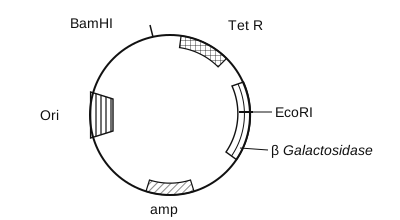
In the above represented plasmid an alien piece of DNA is inserted at EcoRI site. Which of the following strategies will be chosen to select the recombinant colonies?

ऊपर दर्शाए गए प्लाज्मिड में एक विजातीय (alien) DNA खंड को EcoRI स्थल पर निवेशित किया गया है। पुनर्योगज (recombinant) कॉलोनियों के चयन के लिए निम्नलिखित में से कौन-सी युक्ति अपनाई जाएगी?
  1. AWhite color colonies will be selectedसफ़ेद रंग की कॉलोनियों का चयन किया जाएगा
  2. BBlue color colonies grown on ampicillinएम्पिसिलिन पर उगी नीले रंग की कॉलोनियाँ
  3. CUsing ampicillin & tetracyclin containing medium plate.एम्पिसिलिन व टेट्रासाइक्लिन युक्त माध्यम प्लेट का उपयोग करके
  4. DBlue color colonies will be selected.नीले रंग की कॉलोनियों का चयन किया जाएगा।
Show answer

Concept: The EcoRI site lies inside the lacZ gene coding for β-galactosidase. Insert DNA here → insertional inactivation of the enzyme.

  1. Non-recombinant plasmid: β-galactosidase is active → acts on the chromogenic substrate (X-gal) → blue colonies.
  2. Recombinant plasmid: lacZ is interrupted → no active enzyme → no colour → white colonies. So white colonies are picked.
  3. (B), (D): blue colonies are non-recombinants – wrong.
  4. (C): the insert does not touch ampR or tetR, so recombinants and non-recombinants both grow on ampicillin + tetracycline – no selection possible.

Short trick: “Insert kills the colour” – recombinant = white; blue = “blank” plasmid.

Answer: (A) White color colonies will be selected

अवधारणा: EcoRI स्थल β-गैलेक्टोसाइडेज़ बनाने वाले lacZ जीन के भीतर है। यहाँ DNA निवेशित करने पर एंजाइम का निवेशी निष्क्रियण (insertional inactivation) हो जाता है।

  1. अपुनर्योगज प्लाज्मिड: β-गैलेक्टोसाइडेज़ सक्रिय → वर्णजनक (chromogenic) क्रियाधार (X-gal) पर क्रिया → नीली कॉलोनियाँ।
  2. पुनर्योगज प्लाज्मिड: lacZ बाधित → सक्रिय एंजाइम नहीं → कोई रंग नहीं → सफ़ेद कॉलोनियाँ। अतः सफ़ेद कॉलोनियाँ चुनी जाती हैं।
  3. (B), (D): नीली कॉलोनियाँ अपुनर्योगज होती हैं – गलत।
  4. (C): निवेश ampR या tetR को प्रभावित नहीं करता, इसलिए पुनर्योगज और अपुनर्योगज दोनों एम्पिसिलिन + टेट्रासाइक्लिन पर उगेंगे – चयन सम्भव नहीं।

शॉर्ट ट्रिक: “निवेश रंग मिटा देता है” – पुनर्योगज = सफ़ेद; नीला = “खाली” प्लाज्मिड।

उत्तर: (A) सफ़ेद रंग की कॉलोनियों का चयन किया जाएगा

NEET UGBiologyBiotechnology – selection of recombinants (blue-white screening)NEET UG 2025 · 4 May Shift 1
Q92.
The protein portion of an enzyme is called:
किसी एंजाइम का प्रोटीन भाग कहलाता है:
  1. AApoenzymeएपोएंजाइम (Apoenzyme)
  2. BProsthetic groupप्रोस्थेटिक समूह (Prosthetic group)
  3. CCofactorसहकारक (Cofactor)
  4. DCoenzymeसहएंजाइम (Coenzyme)
Show answer

Concept: Holoenzyme = apoenzyme (protein part) + cofactor (non-protein part).

  1. The protein part of a conjugated enzyme is the apoenzyme.
  2. Prosthetic group: non-protein organic cofactor tightly bound (e.g. haem in peroxidase) – not protein.
  3. Cofactor: the general term for the non-protein part.
  4. Coenzyme: non-protein organic cofactor loosely and transiently bound (NAD, NADP) – not protein.

Short trick: “Apo = alone protein”; Apoenzyme + Cofactor = Holoenzyme.

Answer: (A) Apoenzyme

अवधारणा: होलोएंजाइम = एपोएंजाइम (प्रोटीन भाग) + सहकारक (अप्रोटीन भाग)।

  1. संयुग्मी एंजाइम का प्रोटीन भाग एपोएंजाइम कहलाता है।
  2. प्रोस्थेटिक समूह: दृढ़ता से बँधा अप्रोटीन कार्बनिक सहकारक (जैसे पेरॉक्सीडेज़ में हीम) – प्रोटीन नहीं।
  3. सहकारक: अप्रोटीन भाग के लिए सामान्य शब्द।
  4. सहएंजाइम: अस्थायी रूप से ढीला बँधा अप्रोटीन कार्बनिक सहकारक (NAD, NADP) – प्रोटीन नहीं।

शॉर्ट ट्रिक: “Apo = केवल प्रोटीन”; एपोएंजाइम + सहकारक = होलोएंजाइम।

उत्तर: (A) एपोएंजाइम

NEET UGBiologyBiomolecules – enzymes and cofactorsNEET UG 2025 · 4 May Shift 1
Q93.
Given below are two statements:
Statement I: The primary source of energy in an ecosystem is solar energy.
Statement II: The rate of production of organic matter during photosynthesis in an ecosystem is called net primary productivity (NPP).
In the light of the above statements, choose the most appropriate answer from the options given below:
नीचे दो कथन दिए गए हैं:
कथन I: किसी पारितंत्र में ऊर्जा का प्राथमिक स्रोत सौर ऊर्जा है।
कथन II: किसी पारितंत्र में प्रकाश-संश्लेषण के दौरान कार्बनिक पदार्थ के उत्पादन की दर को नेट प्राथमिक उत्पादकता (NPP) कहते हैं।
उपर्युक्त कथनों के आलोक में, नीचे दिए गए विकल्पों में से सबसे उपयुक्त उत्तर चुनिए:
  1. AStatement I is correct but statement II is incorrectकथन I सही है परन्तु कथन II गलत है
  2. BStatement I is incorrect but statement II is correctकथन I गलत है परन्तु कथन II सही है
  3. CBoth statement I and statement II are correctकथन I और कथन II दोनों सही हैं
  4. DBoth statement I and statement II are incorrectकथन I और कथन II दोनों गलत हैं
Show answer

Concept: GPP = rate of production of organic matter during photosynthesis; NPP = GPP − R (respiration loss).

  1. Statement I – correct: the sun is the only source of energy for all ecosystems (except deep-sea hydrothermal ones).
  2. Statement II – incorrect: the rate of production of organic matter during photosynthesis is gross primary productivity (GPP), not NPP.
  3. NPP = GPP − R is what is available to heterotrophs.

Short trick: Photosynthesis rate = Gross; subtract Respiration to get Net (GPP − R = NPP).

Answer: (A) Statement I is correct but statement II is incorrect

अवधारणा: GPP = प्रकाश-संश्लेषण के दौरान कार्बनिक पदार्थ उत्पादन की दर; NPP = GPP − R (श्वसन हानि)।

  1. कथन I – सही: सूर्य सभी पारितंत्रों के लिए ऊर्जा का एकमात्र स्रोत है (गहरे समुद्री जलतापीय पारितंत्रों को छोड़कर)।
  2. कथन II – गलत: प्रकाश-संश्लेषण के दौरान कार्बनिक पदार्थ उत्पादन की दर सकल प्राथमिक उत्पादकता (GPP) है, NPP नहीं।
  3. NPP = GPP − R ही विषमपोषियों के लिए उपलब्ध होती है।

शॉर्ट ट्रिक: प्रकाश-संश्लेषण की दर = सकल (G); उसमें से श्वसन (R) घटाएँ तो नेट (N) (GPP − R = NPP)।

उत्तर: (A) कथन I सही है परन्तु कथन II गलत है

NEET UGBiologyEcosystem – productivity and energy flowNEET UG 2025 · 4 May Shift 1
Q94.
Given below are two statements: One is labelled as Assertion (A) and the other is labelled as Reason (R).
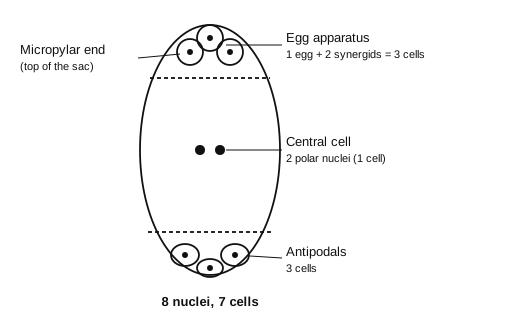
Assertion (A): A typical unfertilized, angiosperm embryo sac at maturity is 8 nucleate and 7-celled.
Reason (R): The egg apparatus has 2 polar nuclei.
In the light of the above statements, choose the correct answer from the options given below:
नीचे दो कथन दिए गए हैं: एक को अभिकथन (Assertion) (A) और दूसरे को कारण (Reason) (R) के रूप में चिह्नित किया गया है।
अभिकथन (A): एक प्रारूपिक अनिषेचित आवृतबीजी भ्रूणकोष परिपक्वता पर 8-केन्द्रकीय तथा 7-कोशिकीय होता है।
कारण (R): अण्ड उपकरण में 2 ध्रुवीय केन्द्रक होते हैं।
उपर्युक्त कथनों के आलोक में, नीचे दिए गए विकल्पों में से सही उत्तर चुनिए:
  1. AA is true but R is falseA सही है परन्तु R गलत है
  2. BA is false but R is trueA गलत है परन्तु R सही है
  3. CBoth A and R are true and R is the correct explanation of AA और R दोनों सही हैं तथा R, A की सही व्याख्या है
  4. DBoth A and R are true but R is not the correct explanation of AA और R दोनों सही हैं परन्तु R, A की सही व्याख्या नहीं है
Show answer

Concept: Mature embryo sac (Polygonum type) = 8 nuclei in 7 cells; the 2 polar nuclei lie in the large central cell.

  1. Micropylar end: egg apparatus = 1 egg + 2 synergids (3 cells, 3 nuclei).
  2. Chalazal end: 3 antipodals (3 cells, 3 nuclei).
  3. Central cell: 1 cell with 2 polar nuclei. Total = 3 + 3 + 1 = 7 cells, 3 + 3 + 2 = 8 nuclei → A is true.
  4. R is false: the polar nuclei belong to the central cell, not to the egg apparatus.

Short trick: “7–8 rule”: 7 cells, 8 nuclei; the only binucleate cell is the central cell.

Answer: (A) A is true but R is false

अवधारणा: परिपक्व भ्रूणकोष (पॉलीगोनम प्रकार) = 7 कोशिकाओं में 8 केन्द्रक; 2 ध्रुवीय केन्द्रक बड़ी केन्द्रीय कोशिका में होते हैं।

  1. बीजाण्डद्वारी सिरा: अण्ड उपकरण = 1 अण्ड + 2 सहायक कोशिकाएँ (3 कोशिकाएँ, 3 केन्द्रक)।
  2. निभागी (chalazal) सिरा: 3 प्रतिमुखी कोशिकाएँ (3 कोशिकाएँ, 3 केन्द्रक)।
  3. केन्द्रीय कोशिका: 2 ध्रुवीय केन्द्रकों वाली 1 कोशिका। कुल = 3 + 3 + 1 = 7 कोशिकाएँ, 3 + 3 + 2 = 8 केन्द्रक → A सही है।
  4. R गलत है: ध्रुवीय केन्द्रक केन्द्रीय कोशिका में होते हैं, अण्ड उपकरण में नहीं।

शॉर्ट ट्रिक: “7–8 नियम”: 7 कोशिकाएँ, 8 केन्द्रक; एकमात्र द्विकेन्द्रकीय कोशिका केन्द्रीय कोशिका है।

उत्तर: (A) A सही है परन्तु R गलत है

NEET UGBiologySexual reproduction in flowering plants – embryo sacNEET UG 2025 · 4 May Shift 1
Q95.
Neoplastic characteristics of cells refer to:
A. A mass of proliferating cell
B. Rapid growth of cells
C. Invasion and damage to the surrounding tissue
D. Those confined to original location
Choose the correct answer from the options given below
कोशिकाओं के नियोप्लास्टिक (neoplastic) लक्षणों से तात्पर्य है:
A. प्रचुरोद्भवी (proliferating) कोशिकाओं का पिण्ड
B. कोशिकाओं की तीव्र वृद्धि
C. आसपास के ऊतकों पर आक्रमण एवं उन्हें क्षति
D. वे जो अपने मूल स्थान तक सीमित रहती हैं
नीचे दिए गए विकल्पों में से सही उत्तर चुनिए:
  1. AA, B, D onlyकेवल A, B, D
  2. BB, C, D onlyकेवल B, C, D
  3. CA, B onlyकेवल A, B
  4. DA. B, C onlyकेवल A, B, C
Show answer

Concept: Malignant tumours are a mass of proliferating neoplastic (tumour) cells that grow very rapidly, invade and damage surrounding normal tissue.

  1. A – correct: neoplastic cells form a mass of proliferating cells.
  2. B – correct: they grow very rapidly.
  3. C – correct: they invade and damage the surrounding tissue (and can metastasise).
  4. D – incorrect: remaining confined to the original location is a feature of benign tumours, not neoplastic (malignant) cells.

Short trick: Benign = “Bound” to its site; Malignant = “Moves” (invades, metastasises).

Answer: (D) A, B, C only

अवधारणा: घातक (malignant) अर्बुद प्रचुरोद्भवी नियोप्लास्टिक (अर्बुद) कोशिकाओं का पिण्ड होते हैं जो बहुत तेज़ी से बढ़ती हैं तथा आसपास के सामान्य ऊतकों पर आक्रमण कर उन्हें क्षति पहुँचाती हैं।

  1. A – सही: नियोप्लास्टिक कोशिकाएँ प्रचुरोद्भवी कोशिकाओं का पिण्ड बनाती हैं।
  2. B – सही: ये बहुत तेज़ी से बढ़ती हैं।
  3. C – सही: ये आसपास के ऊतकों पर आक्रमण कर क्षति पहुँचाती हैं (और मेटास्टेसिस कर सकती हैं)।
  4. D – गलत: मूल स्थान तक सीमित रहना सुदम (benign) अर्बुद का लक्षण है, नियोप्लास्टिक (घातक) कोशिकाओं का नहीं।

शॉर्ट ट्रिक: सुदम = अपने स्थान से “बँधा”; घातक = “फैलने वाला” (आक्रमण, मेटास्टेसिस)।

उत्तर: (D) केवल A, B, C

NEET UGBiologyHuman health and disease – cancerNEET UG 2025 · 4 May Shift 1
Q96.
Which one of the following is the characteristic feature of gymnosperms?
निम्नलिखित में से कौन-सा अनावृतबीजियों (gymnosperms) का अभिलाक्षणिक गुण है?
  1. ASeeds are absentबीज अनुपस्थित होते हैं
  2. BGymnosperms have flowers for reproductionअनावृतबीजियों में जनन के लिए पुष्प होते हैं
  3. CSeeds are enclosed in fruitsबीज फलों के भीतर बंद होते हैं
  4. DSeeds are nakedबीज नग्न होते हैं
Show answer

Concept: Gymnosperms (gymnos = naked, sperma = seed): ovules are not enclosed by an ovary wall, so the seeds formed after fertilisation remain uncovered (naked).

  1. (A) wrong: gymnosperms are seed plants.
  2. (B) wrong: they bear cones (strobili), not flowers; flowers are an angiosperm feature.
  3. (C) wrong: no ovary → no fruit; seeds enclosed in fruits = angiosperms.
  4. (D) correct: seeds are naked.

Short trick: The name itself is the answer: gymno-sperm = naked seed.

Answer: (D) Seeds are naked

अवधारणा: अनावृतबीजी (gymnos = नग्न, sperma = बीज): बीजाण्ड अण्डाशय भित्ति से ढके नहीं होते, अतः निषेचन के बाद बने बीज भी खुले (नग्न) रहते हैं।

  1. (A) गलत: अनावृतबीजी बीजधारी पादप हैं।
  2. (B) गलत: इनमें शंकु (strobili) होते हैं, पुष्प नहीं; पुष्प आवृतबीजियों का लक्षण है।
  3. (C) गलत: अण्डाशय नहीं → फल नहीं; फल में बंद बीज = आवृतबीजी।
  4. (D) सही: बीज नग्न होते हैं।

शॉर्ट ट्रिक: नाम में ही उत्तर है: जिम्नो-स्पर्म = नग्न बीज।

उत्तर: (D) बीज नग्न होते हैं

NEET UGBiologyPlant kingdom – gymnospermsNEET UG 2025 · 4 May Shift 1
Q97.
Match List-I with List-II.
List-IList-II
A. ProgesteroneI. Pars intermedia
B. RelaxinII. Ovary
C. Melanocyte stimulating hormoneIII. Adrenal Medulla
D. CatecholaminesIV. Corpus luteum
Choose the correct answer from the options given below:
सूची-I का सूची-II से मिलान कीजिए।
सूची-Iसूची-II
A. प्रोजेस्टेरॉनI. पार्स इंटरमीडिया
B. रिलैक्सिनII. अण्डाशय
C. मेलानोसाइट प्रेरक हॉर्मोनIII. अधिवृक्क मध्यांश (Adrenal Medulla)
D. कैटेकोलामीनIV. पीत पिण्ड (Corpus luteum)
नीचे दिए गए विकल्पों में से सही उत्तर चुनिए:
  1. AA-II, B-IV, C-I, D-III
  2. BA-III, B-II, C-IV, D-I
  3. CA-IV, B-II, C-I, D-III
  4. DA-IV, B-II, C-III, D-I
Show answer

Concept: Recall each hormone with its gland/tissue of origin (NCERT, Chemical Coordination and Human Reproduction).

  1. A. Progesterone – secreted mainly by the corpus luteum (luteal phase) → IV.
  2. B. Relaxin – secreted by the ovary in later phase of pregnancy → II.
  3. C. MSH – secreted by the pars intermedia of the pituitary → I.
  4. D. Catecholamines (adrenaline, noradrenaline) – adrenal medulla → III.
  5. A-IV, B-II, C-I, D-III = option (C). (A) swaps A and B; (B) and (D) misplace MSH/catecholamines.

Short trick: “C-I” (MSH–pars intermedia) appears only in (A) and (C); “A-IV” (progesterone–corpus luteum) then rules out (A) → (C).

Answer: (C) A-IV, B-II, C-I, D-III

अवधारणा: प्रत्येक हॉर्मोन को उसकी ग्रन्थि/स्रोत ऊतक से जोड़िए (NCERT, रासायनिक समन्वय एवं मानव जनन)।

  1. A. प्रोजेस्टेरॉन – मुख्यतः पीत पिण्ड द्वारा स्रावित (पीत प्रावस्था) → IV।
  2. B. रिलैक्सिन – सगर्भता की अन्तिम अवस्था में अण्डाशय द्वारा स्रावित → II।
  3. C. MSH – पीयूष ग्रन्थि के पार्स इंटरमीडिया द्वारा स्रावित → I।
  4. D. कैटेकोलामीन (एड्रीनेलिन, नॉरएड्रीनेलिन) – अधिवृक्क मध्यांश → III।
  5. A-IV, B-II, C-I, D-III = विकल्प (C)। (A) में A और B उलटे हैं; (B) और (D) में MSH/कैटेकोलामीन गलत जुड़े हैं।

शॉर्ट ट्रिक: “C-I” (MSH–पार्स इंटरमीडिया) केवल (A) और (C) में है; फिर “A-IV” (प्रोजेस्टेरॉन–पीत पिण्ड) से (A) हट जाता है → (C)।

उत्तर: (C) A-IV, B-II, C-I, D-III

NEET UGBiologyChemical coordination – hormones and their sourcesNEET UG 2025 · 4 May Shift 1
Q98.
Which chromosome in the human genome has the highest number of genes?
मानव जीनोम में किस गुणसूत्र पर जीनों की संख्या सबसे अधिक है?
  1. AChromosome 1गुणसूत्र 1
  2. BChromosome 10गुणसूत्र 10
  3. CChromosome Xगुणसूत्र X
  4. DChromosome Yगुणसूत्र Y
Show answer

Concept: Salient features of the Human Genome Project (NCERT): chromosome 1 has the most genes (2968) and Y has the fewest (231).

  1. Chromosome 1 is also the largest human chromosome → most genes.
  2. Chromosome 10 and X carry fewer genes than chromosome 1.
  3. Chromosome Y has the fewest genes (231) – the opposite extreme.

Short trick: Chromosome 1 is No. 1; Y is last – 2968 vs 231 genes.

Answer: (A) Chromosome 1

अवधारणा: मानव जीनोम परियोजना की प्रमुख विशेषताएँ (NCERT): गुणसूत्र 1 पर सबसे अधिक जीन (2968) और Y पर सबसे कम (231) होते हैं।

  1. गुणसूत्र 1 मानव का सबसे बड़ा गुणसूत्र भी है → सर्वाधिक जीन।
  2. गुणसूत्र 10 और X पर गुणसूत्र 1 से कम जीन होते हैं।
  3. गुणसूत्र Y पर सबसे कम जीन (231) होते हैं – विपरीत छोर।

शॉर्ट ट्रिक: “1 नम्बर 1 पर, Y सबसे पीछे” – 2968 बनाम 231।

उत्तर: (A) गुणसूत्र 1

NEET UGBiologyMolecular basis of inheritance – Human Genome ProjectNEET UG 2025 · 4 May Shift 1
Q99.
Which of the following statements about RuBisCO is true?
रुबिस्को (RuBisCO) के बारे में निम्नलिखित में से कौन-सा कथन सत्य है?
  1. AIt is an enzyme involved in the photolysis of water.यह जल के प्रकाश-अपघटन (photolysis) में भाग लेने वाला एंजाइम है।
  2. BIt catalyzes the carboxylation of RuBP.यह RuBP के कार्बोक्सिलीकरण को उत्प्रेरित करता है।
  3. CIt is active only in the dark.यह केवल अन्धकार में सक्रिय होता है।
  4. DIt has higher affinity for oxygen than carbon dioxide.इसकी ऑक्सीजन के प्रति बन्धुता कार्बन डाइऑक्साइड से अधिक होती है।
Show answer

Concept: RuBisCO (RuBP carboxylase-oxygenase) is the most abundant enzyme; it fixes CO2 onto RuBP in the first step (carboxylation) of the Calvin cycle.

  1. (B) true: RuBP + CO2 → 2 × 3-PGA, catalysed by RuBisCO.
  2. (A) false: photolysis of water is done by the water-splitting complex of PS II.
  3. (C) false: the Calvin cycle is light-independent but runs in light as well (it needs ATP and NADPH from the light reaction).
  4. (D) false: RuBisCO has a much greater affinity for CO2 than O2; it binds O2 only when O2 is high (photorespiration).

Short trick: RuBisCO = RuBP + Carboxylase first; “oxygenase” is its side-job.

Answer: (B) It catalyzes the carboxylation of RuBP.

अवधारणा: रुबिस्को (RuBP कार्बोक्सिलेज़-ऑक्सीजिनेज़) सर्वाधिक प्रचुर एंजाइम है; यह केल्विन चक्र के पहले चरण (कार्बोक्सिलीकरण) में CO2 को RuBP से जोड़ता है।

  1. (B) सत्य: RuBP + CO2 → 2 × 3-PGA, रुबिस्को द्वारा उत्प्रेरित।
  2. (A) असत्य: जल का प्रकाश-अपघटन PS II के जल-विपाटन संकुल (water-splitting complex) द्वारा होता है।
  3. (C) असत्य: केल्विन चक्र प्रकाश-निरपेक्ष है परन्तु प्रकाश में भी चलता है (इसे प्रकाश अभिक्रिया से ATP व NADPH चाहिए)।
  4. (D) असत्य: रुबिस्को की CO2 के प्रति बन्धुता O2 से बहुत अधिक है; O2 अधिक होने पर ही यह O2 से जुड़ता है (प्रकाश-श्वसन)।

शॉर्ट ट्रिक: रुबिस्को = पहले कार्बोक्सिलेज़; “ऑक्सीजिनेज़” उसका अतिरिक्त काम है।

उत्तर: (B) यह RuBP के कार्बोक्सिलीकरण को उत्प्रेरित करता है।

NEET UGBiologyPhotosynthesis – RuBisCO and Calvin cycleNEET UG 2025 · 4 May Shift 1
Q100.
The first menstruation is called:
प्रथम रजोधर्म (menstruation) कहलाता है:
  1. ADiapauseउपरति (Diapause)
  2. BOvulationअण्डोत्सर्ग (Ovulation)
  3. CMenopauseरजोनिवृत्ति (Menopause)
  4. DMenarcheरजोदर्शन (Menarche)
Show answer

Concept: The first menstruation begins at puberty and is called menarche.

  1. Diapause: a stage of suspended development (e.g. in insects) – unrelated.
  2. Ovulation: release of the secondary oocyte from the Graafian follicle (about day 14).
  3. Menopause: permanent stopping of menstrual cycles at about 50 years.
  4. Menarche: the very first menstruation.

Short trick: Menarche = “arch/start” of menses; Menopause = “pause” of menses.

Answer: (D) Menarche

अवधारणा: प्रथम रजोधर्म यौवनारम्भ पर शुरू होता है और इसे रजोदर्शन (menarche) कहते हैं।

  1. उपरति (Diapause): परिवर्धन के रुकने की अवस्था (जैसे कीटों में) – असम्बद्ध।
  2. अण्डोत्सर्ग: ग्राफी पुटक से द्वितीयक अण्डक का मोचन (लगभग 14वें दिन)।
  3. रजोनिवृत्ति: लगभग 50 वर्ष की आयु में आर्तव चक्र का स्थायी रूप से रुकना।
  4. रजोदर्शन: बिल्कुल पहला रजोधर्म।

शॉर्ट ट्रिक: मेनआर्की = रजोधर्म की “शुरुआत”; मेनोपॉज़ = रजोधर्म पर “विराम”।

उत्तर: (D) रजोदर्शन (Menarche)

NEET UGBiologyHuman reproduction – menstrual cycleNEET UG 2025 · 4 May Shift 1