NEET UG · 2,240 questions

NEET UG 2015, 2016, 2017, 2018, 2019, 2020, 2021, 2022, 2023, 2024, 2025, 2026 PYQs

Real previous year questions, subject-wise. Try the question, then open the answer and the explanation in Hindi & English – free, no login.

Courses – airGurukul

200 questions in Botany.

Q81.
Movement and accumulation of ions across a membrane against their concentration gradient can be explained by
झिल्ली के आर-पार आयनों का उनकी सांद्रता प्रवणता के विरुद्ध गमन और संचय किसके द्वारा समझाया जा सकता है?
  1. AOsmosisपरासरण
  2. BFacilitated Diffusionसुसाध्य विसरण
  3. CPassive Transportनिष्क्रिय परिवहन
  4. DActive transportसक्रिय परिवहन
Show answer

Concept: Moving solutes uphill (low → high concentration) needs energy (ATP) and carrier pumps – this is active transport.

  1. Active transport – against gradient, uses ATP, carrier proteins (pumps) → correct.
  2. Osmosis – movement of water, along its potential gradient.
  3. Facilitated diffusion – carrier-mediated but only down the gradient, no energy.
  4. Passive transport – always down the gradient.

Short trick: "Against the gradient" in any question = active (energy + pump).

Answer: (D) Active transport

अवधारणा: विलेय को ऊपर की ओर (कम → अधिक सांद्रता) ले जाने में ऊर्जा (ATP) और वाहक पंप चाहिए – यही सक्रिय परिवहन है।

  1. सक्रिय परिवहन – प्रवणता के विरुद्ध, ATP उपयोग, वाहक प्रोटीन (पंप) → सही।
  2. परासरण – जल का गमन, उसके विभव प्रवणता के अनुदिश।
  3. सुसाध्य विसरण – वाहक-आधारित पर केवल प्रवणता के अनुदिश, ऊर्जा नहीं।
  4. निष्क्रिय परिवहन – सदैव प्रवणता के अनुदिश।

शॉर्ट ट्रिक: प्रश्न में "प्रवणता के विरुद्ध" = सक्रिय (ऊर्जा + पंप)।

उत्तर: (D) सक्रिय परिवहन
NEET UGBotanyTransport in plants – active transportNEET UG 2023 · 7 May Shift 1
Q82.
Among eukaryotes, replication of DNA takes place in
यूकैरियोट में DNA प्रतिकृतियन किस प्रावस्था में होता है?
  1. AM phaseM प्रावस्था
  2. BS phaseS प्रावस्था
  3. CG1 phaseG1 प्रावस्था
  4. DG2 phaseG2 प्रावस्था
Show answer

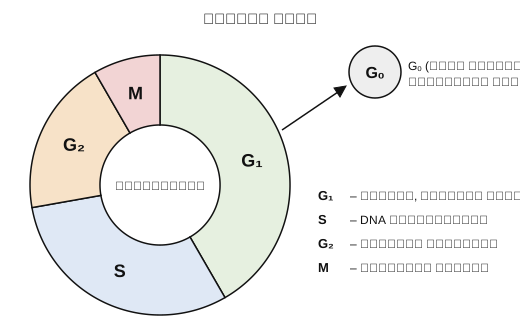
Concept: S (synthesis) phase of interphase is the period of DNA synthesis/replication; DNA content doubles (2C → 4C) while chromosome number stays the same.

  1. S phase – DNA replication → correct.
  2. M phase – division (karyokinesis + cytokinesis).
  3. G1 – cell growth, metabolically active, no DNA replication.
  4. G2 – proteins synthesised in preparation for mitosis.

Short trick: S = Synthesis of DNA. 2C → 4C, but 2n stays 2n.

Answer: (B) S phase

अवधारणा: अंतरावस्था की S (संश्लेषण) प्रावस्था DNA संश्लेषण/प्रतिकृतियन की अवधि है; DNA मात्रा दुगुनी (2C → 4C) होती है जबकि गुणसूत्र संख्या वही रहती है।

  1. S प्रावस्था – DNA प्रतिकृतियन → सही।
  2. M प्रावस्था – विभाजन (केंद्रक विभाजन + कोशिकाद्रव्य विभाजन)।
  3. G1 – कोशिका वृद्धि, उपापचयी रूप से सक्रिय, DNA प्रतिकृतियन नहीं।
  4. G2 – समसूत्रण की तैयारी हेतु प्रोटीन संश्लेषण।

शॉर्ट ट्रिक: S = DNA का Synthesis। 2C → 4C, पर 2n वही 2n रहता है।

उत्तर: (B) S प्रावस्था

NEET UGBotanyCell cycle – S phaseNEET UG 2023 · 7 May Shift 1
Q83.
Cellulose does not form blue colour with Iodine because
सेल्यूलोस आयोडीन के साथ नीला रंग नहीं बनाता, क्योंकि
  1. AIt is a disaccharide.यह एक डाइसैकेराइड है।
  2. BIt is a helical molecule.यह एक कुंडलित (helical) अणु है।
  3. CIt does not contain complex helices and hence cannot hold iodine molecules.इसमें जटिल कुंडलियाँ नहीं होतीं, अतः यह आयोडीन अणुओं को धारण नहीं कर सकता।
  4. DIt breaks down when iodine reacts with it.आयोडीन से अभिक्रिया करने पर यह टूट जाता है।
Show answer

Concept: NCERT: "Starch forms helical secondary structures. In fact, starch can hold I2 molecules in the helical portion. The starch-I2 is blue in colour. Cellulose does not contain complex helices and hence cannot hold I2."

  1. (C) – no helices → no place to trap I2 → no blue colour → correct.
  2. (A) wrong – cellulose is a polysaccharide (homopolymer of glucose).
  3. (B) wrong – it is starch that is helical; cellulose chains are straight.
  4. (D) wrong – iodine does not break cellulose.

Short trick: Blue colour needs a helix to trap iodine: starch (helix) = blue; cellulose (straight chain) = no colour.

Answer: (C) It does not contain complex helices and hence cannot hold iodine molecules.

अवधारणा: NCERT: "मंड कुंडलित द्वितीयक संरचना बनाता है। वस्तुतः मंड अपने कुंडलित भाग में I2 अणुओं को धारण कर सकता है। मंड-I2 नीले रंग का होता है। सेल्यूलोस में जटिल कुंडलियाँ नहीं होतीं, अतः यह I2 धारण नहीं कर सकता।"

  1. (C) – कुंडलियाँ नहीं → I2 फँसाने का स्थान नहीं → नीला रंग नहीं → सही।
  2. (A) गलत – सेल्यूलोस पॉलीसैकेराइड है (ग्लूकोस का समबहुलक)।
  3. (B) गलत – कुंडलित तो मंड है; सेल्यूलोस की शृंखलाएँ सीधी होती हैं।
  4. (D) गलत – आयोडीन सेल्यूलोस को नहीं तोड़ता।

शॉर्ट ट्रिक: नीले रंग के लिए आयोडीन फँसाने वाली कुंडली चाहिए: मंड (कुंडली) = नीला; सेल्यूलोस (सीधी शृंखला) = रंग नहीं।

उत्तर: (C) इसमें जटिल कुंडलियाँ नहीं होतीं, अतः यह आयोडीन अणुओं को धारण नहीं कर सकता।

NEET UGBotanyBiomolecules – polysaccharidesNEET UG 2023 · 7 May Shift 1
Q84.
The historic Convention on Biological Diversity, ‘The Earth Summit’ was held in Rio de Janeiro in the year:
जैव विविधता पर ऐतिहासिक सम्मेलन, ‘पृथ्वी सम्मेलन (The Earth Summit)’, रियो डी जेनेरो में किस वर्ष आयोजित हुआ था?
  1. A1985
  2. B1992
  3. C1986
  4. D2002
Show answer

Concept: NCERT: "In the historic Convention on Biological Diversity ('The Earth Summit') held in Rio de Janeiro in 1992, all nations were called upon to take appropriate measures for conservation of biodiversity."

  1. Rio Earth Summit – 1992 → (B).
  2. World Summit on Sustainable Development – Johannesburg, South Africa, 2002 (190 countries pledged to reduce biodiversity loss by 2010).
  3. 1985 and 1986 – not biodiversity summit years (1985 is the Vienna Convention on ozone).

Short trick: Rio 92, Jo'burg 2002 – exactly ten years apart.

Answer: (B) 1992

अवधारणा: NCERT: "1992 में रियो डी जेनेरो में आयोजित जैव विविधता पर ऐतिहासिक सम्मेलन ('पृथ्वी सम्मेलन') में सभी राष्ट्रों से जैव विविधता संरक्षण हेतु उचित उपाय करने का आह्वान किया गया।"

  1. रियो पृथ्वी सम्मेलन – 1992 → (B)।
  2. सतत विकास पर विश्व शिखर सम्मेलन – जोहान्सबर्ग, दक्षिण अफ्रीका, 2002 (190 देशों ने 2010 तक जैव विविधता ह्रास घटाने का संकल्प लिया)।
  3. 1985 और 1986 – जैव विविधता सम्मेलन के वर्ष नहीं (1985 ओज़ोन पर वियना कन्वेंशन)।

शॉर्ट ट्रिक: रियो 92, जोहान्सबर्ग 2002 – ठीक दस वर्ष का अंतर।

उत्तर: (B) 1992

NEET UGBotanyBiodiversity – conservation (Earth Summit)NEET UG 2023 · 7 May Shift 1
Q85.
Identify the pair of heterosporous pteridophytes among the following:
निम्नलिखित में से विषमबीजाणुक (heterosporous) टेरिडोफाइट के युग्म को पहचानिए:
  1. ALycopodium and Selaginellaलाइकोपोडियम और सिलैजिनेला
  2. BSelaginella and Salviniaसिलैजिनेला और साल्विनिया
  3. CPsilotum and Salviniaसाइलोटम और साल्विनिया
  4. DEquisetum and Salviniaइक्विसीटम और साल्विनिया
Show answer

Concept: NCERT: "Genera like Selaginella and Salvinia which produce two kinds of spores, macro (large) and micro (small) spores, are known as heterosporous."

  1. Selaginella and Salvinia – both heterosporous → (B).
  2. Lycopodium, Psilotum and Equisetum are homosporous, so (A), (C) and (D) each contain one homosporous genus.

Short trick: Heterosporous pteridophytes: "Self Same Mix" – Selaginella, Salvinia, Marsilea (also Azolla, Isoetes).

Answer: (B) Selaginella and Salvinia

अवधारणा: NCERT: "सिलैजिनेला और साल्विनिया जैसे वंश, जो दो प्रकार के बीजाणु – गुरु (बड़े) और लघु (छोटे) बीजाणु – बनाते हैं, विषमबीजाणुक कहलाते हैं।"

  1. सिलैजिनेला और साल्विनिया – दोनों विषमबीजाणुक → (B)।
  2. लाइकोपोडियम, साइलोटम और इक्विसीटम समबीजाणुक हैं, अतः (A), (C) और (D) प्रत्येक में एक समबीजाणुक वंश है।

शॉर्ट ट्रिक: विषमबीजाणुक टेरिडोफाइट: Selaginella, Salvinia, Marsilea (तथा एज़ोला, आइसोइटीज़) – "S-S-M"।

उत्तर: (B) सिलैजिनेला और साल्विनिया

NEET UGBotanyPlant kingdom – heterosporous pteridophytesNEET UG 2023 · 7 May Shift 1
Q86.
Match List I with List II:
List IList II
A. M PhaseI. Proteins are synthesized
B. G2 PhaseII. Inactive phase
C. Quiescent stageIII. Interval between mitosis and initiation of DNA replication
D. G1 PhaseIV. Equational division
Choose the correct answer from the options given below:
सूची-I का सूची-II से मिलान कीजिए:
सूची-Iसूची-II
A. M प्रावस्थाI. प्रोटीन संश्लेषित होते हैं
B. G2 प्रावस्थाII. निष्क्रिय प्रावस्था
C. शांत अवस्था (Quiescent stage)III. समसूत्रण और DNA प्रतिकृतियन के आरंभ के बीच का अंतराल
D. G1 प्रावस्थाIV. समीकरणीय (समसूत्री) विभाजन
नीचे दिए गए विकल्पों में से सही उत्तर चुनिए:
  1. AA-III, B-II, C-IV, D-I
  2. BA-IV, B-II, C-I, D-III
  3. CA-IV, B-I, C-II, D-III
  4. DA-II, B-IV, C-I, D-III
Show answer

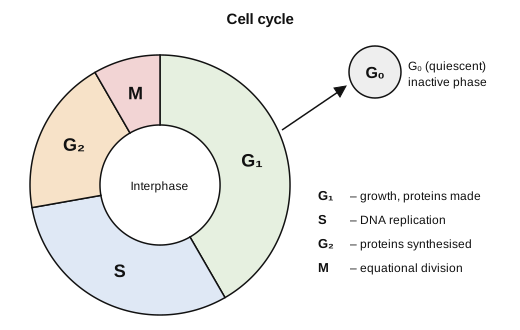
Concept: NCERT cell cycle: G1 – interval between mitosis and initiation of DNA replication; S – DNA synthesis; G2 – proteins synthesised for mitosis; M – equational division; G0 (quiescent stage) – metabolically active but inactive/not proliferating.

  1. A. M phase → IV (equational division).
  2. B. G2 phase → I (proteins are synthesised).
  3. C. Quiescent stage (G0) → II (inactive phase).
  4. D. G1 phase → III (gap between mitosis and DNA replication).
  5. A-IV, B-I, C-II, D-III = option (C).

Short trick: Fix the sure pair first: M = equational division (IV) → only (B) and (C) remain; G2 = protein synthesis (I) → (C).

Answer: (C) A-IV, B-I, C-II, D-III

अवधारणा: NCERT कोशिका चक्र: G1 – समसूत्रण और DNA प्रतिकृतियन के आरंभ के बीच का अंतराल; S – DNA संश्लेषण; G2 – समसूत्रण हेतु प्रोटीन संश्लेषण; M – समीकरणीय विभाजन; G0 (शांत अवस्था) – उपापचयी रूप से सक्रिय पर निष्क्रिय/अविभाजी।

  1. A. M प्रावस्था → IV (समीकरणीय विभाजन)।
  2. B. G2 प्रावस्था → I (प्रोटीन संश्लेषण)।
  3. C. शांत अवस्था (G0) → II (निष्क्रिय प्रावस्था)।
  4. D. G1 प्रावस्था → III (समसूत्रण और DNA प्रतिकृतियन के बीच का अंतराल)।
  5. A-IV, B-I, C-II, D-III = विकल्प (C)।

शॉर्ट ट्रिक: पहले पक्का युग्म: M = समीकरणीय विभाजन (IV) → केवल (B) व (C) बचे; G2 = प्रोटीन संश्लेषण (I) → (C)।

उत्तर: (C) A-IV, B-I, C-II, D-III

NEET UGBotanyCell cycle – phasesNEET UG 2023 · 7 May Shift 1
Q87.
Match List I with List II:
List IList II
A. IronI. Synthesis of auxin
B. ZincII. Component of nitrate reductase
C. BoronIII. Activation of catalase
D. MolybdenumIV. Cell elongation and differentiation
Choose the correct answer from the options given below:
सूची-I का सूची-II से मिलान कीजिए:
सूची-Iसूची-II
A. लौह (Iron)I. ऑक्सिन का संश्लेषण
B. जस्ता (Zinc)II. नाइट्रेट रिडक्टेज़ का घटक
C. बोरॉनIII. कैटालेज़ का सक्रियण
D. मॉलिब्डेनमIV. कोशिका दीर्घीकरण और विभेदन
नीचे दिए गए विकल्पों में से सही उत्तर चुनिए:
  1. AA-III, B-II, C-I, D-IV
  2. BA-II, B-III, C-IV, D-I
  3. CA-III, B-I, C-IV, D-II
  4. DA-II, B-IV, C-I, D-III
Show answer

Concept: NCERT, Mineral Nutrition – role of each micronutrient.

  1. Iron – component of ferredoxin/cytochromes; "activates catalase" → A-III.
  2. Zinc – activates carboxylases; "needed in the synthesis of auxin" → B-I.
  3. Boron – uptake of Ca, pollen germination, "cell elongation, cell differentiation" → C-IV.
  4. Molybdenum – "component of several enzymes including nitrogenase and nitrate reductase" → D-II.
  5. A-III, B-I, C-IV, D-II = option (C).

Short trick: Zn → auxin (Zinc–IAA via tryptophan) and Mo → N enzymes; these two alone pick option (C).

Answer: (C) A-III, B-I, C-IV, D-II

अवधारणा: NCERT, खनिज पोषण – प्रत्येक सूक्ष्म पोषक की भूमिका।

  1. लौह – फेरेडॉक्सिन/साइटोक्रोम का घटक; "कैटालेज़ को सक्रिय करता है" → A-III।
  2. जस्ता – कार्बोक्सिलेज़ सक्रिय करता है; "ऑक्सिन के संश्लेषण हेतु आवश्यक" → B-I।
  3. बोरॉन – Ca अवशोषण, पराग अंकुरण, "कोशिका दीर्घीकरण, कोशिका विभेदन" → C-IV।
  4. मॉलिब्डेनम – "नाइट्रोजिनेज़ और नाइट्रेट रिडक्टेज़ सहित कई एंज़ाइमों का घटक" → D-II।
  5. A-III, B-I, C-IV, D-II = विकल्प (C)।

शॉर्ट ट्रिक: Zn → ऑक्सिन और Mo → नाइट्रोजन एंज़ाइम; केवल ये दो युग्म ही विकल्प (C) चुन लेते हैं।

उत्तर: (C) A-III, B-I, C-IV, D-II

NEET UGBotanyMineral nutrition – role of micronutrientsNEET UG 2023 · 7 May Shift 1
Q88.
Match List I with List II:
List IList II
A. CohesionI. More attraction in liquid phase
B. AdhesionII. Mutual attraction among water molecules
C. Surface tensionIII. Water loss in liquid phase
D. GuttationIV. Attraction towards polar surfaces
Choose the correct answer from the options given below:
सूची-I का सूची-II से मिलान कीजिए:
सूची-Iसूची-II
A. संसंजन (Cohesion)I. द्रव प्रावस्था में अधिक आकर्षण
B. आसंजन (Adhesion)II. जल अणुओं के बीच पारस्परिक आकर्षण
C. पृष्ठ तनाव (Surface tension)III. द्रव प्रावस्था में जल की हानि
D. बिंदुस्राव (Guttation)IV. ध्रुवीय सतहों की ओर आकर्षण
नीचे दिए गए विकल्पों में से सही उत्तर चुनिए:
  1. AA-II, B-IV, C-I, D-III
  2. BA-IV, B-III, C-II, D-I
  3. CA-III, B-I, C-IV, D-II
  4. DA-II, B-I, C-IV, D-III
Show answer

Concept: NCERT (transpiration pull): cohesion – mutual attraction between water molecules; adhesion – attraction of water molecules to polar surfaces (e.g. tracheary elements); surface tension – water molecules are attracted to each other more in the liquid phase than in the gas phase. Guttation – loss of water in liquid form through hydathodes.

  1. A. Cohesion → II.
  2. B. Adhesion → IV.
  3. C. Surface tension → I.
  4. D. Guttation → III.
  5. A-II, B-IV, C-I, D-III = option (A).

Short trick: Cohesion = co-water (water–water); Adhesion = water added to a surface (water–wall).

Answer: (A) A-II, B-IV, C-I, D-III

अवधारणा: NCERT (वाष्पोत्सर्जन खिंचाव): संसंजन – जल अणुओं के बीच पारस्परिक आकर्षण; आसंजन – जल अणुओं का ध्रुवीय सतहों (उदा. वाहिनिका तत्त्व) की ओर आकर्षण; पृष्ठ तनाव – जल अणु गैस प्रावस्था की अपेक्षा द्रव प्रावस्था में एक-दूसरे को अधिक आकर्षित करते हैं। बिंदुस्राव – जलरंध्रों से द्रव रूप में जल की हानि।

  1. A. संसंजन → II।
  2. B. आसंजन → IV।
  3. C. पृष्ठ तनाव → I।
  4. D. बिंदुस्राव → III।
  5. A-II, B-IV, C-I, D-III = विकल्प (A)।

शॉर्ट ट्रिक: संसंजन = जल–जल आकर्षण; आसंजन = जल–भित्ति (सतह) आकर्षण। बिंदुस्राव = द्रव रूप में जल हानि।

उत्तर: (A) A-II, B-IV, C-I, D-III

NEET UGBotanyTransport in plants – properties of waterNEET UG 2023 · 7 May Shift 1
Q89.
How many different proteins does the ribosome consist of?
राइबोसोम में कितने भिन्न प्रकार के प्रोटीन होते हैं?
  1. A80
  2. B60
  3. C40
  4. D20
Show answer

Concept: NCERT (Translation): "The cellular factory responsible for synthesising proteins is the ribosome. The ribosome consists of structural RNAs and about 80 different proteins."

  1. About 80 different proteins + rRNAs → (A).
  2. 60 and 40 are the sizes (60S, 40S) of eukaryotic subunits – a common trap.
  3. 20 is the number of amino acids.

Short trick: Don't confuse with 80S = 60S + 40S; NCERT line: "about 80 different proteins".

Answer: (A) 80

अवधारणा: NCERT (स्थानांतरण): "प्रोटीन संश्लेषण के लिए उत्तरदायी कोशिकीय कारखाना राइबोसोम है। राइबोसोम में संरचनात्मक RNA और लगभग 80 भिन्न प्रकार के प्रोटीन होते हैं।"

  1. लगभग 80 भिन्न प्रोटीन + rRNA → (A)।
  2. 60 और 40 यूकैरियोटी उप-इकाइयों के आकार (60S, 40S) हैं – सामान्य जाल।
  3. 20 ऐमीनो अम्लों की संख्या है।

शॉर्ट ट्रिक: 80S = 60S + 40S से भ्रमित न हों; NCERT पंक्ति: "लगभग 80 भिन्न प्रोटीन"।

उत्तर: (A) 80

NEET UGBotanyMolecular basis of inheritance – ribosomeNEET UG 2023 · 7 May Shift 1
Q90.
Match List I with List II:
List IList II
A. Oxidative decarboxylationI. Citrate synthase
B. GlycolysisII. Pyruvate dehydrogenase
C. Oxidative phosphorylationIII. Electron transport system
D. Tricarboxylic acid cycleIV. EMP pathway
Choose the correct answer from the options given below:
सूची-I का सूची-II से मिलान कीजिए:
सूची-Iसूची-II
A. ऑक्सीकारी विकार्बॉक्सिलनI. सिट्रेट सिंथेज़
B. ग्लाइकोलिसिसII. पाइरुवेट डिहाइड्रोजिनेज़
C. ऑक्सीकारी फॉस्फोरिलीकरणIII. इलेक्ट्रॉन परिवहन तंत्र
D. ट्राइकार्बोक्सिलिक अम्ल चक्रIV. EMP पथ
नीचे दिए गए विकल्पों में से सही उत्तर चुनिए:
  1. AA-III, B-IV, C-II, D-I
  2. BA-II, B-IV, C-I, D-III
  3. CA-III, B-I, C-II, D-IV
  4. DA-II, B-IV, C-III, D-I
Show answer

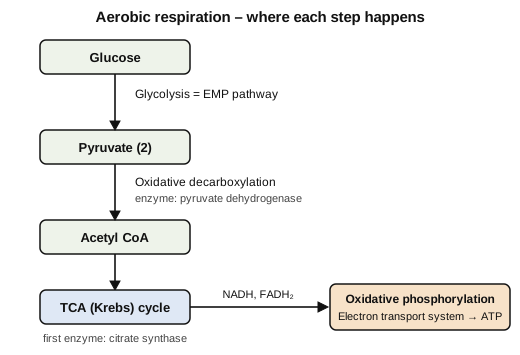
Concept: Aerobic respiration: glycolysis (EMP pathway) → link reaction (oxidative decarboxylation of pyruvate by pyruvate dehydrogenase) → TCA cycle (starts with citrate synthase) → ETS + oxidative phosphorylation.

  1. A. Oxidative decarboxylation of pyruvate → pyruvate dehydrogenase (II).
  2. B. Glycolysis → EMP (Embden–Meyerhof–Parnas) pathway (IV).
  3. C. Oxidative phosphorylation → electron transport system (III).
  4. D. TCA cycle → citrate synthase (I), first enzyme condensing acetyl CoA with OAA.
  5. A-II, B-IV, C-III, D-I = option (D).

Short trick: B-IV is in three options, so decide by A: pyruvate dehydrogenase does decarboxylation → A-II leaves (B) and (D); C must be ETS → (D).

Answer: (D) A-II, B-IV, C-III, D-I

अवधारणा: वायवीय श्वसन: ग्लाइकोलिसिस (EMP पथ) → संयोजी अभिक्रिया (पाइरुवेट डिहाइड्रोजिनेज़ द्वारा पाइरुवेट का ऑक्सीकारी विकार्बॉक्सिलन) → TCA चक्र (सिट्रेट सिंथेज़ से आरंभ) → ETS + ऑक्सीकारी फॉस्फोरिलीकरण।

  1. A. पाइरुवेट का ऑक्सीकारी विकार्बॉक्सिलन → पाइरुवेट डिहाइड्रोजिनेज़ (II)।
  2. B. ग्लाइकोलिसिस → EMP (एम्बडेन–मेयरहॉफ–पार्नास) पथ (IV)।
  3. C. ऑक्सीकारी फॉस्फोरिलीकरण → इलेक्ट्रॉन परिवहन तंत्र (III)।
  4. D. TCA चक्र → सिट्रेट सिंथेज़ (I), जो ऐसीटिल CoA को OAA से संघनित करने वाला प्रथम एंज़ाइम है।
  5. A-II, B-IV, C-III, D-I = विकल्प (D)।

शॉर्ट ट्रिक: B-IV तीन विकल्पों में है, अतः A से निर्णय: पाइरुवेट डिहाइड्रोजिनेज़ विकार्बॉक्सिलन करता है → A-II से (B) व (D) बचे; C = ETS → (D)।

उत्तर: (D) A-II, B-IV, C-III, D-I

NEET UGBotanyRespiration in plants – stages and enzymesNEET UG 2023 · 7 May Shift 1
Q91.
Match List I with List II:
List I
(Interaction)
List II
(Species A and B)
A. MutualismI. + (A), 0 (B)
B. CommensalismII. – (A), 0 (B)
C. AmensalismIII. + (A), – (B)
D. ParasitismIV. + (A), + (B)
Choose the correct answer from the options given below:
सूची-I का सूची-II से मिलान कीजिए:
सूची-I
(पारस्परिक क्रिया)
सूची-II
(जाति A और B)
A. सहोपकारिता (Mutualism)I. + (A), 0 (B)
B. सहभोजिता (Commensalism)II. – (A), 0 (B)
C. असहभोजिता (Amensalism)III. + (A), – (B)
D. परजीविता (Parasitism)IV. + (A), + (B)
नीचे दिए गए विकल्पों में से सही उत्तर चुनिए:
  1. AA-IV, B-II, C-I, D-III
  2. BA-IV, B-I, C-II, D-III
  3. CA-IV, B-III, C-I, D-II
  4. DA-III, B-I, C-IV, D-II
Show answer

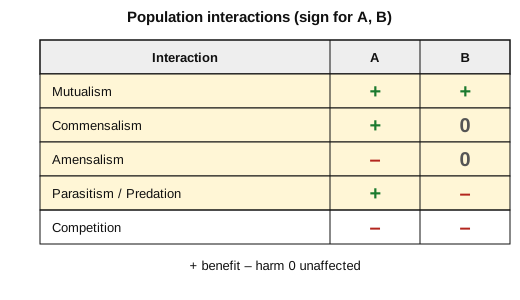
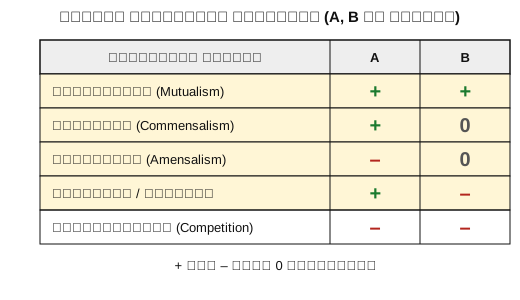
Concept: NCERT population interactions: mutualism (+,+), commensalism (+,0), amensalism (–,0), parasitism and predation (+,–), competition (–,–).

  1. A. Mutualism → IV (+, +).
  2. B. Commensalism → I (+, 0).
  3. C. Amensalism → II (–, 0).
  4. D. Parasitism → III (+, –).
  5. A-IV, B-I, C-II, D-III = option (B).

Short trick: Commensalism = one gains, other completely unaffected (+,0); Amensalism = "Amen" – one harmed, other doesn't care (–,0).

Answer: (B) A-IV, B-I, C-II, D-III

अवधारणा: NCERT समष्टि पारस्परिक क्रियाएँ: सहोपकारिता (+,+), सहभोजिता (+,0), असहभोजिता (एमेन्सेलिज़्म) (–,0), परजीविता व परभक्षण (+,–), प्रतिस्पर्धा (–,–)।

  1. A. सहोपकारिता → IV (+, +)।
  2. B. सहभोजिता → I (+, 0)।
  3. C. एमेन्सेलिज़्म → II (–, 0)।
  4. D. परजीविता → III (+, –)।
  5. A-IV, B-I, C-II, D-III = विकल्प (B)।

शॉर्ट ट्रिक: सहभोजिता = एक को लाभ, दूसरा पूर्णतः अप्रभावित (+,0); एमेन्सेलिज़्म = "आमीन" – एक को हानि, दूसरे को फर्क नहीं (–,0)।

उत्तर: (B) A-IV, B-I, C-II, D-III

NEET UGBotanyOrganisms and populations – population interactionsNEET UG 2023 · 7 May Shift 1
Q92.
Main steps in the formation of Recombinant DNA are given below. Arrange these steps in a correct sequence.
A. Insertion of recombinant DNA into the host cell.
B. Cutting of DNA at specific location by restriction enzyme.
C. Isolation of desired DNA fragment.
D. Amplification of gene of interest using PCR.
Choose the correct answer from the options given below:
पुनर्योगज DNA के निर्माण के मुख्य चरण नीचे दिए गए हैं। इन चरणों को सही क्रम में व्यवस्थित कीजिए।
A. पुनर्योगज DNA का परपोषी कोशिका में प्रवेश।
B. प्रतिबंधन एंज़ाइम द्वारा विशिष्ट स्थान पर DNA को काटना।
C. वांछित DNA खंड का पृथक्करण।
D. PCR द्वारा अभीष्ट जीन का प्रवर्धन।
नीचे दिए गए विकल्पों में से सही उत्तर चुनिए:
  1. AB, C, D, A
  2. BC, A, B, D
  3. CC, B, D, A
  4. DB, D, A, C
Show answer

Concept: NCERT, Processes of rDNA technology: isolation of DNA → fragmentation by restriction endonucleases → isolation of the desired DNA fragment → amplification by PCR → ligation into vector → insertion of recombinant DNA into host.

  1. Read literally, NCERT order of the given steps is B (cut) → C (isolate desired fragment, e.g. by gel electrophoresis) → D (PCR) → A (insert) = option (A).
  2. If "isolation of desired DNA fragment" is read as the first step, isolation of the genetic material (DNA), then the order is C → B → D → A = option (C).
  3. Statement C is worded ambiguously, so both sequences are defensible; options (B) and (D) are wrong in either reading (A, insertion, cannot come before cutting/PCR).

Short trick: Whatever the reading, insertion into host (A) is always last and PCR (D) comes just before it – this rules out (B) and (D) at once.

Answer: Bonus – two options, (A) B, C, D, A and (C) C, B, D, A, are both acceptable because step C is ambiguous, so marks are given to all.

अवधारणा: NCERT, पुनर्योगज DNA प्रौद्योगिकी की प्रक्रियाएँ: DNA का पृथक्करण → प्रतिबंधन एंडोन्यूक्लिएज़ द्वारा खंडन → वांछित DNA खंड का पृथक्करण → PCR द्वारा प्रवर्धन → संवाहक में संलग्नीकरण → पुनर्योगज DNA का परपोषी में प्रवेश।

  1. शब्दशः पढ़ें तो दिए गए चरणों का NCERT क्रम B (काटना) → C (वांछित खंड पृथक करना, उदा. जेल वैद्युतकणसंचलन से) → D (PCR) → A (प्रवेश) = विकल्प (A)।
  2. यदि "वांछित DNA खंड का पृथक्करण" को पहला चरण, यानी आनुवंशिक पदार्थ (DNA) का पृथक्करण माना जाए, तो क्रम C → B → D → A = विकल्प (C)।
  3. कथन C अस्पष्ट शब्दों में है, अतः दोनों क्रम तर्कसंगत हैं; विकल्प (B) और (D) किसी भी अर्थ में गलत हैं (A, यानी प्रवेश, काटने/PCR से पहले नहीं आ सकता)।

शॉर्ट ट्रिक: कोई भी अर्थ लें, परपोषी में प्रवेश (A) सदैव अंतिम है और PCR (D) उससे ठीक पहले – इससे (B) और (D) तुरंत हट जाते हैं।

उत्तर: बोनस – दो विकल्प, (A) B, C, D, A और (C) C, B, D, A, दोनों स्वीकार्य हैं क्योंकि चरण C अस्पष्ट है, अतः सभी को अंक दिए जाते हैं।

NEET UGBotanyBiotechnology – steps of recombinant DNA technologyNEET UG 2023 · 7 May Shift 1
Q93.
Given below are two statements:
Statement I: Gause’s ‘Competitive Exclusion Principle’ states that two closely related species competing for the same resources cannot co-exist indefinitely and competitively inferior one will be eliminated eventually.
Statement II: In general, carnivores are more adversely affected by competition than herbivores.
In the light of the above statements, choose the correct answer from the options given below:
नीचे दो कथन दिए गए हैं:
कथन I: गॉस का ‘प्रतिस्पर्धी अपवर्जन सिद्धांत’ कहता है कि समान संसाधनों के लिए प्रतिस्पर्धा करने वाली दो निकट संबंधित जातियाँ अनिश्चित काल तक साथ नहीं रह सकतीं और प्रतिस्पर्धा में दुर्बल जाति अंततः समाप्त हो जाएगी।
कथन II: सामान्यतः मांसाहारी, शाकाहारियों की तुलना में प्रतिस्पर्धा से अधिक प्रतिकूल रूप से प्रभावित होते हैं।
उपर्युक्त कथनों के आलोक में, नीचे दिए गए विकल्पों में से सही उत्तर चुनिए:
  1. ABoth Statement I and Statement II are true.कथन I और कथन II दोनों सत्य हैं।
  2. BBoth Statement I and Statement II are false.कथन I और कथन II दोनों असत्य हैं।
  3. CStatement I is correct but Statement II is false.कथन I सही है परंतु कथन II असत्य है।
  4. DStatement I is incorrect but Statement II is true.कथन I गलत है परंतु कथन II सत्य है।
Show answer

Concept: NCERT (competition): Gause's principle as stated in Statement I; and "in general, herbivores and plants appear to be more adversely affected by competition than carnivores".

  1. Statement I – exact NCERT statement of Gause's Competitive Exclusion Principle → correct.
  2. Statement II – reverses the NCERT line; it is herbivores (and plants) that are more adversely affected → false.

Short trick: Competition hits the bottom of the food chain harder: plants & herbivores > carnivores.

Answer: (C) Statement I is correct but Statement II is false.

अवधारणा: NCERT (प्रतिस्पर्धा): कथन I में दिया गया गॉस का सिद्धांत; तथा "सामान्यतः शाकाहारी और पौधे, मांसाहारियों की तुलना में प्रतिस्पर्धा से अधिक प्रतिकूल रूप से प्रभावित प्रतीत होते हैं"।

  1. कथन I – गॉस के प्रतिस्पर्धी अपवर्जन सिद्धांत का सटीक NCERT कथन → सही।
  2. कथन II – NCERT पंक्ति को उलट देता है; अधिक प्रतिकूल प्रभाव शाकाहारियों (और पौधों) पर होता है → असत्य।

शॉर्ट ट्रिक: प्रतिस्पर्धा खाद्य शृंखला के निचले स्तर पर अधिक मार करती है: पौधे व शाकाहारी > मांसाहारी।

उत्तर: (C) कथन I सही है परंतु कथन II असत्य है।

NEET UGBotanyOrganisms and populations – competitionNEET UG 2023 · 7 May Shift 1
Q94.
Given below are two statements: One is labelled as Assertion A and the other is labelled as Reason R:
Assertion A: A flower is defined as modified shoot wherein the shoot apical meristem changes to floral meristem.
Reason R: Internode of the shoot gets condensed to produce different floral appendages laterally at successive nodes instead of leaves.
In the light of the above statements, choose the correct answer from the options given below:
नीचे दो कथन दिए गए हैं: एक को अभिकथन (Assertion) A और दूसरे को कारण (Reason) R के रूप में अंकित किया गया है:
अभिकथन A: पुष्प को एक रूपांतरित प्ररोह के रूप में परिभाषित किया जाता है जिसमें प्ररोह शीर्षस्थ विभज्योतक, पुष्पी विभज्योतक में बदल जाता है।
कारण R: प्ररोह के पर्व संघनित हो जाते हैं जिससे क्रमिक पर्वसंधियों पर पत्तियों के स्थान पर पार्श्व रूप से विभिन्न पुष्पी उपांग बनते हैं।
उपर्युक्त कथनों के आलोक में, नीचे दिए गए विकल्पों में से सही उत्तर चुनिए:
  1. ABoth A and R are true and R is the correct explanation of A.A और R दोनों सत्य हैं तथा R, A की सही व्याख्या है।
  2. BBoth A and R are true but R is NOT the correct explanation of A.A और R दोनों सत्य हैं परंतु R, A की सही व्याख्या नहीं है।
  3. CA is true but R is false.A सत्य है परंतु R असत्य है।
  4. DA is false but R is true.A असत्य है परंतु R सत्य है।
Show answer

Concept: NCERT: "The flower is a modified shoot wherein the shoot apical meristem changes to floral meristem. Internodes do not elongate and the axis gets condensed. The apex produces different kinds of floral appendages laterally at successive nodes instead of leaves."

  1. A is true – NCERT definition of a flower.
  2. R is true – the condensed axis with floral whorls at successive nodes.
  3. R describes exactly how the shoot is modified into a flower → R explains A.

Short trick: Flower = shoot with no internodes and whorls instead of leaves (thalamus = condensed axis).

Answer: (A) Both A and R are true and R is the correct explanation of A.

अवधारणा: NCERT: "पुष्प एक रूपांतरित प्ररोह है जिसमें प्ररोह शीर्षस्थ विभज्योतक पुष्पी विभज्योतक में बदल जाता है। पर्व लंबे नहीं होते और अक्ष संघनित हो जाता है। शीर्ष क्रमिक पर्वसंधियों पर पत्तियों के स्थान पर पार्श्व रूप से विभिन्न प्रकार के पुष्पी उपांग बनाता है।"

  1. A सत्य – पुष्प की NCERT परिभाषा।
  2. R सत्य – संघनित अक्ष जिसकी क्रमिक पर्वसंधियों पर पुष्पी चक्र बनते हैं।
  3. R ठीक यही बताता है कि प्ररोह पुष्प में कैसे रूपांतरित होता है → R, A की व्याख्या करता है।

शॉर्ट ट्रिक: पुष्प = बिना पर्वों वाला प्ररोह जिसमें पत्तियों के स्थान पर चक्र (पुष्पासन = संघनित अक्ष)।

उत्तर: (A) A और R दोनों सत्य हैं तथा R, A की सही व्याख्या है।

NEET UGBotanyMorphology – flower as modified shootNEET UG 2023 · 7 May Shift 1
Q95.
Which of the following statements are correct about Klinefelter’s Syndrome?
A. This disorder was first described by Langdon Down (1866).
B. Such an individual has overall masculine development. However, the feminine development is also expressed.
C. The affected individual is short statured.
D. Physical, psychomotor and mental development is retarded.
E. Such individuals are sterile.
Choose the correct answer from the options given below:
क्लाइनफेल्टर सिंड्रोम के बारे में निम्नलिखित में से कौन-से कथन सही हैं?
A. इस विकार का वर्णन सर्वप्रथम लैंगडन डाउन (1866) ने किया था।
B. ऐसे व्यक्ति में समग्र रूप से पुरुषोचित विकास होता है, तथापि स्त्रैण विकास भी अभिव्यक्त होता है।
C. प्रभावित व्यक्ति छोटे कद का होता है।
D. शारीरिक, मनःप्रेरक (psychomotor) और मानसिक विकास मंद होता है।
E. ऐसे व्यक्ति बंध्य (sterile) होते हैं।
नीचे दिए गए विकल्पों में से सही उत्तर चुनिए:
  1. AA and B onlyकेवल A और B
  2. BC and D onlyकेवल C और D
  3. CB and E onlyकेवल B और E
  4. DA and E onlyकेवल A और E
Show answer

Concept: Klinefelter's syndrome (47, XXY): NCERT – "Such an individual has overall masculine development, however, the feminine development (development of breast, i.e., gynaecomastia) is also expressed. Such individuals are sterile."

  1. A – false: Langdon Down (1866) described Down's syndrome (trisomy 21), not Klinefelter's.
  2. B – true (masculine + gynaecomastia).
  3. C – false: short stature is a feature of Down's (and Turner's) syndrome; Klinefelter males are usually tall.
  4. D – false: retarded physical, psychomotor and mental development is the NCERT description of Down's syndrome.
  5. E – true: they are sterile.
  6. Correct = B and E → option (C).

Short trick: Sort the lines: Down = Langdon Down, short, mental retardation; Klinefelter = XXY, gynaecomastia, sterile; Turner = XO, sterile female.

Answer: (C) B and E only

अवधारणा: क्लाइनफेल्टर सिंड्रोम (47, XXY): NCERT – "ऐसे व्यक्ति में समग्र रूप से पुरुषोचित विकास होता है, तथापि स्त्रैण विकास (स्तनों का विकास, अर्थात गाइनेकोमैस्टिया) भी अभिव्यक्त होता है। ऐसे व्यक्ति बंध्य होते हैं।"

  1. A – असत्य: लैंगडन डाउन (1866) ने डाउन सिंड्रोम (ट्राइसोमी 21) का वर्णन किया था, क्लाइनफेल्टर का नहीं।
  2. B – सत्य (पुरुषोचित + गाइनेकोमैस्टिया)।
  3. C – असत्य: छोटा कद डाउन (और टर्नर) सिंड्रोम का लक्षण है; क्लाइनफेल्टर पुरुष प्रायः लंबे होते हैं।
  4. D – असत्य: शारीरिक, मनःप्रेरक और मानसिक विकास का मंद होना NCERT में डाउन सिंड्रोम का वर्णन है।
  5. E – सत्य: वे बंध्य होते हैं।
  6. सही = B और E → विकल्प (C)।

शॉर्ट ट्रिक: पंक्तियाँ छाँटें: डाउन = लैंगडन डाउन, छोटा कद, मानसिक मंदता; क्लाइनफेल्टर = XXY, गाइनेकोमैस्टिया, बंध्य; टर्नर = XO, बंध्य स्त्री।

उत्तर: (C) केवल B और E

NEET UGBotanyPrinciples of inheritance – chromosomal disorders (Klinefelter’s syndrome)NEET UG 2023 · 7 May Shift 1
Q96.
Malonate inhibits the growth of pathogenic bacteria by inhibiting the activity of
मैलोनेट किसकी सक्रियता को संदमित करके रोगजनक जीवाणुओं की वृद्धि रोकता है?
  1. ASuccinic dehydrogenaseसक्सिनिक डिहाइड्रोजिनेज़
  2. BAmylaseएमाइलेज़
  3. CLipaseलाइपेज़
  4. DDinitrogenaseडाइनाइट्रोजिनेज़
Show answer

Concept: NCERT (Biomolecules): "inhibition of succinic dehydrogenase by malonate which closely resembles the substrate succinate in structure" – competitive inhibition; "such competitive inhibitors are often used in the control of bacterial pathogens".

  1. Malonate (–OOC–CH2–COO−) resembles succinate and occupies the active site of succinic dehydrogenase → (A).
  2. Amylase (starch), lipase (fats) and dinitrogenase (N2 fixation) are not inhibited by malonate.

Short trick: Malonate mimics Succinate – the textbook example of a competitive inhibitor (look-alike blocks the lock).

Answer: (A) Succinic dehydrogenase

अवधारणा: NCERT (जैव अणु): "मैलोनेट द्वारा सक्सिनिक डिहाइड्रोजिनेज़ का संदमन, क्योंकि मैलोनेट संरचना में क्रियाधार सक्सिनेट से बहुत मिलता-जुलता है" – प्रतिस्पर्धी संदमन; "ऐसे प्रतिस्पर्धी संदमक प्रायः जीवाणु रोगजनकों के नियंत्रण में प्रयुक्त होते हैं"।

  1. मैलोनेट (–OOC–CH2–COO−) सक्सिनेट जैसा दिखता है और सक्सिनिक डिहाइड्रोजिनेज़ के सक्रिय स्थल को घेर लेता है → (A)।
  2. एमाइलेज़ (मंड), लाइपेज़ (वसा) और डाइनाइट्रोजिनेज़ (N2 स्थिरीकरण) मैलोनेट से संदमित नहीं होते।

शॉर्ट ट्रिक: मैलोनेट, सक्सिनेट की नकल करता है – प्रतिस्पर्धी संदमक का पाठ्यपुस्तक उदाहरण (हमशक्ल ताले को बंद कर देता है)।

उत्तर: (A) सक्सिनिक डिहाइड्रोजिनेज़

NEET UGBotanyEnzymes – competitive inhibitionNEET UG 2023 · 7 May Shift 1
Q97.
Which one of the following statements is NOT correct?
निम्नलिखित में से कौन-सा कथन सही नहीं है?
  1. AThe micro-organisms involved in biodegradation of organic matter in a sewage polluted water body consume a lot of oxygen causing the death of aquatic organisms.वाहित मल से प्रदूषित जलाशय में कार्बनिक पदार्थ के जैव निम्नीकरण में लगे सूक्ष्मजीव अत्यधिक ऑक्सीजन का उपभोग करते हैं, जिससे जलीय जीवों की मृत्यु होती है।
  2. BAlgal blooms caused by excess of organic matter in water improve water quality and promote fisheries.जल में अत्यधिक कार्बनिक पदार्थ के कारण होने वाले शैवाल प्रस्फुटन (algal blooms) जल की गुणवत्ता सुधारते हैं और मत्स्य पालन को बढ़ावा देते हैं।
  3. CWater hyacinth grows abundantly in eutrophic water bodies and leads to an imbalance in the ecosystem dynamics of the water body.जलकुंभी (water hyacinth) सुपोषी जलाशयों में प्रचुरता से उगती है और जलाशय की पारितंत्र गतिकी में असंतुलन उत्पन्न करती है।
  4. DThe amount of some toxic substances of industrial waste water increases in the organisms at successive trophic levels.औद्योगिक अपशिष्ट जल के कुछ विषैले पदार्थों की मात्रा क्रमिक पोषी स्तरों के जीवों में बढ़ती जाती है।
Show answer

Concept: NCERT (Environmental Issues): excess nutrients cause algal bloom, which "causes deterioration of the water quality and fish mortality"; some bloom-forming algae are toxic too.

  1. (A) correct – high BOD: microbes use up dissolved oxygen → fish and other organisms die.
  2. (B) NOT correct – algal blooms worsen water quality and kill fish; they do not promote fisheries → answer.
  3. (C) correct – water hyacinth ("terror of Bengal") grows in eutrophic water, blocks it and upsets the ecosystem.
  4. (D) correct – biomagnification (e.g. mercury, DDT) increases at successive trophic levels.

Short trick: Algal bloom = bad news always (low O2, fish mortality). Any option praising it is the false one.

Answer: (B) Algal blooms caused by excess of organic matter in water improve water quality and promote fisheries.

अवधारणा: NCERT (पर्यावरण के मुद्दे): अतिरिक्त पोषक शैवाल प्रस्फुटन कराते हैं, जो "जल की गुणवत्ता को खराब करता है तथा मछलियों की मृत्यु का कारण बनता है"; कुछ प्रस्फुटन करने वाले शैवाल विषैले भी होते हैं।

  1. (A) सही – उच्च BOD: सूक्ष्मजीव घुलित ऑक्सीजन खत्म कर देते हैं → मछलियाँ और अन्य जीव मरते हैं।
  2. (B) सही नहीं – शैवाल प्रस्फुटन जल की गुणवत्ता बिगाड़ता है और मछलियों को मारता है; मत्स्य पालन नहीं बढ़ाता → उत्तर।
  3. (C) सही – जलकुंभी ("बंगाल का आतंक") सुपोषी जल में उगकर उसे अवरुद्ध करती है और पारितंत्र बिगाड़ती है।
  4. (D) सही – जैव आवर्धन (उदा. पारा, DDT) क्रमिक पोषी स्तरों पर बढ़ता है।

शॉर्ट ट्रिक: शैवाल प्रस्फुटन = सदैव बुरी खबर (कम O2, मछलियों की मृत्यु)। जो विकल्प इसकी प्रशंसा करे, वही असत्य है।

उत्तर: (B) शैवाल प्रस्फुटन जल की गुणवत्ता सुधारते हैं और मत्स्य पालन को बढ़ावा देते हैं।

NEET UGBotanyEnvironmental issues – water pollution and eutrophicationNEET UG 2023 · 7 May Shift 1
Q98.
Which of the following combinations is required for chemiosmosis?
रसोपरासरण (chemiosmosis) के लिए निम्नलिखित में से कौन-सा संयोजन आवश्यक है?
  1. Amembrane, proton pump, proton gradient, ATP synthaseझिल्ली, प्रोटॉन पंप, प्रोटॉन प्रवणता, ATP सिंथेज़
  2. Bmembrane, proton pump, proton gradient, NADP synthaseझिल्ली, प्रोटॉन पंप, प्रोटॉन प्रवणता, NADP सिंथेज़
  3. Cproton pump, electron gradient, ATP synthaseप्रोटॉन पंप, इलेक्ट्रॉन प्रवणता, ATP सिंथेज़
  4. Dproton pump, electron gradient, NADP synthaseप्रोटॉन पंप, इलेक्ट्रॉन प्रवणता, NADP सिंथेज़
Show answer

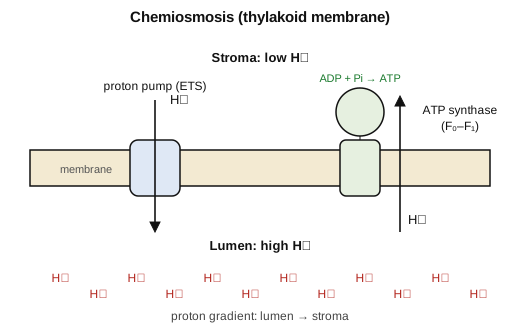
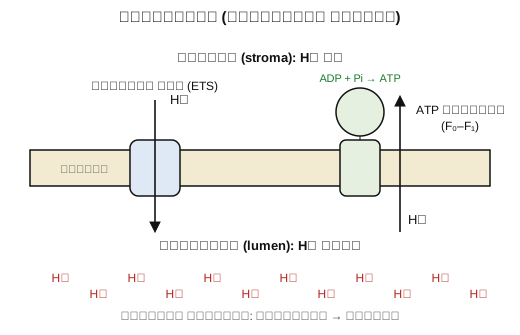
Concept: NCERT: "Chemiosmosis requires a membrane, a proton pump, a proton gradient and ATP synthase." Energy of the H+ gradient across the thylakoid (or inner mitochondrial) membrane drives ATP synthesis.

  1. Membrane – separates the two compartments (lumen and stroma).
  2. Proton pump – electron transport moves H+ into the lumen.
  3. Proton gradient – high H+ in lumen, low in stroma.
  4. ATP synthase (F0–F1) – H+ flow back through F0 makes ATP at F1.
  5. (B), (D) – there is no "NADP synthase"; (C), (D) – it is a proton, not electron, gradient.

Short trick: Chemi-osmosis = "osmosis" of protons through a membrane → ATP. Four words: M-P-P-A.

Answer: (A) membrane, proton pump, proton gradient, ATP synthase

अवधारणा: NCERT: "रसोपरासरण के लिए एक झिल्ली, एक प्रोटॉन पंप, एक प्रोटॉन प्रवणता और ATP सिंथेज़ आवश्यक हैं।" थायलेकॉइड (या माइटोकॉन्ड्रिया की आंतरिक) झिल्ली के आर-पार H+ प्रवणता की ऊर्जा ATP संश्लेषण कराती है।

  1. झिल्ली – दो कक्षों (अवकाशिका और पीठिका) को अलग करती है।
  2. प्रोटॉन पंप – इलेक्ट्रॉन परिवहन H+ को अवकाशिका में पहुँचाता है।
  3. प्रोटॉन प्रवणता – अवकाशिका में H+ अधिक, पीठिका में कम।
  4. ATP सिंथेज़ (F0–F1) – F0 से H+ के वापस बहने पर F1 पर ATP बनता है।
  5. (B), (D) – "NADP सिंथेज़" नामक कोई एंज़ाइम नहीं; (C), (D) – प्रवणता प्रोटॉन की होती है, इलेक्ट्रॉन की नहीं।

शॉर्ट ट्रिक: रस-परासरण = झिल्ली से प्रोटॉनों का "परासरण" → ATP। चार शब्द: M-P-P-A (झिल्ली-पंप-प्रवणता-ATP सिंथेज़)।

उत्तर: (A) झिल्ली, प्रोटॉन पंप, प्रोटॉन प्रवणता, ATP सिंथेज़

NEET UGBotanyPhotosynthesis – chemiosmotic hypothesisNEET UG 2023 · 7 May Shift 1
Q99.
Identify the correct statements:
A. Lenticels are the lens-shaped openings permitting the exchange of gases.
B. Bark formed early in the season is called hard bark.
C. Bark is a technical term that refers to all tissues exterior to vascular cambium.
D. Bark refers to periderm and secondary phloem.
E. Phellogen is single-layered in thickness.
Choose the correct answer from the options given below :
सही कथनों को पहचानिए:
A. वातरंध्र (lenticels) लेंस के आकार के छिद्र हैं जो गैसों के विनिमय की अनुमति देते हैं।
B. ऋतु के आरंभ में बनी छाल कठोर छाल (hard bark) कहलाती है।
C. छाल एक तकनीकी शब्द है जो संवहन एधा के बाहर स्थित सभी ऊतकों को संदर्भित करता है।
D. छाल से तात्पर्य परिचर्म (periderm) और द्वितीयक फ्लोएम से है।
E. कॉर्क एधा (phellogen) एक-स्तरीय मोटाई की होती है।
नीचे दिए गए विकल्पों में से सही उत्तर चुनिए:
  1. AB, C and E onlyकेवल B, C और E
  2. BA and D onlyकेवल A और D
  3. CA, B and D onlyकेवल A, B और D
  4. DB and C onlyकेवल B और C
Show answer

Concept: NCERT (secondary growth – cork cambium): bark is a non-technical term for all tissues exterior to the vascular cambium, i.e. periderm + secondary phloem.

  1. A – true: lenticels are lens-shaped openings for gaseous exchange between atmosphere and internal tissue.
  2. B – false: bark formed early in the season is soft (early) bark; towards the end it is hard (late) bark.
  3. C – false: NCERT calls bark a non-technical term.
  4. D – true: bark = periderm (phellem + phellogen + phelloderm) + secondary phloem.
  5. E – false: phellogen is a couple of layers thick.
  6. Correct = A and D → option (B).

Short trick: Early = soft, late = hard (like spring/autumn wood). Bark = "non-technical", phellogen = "couple of layers" – NCERT wording traps.

Answer: (B) A and D only

अवधारणा: NCERT (द्वितीयक वृद्धि – कॉर्क एधा): छाल एक अतकनीकी शब्द है जो संवहन एधा के बाहर के सभी ऊतकों, अर्थात परिचर्म + द्वितीयक फ्लोएम, को कहते हैं।

  1. A – सत्य: वातरंध्र वायुमंडल और आंतरिक ऊतक के बीच गैस विनिमय हेतु लेंस-आकार के छिद्र हैं।
  2. B – असत्य: ऋतु के आरंभ में बनी छाल मृदु (प्रारंभिक) छाल है; अंत में बनने वाली कठोर (पश्च) छाल।
  3. C – असत्य: NCERT छाल को अतकनीकी शब्द कहती है।
  4. D – सत्य: छाल = परिचर्म (कॉर्क + कॉर्क एधा + द्वितीयक वल्कुट) + द्वितीयक फ्लोएम।
  5. E – असत्य: कॉर्क एधा कुछ स्तरों मोटी होती है।
  6. सही = A और D → विकल्प (B)।

शॉर्ट ट्रिक: प्रारंभिक = मृदु, पश्च = कठोर (वसंत/शरद काष्ठ की तरह)। छाल = "अतकनीकी", कॉर्क एधा = "कुछ स्तर" – NCERT के शब्दों वाले जाल।

उत्तर: (B) केवल A और D

NEET UGBotanyAnatomy – periderm and barkNEET UG 2023 · 7 May Shift 1
Q100.
Given below are two statements: One is labelled as Assertion A and the other is labelled as Reason R:
Assertion A: In gymnosperms the pollen grains are released from the microsporangium and carried by air currents.
Reason R: Air currents carry the pollen grains to the mouth of the archegonia where the gametes are discharged and pollen tube is not formed.
In the light of the above statements, choose the correct answer from the options given below:
नीचे दो कथन दिए गए हैं: एक को अभिकथन (Assertion) A और दूसरे को कारण (Reason) R के रूप में अंकित किया गया है:
अभिकथन A: अनावृतबीजियों में परागकण लघुबीजाणुधानी से मुक्त होकर वायु धाराओं द्वारा ले जाए जाते हैं।
कारण R: वायु धाराएँ परागकणों को स्त्रीधानी (archegonia) के मुख तक ले जाती हैं जहाँ युग्मक विसर्जित होते हैं और पराग नलिका नहीं बनती।
उपर्युक्त कथनों के आलोक में, नीचे दिए गए विकल्पों में से सही उत्तर चुनिए:
  1. ABoth A and R are true and R is the correct explanation of A.A और R दोनों सत्य हैं तथा R, A की सही व्याख्या है।
  2. BBoth A and R are true but R is NOT the correct explanation of A.A और R दोनों सत्य हैं परंतु R, A की सही व्याख्या नहीं है।
  3. CA is true but R is false.A सत्य है परंतु R असत्य है।
  4. DA is false but R is true.A असत्य है परंतु R सत्य है।
Show answer

Concept: NCERT (gymnosperms): "The pollen grain is released from the microsporangium. They are carried in air currents and come in contact with the opening of the ovules borne on megasporophylls. The pollen tube carrying the male gametes grows towards archegonia in the ovules and discharge their contents near the mouth of the archegonia."

  1. A is true – gymnosperms are wind-pollinated; pollen is released from microsporangia.
  2. R is false – air carries pollen only to the opening (micropyle) of the ovule, not to the archegonia; a pollen tube is formed and carries male gametes to the archegonia.
  3. Hence A true, R false → option (C).

Short trick: Gymnosperms are the first siphonogamous plants – pollen tube present. Any statement saying "no pollen tube" for gymnosperms is false.

Answer: (C) A is true but R is false.

अवधारणा: NCERT (अनावृतबीजी): "परागकण लघुबीजाणुधानी से मुक्त होते हैं। ये वायु धाराओं द्वारा ले जाए जाते हैं और गुरुबीजाणुपर्णों पर लगे बीजांडों के छिद्र के संपर्क में आते हैं। नर युग्मकों को ले जाने वाली पराग नलिका बीजांडों में स्त्रीधानियों की ओर बढ़ती है और स्त्रीधानी के मुख के पास अपनी सामग्री विसर्जित करती है।"

  1. A सत्य – अनावृतबीजी वायु-परागित हैं; परागकण लघुबीजाणुधानियों से मुक्त होते हैं।
  2. R असत्य – वायु परागकणों को केवल बीजांड के छिद्र (बीजांडद्वार) तक ले जाती है, स्त्रीधानी तक नहीं; पराग नलिका बनती है जो नर युग्मकों को स्त्रीधानी तक पहुँचाती है।
  3. अतः A सत्य, R असत्य → विकल्प (C)।

शॉर्ट ट्रिक: अनावृतबीजी प्रथम साइफोनोगैमस (नलिका-युग्मकी) पौधे हैं – पराग नलिका उपस्थित। अनावृतबीजियों के लिए "पराग नलिका नहीं" कहने वाला कथन असत्य है।

उत्तर: (C) A सत्य है परंतु R असत्य है।

NEET UGBotanyPlant kingdom – gymnospermsNEET UG 2023 · 7 May Shift 1