NEET UG · 2,240 questions

NEET UG 2015, 2016, 2017, 2018, 2019, 2020, 2021, 2022, 2023, 2024, 2025, 2026 PYQs

Real previous year questions, subject-wise. Try the question, then open the answer and the explanation in Hindi & English – free, no login.

Courses – airGurukul

200 questions in Zoology.

Q101.
Given below are two statements:
Statement I: Fatty acids and glycerols cannot be absorbed into blood.
Statement II: Specialized lymphatic capillaries called lacteals carry chylomicrons into lymphatic vessels and ultimately into the blood.
In the light of the above statements, choose the most appropriate answer from the options given below:
नीचे दो कथन दिए गए हैं:
कथन I: वसा अम्ल (fatty acids) और ग्लिसरॉल रुधिर में अवशोषित नहीं हो सकते।
कथन II: लैक्टियल (lacteals) नामक विशिष्ट लसीका केशिकाएँ काइलोमाइक्रॉन को लसीका वाहिकाओं में और अंततः रुधिर में ले जाती हैं।
उपर्युक्त कथनों के आलोक में, नीचे दिए गए विकल्पों में से सबसे उपयुक्त उत्तर चुनिए:
  1. ABoth Statement I and Statement II are correctकथन I और कथन II दोनों सही हैं
  2. BBoth Statement I and Statement II are incorrectकथन I और कथन II दोनों गलत हैं
  3. CStatement I is correct but Statement II is incorrectकथन I सही है लेकिन कथन II गलत है
  4. DStatement I is incorrect but Statement II is correctकथन I गलत है लेकिन कथन II सही है
Show answer

Concept: Fatty acids and glycerol are insoluble in water, so they cannot enter blood directly; they are absorbed via the lymph.

  1. Statement I – correct: being insoluble, fatty acids and glycerol are first taken into micelles, which move into the intestinal mucosa.
  2. In the mucosal cells they are re-formed into tiny protein-coated fat globules called chylomicrons.
  3. Statement II – correct: chylomicrons enter the lacteals (lymph vessels in the villi); lymph finally drains into the blood stream.

Short trick: Sugars and amino acids → blood capillaries of villus; fats → lacteal (lymph) → blood. "Fat takes the lymph lift."

Answer: (A) Both statements are correct

अवधारणा: वसा अम्ल तथा ग्लिसरॉल जल में अघुलनशील होते हैं, इसलिए ये सीधे रुधिर में नहीं जा सकते; इनका अवशोषण लसीका के माध्यम से होता है।

  1. कथन I – सही: अघुलनशील होने के कारण वसा अम्ल और ग्लिसरॉल पहले छोटी बूँदों – मिसेल (micelles) – में बदलते हैं, जो आंत्र श्लेष्मा में प्रवेश करते हैं।
  2. श्लेष्मा की कोशिकाओं में ये पुनः प्रोटीन-आवरित अति सूक्ष्म वसा गोलिकाओं – काइलोमाइक्रॉन (chylomicrons) – में बदल जाते हैं।
  3. कथन II – सही: काइलोमाइक्रॉन रसांकुरों (villi) की लसीका वाहिका लैक्टियल में जाते हैं; लसीका अंततः रुधिर प्रवाह में मिल जाती है।

शॉर्ट ट्रिक: शर्करा व ऐमीनो अम्ल → रसांकुर की रुधिर केशिकाएँ; वसा → लैक्टियल (लसीका) → रुधिर। "वसा लसीका की लिफ़्ट लेती है।"

उत्तर: (A) दोनों कथन सही हैं
NEET UGZoologyDigestion and absorption – absorption of fatsNEET UG 2022 · 17 Jul Shift 1
Q102.
Given below are two statements:
Statement I: The release of sperms into the seminiferous tubules is called spermiation.
Statement II: Spermiogenesis is the process of formation of sperms from spermatogonia.
In the light of the above statements, choose the most appropriate answer from the options given below:
नीचे दो कथन दिए गए हैं:
कथन I: शुक्राणुओं का शुक्रजनक नलिकाओं (seminiferous tubules) में मोचन (release) शुक्राणु-मोचन (spermiation) कहलाता है।
कथन II: शुक्राणुजनन-पश्च प्रक्रिया (spermiogenesis) शुक्राणुजन (spermatogonia) से शुक्राणुओं के बनने की प्रक्रिया है।
उपर्युक्त कथनों के आलोक में, नीचे दिए गए विकल्पों में से सबसे उपयुक्त उत्तर चुनिए:
  1. ABoth Statement I and Statement II are correctकथन I और कथन II दोनों सही हैं
  2. BBoth Statement I and Statement II are incorrectकथन I और कथन II दोनों गलत हैं
  3. CStatement I is correct but Statement II is incorrectकथन I सही है लेकिन कथन II गलत है
  4. DStatement I is incorrect but Statement II is correctकथन I गलत है लेकिन कथन II सही है
Show answer

Concept: Spermiogenesis = spermatids → spermatozoa; spermiation = release of sperms (held in Sertoli cells) into the lumen of the seminiferous tubule.

  1. After spermiogenesis, sperm heads remain embedded in Sertoli cells; they are finally set free into the lumen of the seminiferous tubules – this release is spermiation. So Statement I is correct.
  2. Formation of sperms from spermatogonia (spermatogonia → primary spermatocyte → secondary spermatocyte → spermatid → sperm) is spermatogenesis, not spermiogenesis.
  3. Spermiogenesis is only the last step – transformation of spermatids into sperms. So Statement II is incorrect.

Short trick: "-genesis" = making (spermatid → sperm); "-ation" = liberation (sperm set free from Sertoli cells). Spermatogonia → sperm is the whole of spermatoGENESIS.

Answer: (C) Statement I is correct but Statement II is incorrect

अवधारणा: शुक्राणुजनन-पश्च (spermiogenesis) = शुक्राणुप्रसू (spermatids) → शुक्राणु; शुक्राणु-मोचन (spermiation) = सर्टोली कोशिकाओं में धँसे शुक्राणुओं का शुक्रजनक नलिका की गुहा (lumen) में मुक्त होना।

  1. शुक्राणुजनन-पश्च के बाद शुक्राणुओं के शीर्ष सर्टोली कोशिकाओं में धँसे रहते हैं; अंत में वे शुक्रजनक नलिकाओं की गुहा में मुक्त होते हैं – यही शुक्राणु-मोचन है। अतः कथन I सही है।
  2. शुक्राणुजन से शुक्राणु बनना (शुक्राणुजन → प्राथमिक शुक्राणुकोशिका → द्वितीयक शुक्राणुकोशिका → शुक्राणुप्रसू → शुक्राणु) शुक्राणुजनन (spermatogenesis) है, spermiogenesis नहीं।
  3. Spermiogenesis केवल अंतिम चरण है – शुक्राणुप्रसू का शुक्राणु में रूपांतरण। अतः कथन II गलत है।

शॉर्ट ट्रिक: "-genesis" = बनाना (शुक्राणुप्रसू → शुक्राणु); "-ation" = मुक्त करना (सर्टोली कोशिका से)। शुक्राणुजन → शुक्राणु पूरी प्रक्रिया spermatoGENESIS है।

उत्तर: (C) कथन I सही है लेकिन कथन II गलत है

NEET UGZoologyHuman reproduction – spermatogenesisNEET UG 2022 · 17 Jul Shift 1
Q103.
Which of the following is not the function of the conducting part of the respiratory system?
निम्नलिखित में से कौन-सा श्वसन तंत्र के संवहन भाग (conducting part) का कार्य नहीं है?
  1. AIt clears inhaled air from foreign particlesयह अंतःश्वसित वायु को बाह्य कणों से मुक्त करता है
  2. BInhaled air is humidifiedअंतःश्वसित वायु को नम किया जाता है
  3. CTemperature of inhaled air is brought to body temperatureअंतःश्वसित वायु का तापमान शरीर के तापमान के बराबर लाया जाता है
  4. DProvides surface for diffusion of O2 and CO2O2 और CO2 के विसरण के लिए सतह प्रदान करता है
Show answer

Concept: Conducting part = external nostrils up to terminal bronchioles; exchange (respiratory) part = alveoli and their ducts.

  1. (A), (B), (C) are jobs of the conducting part: it transports air to the alveoli, clears it of foreign particles, humidifies it and brings it to body temperature.
  2. Diffusion of O2 and CO2 takes place only across the thin alveolar wall – the exchange part, not the conducting part.

Short trick: Conducting part = "air-conditioner" (filter + humidifier + heater); alveoli = "exchange counter".

Answer: (D) Provides surface for diffusion of O2 and CO2

अवधारणा: संवहन भाग = बाह्य नासाद्वार से अंतस्थ श्वसनिकाओं (terminal bronchioles) तक; विनिमय (श्वसन) भाग = कूपिकाएँ (alveoli) व उनकी वाहिनियाँ।

  1. (A), (B), (C) संवहन भाग के कार्य हैं: यह वायु को कूपिकाओं तक पहुँचाता है, बाह्य कणों से साफ़ करता है, नम करता है और शरीर के ताप तक लाता है।
  2. O2 और CO2 का विसरण केवल पतली कूपिका भित्ति से होता है – यह विनिमय भाग है, संवहन भाग नहीं।

शॉर्ट ट्रिक: संवहन भाग = "एयर-कंडीशनर" (फ़िल्टर + ह्यूमिडिफ़ायर + हीटर); कूपिकाएँ = "विनिमय काउंटर"।

उत्तर: (D) O2 और CO2 के विसरण के लिए सतह प्रदान करना

NEET UGZoologyBreathing and exchange of gases – respiratory systemNEET UG 2022 · 17 Jul Shift 1
Q104.
Identify the microorganism which is responsible for the production of an immunosuppressive molecule cyclosporin A:
प्रतिरक्षा-निरोधक (immunosuppressive) अणु साइक्लोस्पोरिन A के उत्पादन के लिए उत्तरदायी सूक्ष्मजीव को पहचानिए:
  1. ATrichoderma polysporum
  2. BClostridium butylicum
  3. CAspergillus niger
  4. DStreptococcus cerevisiae
Show answer

Concept: Cyclosporin A, used as an immunosuppressant in organ-transplant patients, is produced by the fungus Trichoderma polysporum.

  1. Clostridium butylicum – butyric acid.
  2. Aspergillus niger – citric acid.
  3. Streptococcus cerevisiae – no such organism (yeast is Saccharomyces cerevisiae; Streptococcus gives streptokinase).

Short trick: "Tri-cyclo": Trichoderma → cyclosporin; Monascus → statins; Streptococcus → streptokinase.

Answer: (A) Trichoderma polysporum

अवधारणा: अंग-प्रत्यारोपण के रोगियों में प्रतिरक्षा-निरोधक के रूप में प्रयुक्त साइक्लोस्पोरिन A कवक Trichoderma polysporum से प्राप्त होता है।

  1. Clostridium butylicum – ब्यूटिरिक अम्ल।
  2. Aspergillus niger – सिट्रिक अम्ल।
  3. Streptococcus cerevisiae – ऐसा कोई जीव नहीं (यीस्ट Saccharomyces cerevisiae है; Streptococcus से स्ट्रेप्टोकाइनेज मिलता है)।

शॉर्ट ट्रिक: "ट्राई-साइक्लो": Trichoderma → cyclosporin; Monascus → स्टैटिन; Streptococcus → streptokinase।

उत्तर: (A) Trichoderma polysporum

NEET UGZoologyMicrobes in human welfare – bioactive moleculesNEET UG 2022 · 17 Jul Shift 1
Q105.
Under normal physical conditions in human beings every 100 ml oxygenated blood can deliver ____ ml of O2 to the tissues.
मनुष्य में सामान्य शारीरिक परिस्थितियों में प्रत्येक 100 ml ऑक्सीजनित रुधिर ऊतकों को ____ ml O2 प्रदान कर सकता है।
  1. A2 ml
  2. B5 ml
  3. C4 ml
  4. D10 ml
Show answer

Concept: NCERT: every 100 ml of oxygenated blood can deliver around 5 ml of O2 to the tissues under normal physiological conditions.

  1. Arterial blood carries about 20 ml O2 per 100 ml; venous blood still has about 15 ml.
  2. O2 released to tissues ≈ 20 − 15 = 5 ml per 100 ml blood.
  3. Compare: 100 ml deoxygenated blood delivers about 4 ml of CO2 to the alveoli – a common distractor (option C).

Short trick: "O2 5, CO2 4" – oxygen gets the bigger number.

Answer: (B) 5 ml

अवधारणा: NCERT: सामान्य शारीरिक दशाओं में प्रत्येक 100 ml ऑक्सीजनित रुधिर ऊतकों को लगभग 5 ml O2 देता है।

  1. धमनी रुधिर में प्रति 100 ml लगभग 20 ml O2 होती है; शिरा रुधिर में तब भी लगभग 15 ml रहती है।
  2. ऊतकों को दी गई O2 ≈ 20 − 15 = 5 ml प्रति 100 ml रुधिर।
  3. तुलना: 100 ml विऑक्सीजनित रुधिर कूपिकाओं को लगभग 4 ml CO2 देता है – यही भ्रामक विकल्प (C) है।

शॉर्ट ट्रिक: "O2 5, CO2 4" – ऑक्सीजन को बड़ी संख्या मिलती है।

उत्तर: (B) 5 ml

NEET UGZoologyBreathing and exchange of gases – transport of oxygenNEET UG 2022 · 17 Jul Shift 1
Q106.
Tegmina in cockroach arises from
कॉकरोच में टेग्मिना (tegmina) किससे उत्पन्न होते हैं?
  1. AProthoraxअग्रवक्ष (Prothorax)
  2. BMesothoraxमध्यवक्ष (Mesothorax)
  3. CMetathoraxपश्चवक्ष (Metathorax)
  4. DProthorax and Mesothoraxअग्रवक्ष और मध्यवक्ष
Show answer

Concept: Cockroach has two pairs of wings: forewings (tegmina) from the mesothorax and hindwings from the metathorax.

  1. Tegmina are opaque, dark and leathery; they cover the hindwings at rest.
  2. Hindwings are transparent, membranous and used in flight – they arise from the metathorax.
  3. Prothorax bears only legs, no wings.

Short trick: "Meso → Main cover (tegmina); Meta → flight wings". Prothorax = no wings.

Answer: (B) Mesothorax

अवधारणा: कॉकरोच में दो जोड़ी पंख होते हैं: अग्रपंख (टेग्मिना) मध्यवक्ष से तथा पश्चपंख पश्चवक्ष से निकलते हैं।

  1. टेग्मिना अपारदर्शी, गहरे रंग के और चर्मिल (leathery) होते हैं; विश्राम में ये पश्चपंखों को ढकते हैं।
  2. पश्चपंख पारदर्शी, झिल्लीदार और उड़ान में सहायक होते हैं – ये पश्चवक्ष से निकलते हैं।
  3. अग्रवक्ष पर केवल टाँगें होती हैं, पंख नहीं।

शॉर्ट ट्रिक: "मध्यवक्ष → मुख्य आवरण (टेग्मिना); पश्चवक्ष → उड़ान पंख"। अग्रवक्ष = पंख नहीं।

उत्तर: (B) मध्यवक्ष (Mesothorax)

NEET UGZoologyStructural organisation in animals – cockroachNEET UG 2022 · 17 Jul Shift 1
Q107.
In situ conservation refers to:
स्वस्थाने (In situ) संरक्षण से तात्पर्य है:
  1. AProtect and conserve the whole ecosystemसंपूर्ण पारितंत्र की सुरक्षा और संरक्षण
  2. BConserve only high risk speciesकेवल उच्च जोखिम वाली जातियों का संरक्षण
  3. CConserve only endangered speciesकेवल संकटापन्न जातियों का संरक्षण
  4. DConserve only extinct speciesकेवल विलुप्त जातियों का संरक्षण
Show answer

Concept: In situ ("on site") conservation protects organisms in their natural habitat – i.e. the whole ecosystem is protected (biosphere reserves, national parks, sanctuaries, sacred groves, hotspots).

  1. (B) and (C) are too narrow – in situ protects the entire ecosystem, not only selected species.
  2. (D) Extinct species cannot be conserved at all.

Short trick: In situ = save the "home" (ecosystem); ex situ = take them "out" (zoo, seed bank, cryopreservation).

Answer: (A) Protect and conserve the whole ecosystem

अवधारणा: स्वस्थाने ("उसी स्थान पर") संरक्षण में जीवों की उनके प्राकृतिक आवास में रक्षा की जाती है – अर्थात् संपूर्ण पारितंत्र सुरक्षित होता है (जैवमंडल आरक्षित क्षेत्र, राष्ट्रीय उद्यान, अभयारण्य, पवित्र उपवन, हॉटस्पॉट)।

  1. (B) और (C) बहुत सीमित हैं – स्वस्थाने संरक्षण पूरे पारितंत्र की रक्षा करता है, केवल चुनी हुई जातियों की नहीं।
  2. (D) विलुप्त जातियों का संरक्षण संभव ही नहीं है।

शॉर्ट ट्रिक: स्वस्थाने = "घर" (पारितंत्र) बचाओ; बाह्यस्थाने (ex situ) = "बाहर" ले जाओ (चिड़ियाघर, बीज बैंक, निम्नताप परिरक्षण)।

उत्तर: (A) संपूर्ण पारितंत्र की सुरक्षा और संरक्षण

NEET UGZoologyBiodiversity and conservation – in situ conservationNEET UG 2022 · 17 Jul Shift 1
Q108.
Detritivores breakdown detritus into smaller particles. This process is called:
अपरदाहारी (detritivores) अपरद (detritus) को छोटे कणों में तोड़ते हैं। यह प्रक्रिया कहलाती है:
  1. ACatabolismअपचय (Catabolism)
  2. BFragmentationखंडन (Fragmentation)
  3. CHumificationह्यूमस-भवन (Humification)
  4. DDecompositionअपघटन (Decomposition)
Show answer

Concept: Decomposition has five steps: fragmentation, leaching, catabolism, humification and mineralisation.

  1. Fragmentation – detritivores (e.g. earthworm) break detritus into smaller particles. ✔
  2. Catabolism – bacterial and fungal enzymes degrade detritus into simpler inorganic substances.
  3. Humification – formation of dark, amorphous humus.
  4. Decomposition is the name of the whole process, not this particular step.

Short trick: Order "F-L-C-H-M": Fragment → Leach → Catabolise → Humify → Mineralise. Physical breaking by animals = Fragmentation.

Answer: (B) Fragmentation

अवधारणा: अपघटन के पाँच चरण हैं: खंडन, निक्षालन, अपचय, ह्यूमस-भवन और खनिजीकरण।

  1. खंडन – अपरदाहारी (जैसे केंचुआ) अपरद को छोटे कणों में तोड़ते हैं। ✔
  2. अपचय – जीवाणु व कवक के एंजाइम अपरद को सरल अकार्बनिक पदार्थों में तोड़ते हैं।
  3. ह्यूमस-भवन – गहरे रंग के अक्रिस्टलीय ह्यूमस का बनना।
  4. अपघटन पूरी प्रक्रिया का नाम है, इस विशेष चरण का नहीं।

शॉर्ट ट्रिक: क्रम "F-L-C-H-M": खंडन → निक्षालन → अपचय → ह्यूमस-भवन → खनिजीकरण। जंतुओं द्वारा भौतिक तोड़ना = खंडन।

उत्तर: (B) खंडन (Fragmentation)

NEET UGZoologyEcosystem – decompositionNEET UG 2022 · 17 Jul Shift 1
Q109.
A dehydration reaction links two glucose molecules to produce maltose. If the formula for glucose is C6H12O6 then what is the formula for maltose?
एक निर्जलीकरण (dehydration) अभिक्रिया दो ग्लूकोस अणुओं को जोड़कर माल्टोस बनाती है। यदि ग्लूकोस का सूत्र C6H12O6 है, तो माल्टोस का सूत्र क्या है?
  1. AC12H20O10
  2. BC12H24O12
  3. CC12H22O11
  4. DC12H24O11
Show answer

Concept: A glycosidic bond forms by dehydration: one H2O is removed for every bond formed.

  1. 2 C6H12O6 = C12H24O12.
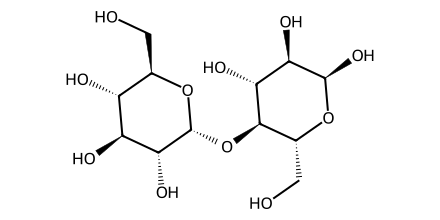
  2. Subtract one H2O: C12H24−2O12−1 = C12H22O11 (maltose; α-1,4 glycosidic link shown below).
  3. C12H24O12 forgets the water loss; C12H20O10 removes two waters; C12H24O11 removes only O.

Short trick: Any disaccharide of two hexoses (maltose, sucrose, lactose) = C12H22O11.

Answer: (C) C12H22O11

अवधारणा: ग्लाइकोसिडिक बंध निर्जलीकरण से बनता है: प्रत्येक बंध बनने पर एक H2O अणु निकलता है।

  1. 2 C6H12O6 = C12H24O12।
  2. एक H2O घटाने पर: C12H24−2O12−1 = C12H22O11 (माल्टोस; नीचे α-1,4 ग्लाइकोसिडिक बंध दिखाया गया है)।
  3. C12H24O12 में जल का निष्कासन नहीं घटाया; C12H20O10 में दो जल अणु घटाए; C12H24O11 में केवल O घटाया।

शॉर्ट ट्रिक: दो हेक्सोस से बना कोई भी डाइसैकेराइड (माल्टोस, सुक्रोस, लैक्टोस) = C12H22O11।

उत्तर: (C) C12H22O11

NEET UGZoologyBiomolecules – disaccharidesNEET UG 2022 · 17 Jul Shift 1
Q110.
Identify the asexual reproductive structure associated with Penicillium:
Penicillium से संबंधित अलैंगिक जनन संरचना को पहचानिए:
  1. AZoosporesचलबीजाणु (Zoospores)
  2. BConidiaकोनिडिया (Conidia)
  3. CGemmulesजेम्यूल (Gemmules)
  4. DBudsमुकुल (Buds)
Show answer

Concept: Penicillium (Ascomycetes) reproduces asexually by conidia – exogenous spores produced on special hyphae called conidiophores.

  1. Zoospores – motile spores of some algae and Phycomycetes.
  2. Gemmules – internal buds of sponges.
  3. Buds – yeast, Hydra.

Short trick: Ascomycetes: asexual = conidia, sexual = ascospores. "Penicillium and Aspergillus – conidia on a stalk."

Answer: (B) Conidia

अवधारणा: Penicillium (ऐस्कोमाइसिटीज़) अलैंगिक जनन कोनिडिया द्वारा करता है – ये बहिर्जात बीजाणु विशेष कवकतंतुओं, कोनिडियमधर (conidiophores), पर बनते हैं।

  1. चलबीजाणु – कुछ शैवालों और फाइकोमाइसिटीज़ के गतिशील बीजाणु।
  2. जेम्यूल – स्पंजों की आंतरिक कलिकाएँ।
  3. मुकुल – यीस्ट, Hydra।

शॉर्ट ट्रिक: ऐस्कोमाइसिटीज़: अलैंगिक = कोनिडिया, लैंगिक = ऐस्कोबीजाणु। "Penicillium और Aspergillus – डंठल पर कोनिडिया।"

उत्तर: (B) कोनिडिया (Conidia)

NEET UGZoologyBiological classification – Fungi (Ascomycetes)NEET UG 2022 · 17 Jul Shift 1
Q111.
Select the incorrect statement with reference to mitosis:
समसूत्री विभाजन (mitosis) के संदर्भ में गलत कथन चुनिए:
  1. AAll the chromosomes lie at the equator at metaphaseमध्यावस्था में सभी गुणसूत्र मध्यरेखा (equator) पर स्थित होते हैं
  2. BSpindle fibres attach to centromere of chromosomesतर्कु तंतु गुणसूत्रों के गुणसूत्रबिंदु (centromere) से जुड़ते हैं
  3. CChromosomes decondense at the telophase stageअंत्यावस्था में गुणसूत्र विसंघनित (decondense) हो जाते हैं
  4. DSplitting of centromere occurs at anaphaseगुणसूत्रबिंदु का विखंडन पश्चावस्था में होता है
Show answer

Concept: Spindle fibres attach to the kinetochores – small disc-shaped structures on the surface of the centromere – not to the centromere itself.

  1. (A) Correct – at metaphase all chromosomes lie on the metaphase plate (equator).
  2. (B) Incorrect – the attachment site is the kinetochore; one chromatid’s kinetochore binds fibres from one pole, the sister’s from the opposite pole.
  3. (C) Correct – in telophase chromosomes decondense and lose their individuality.
  4. (D) Correct – at anaphase centromeres split and sister chromatids move to opposite poles.

Short trick: "Fibres hold the K-hook" – Kinetochore is the hook on the centromere.

Answer: (B) Spindle fibres attach to centromere of chromosomes

अवधारणा: तर्कु तंतु काइनेटोकोर से जुड़ते हैं – ये गुणसूत्रबिंदु की सतह पर स्थित छोटी चकती-जैसी संरचनाएँ हैं – सीधे गुणसूत्रबिंदु से नहीं।

  1. (A) सही – मध्यावस्था में सभी गुणसूत्र मध्यावस्था पट्टिका (मध्यरेखा) पर आ जाते हैं।
  2. (B) गलत – जुड़ने का स्थल काइनेटोकोर है; एक अर्धगुणसूत्र का काइनेटोकोर एक ध्रुव के तंतुओं से तथा सहोदर अर्धगुणसूत्र का विपरीत ध्रुव के तंतुओं से जुड़ता है।
  3. (C) सही – अंत्यावस्था में गुणसूत्र विसंघनित होकर अपनी पृथकता खो देते हैं।
  4. (D) सही – पश्चावस्था में गुणसूत्रबिंदु विखंडित होते हैं और सहोदर अर्धगुणसूत्र विपरीत ध्रुवों की ओर जाते हैं।

शॉर्ट ट्रिक: "तंतु K-हुक पकड़ते हैं" – Kinetochore गुणसूत्रबिंदु पर लगा हुक है।

उत्तर: (B) तर्कु तंतु गुणसूत्रों के गुणसूत्रबिंदु से जुड़ते हैं

NEET UGZoologyCell cycle and cell division – mitosisNEET UG 2022 · 17 Jul Shift 1
Q112.
Which of the following statements with respect to Endoplasmic Reticulum is incorrect?
अंतर्द्रव्यी जालिका (Endoplasmic Reticulum) के संबंध में निम्नलिखित में से कौन-सा कथन गलत है?
  1. ARER has ribosomes attached to ERRER में ER से राइबोसोम जुड़े होते हैं
  2. BSER is devoid of ribosomesSER राइबोसोम-रहित होता है
  3. CIn prokaryotes only RER are presentप्रोकैरियोट में केवल RER उपस्थित होता है
  4. DSER are the sites for lipid synthesisSER लिपिड संश्लेषण के स्थल हैं
Show answer

Concept: Prokaryotic cells lack all membrane-bound organelles, so they have no endoplasmic reticulum at all – neither RER nor SER.

  1. (A) Correct – rough ER bears ribosomes on its surface (protein synthesis).
  2. (B) Correct – smooth ER has no ribosomes.
  3. (C) Incorrect – ER is absent in prokaryotes (they have only 70S ribosomes free in cytoplasm).
  4. (D) Correct – SER is the major site of lipid (and steroid hormone) synthesis.

Short trick: Prokaryote = "no membrane rooms" – no ER, Golgi, mitochondria, lysosome.

Answer: (C) In prokaryotes only RER are present

अवधारणा: प्रोकैरियोटिक कोशिकाओं में कोई भी झिल्ली-बद्ध कोशिकांग नहीं होता, अतः उनमें अंतर्द्रव्यी जालिका होती ही नहीं – न RER, न SER।

  1. (A) सही – खुरदरी ER की सतह पर राइबोसोम होते हैं (प्रोटीन संश्लेषण)।
  2. (B) सही – चिकनी ER पर राइबोसोम नहीं होते।
  3. (C) गलत – प्रोकैरियोट में ER अनुपस्थित होती है (उनमें केवल कोशिकाद्रव्य में मुक्त 70S राइबोसोम होते हैं)।
  4. (D) सही – SER लिपिड (और स्टेरॉयड हॉर्मोन) संश्लेषण का प्रमुख स्थल है।

शॉर्ट ट्रिक: प्रोकैरियोट = "झिल्ली वाले कमरे नहीं" – ER, गॉल्जी, माइटोकॉन्ड्रिया, लाइसोसोम सब अनुपस्थित।

उत्तर: (C) प्रोकैरियोट में केवल RER उपस्थित होता है

NEET UGZoologyCell: the unit of life – endomembrane systemNEET UG 2022 · 17 Jul Shift 1
Q113.
In the taxonomic categories which hierarchical arrangement in ascending order is correct in the case of animals?
वर्गिकी संवर्गों में, प्राणियों के संदर्भ में कौन-सा पदानुक्रमित विन्यास आरोही क्रम में सही है?
  1. AKingdom, Phylum, Class, Order, Family, Genus, Speciesजगत, संघ, वर्ग, गण, कुल, वंश, जाति
  2. BKingdom, Class, Phylum, Family, Order, Genus, Speciesजगत, वर्ग, संघ, कुल, गण, वंश, जाति
  3. CKingdom, Order, Class, Phylum, Family, Genus, Speciesजगत, गण, वर्ग, संघ, कुल, वंश, जाति
  4. DKingdom, Order, Phylum, Class, Family, Genus, Speciesजगत, गण, संघ, वर्ग, कुल, वंश, जाति
Show answer

Concept: The seven obligate categories of animals, in fixed hierarchy, are Kingdom → Phylum → Class → Order → Family → Genus → Species (for plants, "Division" replaces "Phylum").

  1. Only option (A) keeps every category in its correct position; read from Species upward it is the ascending sequence Species → Genus → Family → Order → Class → Phylum → Kingdom.
  2. (B) puts Class above Phylum and Family above Order – wrong.
  3. (C) and (D) place Order above Class/Phylum – wrong.

Short trick: "King Philip Came Over For Good Soup" – K, P, C, O, F, G, S.

Answer: (A) Kingdom, Phylum, Class, Order, Family, Genus, Species

अवधारणा: प्राणियों के सात अनिवार्य संवर्ग निश्चित पदानुक्रम में हैं: जगत → संघ → वर्ग → गण → कुल → वंश → जाति (पौधों में "संघ" के स्थान पर "प्रभाग" होता है)।

  1. केवल विकल्प (A) में प्रत्येक संवर्ग अपने सही स्थान पर है; जाति से ऊपर की ओर पढ़ने पर यही आरोही क्रम है: जाति → वंश → कुल → गण → वर्ग → संघ → जगत।
  2. (B) में वर्ग को संघ से ऊपर और कुल को गण से ऊपर रखा है – गलत।
  3. (C) और (D) में गण को वर्ग/संघ से ऊपर रखा है – गलत।

शॉर्ट ट्रिक: "King Philip Came Over For Good Soup" – जगत, संघ, वर्ग, गण, कुल, वंश, जाति।

उत्तर: (A) जगत, संघ, वर्ग, गण, कुल, वंश, जाति

NEET UGZoologyThe living world – taxonomic hierarchyNEET UG 2022 · 17 Jul Shift 1
Q114.
In which of the following animals, does the digestive tract have additional chambers like crop and gizzard?
निम्नलिखित में से किन प्राणियों की आहार नाल में अतिरिक्त कोष्ठ जैसे अन्नपुट (crop) और पेषणी (gizzard) होते हैं?
  1. ACorvus, Columba, Chameleon
  2. BBufo, Balaenoptera, Bangarus
  3. CCatla, Columbia, Crocodilus
  4. DPavo, Psittacula, Corvus
Show answer

Concept: NCERT (Aves): the digestive tract of birds has additional chambers – the crop and the gizzard.

  1. (D) Pavo (peacock), Psittacula (parrot), Corvus (crow) – all birds ✔.
  2. (A) Chameleon is a reptile.
  3. (B) Bufo – amphibian, Balaenoptera – mammal (blue whale), Bangarus – reptile (krait).
  4. (C) Catla – bony fish, Crocodilus – reptile.

Short trick: Pick the option where all three are birds: Peacock–Parrot–Crow ("PPC").

Answer: (D) Pavo, Psittacula, Corvus

अवधारणा: NCERT (पक्षी वर्ग): पक्षियों की आहार नाल में अतिरिक्त कोष्ठ – अन्नपुट और पेषणी – होते हैं।

  1. (D) Pavo (मोर), Psittacula (तोता), Corvus (कौआ) – तीनों पक्षी ✔।
  2. (A) Chameleon सरीसृप है।
  3. (B) Bufo – उभयचर, Balaenoptera – स्तनधारी (नीली व्हेल), Bangarus – सरीसृप (करैत)।
  4. (C) Catla – अस्थिल मछली, Crocodilus – सरीसृप।

शॉर्ट ट्रिक: वह विकल्प चुनें जिसमें तीनों पक्षी हों: मोर–तोता–कौआ।

उत्तर: (D) Pavo, Psittacula, Corvus

NEET UGZoologyAnimal kingdom – AvesNEET UG 2022 · 17 Jul Shift 1
Q115.
Given below are two statements:
Statement I: Mycoplasma can pass through less than 1 micron filter size.
Statement II: Mycoplasma are bacteria with a cell wall.
In the light of the above statements, choose the most appropriate answer from the options given below:
नीचे दो कथन दिए गए हैं:
कथन I: माइकोप्लाज़्मा 1 माइक्रॉन से कम आकार के फ़िल्टर से गुज़र सकता है।
कथन II: माइकोप्लाज़्मा कोशिका भित्ति युक्त जीवाणु हैं।
उपर्युक्त कथनों के आलोक में, नीचे दिए गए विकल्पों में से सबसे उपयुक्त उत्तर चुनिए:
  1. ABoth Statement I and Statement II are correctकथन I और कथन II दोनों सही हैं
  2. BBoth Statement I and Statement II are incorrectकथन I और कथन II दोनों गलत हैं
  3. CStatement I is correct but Statement II is incorrectकथन I सही है लेकिन कथन II गलत है
  4. DStatement I is incorrect but Statement II is correctकथन I गलत है लेकिन कथन II सही है
Show answer

Concept: Mycoplasma are the smallest living cells (about 0.1–0.3 μm) and completely lack a cell wall.

  1. Statement I – correct: being so small, they pass through filters of less than 1 micron.
  2. Statement II – incorrect: Mycoplasma have no cell wall (hence pleomorphic and resistant to penicillin).

Short trick: Mycoplasma = "naked & tiny" – no wall, smallest cell, can live without O2.

Answer: (C) Statement I is correct but Statement II is incorrect

अवधारणा: माइकोप्लाज़्मा सबसे छोटी जीवित कोशिकाएँ हैं (लगभग 0.1–0.3 μm) और इनमें कोशिका भित्ति पूर्णतः अनुपस्थित होती है।

  1. कथन I – सही: अत्यंत छोटे होने के कारण ये 1 माइक्रॉन से कम के फ़िल्टर से गुज़र जाते हैं।
  2. कथन II – गलत: माइकोप्लाज़्मा में कोशिका भित्ति नहीं होती (इसी कारण ये बहुरूपी और पेनिसिलिन-प्रतिरोधी होते हैं)।

शॉर्ट ट्रिक: माइकोप्लाज़्मा = "नग्न और नन्हा" – भित्ति नहीं, सबसे छोटी कोशिका, O2 के बिना भी जीवित।

उत्तर: (C) कथन I सही है लेकिन कथन II गलत है

NEET UGZoologyBiological classification – MycoplasmaNEET UG 2022 · 17 Jul Shift 1
Q116.
Which of the following is not a connective tissue?
निम्नलिखित में से कौन-सा संयोजी ऊतक नहीं है?
  1. ABloodरुधिर (Blood)
  2. BAdipose tissueवसा ऊतक (Adipose tissue)
  3. CCartilageउपास्थि (Cartilage)
  4. DNeurogliaतंत्रिकाबंध (Neuroglia)
Show answer

Concept: Connective tissues: loose (areolar, adipose), dense (regular, irregular) and specialised (cartilage, bone, blood).

  1. Blood – fluid (specialised) connective tissue.
  2. Adipose – loose connective tissue storing fat.
  3. Cartilage – specialised connective tissue.
  4. Neuroglia – supporting cells of neural tissue (they make up more than half the volume of neural tissue) – not connective tissue ✔.

Short trick: "Glia" = glue of the nervous system – it belongs to neural tissue.

Answer: (D) Neuroglia

अवधारणा: संयोजी ऊतक: शिथिल (एरियोलर, वसा), सघन (नियमित, अनियमित) तथा विशिष्ट (उपास्थि, अस्थि, रुधिर)।

  1. रुधिर – तरल (विशिष्ट) संयोजी ऊतक।
  2. वसा ऊतक – वसा संचित करने वाला शिथिल संयोजी ऊतक।
  3. उपास्थि – विशिष्ट संयोजी ऊतक।
  4. तंत्रिकाबंध – तंत्रिका ऊतक की सहायक कोशिकाएँ (ये तंत्रिका ऊतक के आधे से अधिक आयतन बनाती हैं) – संयोजी ऊतक नहीं ✔।

शॉर्ट ट्रिक: "ग्लिया" = तंत्रिका तंत्र का "गोंद" – यह तंत्रिका ऊतक का भाग है।

उत्तर: (D) तंत्रिकाबंध (Neuroglia)

NEET UGZoologyStructural organisation in animals – tissuesNEET UG 2022 · 17 Jul Shift 1
Q117.
Nitrogenous waste is excreted in the form of pellet or paste by:
नाइट्रोजनी अपशिष्ट का उत्सर्जन गोली (pellet) या लेई (paste) के रूप में कौन करता है?
  1. AOrnithorhynchus
  2. BSalamandra
  3. CHippocampus
  4. DPavo
Show answer

Concept: Uricotelic animals (reptiles, birds, land snails, insects) excrete uric acid as pellet or paste with minimum loss of water.

  1. Pavo (peacock) – bird – uricotelic ✔.
  2. Ornithorhynchus (platypus) – mammal – ureotelic.
  3. Salamandra – amphibian – ureotelic as adult.
  4. Hippocampus (sea horse) – bony fish – ammonotelic.

Short trick: Pellet/paste = uric acid = birds & reptiles ("dry droppings").

Answer: (D) Pavo

अवधारणा: यूरिकोटेलिक प्राणी (सरीसृप, पक्षी, स्थलीय घोंघे, कीट) जल की न्यूनतम हानि के साथ यूरिक अम्ल को गोली या लेई के रूप में उत्सर्जित करते हैं।

  1. Pavo (मोर) – पक्षी – यूरिकोटेलिक ✔।
  2. Ornithorhynchus (प्लैटिपस) – स्तनधारी – यूरियोटेलिक।
  3. Salamandra – उभयचर – वयस्क यूरियोटेलिक।
  4. Hippocampus (समुद्री घोड़ा) – अस्थिल मछली – अमोनोटेलिक।

शॉर्ट ट्रिक: गोली/लेई = यूरिक अम्ल = पक्षी और सरीसृप ("सूखी बीट")।

उत्तर: (D) Pavo

NEET UGZoologyExcretory products – modes of excretionNEET UG 2022 · 17 Jul Shift 1
Q118.
Given below are two statements: one is labelled as Assertion (A) and the other is labelled as Reason (R).
Assertion (A): All vertebrates are chordates but all chordates are not vertebrates
Reason (R): Notochord is replaced by the vertebral column in the adult vertebrates.
In the light of the above statements, choose the most appropriate answer from the options given below:
नीचे दो कथन दिए गए हैं: एक को अभिकथन (A) तथा दूसरे को कारण (R) के रूप में चिह्नित किया गया है।
अभिकथन (A): सभी कशेरुकी रज्जुकी हैं परंतु सभी रज्जुकी कशेरुकी नहीं हैं
कारण (R): वयस्क कशेरुकियों में पृष्ठरज्जु (notochord) कशेरुक दंड द्वारा प्रतिस्थापित हो जाता है।
उपर्युक्त कथनों के आलोक में, नीचे दिए गए विकल्पों में से सबसे उपयुक्त उत्तर चुनिए:
  1. ABoth (A) and (R) are correct and (R) is the correct explanation of (A)(A) और (R) दोनों सही हैं और (R), (A) की सही व्याख्या है
  2. BBoth (A) and (R) are correct but (R) is not the correct explanation of (A)(A) और (R) दोनों सही हैं लेकिन (R), (A) की सही व्याख्या नहीं है
  3. C(A) is correct but (R) is not correct(A) सही है लेकिन (R) सही नहीं है
  4. D(A) is not correct but (R) is correct(A) सही नहीं है लेकिन (R) सही है
Show answer

Concept: NCERT: vertebrates possess a notochord during the embryonic period; it is replaced by a cartilaginous or bony vertebral column in the adult. Thus all vertebrates are chordates but all chordates are not vertebrates.

  1. (A) correct – vertebrates show all chordate features, but Urochordata and Cephalochordata are chordates without a vertebral column.
  2. (R) correct – replacement of the notochord by the vertebral column is exactly what makes a chordate a vertebrate.
  3. Hence (R) correctly explains (A).

Short trick: NCERT writes (R) and (A) as one sentence joined by "Thus" – a sure sign of option (A).

Answer: (A) Both (A) and (R) are correct and (R) is the correct explanation of (A)

अवधारणा: NCERT: कशेरुकियों में भ्रूणीय अवस्था में पृष्ठरज्जु होता है; वयस्क में यह उपास्थिल या अस्थिल कशेरुक दंड द्वारा प्रतिस्थापित हो जाता है। अतः सभी कशेरुकी रज्जुकी हैं, परंतु सभी रज्जुकी कशेरुकी नहीं हैं।

  1. (A) सही – कशेरुकियों में रज्जुकी के सभी लक्षण होते हैं, परंतु यूरोकॉर्डेटा और सेफ़ैलोकॉर्डेटा बिना कशेरुक दंड वाले रज्जुकी हैं।
  2. (R) सही – पृष्ठरज्जु का कशेरुक दंड द्वारा प्रतिस्थापन ही किसी रज्जुकी को कशेरुकी बनाता है।
  3. अतः (R), (A) की सही व्याख्या है।

शॉर्ट ट्रिक: NCERT में (R) और (A) "अतः" से जुड़ा एक ही वाक्य है – विकल्प (A) का पक्का संकेत।

उत्तर: (A) (A) और (R) दोनों सही हैं और (R), (A) की सही व्याख्या है

NEET UGZoologyAnimal kingdom – ChordataNEET UG 2022 · 17 Jul Shift 1
Q119.
Which of the following is a correct match for disease and its symptoms?
निम्नलिखित में से रोग और उसके लक्षण का कौन-सा मिलान सही है?
  1. AArthritis - Inflamed jointsसंधिशोथ (Arthritis) - जोड़ों में सूजन
  2. BTetany - high Ca2+ level causing rapid spasmsअपतानिका (Tetany) - उच्च Ca2+ स्तर से तीव्र ऐंठन
  3. CMyasthenia gravis - Genetic disorder resulting in weakening and paralysis of skeletal muscleमाइस्थेनिया ग्रेविस - आनुवंशिक विकार जिससे कंकाल पेशी में दुर्बलता और पक्षाघात होता है
  4. DMuscular dystrophy - An autoimmune disorder causing progressive degeneration of skeletal muscleपेशीय दुष्पोषण (Muscular dystrophy) - स्वप्रतिरक्षा विकार जिससे कंकाल पेशी का क्रमिक अपह्रास होता है
Show answer

Concept: NCERT list of disorders of the muscular and skeletal system.

  1. Arthritis – inflammation of joints ✔.
  2. Tetany – rapid spasms (wild contractions) due to low Ca2+ in body fluid, not high.
  3. Myasthenia gravis – autoimmune disorder affecting neuromuscular junction → fatigue, weakening and paralysis of skeletal muscle.
  4. Muscular dystrophy – progressive degeneration of skeletal muscle, mostly due to a genetic disorder.

Short trick: Options (C) and (D) have their causes swapped: MG = autoimmune, MD = genetic. Tetany = "Too little Ca".

Answer: (A) Arthritis - Inflamed joints

अवधारणा: NCERT में दिए पेशीय एवं कंकाल तंत्र के विकार।

  1. संधिशोथ – जोड़ों में सूजन ✔।
  2. अपतानिका – शरीर द्रव में Ca2+ के निम्न स्तर से तीव्र ऐंठन (पेशियों का अनियंत्रित संकुचन), उच्च स्तर से नहीं।
  3. माइस्थेनिया ग्रेविस – तंत्रिका-पेशी संधि को प्रभावित करने वाला स्वप्रतिरक्षा विकार → थकान, दुर्बलता और कंकाल पेशी का पक्षाघात।
  4. पेशीय दुष्पोषण – कंकाल पेशी का क्रमिक अपह्रास, प्रायः आनुवंशिक विकार के कारण।

शॉर्ट ट्रिक: विकल्प (C) और (D) में कारण आपस में बदल दिए गए हैं: MG = स्वप्रतिरक्षा, MD = आनुवंशिक। अपतानिका = "कम Ca"।

उत्तर: (A) संधिशोथ - जोड़ों में सूजन

NEET UGZoologyLocomotion and movement – disorders of muscular and skeletal systemNEET UG 2022 · 17 Jul Shift 1
Q120.
Given below are two statements: one is labelled as Assertion (A) and the other is labelled as Reason (R).
Assertion (A): Osteoporosis is characterised by decreased bone mass and increased chances of fracture.
Reason (R): Common cause of osteoporosis is increased levels of oestrogen.
In the light of the above statements, choose the most appropriate answer from the options given below:
नीचे दो कथन दिए गए हैं: एक को अभिकथन (A) तथा दूसरे को कारण (R) के रूप में चिह्नित किया गया है।
अभिकथन (A): अस्थिसुषिरता (Osteoporosis) की विशेषता अस्थि द्रव्यमान में कमी और अस्थिभंग की बढ़ी हुई संभावना है।
कारण (R): अस्थिसुषिरता का सामान्य कारण एस्ट्रोजन का बढ़ा हुआ स्तर है।
उपर्युक्त कथनों के आलोक में, नीचे दिए गए विकल्पों में से सबसे उपयुक्त उत्तर चुनिए:
  1. ABoth (A) and (R) are correct and (R) is the correct explanation of (A)(A) और (R) दोनों सही हैं और (R), (A) की सही व्याख्या है
  2. BBoth (A) and (R) are correct but (R) is not the correct explanation of (A)(A) और (R) दोनों सही हैं लेकिन (R), (A) की सही व्याख्या नहीं है
  3. C(A) is correct but (R) is not correct(A) सही है लेकिन (R) सही नहीं है
  4. D(A) is not correct but (R) is correct(A) सही नहीं है लेकिन (R) सही है
Show answer

Concept: NCERT: osteoporosis – age-related disorder with decreased bone mass and increased chances of fractures; decreased levels of oestrogen is a common cause.

  1. (A) correct – exactly the NCERT description.
  2. (R) incorrect – it is a decrease in oestrogen (e.g. after menopause) that causes bone loss; oestrogen helps maintain bone mass.

Short trick: Post-menopausal women ⇒ low oestrogen ⇒ brittle bones.

Answer: (C) (A) is correct but (R) is not correct

अवधारणा: NCERT: अस्थिसुषिरता – आयु-संबंधी विकार जिसमें अस्थि द्रव्यमान घटता है और अस्थिभंग की संभावना बढ़ती है; एस्ट्रोजन के स्तर में कमी इसका सामान्य कारण है।

  1. (A) सही – यह ठीक NCERT का वर्णन है।
  2. (R) गलत – एस्ट्रोजन में कमी (जैसे रजोनिवृत्ति के बाद) से अस्थि-क्षय होता है; एस्ट्रोजन अस्थि द्रव्यमान बनाए रखने में सहायक है।

शॉर्ट ट्रिक: रजोनिवृत्ति के बाद महिलाएँ ⇒ कम एस्ट्रोजन ⇒ भंगुर अस्थियाँ।

उत्तर: (C) (A) सही है लेकिन (R) सही नहीं है

NEET UGZoologyLocomotion and movement – osteoporosisNEET UG 2022 · 17 Jul Shift 1