Q121.In an E. coli strain the i gene gets mutated and its product can not bind the inducer molecule. If the growth medium is provided with lactose, what will be the outcome?
E. coli के एक प्रभेद में i जीन उत्परिवर्तित हो जाता है और उसका उत्पाद प्रेरक (inducer) अणु से नहीं जुड़ पाता। यदि वृद्धि माध्यम में लैक्टोस दिया जाए, तो परिणाम क्या होगा?
- AOnly z gene will get transcribedकेवल z जीन का अनुलेखन होगा
- Bz, y, a genes will be transcribedz, y, a जीनों का अनुलेखन होगा
- Cz, y, a genes will not be translatedz, y, a जीनों का स्थानांतरण (translation) नहीं होगा
- DRNA polymerase will bind the promoter regionRNA पॉलिमरेज़ उन्नायक (promoter) क्षेत्र से जुड़ेगा
Show answer
Concept: In the lac operon, the i gene makes the repressor. Normally the inducer (allolactose from lactose) binds the repressor, inactivates it, frees the operator and allows transcription of z, y, a.
- Here the mutant repressor cannot bind the inducer, so even with lactose present it stays bound to the operator.
- The bound repressor blocks RNA polymerase from transcribing the operon → no polycistronic mRNA for z, y, a.
- No mRNA ⇒ no translation: β-galactosidase, permease and transacetylase are not made – option (C).
- (A) and (B) need the operator to be free – not possible. (D) is not the outcome asked – the operon stays switched off (non-inducible) whatever lactose is added.
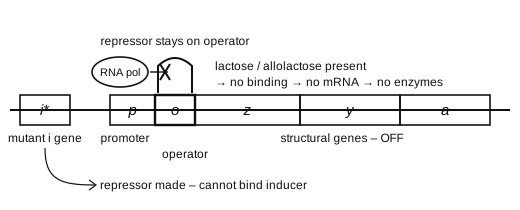
Short trick: Repressor that cannot "feel" the inducer = super-repressor → operon permanently OFF → no mRNA, no protein.
Answer: (C) z, y, a genes will not be translated
अवधारणा: लैक ओपेरॉन में i जीन दमनकारी (repressor) बनाता है। सामान्यतः प्रेरक (लैक्टोस से बना एलोलैक्टोस) दमनकारी से जुड़कर उसे निष्क्रिय करता है, प्रचालक (operator) मुक्त होता है और z, y, a का अनुलेखन होता है।
- यहाँ उत्परिवर्ती दमनकारी प्रेरक से नहीं जुड़ पाता, अतः लैक्टोस होने पर भी वह प्रचालक से जुड़ा रहता है।
- जुड़ा हुआ दमनकारी RNA पॉलिमरेज़ को ओपेरॉन का अनुलेखन करने से रोकता है → z, y, a का बहुसिस्ट्रोनी mRNA नहीं बनता।
- mRNA नहीं ⇒ स्थानांतरण नहीं: β-गैलेक्टोसाइडेज़, परमिएज़ और ट्रांसएसिटिलेज़ नहीं बनते – विकल्प (C)।
- (A) और (B) के लिए प्रचालक मुक्त होना चाहिए – संभव नहीं। (D) पूछा गया परिणाम नहीं है – लैक्टोस देने पर भी ओपेरॉन बंद (अप्रेरणीय) ही रहता है।
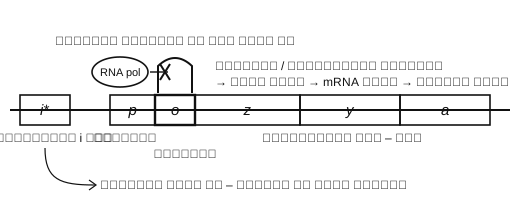
शॉर्ट ट्रिक: जो दमनकारी प्रेरक को "महसूस" न करे = सुपर-दमनकारी → ओपेरॉन स्थायी रूप से बंद → न mRNA, न प्रोटीन।
उत्तर: (C) z, y, a जीनों का स्थानांतरण नहीं होगा
NEET UGZoologyMolecular basis of inheritance – lac operonNEET UG 2022 · 17 Jul Shift 1
Q122.If the length of a DNA molecule is 1.1 metres, what will be the approximate number of base pairs?
यदि एक DNA अणु की लंबाई 1.1 मीटर है, तो क्षारक युग्मों (base pairs) की अनुमानित संख्या कितनी होगी?
- A bp
- B bp
- C bp
- D bp
Show answer
Concept: In B-DNA the distance between two consecutive base pairs is 0.34 nm = m.
- Number of bp = length ÷ distance per bp.
- bp.
- ≈ bp (this is the human haploid genome; total length 2.2 m corresponds to bp).
Short trick: NCERT pair to remember: bp ↔ 2.2 m. Half the length ⇒ half the bp = .
Answer: (A) bp
अवधारणा: B-DNA में दो क्रमागत क्षारक युग्मों के बीच की दूरी 0.34 nm = m होती है।
- क्षारक युग्मों की संख्या = लंबाई ÷ प्रति bp दूरी।
- bp।
- ≈ bp (यह मानव अगुणित जीनोम है; कुल लंबाई 2.2 m, bp के संगत है)।
शॉर्ट ट्रिक: NCERT जोड़ी याद रखें: bp ↔ 2.2 m। आधी लंबाई ⇒ आधे bp = ।
उत्तर: (A) bp
NEET UGZoologyMolecular basis of inheritance – DNA packagingNEET UG 2022 · 17 Jul Shift 1
Q123.Which of the following statements are true for spermatogenesis but do not hold true for Oogenesis?
(a) It results in the formation of haploid gametes
(b) Differentiation of gamete occurs after the completion of meiosis
(c) Meiosis occurs continuously in a mitotically dividing stem cell population
(d) It is controlled by the Luteinizing hormone (LH) and Follicle Stimulating Hormone (FSH) secreted by the anterior pituitary
(e) It is initiated at puberty
Choose the most appropriate answer from the options given below:
निम्नलिखित में से कौन-से कथन शुक्राणुजनन के लिए सत्य हैं परंतु अंडजनन के लिए सत्य नहीं हैं?
(a) इससे अगुणित युग्मकों का निर्माण होता है
(b) युग्मक का विभेदन अर्धसूत्री विभाजन पूर्ण होने के बाद होता है
(c) समसूत्री रूप से विभाजित हो रही स्टेम कोशिका समष्टि में अर्धसूत्री विभाजन निरंतर होता है
(d) यह अग्र पीयूष ग्रंथि से स्रावित ल्यूटिनाइज़िंग हॉर्मोन (LH) और पुटिका उद्दीपक हॉर्मोन (FSH) द्वारा नियंत्रित होता है
(e) यह यौवनारंभ (puberty) पर प्रारंभ होता है
नीचे दिए गए विकल्पों में से सबसे उपयुक्त उत्तर चुनिए:
- A(c) and (e) onlyकेवल (c) और (e)
- B(b) and (c) onlyकेवल (b) और (c)
- C(b), (d) and (e) onlyकेवल (b), (d) और (e)
- D(b), (c) and (e) onlyकेवल (b), (c) और (e)
Show answer
Concept: Spermatogenesis starts at puberty, runs continuously from a self-renewing pool of spermatogonia, and spermatids differentiate into sperms only after meiosis is over. Oogenesis starts in the foetus, is arrested at prophase-I and metaphase-II, and meiosis-II is completed only after a sperm enters the ovum.
- (a) Common to both – both processes give haploid gametes. ✘
- (b) True only for spermatogenesis ✔ – spermatids (products of completed meiosis) are transformed into sperms (spermiogenesis). The secondary oocyte, by contrast, is already a fully differentiated gamete that is ovulated and fertilised while still in meiosis-II; its meiosis finishes only after sperm entry.
- (c) True only for spermatogenesis ✔ – spermatogonia keep dividing mitotically throughout adult life and keep feeding meiosis; oogonia stop multiplying before birth and meiosis is discontinuous.
- (d) Common to both – LH and FSH from the anterior pituitary regulate both the testis and the ovary. ✘
- (e) True only for spermatogenesis ✔ – oogenesis is initiated during embryonic development, not at puberty.
- So the set is (b), (c), (e). (A) misses (b); (B) misses (e); (C) wrongly includes (d) and misses (c).
Short trick: Strike out what is common to both sexes – "haploid gametes" (a) and "LH/FSH control" (d). Everything left (b, c, e) is male-only.
Answer: (D) (b), (c) and (e) only
अवधारणा: शुक्राणुजनन यौवनारंभ पर शुरू होता है, स्वयं-नवीकृत शुक्राणुजन (spermatogonia) की समष्टि से लगातार चलता है, और शुक्राणुप्रसू (spermatids) अर्धसूत्री विभाजन पूर्ण होने के बाद ही शुक्राणुओं में विभेदित होते हैं। अंडजनन भ्रूण में शुरू होता है, प्रोफ़ेज़-I और मेटाफ़ेज़-II पर रुकता है, और अर्धसूत्री-II शुक्राणु के अंड में प्रवेश के बाद ही पूर्ण होता है।
- (a) दोनों में समान – दोनों प्रक्रियाओं से अगुणित युग्मक बनते हैं। ✘
- (b) केवल शुक्राणुजनन में सत्य ✔ – शुक्राणुप्रसू (पूर्ण अर्धसूत्री विभाजन के उत्पाद) शुक्राणुओं में रूपांतरित होते हैं (spermiogenesis)। इसके विपरीत, द्वितीयक अंडक (secondary oocyte) पहले से ही पूर्ण विभेदित युग्मक है, जो अर्धसूत्री-II में रहते हुए ही अंडोत्सर्जित और निषेचित होता है; उसका अर्धसूत्री विभाजन शुक्राणु प्रवेश के बाद ही पूरा होता है।
- (c) केवल शुक्राणुजनन में सत्य ✔ – शुक्राणुजन पूरे वयस्क जीवन में समसूत्री विभाजन करते रहते हैं और अर्धसूत्री विभाजन को निरंतर कोशिकाएँ देते रहते हैं; अंडजन (oogonia) जन्म से पहले ही गुणन बंद कर देते हैं और अर्धसूत्री विभाजन असतत होता है।
- (d) दोनों में समान – अग्र पीयूष ग्रंथि के LH और FSH वृषण और अंडाशय दोनों का नियमन करते हैं। ✘
- (e) केवल शुक्राणुजनन में सत्य ✔ – अंडजनन भ्रूणीय परिवर्धन के दौरान प्रारंभ होता है, यौवनारंभ पर नहीं।
- अतः सही समूह (b), (c), (e) है। (A) में (b) छूट गया है; (B) में (e) छूट गया है; (C) में (d) गलत जोड़ा गया है और (c) छूट गया है।
शॉर्ट ट्रिक: जो दोनों लिंगों में समान है उसे काट दीजिए – "अगुणित युग्मक" (a) और "LH/FSH नियंत्रण" (d)। जो बचा (b, c, e) वह केवल नर में है।
उत्तर: (D) केवल (b), (c) और (e)
NEET UGZoologyHuman reproduction – gametogenesisNEET UG 2022 · 17 Jul Shift 1
Q124.Which of the following is present between the adjacent bones of the vertebral column?
कशेरुक दंड की आसन्न अस्थियों के बीच निम्नलिखित में से क्या उपस्थित होता है?
- AIntercalated discsअंतर्विष्ट डिस्क (Intercalated discs)
- BCartilageउपास्थि (Cartilage)
- CAreolar tissueएरियोलर ऊतक (Areolar tissue)
- DSmooth muscleचिकनी पेशी (Smooth muscle)
Show answer
Concept: NCERT: cartilage is present between adjacent bones of the vertebral column (intervertebral discs of fibrocartilage), and in limbs and hands of adults.
- Intercalated discs – junctions between cardiac muscle cells, not between vertebrae.
- Areolar tissue – beneath the skin, around organs.
- Smooth muscle – walls of visceral organs.
- The cartilaginous joints between vertebrae permit only limited movement.
Short trick: "Disc between vertebrae is cartilage; disc between heart cells is intercalated."
Answer: (B) Cartilage
अवधारणा: NCERT: कशेरुक दंड की आसन्न अस्थियों के बीच उपास्थि होती है (तंतुमय उपास्थि की अंतराकशेरुक डिस्क); यह वयस्कों के अंगों और हाथों में भी होती है।
- अंतर्विष्ट डिस्क – हृद् पेशी कोशिकाओं के बीच की संधियाँ, कशेरुकाओं के बीच नहीं।
- एरियोलर ऊतक – त्वचा के नीचे, अंगों के चारों ओर।
- चिकनी पेशी – आंतरांगों की भित्तियों में।
- कशेरुकाओं के बीच की उपास्थिल संधियाँ सीमित गति ही होने देती हैं।
शॉर्ट ट्रिक: "कशेरुकाओं के बीच की डिस्क = उपास्थि; हृदय कोशिकाओं के बीच की डिस्क = अंतर्विष्ट डिस्क।"
उत्तर: (B) उपास्थि (Cartilage)
NEET UGZoologyLocomotion and movement – skeletal systemNEET UG 2022 · 17 Jul Shift 1
Q125.Regarding Meiosis, which of the statement(s) is incorrect?
अर्धसूत्री विभाजन (Meiosis) के संबंध में कौन-सा/से कथन गलत है/हैं?
- AThere are two stages in Meiosis, Meiosis-I and IIअर्धसूत्री विभाजन में दो चरण होते हैं, अर्धसूत्री-I और II
- BDNA replication occurs in S phase of Meiosis-IIDNA प्रतिकृतियन अर्धसूत्री-II की S प्रावस्था में होता है
- CPairing of homologous chromosomes and recombination occurs in Meiosis-Iसमजात गुणसूत्रों का युग्मन और पुनर्योजन अर्धसूत्री-I में होता है
- DFour haploid cells are formed at the end of Meiosis-IIअर्धसूत्री-II के अंत में चार अगुणित कोशिकाएँ बनती हैं
Show answer
Concept: Meiosis = two sequential nuclear divisions (meiosis I and II) with only a single cycle of DNA replication, which occurs in the S phase of interphase before meiosis I.
- (A) Correct – meiosis I (reductional) and meiosis II (equational).
- (B) Incorrect – there is no S phase between meiosis I and II (interkinesis has no DNA replication).
- (C) Correct – synapsis (zygotene) and crossing over (pachytene) occur in prophase I.
- (D) Correct – meiosis II ends with four haploid cells.
Short trick: "One copy, two cuts": DNA copies once, nucleus divides twice → 4 haploid cells.
Answer: (B) DNA replication occurs in S phase of Meiosis-II
अवधारणा: अर्धसूत्री विभाजन = दो क्रमिक केंद्रकीय विभाजन (अर्धसूत्री I और II) परंतु DNA प्रतिकृतियन केवल एक बार, जो अर्धसूत्री I से पहले अंतरावस्था की S प्रावस्था में होता है।
- (A) सही – अर्धसूत्री I (न्यूनकारी) और अर्धसूत्री II (समसूत्री जैसा)।
- (B) गलत – अर्धसूत्री I और II के बीच कोई S प्रावस्था नहीं होती (अंतरालावस्था/interkinesis में DNA प्रतिकृतियन नहीं होता)।
- (C) सही – सूत्रयुग्मन (युग्मपट्ट) और जीन विनिमय (स्थूलपट्ट) प्रोफ़ेज़ I में होते हैं।
- (D) सही – अर्धसूत्री II के अंत में चार अगुणित कोशिकाएँ बनती हैं।
शॉर्ट ट्रिक: "एक प्रति, दो कट": DNA एक बार प्रतिकृत, केंद्रक दो बार विभाजित → 4 अगुणित कोशिकाएँ।
उत्तर: (B) DNA प्रतिकृतियन अर्धसूत्री-II की S प्रावस्था में होता है
NEET UGZoologyCell cycle and cell division – meiosisNEET UG 2022 · 17 Jul Shift 1
Q126.Given below are two statements:
Statement I: Autoimmune disorder is a condition where the body defense mechanism recognizes its own cells as foreign bodies.
Statement II: Rheumatoid arthritis is a condition where the body does not attack self cells.
In the light of the above statements, choose the most appropriate answer from the options given below:
नीचे दो कथन दिए गए हैं:
कथन I: स्वप्रतिरक्षा विकार वह दशा है जिसमें शरीर की रक्षा प्रणाली अपनी ही कोशिकाओं को बाहरी (foreign) मान लेती है।
कथन II: रूमेटॉइड संधिशोथ (Rheumatoid arthritis) वह दशा है जिसमें शरीर स्वयं की कोशिकाओं पर आक्रमण नहीं करता।
उपर्युक्त कथनों के आलोक में, नीचे दिए गए विकल्पों में से सबसे उपयुक्त उत्तर चुनिए:
- ABoth Statement I and Statement II are correctकथन I और कथन II दोनों सही हैं
- BBoth Statement I and Statement II are incorrectकथन I और कथन II दोनों गलत हैं
- CStatement I is correct but Statement II is incorrectकथन I सही है लेकिन कथन II गलत है
- DStatement I is incorrect but Statement II is correctकथन I गलत है लेकिन कथन II सही है
Show answer
Concept: NCERT: sometimes, due to genetic and other unknown reasons, the body attacks self-cells – this is auto-immune disease; rheumatoid arthritis is one example.
- Statement I – correct definition of autoimmunity.
- Statement II – incorrect: in rheumatoid arthritis the immune system does attack self cells (synovial membrane of joints).
Short trick: NCERT example list: "Rheumatoid arthritis = auto-immune" – any statement denying self-attack is false.
Answer: (C) Statement I is correct but Statement II is incorrect
अवधारणा: NCERT: कभी-कभी आनुवंशिक व अन्य अज्ञात कारणों से शरीर अपनी ही कोशिकाओं पर आक्रमण करता है – यही स्वप्रतिरक्षा रोग है; रूमेटॉइड संधिशोथ इसका एक उदाहरण है।
- कथन I – स्वप्रतिरक्षा की सही परिभाषा।
- कथन II – गलत: रूमेटॉइड संधिशोथ में प्रतिरक्षा तंत्र स्वयं की कोशिकाओं (जोड़ों की श्लेष कला) पर आक्रमण करता है।
शॉर्ट ट्रिक: NCERT उदाहरण: "रूमेटॉइड संधिशोथ = स्वप्रतिरक्षा" – स्व-आक्रमण को नकारने वाला कथन गलत है।
उत्तर: (C) कथन I सही है लेकिन कथन II गलत है
NEET UGZoologyHuman health and disease – autoimmunityNEET UG 2022 · 17 Jul Shift 1
Q127.Natural selection where more individuals acquire a specific character value other than the mean character value, leads to:
प्राकृतिक वरण, जिसमें अधिक संख्या में सदस्य माध्य लक्षण मान के अतिरिक्त किसी अन्य विशिष्ट लक्षण मान को प्राप्त करते हैं, किस ओर ले जाता है?
- AStabilising changeस्थायीकारी परिवर्तन
- BDirectional changeदिशात्मक परिवर्तन
- CDisruptive changeविदारक (Disruptive) परिवर्तन
- DRandom changeयादृच्छिक परिवर्तन
Show answer
Concept: NCERT: natural selection can lead to stabilisation (more individuals acquire the mean value), directional change (more individuals acquire a value other than the mean) or disruption (more individuals acquire peripheral values at both ends).
- Shift of the peak to one side, away from the mean = directional change ✔.
- Stabilising – peak stays at the mean and narrows.
- Disruptive – two peaks at both extremes.
- Random change is not a type of natural selection (that is genetic drift).
Short trick: Mean → Stays (stabilising); one side → Direction; both sides → Disrupt.
Answer: (B) Directional change
अवधारणा: NCERT: प्राकृतिक वरण से स्थायीकरण (अधिक सदस्य माध्य मान प्राप्त करते हैं), दिशात्मक परिवर्तन (अधिक सदस्य माध्य से भिन्न मान प्राप्त करते हैं) या विदारण (अधिक सदस्य दोनों सिरों के परिधीय मान प्राप्त करते हैं) हो सकता है।
- शिखर का माध्य से हटकर एक ओर खिसकना = दिशात्मक परिवर्तन ✔।
- स्थायीकारी – शिखर माध्य पर ही रहता है और संकरा होता है।
- विदारक – दोनों सिरों पर दो शिखर।
- यादृच्छिक परिवर्तन प्राकृतिक वरण का प्रकार नहीं है (वह आनुवंशिक विचलन है)।
शॉर्ट ट्रिक: माध्य → स्थिर (स्थायीकारी); एक ओर → दिशात्मक; दोनों ओर → विदारक।
उत्तर: (B) दिशात्मक परिवर्तन
NEET UGZoologyEvolution – natural selectionNEET UG 2022 · 17 Jul Shift 1
Q128.Given below are two statements:
Statement I: The coagulum is formed of a network of threads called thrombins.
Statement II: Spleen is the graveyard of erythrocytes.
In the light of the above statements, choose the most appropriate answer from the options given below:
नीचे दो कथन दिए गए हैं:
कथन I: स्कंद (coagulum) थ्रोम्बिन नामक धागों के जाल से बनता है।
कथन II: प्लीहा (spleen) लाल रुधिर कणिकाओं की कब्रगाह है।
उपर्युक्त कथनों के आलोक में, नीचे दिए गए विकल्पों में से सबसे उपयुक्त उत्तर चुनिए:
- ABoth Statement I and Statement II are correctकथन I और कथन II दोनों सही हैं
- BBoth Statement I and Statement II are incorrectकथन I और कथन II दोनों गलत हैं
- CStatement I is correct but Statement II is incorrectकथन I सही है लेकिन कथन II गलत है
- DStatement I is incorrect but Statement II is correctकथन I गलत है लेकिन कथन II सही है
Show answer
Concept: Clot (coagulum) = network of fibrin threads trapping dead and damaged formed elements; thrombin is the enzyme that makes fibrin.
- Statement I – incorrect: threads are of fibrin; thrombin converts fibrinogen → fibrin.
- Statement II – correct: RBCs live about 120 days and are then destroyed in the spleen – the graveyard of RBCs.
Short trick: Thrombokinase → thrombin → fibrin (threads). Enzyme ≠ thread.
Answer: (D) Statement I is incorrect but Statement II is correct
अवधारणा: थक्का (स्कंद) = फ़ाइब्रिन धागों का जाल जिसमें मृत व क्षतिग्रस्त संगठित पदार्थ फँसे होते हैं; थ्रोम्बिन वह एंजाइम है जो फ़ाइब्रिन बनाता है।
- कथन I – गलत: धागे फ़ाइब्रिन के होते हैं; थ्रोम्बिन फ़ाइब्रिनोजन → फ़ाइब्रिन बदलता है।
- कथन II – सही: RBC लगभग 120 दिन जीवित रहती हैं और फिर प्लीहा में नष्ट होती हैं – प्लीहा RBC की कब्रगाह है।
शॉर्ट ट्रिक: थ्रोम्बोकाइनेज़ → थ्रोम्बिन → फ़ाइब्रिन (धागे)। एंजाइम ≠ धागा।
उत्तर: (D) कथन I गलत है लेकिन कथन II सही है
NEET UGZoologyBody fluids and circulation – bloodNEET UG 2022 · 17 Jul Shift 1
Q129.Breeding crops with higher levels of vitamins and minerals or higher proteins and healthier fats is called:
विटामिनों और खनिजों के उच्च स्तर अथवा अधिक प्रोटीन और स्वास्थ्यकर वसा वाली फसलों का प्रजनन कहलाता है:
- ABiomagnificationजैव-आवर्धन (Biomagnification)
- BBioremediationजैव-उपचार (Bioremediation)
- CBiofortificationजैव-पुष्टिकरण (Biofortification)
- DBioaccumulationजैव-संचयन (Bioaccumulation)
Show answer
Concept: NCERT: biofortification – breeding crops with higher levels of vitamins and minerals, or higher protein and healthier fats – is the most practical means to improve public health.
- Examples: Atlas 66 wheat (high protein), vitamin-A enriched carrots/spinach/pumpkin, iron-fortified rice.
- Biomagnification – increase of toxicant concentration at successive trophic levels (e.g. DDT).
- Bioremediation – use of microbes to clean polluted sites.
- Bioaccumulation – build-up of a toxicant inside one organism.
Short trick: "Fortify" = strengthen nutritionally.
Answer: (C) Biofortification
अवधारणा: NCERT: जैव-पुष्टिकरण – विटामिन व खनिजों के उच्च स्तर, या अधिक प्रोटीन और स्वास्थ्यकर वसा वाली फसलों का प्रजनन – जन-स्वास्थ्य सुधारने का सबसे व्यावहारिक साधन है।
- उदाहरण: एटलस 66 गेहूँ (उच्च प्रोटीन), विटामिन-A समृद्ध गाजर/पालक/कद्दू, लौह-पुष्ट चावल।
- जैव-आवर्धन – क्रमिक पोषी स्तरों पर विषैले पदार्थ की सांद्रता का बढ़ना (जैसे DDT)।
- जैव-उपचार – प्रदूषित स्थलों की सफ़ाई के लिए सूक्ष्मजीवों का उपयोग।
- जैव-संचयन – किसी एक जीव के भीतर विषैले पदार्थ का जमा होना।
शॉर्ट ट्रिक: "पुष्टिकरण" = पोषण की दृष्टि से मज़बूत करना।
उत्तर: (C) जैव-पुष्टिकरण (Biofortification)
NEET UGZoologyStrategies for enhancement in food production – biofortificationNEET UG 2022 · 17 Jul Shift 1
Q130.In gene therapy of Adenosine Deaminase (ADA) deficiency, the patient requires periodic infusion of genetically engineered lymphocytes because:
एडिनोसिन डिएमिनेज़ (ADA) की कमी की जीन चिकित्सा में रोगी को आनुवंशिक रूप से अभियांत्रिक लसीकाणुओं (lymphocytes) के आवधिक निवेशन (infusion) की आवश्यकता होती है, क्योंकि:
- ARetroviral vector is introduced into these lymphocytesइन लसीकाणुओं में पश्चविषाणु (retroviral) वाहक प्रविष्ट कराया जाता है
- BGene isolated from marrow cells producing ADA is introduced into cells at embryonic stagesADA उत्पन्न करने वाली मज्जा कोशिकाओं से पृथक किया गया जीन भ्रूणीय अवस्था की कोशिकाओं में प्रविष्ट कराया जाता है
- CLymphocytes from patient’s blood are grown in culture, outside the bodyरोगी के रुधिर से लसीकाणुओं को शरीर के बाहर संवर्धन में उगाया जाता है
- DGenetically engineered lymphocytes are not immortal cells.आनुवंशिक रूप से अभियांत्रिक लसीकाणु अमर कोशिकाएँ नहीं हैं।
Show answer
Concept: In the first gene therapy (1990, 4-year-old girl), lymphocytes from the patient’s blood were cultured, a functional ADA cDNA was introduced with a retroviral vector and the cells were returned to the patient.
- These lymphocytes have a limited life span – they are not immortal – so they die and the patient needs periodic infusions ✔.
- (A) and (C) are steps of the procedure, not the reason for repeated infusion.
- (B) describes a permanent cure (gene into early embryonic stage cells), which would not need periodic infusion.
Short trick: Repeat dose ⇔ cells die. Permanent cure ⇔ gene into bone-marrow/embryonic cells.
Answer: (D) Genetically engineered lymphocytes are not immortal cells.
अवधारणा: पहली जीन चिकित्सा (1990, 4 वर्षीय बालिका) में रोगी के रुधिर से लसीकाणुओं का संवर्धन किया गया, पश्चविषाणु वाहक द्वारा कार्यशील ADA cDNA प्रविष्ट कराया गया और कोशिकाएँ रोगी को वापस दी गईं।
- इन लसीकाणुओं का जीवनकाल सीमित है – ये अमर नहीं हैं – अतः ये मर जाते हैं और रोगी को आवधिक निवेशन चाहिए ✔।
- (A) और (C) प्रक्रिया के चरण हैं, बार-बार निवेशन का कारण नहीं।
- (B) स्थायी उपचार का वर्णन है (जीन को प्रारंभिक भ्रूणीय कोशिकाओं में डालना), जिसमें आवधिक निवेशन की आवश्यकता नहीं होती।
शॉर्ट ट्रिक: बार-बार खुराक ⇔ कोशिकाएँ मरती हैं। स्थायी उपचार ⇔ जीन अस्थि-मज्जा/भ्रूणीय कोशिकाओं में।
उत्तर: (D) आनुवंशिक रूप से अभियांत्रिक लसीकाणु अमर कोशिकाएँ नहीं हैं।
NEET UGZoologyBiotechnology and its applications – gene therapyNEET UG 2022 · 17 Jul Shift 1
Q131.At which stage of life the oogenesis process is initiated?
जीवन की किस अवस्था में अंडजनन (oogenesis) प्रक्रिया प्रारंभ होती है?
- APubertyयौवनारंभ
- BEmbryonic development stageभ्रूणीय परिवर्धन अवस्था
- CBirthजन्म
- DAdultवयस्क
Show answer
Concept: NCERT: oogenesis is initiated during the embryonic development stage, when a couple of million gamete mother cells (oogonia) are formed in each foetal ovary; no more oogonia are formed or added after birth.
- Oogonia enter meiosis I and get arrested at prophase I as primary oocytes before birth.
- At puberty only the resumption/maturation of follicles begins – not the initiation of oogenesis.
- Spermatogenesis, by contrast, starts at puberty.
Short trick: Girls are born with all their eggs – so oogenesis must start before birth (embryo).
Answer: (B) Embryonic development stage
अवधारणा: NCERT: अंडजनन भ्रूणीय परिवर्धन के दौरान प्रारंभ होता है, जब प्रत्येक भ्रूणीय अंडाशय में लगभग 20 लाख युग्मक मातृ कोशिकाएँ (अंडजन) बनती हैं; जन्म के बाद कोई नया अंडजन नहीं बनता।
- अंडजन अर्धसूत्री I में प्रवेश कर जन्म से पहले ही प्रोफ़ेज़ I पर प्राथमिक अंडकोशिका के रूप में रुक जाते हैं।
- यौवनारंभ पर केवल पुटिकाओं का पुनः विकास/परिपक्वन शुरू होता है – अंडजनन का प्रारंभ नहीं।
- इसके विपरीत, शुक्राणुजनन यौवनारंभ पर शुरू होता है।
शॉर्ट ट्रिक: लड़कियाँ अपने सभी अंडों के साथ जन्म लेती हैं – अतः अंडजनन जन्म से पहले (भ्रूण में) ही शुरू होना चाहिए।
उत्तर: (B) भ्रूणीय परिवर्धन अवस्था
NEET UGZoologyHuman reproduction – oogenesisNEET UG 2022 · 17 Jul Shift 1
Q132.Lippes loop is a type of contraceptive used as:
लिप्पेस लूप (Lippes loop) एक प्रकार का गर्भनिरोधक है जिसका उपयोग किस रूप में होता है?
- ACervical barrierग्रीवा रोध (Cervical barrier)
- BVault barrierवॉल्ट रोध (Vault barrier)
- CNon-Medicated IUDअऔषधीय IUD (Non-medicated IUD)
- DCopper releasing IUDकॉपर मोचक IUD
Show answer
Concept: NCERT: IUDs are non-medicated (e.g. Lippes loop), copper-releasing (CuT, Cu7, Multiload 375) and hormone-releasing (Progestasert, LNG-20).
- Lippes loop is a non-medicated IUD – it increases phagocytosis of sperms within the uterus ✔.
- Cervical caps and vaults are barrier methods, not IUDs.
- Copper-releasing IUDs are CuT, Cu7, Multiload 375 – copper ions suppress sperm motility.
Short trick: "Lippes = Loop with Less (no) medicine".
Answer: (C) Non-Medicated IUD
अवधारणा: NCERT: IUD तीन प्रकार की होती हैं – अऔषधीय (जैसे लिप्पेस लूप), कॉपर मोचक (CuT, Cu7, मल्टीलोड 375) और हॉर्मोन मोचक (प्रोजेस्टासर्ट, LNG-20)।
- लिप्पेस लूप अऔषधीय IUD है – यह गर्भाशय में शुक्राणुओं की भक्षकाणुक्रिया (phagocytosis) बढ़ाता है ✔।
- ग्रीवा टोपी (cervical cap) और वॉल्ट रोध विधियाँ हैं, IUD नहीं।
- कॉपर मोचक IUD हैं CuT, Cu7, मल्टीलोड 375 – कॉपर आयन शुक्राणुओं की गतिशीलता घटाते हैं।
शॉर्ट ट्रिक: "Lippes = Loop बिना दवा के"।
उत्तर: (C) अऔषधीय IUD
NEET UGZoologyReproductive health – contraceptive methodsNEET UG 2022 · 17 Jul Shift 1
Q133.Which of the following functions is not performed by secretions from salivary glands?
निम्नलिखित में से कौन-सा कार्य लार ग्रंथियों के स्राव द्वारा नहीं किया जाता?
- AControl bacterial population in mouthमुख में जीवाणु समष्टि का नियंत्रण
- BDigestion of complex carbohydratesजटिल कार्बोहाइड्रेटों का पाचन
- CLubrication of oral cavityमुख गुहा का स्नेहन
- DDigestion of disaccharidesडाइसैकेराइडों का पाचन
Show answer
Concept: Saliva contains water, electrolytes, salivary amylase (ptyalin), lysozyme and mucus.
- (A) Lysozyme acts as an antibacterial agent – controls bacteria ✔ performed.
- (B) Salivary amylase hydrolyses about 30% of starch (a complex carbohydrate) into maltose at pH 6.8 ✔ performed.
- (C) Mucus lubricates the oral cavity and the bolus ✔ performed.
- (D) Disaccharides (maltose, lactose, sucrose) are digested by maltase, lactase, sucrase of intestinal juice – not by saliva.
Short trick: Saliva stops at maltose – "amylase makes the disaccharide, the intestine breaks it".
Answer: (D) Digestion of disaccharides
अवधारणा: लार में जल, विद्युत-अपघट्य, लार एमाइलेज़ (टायलिन), लाइसोज़ाइम और श्लेष्मा होते हैं।
- (A) लाइसोज़ाइम जीवाणुरोधी कारक है – जीवाणुओं का नियंत्रण ✔ होता है।
- (B) लार एमाइलेज़ pH 6.8 पर लगभग 30% स्टार्च (जटिल कार्बोहाइड्रेट) को माल्टोस में बदलता है ✔ होता है।
- (C) श्लेष्मा मुख गुहा और ग्रास (bolus) का स्नेहन करता है ✔ होता है।
- (D) डाइसैकेराइड (माल्टोस, लैक्टोस, सुक्रोस) का पाचन आंत्र रस के माल्टेज़, लैक्टेज़, सुक्रेज़ करते हैं – लार नहीं।
शॉर्ट ट्रिक: लार माल्टोस पर रुक जाती है – "एमाइलेज़ डाइसैकेराइड बनाता है, आंत उसे तोड़ती है"।
उत्तर: (D) डाइसैकेराइडों का पाचन
NEET UGZoologyDigestion and absorption – salivaNEET UG 2022 · 17 Jul Shift 1
Q134.If ‘8’ Drosophila in a laboratory population of ‘80’ died during a week, the death rate in the population is ___ individuals per Drosophila per week.
यदि प्रयोगशाला में ‘80’ की समष्टि में से ‘8’ Drosophila एक सप्ताह में मर गईं, तो समष्टि में मृत्यु दर ___ सदस्य प्रति Drosophila प्रति सप्ताह है।
- A0.1
- B10
- C1.0
- DZeroशून्य
Show answer
Concept: Death rate = number of deaths ÷ number of individuals in the population, per unit time.
- Death rate = 8 ÷ 80 = 0.1 individual per Drosophila per week.
- 10 is the percentage (10%), not the per-capita rate asked.
Short trick: Per-capita rate is always a fraction of the population – 8/80 = 1/10.
Answer: (A) 0.1
अवधारणा: मृत्यु दर = मृत सदस्यों की संख्या ÷ समष्टि में सदस्यों की संख्या, प्रति इकाई समय।
- मृत्यु दर = 8 ÷ 80 = 0.1 सदस्य प्रति Drosophila प्रति सप्ताह।
- 10 प्रतिशत (10%) है, पूछी गई प्रति-व्यक्ति दर नहीं।
शॉर्ट ट्रिक: प्रति-व्यक्ति दर सदा समष्टि का एक भिन्न होती है – 8/80 = 1/10।
उत्तर: (A) 0.1
NEET UGZoologyOrganisms and populations – population attributesNEET UG 2022 · 17 Jul Shift 1
Q135.Given below are two statements:
Statement I: Restriction endonucleases recognise specific sequences to cut DNA known as palindromic nucleotide sequences.
Statement II: Restriction endonucleases cut the DNA strand a little away from the centre of the palindromic site.
In the light of the above statements, choose the most appropriate answer from the options given below:
नीचे दो कथन दिए गए हैं:
कथन I: प्रतिबंधन एंडोन्यूक्लिएज़ DNA को काटने के लिए विशिष्ट अनुक्रमों को पहचानते हैं जिन्हें पैलिंड्रोमी न्यूक्लियोटाइड अनुक्रम कहते हैं।
कथन II: प्रतिबंधन एंडोन्यूक्लिएज़ DNA रज्जुक को पैलिंड्रोमी स्थल के केंद्र से थोड़ा हटकर काटते हैं।
उपर्युक्त कथनों के आलोक में, नीचे दिए गए विकल्पों में से सबसे उपयुक्त उत्तर चुनिए:
- ABoth Statement I and Statement II are correctकथन I और कथन II दोनों सही हैं
- BBoth Statement I and Statement II are incorrectकथन I और कथन II दोनों गलत हैं
- CStatement I is correct but Statement II is incorrectकथन I सही है लेकिन कथन II गलत है
- DStatement I is incorrect but Statement II is correctकथन I गलत है लेकिन कथन II सही है
Show answer
Concept: NCERT: each restriction endonuclease recognises a specific palindromic nucleotide sequence in DNA and cuts each strand a little away from the centre of the palindrome, but between the same two bases on the opposite strands.
- Statement I – correct (e.g. EcoRI recognises 5′-GAATTC-3′, which reads the same on both strands 5′→3′).
- Statement II – correct: EcoRI cuts between G and A, away from the centre, leaving single-stranded sticky ends.
Short trick: Off-centre cut ⇒ overhangs ⇒ sticky ends – the reason recombinant DNA joins easily.
Answer: (A) Both Statement I and Statement II are correct
अवधारणा: NCERT: प्रत्येक प्रतिबंधन एंडोन्यूक्लिएज़ DNA में एक विशिष्ट पैलिंड्रोमी न्यूक्लियोटाइड अनुक्रम पहचानता है और प्रत्येक रज्जुक को पैलिंड्रोम के केंद्र से थोड़ा हटकर, किंतु विपरीत रज्जुकों पर समान दो क्षारकों के बीच, काटता है।
- कथन I – सही (जैसे EcoRI 5′-GAATTC-3′ पहचानता है, जो दोनों रज्जुकों पर 5′→3′ दिशा में एक-सा पढ़ा जाता है)।
- कथन II – सही: EcoRI, G और A के बीच, केंद्र से हटकर काटता है, जिससे एकल-रज्जुक चिपचिपे सिरे (sticky ends) बनते हैं।
शॉर्ट ट्रिक: केंद्र से हटकर कटाव ⇒ उभरे सिरे ⇒ चिपचिपे सिरे – इसी से पुनर्योगज DNA आसानी से जुड़ता है।
उत्तर: (A) कथन I और कथन II दोनों सही हैं
NEET UGZoologyBiotechnology: principles and processes – restriction enzymesNEET UG 2022 · 17 Jul Shift 1
Q136.Which of the following is a correct statement?
निम्नलिखित में से कौन-सा कथन सही है?
- ACyanobacteria are a group of autotrophic organisms classified under Kingdom Monera.सायनोबैक्टीरिया स्वपोषी जीवों का एक समूह है जिसे मोनेरा जगत में वर्गीकृत किया गया है।
- BBacteria are exclusively heterotrophic organismsजीवाणु पूर्णतः परपोषी जीव हैं
- CSlime moulds are saprophytic organisms classified under Kingdom Monera.अवपंक कवक (slime moulds) मृतोपजीवी जीव हैं जिन्हें मोनेरा जगत में वर्गीकृत किया गया है।
- DMycoplasma have DNA, Ribosome and cell wallमाइकोप्लाज़्मा में DNA, राइबोसोम और कोशिका भित्ति होती है
Show answer
Concept: Kingdom Monera = all prokaryotes (bacteria, cyanobacteria, mycoplasma).
- (A) Correct – cyanobacteria (blue-green algae) have chlorophyll a and are photosynthetic autotrophs in Monera.
- (B) Wrong – bacteria may be autotrophic (photosynthetic/chemosynthetic) or heterotrophic.
- (C) Wrong – slime moulds are saprophytic protists (Kingdom Protista).
- (D) Wrong – Mycoplasma have DNA and ribosomes but no cell wall.
Short trick: Words like "exclusively" usually signal a false statement in biology.
Answer: (A) Cyanobacteria are a group of autotrophic organisms classified under Kingdom Monera.
अवधारणा: मोनेरा जगत = सभी प्रोकैरियोट (जीवाणु, सायनोबैक्टीरिया, माइकोप्लाज़्मा)।
- (A) सही – सायनोबैक्टीरिया (नील-हरित शैवाल) में क्लोरोफ़िल a होता है और ये मोनेरा के प्रकाश-संश्लेषी स्वपोषी हैं।
- (B) गलत – जीवाणु स्वपोषी (प्रकाश-संश्लेषी/रसायन-संश्लेषी) या परपोषी दोनों हो सकते हैं।
- (C) गलत – अवपंक कवक मृतोपजीवी प्रोटिस्ट हैं (प्रोटिस्टा जगत)।
- (D) गलत – माइकोप्लाज़्मा में DNA और राइबोसोम होते हैं, कोशिका भित्ति नहीं।
शॉर्ट ट्रिक: जीव-विज्ञान में "पूर्णतः/केवल" जैसे शब्द प्रायः गलत कथन का संकेत होते हैं।
उत्तर: (A) सायनोबैक्टीरिया स्वपोषी जीवों का एक समूह है जिसे मोनेरा जगत में वर्गीकृत किया गया है।
NEET UGZoologyBiological classification – Kingdom MoneraNEET UG 2022 · 17 Jul Shift 1
Q137.Statements related to human insulin are given below:
Which statement(s) is/are correct about genetically engineered Insulin?
(a) Pro-hormone insulin contain extra stretch of C-peptide
(b) A peptide and B-peptide chains of insulin were produced separately in E. coli, extracted and combined by creating a disulphide bond between them.
(c) Insulin used for treating Diabetes was extracted from Cattles and Pigs.
(d) Pro-hormone insulin needs to be processed for converting into a mature and functional hormone.
(e) Some patients develop allergic reactions to the foreign insulin.
Choose the most appropriate answer from the options given below:
मानव इंसुलिन से संबंधित कथन नीचे दिए गए हैं:
आनुवंशिक रूप से निर्मित इंसुलिन के बारे में कौन-सा/से कथन सही है/हैं?
(a) प्रो-हॉर्मोन इंसुलिन में C-पेप्टाइड का अतिरिक्त खंड होता है
(b) इंसुलिन की A-पेप्टाइड और B-पेप्टाइड श्रृंखलाओं को E. coli में अलग-अलग बनाया गया, निष्कर्षित किया गया और उनके बीच डाइसल्फ़ाइड बंध बनाकर जोड़ा गया।
(c) मधुमेह के उपचार में प्रयुक्त इंसुलिन मवेशियों और सूअरों से निष्कर्षित किया गया था।
(d) प्रो-हॉर्मोन इंसुलिन को परिपक्व और कार्यात्मक हॉर्मोन में बदलने के लिए प्रसंस्कृत करना पड़ता है।
(e) कुछ रोगियों में बाहरी इंसुलिन के प्रति एलर्जी अभिक्रिया होती है।
नीचे दिए गए विकल्पों में से सबसे उपयुक्त उत्तर चुनिए:
- A(a), (b) and (d) onlyकेवल (a), (b) और (d)
- B(b) onlyकेवल (b)
- C(c) and (d) onlyकेवल (c) और (d)
- D(c), (d) and (e) onlyकेवल (c), (d) और (e)
Show answer
Concept: In 1983, Eli Lilly prepared two DNA sequences for chains A and B of human insulin, expressed them separately in E. coli, and joined the chains by disulphide bonds to form human insulin – no pro-insulin step is involved.
- (b) Correct – exactly how genetically engineered insulin was made ✔.
- (a) and (d) describe natural pro-insulin made in the pancreas (with C-peptide, needing processing) – not the genetically engineered product, which has no C-peptide.
- (c) and (e) describe the older animal insulin from slaughtered cattle and pigs, which caused allergy in some patients – again not genetically engineered insulin.
Short trick: GE insulin = "A + B made apart, joined by S–S"; everything about C-peptide or cattle/pigs refers to other insulin.
Answer: (B) (b) only
अवधारणा: 1983 में एली लिली ने मानव इंसुलिन की A और B श्रृंखलाओं के दो DNA अनुक्रम तैयार किए, उन्हें E. coli में अलग-अलग अभिव्यक्त कराया और डाइसल्फ़ाइड बंधों से जोड़कर मानव इंसुलिन बनाया – इसमें प्रो-इंसुलिन चरण नहीं होता।
- (b) सही – आनुवंशिक रूप से निर्मित इंसुलिन ठीक इसी प्रकार बना ✔।
- (a) और (d) अग्न्याशय में बनने वाले प्राकृतिक प्रो-इंसुलिन का वर्णन हैं (C-पेप्टाइड युक्त, प्रसंस्करण आवश्यक) – आनुवंशिक रूप से निर्मित उत्पाद में C-पेप्टाइड नहीं होता।
- (c) और (e) वध किए गए मवेशियों व सूअरों से प्राप्त पुराने जंतु इंसुलिन का वर्णन हैं, जिससे कुछ रोगियों में एलर्जी होती थी – यह भी आनुवंशिक रूप से निर्मित इंसुलिन नहीं है।
शॉर्ट ट्रिक: GE इंसुलिन = "A + B अलग-अलग बने, S–S से जुड़े"; C-पेप्टाइड या मवेशी/सूअर वाली बातें अन्य इंसुलिन की हैं।
उत्तर: (B) केवल (b)
NEET UGZoologyBiotechnology and its applications – genetically engineered insulinNEET UG 2022 · 17 Jul Shift 1
Q138.Given below are two statements:
Statement I: In a scrubber, exhaust from the thermal plant is passed through the electric wires to charge the dust particles.
Statement II: Particular matter (PM 2.5) can not be removed by scrubber but can be removed by an electrostatic precipitator.
In the light of the above statements, choose the most appropriate answer from the options given below:
नीचे दो कथन दिए गए हैं:
कथन I: स्क्रबर में, तापीय संयंत्र से निकली निष्कास गैस को धूल कणों को आवेशित करने के लिए विद्युत तारों से गुज़ारा जाता है।
कथन II: कणिकीय पदार्थ (PM 2.5) को स्क्रबर द्वारा नहीं हटाया जा सकता, परंतु स्थिरवैद्युत अवक्षेपित्र (electrostatic precipitator) द्वारा हटाया जा सकता है।
उपर्युक्त कथनों के आलोक में, नीचे दिए गए विकल्पों में से सबसे उपयुक्त उत्तर चुनिए:
- ABoth Statement I and Statement II are correctकथन I और कथन II दोनों सही हैं
- BBoth Statement I and Statement II are incorrectकथन I और कथन II दोनों गलत हैं
- CStatement I is correct but Statement II is incorrectकथन I सही है लेकिन कथन II गलत है
- DStatement I is incorrect but Statement II is correctकथन I गलत है लेकिन कथन II सही है
Show answer
Concept: Electrostatic precipitator (ESP): electrode wires kept at several thousand volts produce a corona that releases electrons; these charge the dust particles, which are attracted to and collected on grounded plates – an ESP removes over 99% of the particulate matter in thermal-plant exhaust. Scrubber: the exhaust is passed through a spray of water or lime, which removes gases like SO2.
- Statement I – incorrect: passing exhaust through electric wires to charge dust particles is the working of an ESP, not of a scrubber.
- Statement II – correct: a scrubber is meant for gases (SO2), so it does not remove fine particulate matter such as PM 2.5, whereas the ESP is the device for removing particulate matter.
- So (D). (A) and (C) wrongly accept Statement I; (B) wrongly rejects Statement II.
Short trick: ESP → Particles (wires + plates); Scrubber → Sulphur dioxide (water/lime spray). "Wires in a scrubber" = wrong at once.
Answer: (D) Statement I is incorrect but Statement II is correct
अवधारणा: स्थिरवैद्युत अवक्षेपित्र (ESP): कई हज़ार वोल्ट पर रखे इलेक्ट्रोड तार कोरोना उत्पन्न करते हैं जो इलेक्ट्रॉन मुक्त करता है; ये धूल कणों को आवेशित करते हैं, जो भूसंपर्कित प्लेटों की ओर आकर्षित होकर उन पर एकत्र हो जाते हैं – ESP तापीय संयंत्र के निष्कास में उपस्थित 99% से अधिक कणिकीय पदार्थ हटा देता है। स्क्रबर: निष्कास को जल या चूने की फुहार से गुज़ारा जाता है, जो SO2 जैसी गैसें हटाती है।
- कथन I – गलत: धूल कणों को आवेशित करने के लिए निष्कास को विद्युत तारों से गुज़ारना ESP की कार्यविधि है, स्क्रबर की नहीं।
- कथन II – सही: स्क्रबर गैसों (SO2) के लिए होता है, अतः वह PM 2.5 जैसे सूक्ष्म कणिकीय पदार्थ को नहीं हटाता, जबकि कणिकीय पदार्थ हटाने का उपकरण ESP है।
- अतः (D)। (A) और (C) कथन I को गलत रूप से सही मानते हैं; (B) कथन II को गलत रूप से अस्वीकार करता है।
शॉर्ट ट्रिक: ESP → कण (तार + प्लेटें); स्क्रबर → सल्फ़र डाइऑक्साइड (जल/चूने की फुहार)। "स्क्रबर में तार" = तुरंत गलत।
उत्तर: (D) कथन I गलत है लेकिन कथन II सही है
NEET UGZoologyEnvironmental issues – air pollution controlNEET UG 2022 · 17 Jul Shift 1
Q139.The recombination frequency between the genes a & c is 5%, b & c is 15%, b & d is 9%, a & b is 20%, c & d is 24% and a & d is 29%. What will be the sequence of these genes on a linear chromosome?
जीन a व c के बीच पुनर्योजन आवृत्ति 5%, b व c के बीच 15%, b व d के बीच 9%, a व b के बीच 20%, c व d के बीच 24% तथा a व d के बीच 29% है। एक रैखिक गुणसूत्र पर इन जीनों का अनुक्रम क्या होगा?
- Aa, d, b, c
- Bd, b, a, c
- Ca, b, c, d
- Da, c, b, d
Show answer
Concept: Recombination frequency is proportional to the distance between genes (1% = 1 map unit); distances of adjacent genes add up.
- The largest value, a–d = 29%, means a and d are the two ends.
- a–c = 5% (closest to a) and b–d = 9% (closest to d) ⇒ order a – c – b – d.
- Check: a–b = 5 + 15 = 20 ✔; c–d = 15 + 9 = 24 ✔; a–d = 5 + 15 + 9 = 29 ✔ (see map).
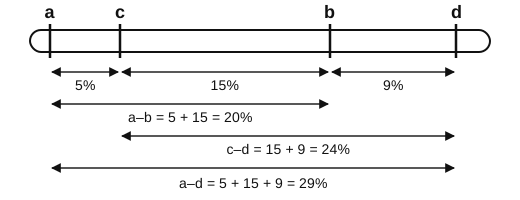
Short trick: Largest % = two ends; then place the smallest pairs next to their ends and verify additivity.
Answer: (D) a, c, b, d
अवधारणा: पुनर्योजन आवृत्ति जीनों के बीच की दूरी के समानुपाती होती है (1% = 1 मानचित्र इकाई); आसन्न जीनों की दूरियाँ जुड़ती हैं।
- सबसे बड़ा मान, a–d = 29%, अर्थात् a और d दोनों सिरों पर हैं।
- a–c = 5% (a के सबसे निकट) तथा b–d = 9% (d के सबसे निकट) ⇒ क्रम a – c – b – d।
- जाँच: a–b = 5 + 15 = 20 ✔; c–d = 15 + 9 = 24 ✔; a–d = 5 + 15 + 9 = 29 ✔ (मानचित्र देखें)।
शॉर्ट ट्रिक: सबसे बड़ा % = दोनों सिरे; फिर सबसे छोटे युग्मों को उनके सिरों के पास रखें और योग की जाँच करें।
उत्तर: (D) a, c, b, d
NEET UGZoologyPrinciples of inheritance – linkage and gene mappingNEET UG 2022 · 17 Jul Shift 1
Q140.Match list I with list II. Choose the correct answer from the options given below:
| List I | List II |
|---|
| (a) Glycogen | (i) Hormone |
| (b) Globulin | (ii) Biocatalyst |
| (c) Steroids | (iii) Antibody |
| (d) Thrombin | (iv) Storage product |
सूची I का सूची II से मिलान कीजिए। नीचे दिए गए विकल्पों में से सही उत्तर चुनिए:
| सूची I | सूची II |
|---|
| (a) ग्लाइकोजन | (i) हॉर्मोन |
| (b) ग्लोबुलिन | (ii) जैव-उत्प्रेरक |
| (c) स्टेरॉयड | (iii) प्रतिरक्षी (Antibody) |
| (d) थ्रोम्बिन | (iv) संचित उत्पाद |
- A(a)- (iii); (b) - (ii); (c) - (iv); (d) - (i)
- B(a)- (iv); (b) - (ii); (c) - (i); (d) - (iii)
- C(a)- (ii); (b) - (iv); (c) - (iii); (d) - (i)
- D(a)- (iv); (b) - (iii); (c) - (i); (d) - (ii)
Show answer
Concept: Match each biomolecule with its role.
- Glycogen – storage polysaccharide of animals → (iv) storage product.
- Globulin – immunoglobulins (antibodies) are globulins → (iii) antibody.
- Steroids – many hormones (testosterone, oestrogen, cortisol) are steroids → (i) hormone.
- Thrombin – enzyme converting fibrinogen to fibrin → (ii) biocatalyst.
Short trick: Glycogen = storage is certain (a-iv) → only (B) and (D) remain; thrombin is an enzyme (d-ii) → (D).
Answer: (D) (a)- (iv); (b) - (iii); (c) - (i); (d) - (ii)
अवधारणा: प्रत्येक जैव-अणु का उसके कार्य से मिलान करें।
- ग्लाइकोजन – जंतुओं का संचित पॉलीसैकेराइड → (iv) संचित उत्पाद।
- ग्लोबुलिन – इम्युनोग्लोबुलिन (प्रतिरक्षी) ग्लोबुलिन हैं → (iii) प्रतिरक्षी।
- स्टेरॉयड – अनेक हॉर्मोन (टेस्टोस्टेरोन, एस्ट्रोजन, कॉर्टिसोल) स्टेरॉयड हैं → (i) हॉर्मोन।
- थ्रोम्बिन – फ़ाइब्रिनोजन को फ़ाइब्रिन में बदलने वाला एंजाइम → (ii) जैव-उत्प्रेरक।
शॉर्ट ट्रिक: ग्लाइकोजन = संचय निश्चित (a-iv) → केवल (B) और (D) बचते हैं; थ्रोम्बिन एंजाइम है (d-ii) → (D)।
उत्तर: (D) (a)- (iv); (b) - (iii); (c) - (i); (d) - (ii)
NEET UGZoologyBiomolecules – functions of biomoleculesNEET UG 2022 · 17 Jul Shift 1

