Q61.The Great Indian desert/Thar desert is located on the western margin of which of the following mountain ranges?
महान भारतीय मरुस्थल/थार मरुस्थल निम्नलिखित में से किस पर्वत श्रेणी के पश्चिमी किनारे पर स्थित है?
- AEastern ghatsपूर्वी घाट
- BAravalli rangeअरावली श्रेणी
- CVindhya rangeविंध्य श्रेणी
- DSatpura rangeसतपुड़ा श्रेणी
Show answer
Concept: The Thar (Great Indian) Desert lies in western Rajasthan and adjoining Pakistan.
- It lies to the west/north-west of the Aravalli range, which runs from Gujarat to Delhi.
- The Aravallis lie parallel to the south-west monsoon winds, so they fail to block them and the region to their west stays dry.
- Vindhya and Satpura are in central India; the Eastern Ghats are along the east coast.
Yaad rakhein: Aravalli = eastern boundary of Thar; Thar = west of Aravalli.
Answer: (B) Aravalli range
अवधारणा: थार (महान भारतीय) मरुस्थल पश्चिमी राजस्थान और पड़ोसी पाकिस्तान में फैला है।
- यह अरावली पर्वतमाला के पश्चिम/उत्तर-पश्चिम में स्थित है।
- अरावली दक्षिण-पश्चिम मानसूनी पवनों के समानांतर है, इसलिए उन्हें रोक नहीं पाती और पश्चिमी भाग शुष्क रहता है।
- विंध्य व सतपुड़ा मध्य भारत में हैं; पूर्वी घाट पूर्वी तट के साथ हैं।
याद रखें: अरावली = थार की पूर्वी सीमा।
उत्तर: (B) Aravalli range
SSC CPO Paper IGeneral Knowledge and General AwarenessThar desertSSC CPO Paper I 2024 · 29 Jun Shift 3
Q62.As of December 2022, the ‘Kalidas Samman’ award is given in the field of art by the government of which Indian state?
दिसंबर 2022 की स्थिति के अनुसार, ‘कालिदास सम्मान’ पुरस्कार किस भारतीय राज्य की सरकार द्वारा कला के क्षेत्र में दिया जाता है?
- ATelanganaतेलंगाना
- BMadhya Pradeshमध्य प्रदेश
- CRajasthanराजस्थान
- DTamil Naduतमिलनाडु
Show answer
Concept: The Kalidas Samman is a national-level arts award instituted by the Government of Madhya Pradesh in 1980.
- It is named after the classical Sanskrit poet Kalidasa, associated with Ujjain (Madhya Pradesh).
- It is given in fields such as classical music, classical dance, theatre and plastic arts.
- Other states have their own awards, but the Kalidas Samman belongs to Madhya Pradesh.
Yaad rakhein: Kalidasa – Ujjain – Madhya Pradesh.
Answer: (B) Madhya Pradesh
अवधारणा: कालिदास सम्मान मध्य प्रदेश सरकार द्वारा 1980 में स्थापित राष्ट्रीय स्तर का कला पुरस्कार है।
- इसका नाम संस्कृत महाकवि कालिदास पर है, जिनका संबंध उज्जैन (मध्य प्रदेश) से है।
- यह शास्त्रीय संगीत, शास्त्रीय नृत्य, रंगमंच और रूपंकर कला (plastic arts) के क्षेत्रों में दिया जाता है।
याद रखें: कालिदास – उज्जैन – मध्य प्रदेश।
उत्तर: (B) Madhya Pradesh
SSC CPO Paper IGeneral Knowledge and General AwarenessAwardsSSC CPO Paper I 2024 · 29 Jun Shift 3
Q63.What do the words ‘aus’, ‘aman’ and ‘boro’ signify in the context of agricultural
calendar in India?
भारत में कृषि कैलेंडर के संदर्भ में ‘औस’, ‘अमन’ और ‘बोरो’ शब्द
क्या दर्शाते हैं?
- ATypes of seasons of sowing rice in West Bengalपश्चिम बंगाल में चावल की बुआई के मौसमों के प्रकार
- BTypes of traditional wells in Gujaratगुजरात में पारंपरिक कुओं के प्रकार
- CTypes of alluvial soils in the Gangetic plainsगंगा के मैदानों में जलोढ़ मृदा के प्रकार
- DTypes of harvest festivals in Assamअसम में फसल-कटाई उत्सवों के प्रकार
Show answer
Concept: In West Bengal, rice is grown three times a year, and each crop has a local name.
- Aus – autumn (pre-kharif) rice, sown in summer.
- Aman – winter rice, the main kharif crop sown in the monsoon.
- Boro – summer/spring rice grown with irrigation in the dry season.
- So the words name rice-sowing seasons, not wells, soils or festivals.
Yaad rakhein: Aus–Aman–Boro = three rice crops of Bengal.
Answer: (A) Types of seasons of sowing rice in West Bengal
अवधारणा: पश्चिम बंगाल में धान साल में तीन बार उगाया जाता है और हर फसल का स्थानीय नाम है।
- Aus – शरद (पूर्व-खरीफ) धान, गर्मियों में बोया जाता है।
- Aman – शीतकालीन धान, मानसून में बोई जाने वाली मुख्य खरीफ फसल।
- Boro – सिंचाई से शुष्क मौसम में उगाया जाने वाला ग्रीष्म/वसंत धान।
- अतः ये शब्द धान बोने के मौसम हैं, कुएँ, मिट्टी या त्योहार नहीं।
याद रखें: Aus–Aman–Boro = बंगाल की तीन धान फसलें।
उत्तर: (A) Types of seasons of sowing rice in West Bengal
SSC CPO Paper IGeneral Knowledge and General AwarenessCropping seasonsSSC CPO Paper I 2024 · 29 Jun Shift 3
Q64.Directive Principles of State Policy comes under which Article?
राज्य के नीति निदेशक तत्व किस अनुच्छेद के अंतर्गत आते हैं?
- AArticle 14-35अनुच्छेद 14-35
- BArticle 36-51अनुच्छेद 36-51
- CArticle 34-50अनुच्छेद 34-50
- DArticle 12-35अनुच्छेद 12-35
Show answer
Concept: Directive Principles of State Policy (DPSP) are in Part IV of the Constitution.
- Part IV covers Articles 36 to 51.
- They are borrowed from the Irish Constitution and are non-justiciable (not enforceable by courts).
- Fundamental Rights are in Part III (Articles 12–35).
Yaad rakhein: Part III: 12–35 (FR); Part IV: 36–51 (DPSP); Part IV-A: 51A (Duties).
Answer: (B) Article 36-51
अवधारणा: राज्य के नीति निदेशक तत्व (DPSP) संविधान के भाग IV में हैं।
- भाग IV में अनुच्छेद 36 से 51 तक हैं।
- ये आयरलैंड के संविधान से लिए गए हैं और न्यायालय द्वारा लागू नहीं कराए जा सकते (non-justiciable)।
- मौलिक अधिकार भाग III (अनुच्छेद 12–35) में हैं।
याद रखें: भाग III: 12–35 (FR); भाग IV: 36–51 (DPSP); भाग IV-A: 51A (कर्तव्य)।
उत्तर: (B) Article 36-51
SSC CPO Paper IGeneral Knowledge and General AwarenessIndian Polity – DPSPSSC CPO Paper I 2024 · 29 Jun Shift 3
Q65.In which of the following months of the Hindu calendar is the festival of Holi
celebrated?
होली का त्योहार हिंदू पंचांग के निम्नलिखित में से किस मास में
मनाया जाता है?
- ASravanaश्रावण
- BMaghaमाघ
- CAsadhaआषाढ़
- DPhalgunaफाल्गुन
Show answer
Concept: Holi is the Hindu festival of colours celebrated at the end of winter.
- It is celebrated on the full-moon day (Purnima) of the month of Phalguna (February–March).
- Holika Dahan is performed the night before.
- Sravana, Magha and Asadha are other months – e.g. Raksha Bandhan falls in Sravana.
Yaad rakhein: Phalguna Purnima = Holi.
Answer: (D) Phalguna
अवधारणा: होली रंगों का हिंदू त्योहार है जो सर्दियों के अंत में मनाया जाता है।
- यह फाल्गुन मास (फरवरी–मार्च) की पूर्णिमा को मनाया जाता है।
- इसकी पूर्व रात्रि को होलिका दहन होता है।
- श्रावण, माघ, आषाढ़ अन्य महीने हैं — जैसे रक्षाबंधन श्रावण में आता है।
याद रखें: फाल्गुन पूर्णिमा = होली।
उत्तर: (D) Phalguna
SSC CPO Paper IGeneral Knowledge and General AwarenessFestivalsSSC CPO Paper I 2024 · 29 Jun Shift 3
Q66.If the value/percentage of the cash reserve ratio falls, then the value of money
multiplier ________.
यदि नकद आरक्षित अनुपात का मान/प्रतिशत घटता है, तो मुद्रा
गुणक का मान ________।
- Aremains stableस्थिर रहता है
- BNone of the aboveउपर्युक्त में से कोई नहीं
- Cfallsघटता है
- Drisesबढ़ता है
Show answer
Concept: In the simple model, money multiplier , i.e. it moves inversely with the cash reserve ratio.
- If CRR , multiplier .
- If CRR falls to , multiplier .
- A lower CRR leaves banks more funds to lend, so credit creation and the multiplier rise.
Yaad rakhein: CRR down → multiplier up (inverse relation).
Answer: (D) rises
अवधारणा: सरल मॉडल में मुद्रा गुणक (money multiplier) , यानी यह नकद आरक्षित अनुपात (CRR) के विपरीत चलता है।
- CRR हो तो गुणक ।
- CRR घटकर हो तो गुणक ।
- CRR कम होने से बैंकों के पास उधार देने को अधिक धन रहता है, इसलिए साख सृजन और गुणक बढ़ते हैं।
याद रखें: CRR घटे → गुणक बढ़े (व्युत्क्रम संबंध)।
उत्तर: (D) rises
SSC CPO Paper IGeneral Knowledge and General AwarenessMoney multiplierSSC CPO Paper I 2024 · 29 Jun Shift 3
Q67.How many fundamental duties were added by the 42nd Constitution Amendment Act, 1976?
42वें संविधान संशोधन अधिनियम, 1976 द्वारा कितने मौलिक कर्तव्य जोड़े गए थे?
- A12
- B10
- C14
- D8
Show answer
Concept: Fundamental Duties were added to the Constitution on the recommendation of the Swaran Singh Committee.
- The 42nd Amendment Act, 1976 inserted Part IV-A (Article 51A) with 10 duties.
- The 86th Amendment Act, 2002 added the 11th duty – parents/guardians to provide education to children aged 6–14.
- So total duties today = 11, of which 10 came from the 42nd Amendment.
Yaad rakhein: 42nd: 10 duties; 86th: +1 = 11.
Answer: (B) 10
अवधारणा: मौलिक कर्तव्य स्वर्ण सिंह समिति की सिफ़ारिश पर संविधान में जोड़े गए।
- 42वें संशोधन अधिनियम, 1976 ने भाग IV-A (अनुच्छेद 51A) में 10 कर्तव्य जोड़े।
- 86वें संशोधन, 2002 ने 11वाँ कर्तव्य जोड़ा — 6–14 वर्ष के बच्चों को शिक्षा का अवसर देना।
- अब कुल 11 कर्तव्य हैं, जिनमें से 10 42वें संशोधन से आए।
याद रखें: 42वाँ: 10 कर्तव्य; 86वाँ: +1 = 11।
उत्तर: (B) 10
SSC CPO Paper IGeneral Knowledge and General AwarenessFundamental DutiesSSC CPO Paper I 2024 · 29 Jun Shift 3
Q68.Which of the following is known as the steel city in India?
निम्नलिखित में से किसे भारत में इस्पात नगरी के रूप में जाना जाता है?
- AMumbaiमुंबई
- BRanchiरांची
- CPatnaपटना
- DJamshedpurजमशेदपुर
Show answer
Concept: Jamshedpur in Jharkhand is called the Steel City of India.
- Tata Iron and Steel Company (TISCO, now Tata Steel) was set up here by Jamsetji Tata's vision in 1907.
- The city is named after Jamsetji Tata and lies near the Subarnarekha and Kharkai rivers, close to iron ore and coal fields.
- Ranchi is the state capital; Mumbai and Patna are not steel centres.
Yaad rakhein: Jamshedpur = Tata = Steel City (also called Tatanagar).
Answer: (D) Jamshedpur
अवधारणा: झारखंड का जमशेदपुर भारत का 'स्टील सिटी' कहलाता है।
- यहाँ 1907 में टाटा आयरन एंड स्टील कंपनी (TISCO, अब Tata Steel) स्थापित हुई।
- शहर का नाम जमशेदजी टाटा पर है; यह सुवर्णरेखा व खरकई नदियों के पास, लौह-अयस्क और कोयला क्षेत्रों के निकट है।
- रांची राज्य की राजधानी है; मुंबई व पटना इस्पात केंद्र नहीं हैं।
याद रखें: जमशेदपुर = टाटा = स्टील सिटी (टाटानगर)।
उत्तर: (D) Jamshedpur
SSC CPO Paper IGeneral Knowledge and General AwarenessIndian citiesSSC CPO Paper I 2024 · 29 Jun Shift 3
Q69.Who among of the following is the author of the book Making India Awesome?
निम्नलिखित में से कौन ‘Making India Awesome’ पुस्तक के लेखक हैं?
- AAravind Adigaअरविंद अडिगा
- BVikram Sethविक्रम सेठ
- CChetan Bhagatचेतन भगत
- DSiddhartha Mukherjeeसिद्धार्थ मुखर्जी
Show answer
Concept: Making India Awesome (2015) is a non-fiction collection of essays.
- It was written by Chetan Bhagat and deals with issues such as governance, youth, women and society.
- Chetan Bhagat also wrote Five Point Someone and 2 States.
- Aravind Adiga wrote The White Tiger; Vikram Seth wrote A Suitable Boy; Siddhartha Mukherjee wrote The Emperor of All Maladies.
Yaad rakhein: Chetan Bhagat's non-fiction: What Young India Wants, Making India Awesome.
Answer: (C) Chetan Bhagat
अवधारणा: Making India Awesome (2015) निबंधों का एक गैर-काल्पनिक (non-fiction) संग्रह है।
- इसके लेखक चेतन भगत हैं; इसमें शासन, युवा, महिलाएँ और समाज से जुड़े मुद्दे हैं।
- चेतन भगत ने Five Point Someone और 2 States भी लिखीं।
- अरविंद अडिगा – The White Tiger; विक्रम सेठ – A Suitable Boy; सिद्धार्थ मुखर्जी – The Emperor of All Maladies।
याद रखें: चेतन भगत की non-fiction: What Young India Wants, Making India Awesome।
उत्तर: (C) Chetan Bhagat
SSC CPO Paper IGeneral Knowledge and General AwarenessBooks and authorsSSC CPO Paper I 2024 · 29 Jun Shift 3
Q70.What distinguishes a bank from other financial institutions?
बैंक को अन्य वित्तीय संस्थानों से क्या अलग करता है?
- AAccepting depositsजमा स्वीकार करना
- BAccepting loans and borrowingsऋण और उधार स्वीकार करना
- CLendingउधार देना
- DProviding long term loansदीर्घकालिक ऋण प्रदान करना
Show answer
Concept: A bank is defined (Banking Regulation Act, 1949) as an institution that accepts deposits from the public, repayable on demand, for lending or investment.
- Many financial institutions (NBFCs, development banks) lend and give long-term loans, so lending alone is not unique to banks.
- Accepting demand deposits (savings/current accounts withdrawable by cheque) is the key feature that sets banks apart.
- These deposits also allow banks to create credit.
Yaad rakhein: Bank = deposits + loans; the deposit-taking function is its identity.
Answer: (A) Accepting deposits
अवधारणा: बैंकिंग विनियमन अधिनियम, 1949 के अनुसार बैंक वह संस्था है जो जनता से माँग पर देय जमा (deposits) स्वीकार कर उन्हें उधार या निवेश में लगाती है।
- कई वित्तीय संस्थाएँ (NBFC, विकास बैंक) भी ऋण देती हैं, अतः केवल उधार देना बैंक की विशेष पहचान नहीं।
- माँग जमा (बचत/चालू खाते, चेक से निकासी) स्वीकार करना ही बैंक को अलग करता है।
- इन्हीं जमाओं से बैंक साख सृजन (credit creation) करते हैं।
याद रखें: बैंक की पहचान = जमा स्वीकार करना।
उत्तर: (A) Accepting deposits
SSC CPO Paper IGeneral Knowledge and General AwarenessBankingSSC CPO Paper I 2024 · 29 Jun Shift 3
Q71.Which of the following options is NOT correctly matched?
निम्नलिखित में से कौन-सा विकल्प सही सुमेलित नहीं है?
- AChilika Lake - Odishaचिल्का झील - ओडिशा
- BWular lake - Jammu and Kashmirवुलर झील - जम्मू और कश्मीर
- CSardar Sarovar Lake - Karnatakaसरदार सरोवर झील - कर्नाटक
- DVembanad Lake - Keralaवेम्बनाड झील - केरल
Show answer
Concept: Match each lake with its state.
- Chilika Lake – Odisha (largest brackish-water lagoon of India) ✔
- Wular Lake – Jammu and Kashmir (one of the largest freshwater lakes) ✔
- Vembanad Lake – Kerala ✔
- Sardar Sarovar is a reservoir on the Narmada river at Kevadia, Gujarat – not Karnataka ✘
Yaad rakhein: Sardar Sarovar – Narmada – Gujarat (near Statue of Unity).
Answer: (C) Sardar Sarovar Lake - Karnataka
अवधारणा: हर झील को उसके राज्य से मिलाइए।
- चिल्का झील – ओडिशा (भारत का सबसे बड़ा खारे पानी का लैगून) ✔
- वुलर झील – जम्मू-कश्मीर ✔
- वेम्बनाड झील – केरल ✔
- सरदार सरोवर नर्मदा नदी पर केवडिया, गुजरात का जलाशय है – कर्नाटक नहीं ✘
याद रखें: सरदार सरोवर – नर्मदा – गुजरात (Statue of Unity के पास)।
उत्तर: (C) Sardar Sarovar Lake - Karnataka
SSC CPO Paper IGeneral Knowledge and General AwarenessLakes of IndiaSSC CPO Paper I 2024 · 29 Jun Shift 3
Q72.As per Census 2011, what is the percentage of rural population in India?
जनगणना 2011 के अनुसार, भारत में ग्रामीण जनसंख्या का प्रतिशत कितना है?
- A65.2%
- B68.8%
- C59.3%
- D52.4%
Show answer
Concept: Census 2011 counted India's population as about 121 crore.
- Rural population ≈ 83.3 crore = (68.84%).
- Urban population ≈ 37.7 crore = .
- Check: .
Yaad rakhein: Census 2011: Rural , Urban .
Answer: (B)
अवधारणा: जनगणना 2011 में भारत की जनसंख्या लगभग 121 करोड़ थी।
- ग्रामीण जनसंख्या ≈ 83.3 करोड़ =
- शहरी जनसंख्या ≈ 37.7 करोड़ =
- जाँच:
याद रखें: जनगणना 2011: ग्रामीण , शहरी ।
उत्तर: (B)
SSC CPO Paper IGeneral Knowledge and General AwarenessCensus 2011SSC CPO Paper I 2024 · 29 Jun Shift 3
Q73.Deepa Kartha represents ________ dance.
दीपा कर्था ________ नृत्य का प्रतिनिधित्व करती हैं।
- AOdissiओडिसी
- BManipuriमणिपुरी
- CKathakकथक
- DSattriyaसत्रिया
Show answer
Concept: Indian classical dance questions often ask which artist is linked with which dance form.
- Deepa Kartha is known as a performer of Kathak, the classical dance of north India.
- Kathak is marked by fast footwork (tatkar), spins (chakkar) and storytelling.
- For comparison: Odissi – Sonal Mansingh; Manipuri – Guru Bipin Singh; Sattriya – Assam.
Yaad rakhein: Kathak – north India – tatkar and chakkar.
Answer: (C) Kathak
अवधारणा: भारतीय शास्त्रीय नृत्य के प्रश्नों में कलाकार और उसकी नृत्य शैली का मिलान पूछा जाता है।
- दीपा कार्था कथक की कलाकार के रूप में जानी जाती हैं।
- कथक उत्तर भारत का शास्त्रीय नृत्य है जिसमें तेज़ पद-संचालन (तत्कार) और चक्कर प्रमुख हैं।
- तुलना: ओडिसी – सोनल मानसिंह; मणिपुरी – गुरु बिपिन सिंह; सत्त्रिया – असम।
याद रखें: कथक – उत्तर भारत – तत्कार और चक्कर।
उत्तर: (C) Kathak
SSC CPO Paper IGeneral Knowledge and General AwarenessIndian dance personalitiesSSC CPO Paper I 2024 · 29 Jun Shift 3
Q74.Which of the following revolutionists was associated with the Anushilan Samiti?
निम्नलिखित में से कौन-से क्रांतिकारी अनुशीलन समिति से संबद्ध थे?
- ABhagat Singhभगत सिंह
- BJatindra Mohan Senguptaजतींद्र मोहन सेनगुप्ता
- CRajguruराजगुरु
- DSukhdevसुखदेव
Show answer
Concept: Anushilan Samiti was a revolutionary society of Bengal, founded in 1902 (Calcutta) with a strong branch at Dhaka under Pulin Behari Das.
- Its members came from Bengal; among the options only Jatindra Mohan Sengupta was a Bengal leader linked with it.
- Bhagat Singh, Rajguru and Sukhdev belonged to the Hindustan Socialist Republican Association (HSRA) of north India.
- They were hanged together in Lahore on 23 March 1931.
Yaad rakhein: Anushilan Samiti = Bengal; HSRA = Bhagat Singh–Rajguru–Sukhdev.
Answer: (B) Jatindra Mohan Sengupta
अवधारणा: अनुशीलन समिति बंगाल की क्रांतिकारी संस्था थी, जो 1902 में कलकत्ता में बनी; ढाका शाखा पुलिन बिहारी दास के नेतृत्व में प्रमुख थी।
- विकल्पों में केवल जतींद्र मोहन सेनगुप्ता ही बंगाल के नेता थे जो इससे जुड़े थे।
- भगत सिंह, राजगुरु और सुखदेव हिंदुस्तान सोशलिस्ट रिपब्लिकन एसोसिएशन (HSRA) से जुड़े थे।
- इन तीनों को 23 मार्च 1931 को लाहौर में फाँसी दी गई।
याद रखें: अनुशीलन समिति = बंगाल; HSRA = भगत सिंह–राजगुरु–सुखदेव।
उत्तर: (B) Jatindra Mohan Sengupta
SSC CPO Paper IGeneral Knowledge and General AwarenessRevolutionary movementSSC CPO Paper I 2024 · 29 Jun Shift 3
Q75.The concept of limited government is a major advancement to protect the _______ of the citizens from the ruling governments.
सीमित सरकार की अवधारणा, शासक सरकारों से नागरिकों के _______ की रक्षा करने की दिशा में एक प्रमुख प्रगति है।
- Afundamental rightsमौलिक अधिकारों
- Bseparation of powerशक्ति पृथक्करण
- Ccheck and balanceनियंत्रण और संतुलन
- Dfundamental dutiesमौलिक कर्तव्यों
Show answer
Concept: Limited government means the powers of the government are restricted by a written constitution and the rule of law.
- The main purpose of limiting government is to protect the rights and liberties of citizens from arbitrary rule.
- In India these rights are guaranteed as Fundamental Rights (Part III), enforceable through courts.
- Separation of powers and checks and balances are methods of limiting government, not what is being protected.
Yaad rakhein: Limited government → protects citizens' fundamental rights.
Answer: (A) fundamental rights
अवधारणा: सीमित सरकार (limited government) का अर्थ है कि सरकार की शक्तियाँ लिखित संविधान और विधि के शासन से बँधी हों।
- इसका मुख्य उद्देश्य नागरिकों के अधिकारों और स्वतंत्रताओं को मनमाने शासन से बचाना है।
- भारत में ये अधिकार भाग III में मौलिक अधिकारों के रूप में न्यायालय द्वारा संरक्षित हैं।
- शक्तियों का पृथक्करण और नियंत्रण-संतुलन सरकार को सीमित करने के साधन हैं, संरक्षित वस्तु नहीं।
याद रखें: सीमित सरकार → नागरिकों के मौलिक अधिकारों की रक्षा।
उत्तर: (A) fundamental rights
SSC CPO Paper IGeneral Knowledge and General AwarenessConstitutionalismSSC CPO Paper I 2024 · 29 Jun Shift 3
Q76.Who discovered a principle that states that the buoyant force on an object is equal to the weight of the fluid displaced by the object?
किसने उस सिद्धांत की खोज की, जिसके अनुसार किसी वस्तु पर लगने वाला उत्प्लावन बल (buoyant force) उस वस्तु द्वारा विस्थापित तरल के भार के बराबर होता है?
- ANiels Bohrनील्स बोर
- BIsaac Newtonआइज़क न्यूटन
- CGalileo Galileiगैलीलियो गैलिली
- DArchimedesआर्किमिडीज़
Show answer
Concept: Archimedes' principle: a body wholly or partly immersed in a fluid experiences an upward (buoyant) force equal to the weight of the fluid displaced.
- It was discovered by the Greek scientist Archimedes (3rd century BCE) – the famous 'Eureka' story.
- It explains floating of ships, hydrometers and lactometers.
- Bohr – atomic model; Newton – laws of motion and gravitation; Galileo – telescope and laws of falling bodies.
Yaad rakhein: Buoyancy = weight of displaced fluid → Archimedes ('Eureka!').
Answer: (D) Archimedes
अवधारणा: आर्किमिडीज़ का सिद्धांत: द्रव में पूरी या आंशिक रूप से डूबी वस्तु पर ऊपर की ओर बल (उत्प्लावन बल) लगता है जो विस्थापित द्रव के भार के बराबर होता है।
- इसे यूनानी वैज्ञानिक आर्किमिडीज़ (तीसरी सदी ई.पू.) ने खोजा — प्रसिद्ध 'यूरेका' कहानी।
- जहाज़ों का तैरना, हाइड्रोमीटर व लैक्टोमीटर इसी पर आधारित हैं।
- बोर – परमाणु मॉडल; न्यूटन – गति व गुरुत्व; गैलीलियो – दूरबीन।
याद रखें: उत्प्लावन बल = विस्थापित द्रव का भार → आर्किमिडीज़।
उत्तर: (D) Archimedes
SSC CPO Paper IGeneral Knowledge and General AwarenessBuoyancySSC CPO Paper I 2024 · 29 Jun Shift 3
Q77.Dharmapala is known to have founded which of the following universities near
Bhagalpur in Bihar?
धर्मपाल को बिहार में भागलपुर के निकट निम्नलिखित में से किस विश्वविद्यालय की
स्थापना करने के लिए जाना जाता है?
- ATakshilaतक्षशिला
- BValabhiवल्लभी
- CNalandaनालंदा
- DVikramashilaविक्रमशिला
Show answer
Concept: Dharmapala (c. 770–810 CE) was a great ruler of the Pala dynasty of Bengal and Bihar.
- He founded the Vikramashila Mahavihara near Bhagalpur (Antichak), Bihar, a major centre of Buddhist learning.
- Nalanda (near Rajgir) was founded earlier by the Gupta ruler Kumaragupta I.
- Takshila was in the north-west (now Pakistan) and Valabhi in Gujarat.
Yaad rakhein: Pala – Dharmapala – Vikramashila (Bhagalpur).
Answer: (D) Vikramashila
अवधारणा: धर्मपाल (लगभग 770–810 ई.) बंगाल-बिहार के पाल वंश के प्रमुख शासक थे।
- उन्होंने भागलपुर (अंतीचक), बिहार के पास विक्रमशिला महाविहार की स्थापना की।
- नालंदा (राजगीर के पास) की स्थापना पहले गुप्त शासक कुमारगुप्त प्रथम ने की थी।
- तक्षशिला उत्तर-पश्चिम (अब पाकिस्तान) और वल्लभी गुजरात में था।
याद रखें: पाल – धर्मपाल – विक्रमशिला (भागलपुर)।
उत्तर: (D) Vikramashila
SSC CPO Paper IGeneral Knowledge and General AwarenessAncient universitiesSSC CPO Paper I 2024 · 29 Jun Shift 3
Q78.'The forty minutes raga’ is an album composed by _________ .
'The forty minutes raga’ _________ द्वारा रचित एक एल्बम है।
- AAmjad Ali Khanअमजद अली खान
- BAli Akbar Khanअली अकबर खान
- CHariprasad Chaurasiaहरिप्रसाद चौरसिया
- DBhimsen Joshiभीमसेन जोशी
Show answer
Concept: Albums are often asked by linking them with famous instrumentalists.
- The Forty Minute Raga is an album by sarod maestro Ustad Ali Akbar Khan.
- Ali Akbar Khan was the son of Ustad Allauddin Khan of the Maihar gharana and founded the Ali Akbar College of Music in California.
- Amjad Ali Khan is also a sarod player; Hariprasad Chaurasia plays the flute; Bhimsen Joshi was a Hindustani vocalist.
Yaad rakhein: Ali Akbar Khan – sarod – Maihar gharana.
Answer: (B) Ali Akbar Khan
अवधारणा: प्रसिद्ध वादकों के एल्बम अक्सर पूछे जाते हैं।
- The Forty Minute Raga सरोद वादक उस्ताद अली अकबर खान का एल्बम है।
- अली अकबर खान मैहर घराने के उस्ताद अलाउद्दीन खान के पुत्र थे।
- अमजद अली खान भी सरोद वादक हैं; हरिप्रसाद चौरसिया – बांसुरी; भीमसेन जोशी – हिंदुस्तानी गायक।
याद रखें: अली अकबर खान – सरोद – मैहर घराना।
उत्तर: (B) Ali Akbar Khan
SSC CPO Paper IGeneral Knowledge and General AwarenessIndian classical musicSSC CPO Paper I 2024 · 29 Jun Shift 3
Q79.According to Dalton, which of the following represents the Phosphorus element?
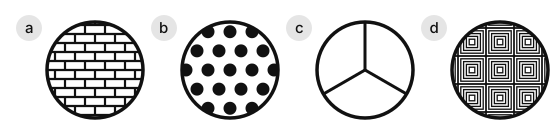
डाल्टन के अनुसार, निम्नलिखित में से कौन फॉस्फोरस तत्व को निरूपित करता है?
- Ac
- Bb
- Cd
- Da
Show answer
Concept: John Dalton was the first to use symbols for elements; each symbol was a circle with a distinct mark.
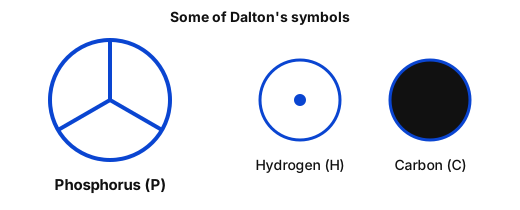
- Hydrogen – circle with a central dot; Carbon – fully filled black circle; Oxygen – plain empty circle.
- Phosphorus – a circle divided into three parts by three lines meeting at the centre.
- In the given figures, this matches figure c.
Yaad rakhein: Dalton's phosphorus looks like a circle cut into three equal sectors.
Answer: (A) c
अवधारणा: जॉन डाल्टन ने सबसे पहले तत्वों के लिए प्रतीक बनाए; हर प्रतीक एक वृत्त में अलग चिह्न था।
- हाइड्रोजन – बीच में बिंदु वाला वृत्त; कार्बन – पूरा काला वृत्त; ऑक्सीजन – खाली वृत्त।
- फॉस्फोरस – केंद्र पर मिलने वाली तीन रेखाओं से तीन भागों में बँटा वृत्त।
- दी गई आकृतियों में यह आकृति c है।
याद रखें: डाल्टन का फॉस्फोरस = तीन बराबर भागों में बँटा वृत्त।
उत्तर: (A) c
SSC CPO Paper IGeneral Knowledge and General AwarenessDalton's symbolsSSC CPO Paper I 2024 · 29 Jun Shift 3
Q80.Which of the following is NOT true with regard to the Green Revolution?
हरित क्रांति के संबंध में निम्नलिखित में से कौन-सा सत्य नहीं है?
- ACultivation became more intensive in nature.खेती की प्रकृति अधिक गहन हो गई।
- BCultivation became more extensive in nature.खेती की प्रकृति अधिक विस्तृत हो गई।
- CIn its second phase, there was a shift to from dry to wet (irrigated) cultivation in dry and semi-arid regions of India.इसके दूसरे चरण में, भारत के शुष्क और अर्ध-शुष्क क्षेत्रों में शुष्क से आर्द्र (सिंचित) खेती की ओर बदलाव हुआ।
- DThere was change in the cropping pattern and types of crops grown in its second phase.इसके दूसरे चरण में फसल प्रतिरूप और उगाई जाने वाली फसलों के प्रकारों में परिवर्तन हुआ।
Show answer
Concept: The Green Revolution (from the mid-1960s) raised output mainly by using HYV seeds, fertilisers and irrigation on the same land.
- Output per hectare rose, so cultivation became more intensive – statement A is true.
- It did not spread farming to large new areas, so calling it more extensive is NOT true – statement B.
- In its second phase it reached dry and semi-arid regions, shifting them from dry to irrigated cultivation and changing cropping patterns – C and D are true.
Yaad rakhein: Green Revolution = intensive (more yield per hectare), not extensive (more area).
Answer: (B) Cultivation became more extensive in nature.
अवधारणा: हरित क्रांति (1960 के दशक के मध्य से) में HYV बीज, उर्वरक और सिंचाई से उसी भूमि पर उत्पादन बढ़ाया गया।
- प्रति हेक्टेयर उत्पादन बढ़ा, अतः खेती अधिक गहन (intensive) हुई — कथन A सही।
- खेती का क्षेत्र बहुत नहीं बढ़ा, इसलिए इसे विस्तृत (extensive) कहना गलत है — कथन B।
- दूसरे चरण में यह शुष्क व अर्ध-शुष्क क्षेत्रों तक पहुँची, शुष्क से सिंचित खेती हुई और फसल प्रतिरूप बदला — C, D सही।
याद रखें: हरित क्रांति = गहन खेती (अधिक उपज/हेक्टेयर), विस्तृत नहीं।
उत्तर: (B) Cultivation became more extensive in nature.
SSC CPO Paper IGeneral Knowledge and General AwarenessGreen RevolutionSSC CPO Paper I 2024 · 29 Jun Shift 3

