Question bank

Q&A: practice questions with answers

Search questions on any topic. Filter by exam category, exam, subject and topic, try the question, then open the answer and explanation.

Courses – airGurukul

53,050 questions in the question bank.

Q4521.
Tegmina in cockroach arises from
कॉकरोच में टेग्मिना (tegmina) किससे उत्पन्न होते हैं?
  1. AProthoraxअग्रवक्ष (Prothorax)
  2. BMesothoraxमध्यवक्ष (Mesothorax)
  3. CMetathoraxपश्चवक्ष (Metathorax)
  4. DProthorax and Mesothoraxअग्रवक्ष और मध्यवक्ष
Show answer

Concept: Cockroach has two pairs of wings: forewings (tegmina) from the mesothorax and hindwings from the metathorax.

  1. Tegmina are opaque, dark and leathery; they cover the hindwings at rest.
  2. Hindwings are transparent, membranous and used in flight – they arise from the metathorax.
  3. Prothorax bears only legs, no wings.

Short trick: "Meso → Main cover (tegmina); Meta → flight wings". Prothorax = no wings.

Answer: (B) Mesothorax

अवधारणा: कॉकरोच में दो जोड़ी पंख होते हैं: अग्रपंख (टेग्मिना) मध्यवक्ष से तथा पश्चपंख पश्चवक्ष से निकलते हैं।

  1. टेग्मिना अपारदर्शी, गहरे रंग के और चर्मिल (leathery) होते हैं; विश्राम में ये पश्चपंखों को ढकते हैं।
  2. पश्चपंख पारदर्शी, झिल्लीदार और उड़ान में सहायक होते हैं – ये पश्चवक्ष से निकलते हैं।
  3. अग्रवक्ष पर केवल टाँगें होती हैं, पंख नहीं।

शॉर्ट ट्रिक: "मध्यवक्ष → मुख्य आवरण (टेग्मिना); पश्चवक्ष → उड़ान पंख"। अग्रवक्ष = पंख नहीं।

उत्तर: (B) मध्यवक्ष (Mesothorax)
NEET UGZoologyStructural organisation in animals – cockroachNEET UG 2022 · 17 Jul Shift 1 →
Q4522.
In situ conservation refers to:
स्वस्थाने (In situ) संरक्षण से तात्पर्य है:
  1. AProtect and conserve the whole ecosystemसंपूर्ण पारितंत्र की सुरक्षा और संरक्षण
  2. BConserve only high risk speciesकेवल उच्च जोखिम वाली जातियों का संरक्षण
  3. CConserve only endangered speciesकेवल संकटापन्न जातियों का संरक्षण
  4. DConserve only extinct speciesकेवल विलुप्त जातियों का संरक्षण
Show answer

Concept: In situ ("on site") conservation protects organisms in their natural habitat – i.e. the whole ecosystem is protected (biosphere reserves, national parks, sanctuaries, sacred groves, hotspots).

  1. (B) and (C) are too narrow – in situ protects the entire ecosystem, not only selected species.
  2. (D) Extinct species cannot be conserved at all.

Short trick: In situ = save the "home" (ecosystem); ex situ = take them "out" (zoo, seed bank, cryopreservation).

Answer: (A) Protect and conserve the whole ecosystem

अवधारणा: स्वस्थाने ("उसी स्थान पर") संरक्षण में जीवों की उनके प्राकृतिक आवास में रक्षा की जाती है – अर्थात् संपूर्ण पारितंत्र सुरक्षित होता है (जैवमंडल आरक्षित क्षेत्र, राष्ट्रीय उद्यान, अभयारण्य, पवित्र उपवन, हॉटस्पॉट)।

  1. (B) और (C) बहुत सीमित हैं – स्वस्थाने संरक्षण पूरे पारितंत्र की रक्षा करता है, केवल चुनी हुई जातियों की नहीं।
  2. (D) विलुप्त जातियों का संरक्षण संभव ही नहीं है।

शॉर्ट ट्रिक: स्वस्थाने = "घर" (पारितंत्र) बचाओ; बाह्यस्थाने (ex situ) = "बाहर" ले जाओ (चिड़ियाघर, बीज बैंक, निम्नताप परिरक्षण)।

उत्तर: (A) संपूर्ण पारितंत्र की सुरक्षा और संरक्षण

NEET UGZoologyBiodiversity and conservation – in situ conservationNEET UG 2022 · 17 Jul Shift 1 →
Q4523.
Detritivores breakdown detritus into smaller particles. This process is called:
अपरदाहारी (detritivores) अपरद (detritus) को छोटे कणों में तोड़ते हैं। यह प्रक्रिया कहलाती है:
  1. ACatabolismअपचय (Catabolism)
  2. BFragmentationखंडन (Fragmentation)
  3. CHumificationह्यूमस-भवन (Humification)
  4. DDecompositionअपघटन (Decomposition)
Show answer

Concept: Decomposition has five steps: fragmentation, leaching, catabolism, humification and mineralisation.

  1. Fragmentation – detritivores (e.g. earthworm) break detritus into smaller particles. ✔
  2. Catabolism – bacterial and fungal enzymes degrade detritus into simpler inorganic substances.
  3. Humification – formation of dark, amorphous humus.
  4. Decomposition is the name of the whole process, not this particular step.

Short trick: Order "F-L-C-H-M": Fragment → Leach → Catabolise → Humify → Mineralise. Physical breaking by animals = Fragmentation.

Answer: (B) Fragmentation

अवधारणा: अपघटन के पाँच चरण हैं: खंडन, निक्षालन, अपचय, ह्यूमस-भवन और खनिजीकरण।

  1. खंडन – अपरदाहारी (जैसे केंचुआ) अपरद को छोटे कणों में तोड़ते हैं। ✔
  2. अपचय – जीवाणु व कवक के एंजाइम अपरद को सरल अकार्बनिक पदार्थों में तोड़ते हैं।
  3. ह्यूमस-भवन – गहरे रंग के अक्रिस्टलीय ह्यूमस का बनना।
  4. अपघटन पूरी प्रक्रिया का नाम है, इस विशेष चरण का नहीं।

शॉर्ट ट्रिक: क्रम "F-L-C-H-M": खंडन → निक्षालन → अपचय → ह्यूमस-भवन → खनिजीकरण। जंतुओं द्वारा भौतिक तोड़ना = खंडन।

उत्तर: (B) खंडन (Fragmentation)

NEET UGZoologyEcosystem – decompositionNEET UG 2022 · 17 Jul Shift 1 →
Q4524.
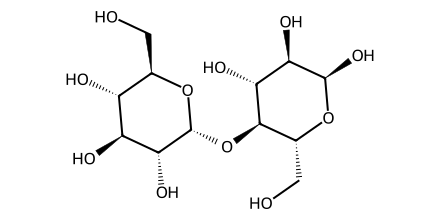
A dehydration reaction links two glucose molecules to produce maltose. If the formula for glucose is C6H12O6 then what is the formula for maltose?
एक निर्जलीकरण (dehydration) अभिक्रिया दो ग्लूकोस अणुओं को जोड़कर माल्टोस बनाती है। यदि ग्लूकोस का सूत्र C6H12O6 है, तो माल्टोस का सूत्र क्या है?
  1. AC12H20O10
  2. BC12H24O12
  3. CC12H22O11
  4. DC12H24O11
Show answer

Concept: A glycosidic bond forms by dehydration: one H2O is removed for every bond formed.

  1. 2 C6H12O6 = C12H24O12.
  2. Subtract one H2O: C12H24−2O12−1 = C12H22O11 (maltose; α-1,4 glycosidic link shown below).
  3. C12H24O12 forgets the water loss; C12H20O10 removes two waters; C12H24O11 removes only O.

Short trick: Any disaccharide of two hexoses (maltose, sucrose, lactose) = C12H22O11.

Answer: (C) C12H22O11

अवधारणा: ग्लाइकोसिडिक बंध निर्जलीकरण से बनता है: प्रत्येक बंध बनने पर एक H2O अणु निकलता है।

  1. 2 C6H12O6 = C12H24O12।
  2. एक H2O घटाने पर: C12H24−2O12−1 = C12H22O11 (माल्टोस; नीचे α-1,4 ग्लाइकोसिडिक बंध दिखाया गया है)।
  3. C12H24O12 में जल का निष्कासन नहीं घटाया; C12H20O10 में दो जल अणु घटाए; C12H24O11 में केवल O घटाया।

शॉर्ट ट्रिक: दो हेक्सोस से बना कोई भी डाइसैकेराइड (माल्टोस, सुक्रोस, लैक्टोस) = C12H22O11।

उत्तर: (C) C12H22O11

NEET UGZoologyBiomolecules – disaccharidesNEET UG 2022 · 17 Jul Shift 1 →
Q4525.
Identify the asexual reproductive structure associated with Penicillium:
Penicillium से संबंधित अलैंगिक जनन संरचना को पहचानिए:
  1. AZoosporesचलबीजाणु (Zoospores)
  2. BConidiaकोनिडिया (Conidia)
  3. CGemmulesजेम्यूल (Gemmules)
  4. DBudsमुकुल (Buds)
Show answer

Concept: Penicillium (Ascomycetes) reproduces asexually by conidia – exogenous spores produced on special hyphae called conidiophores.

  1. Zoospores – motile spores of some algae and Phycomycetes.
  2. Gemmules – internal buds of sponges.
  3. Buds – yeast, Hydra.

Short trick: Ascomycetes: asexual = conidia, sexual = ascospores. "Penicillium and Aspergillus – conidia on a stalk."

Answer: (B) Conidia

अवधारणा: Penicillium (ऐस्कोमाइसिटीज़) अलैंगिक जनन कोनिडिया द्वारा करता है – ये बहिर्जात बीजाणु विशेष कवकतंतुओं, कोनिडियमधर (conidiophores), पर बनते हैं।

  1. चलबीजाणु – कुछ शैवालों और फाइकोमाइसिटीज़ के गतिशील बीजाणु।
  2. जेम्यूल – स्पंजों की आंतरिक कलिकाएँ।
  3. मुकुल – यीस्ट, Hydra।

शॉर्ट ट्रिक: ऐस्कोमाइसिटीज़: अलैंगिक = कोनिडिया, लैंगिक = ऐस्कोबीजाणु। "Penicillium और Aspergillus – डंठल पर कोनिडिया।"

उत्तर: (B) कोनिडिया (Conidia)

NEET UGZoologyBiological classification – Fungi (Ascomycetes)NEET UG 2022 · 17 Jul Shift 1 →
Q4526.
Select the incorrect statement with reference to mitosis:
समसूत्री विभाजन (mitosis) के संदर्भ में गलत कथन चुनिए:
  1. AAll the chromosomes lie at the equator at metaphaseमध्यावस्था में सभी गुणसूत्र मध्यरेखा (equator) पर स्थित होते हैं
  2. BSpindle fibres attach to centromere of chromosomesतर्कु तंतु गुणसूत्रों के गुणसूत्रबिंदु (centromere) से जुड़ते हैं
  3. CChromosomes decondense at the telophase stageअंत्यावस्था में गुणसूत्र विसंघनित (decondense) हो जाते हैं
  4. DSplitting of centromere occurs at anaphaseगुणसूत्रबिंदु का विखंडन पश्चावस्था में होता है
Show answer

Concept: Spindle fibres attach to the kinetochores – small disc-shaped structures on the surface of the centromere – not to the centromere itself.

  1. (A) Correct – at metaphase all chromosomes lie on the metaphase plate (equator).
  2. (B) Incorrect – the attachment site is the kinetochore; one chromatid’s kinetochore binds fibres from one pole, the sister’s from the opposite pole.
  3. (C) Correct – in telophase chromosomes decondense and lose their individuality.
  4. (D) Correct – at anaphase centromeres split and sister chromatids move to opposite poles.

Short trick: "Fibres hold the K-hook" – Kinetochore is the hook on the centromere.

Answer: (B) Spindle fibres attach to centromere of chromosomes

अवधारणा: तर्कु तंतु काइनेटोकोर से जुड़ते हैं – ये गुणसूत्रबिंदु की सतह पर स्थित छोटी चकती-जैसी संरचनाएँ हैं – सीधे गुणसूत्रबिंदु से नहीं।

  1. (A) सही – मध्यावस्था में सभी गुणसूत्र मध्यावस्था पट्टिका (मध्यरेखा) पर आ जाते हैं।
  2. (B) गलत – जुड़ने का स्थल काइनेटोकोर है; एक अर्धगुणसूत्र का काइनेटोकोर एक ध्रुव के तंतुओं से तथा सहोदर अर्धगुणसूत्र का विपरीत ध्रुव के तंतुओं से जुड़ता है।
  3. (C) सही – अंत्यावस्था में गुणसूत्र विसंघनित होकर अपनी पृथकता खो देते हैं।
  4. (D) सही – पश्चावस्था में गुणसूत्रबिंदु विखंडित होते हैं और सहोदर अर्धगुणसूत्र विपरीत ध्रुवों की ओर जाते हैं।

शॉर्ट ट्रिक: "तंतु K-हुक पकड़ते हैं" – Kinetochore गुणसूत्रबिंदु पर लगा हुक है।

उत्तर: (B) तर्कु तंतु गुणसूत्रों के गुणसूत्रबिंदु से जुड़ते हैं

NEET UGZoologyCell cycle and cell division – mitosisNEET UG 2022 · 17 Jul Shift 1 →
Q4527.
Which of the following statements with respect to Endoplasmic Reticulum is incorrect?
अंतर्द्रव्यी जालिका (Endoplasmic Reticulum) के संबंध में निम्नलिखित में से कौन-सा कथन गलत है?
  1. ARER has ribosomes attached to ERRER में ER से राइबोसोम जुड़े होते हैं
  2. BSER is devoid of ribosomesSER राइबोसोम-रहित होता है
  3. CIn prokaryotes only RER are presentप्रोकैरियोट में केवल RER उपस्थित होता है
  4. DSER are the sites for lipid synthesisSER लिपिड संश्लेषण के स्थल हैं
Show answer

Concept: Prokaryotic cells lack all membrane-bound organelles, so they have no endoplasmic reticulum at all – neither RER nor SER.

  1. (A) Correct – rough ER bears ribosomes on its surface (protein synthesis).
  2. (B) Correct – smooth ER has no ribosomes.
  3. (C) Incorrect – ER is absent in prokaryotes (they have only 70S ribosomes free in cytoplasm).
  4. (D) Correct – SER is the major site of lipid (and steroid hormone) synthesis.

Short trick: Prokaryote = "no membrane rooms" – no ER, Golgi, mitochondria, lysosome.

Answer: (C) In prokaryotes only RER are present

अवधारणा: प्रोकैरियोटिक कोशिकाओं में कोई भी झिल्ली-बद्ध कोशिकांग नहीं होता, अतः उनमें अंतर्द्रव्यी जालिका होती ही नहीं – न RER, न SER।

  1. (A) सही – खुरदरी ER की सतह पर राइबोसोम होते हैं (प्रोटीन संश्लेषण)।
  2. (B) सही – चिकनी ER पर राइबोसोम नहीं होते।
  3. (C) गलत – प्रोकैरियोट में ER अनुपस्थित होती है (उनमें केवल कोशिकाद्रव्य में मुक्त 70S राइबोसोम होते हैं)।
  4. (D) सही – SER लिपिड (और स्टेरॉयड हॉर्मोन) संश्लेषण का प्रमुख स्थल है।

शॉर्ट ट्रिक: प्रोकैरियोट = "झिल्ली वाले कमरे नहीं" – ER, गॉल्जी, माइटोकॉन्ड्रिया, लाइसोसोम सब अनुपस्थित।

उत्तर: (C) प्रोकैरियोट में केवल RER उपस्थित होता है

NEET UGZoologyCell: the unit of life – endomembrane systemNEET UG 2022 · 17 Jul Shift 1 →
Q4528.
In the taxonomic categories which hierarchical arrangement in ascending order is correct in the case of animals?
वर्गिकी संवर्गों में, प्राणियों के संदर्भ में कौन-सा पदानुक्रमित विन्यास आरोही क्रम में सही है?
  1. AKingdom, Phylum, Class, Order, Family, Genus, Speciesजगत, संघ, वर्ग, गण, कुल, वंश, जाति
  2. BKingdom, Class, Phylum, Family, Order, Genus, Speciesजगत, वर्ग, संघ, कुल, गण, वंश, जाति
  3. CKingdom, Order, Class, Phylum, Family, Genus, Speciesजगत, गण, वर्ग, संघ, कुल, वंश, जाति
  4. DKingdom, Order, Phylum, Class, Family, Genus, Speciesजगत, गण, संघ, वर्ग, कुल, वंश, जाति
Show answer

Concept: The seven obligate categories of animals, in fixed hierarchy, are Kingdom → Phylum → Class → Order → Family → Genus → Species (for plants, "Division" replaces "Phylum").

  1. Only option (A) keeps every category in its correct position; read from Species upward it is the ascending sequence Species → Genus → Family → Order → Class → Phylum → Kingdom.
  2. (B) puts Class above Phylum and Family above Order – wrong.
  3. (C) and (D) place Order above Class/Phylum – wrong.

Short trick: "King Philip Came Over For Good Soup" – K, P, C, O, F, G, S.

Answer: (A) Kingdom, Phylum, Class, Order, Family, Genus, Species

अवधारणा: प्राणियों के सात अनिवार्य संवर्ग निश्चित पदानुक्रम में हैं: जगत → संघ → वर्ग → गण → कुल → वंश → जाति (पौधों में "संघ" के स्थान पर "प्रभाग" होता है)।

  1. केवल विकल्प (A) में प्रत्येक संवर्ग अपने सही स्थान पर है; जाति से ऊपर की ओर पढ़ने पर यही आरोही क्रम है: जाति → वंश → कुल → गण → वर्ग → संघ → जगत।
  2. (B) में वर्ग को संघ से ऊपर और कुल को गण से ऊपर रखा है – गलत।
  3. (C) और (D) में गण को वर्ग/संघ से ऊपर रखा है – गलत।

शॉर्ट ट्रिक: "King Philip Came Over For Good Soup" – जगत, संघ, वर्ग, गण, कुल, वंश, जाति।

उत्तर: (A) जगत, संघ, वर्ग, गण, कुल, वंश, जाति

NEET UGZoologyThe living world – taxonomic hierarchyNEET UG 2022 · 17 Jul Shift 1 →
Q4529.
In which of the following animals, does the digestive tract have additional chambers like crop and gizzard?
निम्नलिखित में से किन प्राणियों की आहार नाल में अतिरिक्त कोष्ठ जैसे अन्नपुट (crop) और पेषणी (gizzard) होते हैं?
  1. ACorvus, Columba, Chameleon
  2. BBufo, Balaenoptera, Bangarus
  3. CCatla, Columbia, Crocodilus
  4. DPavo, Psittacula, Corvus
Show answer

Concept: NCERT (Aves): the digestive tract of birds has additional chambers – the crop and the gizzard.

  1. (D) Pavo (peacock), Psittacula (parrot), Corvus (crow) – all birds ✔.
  2. (A) Chameleon is a reptile.
  3. (B) Bufo – amphibian, Balaenoptera – mammal (blue whale), Bangarus – reptile (krait).
  4. (C) Catla – bony fish, Crocodilus – reptile.

Short trick: Pick the option where all three are birds: Peacock–Parrot–Crow ("PPC").

Answer: (D) Pavo, Psittacula, Corvus

अवधारणा: NCERT (पक्षी वर्ग): पक्षियों की आहार नाल में अतिरिक्त कोष्ठ – अन्नपुट और पेषणी – होते हैं।

  1. (D) Pavo (मोर), Psittacula (तोता), Corvus (कौआ) – तीनों पक्षी ✔।
  2. (A) Chameleon सरीसृप है।
  3. (B) Bufo – उभयचर, Balaenoptera – स्तनधारी (नीली व्हेल), Bangarus – सरीसृप (करैत)।
  4. (C) Catla – अस्थिल मछली, Crocodilus – सरीसृप।

शॉर्ट ट्रिक: वह विकल्प चुनें जिसमें तीनों पक्षी हों: मोर–तोता–कौआ।

उत्तर: (D) Pavo, Psittacula, Corvus

NEET UGZoologyAnimal kingdom – AvesNEET UG 2022 · 17 Jul Shift 1 →
Q4530.
Given below are two statements:
Statement I: Mycoplasma can pass through less than 1 micron filter size.
Statement II: Mycoplasma are bacteria with a cell wall.
In the light of the above statements, choose the most appropriate answer from the options given below:
नीचे दो कथन दिए गए हैं:
कथन I: माइकोप्लाज़्मा 1 माइक्रॉन से कम आकार के फ़िल्टर से गुज़र सकता है।
कथन II: माइकोप्लाज़्मा कोशिका भित्ति युक्त जीवाणु हैं।
उपर्युक्त कथनों के आलोक में, नीचे दिए गए विकल्पों में से सबसे उपयुक्त उत्तर चुनिए:
  1. ABoth Statement I and Statement II are correctकथन I और कथन II दोनों सही हैं
  2. BBoth Statement I and Statement II are incorrectकथन I और कथन II दोनों गलत हैं
  3. CStatement I is correct but Statement II is incorrectकथन I सही है लेकिन कथन II गलत है
  4. DStatement I is incorrect but Statement II is correctकथन I गलत है लेकिन कथन II सही है
Show answer

Concept: Mycoplasma are the smallest living cells (about 0.1–0.3 μm) and completely lack a cell wall.

  1. Statement I – correct: being so small, they pass through filters of less than 1 micron.
  2. Statement II – incorrect: Mycoplasma have no cell wall (hence pleomorphic and resistant to penicillin).

Short trick: Mycoplasma = "naked & tiny" – no wall, smallest cell, can live without O2.

Answer: (C) Statement I is correct but Statement II is incorrect

अवधारणा: माइकोप्लाज़्मा सबसे छोटी जीवित कोशिकाएँ हैं (लगभग 0.1–0.3 μm) और इनमें कोशिका भित्ति पूर्णतः अनुपस्थित होती है।

  1. कथन I – सही: अत्यंत छोटे होने के कारण ये 1 माइक्रॉन से कम के फ़िल्टर से गुज़र जाते हैं।
  2. कथन II – गलत: माइकोप्लाज़्मा में कोशिका भित्ति नहीं होती (इसी कारण ये बहुरूपी और पेनिसिलिन-प्रतिरोधी होते हैं)।

शॉर्ट ट्रिक: माइकोप्लाज़्मा = "नग्न और नन्हा" – भित्ति नहीं, सबसे छोटी कोशिका, O2 के बिना भी जीवित।

उत्तर: (C) कथन I सही है लेकिन कथन II गलत है

NEET UGZoologyBiological classification – MycoplasmaNEET UG 2022 · 17 Jul Shift 1 →
Q4531.
Which of the following is not a connective tissue?
निम्नलिखित में से कौन-सा संयोजी ऊतक नहीं है?
  1. ABloodरुधिर (Blood)
  2. BAdipose tissueवसा ऊतक (Adipose tissue)
  3. CCartilageउपास्थि (Cartilage)
  4. DNeurogliaतंत्रिकाबंध (Neuroglia)
Show answer

Concept: Connective tissues: loose (areolar, adipose), dense (regular, irregular) and specialised (cartilage, bone, blood).

  1. Blood – fluid (specialised) connective tissue.
  2. Adipose – loose connective tissue storing fat.
  3. Cartilage – specialised connective tissue.
  4. Neuroglia – supporting cells of neural tissue (they make up more than half the volume of neural tissue) – not connective tissue ✔.

Short trick: "Glia" = glue of the nervous system – it belongs to neural tissue.

Answer: (D) Neuroglia

अवधारणा: संयोजी ऊतक: शिथिल (एरियोलर, वसा), सघन (नियमित, अनियमित) तथा विशिष्ट (उपास्थि, अस्थि, रुधिर)।

  1. रुधिर – तरल (विशिष्ट) संयोजी ऊतक।
  2. वसा ऊतक – वसा संचित करने वाला शिथिल संयोजी ऊतक।
  3. उपास्थि – विशिष्ट संयोजी ऊतक।
  4. तंत्रिकाबंध – तंत्रिका ऊतक की सहायक कोशिकाएँ (ये तंत्रिका ऊतक के आधे से अधिक आयतन बनाती हैं) – संयोजी ऊतक नहीं ✔।

शॉर्ट ट्रिक: "ग्लिया" = तंत्रिका तंत्र का "गोंद" – यह तंत्रिका ऊतक का भाग है।

उत्तर: (D) तंत्रिकाबंध (Neuroglia)

NEET UGZoologyStructural organisation in animals – tissuesNEET UG 2022 · 17 Jul Shift 1 →
Q4532.
Nitrogenous waste is excreted in the form of pellet or paste by:
नाइट्रोजनी अपशिष्ट का उत्सर्जन गोली (pellet) या लेई (paste) के रूप में कौन करता है?
  1. AOrnithorhynchus
  2. BSalamandra
  3. CHippocampus
  4. DPavo
Show answer

Concept: Uricotelic animals (reptiles, birds, land snails, insects) excrete uric acid as pellet or paste with minimum loss of water.

  1. Pavo (peacock) – bird – uricotelic ✔.
  2. Ornithorhynchus (platypus) – mammal – ureotelic.
  3. Salamandra – amphibian – ureotelic as adult.
  4. Hippocampus (sea horse) – bony fish – ammonotelic.

Short trick: Pellet/paste = uric acid = birds & reptiles ("dry droppings").

Answer: (D) Pavo

अवधारणा: यूरिकोटेलिक प्राणी (सरीसृप, पक्षी, स्थलीय घोंघे, कीट) जल की न्यूनतम हानि के साथ यूरिक अम्ल को गोली या लेई के रूप में उत्सर्जित करते हैं।

  1. Pavo (मोर) – पक्षी – यूरिकोटेलिक ✔।
  2. Ornithorhynchus (प्लैटिपस) – स्तनधारी – यूरियोटेलिक।
  3. Salamandra – उभयचर – वयस्क यूरियोटेलिक।
  4. Hippocampus (समुद्री घोड़ा) – अस्थिल मछली – अमोनोटेलिक।

शॉर्ट ट्रिक: गोली/लेई = यूरिक अम्ल = पक्षी और सरीसृप ("सूखी बीट")।

उत्तर: (D) Pavo

NEET UGZoologyExcretory products – modes of excretionNEET UG 2022 · 17 Jul Shift 1 →
Q4533.
Given below are two statements: one is labelled as Assertion (A) and the other is labelled as Reason (R).
Assertion (A): All vertebrates are chordates but all chordates are not vertebrates
Reason (R): Notochord is replaced by the vertebral column in the adult vertebrates.
In the light of the above statements, choose the most appropriate answer from the options given below:
नीचे दो कथन दिए गए हैं: एक को अभिकथन (A) तथा दूसरे को कारण (R) के रूप में चिह्नित किया गया है।
अभिकथन (A): सभी कशेरुकी रज्जुकी हैं परंतु सभी रज्जुकी कशेरुकी नहीं हैं
कारण (R): वयस्क कशेरुकियों में पृष्ठरज्जु (notochord) कशेरुक दंड द्वारा प्रतिस्थापित हो जाता है।
उपर्युक्त कथनों के आलोक में, नीचे दिए गए विकल्पों में से सबसे उपयुक्त उत्तर चुनिए:
  1. ABoth (A) and (R) are correct and (R) is the correct explanation of (A)(A) और (R) दोनों सही हैं और (R), (A) की सही व्याख्या है
  2. BBoth (A) and (R) are correct but (R) is not the correct explanation of (A)(A) और (R) दोनों सही हैं लेकिन (R), (A) की सही व्याख्या नहीं है
  3. C(A) is correct but (R) is not correct(A) सही है लेकिन (R) सही नहीं है
  4. D(A) is not correct but (R) is correct(A) सही नहीं है लेकिन (R) सही है
Show answer

Concept: NCERT: vertebrates possess a notochord during the embryonic period; it is replaced by a cartilaginous or bony vertebral column in the adult. Thus all vertebrates are chordates but all chordates are not vertebrates.

  1. (A) correct – vertebrates show all chordate features, but Urochordata and Cephalochordata are chordates without a vertebral column.
  2. (R) correct – replacement of the notochord by the vertebral column is exactly what makes a chordate a vertebrate.
  3. Hence (R) correctly explains (A).

Short trick: NCERT writes (R) and (A) as one sentence joined by "Thus" – a sure sign of option (A).

Answer: (A) Both (A) and (R) are correct and (R) is the correct explanation of (A)

अवधारणा: NCERT: कशेरुकियों में भ्रूणीय अवस्था में पृष्ठरज्जु होता है; वयस्क में यह उपास्थिल या अस्थिल कशेरुक दंड द्वारा प्रतिस्थापित हो जाता है। अतः सभी कशेरुकी रज्जुकी हैं, परंतु सभी रज्जुकी कशेरुकी नहीं हैं।

  1. (A) सही – कशेरुकियों में रज्जुकी के सभी लक्षण होते हैं, परंतु यूरोकॉर्डेटा और सेफ़ैलोकॉर्डेटा बिना कशेरुक दंड वाले रज्जुकी हैं।
  2. (R) सही – पृष्ठरज्जु का कशेरुक दंड द्वारा प्रतिस्थापन ही किसी रज्जुकी को कशेरुकी बनाता है।
  3. अतः (R), (A) की सही व्याख्या है।

शॉर्ट ट्रिक: NCERT में (R) और (A) "अतः" से जुड़ा एक ही वाक्य है – विकल्प (A) का पक्का संकेत।

उत्तर: (A) (A) और (R) दोनों सही हैं और (R), (A) की सही व्याख्या है

NEET UGZoologyAnimal kingdom – ChordataNEET UG 2022 · 17 Jul Shift 1 →
Q4534.
Which of the following is a correct match for disease and its symptoms?
निम्नलिखित में से रोग और उसके लक्षण का कौन-सा मिलान सही है?
  1. AArthritis - Inflamed jointsसंधिशोथ (Arthritis) - जोड़ों में सूजन
  2. BTetany - high Ca2+ level causing rapid spasmsअपतानिका (Tetany) - उच्च Ca2+ स्तर से तीव्र ऐंठन
  3. CMyasthenia gravis - Genetic disorder resulting in weakening and paralysis of skeletal muscleमाइस्थेनिया ग्रेविस - आनुवंशिक विकार जिससे कंकाल पेशी में दुर्बलता और पक्षाघात होता है
  4. DMuscular dystrophy - An autoimmune disorder causing progressive degeneration of skeletal muscleपेशीय दुष्पोषण (Muscular dystrophy) - स्वप्रतिरक्षा विकार जिससे कंकाल पेशी का क्रमिक अपह्रास होता है
Show answer

Concept: NCERT list of disorders of the muscular and skeletal system.

  1. Arthritis – inflammation of joints ✔.
  2. Tetany – rapid spasms (wild contractions) due to low Ca2+ in body fluid, not high.
  3. Myasthenia gravis – autoimmune disorder affecting neuromuscular junction → fatigue, weakening and paralysis of skeletal muscle.
  4. Muscular dystrophy – progressive degeneration of skeletal muscle, mostly due to a genetic disorder.

Short trick: Options (C) and (D) have their causes swapped: MG = autoimmune, MD = genetic. Tetany = "Too little Ca".

Answer: (A) Arthritis - Inflamed joints

अवधारणा: NCERT में दिए पेशीय एवं कंकाल तंत्र के विकार।

  1. संधिशोथ – जोड़ों में सूजन ✔।
  2. अपतानिका – शरीर द्रव में Ca2+ के निम्न स्तर से तीव्र ऐंठन (पेशियों का अनियंत्रित संकुचन), उच्च स्तर से नहीं।
  3. माइस्थेनिया ग्रेविस – तंत्रिका-पेशी संधि को प्रभावित करने वाला स्वप्रतिरक्षा विकार → थकान, दुर्बलता और कंकाल पेशी का पक्षाघात।
  4. पेशीय दुष्पोषण – कंकाल पेशी का क्रमिक अपह्रास, प्रायः आनुवंशिक विकार के कारण।

शॉर्ट ट्रिक: विकल्प (C) और (D) में कारण आपस में बदल दिए गए हैं: MG = स्वप्रतिरक्षा, MD = आनुवंशिक। अपतानिका = "कम Ca"।

उत्तर: (A) संधिशोथ - जोड़ों में सूजन

NEET UGZoologyLocomotion and movement – disorders of muscular and skeletal systemNEET UG 2022 · 17 Jul Shift 1 →
Q4535.
Given below are two statements: one is labelled as Assertion (A) and the other is labelled as Reason (R).
Assertion (A): Osteoporosis is characterised by decreased bone mass and increased chances of fracture.
Reason (R): Common cause of osteoporosis is increased levels of oestrogen.
In the light of the above statements, choose the most appropriate answer from the options given below:
नीचे दो कथन दिए गए हैं: एक को अभिकथन (A) तथा दूसरे को कारण (R) के रूप में चिह्नित किया गया है।
अभिकथन (A): अस्थिसुषिरता (Osteoporosis) की विशेषता अस्थि द्रव्यमान में कमी और अस्थिभंग की बढ़ी हुई संभावना है।
कारण (R): अस्थिसुषिरता का सामान्य कारण एस्ट्रोजन का बढ़ा हुआ स्तर है।
उपर्युक्त कथनों के आलोक में, नीचे दिए गए विकल्पों में से सबसे उपयुक्त उत्तर चुनिए:
  1. ABoth (A) and (R) are correct and (R) is the correct explanation of (A)(A) और (R) दोनों सही हैं और (R), (A) की सही व्याख्या है
  2. BBoth (A) and (R) are correct but (R) is not the correct explanation of (A)(A) और (R) दोनों सही हैं लेकिन (R), (A) की सही व्याख्या नहीं है
  3. C(A) is correct but (R) is not correct(A) सही है लेकिन (R) सही नहीं है
  4. D(A) is not correct but (R) is correct(A) सही नहीं है लेकिन (R) सही है
Show answer

Concept: NCERT: osteoporosis – age-related disorder with decreased bone mass and increased chances of fractures; decreased levels of oestrogen is a common cause.

  1. (A) correct – exactly the NCERT description.
  2. (R) incorrect – it is a decrease in oestrogen (e.g. after menopause) that causes bone loss; oestrogen helps maintain bone mass.

Short trick: Post-menopausal women ⇒ low oestrogen ⇒ brittle bones.

Answer: (C) (A) is correct but (R) is not correct

अवधारणा: NCERT: अस्थिसुषिरता – आयु-संबंधी विकार जिसमें अस्थि द्रव्यमान घटता है और अस्थिभंग की संभावना बढ़ती है; एस्ट्रोजन के स्तर में कमी इसका सामान्य कारण है।

  1. (A) सही – यह ठीक NCERT का वर्णन है।
  2. (R) गलत – एस्ट्रोजन में कमी (जैसे रजोनिवृत्ति के बाद) से अस्थि-क्षय होता है; एस्ट्रोजन अस्थि द्रव्यमान बनाए रखने में सहायक है।

शॉर्ट ट्रिक: रजोनिवृत्ति के बाद महिलाएँ ⇒ कम एस्ट्रोजन ⇒ भंगुर अस्थियाँ।

उत्तर: (C) (A) सही है लेकिन (R) सही नहीं है

NEET UGZoologyLocomotion and movement – osteoporosisNEET UG 2022 · 17 Jul Shift 1 →
Q4536.
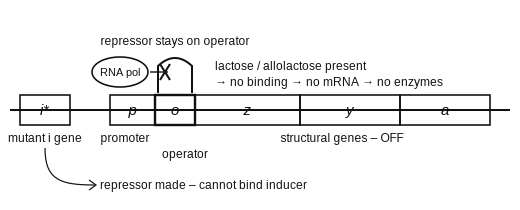
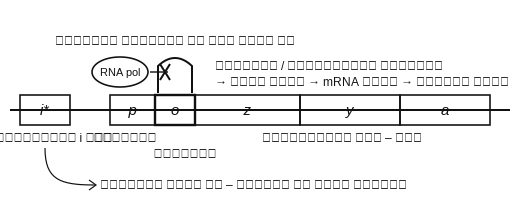
In an E. coli strain the i gene gets mutated and its product can not bind the inducer molecule. If the growth medium is provided with lactose, what will be the outcome?
E. coli के एक प्रभेद में i जीन उत्परिवर्तित हो जाता है और उसका उत्पाद प्रेरक (inducer) अणु से नहीं जुड़ पाता। यदि वृद्धि माध्यम में लैक्टोस दिया जाए, तो परिणाम क्या होगा?
  1. AOnly z gene will get transcribedकेवल z जीन का अनुलेखन होगा
  2. Bz, y, a genes will be transcribedz, y, a जीनों का अनुलेखन होगा
  3. Cz, y, a genes will not be translatedz, y, a जीनों का स्थानांतरण (translation) नहीं होगा
  4. DRNA polymerase will bind the promoter regionRNA पॉलिमरेज़ उन्नायक (promoter) क्षेत्र से जुड़ेगा
Show answer

Concept: In the lac operon, the i gene makes the repressor. Normally the inducer (allolactose from lactose) binds the repressor, inactivates it, frees the operator and allows transcription of z, y, a.

  1. Here the mutant repressor cannot bind the inducer, so even with lactose present it stays bound to the operator.
  2. The bound repressor blocks RNA polymerase from transcribing the operon → no polycistronic mRNA for z, y, a.
  3. No mRNA ⇒ no translation: β-galactosidase, permease and transacetylase are not made – option (C).
  4. (A) and (B) need the operator to be free – not possible. (D) is not the outcome asked – the operon stays switched off (non-inducible) whatever lactose is added.

Short trick: Repressor that cannot "feel" the inducer = super-repressor → operon permanently OFF → no mRNA, no protein.

Answer: (C) z, y, a genes will not be translated

अवधारणा: लैक ओपेरॉन में i जीन दमनकारी (repressor) बनाता है। सामान्यतः प्रेरक (लैक्टोस से बना एलोलैक्टोस) दमनकारी से जुड़कर उसे निष्क्रिय करता है, प्रचालक (operator) मुक्त होता है और z, y, a का अनुलेखन होता है।

  1. यहाँ उत्परिवर्ती दमनकारी प्रेरक से नहीं जुड़ पाता, अतः लैक्टोस होने पर भी वह प्रचालक से जुड़ा रहता है।
  2. जुड़ा हुआ दमनकारी RNA पॉलिमरेज़ को ओपेरॉन का अनुलेखन करने से रोकता है → z, y, a का बहुसिस्ट्रोनी mRNA नहीं बनता।
  3. mRNA नहीं ⇒ स्थानांतरण नहीं: β-गैलेक्टोसाइडेज़, परमिएज़ और ट्रांसएसिटिलेज़ नहीं बनते – विकल्प (C)।
  4. (A) और (B) के लिए प्रचालक मुक्त होना चाहिए – संभव नहीं। (D) पूछा गया परिणाम नहीं है – लैक्टोस देने पर भी ओपेरॉन बंद (अप्रेरणीय) ही रहता है।

शॉर्ट ट्रिक: जो दमनकारी प्रेरक को "महसूस" न करे = सुपर-दमनकारी → ओपेरॉन स्थायी रूप से बंद → न mRNA, न प्रोटीन।

उत्तर: (C) z, y, a जीनों का स्थानांतरण नहीं होगा

NEET UGZoologyMolecular basis of inheritance – lac operonNEET UG 2022 · 17 Jul Shift 1 →
Q4537.
If the length of a DNA molecule is 1.1 metres, what will be the approximate number of base pairs?
यदि एक DNA अणु की लंबाई 1.1 मीटर है, तो क्षारक युग्मों (base pairs) की अनुमानित संख्या कितनी होगी?
  1. A3.3×109 bp
  2. B6.6×109 bp
  3. C3.3×106 bp
  4. D6.6×106 bp
Show answer

Concept: In B-DNA the distance between two consecutive base pairs is 0.34 nm = 0.34×10⁻⁹ m.

  1. Number of bp = length ÷ distance per bp.
  2. =1.1 m0.34×10−9 m=3.24×10⁹ bp.
  3. ≈ 3.3×10⁹ bp (this is the human haploid genome; total length 2.2 m corresponds to 6.6×10⁹ bp).

Short trick: NCERT pair to remember: 6.6×10⁹ bp ↔ 2.2 m. Half the length ⇒ half the bp = 3.3×10⁹.

Answer: (A) 3.3×10⁹ bp

अवधारणा: B-DNA में दो क्रमागत क्षारक युग्मों के बीच की दूरी 0.34 nm = 0.34×10⁻⁹ m होती है।

  1. क्षारक युग्मों की संख्या = लंबाई ÷ प्रति bp दूरी।
  2. =1.1 m0.34×10−9 m=3.24×10⁹ bp।
  3. ≈ 3.3×10⁹ bp (यह मानव अगुणित जीनोम है; कुल लंबाई 2.2 m, 6.6×10⁹ bp के संगत है)।

शॉर्ट ट्रिक: NCERT जोड़ी याद रखें: 6.6×10⁹ bp ↔ 2.2 m। आधी लंबाई ⇒ आधे bp = 3.3×10⁹।

उत्तर: (A) 3.3×10⁹ bp

NEET UGZoologyMolecular basis of inheritance – DNA packagingNEET UG 2022 · 17 Jul Shift 1 →
Q4538.
Which of the following statements are true for spermatogenesis but do not hold true for Oogenesis?
(a) It results in the formation of haploid gametes
(b) Differentiation of gamete occurs after the completion of meiosis
(c) Meiosis occurs continuously in a mitotically dividing stem cell population
(d) It is controlled by the Luteinizing hormone (LH) and Follicle Stimulating Hormone (FSH) secreted by the anterior pituitary
(e) It is initiated at puberty
Choose the most appropriate answer from the options given below:
निम्नलिखित में से कौन-से कथन शुक्राणुजनन के लिए सत्य हैं परंतु अंडजनन के लिए सत्य नहीं हैं?
(a) इससे अगुणित युग्मकों का निर्माण होता है
(b) युग्मक का विभेदन अर्धसूत्री विभाजन पूर्ण होने के बाद होता है
(c) समसूत्री रूप से विभाजित हो रही स्टेम कोशिका समष्टि में अर्धसूत्री विभाजन निरंतर होता है
(d) यह अग्र पीयूष ग्रंथि से स्रावित ल्यूटिनाइज़िंग हॉर्मोन (LH) और पुटिका उद्दीपक हॉर्मोन (FSH) द्वारा नियंत्रित होता है
(e) यह यौवनारंभ (puberty) पर प्रारंभ होता है
नीचे दिए गए विकल्पों में से सबसे उपयुक्त उत्तर चुनिए:
  1. A(c) and (e) onlyकेवल (c) और (e)
  2. B(b) and (c) onlyकेवल (b) और (c)
  3. C(b), (d) and (e) onlyकेवल (b), (d) और (e)
  4. D(b), (c) and (e) onlyकेवल (b), (c) और (e)
Show answer

Concept: Spermatogenesis starts at puberty, runs continuously from a self-renewing pool of spermatogonia, and spermatids differentiate into sperms only after meiosis is over. Oogenesis starts in the foetus, is arrested at prophase-I and metaphase-II, and meiosis-II is completed only after a sperm enters the ovum.

  1. (a) Common to both – both processes give haploid gametes. ✘
  2. (b) True only for spermatogenesis ✔ – spermatids (products of completed meiosis) are transformed into sperms (spermiogenesis). The secondary oocyte, by contrast, is already a fully differentiated gamete that is ovulated and fertilised while still in meiosis-II; its meiosis finishes only after sperm entry.
  3. (c) True only for spermatogenesis ✔ – spermatogonia keep dividing mitotically throughout adult life and keep feeding meiosis; oogonia stop multiplying before birth and meiosis is discontinuous.
  4. (d) Common to both – LH and FSH from the anterior pituitary regulate both the testis and the ovary. ✘
  5. (e) True only for spermatogenesis ✔ – oogenesis is initiated during embryonic development, not at puberty.
  6. So the set is (b), (c), (e). (A) misses (b); (B) misses (e); (C) wrongly includes (d) and misses (c).

Short trick: Strike out what is common to both sexes – "haploid gametes" (a) and "LH/FSH control" (d). Everything left (b, c, e) is male-only.

Answer: (D) (b), (c) and (e) only

अवधारणा: शुक्राणुजनन यौवनारंभ पर शुरू होता है, स्वयं-नवीकृत शुक्राणुजन (spermatogonia) की समष्टि से लगातार चलता है, और शुक्राणुप्रसू (spermatids) अर्धसूत्री विभाजन पूर्ण होने के बाद ही शुक्राणुओं में विभेदित होते हैं। अंडजनन भ्रूण में शुरू होता है, प्रोफ़ेज़-I और मेटाफ़ेज़-II पर रुकता है, और अर्धसूत्री-II शुक्राणु के अंड में प्रवेश के बाद ही पूर्ण होता है।

  1. (a) दोनों में समान – दोनों प्रक्रियाओं से अगुणित युग्मक बनते हैं। ✘
  2. (b) केवल शुक्राणुजनन में सत्य ✔ – शुक्राणुप्रसू (पूर्ण अर्धसूत्री विभाजन के उत्पाद) शुक्राणुओं में रूपांतरित होते हैं (spermiogenesis)। इसके विपरीत, द्वितीयक अंडक (secondary oocyte) पहले से ही पूर्ण विभेदित युग्मक है, जो अर्धसूत्री-II में रहते हुए ही अंडोत्सर्जित और निषेचित होता है; उसका अर्धसूत्री विभाजन शुक्राणु प्रवेश के बाद ही पूरा होता है।
  3. (c) केवल शुक्राणुजनन में सत्य ✔ – शुक्राणुजन पूरे वयस्क जीवन में समसूत्री विभाजन करते रहते हैं और अर्धसूत्री विभाजन को निरंतर कोशिकाएँ देते रहते हैं; अंडजन (oogonia) जन्म से पहले ही गुणन बंद कर देते हैं और अर्धसूत्री विभाजन असतत होता है।
  4. (d) दोनों में समान – अग्र पीयूष ग्रंथि के LH और FSH वृषण और अंडाशय दोनों का नियमन करते हैं। ✘
  5. (e) केवल शुक्राणुजनन में सत्य ✔ – अंडजनन भ्रूणीय परिवर्धन के दौरान प्रारंभ होता है, यौवनारंभ पर नहीं।
  6. अतः सही समूह (b), (c), (e) है। (A) में (b) छूट गया है; (B) में (e) छूट गया है; (C) में (d) गलत जोड़ा गया है और (c) छूट गया है।

शॉर्ट ट्रिक: जो दोनों लिंगों में समान है उसे काट दीजिए – "अगुणित युग्मक" (a) और "LH/FSH नियंत्रण" (d)। जो बचा (b, c, e) वह केवल नर में है।

उत्तर: (D) केवल (b), (c) और (e)

NEET UGZoologyHuman reproduction – gametogenesisNEET UG 2022 · 17 Jul Shift 1 →
Q4539.
Which of the following is present between the adjacent bones of the vertebral column?
कशेरुक दंड की आसन्न अस्थियों के बीच निम्नलिखित में से क्या उपस्थित होता है?
  1. AIntercalated discsअंतर्विष्ट डिस्क (Intercalated discs)
  2. BCartilageउपास्थि (Cartilage)
  3. CAreolar tissueएरियोलर ऊतक (Areolar tissue)
  4. DSmooth muscleचिकनी पेशी (Smooth muscle)
Show answer

Concept: NCERT: cartilage is present between adjacent bones of the vertebral column (intervertebral discs of fibrocartilage), and in limbs and hands of adults.

  1. Intercalated discs – junctions between cardiac muscle cells, not between vertebrae.
  2. Areolar tissue – beneath the skin, around organs.
  3. Smooth muscle – walls of visceral organs.
  4. The cartilaginous joints between vertebrae permit only limited movement.

Short trick: "Disc between vertebrae is cartilage; disc between heart cells is intercalated."

Answer: (B) Cartilage

अवधारणा: NCERT: कशेरुक दंड की आसन्न अस्थियों के बीच उपास्थि होती है (तंतुमय उपास्थि की अंतराकशेरुक डिस्क); यह वयस्कों के अंगों और हाथों में भी होती है।

  1. अंतर्विष्ट डिस्क – हृद् पेशी कोशिकाओं के बीच की संधियाँ, कशेरुकाओं के बीच नहीं।
  2. एरियोलर ऊतक – त्वचा के नीचे, अंगों के चारों ओर।
  3. चिकनी पेशी – आंतरांगों की भित्तियों में।
  4. कशेरुकाओं के बीच की उपास्थिल संधियाँ सीमित गति ही होने देती हैं।

शॉर्ट ट्रिक: "कशेरुकाओं के बीच की डिस्क = उपास्थि; हृदय कोशिकाओं के बीच की डिस्क = अंतर्विष्ट डिस्क।"

उत्तर: (B) उपास्थि (Cartilage)

NEET UGZoologyLocomotion and movement – skeletal systemNEET UG 2022 · 17 Jul Shift 1 →
Q4540.
Regarding Meiosis, which of the statement(s) is incorrect?
अर्धसूत्री विभाजन (Meiosis) के संबंध में कौन-सा/से कथन गलत है/हैं?
  1. AThere are two stages in Meiosis, Meiosis-I and IIअर्धसूत्री विभाजन में दो चरण होते हैं, अर्धसूत्री-I और II
  2. BDNA replication occurs in S phase of Meiosis-IIDNA प्रतिकृतियन अर्धसूत्री-II की S प्रावस्था में होता है
  3. CPairing of homologous chromosomes and recombination occurs in Meiosis-Iसमजात गुणसूत्रों का युग्मन और पुनर्योजन अर्धसूत्री-I में होता है
  4. DFour haploid cells are formed at the end of Meiosis-IIअर्धसूत्री-II के अंत में चार अगुणित कोशिकाएँ बनती हैं
Show answer

Concept: Meiosis = two sequential nuclear divisions (meiosis I and II) with only a single cycle of DNA replication, which occurs in the S phase of interphase before meiosis I.

  1. (A) Correct – meiosis I (reductional) and meiosis II (equational).
  2. (B) Incorrect – there is no S phase between meiosis I and II (interkinesis has no DNA replication).
  3. (C) Correct – synapsis (zygotene) and crossing over (pachytene) occur in prophase I.
  4. (D) Correct – meiosis II ends with four haploid cells.

Short trick: "One copy, two cuts": DNA copies once, nucleus divides twice → 4 haploid cells.

Answer: (B) DNA replication occurs in S phase of Meiosis-II

अवधारणा: अर्धसूत्री विभाजन = दो क्रमिक केंद्रकीय विभाजन (अर्धसूत्री I और II) परंतु DNA प्रतिकृतियन केवल एक बार, जो अर्धसूत्री I से पहले अंतरावस्था की S प्रावस्था में होता है।

  1. (A) सही – अर्धसूत्री I (न्यूनकारी) और अर्धसूत्री II (समसूत्री जैसा)।
  2. (B) गलत – अर्धसूत्री I और II के बीच कोई S प्रावस्था नहीं होती (अंतरालावस्था/interkinesis में DNA प्रतिकृतियन नहीं होता)।
  3. (C) सही – सूत्रयुग्मन (युग्मपट्ट) और जीन विनिमय (स्थूलपट्ट) प्रोफ़ेज़ I में होते हैं।
  4. (D) सही – अर्धसूत्री II के अंत में चार अगुणित कोशिकाएँ बनती हैं।

शॉर्ट ट्रिक: "एक प्रति, दो कट": DNA एक बार प्रतिकृत, केंद्रक दो बार विभाजित → 4 अगुणित कोशिकाएँ।

उत्तर: (B) DNA प्रतिकृतियन अर्धसूत्री-II की S प्रावस्था में होता है

NEET UGZoologyCell cycle and cell division – meiosisNEET UG 2022 · 17 Jul Shift 1 →