Question bank

Q&A: practice questions with answers

Search questions on any topic. Filter by exam category, exam, subject and topic, try the question, then open the answer and explanation.

Courses – airGurukul

53,050 questions in the question bank.

Q11941.
If ‘A’ stands for ‘÷’, ‘B’ stands for ‘×’, ‘C’ stands for ‘+’ and ‘D’ stands for ‘−’, what will come in place of the question mark (?) in the following equation?
8 D 46 A 46 B 40 C 47 = ?
यदि ‘A’ का अर्थ ‘÷’, ‘B’ का अर्थ ‘×’, ‘C’ का अर्थ ‘+’ और ‘D’ का अर्थ ‘−’ है, तो निम्नलिखित समीकरण में प्रश्न चिह्न (?) के स्थान पर क्या आएगा?
8 D 46 A 46 B 40 C 47 = ?
  1. A16
  2. B17
  3. C13
  4. D15
Show answer

Concept: Substitute and apply BODMAS.

  1. 8 − 46 ÷ 46 × 40 + 47
  2. = 8 − 1 × 40 + 47 = 8 − 40 + 47 = 15

Short trick: 46 ÷ 46 = 1 → the middle term is just 40: 8 + 47 − 40 = 15.

Answer: (D) 15

अवधारणा: प्रतिस्थापित करें और BODMAS लागू करें।

  1. 8 − 46 ÷ 46 × 40 + 47
  2. = 8 − 40 + 47 = 15

शॉर्ट ट्रिक: 46 ÷ 46 = 1 → बीच का पद 40: 8 + 47 − 40 = 15.

उत्तर: (D) 15
RRB ALP CBT 1General Intelligence and ReasoningMathematical operations – symbol substitutionRRB ALP CBT 1 2025 · 11 Mar Shift 1 →
Q11942.
Read the given statement(s) and conclusions carefully. Assuming that the information given in the statements is true, even if it appears to be at variance with commonly known facts, decide which of the given conclusions logically follow(s) from the statement(s).
Statements:
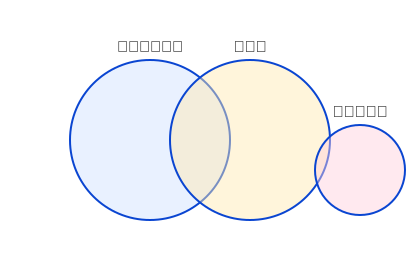
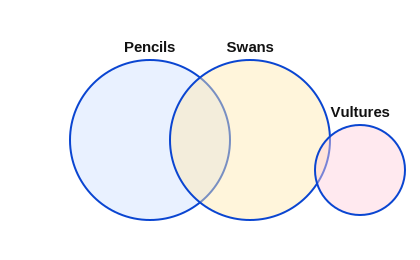
Some pencils are swans.
No vultures are pencils.
Conclusions:
(I) No vultures are swans.
(II) Some swans are not vultures.
दिए गए कथन/कथनों और निष्कर्षों को ध्यानपूर्वक पढ़ें। यह मानते हुए कि कथनों में दी गई जानकारी सत्य है, भले ही वह सामान्य रूप से ज्ञात तथ्यों से भिन्न प्रतीत होती हो, निर्णय लें कि दिए गए निष्कर्षों में से कौन-सा/कौन-से निष्कर्ष कथन/कथनों का तार्किक रूप से अनुसरण करता है/करते हैं।
कथन:
कुछ पेंसिलें, हंस हैं।
कोई गिद्ध, पेंसिल नहीं है।
निष्कर्ष:
(I) कोई गिद्ध, हंस नहीं है।
(II) कुछ हंस, गिद्ध नहीं हैं।
  1. AOnly conclusion (II) follows.केवल निष्कर्ष (II) अनुसरण करता है।
  2. BOnly conclusion (I) follows.केवल निष्कर्ष (I) अनुसरण करता है।
  3. CNeither conclusion (I) nor (II) follows.न तो निष्कर्ष (I) और न ही (II) अनुसरण करता है।
  4. DBoth conclusions (I) and (II) follow.दोनों निष्कर्ष (I) और (II) अनुसरण करते हैं।
Show answer

Concept: Some A are B + No C is A ⇒ Some B are not C.

  1. The swans that are pencils can never be vultures → 'Some swans are not vultures' ✔ (II).
  2. Vultures may still overlap with the other swans → 'No vultures are swans' is not certain ✘ (I).

Short trick: Rule: Some + No = 'Some not' (in the direction of the 'some' term).

Answer: (A) Only conclusion (II) follows.

अवधारणा: कुछ A, B हैं + कोई C, A नहीं ⇒ कुछ B, C नहीं हैं।

  1. जो हंस पेंसिल हैं वे कभी गिद्ध नहीं हो सकते → 'कुछ हंस गिद्ध नहीं हैं' ✔ (II).
  2. गिद्ध अन्य हंसों से मिल सकते हैं → 'कोई गिद्ध हंस नहीं' निश्चित नहीं ✘ (I).

शॉर्ट ट्रिक: नियम: कुछ + कोई नहीं = 'कुछ नहीं' ('कुछ' वाले पद की दिशा में)।

उत्तर: (A) केवल निष्कर्ष (II) अनुसरण करता है।

RRB ALP CBT 1General Intelligence and ReasoningSyllogismRRB ALP CBT 1 2025 · 11 Mar Shift 1 →
Q11943.
Refer to the following letter series and answer the question that follows. Counting to be done from left to right only.
(Left) S W L V F E D N M B H I O P L M J U H B N V F R T Y G B V C D E W (Right)
How many letters are there in the English alphabetical series between the letter which is third from right end and the letter that is third from left end?
निम्नलिखित अक्षर श्रृंखला को देखें और नीचे दिए गए प्रश्न का उत्तर दें। गिनती केवल बाएँ से दाएँ की जानी है।
(बाएँ) S W L V F E D N M B H I O P L M J U H B N V F R T Y G B V C D E W (दाएँ)
अंग्रेज़ी वर्णमाला श्रृंखला में दाएँ छोर से तीसरे अक्षर और बाएँ छोर से तीसरे अक्षर के बीच कितने अक्षर हैं?
  1. A7
  2. B4
  3. C6
  4. D9
Show answer

Concept: Locate both letters, then count letters between them in A–Z.

  1. Third from the left end: S, W, L → L.
  2. Third from the right end: W, E, D → D.
  3. Between D (4) and L (12): 12 − 4 − 1 = 7 letters (E, F, G, H, I, J, K).

Short trick: Letters between positions p and q = |p − q| − 1.

Answer: (A) 7

अवधारणा: दोनों अक्षर खोजें, फिर A–Z में उनके बीच के अक्षर गिनें।

  1. बाएँ छोर से तीसरा: S, W, L → L.
  2. दाएँ छोर से तीसरा: W, E, D → D.
  3. D (4) और L (12) के बीच: 12 − 4 − 1 = 7 अक्षर (E, F, G, H, I, J, K)।

शॉर्ट ट्रिक: स्थान p और q के बीच अक्षर = |p − q| − 1.

उत्तर: (A) 7

RRB ALP CBT 1General Intelligence and ReasoningLetter series – positionRRB ALP CBT 1 2025 · 11 Mar Shift 1 →
Q11944.
Based on the English alphabetical order, three of the following four letter-clusters are alike in a certain way and thus form a group. Which letter-cluster DOES NOT belong to that group? (Note: The odd one out is not based on the number of consonants/vowels or their position in the letter-cluster.)
अंग्रेज़ी वर्णमाला क्रम के आधार पर, निम्नलिखित चार अक्षर-समूहों में से तीन किसी निश्चित प्रकार से एकसमान हैं और इस प्रकार एक समूह बनाते हैं। कौन-सा अक्षर-समूह उस समूह से संबंधित नहीं है? (नोट: असंगत अक्षर-समूह, उस अक्षर-समूह में व्यंजनों/स्वरों की संख्या या उनके स्थान पर आधारित नहीं है।)
  1. ATYX
  2. BOTS
  3. CFHJ
  4. DCHG
Show answer

Concept: Find the gap pattern within each cluster.

  1. TYX: +5, −1. OTS: +5, −1. CHG: +5, −1.
  2. FHJ: +2, +2 → odd.

Short trick: Only FHJ is in increasing order; the other three go up then step back.

Answer: (C) FHJ

अवधारणा: प्रत्येक समूह के भीतर अंतर का पैटर्न देखें।

  1. TYX: +5, −1. OTS: +5, −1. CHG: +5, −1.
  2. FHJ: +2, +2 → असंगत।

शॉर्ट ट्रिक: केवल FHJ बढ़ते क्रम में; बाकी तीन ऊपर जाकर एक कदम पीछे।

उत्तर: (C) FHJ

RRB ALP CBT 1General Intelligence and ReasoningOdd letter-clusterRRB ALP CBT 1 2025 · 11 Mar Shift 1 →
Q11945.
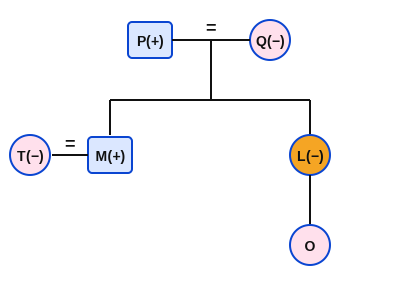
P and Q are married to each other. P is the father of M. M is the husband of T. Q is the mother of L. L is the mother of O. How is L related to M?
P और Q एक-दूसरे से विवाहित हैं। P, M का पिता है। M, T का पति है। Q, L की माता है। L, O की माता है। L का M से क्या संबंध है?
  1. AWifeपत्नी
  2. BSisterबहन
  3. CBrotherभाई
  4. DHusbandपति
Show answer

Concept: Build the family tree; use gender clues.

  1. P (father) and Q (mother) are a couple; M and L are both their children.
  2. M is a husband → male; L is a mother → female.
  3. So L is M's sister.

Short trick: Same parents + L is female → Sister.

Answer: (B) Sister

अवधारणा: वंश-वृक्ष बनाएँ; लिंग संकेतों का उपयोग करें।

  1. P (पिता) और Q (माता) दंपती; M और L दोनों उनकी संतान।
  2. M पति है → पुरुष; L माता है → महिला।
  3. अतः L, M की बहन है।

शॉर्ट ट्रिक: समान माता-पिता + L महिला → बहन।

उत्तर: (B) बहन

RRB ALP CBT 1General Intelligence and ReasoningBlood relationsRRB ALP CBT 1 2025 · 11 Mar Shift 1 →
Q11946.
In a certain code language, ‘DASH’ is coded as ‘8465’ and ‘HADE’ is coded as ‘5862’. What is the code for ‘E’ in the given code language?
एक निश्चित कूट भाषा में, ‘DASH’ को ‘8465’ और ‘HADE’ को ‘5862’ के रूप में कूटबद्ध किया जाता है। दी गई कूट भाषा में ‘E’ का कूट क्या है?
  1. A2
  2. B6
  3. C5
  4. D8
Show answer

Concept: Common letters share common digits (order may be jumbled).

  1. Common letters D, A, H ↔ common digits 8, 6, 5.
  2. DASH leftover: S ↔ 4; HADE leftover: E ↔ 2.

Short trick: The unique letter of a word gets the unique digit of its code.

Answer: (A) 2

अवधारणा: उभयनिष्ठ अक्षरों के कूट उभयनिष्ठ अंक (क्रम बदला हो सकता है)।

  1. उभयनिष्ठ अक्षर D, A, H ↔ उभयनिष्ठ अंक 8, 6, 5.
  2. DASH में बचा: S ↔ 4; HADE में बचा: E ↔ 2.

शॉर्ट ट्रिक: शब्द का अनोखा अक्षर उसके कूट का अनोखा अंक लेता है।

उत्तर: (A) 2

RRB ALP CBT 1General Intelligence and ReasoningCoding – common lettersRRB ALP CBT 1 2025 · 11 Mar Shift 1 →
Q11947.
Refer to the following letter, symbol series and answer the question.
(Left) R T % & V B M > < Y P L + A # ^ & ? A S P I % + E # A @ Q B T G & + % C ? (Right)
If all the symbols are dropped from the series, which of the following will be fifth from the right?
निम्नलिखित अक्षर, प्रतीक श्रृंखला को देखें और प्रश्न का उत्तर दें।
(बाएँ) R T % & V B M > < Y P L + A # ^ & ? A S P I % + E # A @ Q B T G & + % C ? (दाएँ)
यदि श्रृंखला से सभी प्रतीक हटा दिए जाएँ, तो निम्नलिखित में से कौन-सा दाएँ से पाँचवाँ होगा?
  1. AM
  2. BY
  3. CQ
  4. DB
Show answer

Concept: Drop all symbols and count from the right.

  1. Letters from the right end: C (1), G (2), T (3), B (4), Q (5).
  2. Fifth from the right = Q.

Short trick: Only the right end matters — rewrite just the last few letters.

Answer: (C) Q

अवधारणा: सभी प्रतीक हटाकर दाएँ से गिनें।

  1. दाएँ छोर से अक्षर: C (1), G (2), T (3), B (4), Q (5).
  2. दाएँ से पाँचवाँ = Q.

शॉर्ट ट्रिक: केवल दायाँ छोर देखें — अंतिम कुछ अक्षर ही लिखें।

उत्तर: (C) Q

RRB ALP CBT 1General Intelligence and ReasoningLetter–symbol seriesRRB ALP CBT 1 2025 · 11 Mar Shift 1 →
Q11948.
Each vowel in the word CERTAIN is changed to the letter immediately following it in the English alphabetical order and each consonant is changed to the letter immediately preceding it in the English alphabetical order. Which of the following letters will appear exactly twice in the group of letters thus formed?
शब्द CERTAIN में प्रत्येक स्वर को अंग्रेज़ी वर्णमाला क्रम में उसके ठीक बाद वाले अक्षर में बदल दिया जाता है और प्रत्येक व्यंजन को अंग्रेज़ी वर्णमाला क्रम में उसके ठीक पहले वाले अक्षर में बदल दिया जाता है। इस प्रकार बने अक्षरों के समूह में निम्नलिखित में से कौन-सा अक्षर ठीक दो बार आएगा?
  1. AS
  2. BQ
  3. CJ
  4. DB
Show answer

Concept: Vowel → next letter, consonant → previous letter.

  1. C→B, E→F, R→Q, T→S, A→B, I→J, N→M.
  2. New group: B F Q S B J M → B appears twice.

Short trick: B can come from A (vowel +1) and from C (consonant −1) — CERTAIN has both.

Answer: (D) B

अवधारणा: स्वर → अगला अक्षर, व्यंजन → पिछला अक्षर।

  1. C→B, E→F, R→Q, T→S, A→B, I→J, N→M.
  2. नया समूह: B F Q S B J M → B दो बार।

शॉर्ट ट्रिक: B, A (स्वर +1) और C (व्यंजन −1) दोनों से बनता है — CERTAIN में दोनों हैं।

उत्तर: (D) B

RRB ALP CBT 1General Intelligence and ReasoningLetter transformationRRB ALP CBT 1 2025 · 11 Mar Shift 1 →
Q11949.
Each of G, H, I, J, K, L and M has an exam on a different day of a week starting from Monday and ending on Sunday of the same week. L has an exam on Saturday. Only two persons have exam between G and L. Only one person has exam between G and I but I's exam is not on the first day. Only two persons have exams between J and I. K has exam immediately before J. H's exam is not on the last day. On which day does H have the exam?
G, H, I, J, K, L और M में से प्रत्येक की परीक्षा एक ही सप्ताह के सोमवार से शुरू होकर रविवार को समाप्त होने वाले सप्ताह के अलग-अलग दिन है। L की परीक्षा शनिवार को है। G और L के बीच केवल दो व्यक्तियों की परीक्षा है। G और I के बीच केवल एक व्यक्ति की परीक्षा है लेकिन I की परीक्षा पहले दिन नहीं है। J और I के बीच केवल दो व्यक्तियों की परीक्षाएँ हैं। K की परीक्षा J से ठीक पहले है। H की परीक्षा अंतिम दिन नहीं है। H की परीक्षा किस दिन है?
  1. AThursdayगुरुवार
  2. BMondayसोमवार
  3. CSundayरविवार
  4. DTuesdayमंगलवार
Show answer

Concept: Fix the definite days and work outward.

  1. L = Saturday; two between G and L → G = Wednesday.
  2. One between G and I, I not Monday → I = Friday.
  3. Two between J and I → J = Tuesday; K just before J → K = Monday.
  4. Thursday and Sunday remain for H and M; H not on the last day → H = Thursday.

Short trick: Use a 7-slot strip Mon–Sun and fill L, G, I, J, K in one pass.

Answer: (A) Thursday

अवधारणा: निश्चित दिन तय करके आगे बढ़ें।

  1. L = शनिवार; G और L के बीच दो → G = बुधवार।
  2. G और I के बीच एक, I सोमवार नहीं → I = शुक्रवार।
  3. J और I के बीच दो → J = मंगलवार; K, J से ठीक पहले → K = सोमवार।
  4. गुरुवार और रविवार H, M के लिए; H अंतिम दिन नहीं → H = गुरुवार।

शॉर्ट ट्रिक: सोम–रवि के 7 खाने बनाकर एक बार में L, G, I, J, K भरें।

उत्तर: (A) गुरुवार

RRB ALP CBT 1General Intelligence and ReasoningDay-based schedulingRRB ALP CBT 1 2025 · 11 Mar Shift 1 →
Q11950.
What should come in place of ? in the given series?
31 32 34 38 46 ?
दी गई श्रृंखला में ? के स्थान पर क्या आना चाहिए?
31 32 34 38 46 ?
  1. A62
  2. B63
  3. C61
  4. D64
Show answer

Concept: Differences are powers of 2.

  1. Differences: 1, 2, 4, 8 → next 16.
  2. 46 + 16 = 62.

Short trick: Each difference doubles: 8 × 2 = 16.

Answer: (A) 62

अवधारणा: अंतर 2 की घातें हैं।

  1. अंतर: 1, 2, 4, 8 → अगला 16.
  2. 46 + 16 = 62.

शॉर्ट ट्रिक: हर अंतर दोगुना: 8 × 2 = 16.

उत्तर: (A) 62

RRB ALP CBT 1General Intelligence and ReasoningNumber series – doubling differencesRRB ALP CBT 1 2025 · 11 Mar Shift 1 →
Q11951.
The refractive index of water is 1.33. What does this value mean?
जल का अपवर्तनांक 1.33 है। इस मान का क्या अर्थ है?
  1. ALight travels 1.33 times faster in water than in air.प्रकाश वायु की तुलना में जल में 1.33 गुना तेज़ चलता है।
  2. BThe speed of light in air is 1.33 times the speed of light in water.वायु में प्रकाश की चाल, जल में प्रकाश की चाल की 1.33 गुना है।
  3. CLight travels 1.33 times slower in air than in water.प्रकाश जल की तुलना में वायु में 1.33 गुना धीमा चलता है।
  4. DThe speed of light in water and air is the same.जल और वायु में प्रकाश की चाल समान है।
Show answer

Concept: Refractive index of a medium n = c (speed in air/vacuum) ÷ v (speed in the medium).

  1. n=cv=1.33 ⇒ c=1.33v.
  2. So light in air is 1.33 times faster than in water; light slows down in water.

Short trick: Memory hook: 'n = c by v' — bigger n, slower light (denser medium).

Answer: (B) The speed of light in air is 1.33 times the speed of light in water.

अवधारणा: किसी माध्यम का अपवर्तनांक n = c (वायु/निर्वात में चाल) ÷ v (माध्यम में चाल)।

  1. n=cv=1.33 ⇒ c=1.33v.
  2. अतः वायु में प्रकाश की चाल जल से 1.33 गुना है; जल में प्रकाश धीमा हो जाता है।

शॉर्ट ट्रिक: याद रखें: 'n = c बटा v' — n जितना बड़ा, प्रकाश उतना धीमा (सघन माध्यम)।

उत्तर: (B) वायु में प्रकाश की चाल, जल में प्रकाश की चाल की 1.33 गुना है।

RRB ALP CBT 1General ScienceRefractive indexRRB ALP CBT 1 2025 · 11 Mar Shift 1 →
Q11952.
In carbon dioxide (CO₂), 12 g of carbon (C) combines with 32 g of oxygen (O). If 36 g of carbon is used, how much oxygen will combine according to the law of constant proportions?
कार्बन डाइऑक्साइड (CO₂) में, 12 g कार्बन (C), 32 g ऑक्सीजन (O) के साथ संयोग करता है। यदि 36 g कार्बन का उपयोग किया जाए, तो स्थिर अनुपात के नियम के अनुसार कितनी ऑक्सीजन संयोग करेगी?
  1. A96 g
  2. B64 g
  3. C48 g
  4. D72 g
Show answer

Concept: A compound always contains its elements in a fixed ratio by mass (C : O = 12 : 32 = 3 : 8 in CO₂).

  1. 36 g C = 3 × 12 g.
  2. Oxygen = 3 × 32 = 96 g.

Short trick: Carbon tripled → oxygen tripled. (Law given by Proust.)

Answer: (A) 96 g

अवधारणा: एक यौगिक में तत्व सदैव द्रव्यमान के निश्चित अनुपात में होते हैं (CO₂ में C : O = 12 : 32 = 3 : 8)।

  1. 36 g C = 3 × 12 g.
  2. ऑक्सीजन = 3 × 32 = 96 g.

शॉर्ट ट्रिक: कार्बन तिगुना → ऑक्सीजन तिगुनी। (नियम: प्राउस्ट)

उत्तर: (A) 96 g

RRB ALP CBT 1General ScienceLaw of constant proportionsRRB ALP CBT 1 2025 · 11 Mar Shift 1 →
Q11953.
In traditional grain storage, farmers often mix grains with neem leaves to prevent:
पारंपरिक अनाज भंडारण में, किसान अक्सर अनाज के साथ नीम की पत्तियाँ मिलाते हैं ताकि रोका जा सके:
  1. AMoisture absorptionनमी अवशोषण
  2. BGerminationअंकुरण
  3. CLoss of nutrientsपोषक तत्वों की हानि
  4. DInsect infestationकीट संक्रमण
Show answer

Concept: Dried neem leaves act as a natural insect repellent in stored grain.

  1. Neem contains azadirachtin, which repels and disrupts the growth of storage pests (weevils, beetles, moths).
  2. It is a cheap, chemical-free method used at home and on farms.

Short trick: Hook: Neem = natural pesticide (azadirachtin).

Answer: (D) Insect infestation

अवधारणा: सूखी नीम की पत्तियाँ भंडारित अनाज में प्राकृतिक कीट-विकर्षक का काम करती हैं।

  1. नीम में एज़ाडिरैक्टिन होता है, जो भंडारण कीटों (घुन, भृंग, पतंगे) को दूर रखता है और उनकी वृद्धि रोकता है।
  2. यह सस्ती और रसायन-रहित विधि है।

शॉर्ट ट्रिक: याद रखें: नीम = प्राकृतिक कीटनाशक (एज़ाडिरैक्टिन)।

उत्तर: (D) कीट संक्रमण

RRB ALP CBT 1General ScienceStorage of food grainsRRB ALP CBT 1 2025 · 11 Mar Shift 1 →
Q11954.
Digestion of food by means of gastric glands and hydrochloric acid takes place in which part of the body?
गैस्ट्रिक ग्रंथियों और हाइड्रोक्लोरिक अम्ल द्वारा भोजन का पाचन शरीर के किस भाग में होता है?
  1. ALarge intestineबड़ी आंत
  2. BStomachआमाशय
  3. CSmall intestineछोटी आंत
  4. DPancreasअग्न्याशय
Show answer

Concept: Gastric glands in the stomach wall secrete HCl, pepsin and mucus.

  1. HCl makes the medium acidic and kills germs; it activates pepsin for protein digestion.
  2. Mucus protects the stomach lining from the acid.

Short trick: 'Gastric' = stomach (Greek gaster).

Answer: (B) Stomach

अवधारणा: आमाशय की भित्ति की जठर ग्रंथियाँ HCl, पेप्सिन और श्लेष्मा स्रावित करती हैं।

  1. HCl माध्यम को अम्लीय बनाता है, कीटाणु मारता है और प्रोटीन पाचन हेतु पेप्सिन को सक्रिय करता है।
  2. श्लेष्मा अम्ल से आमाशय की परत की रक्षा करता है।

शॉर्ट ट्रिक: 'गैस्ट्रिक' = आमाशय (यूनानी gaster)।

उत्तर: (B) आमाशय

RRB ALP CBT 1General ScienceHuman digestive systemRRB ALP CBT 1 2025 · 11 Mar Shift 1 →
Q11955.
Which of the following is NOT an example of a single cell that constitutes a complete organism?
निम्नलिखित में से कौन-सा एकल कोशिका का उदाहरण नहीं है जो एक पूर्ण जीव का निर्माण करती है?
  1. AAmoebaअमीबा
  2. BChlamydomonasक्लैमाइडोमोनास
  3. CParamoeciumपैरामीशियम
  4. DCycasसाइकस
Show answer

Concept: Unicellular organisms: a single cell performs all life functions.

  1. Amoeba, Paramoecium (protozoa) and Chlamydomonas (green alga) are unicellular.
  2. Cycas is a multicellular gymnosperm plant (a 'living fossil').

Short trick: Hook: Cycas = a tree-like plant you can see — never one cell.

Answer: (D) Cycas

अवधारणा: एककोशिकीय जीव: एक ही कोशिका सभी जीवन क्रियाएँ करती है।

  1. अमीबा, पैरामीशियम (प्रोटोज़ोआ) और क्लैमाइडोमोनास (हरा शैवाल) एककोशिकीय हैं।
  2. साइकस एक बहुकोशिकीय अनावृतबीजी पौधा ('जीवित जीवाश्म') है।

शॉर्ट ट्रिक: याद रखें: साइकस = दिखने वाला पेड़ जैसा पौधा — कभी एक कोशिका नहीं।

उत्तर: (D) साइकस

RRB ALP CBT 1General ScienceUnicellular organismsRRB ALP CBT 1 2025 · 11 Mar Shift 1 →
Q11956.
What is the region around a magnet called, where the force of the magnet can be detected?
चुंबक के चारों ओर का वह क्षेत्र क्या कहलाता है, जहाँ चुंबक के बल का पता लगाया जा सकता है?
  1. AMagnetic lineचुंबकीय रेखा
  2. BMagnetic fieldचुंबकीय क्षेत्र
  3. CMagnetic zoneचुंबकीय ज़ोन
  4. DMagnetic poleचुंबकीय ध्रुव
Show answer

Concept: The region around a magnet in which its force can be detected is its magnetic field.

  1. It is a vector quantity (magnitude + direction); SI unit tesla (T).
  2. Field lines go from N to S outside the magnet; they are closest near the poles (strongest field).

Short trick: 'Field' = region of influence (like gravitational field, electric field).

Answer: (B) Magnetic field

अवधारणा: चुंबक के चारों ओर का वह क्षेत्र जिसमें उसका बल अनुभव होता है, चुंबकीय क्षेत्र कहलाता है।

  1. यह सदिश राशि है (परिमाण + दिशा); SI मात्रक टेस्ला (T)।
  2. बाहर क्षेत्र रेखाएँ N से S की ओर; ध्रुवों के पास सबसे सघन (प्रबल क्षेत्र)।

शॉर्ट ट्रिक: 'क्षेत्र' = प्रभाव का स्थान (जैसे गुरुत्वीय क्षेत्र, विद्युत क्षेत्र)।

उत्तर: (B) चुंबकीय क्षेत्र

RRB ALP CBT 1General ScienceMagnetic fieldRRB ALP CBT 1 2025 · 11 Mar Shift 1 →
Q11957.
According to the Cartesian sign convention, the object distance (u) is taken as:
कार्तीय चिह्न परिपाटी के अनुसार, बिंब दूरी (u) को लिया जाता है:
  1. APositive when the object is realधनात्मक जब बिंब वास्तविक हो
  2. BPositive for all types of objectsसभी प्रकार के बिंबों के लिए धनात्मक
  3. CNegative when the object is realऋणात्मक जब बिंब वास्तविक हो
  4. DZero for all mirrorsसभी दर्पणों के लिए शून्य
Show answer

Concept: All distances are measured from the pole/optical centre; distances in the direction of incident light are +, opposite are −.

  1. The object is placed to the left, and light travels left → right.
  2. So the object distance (u) of a real object is measured against the incident light → negative.

Short trick: Hook: 'u is always negative' for a real object in front of a mirror or lens.

Answer: (C) Negative when the object is real

अवधारणा: सभी दूरियाँ ध्रुव/प्रकाशिक केंद्र से; आपतित प्रकाश की दिशा में +, विपरीत दिशा में −।

  1. बिंब बाईं ओर रखा जाता है और प्रकाश बाएँ → दाएँ चलता है।
  2. अतः वास्तविक बिंब की दूरी (u) आपतित प्रकाश के विपरीत → ऋणात्मक।

शॉर्ट ट्रिक: याद रखें: दर्पण/लेंस के सामने वास्तविक बिंब के लिए 'u सदैव ऋणात्मक'।

उत्तर: (C) ऋणात्मक जब बिंब वास्तविक हो

RRB ALP CBT 1General ScienceSign convention for mirrors and lensesRRB ALP CBT 1 2025 · 11 Mar Shift 1 →
Q11958.
How is the valency of an element determined when the outermost shell is nearly full?
जब सबसे बाहरी कोश लगभग भरा हो, तो किसी तत्व की संयोजकता कैसे निर्धारित की जाती है?
  1. ABy the total number of neutrons in the nucleusनाभिक में न्यूट्रॉनों की कुल संख्या से
  2. BBy the total number of protons in the nucleusनाभिक में प्रोटॉनों की कुल संख्या से
  3. CBy the total mass of the atomपरमाणु के कुल द्रव्यमान से
  4. DBy the number of electrons needed to complete the octetअष्टक पूरा करने के लिए आवश्यक इलेक्ट्रॉनों की संख्या से
Show answer

Concept: Valency = combining capacity = electrons lost, gained or shared to complete the octet.

  1. If valence electrons are 1–3, valency = number of valence electrons.
  2. If the shell is nearly full (5–7), valency = 8 − valence electrons, e.g. Cl (7) → 1, O (6) → 2.

Short trick: Hook: 'Few → give, Many → take' — nearly full shells take electrons (8 − n).

Answer: (D) By the number of electrons needed to complete the octet

अवधारणा: संयोजकता = संयोजन क्षमता = अष्टक पूरा करने के लिए खोए, ग्रहण किए या साझा किए गए इलेक्ट्रॉन।

  1. संयोजी इलेक्ट्रॉन 1–3 हों, तो संयोजकता = संयोजी इलेक्ट्रॉन।
  2. कोश लगभग भरा (5–7), तो संयोजकता = 8 − संयोजी इलेक्ट्रॉन, जैसे Cl (7) → 1, O (6) → 2.

शॉर्ट ट्रिक: याद रखें: 'कम → दे दो, अधिक → ले लो' — लगभग भरा कोश (8 − n) इलेक्ट्रॉन लेता है।

उत्तर: (D) अष्टक पूरा करने के लिए आवश्यक इलेक्ट्रॉनों की संख्या से

RRB ALP CBT 1General ScienceValencyRRB ALP CBT 1 2025 · 11 Mar Shift 1 →
Q11959.
In 2025, which of the following institutions was designated as one of the Thematic Hubs (T-Hubs) under India's National Quantum Mission (NQM)?
2025 में, निम्नलिखित में से किस संस्थान को भारत के राष्ट्रीय क्वांटम मिशन (NQM) के अंतर्गत थीमैटिक हब (T-Hubs) में से एक के रूप में नामित किया गया?
  1. AIndian Statistical Institute (ISI), Kolkataभारतीय सांख्यिकी संस्थान (ISI), कोलकाता
  2. BIndian Institute of Science (IISc), Bengaluruभारतीय विज्ञान संस्थान (IISc), बेंगलुरु
  3. CNational Institute of Technology (NIT), Trichyराष्ट्रीय प्रौद्योगिकी संस्थान (NIT), तिरुचिरापल्ली
  4. DIndian Institute of Technology (IIT), Kanpurभारतीय प्रौद्योगिकी संस्थान (IIT), कानपुर
Show answer

Concept: Under the National Quantum Mission (approved 2023, ₹6003.65 crore, DST) four Thematic Hubs were set up.

  1. Quantum Computing – IISc Bengaluru.
  2. Quantum Communication – IIT Madras (with C-DOT).
  3. Quantum Sensing & Metrology – IIT Bombay.
  4. Quantum Materials & Devices – IIT Delhi.

Short trick: Hook: 'Bengaluru computes, Madras talks, Bombay senses, Delhi builds.'

Answer: (B) Indian Institute of Science (IISc), Bengaluru

अवधारणा: राष्ट्रीय क्वांटम मिशन (2023 में स्वीकृत, ₹6003.65 करोड़, DST) के अंतर्गत चार थीमैटिक हब बनाए गए।

  1. क्वांटम कंप्यूटिंग – IISc बेंगलुरु।
  2. क्वांटम संचार – IIT मद्रास (C-DOT के साथ)।
  3. क्वांटम सेंसिंग एवं मेट्रोलॉजी – IIT बॉम्बे।
  4. क्वांटम सामग्री एवं उपकरण – IIT दिल्ली।

शॉर्ट ट्रिक: याद रखें: 'बेंगलुरु गणना करे, मद्रास बात करे, बॉम्बे महसूस करे, दिल्ली बनाए।'

उत्तर: (B) भारतीय विज्ञान संस्थान (IISc), बेंगलुरु

RRB ALP CBT 1General AwarenessCurrent affairs – National Quantum MissionRRB ALP CBT 1 2025 · 11 Mar Shift 1 →
Q11960.
Which Article of the Indian Constitution directs the State to take steps to organize Village Panchayats?
भारतीय संविधान का कौन-सा अनुच्छेद राज्य को ग्राम पंचायतों को संगठित करने के लिए कदम उठाने का निर्देश देता है?
  1. AArticle 50अनुच्छेद 50
  2. BArticle 60अनुच्छेद 60
  3. CArticle 30अनुच्छेद 30
  4. DArticle 40अनुच्छेद 40
Show answer

Concept: Article 40 (Part IV, DPSP): the State shall organise village panchayats as units of self-government.

  1. Art. 50 – separation of judiciary from executive; Art. 60 – President's oath; Art. 30 – minorities' right to run educational institutions.
  2. Panchayats got constitutional status by the 73rd Amendment, 1992 (Part IX).

Short trick: Hook: 'Panch-ayat at 40' — 40 = village self-rule (Gandhian principle).

Answer: (D) Article 40

अवधारणा: अनुच्छेद 40 (भाग IV, नीति निदेशक तत्व): राज्य ग्राम पंचायतों को स्वशासन की इकाइयों के रूप में संगठित करेगा।

  1. अनु. 50 – न्यायपालिका का कार्यपालिका से पृथक्करण; अनु. 60 – राष्ट्रपति की शपथ; अनु. 30 – अल्पसंख्यकों के शैक्षणिक संस्थान।
  2. 73वें संशोधन, 1992 (भाग IX) से पंचायतों को संवैधानिक दर्जा मिला।

शॉर्ट ट्रिक: याद रखें: 'पंचायत – 40' — 40 = ग्राम स्वशासन (गांधीवादी सिद्धांत)।

उत्तर: (D) अनुच्छेद 40

RRB ALP CBT 1General AwarenessIndian Polity – Directive PrinciplesRRB ALP CBT 1 2025 · 11 Mar Shift 1 →