Question bank

Q&A: practice questions with answers

Search questions on any topic. Filter by exam category, exam, subject and topic, try the question, then open the answer and explanation.

Courses – airGurukul

53,050 questions in the question bank.

Q2481.
Given below are two statements:
Statement I: Ligaments are dense irregular tissue.
Statement II: Cartilage is dense regular tissue.
In the light of the above statements, choose the correct answer from the options given below:
नीचे दो कथन दिए गए हैं:
कथन I: स्नायु (ligaments) सघन अनियमित ऊतक हैं।
कथन II: उपास्थि (cartilage) सघन नियमित ऊतक है।
उपर्युक्त कथनों के आलोक में, नीचे दिए गए विकल्पों में से सही उत्तर चुनिए:
  1. ABoth Statements I and II are trueकथन I और II दोनों सत्य हैं
  2. BBoth statements I and II are falseकथन I और II दोनों असत्य हैं
  3. CStatement I is true but Statement II is falseकथन I सत्य है, परन्तु कथन II असत्य है
  4. DStatement I is false, but Statement II is trueकथन I असत्य है, परन्तु कथन II सत्य है
Show answer

Concept: Dense regular connective tissue: collagen fibres in parallel rows – tendons (muscle to bone) and ligaments (bone to bone). Dense irregular: fibres irregular – skin. Cartilage, bone and blood are specialised connective tissues.

  1. Statement I false – ligaments are dense regular tissue.
  2. Statement II false – cartilage is a specialised connective tissue, not dense regular.
  3. Both false.

Short trick: Tendon & Ligament = ‘regular rope’ (parallel fibres); Skin = irregular; Cartilage–Bone–Blood = specialised.

Answer: (B) Both statements I and II are false

अवधारणा: सघन नियमित संयोजी ऊतक: कोलेजन तंतु समांतर पंक्तियों में – कंडराएँ (tendons; पेशी से अस्थि) और स्नायु (ligaments; अस्थि से अस्थि)। सघन अनियमित: तंतु अनियमित – त्वचा। उपास्थि, अस्थि और रक्त विशिष्ट संयोजी ऊतक हैं।

  1. कथन I असत्य – स्नायु सघन नियमित ऊतक हैं।
  2. कथन II असत्य – उपास्थि एक विशिष्ट संयोजी ऊतक है, सघन नियमित नहीं।
  3. दोनों असत्य।

शॉर्ट ट्रिक: कंडरा व स्नायु = ‘नियमित रस्सी’ (समांतर तंतु); त्वचा = अनियमित; उपास्थि–अस्थि–रक्त = विशिष्ट।

उत्तर: (B) कथन I और II दोनों असत्य हैं
NEET UGZoologyAnimal tissues – connective tissueNEET UG 2023 · 7 May Shift 1 →
Q2482.
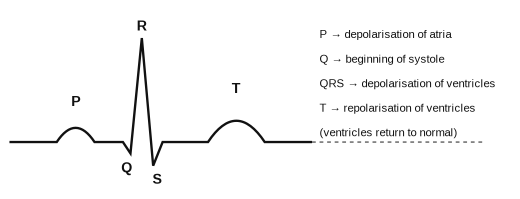
Match List I with List II:
List IList II
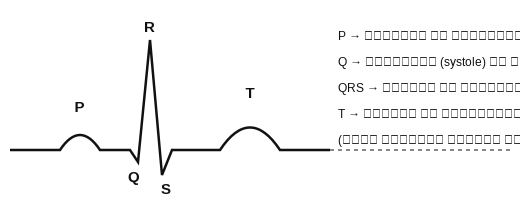
A. P-waveI. Beginning of systole
B. Q-waveII. Repolarisation of ventricles
C. QRS complexIII. Depolarisation of atria
D. T-waveIV. Depolarisation of ventricles
Choose the correct answer from the options given below:
सूची-I का सूची-II से मिलान कीजिए:
सूची-Iसूची-II
A. P-तरंगI. प्रकुंचन (systole) की शुरुआत
B. Q-तरंगII. निलयों का पुनर्ध्रुवण
C. QRS सम्मिश्रIII. अलिंदों का विध्रुवण
D. T-तरंगIV. निलयों का विध्रुवण
नीचे दिए गए विकल्पों में से सही उत्तर चुनिए:
  1. AA-III, B-I, C-IV, D-II
  2. BA-IV, B-III, C-II, D-I
  3. CA-II, B-IV, C-I, D-III
  4. DA-I, B-II, C-III, D-IV
Show answer

Concept: NCERT ECG: P-wave = excitation (depolarisation) of atria → atrial contraction; QRS = depolarisation of ventricles → ventricular contraction; Q marks the beginning of systole; T-wave = return of ventricles to normal (repolarisation), end of T marks end of systole.

  1. A. P-wave → depolarisation of atria (III).
  2. B. Q-wave → beginning of systole (I).
  3. C. QRS → depolarisation of ventricles (IV).
  4. D. T-wave → repolarisation of ventricles (II).

Short trick: Alphabet order follows the heart: P = atria first, QRS = ventricles next, T = ‘Turn back’ (repolarise).

Answer: (A) A-III, B-I, C-IV, D-II

अवधारणा: NCERT ECG: P-तरंग = अलिंदों का उत्तेजन (विध्रुवण) → अलिंद संकुचन; QRS = निलयों का विध्रुवण → निलय संकुचन; Q प्रकुंचन की शुरुआत दर्शाती है; T-तरंग = निलयों का सामान्य अवस्था में लौटना (पुनर्ध्रुवण), T का अंत प्रकुंचन का अंत।

  1. A. P-तरंग → अलिंदों का विध्रुवण (III)।
  2. B. Q-तरंग → प्रकुंचन की शुरुआत (I)।
  3. C. QRS → निलयों का विध्रुवण (IV)।
  4. D. T-तरंग → निलयों का पुनर्ध्रुवण (II)।

शॉर्ट ट्रिक: वर्णक्रम हृदय के क्रम में: P = पहले अलिंद, QRS = फिर निलय, T = ‘Turn back’ (पुनर्ध्रुवण)।

उत्तर: (A) A-III, B-I, C-IV, D-II

NEET UGZoologyBody fluids – ECGNEET UG 2023 · 7 May Shift 1 →
Q2483.
Match List I with List II:
List I
(Cells)
List II
(Secretion)
A. Peptic cellsI. Mucus
B. Goblet cellsII. Bile juice
C. Oxyntic cellsIII. Proenzyme pepsinogen
D. Hepatic cellsIV. HCl and intrinsic factor for absorption of vitamin B12
Choose the correct answer from the options given below:
सूची-I का सूची-II से मिलान कीजिए:
सूची-I
(कोशिकाएँ)
सूची-II
(स्राव)
A. पेप्टिक कोशिकाएँI. श्लेष्मा (mucus)
B. कलश कोशिकाएँ (Goblet cells)II. पित्त रस
C. ऑक्सिन्टिक कोशिकाएँIII. प्राक्-एंज़ाइम पेप्सिनोजन
D. यकृत कोशिकाएँIV. HCl तथा विटामिन B12 के अवशोषण हेतु नैज कारक (intrinsic factor)
नीचे दिए गए विकल्पों में से सही उत्तर चुनिए:
  1. AA-IV, B-III, C-II, D-I
  2. BA-II, B-I, C-III, D-IV
  3. CA-III, B-I, C-IV, D-II
  4. DA-II, B-IV, C-I, D-III
Show answer

Concept: Gastric glands have mucus neck cells, peptic/chief cells (pepsinogen) and parietal/oxyntic cells (HCl + Castle’s intrinsic factor). Goblet cells secrete mucus; hepatic cells secrete bile.

  1. A. Peptic (chief) cells → pepsinogen (III).
  2. B. Goblet cells → mucus (I).
  3. C. Oxyntic (parietal) cells → HCl + intrinsic factor (IV).
  4. D. Hepatic cells → bile (II).
  5. A-III, B-I, C-IV, D-II.

Short trick: ‘Peptic → Pepsinogen’, ‘Oxyntic → Oxy-acid (HCl)’, ‘Goblet → Gooey mucus’, ‘Hepatic → Bile’.

Answer: (C) A-III, B-I, C-IV, D-II

अवधारणा: जठर ग्रंथियों में श्लेष्मा ग्रीवा कोशिकाएँ, पेप्टिक/मुख्य कोशिकाएँ (पेप्सिनोजन) तथा भित्तीय/ऑक्सिन्टिक कोशिकाएँ (HCl + कैसल का नैज कारक) होती हैं। कलश कोशिकाएँ श्लेष्मा स्रावित करती हैं; यकृत कोशिकाएँ पित्त।

  1. A. पेप्टिक (मुख्य) कोशिकाएँ → पेप्सिनोजन (III)।
  2. B. कलश कोशिकाएँ → श्लेष्मा (I)।
  3. C. ऑक्सिन्टिक (भित्तीय) कोशिकाएँ → HCl + नैज कारक (IV)।
  4. D. यकृत कोशिकाएँ → पित्त (II)।
  5. A-III, B-I, C-IV, D-II।

शॉर्ट ट्रिक: ‘पेप्टिक → पेप्सिनोजन’, ‘ऑक्सिन्टिक → ऑक्सी-अम्ल (HCl)’, ‘गॉब्लेट → चिपचिपा श्लेष्मा’, ‘यकृत → पित्त’।

उत्तर: (C) A-III, B-I, C-IV, D-II

NEET UGZoologyDigestion – gastric and hepatic secretionsNEET UG 2023 · 7 May Shift 1 →
Q2484.
Match List I with List II:
List IList II
A. VasectomyI. Oral method
B. Coitus interruptusII. Barrier method
C. Cervical capsIII. Surgical method
D. SaheliIV. Natural method
Choose the correct answer from the options given below:
सूची-I का सूची-II से मिलान कीजिए:
सूची-Iसूची-II
A. शुक्रवाहक-उच्छेदन (Vasectomy)I. मुखीय विधि
B. बाह्य स्खलन (Coitus interruptus)II. रोध (बैरियर) विधि
C. गर्भाशय-ग्रीवा टोपी (Cervical caps)III. शल्य विधि
D. सहेलीIV. प्राकृतिक विधि
नीचे दिए गए विकल्पों में से सही उत्तर चुनिए:
  1. AA-III, B-I, C-IV, D-II
  2. BA-III, B-IV, C-II, D-I
  3. CA-II, B-III, C-I, D-IV
  4. DA-IV, B-II, C-I, D-III
Show answer

Concept: Contraceptive methods: natural (periodic abstinence, withdrawal, lactational amenorrhoea), barrier (condoms, diaphragms, cervical caps, vaults), IUDs, oral pills (Saheli – non-steroidal, once a week), injectables/implants, surgical (vasectomy, tubectomy).

  1. A. Vasectomy → surgical (III).
  2. B. Coitus interruptus (withdrawal) → natural (IV).
  3. C. Cervical caps → barrier (II).
  4. D. Saheli → oral pill (I).
  5. A-III, B-IV, C-II, D-I.

Short trick: ‘Saheli’ = weekly pill from CDRI Lucknow → oral; ‘caps/condoms/diaphragms’ = physical barrier.

Answer: (B) A-III, B-IV, C-II, D-I

अवधारणा: गर्भनिरोधक विधियाँ: प्राकृतिक (आवधिक संयम, बाह्य स्खलन, स्तनपान अनार्तव), रोध (कंडोम, डायाफ्राम, गर्भाशय-ग्रीवा टोपी, वॉल्ट), IUD, मुखीय गोलियाँ (सहेली – गैर-स्टीरॉइडी, सप्ताह में एक बार), इंजेक्शन/रोपण, शल्य (शुक्रवाहक-उच्छेदन, डिंबवाहिनी-उच्छेदन)।

  1. A. शुक्रवाहक-उच्छेदन → शल्य (III)।
  2. B. बाह्य स्खलन → प्राकृतिक (IV)।
  3. C. गर्भाशय-ग्रीवा टोपी → रोध (II)।
  4. D. सहेली → मुखीय गोली (I)।
  5. A-III, B-IV, C-II, D-I।

शॉर्ट ट्रिक: ‘सहेली’ = CDRI लखनऊ की साप्ताहिक गोली → मुखीय; ‘टोपी/कंडोम/डायाफ्राम’ = भौतिक रोध।

उत्तर: (B) A-III, B-IV, C-II, D-I

NEET UGZoologyReproductive health – contraceptive methodsNEET UG 2023 · 7 May Shift 1 →
Q2485.
Given below are two statements:
Statement I: Vas deferens receives a duct from seminal vesicle and opens into urethra as the ejaculatory duct.
Statement II: The cavity of the cervix is called cervical canal which along with vagina forms birth canal.
In the light of the above statements, choose the correct answer from the options given below:
नीचे दो कथन दिए गए हैं:
कथन I: शुक्रवाहक (vas deferens) शुक्राशय से एक वाहिनी प्राप्त करता है और स्खलनीय वाहिनी के रूप में मूत्रमार्ग में खुलता है।
कथन II: गर्भाशय-ग्रीवा की गुहा को ग्रीवा नाल (cervical canal) कहते हैं जो योनि के साथ मिलकर जन्म नाल बनाती है।
उपर्युक्त कथनों के आलोक में, नीचे दिए गए विकल्पों में से सही उत्तर चुनिए:
  1. ABoth Statements I and II are true.कथन I और II दोनों सत्य हैं
  2. BBoth statements I and II are false.कथन I और II दोनों असत्य हैं
  3. CStatement I is true but Statement II is false.कथन I सत्य है, परन्तु कथन II असत्य है
  4. DStatement I is false, but Statement II is true.कथन I असत्य है, परन्तु कथन II सत्य है
Show answer

Concept: NCERT lines: ‘The vas deferens ascends to the abdomen and loops over the urinary bladder. It receives a duct from seminal vesicle and opens into urethra as the ejaculatory duct.’ ‘The cavity of the cervix is called cervical canal which along with vagina forms the birth canal.’

  1. Statement I – exact NCERT description of the male duct system → true.
  2. Statement II – exact NCERT description of the cervix → true.
  3. Both true.

Short trick: Male: vas deferens + seminal vesicle duct = ejaculatory duct. Female: cervical canal + vagina = birth canal.

Answer: (A) Both Statements I and II are true.

अवधारणा: NCERT पंक्तियाँ: ‘शुक्रवाहक उदर में ऊपर जाकर मूत्राशय के ऊपर लूप बनाता है। यह शुक्राशय से एक वाहिनी प्राप्त करता है और स्खलनीय वाहिनी के रूप में मूत्रमार्ग में खुलता है।’ ‘ग्रीवा की गुहा को ग्रीवा नाल कहते हैं जो योनि के साथ मिलकर जन्म नाल बनाती है।’

  1. कथन I – नर वाहिनी तंत्र का सटीक NCERT वर्णन → सत्य।
  2. कथन II – गर्भाशय-ग्रीवा का सटीक NCERT वर्णन → सत्य।
  3. दोनों सत्य।

शॉर्ट ट्रिक: नर: शुक्रवाहक + शुक्राशय वाहिनी = स्खलनीय वाहिनी। मादा: ग्रीवा नाल + योनि = जन्म नाल।

उत्तर: (A) कथन I और II दोनों सत्य हैं

NEET UGZoologyHuman reproduction – reproductive systemsNEET UG 2023 · 7 May Shift 1 →
Q2486.
Given below are two statements: One is labelled as Assertion A and the other is labelled as Reason R:
Assertion A: Nephrons are of two types: Cortical & Juxta medullary, based on their relative position in cortex and medulla.
Reason R: Juxta medullary nephrons have short loop of Henle whereas, cortical nephrons have longer loop of Henle.
In the light of the above statements, choose the correct answer from the options given below:
नीचे दो कथन दिए गए हैं: एक को अभिकथन A तथा दूसरे को कारण R के रूप में चिह्नित किया गया है:
अभिकथन A: वल्कुट और मध्यांश में अपनी सापेक्ष स्थिति के आधार पर वृक्काणु (nephrons) दो प्रकार के होते हैं: वल्कुटीय (Cortical) तथा जक्स्टा मेड्यूलरी (Juxta medullary)।
कारण R: जक्स्टा मेड्यूलरी वृक्काणुओं में हेनले लूप छोटा होता है, जबकि वल्कुटीय वृक्काणुओं में हेनले लूप लंबा होता है।
उपर्युक्त कथनों के आलोक में, नीचे दिए गए विकल्पों में से सही उत्तर चुनिए:
  1. ABoth A and R are true and R is the correct explanation of A.A और R दोनों सत्य हैं तथा R, A की सही व्याख्या है।
  2. BBoth A and R are true but R is NOT the correct explanation of A.A और R दोनों सत्य हैं, परन्तु R, A की सही व्याख्या नहीं है।
  3. CA is true but R is false.A सत्य है, परन्तु R असत्य है।
  4. DA is false but R is true.A असत्य है, परन्तु R सत्य है।
Show answer

Concept: NCERT: In majority of nephrons (cortical), the loop of Henle is too short and extends only very little into the medulla. In juxta medullary nephrons, the loop of Henle is very long and runs deep into the medulla.

  1. A – true: two types, named by position (cortical / juxta medullary).
  2. R – false: it is reversed; juxta medullary nephrons have the LONG loop, cortical ones the short loop.
  3. A true, R false.

Short trick: ‘Juxta-medullary’ = lies next to medulla → its long loop dips deep into the medulla (helps concentrate urine).

Answer: (C) A is true but R is false.

अवधारणा: NCERT: अधिकांश वृक्काणुओं (वल्कुटीय) में हेनले लूप बहुत छोटा होता है और मध्यांश में बहुत थोड़ा जाता है। जक्स्टा मेड्यूलरी वृक्काणुओं में हेनले लूप बहुत लंबा होता है और मध्यांश में गहराई तक जाता है।

  1. A – सत्य: स्थिति के आधार पर दो प्रकार (वल्कुटीय / जक्स्टा मेड्यूलरी)।
  2. R – असत्य: यह उल्टा है; जक्स्टा मेड्यूलरी में लूप लंबा, वल्कुटीय में छोटा।
  3. A सत्य, R असत्य।

शॉर्ट ट्रिक: ‘जक्स्टा-मेड्यूलरी’ = मध्यांश के पास → इसका लंबा लूप मध्यांश में गहरा जाता है (मूत्र सांद्रण में सहायक)।

उत्तर: (C) A सत्य है, परन्तु R असत्य है।

NEET UGZoologyExcretion – types of nephronsNEET UG 2023 · 7 May Shift 1 →
Q2487.
Given below are two statements:
Statement I: Low temperature preserves the enzyme in a temporarily inactive state whereas high temperature destroys enzymatic activity because proteins are denatured by heat.
Statement II: When the inhibitor closely resembles the substrate in its molecular structure and inhibits the activity of the enzyme, it is known as competitive inhibitor.
In the light of the above statements, choose the correct answer from the options given below:
नीचे दो कथन दिए गए हैं:
कथन I: निम्न ताप एंज़ाइम को अस्थायी रूप से निष्क्रिय अवस्था में संरक्षित रखता है, जबकि उच्च ताप एंज़ाइमी सक्रियता को नष्ट कर देता है क्योंकि ऊष्मा से प्रोटीन विकृत (denature) हो जाते हैं।
कथन II: जब संदमक (inhibitor) अपनी आणविक संरचना में क्रियाधार (substrate) से काफ़ी मिलता-जुलता हो और एंज़ाइम की सक्रियता को रोके, तो उसे प्रतिस्पर्धी संदमक कहते हैं।
उपर्युक्त कथनों के आलोक में, नीचे दिए गए विकल्पों में से सही उत्तर चुनिए:
  1. ABoth Statements I and II are true.कथन I और II दोनों सत्य हैं
  2. BBoth statements I and II are false.कथन I और II दोनों असत्य हैं
  3. CStatement I is true but Statement II is false.कथन I सत्य है, परन्तु कथन II असत्य है
  4. DStatement I is false, but Statement II is true.कथन I असत्य है, परन्तु कथन II सत्य है
Show answer

Concept: NCERT (Biomolecules): both lines are quoted almost word-for-word – effect of temperature on enzymes, and definition of competitive inhibition (e.g., malonate inhibits succinic dehydrogenase).

  1. Statement I – true: low temperature = reversible inactivation; high temperature = irreversible denaturation.
  2. Statement II – true: substrate-like inhibitor competes for the active site = competitive inhibitor (malonate vs succinate).
  3. Both true.

Short trick: Cold = ‘sleep’, heat = ‘death’ of an enzyme. Look-alike inhibitor = competitive.

Answer: (A) Both Statements I and II are true.

अवधारणा: NCERT (जैव अणु): दोनों पंक्तियाँ लगभग शब्दशः हैं – एंज़ाइम पर ताप का प्रभाव तथा प्रतिस्पर्धी संदमन की परिभाषा (जैसे मैलोनेट, सक्सिनिक डिहाइड्रोजिनेज़ को संदमित करता है)।

  1. कथन I – सत्य: निम्न ताप = उत्क्रमणीय निष्क्रियता; उच्च ताप = अनुत्क्रमणीय विकृतीकरण।
  2. कथन II – सत्य: क्रियाधार-सदृश संदमक सक्रिय स्थल के लिए प्रतिस्पर्धा करता है = प्रतिस्पर्धी संदमक (मैलोनेट बनाम सक्सिनेट)।
  3. दोनों सत्य।

शॉर्ट ट्रिक: ठंड = एंज़ाइम की ‘नींद’, गर्मी = ‘मृत्यु’। हमशक्ल संदमक = प्रतिस्पर्धी।

उत्तर: (A) कथन I और II दोनों सत्य हैं

NEET UGZoologyBiomolecules – enzymesNEET UG 2023 · 7 May Shift 1 →
Q2488.
Match List I with List II:
List IList II
A. Gene ‘a’I. β-galactosidase
B. Gene ‘y’II. Transacetylase
C. Gene ‘i’III. Permease
D. Gene ‘z’IV. Repressor protein
Choose the correct answer from the options given below:
सूची-I का सूची-II से मिलान कीजिए:
सूची-Iसूची-II
A. जीन ‘a’I. β-गैलेक्टोसिडेज़
B. जीन ‘y’II. ट्रांसएसिटाइलेज़
C. जीन ‘i’III. परमिएज़
D. जीन ‘z’IV. दमनकारी (repressor) प्रोटीन
नीचे दिए गए विकल्पों में से सही उत्तर चुनिए:
  1. AA-II, B-I, C-IV, D-III
  2. BA-II, B-III, C-IV, D-I
  3. CA-III, B-IV, C-I, D-II
  4. DA-III, B-I, C-IV, D-II
Show answer

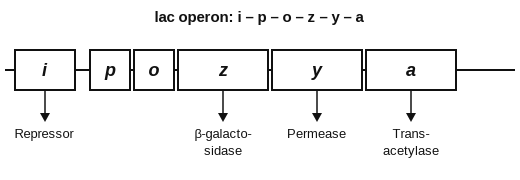
Concept: lac operon of E. coli: regulatory gene i (inhibitor → repressor) and structural genes z, y, a transcribed as one polycistronic mRNA.

  1. A. a → transacetylase (II).
  2. B. y → permease (III) – increases permeability of the cell to lactose.
  3. C. i → repressor protein (IV).
  4. D. z → β-galactosidase (I) – hydrolyses lactose to glucose + galactose.
  5. A-II, B-III, C-IV, D-I.

Short trick: Order on DNA: i–p–o–z–y–a; products ‘Repressor – β-Gal – Permease – Transacetylase’ = ‘Ram Bought Pink Toys’.

Answer: (B) A-II, B-III, C-IV, D-I

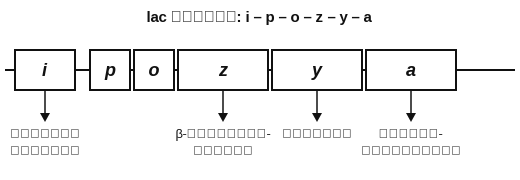
अवधारणा: E. coli का lac ओपेरॉन: नियामक जीन i (inhibitor → दमनकारी) तथा संरचनात्मक जीन z, y, a, जो एक बहुसिस्ट्रोनी mRNA के रूप में अनुलेखित होते हैं।

  1. A. a → ट्रांसएसिटाइलेज़ (II)।
  2. B. y → परमिएज़ (III) – कोशिका की लैक्टोज़ के प्रति पारगम्यता बढ़ाता है।
  3. C. i → दमनकारी प्रोटीन (IV)।
  4. D. z → β-गैलेक्टोसिडेज़ (I) – लैक्टोज़ को ग्लूकोज़ + गैलेक्टोज़ में जल-अपघटित करता है।
  5. A-II, B-III, C-IV, D-I।

शॉर्ट ट्रिक: DNA पर क्रम: i–p–o–z–y–a; उत्पाद ‘दमनकारी – β-Gal – परमिएज़ – ट्रांसएसिटाइलेज़’ = ‘Ram Bought Pink Toys’।

उत्तर: (B) A-II, B-III, C-IV, D-I

NEET UGZoologyMolecular basis of inheritance – lac operonNEET UG 2023 · 7 May Shift 1 →
Q2489.
Match List I with List II:
List IList II
A. RingwormI. Haemophilus influenzae
B. FilariasisII. Trichophyton
C. MalariaIII. Wuchereria bancrofti
D. PneumoniaIV. Plasmodium vivax
Choose the correct answer from the options given below:
सूची-I का सूची-II से मिलान कीजिए:
सूची-Iसूची-II
A. दाद (Ringworm)I. Haemophilus influenzae
B. फाइलेरियता (Filariasis)II. Trichophyton
C. मलेरियाIII. Wuchereria bancrofti
D. न्यूमोनियाIV. Plasmodium vivax
नीचे दिए गए विकल्पों में से सही उत्तर चुनिए:
  1. AA-II, B-III, C-IV, D-I
  2. BA-II, B-III, C-I, D-IV
  3. CA-III, B-II, C-I, D-IV
  4. DA-III, B-II, C-IV, D-I
Show answer

Concept: NCERT (Human Health and Disease): ringworm – fungi Microsporum, Trichophyton, Epidermophyton; filariasis/elephantiasis – Wuchereria bancrofti, W. malayi; malaria – Plasmodium; pneumonia – Streptococcus pneumoniae, Haemophilus influenzae.

  1. A. Ringworm → Trichophyton (II).
  2. B. Filariasis → Wuchereria bancrofti (III).
  3. C. Malaria → Plasmodium vivax (IV).
  4. D. Pneumonia → Haemophilus influenzae (I).

Short trick: Malaria = Plasmodium is a sure pair (C-IV); only options (A) and (D) have it, and ringworm is a fungus (Trichophyton) → (A).

Answer: (A) A-II, B-III, C-IV, D-I

अवधारणा: NCERT (मानव स्वास्थ्य तथा रोग): दाद – कवक Microsporum, Trichophyton, Epidermophyton; फाइलेरियता/फीलपाँव – Wuchereria bancrofti, W. malayi; मलेरिया – Plasmodium; न्यूमोनिया – Streptococcus pneumoniae, Haemophilus influenzae।

  1. A. दाद → Trichophyton (II)।
  2. B. फाइलेरियता → Wuchereria bancrofti (III)।
  3. C. मलेरिया → Plasmodium vivax (IV)।
  4. D. न्यूमोनिया → Haemophilus influenzae (I)।

शॉर्ट ट्रिक: मलेरिया = Plasmodium पक्का जोड़ा (C-IV); यह केवल (A) और (D) में है, और दाद कवक (Trichophyton) से होता है → (A)।

उत्तर: (A) A-II, B-III, C-IV, D-I

NEET UGZoologyHuman health – pathogensNEET UG 2023 · 7 May Shift 1 →
Q2490.
Which of the following functions is carried out by cytoskeleton in a cell?
कोशिका में कोशिका-कंकाल (cytoskeleton) द्वारा निम्नलिखित में से कौन-सा कार्य किया जाता है?
  1. ANuclear divisionकेंद्रक विभाजन
  2. BProtein synthesisप्रोटीन संश्लेषण
  3. CMotilityगतिशीलता (Motility)
  4. DTransportationपरिवहन
Show answer

Concept: NCERT: ‘The cytoskeleton (microtubules, microfilaments, intermediate filaments) in a cell is involved in many functions such as mechanical support, motility, maintenance of the shape of the cell.’

  1. Nuclear division – carried out by the nucleus/spindle apparatus; not the listed NCERT function.
  2. Protein synthesis – ribosomes.
  3. Motility – direct NCERT function of cytoskeleton ✔.
  4. Transportation – a general cell activity (membranes/ER); not the NCERT-listed answer.

Short trick: Cytoskeleton = ‘SMS’: Support, Motility, Shape.

Answer: (C) Motility

अवधारणा: NCERT: ‘कोशिका में कोशिका-कंकाल (सूक्ष्मनलिकाएँ, सूक्ष्मतंतु, मध्यवर्ती तंतु) अनेक कार्यों में भाग लेता है जैसे यांत्रिक आधार, गतिशीलता, कोशिका की आकृति बनाए रखना।’

  1. केंद्रक विभाजन – केंद्रक/तर्कु उपकरण द्वारा; NCERT में सूचीबद्ध कार्य नहीं।
  2. प्रोटीन संश्लेषण – राइबोसोम।
  3. गतिशीलता – कोशिका-कंकाल का प्रत्यक्ष NCERT कार्य ✔।
  4. परिवहन – सामान्य कोशिकीय क्रिया (झिल्ली/ER); NCERT का सूचीबद्ध उत्तर नहीं।

शॉर्ट ट्रिक: कोशिका-कंकाल = ‘SMS’: Support (आधार), Motility (गति), Shape (आकृति)।

उत्तर: (C) गतिशीलता

NEET UGZoologyCell – cytoskeletonNEET UG 2023 · 7 May Shift 1 →
Q2491.
Which of the following statements is correct?
निम्नलिखित में से कौन-सा कथन सही है?
  1. AEutrophication refers to increase in domestic sewage and waste water in lakes.सुपोषण (Eutrophication) का अर्थ है झीलों में घरेलू वाहित मल और अपशिष्ट जल में वृद्धि।
  2. BBiomagnification refers to increase in concentration of the toxicant at successive trophic levels.जैव आवर्धन (Biomagnification) का अर्थ है क्रमिक पोषी स्तरों पर विषैले पदार्थ की सांद्रता में वृद्धि।
  3. CPresence of large amount of nutrients in water restricts ‘Algal Bloom’जल में पोषकों की अधिक मात्रा ‘शैवाल प्रस्फुटन (Algal Bloom)’ को रोकती है।
  4. DAlgal Bloom decreases fish mortalityशैवाल प्रस्फुटन मछलियों की मृत्यु दर को घटाता है।
Show answer

Concept: Biomagnification = increase in concentration of a toxicant (e.g., DDT, Hg) at successive trophic levels because it is not metabolised or excreted. Eutrophication = natural ageing of a lake by nutrient enrichment.

  1. (A) wrong – eutrophication is nutrient (N, P) enrichment and ageing of a lake, not just more sewage.
  2. (B) correct – NCERT definition of biomagnification.
  3. (C) wrong – excess nutrients cause algal bloom.
  4. (D) wrong – algal bloom depletes O2 and increases fish mortality.

Short trick: Bio-‘magnify’ = toxin magnified up the food chain (DDT: 0.003 ppb in water → 25 ppm in fish-eating birds).

Answer: (B) Biomagnification refers to increase in concentration of the toxicant at successive trophic levels.

अवधारणा: जैव आवर्धन = क्रमिक पोषी स्तरों पर विषैले पदार्थ (जैसे DDT, Hg) की सांद्रता में वृद्धि क्योंकि उसका उपापचय या उत्सर्जन नहीं होता। सुपोषण = पोषक तत्वों की वृद्धि से झील का प्राकृतिक वृद्धावस्था-प्राप्त होना।

  1. (A) गलत – सुपोषण झील का पोषक (N, P) समृद्धिकरण व वृद्धावस्था है, केवल अधिक वाहित मल नहीं।
  2. (B) सही – जैव आवर्धन की NCERT परिभाषा।
  3. (C) गलत – अधिक पोषक शैवाल प्रस्फुटन का कारण बनते हैं।
  4. (D) गलत – शैवाल प्रस्फुटन O2 घटाकर मछलियों की मृत्यु दर बढ़ाता है।

शॉर्ट ट्रिक: जैव-‘आवर्धन’ = विष खाद्य शृंखला में ऊपर बढ़ता है (DDT: जल में 0.003 ppb → मछलीभक्षी पक्षियों में 25 ppm)।

उत्तर: (B) जैव आवर्धन का अर्थ है क्रमिक पोषी स्तरों पर विषैले पदार्थ की सांद्रता में वृद्धि।

NEET UGZoologyEnvironmental issues – eutrophication and biomagnificationNEET UG 2023 · 7 May Shift 1 →
Q2492.
Match List I with List II:
List IList II
A. HeroinI. Effect on cardiovascular system
B. MarijuanaII. Slow down body function
C. CocaineIII. Painkiller
D. MorphineIV. Interfere with transport of dopamine
Choose the correct answer from the options given below:
सूची-I का सूची-II से मिलान कीजिए:
सूची-Iसूची-II
A. हेरोइनI. हृदवाहिका तंत्र पर प्रभाव
B. मारिजुआनाII. शारीरिक क्रियाओं को धीमा करना
C. कोकेनIII. पीड़ाहारी (Painkiller)
D. मॉर्फीनIV. डोपामाइन के परिवहन में बाधा
नीचे दिए गए विकल्पों में से सही उत्तर चुनिए:
  1. AA-II, B-I, C-IV, D-III
  2. BA-I, B-II, C-III, D-IV
  3. CA-IV, B-III, C-II, D-I
  4. DA-III, B-IV, C-I, D-II
Show answer

Concept: NCERT: heroin (smack, diacetylmorphine) is a depressant and slows down body functions; cannabinoids (marijuana, hashish) affect the cardiovascular system; cocaine interferes with the transport of the neurotransmitter dopamine; morphine is a very effective sedative and painkiller.

  1. A. Heroin → slows down body function (II).
  2. B. Marijuana → cardiovascular effects (I).
  3. C. Cocaine → interferes with dopamine transport (IV).
  4. D. Morphine → painkiller (III).

Short trick: ‘Coke–Dopamine’ (C-IV) and ‘Morphine–pain’ (D-III) together appear only in option (A).

Answer: (A) A-II, B-I, C-IV, D-III

अवधारणा: NCERT: हेरोइन (स्मैक, डाइऐसीटिलमॉर्फीन) अवसादक है और शारीरिक क्रियाओं को धीमा करती है; कैनाबिनॉइड (मारिजुआना, हशीश) हृदवाहिका तंत्र को प्रभावित करते हैं; कोकेन तंत्रिका-संचारी डोपामाइन के परिवहन में बाधा डालती है; मॉर्फीन अत्यंत प्रभावी शामक व पीड़ाहारी है।

  1. A. हेरोइन → शारीरिक क्रियाओं को धीमा करना (II)।
  2. B. मारिजुआना → हृदवाहिका तंत्र पर प्रभाव (I)।
  3. C. कोकेन → डोपामाइन परिवहन में बाधा (IV)।
  4. D. मॉर्फीन → पीड़ाहारी (III)।

शॉर्ट ट्रिक: ‘कोकेन–डोपामाइन’ (C-IV) और ‘मॉर्फीन–दर्द’ (D-III) दोनों एक साथ केवल विकल्प (A) में हैं।

उत्तर: (A) A-II, B-I, C-IV, D-III

NEET UGZoologyHuman health – drugsNEET UG 2023 · 7 May Shift 1 →
Q2493.
Radial symmetry is NOT found in adults of phylum _______.
संघ _______ के वयस्कों में अरीय सममिति (radial symmetry) नहीं पाई जाती।
  1. ACtenophoraटीनोफोरा
  2. BHemichordataहेमीकॉर्डेटा
  3. CCoelenterataसीलेन्टरेटा
  4. DEchinodermataइकाइनोडर्मेटा
Show answer

Concept: NCERT: Coelenterates, ctenophores and echinoderms (adults) are radially symmetrical; Hemichordata are bilaterally symmetrical, triploblastic, coelomate worm-like animals (Balanoglossus).

  1. Ctenophora – radial (biradial) symmetry ✘.
  2. Hemichordata – bilateral symmetry ✔ (no radial symmetry).
  3. Coelenterata (Cnidaria) – radial ✘.
  4. Echinodermata – adults radial (larvae bilateral) ✘.

Short trick: Radial club = ‘C-C-E’ (Coelenterata, Ctenophora, Echinodermata adults) + sponges asymmetrical. Hemichordates are worm-like → bilateral.

Answer: (B) Hemichordata

अवधारणा: NCERT: सीलेन्टरेट, टीनोफोर और (वयस्क) इकाइनोडर्म अरीय सममित होते हैं; हेमीकॉर्डेटा द्विपार्श्व सममित, त्रिकोरकी, प्रगुहीय कृमि-सदृश प्राणी हैं (Balanoglossus)।

  1. टीनोफोरा – अरीय (द्वि-अरीय) सममिति ✘।
  2. हेमीकॉर्डेटा – द्विपार्श्व सममिति ✔ (अरीय नहीं)।
  3. सीलेन्टरेटा (निडेरिया) – अरीय ✘।
  4. इकाइनोडर्मेटा – वयस्क अरीय (लार्वा द्विपार्श्व) ✘।

शॉर्ट ट्रिक: अरीय क्लब = ‘C-C-E’ (सीलेन्टरेटा, टीनोफोरा, इकाइनोडर्मेटा के वयस्क)। हेमीकॉर्डेट कृमि-सदृश → द्विपार्श्व।

उत्तर: (B) हेमीकॉर्डेटा

NEET UGZoologyAnimal kingdom – symmetryNEET UG 2023 · 7 May Shift 1 →
Q2494.
Given below are two statements:
Statement I: In prokaryotes, the positively charged DNA is held with some negatively charged proteins in a region called nucleoid.
Statement II: In eukaryotes, the negatively charged DNA is wrapped around the positively charged histone octamer to form nucleosome.
In the light of the above statements, choose the correct answer from the options given below:
नीचे दो कथन दिए गए हैं:
कथन I: प्रोकैरियोट में धनावेशित DNA कुछ ऋणावेशित प्रोटीनों के साथ एक क्षेत्र में बँधा रहता है जिसे केंद्रकाभ (nucleoid) कहते हैं।
कथन II: यूकैरियोट में ऋणावेशित DNA, धनावेशित हिस्टोन अष्टक के चारों ओर लिपटकर न्यूक्लियोसोम बनाता है।
उपर्युक्त कथनों के आलोक में, नीचे दिए गए विकल्पों में से सही उत्तर चुनिए:
  1. ABoth Statements I and Statement II are true.कथन I और कथन II दोनों सत्य हैं।
  2. BBoth statements I and Statement II are false.कथन I और कथन II दोनों असत्य हैं।
  3. CStatement I is correct but Statement II is false.कथन I सही है, परन्तु कथन II असत्य है।
  4. DStatement I is incorrect but Statement II is true.कथन I गलत है, परन्तु कथन II सत्य है।
Show answer

Concept: DNA is always negatively charged (phosphate groups). NCERT: in prokaryotes, the negatively charged DNA is held with some proteins (that have positive charges) in a region termed ‘nucleoid’; in eukaryotes, negatively charged DNA wraps around the positively charged histone octamer (rich in lysine and arginine) to form the nucleosome.

  1. Statement I – charges are reversed (DNA is negative, the proteins positive) → incorrect.
  2. Statement II – correct NCERT description of the nucleosome.
  3. Statement I incorrect, II true.

Short trick: Phosphate = minus → DNA is ALWAYS negative; its partner proteins are ALWAYS positive (histones: Lys + Arg).

Answer: (D) Statement I is incorrect but Statement II is true.

अवधारणा: DNA सदैव ऋणावेशित होता है (फॉस्फेट समूह)। NCERT: प्रोकैरियोट में ऋणावेशित DNA कुछ धनावेशित प्रोटीनों के साथ ‘केंद्रकाभ’ नामक क्षेत्र में बँधा रहता है; यूकैरियोट में ऋणावेशित DNA धनावेशित हिस्टोन अष्टक (लाइसीन व आर्जिनीन से समृद्ध) के चारों ओर लिपटकर न्यूक्लियोसोम बनाता है।

  1. कथन I – आवेश उल्टे लिखे हैं (DNA ऋणात्मक, प्रोटीन धनात्मक) → गलत।
  2. कथन II – न्यूक्लियोसोम का सही NCERT वर्णन।
  3. कथन I गलत, II सत्य।

शॉर्ट ट्रिक: फॉस्फेट = ऋण → DNA हमेशा ऋणात्मक; उसके साथी प्रोटीन हमेशा धनात्मक (हिस्टोन: Lys + Arg)।

उत्तर: (D) कथन I गलत है, परन्तु कथन II सत्य है।

NEET UGZoologyMolecular basis of inheritance – DNA packagingNEET UG 2023 · 7 May Shift 1 →
Q2495.
Which of the following statements are correct regarding female reproductive cycle?
A. In non-primate mammals cyclical changes during reproduction are called oestrus cycle.
B. First menstrual cycle begins at puberty and is called menopause.
C. Lack of menstruation may be indicative of pregnancy.
D. Cyclic menstruation extends between menarche and menopause.
Choose the most appropriate answer from the options given below:
स्त्री जनन चक्र के संबंध में निम्नलिखित में से कौन-से कथन सही हैं?
A. अप्राइमेट स्तनधारियों में जनन के दौरान होने वाले चक्रीय परिवर्तनों को मदचक्र (oestrus cycle) कहते हैं।
B. प्रथम आर्तव चक्र यौवनारंभ पर शुरू होता है और इसे रजोनिवृत्ति (menopause) कहते हैं।
C. आर्तव का न होना गर्भावस्था का संकेत हो सकता है।
D. चक्रीय आर्तव, रजोदर्शन (menarche) और रजोनिवृत्ति के बीच चलता है।
नीचे दिए गए विकल्पों में से सबसे उपयुक्त उत्तर चुनिए:
  1. AA and D onlyकेवल A और D
  2. BA and B onlyकेवल A और B
  3. CA, B and C onlyकेवल A, B और C
  4. DA, C and D onlyकेवल A, C और D
Show answer

Concept: NCERT: females of primates have menstrual cycle; non-primate mammals (cows, sheep, rats, deer, dogs, tigers) have oestrus cycle. The first menstruation at puberty is menarche; cycles cease around 50 years (menopause). Lack of menstruation may indicate pregnancy (or stress, poor health).

  1. A – true.
  2. B – false: first menstruation is menarche, not menopause.
  3. C – true.
  4. D – true.
  5. Correct: A, C and D.

Short trick: Menarche = ‘arch’/start; Menopause = pause/stop.

Answer: (D) A, C and D only

अवधारणा: NCERT: प्राइमेट मादाओं में आर्तव चक्र होता है; अप्राइमेट स्तनधारियों (गाय, भेड़, चूहा, हिरण, कुत्ता, बाघ) में मदचक्र। यौवनारंभ पर प्रथम आर्तव रजोदर्शन (menarche) है; लगभग 50 वर्ष पर चक्र बंद होना रजोनिवृत्ति है। आर्तव का न होना गर्भावस्था (या तनाव, खराब स्वास्थ्य) का संकेत हो सकता है।

  1. A – सत्य।
  2. B – असत्य: प्रथम आर्तव रजोदर्शन (menarche) है, रजोनिवृत्ति नहीं।
  3. C – सत्य।
  4. D – सत्य।
  5. सही: A, C और D।

शॉर्ट ट्रिक: Menarche = ‘arch’/शुरुआत; Menopause = विराम/समाप्ति।

उत्तर: (D) केवल A, C और D

NEET UGZoologyHuman reproduction – menstrual cycleNEET UG 2023 · 7 May Shift 1 →
Q2496.
Select the correct group/set of Australian Marsupials exhibiting adaptive radiation.
अनुकूली विकिरण (adaptive radiation) दर्शाने वाले ऑस्ट्रेलियाई शिशुधानी प्राणियों (marsupials) का सही समूह चुनिए।
  1. ATasmanian wolf, Bobcat, Marsupial moleतस्मानियन भेड़िया, बॉबकैट, शिशुधानी छछूँदर
  2. BNumbat, Spotted cuscus, Flying phalangerनम्बैट, चित्तीदार कस्कस, उड़न फैलेंजर
  3. CMole, Flying squirrel, Tasmanian tiger catछछूँदर, उड़न गिलहरी, तस्मानियन टाइगर कैट
  4. DLemur, Anteater, Wolfलीमर, चींटीखोर, भेड़िया
Show answer

Concept: NCERT figure: from an ancestral marsupial many forms evolved in Australia – numbat (anteater), spotted cuscus, flying phalanger, bandicoot, marsupial mole, Tasmanian wolf, Tasmanian tiger cat, koala, wombat, kangaroo, etc.

  1. (A) contains Bobcat – a placental mammal ✘.
  2. (B) Numbat, Spotted cuscus, Flying phalanger – all Australian marsupials ✔.
  3. (C) Mole and Flying squirrel – placental mammals ✘.
  4. (D) Lemur, Anteater, Wolf – all placentals (they are the placental counterparts in convergent evolution) ✘.

Short trick: If any member of a set is a placental (bobcat, mole, flying squirrel, lemur, wolf), reject the set.

Answer: (B) Numbat, Spotted cuscus, Flying phalanger

अवधारणा: NCERT चित्र: एक पूर्वज शिशुधानी से ऑस्ट्रेलिया में अनेक रूप विकसित हुए – नम्बैट (चींटीखोर), चित्तीदार कस्कस, उड़न फैलेंजर, बैंडीकूट, शिशुधानी छछूँदर, तस्मानियन भेड़िया, तस्मानियन टाइगर कैट, कोआला, वॉम्बैट, कंगारू आदि।

  1. (A) में बॉबकैट – अपरा स्तनधारी ✘।
  2. (B) नम्बैट, चित्तीदार कस्कस, उड़न फैलेंजर – सभी ऑस्ट्रेलियाई शिशुधानी ✔।
  3. (C) छछूँदर व उड़न गिलहरी – अपरा स्तनधारी ✘।
  4. (D) लीमर, चींटीखोर, भेड़िया – सभी अपरा (अभिसारी विकास में अपरा प्रतिरूप) ✘।

शॉर्ट ट्रिक: समूह में कोई भी सदस्य अपरा (बॉबकैट, छछूँदर, उड़न गिलहरी, लीमर, भेड़िया) हो तो पूरा समूह अस्वीकार।

उत्तर: (B) नम्बैट, चित्तीदार कस्कस, उड़न फैलेंजर

NEET UGZoologyEvolution – adaptive radiationNEET UG 2023 · 7 May Shift 1 →
Q2497.
Which one of the following techniques does not serve the purpose of early diagnosis of a disease for its early treatment?
निम्नलिखित में से कौन-सी तकनीक किसी रोग के शीघ्र उपचार हेतु उसके प्रारंभिक निदान (early diagnosis) का उद्देश्य पूरा नहीं करती?
  1. ARecombinant DNA Technologyपुनर्योगज DNA प्रौद्योगिकी
  2. BSerum and Urine analysisसीरम एवं मूत्र विश्लेषण
  3. CPolymerase Chain Reaction (PCR) techniqueपॉलिमरेज़ शृंखला अभिक्रिया (PCR) तकनीक
  4. DEnzyme Linked Immuno-Sorbent Assay (ELISA) techniqueएंज़ाइम सहलग्न प्रतिरक्षा-शोषक आमापन (ELISA) तकनीक
Show answer

Concept: NCERT: ‘Using conventional methods of diagnosis (serum and urine analysis, etc.) early detection is not possible. Recombinant DNA technology, PCR and ELISA are some of the techniques that serve the purpose of early diagnosis.’

  1. rDNA technology – used for early diagnosis (e.g., probes) ✘.
  2. Serum and urine analysis – conventional; detects disease only after symptoms/high pathogen load ✔.
  3. PCR – amplifies very low amounts of pathogen DNA (HIV, cancer genes) ✘.
  4. ELISA – antigen–antibody based early detection ✘.

Short trick: Three ‘molecular’ names (rDNA, PCR, ELISA) = early; the one ‘conventional’ lab test = odd one out.

Answer: (B) Serum and Urine analysis

अवधारणा: NCERT: ‘पारंपरिक निदान विधियों (सीरम एवं मूत्र विश्लेषण आदि) से प्रारंभिक पहचान संभव नहीं है। पुनर्योगज DNA प्रौद्योगिकी, PCR और ELISA कुछ ऐसी तकनीकें हैं जो प्रारंभिक निदान का उद्देश्य पूरा करती हैं।’

  1. rDNA प्रौद्योगिकी – प्रारंभिक निदान हेतु (जैसे प्रोब) ✘।
  2. सीरम एवं मूत्र विश्लेषण – पारंपरिक; रोग का पता लक्षण/अधिक रोगजनक भार के बाद ही ✔।
  3. PCR – रोगजनक DNA की अति अल्प मात्रा को प्रवर्धित करती है (HIV, कैंसर जीन) ✘।
  4. ELISA – प्रतिजन–प्रतिरक्षी आधारित प्रारंभिक पहचान ✘।

शॉर्ट ट्रिक: तीन ‘आणविक’ नाम (rDNA, PCR, ELISA) = प्रारंभिक; एक ‘पारंपरिक’ जाँच = विषम।

उत्तर: (B) सीरम एवं मूत्र विश्लेषण

NEET UGZoologyBiotechnology – molecular diagnosisNEET UG 2023 · 7 May Shift 1 →
Q2498.
Match List I with List II:
List I
(Type of Joint)
List II
(Found between)
A. Cartilaginous JointI. Between flat skull bones
B. Ball and Socket JointII. Between adjacent vertebrae in vertebral column
C. Fibrous JointIII. Between carpal and metacarpal of thumb
D. Saddle JointIV. Between Humerus and Pectoral Girdle
Choose the correct answer from the options given below:
सूची-I का सूची-II से मिलान कीजिए:
सूची-I
(संधि का प्रकार)
सूची-II
(कहाँ पाई जाती है)
A. उपास्थिल संधिI. खोपड़ी की चपटी अस्थियों के बीच
B. कंदुक-खल्लिका संधिII. कशेरुक दंड में आसन्न कशेरुकों के बीच
C. रेशीय संधिIII. अँगूठे की कार्पल और मेटाकार्पल के बीच
D. पर्याण (सैडल) संधिIV. ह्यूमरस और अंस मेखला के बीच
नीचे दिए गए विकल्पों में से सही उत्तर चुनिए:
  1. AA-III, B-I, C-II, D-IV
  2. BA-II, B-IV, C-I, D-III
  3. CA-I, B-IV, C-III, D-II
  4. DA-II, B-IV, C-III, D-I
Show answer

Concept: NCERT: fibrous joints (sutures) – flat skull bones; cartilaginous – between adjacent vertebrae; synovial joints include ball and socket (humerus–pectoral girdle), hinge (knee), pivot (atlas–axis), gliding (carpals), saddle (carpal–metacarpal of thumb).

  1. A. Cartilaginous → adjacent vertebrae (II).
  2. B. Ball and socket → humerus and pectoral girdle (IV).
  3. C. Fibrous → flat skull bones (I).
  4. D. Saddle → carpal–metacarpal of thumb (III).

Short trick: Skull = sutures (fibrous, immovable); Thumb = Saddle (‘sit on the thumb’).

Answer: (B) A-II, B-IV, C-I, D-III

अवधारणा: NCERT: रेशीय संधि (सीवन) – खोपड़ी की चपटी अस्थियाँ; उपास्थिल – आसन्न कशेरुकों के बीच; साइनोवियल संधियों में कंदुक-खल्लिका (ह्यूमरस–अंस मेखला), कब्जा (घुटना), धुराग्र (एटलस–एक्सिस), विसर्पी (कार्पल), पर्याण (अँगूठे की कार्पल–मेटाकार्पल)।

  1. A. उपास्थिल → आसन्न कशेरुक (II)।
  2. B. कंदुक-खल्लिका → ह्यूमरस और अंस मेखला (IV)।
  3. C. रेशीय → खोपड़ी की चपटी अस्थियाँ (I)।
  4. D. पर्याण → अँगूठे की कार्पल–मेटाकार्पल (III)।

शॉर्ट ट्रिक: खोपड़ी = सीवन (रेशीय, अचल); अँगूठा = सैडल (‘अँगूठे पर काठी’)।

उत्तर: (B) A-II, B-IV, C-I, D-III

NEET UGZoologyLocomotion – jointsNEET UG 2023 · 7 May Shift 1 →
Q2499.
Match List I with List II:
List I
(Interacting species)
List II
(Name of Interaction)
A. A Leopard and a Lion in a forest/grasslandI. Competition
B. A Cuckoo laying egg in a Crow’s nestII. Brood parasitism
C. Fungi and root of a higher plant in MycorrhizaeIII. Mutualism
D. A cattle egret and a Cattle in a fieldIV. Commensalism
Choose the correct answer from the options given below:
सूची-I का सूची-II से मिलान कीजिए:
सूची-I
(पारस्परिक क्रिया करने वाली जातियाँ)
सूची-II
(पारस्परिक क्रिया का नाम)
A. वन/घास के मैदान में तेंदुआ और शेरI. प्रतिस्पर्धा
B. कौवे के घोंसले में अंडे देती कोयलII. अंड परजीविता (Brood parasitism)
C. कवकमूल (Mycorrhizae) में कवक और उच्च पादप की जड़III. सहोपकारिता (Mutualism)
D. खेत में मवेशी बगुला (cattle egret) और मवेशीIV. सहभोजिता (Commensalism)
नीचे दिए गए विकल्पों में से सही उत्तर चुनिए:
  1. AA-I, B-II, C-III, D-IV
  2. BA-I, B-II, C-IV, D-III
  3. CA-III, B-IV, C-I, D-II
  4. DA-II, B-III, C-I, D-IV
Show answer

Concept: Population interactions: competition (−/−), parasitism (+/−), commensalism (+/0), mutualism (+/+).

  1. A. Leopard and lion share the same prey → competition (I).
  2. B. Cuckoo lays eggs in crow’s nest; crow incubates them → brood parasitism (II).
  3. C. Mycorrhiza – fungus gets food, plant gets water/minerals → mutualism (III).
  4. D. Cattle egret eats insects stirred up by grazing cattle; cattle unaffected → commensalism (IV).

Short trick: Straight order I-II-III-IV here; egret = ‘free-rider’ (commensal), mycorrhiza = ‘give and take’ (mutual).

Answer: (A) A-I, B-II, C-III, D-IV

अवधारणा: समष्टि पारस्परिक क्रियाएँ: प्रतिस्पर्धा (−/−), परजीविता (+/−), सहभोजिता (+/0), सहोपकारिता (+/+)।

  1. A. तेंदुआ और शेर एक ही शिकार पर निर्भर → प्रतिस्पर्धा (I)।
  2. B. कोयल कौवे के घोंसले में अंडे देती है; कौवा उन्हें सेता है → अंड परजीविता (II)।
  3. C. कवकमूल – कवक को भोजन, पादप को जल/खनिज → सहोपकारिता (III)।
  4. D. मवेशी बगुला चरते मवेशियों द्वारा उड़ाए कीट खाता है; मवेशी अप्रभावित → सहभोजिता (IV)।

शॉर्ट ट्रिक: यहाँ सीधा क्रम I-II-III-IV; बगुला = ‘मुफ़्त सवारी’ (सहभोजी), कवकमूल = ‘लेन-देन’ (सहोपकारी)।

उत्तर: (A) A-I, B-II, C-III, D-IV

NEET UGZoologyOrganisms and populations – interactionsNEET UG 2023 · 7 May Shift 1 →
Q2500.
Vital capacity of lung is _______.
फेफड़े की जैव क्षमता (vital capacity) _______ होती है।
  1. AIRV + ERV
  2. BIRV + ERV + TV + RV
  3. CIRV + ERV + TV - RV
  4. DIRV + ERV + TV
Show answer

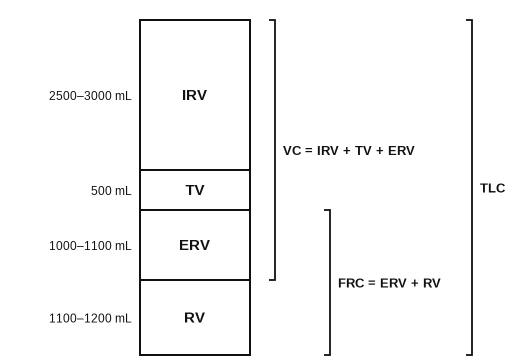
Concept: Vital capacity (VC) = maximum volume of air a person can breathe in after a forced expiration (or breathe out after a forced inspiration) = ERV + TV + IRV.

  1. TV ≈ 500 mL, IRV ≈ 2500–3000 mL, ERV ≈ 1000–1100 mL, RV ≈ 1100–1200 mL.
  2. VC = IRV + TV + ERV ≈ 3500–4600 mL.
  3. Adding RV gives total lung capacity (TLC), not VC → (B) wrong; (A) misses TV; (C) is meaningless.

Short trick: RV can never be breathed out, so it is never part of any ‘capacity you can breathe’ (VC, IC, EC). VC + RV = TLC.

Answer: (D) IRV + ERV + TV

अवधारणा: जैव क्षमता (VC) = बलपूर्वक निःश्वसन के बाद अधिकतम अंदर ली जा सकने वाली (या बलपूर्वक अंतःश्वसन के बाद बाहर निकाली जा सकने वाली) वायु का आयतन = ERV + TV + IRV।

  1. TV ≈ 500 mL, IRV ≈ 2500–3000 mL, ERV ≈ 1000–1100 mL, RV ≈ 1100–1200 mL।
  2. VC = IRV + TV + ERV ≈ 3500–4600 mL।
  3. RV जोड़ने पर कुल फेफड़ा क्षमता (TLC) बनती है, VC नहीं → (B) गलत; (A) में TV नहीं; (C) अर्थहीन।

शॉर्ट ट्रिक: RV कभी बाहर नहीं निकाली जा सकती, अतः वह किसी ‘श्वसन योग्य क्षमता’ (VC, IC, EC) में शामिल नहीं होती। VC + RV = TLC।

उत्तर: (D) IRV + ERV + TV

NEET UGZoologyBreathing – respiratory volumesNEET UG 2023 · 7 May Shift 1 →