NEET UG · 2,240 questions

NEET UG 2015, 2016, 2017, 2018, 2019, 2020, 2021, 2022, 2023, 2024, 2025, 2026 PYQs

Real previous year questions, subject-wise. Try the question, then open the answer and the explanation in Hindi & English – free, no login.

Courses – airGurukul

2,240 questions.

Q821.
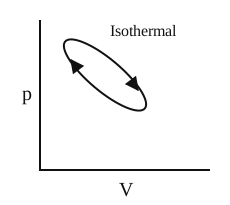
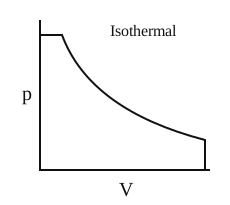
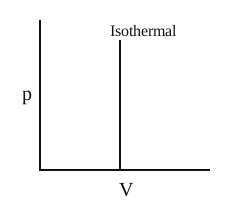
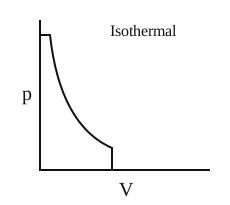
Which of the following p-V curve represents maximum work done?
निम्नलिखित में से कौन-सा p-V वक्र अधिकतम किया गया कार्य दर्शाता है?
  1. A
  2. B
  3. C
  4. D
Show answer

Concept: Magnitude of work = area under the p–V curve (for a cycle, area enclosed by the loop).
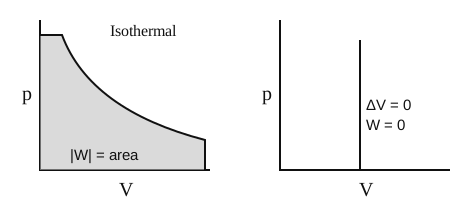
  1. (A) Cyclic loop – work = small enclosed area only.
  2. (C) Vertical line – ΔV = 0, so W = 0.
  3. (B) and (D) both start at the same high pressure, but (B) falls slowly and reaches a much larger final volume → largest area under the curve.
  4. (D) falls steeply and stops at a small volume → smaller area.

Short trick: No ΔV, no work. Among expansions, choose the one that covers the largest area to the V-axis.

Answer: (B)

अवधारणा: कार्य का परिमाण = p–V वक्र के नीचे का क्षेत्रफल (चक्र के लिए, लूप द्वारा घिरा क्षेत्रफल)।

  1. (A) चक्रीय लूप – कार्य = केवल घिरा हुआ छोटा क्षेत्रफल।
  2. (C) ऊर्ध्वाधर रेखा – ΔV = 0, अतः W = 0।
  3. (B) और (D) दोनों एक ही उच्च दाब से आरंभ होते हैं, परंतु (B) धीरे-धीरे गिरता है और बहुत बड़े अंतिम आयतन तक पहुँचता है → वक्र के नीचे सबसे बड़ा क्षेत्रफल।
  4. (D) तेज़ी से गिरता है और छोटे आयतन पर रुक जाता है → कम क्षेत्रफल।

शॉर्ट ट्रिक: ΔV नहीं तो कार्य नहीं। प्रसारों में वह चुनिए जो V-अक्ष तक सबसे बड़ा क्षेत्रफल घेरता हो।

उत्तर: (B)
NEET UGChemistryThermodynamics – work from p–V diagramsNEET UG 2022 · 17 Jul Shift 1
Q822.
Statement I: Primary aliphatic amines react with HNO2 to give unstable diazonium salts.
Statement II: Primary aromatic amines react with HNO2 to form diazonium salts which are stable even above 300 K.
Choose the most appropriate answer from the options given below:
कथन I: प्राथमिक ऐलिफ़ैटिक ऐमीन HNO2 से अभिक्रिया करके अस्थायी डाइऐज़ोनियम लवण देती हैं।
कथन II: प्राथमिक ऐरोमैटिक ऐमीन HNO2 से अभिक्रिया करके डाइऐज़ोनियम लवण बनाती हैं जो 300 K से ऊपर भी स्थायी होते हैं।
नीचे दिए गए विकल्पों में से सबसे उपयुक्त उत्तर चुनिए:
  1. ABoth Statement I and Statement II are correct.कथन I और कथन II दोनों सही हैं।
  2. BBoth Statement I and Statement II are incorrect.कथन I और कथन II दोनों गलत हैं।
  3. CStatement I is correct but Statement II is incorrect.कथन I सही है परंतु कथन II गलत है।
  4. DStatement I is incorrect but Statement II is correct.कथन I गलत है परंतु कथन II सही है।
Show answer

Concept: Arenediazonium salts are resonance-stabilised but only at 273–278 K (0–5 °C); alkyl diazonium salts decompose at once.

  1. Statement I: RNH2 + HNO2 → [RN2+] which instantly loses N2 giving alcohols etc. – correct.
  2. Statement II: ArN2+Cl− is stable only at 0–5 °C and is used immediately; above ~278 K (certainly above 300 K) it decomposes to phenol + N2. Incorrect.

Short trick: Diazotisation is always done in an ice bath – so 'stable above 300 K' is a red flag.

Answer: (C)

अवधारणा: ऐरीनडाइऐज़ोनियम लवण अनुनाद द्वारा स्थायी होते हैं परंतु केवल 273–278 K (0–5 °C) पर; ऐल्किल डाइऐज़ोनियम लवण तुरंत विघटित हो जाते हैं।

  1. कथन I: RNH2 + HNO2 → [RN2+], जो तुरंत N2 खोकर ऐल्कोहॉल आदि देता है – सही।
  2. कथन II: ArN2+Cl− केवल 0–5 °C पर स्थायी है और तुरंत प्रयुक्त किया जाता है; ~278 K से ऊपर (300 K से ऊपर तो निश्चित रूप से) यह फ़ीनॉल + N2 में विघटित हो जाता है। गलत।

शॉर्ट ट्रिक: डाइऐज़ोटीकरण सदैव बर्फ़-स्नान (ice bath) में होता है – अतः '300 K से ऊपर स्थायी' चेतावनी संकेत है।

उत्तर: (C)

NEET UGChemistryAmines – diazotisationNEET UG 2022 · 17 Jul Shift 1
Q823.
Which amongst the following is incorrect statement?
निम्नलिखित में से कौन-सा कथन गलत है?
  1. AThe bond orders of O2+, O2, O2− and O22− are 2.5, 2, 1.5 and 1, respectively.O2+, O2, O2− तथा O22− की आबंध कोटियाँ क्रमशः 2.5, 2, 1.5 तथा 1 हैं।
  2. BC2 molecule has four electrons in its two degenerate π molecular orbitals.C2 अणु के दो अपभ्रष्ट (degenerate) π आण्विक कक्षकों में चार इलेक्ट्रॉन होते हैं।
  3. CH2+ ion has one electron.H2+ आयन में एक इलेक्ट्रॉन होता है।
  4. DO2+ ion is diamagnetic.O2+ आयन प्रतिचुंबकीय है।
Show answer

Concept: Bond order = ½(Nb − Na); any unpaired electron → paramagnetic.

  1. (A) O2+ (15 e−) 2.5, O2 2, O2− 1.5, O22− 1 – correct.
  2. (B) C2: …σ2s2 σ*2s2 (π2px2 = π2py2) – 4 electrons in two degenerate π MOs – correct.
  3. (C) H2+: 2 − 1 = 1 electron – correct.
  4. (D) O2+ has 15 electrons: …π*2px1 → one unpaired electron → paramagnetic. Statement is incorrect.

Short trick: Odd number of electrons ⇒ always paramagnetic. O2+ has 15 → paramagnetic.

Answer: (D)

अवधारणा: आबंध कोटि = ½(Nb − Na); कोई भी अयुग्मित इलेक्ट्रॉन → अनुचुंबकीय।

  1. (A) O2+ (15 e−) 2.5, O2 2, O2− 1.5, O22− 1 – सही।
  2. (B) C2: …σ2s2 σ*2s2 (π2px2 = π2py2) – दो अपभ्रष्ट π MO में 4 इलेक्ट्रॉन – सही।
  3. (C) H2+: 2 − 1 = 1 इलेक्ट्रॉन – सही।
  4. (D) O2+ में 15 इलेक्ट्रॉन: …π*2px1 → एक अयुग्मित इलेक्ट्रॉन → अनुचुंबकीय। कथन गलत है।

शॉर्ट ट्रिक: विषम इलेक्ट्रॉन संख्या ⇒ सदैव अनुचुंबकीय। O2+ में 15 → अनुचुंबकीय।

उत्तर: (D)

NEET UGChemistryChemical bonding – molecular orbital theoryNEET UG 2022 · 17 Jul Shift 1
Q824.
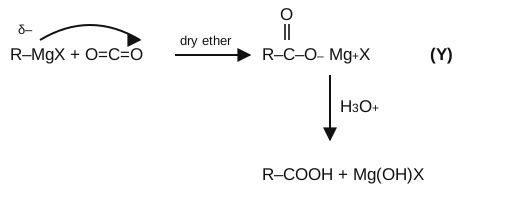
RMgX + CO2 →etherdry Y →H3O+ RCOOH
What is Y in the above reaction?
RMgX + CO2 →etherdry Y →H3O+ RCOOH
उपर्युक्त अभिक्रिया में Y क्या है?
  1. ARCOO−Mg+X
  2. BR3CO−Mg+X
  3. CRCOO− X+
  4. D(RCOO)2Mg
Show answer

Concept: The carbanion-like R of RMgX attacks the electrophilic carbon of CO2; the O− pairs with MgX+.

  1. Rδ− adds to C of O=C=O → R–C(=O)–O− Mg+X (halomagnesium carboxylate) = Y.
  2. Acid hydrolysis: RCOO−Mg+X + H3O+ → RCOOH + Mg(OH)X.
  3. R3CO−Mg+X comes from a ketone + RMgX (gives 3° alcohol); X+ cannot exist; (RCOO)2Mg is not the adduct.

Short trick: Grignard + CO2 = acid with one extra carbon; intermediate always keeps 'MgX'.

Answer: (A) RCOO−Mg+X

अवधारणा: RMgX का कार्बऋणायन-सदृश R, CO2 के इलेक्ट्रॉनस्नेही कार्बन पर आक्रमण करता है; O−, MgX+ के साथ जुड़ता है।

  1. Rδ−, O=C=O के C से जुड़ता है → R–C(=O)–O− Mg+X (हैलोमैग्नीशियम कार्बोक्सिलेट) = Y।
  2. अम्लीय जल-अपघटन: RCOO−Mg+X + H3O+ → RCOOH + Mg(OH)X।
  3. R3CO−Mg+X कीटोन + RMgX से बनता है (3° ऐल्कोहॉल देता है); X+ का अस्तित्व संभव नहीं; (RCOO)2Mg योगज नहीं है।

शॉर्ट ट्रिक: ग्रिन्यार + CO2 = एक अतिरिक्त कार्बन वाला अम्ल; मध्यवर्ती में सदैव 'MgX' रहता है।

उत्तर: (A) RCOO−Mg+X

NEET UGChemistryCarboxylic acids – Grignard reagent with CO<sub>2</sub>NEET UG 2022 · 17 Jul Shift 1
Q825.
Which statement regarding polymers is not correct?
बहुलकों के संबंध में कौन-सा कथन सही नहीं है?
  1. AElastomers have polymer chains held together by weak intermolecular forces.प्रत्यास्थ बहुलकों (elastomers) की बहुलक शृंखलाएँ दुर्बल अंतराअणुक बलों द्वारा बँधी रहती हैं।
  2. BFibers possess high tensile strength.रेशों (fibres) की तनन सामर्थ्य उच्च होती है।
  3. CThermoplastic polymers are capable of repeatedly softening and hardening on heating and cooling respectively.तापसुघट्य (thermoplastic) बहुलक गर्म करने पर बार-बार मृदु तथा ठंडा करने पर कठोर होने में सक्षम होते हैं।
  4. DThermosetting polymers are reusable.तापदृढ़ (thermosetting) बहुलक पुनः प्रयोज्य होते हैं।
Show answer

Concept: Thermosetting polymers form extensive cross-links on heating and set permanently (e.g. bakelite, melamine).

  1. (A) Elastomers – weakest intermolecular forces (with a few cross-links) → stretchable. Correct.
  2. (B) Fibres – strong H-bonding/dipole forces → high tensile strength. Correct.
  3. (C) Thermoplastics (polythene, PVC) soften on heating and harden on cooling repeatedly. Correct.
  4. (D) Thermosets cannot be remoulded or reused once set. Incorrect.

Short trick: 'Set' once = thermoset; 'plastic' again = thermoplastic.

Answer: (D)

अवधारणा: तापदृढ़ बहुलक गर्म करने पर व्यापक तिर्यक-बंध (cross-links) बनाकर स्थायी रूप से कठोर हो जाते हैं (जैसे बैकेलाइट, मेलामीन)।

  1. (A) प्रत्यास्थ बहुलक – सबसे दुर्बल अंतराअणुक बल (कुछ तिर्यक-बंधों के साथ) → खिंचने योग्य। सही।
  2. (B) रेशे – प्रबल H-आबंध/द्विध्रुव बल → उच्च तनन सामर्थ्य। सही।
  3. (C) तापसुघट्य (पॉलिथीन, PVC) गर्म करने पर मृदु और ठंडा करने पर बार-बार कठोर होते हैं। सही।
  4. (D) तापदृढ़ बहुलक एक बार कठोर होने के बाद पुनः ढाले या पुनः प्रयोग नहीं किए जा सकते। गलत।

शॉर्ट ट्रिक: एक बार 'सेट' = तापदृढ़; बार-बार 'प्लास्टिक' = तापसुघट्य।

उत्तर: (D)

NEET UGChemistryPolymers – classificationNEET UG 2022 · 17 Jul Shift 1
Q826.
Given below are half cell reactions:
MnO4− + 8H+ + 5e− → Mn2+ + 4H2O,
EMn2+/MnO4−o=−1.510 V
12O2 + 2H+ + 2e− → H2O,
EO2/H2Oo=+1.223 V
Will the permanganate ion, MnO4− liberate O2 from water in the presence of an acid?
नीचे अर्ध-सेल अभिक्रियाएँ दी गई हैं:
MnO4− + 8H+ + 5e− → Mn2+ + 4H2O,
EMn2+/MnO4−o=−1.510 V
12O2 + 2H+ + 2e− → H2O,
EO2/H2Oo=+1.223 V
क्या अम्ल की उपस्थिति में परमैंगनेट आयन, MnO4− जल से O2 मुक्त करेगा?
  1. AYes, because Ecello = +0.287Vहाँ, क्योंकि Ecello = +0.287V
  2. BNo, because Ecello = -0.287Vनहीं, क्योंकि Ecello = -0.287V
  3. CYes, because Ecello = + 2.733 Vहाँ, क्योंकि Ecello = + 2.733 V
  4. DNo, because Ecello = - 2.733 Vनहीं, क्योंकि Ecello = - 2.733 V
Show answer

Concept: A redox reaction is feasible if Ecello=Ecathodeo−Eanodeo (reduction potentials) is positive.

  1. The given value for Mn is written for Mn2+ → MnO4− (oxidation), so the reduction potential EMnO4−/Mn2+o=+1.510 V.
  2. MnO4− is reduced (cathode); H2O is oxidised to O2 (anode, Eredo=1.223 V).
  3. Ecello=1.510−1.223=+0.287 V > 0 → ΔG° < 0 → O2 is liberated.
  4. Overall: 4MnO4− + 12H+ → 4Mn2+ + 5O2 + 6H2O.

Short trick: Stronger oxidant (higher E°red, 1.51) oxidises the partner with lower E°red (1.23): difference = +0.287 V.

Answer: (A)

अवधारणा: रेडॉक्स अभिक्रिया संभव है यदि Ecello=Eकैथोडo−Eऐनोडo (अपचयन विभव) धनात्मक हो।

  1. Mn के लिए दिया गया मान Mn2+ → MnO4− (ऑक्सीकरण) के लिए लिखा है, अतः अपचयन विभव EMnO4−/Mn2+o=+1.510 V।
  2. MnO4− का अपचयन होता है (कैथोड); H2O का O2 में ऑक्सीकरण होता है (ऐनोड, Eredo=1.223 V)।
  3. Ecello=1.510−1.223=+0.287 V > 0 → ΔG° < 0 → O2 मुक्त होती है।
  4. समग्र: 4MnO4− + 12H+ → 4Mn2+ + 5O2 + 6H2O।

शॉर्ट ट्रिक: प्रबल ऑक्सीकारक (अधिक E°red, 1.51) कम E°red (1.23) वाले साथी का ऑक्सीकरण करता है: अंतर = +0.287 V।

उत्तर: (A)

NEET UGChemistryElectrochemistry – feasibility from E°cellNEET UG 2022 · 17 Jul Shift 1
Q827.
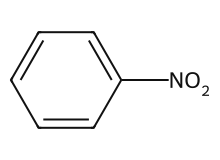
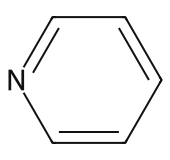
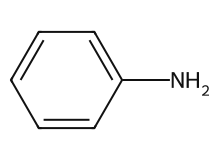
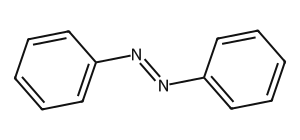
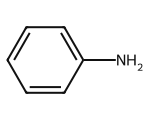
The Kjeldahl's method for the estimation of nitrogen can be used to estimate the amount of nitrogen in which one of the following compounds ?
नाइट्रोजन के आकलन की जेल्डाल (Kjeldahl) विधि का प्रयोग निम्नलिखित में से किस यौगिक में नाइट्रोजन की मात्रा ज्ञात करने के लिए किया जा सकता है?
  1. A
  2. B
  3. C
  4. D
Show answer

Concept: In Kjeldahl's method N is converted to (NH4)2SO4 by conc. H2SO4. Nitro/azo nitrogen and ring nitrogen (pyridine) are not converted.

  1. (A) Nitrobenzene – N in –NO2: not applicable.
  2. (B) Pyridine – N in the ring: not applicable.
  3. (C) Aniline – amino N is converted to ammonium sulphate: method works.
  4. (D) Azobenzene – –N=N– group: not applicable.

Short trick: Kjeldahl says 'no' to N-O-R: Nitro, azO, Ring N.

Answer: (C)

अवधारणा: जेल्डाल विधि में सांद्र H2SO4 द्वारा N को (NH4)2SO4 में बदला जाता है। नाइट्रो/ऐज़ो नाइट्रोजन और वलय नाइट्रोजन (पिरिडीन) परिवर्तित नहीं होते।

  1. (A) नाइट्रोबेंज़ीन – –NO2 में N: लागू नहीं।
  2. (B) पिरिडीन – वलय में N: लागू नहीं।
  3. (C) ऐनिलीन – ऐमीनो N ऐमोनियम सल्फ़ेट में बदल जाता है: विधि लागू।
  4. (D) ऐज़ोबेंज़ीन – –N=N– समूह: लागू नहीं।

शॉर्ट ट्रिक: जेल्डाल 'ना' कहता है – नाइट्रो, ऐज़ो, वलय N को।

उत्तर: (C)

NEET UGChemistryOrganic chemistry: basic principles – Kjeldahl's methodNEET UG 2022 · 17 Jul Shift 1
Q828.
The incorrect statement regarding enzymes is :
एन्ज़ाइमों के संबंध में गलत कथन है:
  1. AEnzymes are biocatalysts.एन्ज़ाइम जैव-उत्प्रेरक हैं।
  2. BLike chemical catalysts enzymes reduce the activation energy of bio processes .रासायनिक उत्प्रेरकों की भाँति एन्ज़ाइम जैव-प्रक्रमों की सक्रियण ऊर्जा कम करते हैं।
  3. CEnzymes are polysaccharides.एन्ज़ाइम पॉलिसैकेराइड हैं।
  4. DEnzymes are very specific for a particular reaction and substrate.एन्ज़ाइम किसी विशेष अभिक्रिया और क्रियाधार (substrate) के लिए अत्यंत विशिष्ट होते हैं।
Show answer

Concept: Almost all enzymes are globular proteins that act as biological catalysts.

  1. (A) Enzymes catalyse biochemical reactions – correct.
  2. (B) They provide an alternative path of lower activation energy – correct.
  3. (C) Enzymes are proteins (polypeptides), not polysaccharides – incorrect.
  4. (D) Lock-and-key specificity for substrate and reaction – correct.

Short trick: Enzyme names end in '-ase' but chemically they are prote-'ins'.

Answer: (C)

अवधारणा: लगभग सभी एन्ज़ाइम गोलिकाकार (globular) प्रोटीन हैं जो जैविक उत्प्रेरक की भाँति कार्य करते हैं।

  1. (A) एन्ज़ाइम जैव-रासायनिक अभिक्रियाओं को उत्प्रेरित करते हैं – सही।
  2. (B) वे कम सक्रियण ऊर्जा वाला वैकल्पिक मार्ग प्रदान करते हैं – सही।
  3. (C) एन्ज़ाइम प्रोटीन (पॉलिपेप्टाइड) हैं, पॉलिसैकेराइड नहीं – गलत।
  4. (D) क्रियाधार और अभिक्रिया के लिए ताला-चाबी विशिष्टता – सही।

शॉर्ट ट्रिक: एन्ज़ाइमों के नाम '-ase' पर समाप्त होते हैं, परंतु रासायनिक रूप से वे प्रोटीन हैं।

उत्तर: (C)

NEET UGChemistryBiomolecules – enzymesNEET UG 2022 · 17 Jul Shift 1
Q829.
The IUPAC name of the complex [Ag(H2O)2][Ag(CN)2] is:
संकुल [Ag(H2O)2][Ag(CN)2] का IUPAC नाम है:
  1. Adicyanidosilver(II) diaquaargentate(II)
  2. Bdiaquasilver(II) dicyanidoargentate(II)
  3. Cdicyanidosilver(I) diaquaargentate(I)
  4. Ddiaquasilver(I) dicyanidoargentate(I)
Show answer

Concept: Cation is named first; in an anionic complex the metal takes the Latin '-ate' name (Ag → argentate).

  1. Cation [Ag(H2O)2]+: x + 0 = +1 → Ag(I) → diaquasilver(I).
  2. Anion [Ag(CN)2]−: x − 2 = −1 → Ag(I) → dicyanidoargentate(I).
  3. Name: diaquasilver(I) dicyanidoargentate(I). Options with (II) have wrong oxidation state; option (C) has the ions in the wrong order.

Short trick: Neutral H2O can only sit in the cation; CN− makes the anion → 'argentate'.

Answer: (D)

अवधारणा: पहले धनायन का नाम लिया जाता है; ऋणायनिक संकुल में धातु का लैटिन '-ate' नाम लगता है (Ag → argentate)।

  1. धनायन [Ag(H2O)2]+: x + 0 = +1 → Ag(I) → diaquasilver(I)।
  2. ऋणायन [Ag(CN)2]−: x − 2 = −1 → Ag(I) → dicyanidoargentate(I)।
  3. नाम: diaquasilver(I) dicyanidoargentate(I)। (II) वाले विकल्पों में ऑक्सीकरण अवस्था गलत है; विकल्प (C) में आयनों का क्रम गलत है।

शॉर्ट ट्रिक: उदासीन H2O केवल धनायन में हो सकता है; CN− ऋणायन बनाता है → 'argentate'।

उत्तर: (D)

NEET UGChemistryCoordination compounds – IUPAC nomenclatureNEET UG 2022 · 17 Jul Shift 1
Q830.
Match List - I with List- II.
List-I (Drug class)List-II (Drug molecule)
(a) Antacids(i) Salvarsan
(b) Antihistamines(ii) Morphine
(c) Analgesics(iii) Cimetidine
(d) Antimicrobials(iv) Seldane
सूची-I का सूची-II से मिलान कीजिए।
सूची-I (औषधि वर्ग)सूची-II (औषधि अणु)
(a) प्रतिअम्ल (Antacids)(i) सैल्वरसान
(b) प्रतिहिस्टैमिन (Antihistamines)(ii) मॉर्फ़ीन
(c) पीड़ाहारी (Analgesics)(iii) सिमेटिडीन
(d) प्रतिसूक्ष्मजीवी (Antimicrobials)(iv) सेल्डेन
  1. A(a)-(iii), (b)-(ii), (c)-(iv), (d) - (i)
  2. B(a)-(iii), (b)-(iv), (c)- (ii), (d)-(i)
  3. C(a)-(i), (b)-(iv), (c)- (ii), (d)-(iii)
  4. D(a)-(iv), (b)-(iii), (c)-(i), (d)-(ii)
Show answer

Concept: NCERT examples of each drug class.

  1. Antacid – cimetidine (H2-receptor blocker, reduces acid) → (a)-(iii).
  2. Antihistamine – seldane (terfenadine) → (b)-(iv).
  3. Narcotic analgesic – morphine → (c)-(ii).
  4. Antimicrobial – salvarsan (arsphenamine, against syphilis) → (d)-(i).

Short trick: 'Cimetidine–Ranitidine' = acid; 'Seldane–Brompheniramine' = allergy; Salvarsan = Ehrlich's 'magic bullet'.

Answer: (B)

अवधारणा: प्रत्येक औषधि वर्ग के NCERT उदाहरण।

  1. प्रतिअम्ल – सिमेटिडीन (H2-ग्राही अवरोधक, अम्ल घटाता है) → (a)-(iii)।
  2. प्रतिहिस्टैमिन – सेल्डेन (टरफ़ेनाडीन) → (b)-(iv)।
  3. स्वापक पीड़ाहारी – मॉर्फ़ीन → (c)-(ii)।
  4. प्रतिसूक्ष्मजीवी – सैल्वरसान (आर्सफ़ेनामीन, सिफ़िलिस के विरुद्ध) → (d)-(i)।

शॉर्ट ट्रिक: 'सिमेटिडीन–रैनिटिडीन' = अम्ल; 'सेल्डेन–ब्रोमफ़ेनिरामीन' = एलर्जी; सैल्वरसान = एर्लिक की 'मैजिक बुलेट'।

उत्तर: (B)

NEET UGChemistryChemistry in everyday life – drug classesNEET UG 2022 · 17 Jul Shift 1
Q831.
Amongst the following which one will have maximum 'lone pair- lone pair' electron repulsions?
निम्नलिखित में से किसमें 'एकाकी युग्म–एकाकी युग्म' इलेक्ट्रॉन प्रतिकर्षण अधिकतम होगा?
  1. AClF3
  2. BIF5
  3. CSF4
  4. DXeF2
Show answer

Concept: lp–lp repulsions need at least two lone pairs; more lone pairs at 90°/120° → more lp–lp repulsion.

  1. IF5 (5 bp + 1 lp) and SF4 (4 bp + 1 lp): only one lone pair → no lp–lp repulsion.
  2. ClF3 (3 bp + 2 lp, T-shape): one lp–lp interaction.
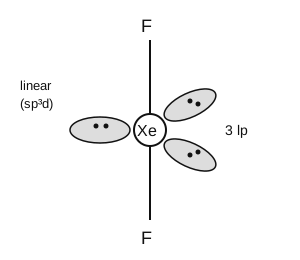
  3. XeF2 (2 bp + 3 lp, sp3d): three lone pairs in the equatorial plane → three lp–lp interactions at 120° – the maximum.

Short trick: Count lone pairs on the central atom: XeF2 has 3 – the most.

Answer: (D) XeF2

अवधारणा: lp–lp प्रतिकर्षण के लिए कम से कम दो एकाकी युग्म चाहिए; 90°/120° पर अधिक एकाकी युग्म → अधिक lp–lp प्रतिकर्षण।

  1. IF5 (5 bp + 1 lp) तथा SF4 (4 bp + 1 lp): केवल एक एकाकी युग्म → कोई lp–lp प्रतिकर्षण नहीं।
  2. ClF3 (3 bp + 2 lp, T-आकृति): एक lp–lp अन्योन्यक्रिया।
  3. XeF2 (2 bp + 3 lp, sp3d): विषुवतीय तल में तीन एकाकी युग्म → 120° पर तीन lp–lp अन्योन्यक्रियाएँ – अधिकतम।

शॉर्ट ट्रिक: केंद्रीय परमाणु पर एकाकी युग्म गिनिए: XeF2 में 3 – सबसे अधिक।

उत्तर: (D) XeF2

NEET UGChemistryChemical bonding – VSEPR (lone pair repulsions)NEET UG 2022 · 17 Jul Shift 1
Q832.
At 298 K, the standard electrode potentials of Cu2+/Cu, Zn2+/Zn, Fe2+/Fe and Ag+/Ag are 0.34 V, - 0.76 V, - 0.44 V and 0.80 V, respectively.
On the basis of standard electrode potential, predict which of the following reaction cannot occur ?
298 K पर Cu2+/Cu, Zn2+/Zn, Fe2+/Fe तथा Ag+/Ag के मानक इलेक्ट्रोड विभव क्रमशः 0.34 V, - 0.76 V, - 0.44 V तथा 0.80 V हैं।
मानक इलेक्ट्रोड विभव के आधार पर बताइए कि निम्नलिखित में से कौन-सी अभिक्रिया नहीं हो सकती?
  1. ACuSO4(aq) + Zn(s) → ZnSO4(aq) + Cu(s)
  2. BCuSO4(aq) + Fe(s) → FeSO4(aq) + Cu(s)
  3. CFeSO4(aq) + Zn(s) → ZnSO4(aq) + Fe(s)
  4. D2CuSO4(aq) + 2Ag(s) → 2Cu(s) + Ag2SO4(aq)
Show answer

Concept: A metal displaces another metal ion from solution only if its E° is lower (it is a better reducing agent): E°cell = E°cathode − E°anode > 0.

  1. (A) Zn → Cu: 0.34 − (−0.76) = +1.10 V – occurs.
  2. (B) Fe → Cu: 0.34 − (−0.44) = +0.78 V – occurs.
  3. (C) Zn → Fe: −0.44 − (−0.76) = +0.32 V – occurs.
  4. (D) Ag → Cu: 0.34 − 0.80 = −0.46 V – negative, cannot occur.

Short trick: Lower E° displaces higher E°: Zn < Fe < Cu < Ag. Ag cannot push out Cu.

Answer: (D)

अवधारणा: कोई धातु विलयन से दूसरे धातु आयन को तभी विस्थापित करती है जब उसका E° कम हो (वह बेहतर अपचायक हो): E°cell = E°कैथोड − E°ऐनोड > 0।

  1. (A) Zn → Cu: 0.34 − (−0.76) = +1.10 V – होती है।
  2. (B) Fe → Cu: 0.34 − (−0.44) = +0.78 V – होती है।
  3. (C) Zn → Fe: −0.44 − (−0.76) = +0.32 V – होती है।
  4. (D) Ag → Cu: 0.34 − 0.80 = −0.46 V – ऋणात्मक, नहीं हो सकती।

शॉर्ट ट्रिक: कम E° वाला अधिक E° वाले को विस्थापित करता है: Zn < Fe < Cu < Ag। Ag, Cu को नहीं हटा सकता।

उत्तर: (D)

NEET UGChemistryElectrochemistry – electrochemical seriesNEET UG 2022 · 17 Jul Shift 1
Q833.
Identify the incorrect statement from the following.
निम्नलिखित में से गलत कथन को पहचानिए।
  1. AAll the five 5d orbitals are different in size when compared to the respective 4d orbitals.सभी पाँच 5d कक्षक, संगत 4d कक्षकों की तुलना में आकार (size) में भिन्न होते हैं।
  2. BAll the five 4d orbitals have shapes similar to the respective 3d orbitals.सभी पाँच 4d कक्षकों की आकृतियाँ संगत 3d कक्षकों के समान होती हैं।
  3. CIn an atom, all the five 3d orbitals are equal in energy in free state.मुक्त अवस्था में किसी परमाणु के सभी पाँच 3d कक्षक ऊर्जा में समान होते हैं।
  4. DThe shapes of dxy, dyz, and dzx orbitals are similar to each other; and dx2−y2 and dz2 are similar to each other.dxy, dyz तथा dzx कक्षकों की आकृतियाँ एक-दूसरे के समान हैं; तथा dx2−y2 और dz2 एक-दूसरे के समान हैं।
Show answer

Concept: Size depends on n, shape on l and ml; in a free atom the five d orbitals of a shell are degenerate.

  1. (A) 5d orbitals are larger than 4d (higher n) – correct.
  2. (B) Shape depends only on l, so 4d and 3d shapes match – correct.
  3. (C) No external field → five 3d orbitals are degenerate – correct.
  4. (D) First part is right (four-leaf clovers between axes), but dz² (two lobes along z + doughnut ring) is NOT similar to dx²−y² (four lobes along x and y axes). Incorrect.

Short trick: Four d orbitals are 'clover-leaf'; the odd one out is dz² (dumb-bell + ring).

Answer: (D)

अवधारणा: आकार (size) n पर, आकृति (shape) l तथा ml पर निर्भर करती है; मुक्त परमाणु में किसी कोश के पाँचों d कक्षक समभ्रंश (degenerate) होते हैं।

  1. (A) 5d कक्षक 4d से बड़े होते हैं (अधिक n) – सही।
  2. (B) आकृति केवल l पर निर्भर है, अतः 4d और 3d की आकृतियाँ समान – सही।
  3. (C) बाह्य क्षेत्र नहीं → पाँचों 3d कक्षक समभ्रंश – सही।
  4. (D) पहला भाग सही है (अक्षों के बीच चार-पत्ती आकृति), परंतु dz² (z-अक्ष पर दो पालियाँ + डोनट वलय), dx²−y² (x तथा y अक्षों पर चार पालियाँ) के समान नहीं है। गलत।

शॉर्ट ट्रिक: चार d कक्षक 'चार-पत्ती' आकृति के हैं; अलग केवल dz² है (डंबल + वलय)।

उत्तर: (D)

NEET UGChemistryStructure of atom – shapes of d orbitalsNEET UG 2022 · 17 Jul Shift 1
Q834.
In one molal solution that contains 0.5 mole of a solute, there is
एक मोलल विलयन, जिसमें 0.5 मोल विलेय है, उसमें होता है
  1. A500 mL of solvent500 mL विलायक
  2. B500 g of solvent500 g विलायक
  3. C100 mL of solvent100 mL विलायक
  4. D1000 g of solvent1000 g विलायक
Show answer

Concept: Molality m = moles of solute / mass of solvent in kg.

  1. 1 = 0.5 / w(kg) → w = 0.5 kg = 500 g of solvent.
  2. Molality is defined by mass, so the mL options are not the definition (and 1000 g would hold 1 mol).

Short trick: Half the moles → half a kilogram of solvent.

Answer: (B) 500 g of solvent

अवधारणा: मोललता m = विलेय के मोल / विलायक का द्रव्यमान (kg में)।

  1. 1 = 0.5 / w(kg) → w = 0.5 kg = 500 g विलायक।
  2. मोललता द्रव्यमान से परिभाषित होती है, अतः mL वाले विकल्प परिभाषा के अनुरूप नहीं (और 1000 g में 1 मोल होगा)।

शॉर्ट ट्रिक: आधे मोल → आधा किलोग्राम विलायक।

उत्तर: (B) 500 g विलायक

NEET UGChemistrySolutions – molalityNEET UG 2022 · 17 Jul Shift 1
Q835.
Assertion (A): ICl is more reactive than I2
Reason (R): I-Cl bond is weak than I-I bond
Choose the most appropriate answer from the options given below:
अभिकथन (A): ICl, I2 से अधिक क्रियाशील है
कारण (R): I-Cl आबंध, I-I आबंध से दुर्बल है
नीचे दिए गए विकल्पों में से सबसे उपयुक्त उत्तर चुनिए:
  1. ABoth (A) and (R) are correct and (R) is the correct explanation of (A)(A) और (R) दोनों सही हैं तथा (R), (A) की सही व्याख्या है
  2. BBoth (A) and (R) are correct but (R) is not the correct explanation of (A)(A) और (R) दोनों सही हैं परंतु (R), (A) की सही व्याख्या नहीं है
  3. C(A) is correct but (R) is not correct(A) सही है परंतु (R) सही नहीं है
  4. D(A) is not correct but (R) is correct(A) सही नहीं है परंतु (R) सही है
Show answer

Concept: Interhalogens are more reactive than halogens (except F2) because the polar X–X′ bond is weaker than the X–X bond.

  1. (A) ICl is more reactive than I2 – correct (NCERT).
  2. (R) The I–Cl bond is weaker than the I–I bond (NCERT reason) – correct.
  3. The weaker bond breaks more easily, which is exactly why ICl is more reactive → (R) explains (A).

Short trick: NCERT line: 'interhalogens are more reactive than halogens (except fluorine) because X–X′ bond is weaker than X–X bond'.

Answer: (A)

अवधारणा: अंतराहैलोजन यौगिक, हैलोजनों से (F2 को छोड़कर) अधिक क्रियाशील होते हैं क्योंकि ध्रुवीय X–X′ आबंध, X–X आबंध से दुर्बल होता है।

  1. (A) ICl, I2 से अधिक क्रियाशील है – सही (NCERT)।
  2. (R) I–Cl आबंध, I–I आबंध से दुर्बल है (NCERT कारण) – सही।
  3. दुर्बल आबंध आसानी से टूटता है, यही कारण है कि ICl अधिक क्रियाशील है → (R), (A) की व्याख्या करता है।

शॉर्ट ट्रिक: NCERT पंक्ति: 'अंतराहैलोजन, हैलोजनों से (फ़्लुओरीन को छोड़कर) अधिक क्रियाशील होते हैं क्योंकि X–X′ आबंध, X–X आबंध से दुर्बल होता है'।

उत्तर: (A)

NEET UGChemistryp-Block (group 17) – interhalogen compoundsNEET UG 2022 · 17 Jul Shift 1
Q836.
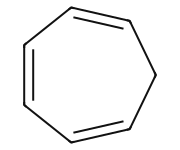
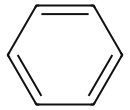
Which compound amongst the following is not an aromatic compound?
निम्नलिखित में से कौन-सा यौगिक ऐरोमैटिक यौगिक नहीं है?
  1. A
  2. B
  3. C
  4. D
Show answer

Concept: Aromatic: cyclic, planar, fully conjugated (every ring atom sp2) and (4n + 2) π electrons.

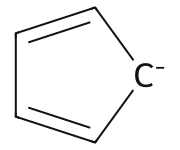
  1. (A) Cyclopentadienyl anion: 6π electrons, all C sp2 → aromatic.
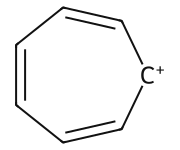
  2. (B) Cycloheptatrienyl (tropylium) cation: 6π, all C sp2 → aromatic.
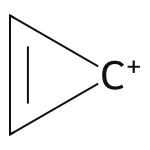
  3. (C) Cyclopropenyl cation: 2π (n = 0), all C sp2 → aromatic.
  4. (D) Cycloheptatriene: one sp3 CH2 breaks the conjugation and the ring is non-planar → non-aromatic.

Short trick: Spot the sp3 carbon with no charge – that ring cannot be aromatic.

Answer: (D)

अवधारणा: ऐरोमैटिक: चक्रीय, समतलीय, पूर्णतः संयुग्मित (वलय का प्रत्येक परमाणु sp2) तथा (4n + 2) π इलेक्ट्रॉन।

  1. (A) साइक्लोपेन्टाडाइएनिल ऋणायन: 6π इलेक्ट्रॉन, सभी C sp2 → ऐरोमैटिक।
  2. (B) साइक्लोहेप्टाट्राइएनिल (ट्रोपिलियम) धनायन: 6π, सभी C sp2 → ऐरोमैटिक।
  3. (C) साइक्लोप्रोपेनिल धनायन: 2π (n = 0), सभी C sp2 → ऐरोमैटिक।
  4. (D) साइक्लोहेप्टाट्राइईन: एक sp3 CH2 संयुग्मन को तोड़ता है और वलय असमतलीय है → अनैरोमैटिक।

शॉर्ट ट्रिक: बिना आवेश वाला sp3 कार्बन खोजिए – वह वलय ऐरोमैटिक नहीं हो सकता।

उत्तर: (D)

NEET UGChemistryHydrocarbons – aromaticity (Hückel rule)NEET UG 2022 · 17 Jul Shift 1
Q837.
Statement I: The boiling points of the following hydrides of group 16 elements increases in the order-
H2O < H2S < H2Se < H2Te
Statement II: The boiling points of these hydrides increases with increase in molar mass.
In the light of the above statements, choose the most appropriate answer from the options given below:
कथन I: वर्ग 16 के तत्वों के निम्नलिखित हाइड्राइडों के क्वथनांक इस क्रम में बढ़ते हैं-
H2O < H2S < H2Se < H2Te
कथन II: इन हाइड्राइडों के क्वथनांक मोलर द्रव्यमान बढ़ने के साथ बढ़ते हैं।
उपर्युक्त कथनों के आलोक में, नीचे दिए गए विकल्पों में से सबसे उपयुक्त उत्तर चुनिए:
  1. ABoth Statement I and Statement II are correct.कथन I और कथन II दोनों सही हैं।
  2. BBoth Statement I and Statement II are incorrect.कथन I और कथन II दोनों गलत हैं।
  3. CStatement I is correct but Statement II is incorrect.कथन I सही है परंतु कथन II गलत है।
  4. DStatement I is incorrect but Statement II is correct.कथन I गलत है परंतु कथन II सही है।
Show answer

Concept: H2O shows strong intermolecular hydrogen bonding, so it has an abnormally high boiling point.

  1. Actual b.p.: H2O (373 K) > H2Te (271 K) > H2Se (232 K) > H2S (213 K). Order in Statement I is wrong.
  2. Statement II claims b.p. rises with molar mass for these hydrides – false, because H2O (lightest) boils highest.
  3. Both statements are incorrect.

Short trick: Whenever H2O, HF or NH3 is in a 'b.p. increases with mass' series, H-bonding breaks the trend.

Answer: (B)

अवधारणा: H2O में प्रबल अंतराअणुक हाइड्रोजन आबंधन होता है, इसलिए इसका क्वथनांक असामान्य रूप से उच्च है।

  1. वास्तविक क्वथनांक: H2O (373 K) > H2Te (271 K) > H2Se (232 K) > H2S (213 K)। कथन I का क्रम गलत है।
  2. कथन II कहता है कि इन हाइड्राइडों का क्वथनांक मोलर द्रव्यमान के साथ बढ़ता है – असत्य, क्योंकि सबसे हल्का H2O सबसे अधिक ताप पर उबलता है।
  3. दोनों कथन गलत हैं।

शॉर्ट ट्रिक: जब भी 'द्रव्यमान के साथ क्वथनांक बढ़ता है' वाली श्रेणी में H2O, HF या NH3 हो, H-आबंधन प्रवृत्ति को तोड़ देता है।

उत्तर: (B)

NEET UGChemistryp-Block (group 16) – boiling points of hydridesNEET UG 2022 · 17 Jul Shift 1
Q838.
Match List-I with List-II.
List-IList-II
(a) Li(i) absorbent for carbon dioxide
(b) Na(ii) electrochemical cells
(c) KOH(iii) coolant in fast breeder reactors
(d) Cs(iv) photoelectric cell
Choose the correct answer from the options given below :
सूची-I का सूची-II से मिलान कीजिए।
सूची-Iसूची-II
(a) Li(i) कार्बन डाइऑक्साइड का अवशोषक
(b) Na(ii) विद्युत-रासायनिक सेल
(c) KOH(iii) द्रुत प्रजनक रिएक्टरों (fast breeder reactors) में शीतलक
(d) Cs(iv) प्रकाश-विद्युत सेल
नीचे दिए गए विकल्पों में से सही उत्तर चुनिए:
  1. A(a)-(iv), (b)-(i), (c)-(iii), (d)-(ii)
  2. B(a)-(iii), (b)-(iv), (c)-(ii), (d)-(i)
  3. C(a)-(i), (b)-(iii), (c)-(iv), (d)-(ii)
  4. D(a)-(ii), (b)-(iii), (c)-(i), (d)-(iv)
Show answer

Concept: NCERT uses of alkali metals and their compounds.

  1. Li – lightest metal, most negative E° → electrochemical cells (Li batteries) → (a)-(ii).
  2. Liquid Na – coolant in fast breeder nuclear reactors → (b)-(iii).
  3. KOH – absorbs CO2 (2KOH + CO2 → K2CO3 + H2O) → (c)-(i).
  4. Cs – lowest ionisation enthalpy → photoelectric cells → (d)-(iv).

Short trick: Cs loses electrons with light; Na flows as a liquid coolant; Li powers batteries.

Answer: (D)

अवधारणा: क्षार धातुओं और उनके यौगिकों के NCERT उपयोग।

  1. Li – सबसे हल्की धातु, सबसे अधिक ऋणात्मक E° → विद्युत-रासायनिक सेल (Li बैटरी) → (a)-(ii)।
  2. द्रव Na – द्रुत प्रजनक नाभिकीय रिएक्टरों में शीतलक → (b)-(iii)।
  3. KOH – CO2 का अवशोषण करता है (2KOH + CO2 → K2CO3 + H2O) → (c)-(i)।
  4. Cs – न्यूनतम आयनन एन्थैल्पी → प्रकाश-विद्युत सेल → (d)-(iv)।

शॉर्ट ट्रिक: Cs प्रकाश से इलेक्ट्रॉन खोता है; Na द्रव शीतलक के रूप में बहता है; Li बैटरी चलाता है।

उत्तर: (D)

NEET UGChemistrys-Block elements – uses of alkali metalsNEET UG 2022 · 17 Jul Shift 1
Q839.
Which of the following sequence of reactions is suitable to synthesize chlorobenzene?
क्लोरोबेंज़ीन के संश्लेषण के लिए निम्नलिखित में से कौन-सा अभिक्रिया अनुक्रम उपयुक्त है?
  1. ABenzene, Cl2, anhydrous FeCl3बेंज़ीन, Cl2, निर्जल FeCl3
  2. BPhenol, NaNO2, HCl, CuClफ़ीनॉल, NaNO2, HCl, CuCl
  3. C, HCl
  4. D, HCl, Heating, HCl, गर्म करना
Show answer

Concept: Chlorobenzene is made by electrophilic substitution of benzene with Cl2 in presence of a Lewis acid (FeCl3), or by Sandmeyer reaction from aniline.

  1. (A) C6H6 + Cl2 →anhyd. FeCl3 C6H5Cl + HCl – correct (Cl+ is the electrophile).
  2. (B) Phenol has no –NH2, so it cannot be diazotised; Sandmeyer needs aniline.
  3. (C) Benzene does not react with HCl.
  4. (D) Aniline + HCl only gives anilinium chloride (a salt), not chlorobenzene.

Short trick: Ar–Cl comes from (i) benzene + Cl2/FeCl3 or (ii) ArN2+ + CuCl – never from HCl alone.

Answer: (A)

अवधारणा: क्लोरोबेंज़ीन, लूइस अम्ल (FeCl3) की उपस्थिति में Cl2 द्वारा बेंज़ीन के इलेक्ट्रॉनस्नेही प्रतिस्थापन से, अथवा ऐनिलीन से सैन्डमायर अभिक्रिया द्वारा बनता है।

  1. (A) C6H6 + Cl2 →anhyd. FeCl3 C6H5Cl + HCl – सही (Cl+ इलेक्ट्रॉनस्नेही है)।
  2. (B) फ़ीनॉल में –NH2 नहीं है, अतः इसका डाइऐज़ोटीकरण नहीं हो सकता; सैन्डमायर के लिए ऐनिलीन चाहिए।
  3. (C) बेंज़ीन, HCl से अभिक्रिया नहीं करती।
  4. (D) ऐनिलीन + HCl केवल ऐनिलीनियम क्लोराइड (लवण) देता है, क्लोरोबेंज़ीन नहीं।

शॉर्ट ट्रिक: Ar–Cl बनता है (i) बेंज़ीन + Cl2/FeCl3 से या (ii) ArN2+ + CuCl से – केवल HCl से कभी नहीं।

उत्तर: (A)

NEET UGChemistryHaloarenes – preparation of chlorobenzeneNEET UG 2022 · 17 Jul Shift 1
Q840.
Statement I: The boiling points of aldehydes and ketones are higher than hydrocarbons of comparable molecular masses because of weak molecular association in aldehydes and ketones due to dipole - dipole interactions
Statement II: The boiling points of aldehydes and ketones are lower than the alcohols of similar molecular masses due to the absence of H-bonding.
In the light of the above statements choose the most appropriate answer from the options given below:
कथन I: ऐल्डिहाइडों और कीटोनों के क्वथनांक तुलनीय आण्विक द्रव्यमान वाले हाइड्रोकार्बनों से अधिक होते हैं क्योंकि ऐल्डिहाइडों और कीटोनों में द्विध्रुव-द्विध्रुव अन्योन्यक्रियाओं के कारण दुर्बल आण्विक संगुणन होता है
कथन II: H-आबंधन की अनुपस्थिति के कारण ऐल्डिहाइडों और कीटोनों के क्वथनांक समान आण्विक द्रव्यमान वाले ऐल्कोहॉलों से कम होते हैं।
उपर्युक्त कथनों के आलोक में नीचे दिए गए विकल्पों में से सबसे उपयुक्त उत्तर चुनिए:
  1. ABoth Statement I and Statement II are correct.कथन I और कथन II दोनों सही हैं।
  2. BBoth Statement I and Statement II are incorrect.कथन I और कथन II दोनों गलत हैं।
  3. CStatement I is correct but Statement II is incorrect.कथन I सही है परंतु कथन II गलत है।
  4. DStatement I is incorrect but Statement II is correct.कथन I गलत है परंतु कथन II सही है।
Show answer

Concept: The polar C=O group gives dipole–dipole attraction, but aldehydes/ketones have no O–H, so no intermolecular H-bonding.

  1. Statement I: dipole–dipole association > van der Waals forces of hydrocarbons → higher b.p. Correct (NCERT line).
  2. Statement II: alcohols have intermolecular H-bonds; carbonyl compounds do not → lower b.p. than alcohols. Correct.
  3. Example (M ≈ 58–60): butane 273 K < propanal 322 K < propan-1-ol 370 K.

Short trick: b.p. order for similar mass: alkane < aldehyde/ketone < alcohol (none < dipole < H-bond).

Answer: (A)

अवधारणा: ध्रुवीय C=O समूह द्विध्रुव–द्विध्रुव आकर्षण देता है, परंतु ऐल्डिहाइड/कीटोन में O–H नहीं होता, अतः अंतराअणुक H-आबंधन नहीं होता।

  1. कथन I: द्विध्रुव–द्विध्रुव संगुणन > हाइड्रोकार्बनों के वान्डरवाल्स बल → अधिक क्वथनांक। सही (NCERT पंक्ति)।
  2. कथन II: ऐल्कोहॉलों में अंतराअणुक H-आबंध होते हैं; कार्बोनिल यौगिकों में नहीं → ऐल्कोहॉलों से कम क्वथनांक। सही।
  3. उदाहरण (M ≈ 58–60): ब्यूटेन 273 K < प्रोपेनैल 322 K < प्रोपेन-1-ऑल 370 K।

शॉर्ट ट्रिक: समान द्रव्यमान के लिए क्वथनांक क्रम: ऐल्केन < ऐल्डिहाइड/कीटोन < ऐल्कोहॉल (कुछ नहीं < द्विध्रुव < H-आबंध)।

उत्तर: (A)

NEET UGChemistryAldehydes and ketones – physical propertiesNEET UG 2022 · 17 Jul Shift 1