NEET UG · 2,240 questions

NEET UG 2015, 2016, 2017, 2018, 2019, 2020, 2021, 2022, 2023, 2024, 2025, 2026 PYQs

Real previous year questions, subject-wise. Try the question, then open the answer and the explanation in Hindi & English – free, no login.

Courses – airGurukul

2,240 questions.

Q901.
Read the following statements on lipids and find out correct set of statements:
(a) Lecithin found in the plasma membrane is a glycolipid
(b) Saturated fatty acids possess one or more c = c bonds
(c) Gingely oil has lower melting point, hence remains as oil in winter
(d) Lipids are generally insoluble in water but soluble in some organic solvents
(e) When fatty acid is esterified with glycerol, monoglycerides are formed.
Choose the correct answer from the options given below
लिपिडों के संबंध में निम्नलिखित कथनों को पढ़िए तथा कथनों का सही समुच्चय ज्ञात कीजिए:
(a) प्लाज़्मा झिल्ली में पाया जाने वाला लेसिथिन एक ग्लाइकोलिपिड है
(b) संतृप्त वसा अम्लों में एक या अधिक c = c बंध होते हैं
(c) तिल (gingely) के तेल का गलनांक कम होता है, अतः यह शीत ऋतु में तेल के रूप में ही रहता है
(d) लिपिड सामान्यतः जल में अविलेय परंतु कुछ कार्बनिक विलायकों में विलेय होते हैं
(e) जब वसा अम्ल ग्लिसरॉल के साथ एस्टरीकृत होता है, तो मोनोग्लिसराइड बनते हैं।
नीचे दिए गए विकल्पों में से सही उत्तर चुनिए
  1. A(a), (b) and (c) onlyकेवल (a), (b) और (c)
  2. B(a), (d) and (e) onlyकेवल (a), (d) और (e)
  3. C(c), (d) and (e) onlyकेवल (c), (d) और (e)
  4. D(a), (b) and (d) onlyकेवल (a), (b) और (d)
Show answer

Concept: NCERT (Biomolecules): lipids are water-insoluble; fatty acids may be saturated or unsaturated; esters with glycerol form mono-, di- and triglycerides; phospholipids contain phosphate.

  1. (a) False – lecithin is a phospholipid, not a glycolipid.
  2. (b) False – saturated fatty acids have no C=C double bond; unsaturated ones have one or more.
  3. (c) True – oils (e.g., gingelly oil) have lower melting points and stay liquid in winter.
  4. (d) True – insoluble in water, soluble in organic solvents (ether, chloroform).
  5. (e) True – one fatty acid esterified with glycerol gives a monoglyceride.

Short trick: Remove any option containing (a) or (b) → only (C) survives.

Answer: (C) (c), (d) and (e) only

अवधारणा: NCERT (जैव अणु): लिपिड जल में अविलेय होते हैं; वसा अम्ल संतृप्त या असंतृप्त हो सकते हैं; ग्लिसरॉल के साथ एस्टर मोनो-, डाइ- तथा ट्राइग्लिसराइड बनाते हैं; फ़ॉस्फ़ोलिपिड में फ़ॉस्फ़ेट होता है।

  1. (a) असत्य – लेसिथिन एक फ़ॉस्फ़ोलिपिड है, ग्लाइकोलिपिड नहीं।
  2. (b) असत्य – संतृप्त वसा अम्लों में कोई C=C द्विबंध नहीं होता; असंतृप्त में एक या अधिक होते हैं।
  3. (c) सत्य – तेलों (जैसे तिल का तेल) का गलनांक कम होता है और वे शीत में द्रव रहते हैं।
  4. (d) सत्य – जल में अविलेय, कार्बनिक विलायकों (ईथर, क्लोरोफ़ॉर्म) में विलेय।
  5. (e) सत्य – एक वसा अम्ल के ग्लिसरॉल से एस्टरीकरण पर मोनोग्लिसराइड बनता है।

शॉर्ट ट्रिक: (a) या (b) वाले सभी विकल्प हटाइए → केवल (C) बचता है।

उत्तर: (C) केवल (c), (d) और (e)
NEET UGBotanyBiomolecules – lipidsNEET UG 2022 · 17 Jul Shift 1
Q902.
Transposons can be used during which one of the following?
निम्नलिखित में से किसके दौरान ट्रांसपोसॉन (transposons) का उपयोग किया जा सकता है?
  1. APolymerase chain reactionपॉलीमरेज़ शृंखला अभिक्रिया
  2. BGene silencingजीन शमन (Gene silencing)
  3. CAutoradiographyस्वविकिरणी चित्रण (Autoradiography)
  4. DGene sequencingजीन अनुक्रमण (Gene sequencing)
Show answer

Concept: NCERT (RNAi for nematode resistance): “RNAi involves silencing of a specific mRNA due to a complementary dsRNA molecule… The source of this complementary RNA could be from an infection by viruses having RNA genomes or mobile genetic elements (transposons) that replicate via an RNA intermediate.”

  1. Transposons (via their RNA intermediate) supply the dsRNA that triggers RNA interference → gene silencing (e.g., Meloidogyne incognita-resistant tobacco).
  2. PCR uses primers + Taq polymerase; autoradiography detects radioactive probes; gene sequencing in NCERT uses Sanger’s method – transposons are not the NCERT tool for these.

Short trick: NCERT links “mobile genetic elements (transposons)” only to RNAi → gene silencing.

Answer: (B) Gene silencing

अवधारणा: NCERT (सूत्रकृमि प्रतिरोध हेतु RNAi): “RNAi में एक पूरक dsRNA अणु द्वारा विशिष्ट mRNA का शमन होता है… इस पूरक RNA का स्रोत RNA जीनोम वाले विषाणुओं का संक्रमण या चलायमान आनुवंशिक तत्व (ट्रांसपोसॉन) हो सकते हैं जो RNA मध्यवर्ती द्वारा प्रतिकृत होते हैं।”

  1. ट्रांसपोसॉन (अपने RNA मध्यवर्ती द्वारा) वह dsRNA देते हैं जो RNA अंतरक्षेप को आरंभ करता है → जीन शमन (जैसे Meloidogyne incognita-प्रतिरोधी तंबाकू)।
  2. PCR में प्राइमर + Taq पॉलीमरेज़ प्रयुक्त होते हैं; स्वविकिरणी चित्रण रेडियोसक्रिय प्रोब का पता लगाता है; NCERT में जीन अनुक्रमण सैंगर विधि से होता है – इनके लिए ट्रांसपोसॉन NCERT का साधन नहीं हैं।

शॉर्ट ट्रिक: NCERT में “चलायमान आनुवंशिक तत्व (ट्रांसपोसॉन)” केवल RNAi से जुड़े हैं → जीन शमन।

उत्तर: (B) जीन शमन

NEET UGBotanyBiotechnology applications – RNA interferenceNEET UG 2022 · 17 Jul Shift 1
Q903.
While explaining interspecific interaction of population, (+) sign is assigned for beneficial interaction, (-) sign is assigned for detrimental interaction and (0) for neutral interaction. Which of the following interactions can be assigned (+) for one species and (-) for another species involved in the interaction?
समष्टि की अंतरजातीय अन्योन्यक्रिया को समझाते समय लाभदायक अन्योन्यक्रिया के लिए (+) चिह्न, हानिकारक के लिए (-) चिह्न तथा उदासीन के लिए (0) चिह्न दिया जाता है। निम्नलिखित में से किस अन्योन्यक्रिया में सम्मिलित एक जाति को (+) तथा दूसरी जाति को (-) दिया जा सकता है?
  1. APredationपरभक्षण
  2. BAmensalismअंतरजातीय प्रतिजीविता (Amensalism)
  3. CCommensalismसहभोजिता (Commensalism)
  4. DCompetitionप्रतिस्पर्धा
Show answer

Concept: NCERT table of population interactions.

  1. InteractionSpecies ASpecies B
    Mutualism++
    Competition––
    Predation+–
    Parasitism+–
    Commensalism+0
    Amensalism–0
  2. Predation: predator gains (+), prey is killed (–) ✔.
  3. Amensalism (–/0), commensalism (+/0), competition (–/–) do not fit.

Short trick: (+/–) pairs in NCERT = Predation and Parasitism only.

Answer: (A) Predation

अवधारणा: NCERT की समष्टि अन्योन्यक्रियाओं की तालिका।

  1. अन्योन्यक्रियाजाति Aजाति B
    सहोपकारिता++
    प्रतिस्पर्धा––
    परभक्षण+–
    परजीविता+–
    सहभोजिता+0
    अंतरजातीय प्रतिजीविता–0
  2. परभक्षण: परभक्षी को लाभ (+), शिकार मारा जाता है (–) ✔।
  3. अंतरजातीय प्रतिजीविता (–/0), सहभोजिता (+/0), प्रतिस्पर्धा (–/–) उपयुक्त नहीं।

शॉर्ट ट्रिक: NCERT में (+/–) युग्म = केवल परभक्षण तथा परजीविता।

उत्तर: (A) परभक्षण

NEET UGBotanyOrganisms and populations – population interactionsNEET UG 2022 · 17 Jul Shift 1
Q904.
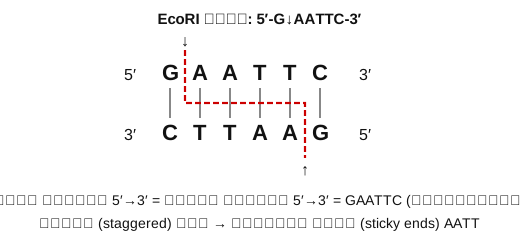
In the following palindromic base sequence of DNA, which one can be cut easily by a particular restriction enzyme?
DNA के निम्नलिखित पैलिंड्रोमी क्षार अनुक्रम में से कौन-सा किसी विशिष्ट प्रतिबंधन एंज़ाइम द्वारा आसानी से काटा जा सकता है?
  1. A5’ GATACT 3’ ; 3’ CTATGA 5’
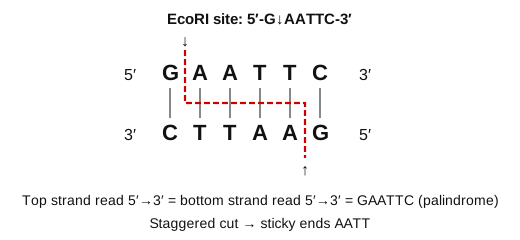
  2. B5’ GAATTC 3’ ; 3’ CTTAAG 5’
  3. C5’ CTCAGT 3’ ; 3’ GAGTCA 5’
  4. D5’ GTATTC 3’ ; 3’ CATAAG 5’
Show answer

Concept: A palindrome in DNA reads the same on both strands when each is read 5’→3’; restriction endonucleases recognise such sites.

  1. (B) top 5’-GAATTC-3’; bottom read 5’→3’ = GAATTC → palindrome ✔ (EcoRI site, cuts G↓AATTC leaving AATT sticky ends).
  2. (A) bottom 5’→3’ = AGTATC ≠ GATACT.
  3. (C) bottom 5’→3’ = ACTGAG ≠ CTCAGT.
  4. (D) bottom 5’→3’ = GAATAC ≠ GTATTC.

Short trick: Quick test: write the reverse complement of the top strand – it must equal the top strand. Classic NCERT example = GAATTC.

Answer: (B) 5’ GAATTC 3’ ; 3’ CTTAAG 5’

अवधारणा: DNA में पैलिंड्रोम वह अनुक्रम है जो दोनों रज्जुकों पर 5’→3’ पढ़ने पर समान हो; प्रतिबंधन एंडोन्यूक्लिएज़ ऐसे स्थलों को पहचानते हैं।

  1. (B) ऊपरी 5’-GAATTC-3’; निचला 5’→3’ पढ़ने पर = GAATTC → पैलिंड्रोम ✔ (EcoRI स्थल, G↓AATTC पर काटकर AATT चिपचिपे सिरे देता है)।
  2. (A) निचला 5’→3’ = AGTATC ≠ GATACT।
  3. (C) निचला 5’→3’ = ACTGAG ≠ CTCAGT।
  4. (D) निचला 5’→3’ = GAATAC ≠ GTATTC।

शॉर्ट ट्रिक: त्वरित जाँच: ऊपरी रज्जुक का विपरीत पूरक लिखिए – वह ऊपरी रज्जुक के बराबर होना चाहिए। NCERT का क्लासिक उदाहरण = GAATTC।

उत्तर: (B) 5’ GAATTC 3’ ; 3’ CTTAAG 5’

NEET UGBotanyBiotechnology – restriction enzymes and palindromesNEET UG 2022 · 17 Jul Shift 1
Q905.
Which one of the following will accelerate phosphorus cycle?
निम्नलिखित में से कौन फ़ॉस्फ़ोरस चक्र को त्वरित करेगा?
  1. ABurning of fossil fuelsजीवाश्म ईंधनों का दहन
  2. BVolcanic activityज्वालामुखी क्रिया
  3. CWeathering of rocksचट्टानों का अपक्षय
  4. DRainfall and stormsवर्षा तथा तूफ़ान
Show answer

Concept: Phosphorus cycle is sedimentary: NCERT – “The natural reservoir of phosphorus is rock, which contains phosphorus in the form of phosphates. When rocks are weathered, minute amounts of these phosphates dissolve in soil solution and are absorbed by the roots.”

  1. Weathering of rocks releases phosphate – the entry step of the cycle, so it speeds up the cycle ✔.
  2. Burning fossil fuels and volcanic activity add CO2/gases – they matter for the carbon (gaseous) cycle; P has no significant gaseous phase.
  3. Rain and storms may move particles but are not the reservoir-releasing step named in NCERT.

Short trick: No gas in P-cycle → only rock weathering frees P.

Answer: (C) Weathering of rocks

अवधारणा: फ़ॉस्फ़ोरस चक्र अवसादी है: NCERT – “फ़ॉस्फ़ोरस का प्राकृतिक भंडार चट्टानें हैं जिनमें यह फ़ॉस्फ़ेट के रूप में रहता है। चट्टानों के अपक्षय पर इन फ़ॉस्फ़ेटों की थोड़ी मात्रा मृदा विलयन में घुलती है और मूलों द्वारा अवशोषित होती है।”

  1. चट्टानों का अपक्षय फ़ॉस्फ़ेट मुक्त करता है – यह चक्र का प्रवेश-चरण है, अतः चक्र को त्वरित करता है ✔।
  2. जीवाश्म ईंधन का दहन तथा ज्वालामुखी क्रिया CO2/गैसें जोड़ते हैं – ये कार्बन (गैसीय) चक्र के लिए महत्त्वपूर्ण हैं; P की कोई उल्लेखनीय गैसीय प्रावस्था नहीं है।
  3. वर्षा व तूफ़ान कणों को स्थानांतरित कर सकते हैं, परंतु NCERT में बताया गया भंडार-मुक्ति चरण ये नहीं हैं।

शॉर्ट ट्रिक: P-चक्र में गैस नहीं → केवल चट्टानों का अपक्षय P मुक्त करता है।

उत्तर: (C) चट्टानों का अपक्षय

NEET UGBotanyEcosystem – phosphorus cycleNEET UG 2022 · 17 Jul Shift 1
Q906.
The entire fleet of buses in Delhi were converted to CNG from diesel. In reference to this, which one of the following statements is false?
दिल्ली में बसों के पूरे बेड़े को डीज़ल से CNG में परिवर्तित कर दिया गया। इसके संदर्भ में निम्नलिखित में से कौन-सा कथन असत्य है?
  1. ACNG burns more efficiently than dieselCNG डीज़ल की तुलना में अधिक दक्षता से जलती है
  2. BThe same diesel engine is used in CNG buses making the cost of conversion lowCNG बसों में वही डीज़ल इंजन प्रयुक्त होता है जिससे रूपांतरण की लागत कम रहती है
  3. CIt is cheaper than dieselयह डीज़ल से सस्ती है
  4. DIt cannot be adulterated like dieselइसमें डीज़ल की तरह मिलावट नहीं की जा सकती
Show answer

Concept: NCERT (Delhi case study): CNG burns most efficiently with very little left unburnt, is cheaper than petrol/diesel, cannot be siphoned off by thieves or adulterated.

  1. (A), (C), (D) are NCERT advantages of CNG → true.
  2. (B) is false – CNG needs different/modified engines and gas cylinders, and the main problem NCERT mentions is laying pipelines for supply; the diesel engine cannot simply be reused.

Short trick: CNG’s 3 NCERT pluses: efficient, cheap, no adulteration – anything else is the trap.

Answer: (B) The same diesel engine is used in CNG buses making the cost of conversion low

अवधारणा: NCERT (दिल्ली केस अध्ययन): CNG सबसे दक्षता से जलती है और बहुत कम अदग्ध रहती है, पेट्रोल/डीज़ल से सस्ती है, इसे चोर निकाल नहीं सकते और इसमें मिलावट नहीं हो सकती।

  1. (A), (C), (D) NCERT में बताए CNG के लाभ हैं → सत्य।
  2. (B) असत्य है – CNG के लिए भिन्न/संशोधित इंजन तथा गैस सिलिंडर चाहिए, और NCERT में मुख्य समस्या आपूर्ति हेतु पाइपलाइन बिछाना बताई गई है; डीज़ल इंजन को यूँ ही पुनः प्रयोग नहीं किया जा सकता।

शॉर्ट ट्रिक: CNG के 3 NCERT लाभ: दक्ष, सस्ती, मिलावट नहीं – इसके अलावा कुछ भी जाल है।

उत्तर: (B) CNG बसों में वही डीज़ल इंजन प्रयुक्त होता है जिससे रूपांतरण की लागत कम रहती है

NEET UGBotanyEnvironmental issues – CNG in DelhiNEET UG 2022 · 17 Jul Shift 1
Q907.
Match the plant with the kind of life cycle it exhibits. Choose the correct answer from the options given below:
List - IList - II
(a)Spirogyra(i)Dominant diploid sporophyte vascular plant, with highly reduced male or female gametophyte
(b)Fern(ii)Dominant haploid free-living gametophyte
(c)Funaria(iii)Dominant diploid sporophyte alternating with reduced gametophyte called prothallus
(d)Cycas(iv)Dominant haploid leafy gametophyte alternating with partially dependent multicellular sporophyte
पौधे का उसके द्वारा प्रदर्शित जीवन चक्र के प्रकार से मिलान कीजिए। नीचे दिए गए विकल्पों में से सही उत्तर चुनिए:
सूची - Iसूची - II
(a)Spirogyra(i)प्रभावी द्विगुणित बीजाणुद्भिद संवहनी पौधा, जिसमें नर या मादा युग्मकोद्भिद अत्यधिक ह्रासित होता है
(b)फ़र्न(ii)प्रभावी अगुणित मुक्तजीवी युग्मकोद्भिद
(c)Funaria(iii)प्रभावी द्विगुणित बीजाणुद्भिद जो प्रोथैलस नामक ह्रासित युग्मकोद्भिद से एकांतरित होता है
(d)Cycas(iv)प्रभावी अगुणित पत्तीमय युग्मकोद्भिद जो आंशिक रूप से आश्रित बहुकोशिकीय बीजाणुद्भिद से एकांतरित होता है
  1. A(a) - (iv); (b) - (i); (c) - (ii); (d) - (iii)
  2. B(a) - (ii); (b) - (iii); (c) - (iv); (d) - (i)
  3. C(a) - (iii); (b) - (iv); (c) - (i); (d) - (ii)
  4. D(a) - (ii); (b) - (iv); (c) - (i); (d) - (iii)
Show answer

Concept: NCERT patterns: haplontic, haplo-diplontic, diplontic.

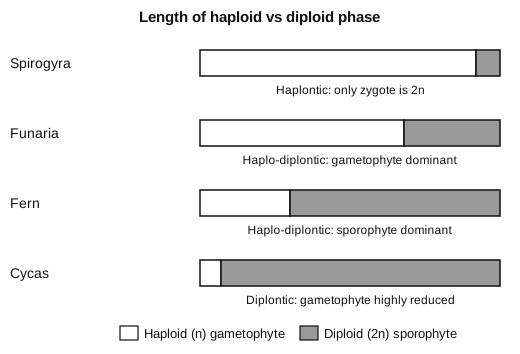
  1. Spirogyra – haplontic: free-living haploid gametophyte dominant; only zygote is diploid → (ii).
  2. Fern (pteridophyte) – haplo-diplontic, sporophyte dominant; gametophyte is the small prothallus → (iii).
  3. Funaria (bryophyte) – haplo-diplontic, leafy gametophyte dominant, sporophyte partially dependent → (iv).
  4. Cycas (gymnosperm) – diplontic: dominant vascular sporophyte, highly reduced gametophytes → (i).

Short trick: Prothallus = Fern (unique word) → only option with (b)-(iii) is (B).

Answer: (B) (a) - (ii); (b) - (iii); (c) - (iv); (d) - (i)

अवधारणा: NCERT प्रतिरूप: अगुणितक, अगुणित-द्विगुणितक, द्विगुणितक।

  1. Spirogyra – अगुणितक: मुक्तजीवी अगुणित युग्मकोद्भिद प्रभावी; केवल युग्मनज द्विगुणित → (ii)।
  2. फ़र्न (टेरिडोफ़ाइट) – अगुणित-द्विगुणितक, बीजाणुद्भिद प्रभावी; युग्मकोद्भिद छोटा प्रोथैलस → (iii)।
  3. Funaria (ब्रायोफ़ाइट) – अगुणित-द्विगुणितक, पत्तीमय युग्मकोद्भिद प्रभावी, बीजाणुद्भिद आंशिक आश्रित → (iv)।
  4. Cycas (अनावृतबीजी) – द्विगुणितक: प्रभावी संवहनी बीजाणुद्भिद, अत्यधिक ह्रासित युग्मकोद्भिद → (i)।

शॉर्ट ट्रिक: प्रोथैलस = फ़र्न (विशिष्ट शब्द) → (b)-(iii) वाला एकमात्र विकल्प (B)।

उत्तर: (B) (a) - (ii); (b) - (iii); (c) - (iv); (d) - (i)

NEET UGBotanyPlant kingdom – life cycle patternsNEET UG 2022 · 17 Jul Shift 1
Q908.
Match List - I with List - II. Choose the correct answer from the options given below:
List - IList - II
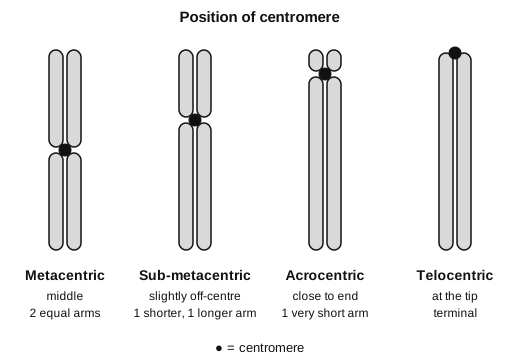
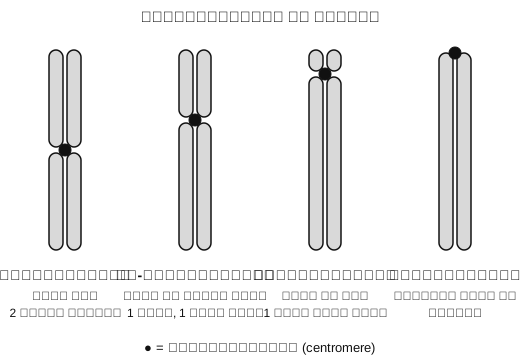
(a)Metacentric chromosome(i)Centromere situated close to the end forming one extremely short and one long arms.
(b)Acrocentric chromosome(ii)Centromeres at the terminal end
(c)Sub-metacentric(iii)Centromere in the middle forming two equal arms of chromosomes
(d)Telocentric chromosome(iv)Centromere slightly away from the middle forming one shorter arm and one longer arm
सूची - I का सूची - II से मिलान कीजिए। नीचे दिए गए विकल्पों में से सही उत्तर चुनिए:
सूची - Iसूची - II
(a)मेटासेंट्रिक गुणसूत्र(i)गुणसूत्रबिंदु सिरे के पास स्थित, जिससे एक अत्यंत छोटी तथा एक लंबी भुजा बनती है।
(b)एक्रोसेंट्रिक गुणसूत्र(ii)गुणसूत्रबिंदु अंतस्थ सिरे पर
(c)सब-मेटासेंट्रिक(iii)गुणसूत्रबिंदु मध्य में, जिससे गुणसूत्र की दो बराबर भुजाएँ बनती हैं
(d)टीलोसेंट्रिक गुणसूत्र(iv)गुणसूत्रबिंदु मध्य से थोड़ा हटकर, जिससे एक छोटी तथा एक लंबी भुजा बनती है
  1. A(a) - (iii); (b) - (i); (c) - (iv); (d) - (ii)
  2. B(a) - (i); (b) - (iii); (c) - (ii); (d) - (iv)
  3. C(a) - (ii); (b) - (iii); (c) - (iv); (d) - (i)
  4. D(a) - (i); (b) - (ii); (c) - (iii); (d) - (iv)
Show answer

Concept: Chromosomes are classified by position of the centromere (NCERT, Cell: The Unit of Life).

  1. Metacentric – centromere in the middle, two equal arms → (iii).
  2. Acrocentric – centromere close to the end, one extremely short and one very long arm → (i).
  3. Sub-metacentric – centromere slightly away from the middle, one shorter and one longer arm → (iv).
  4. Telocentric – terminal centromere → (ii).

Short trick: Meta = Middle, Sub = Slightly off, Acro = Almost end, Telo = Tip (end).

Answer: (A) (a) - (iii); (b) - (i); (c) - (iv); (d) - (ii)

अवधारणा: गुणसूत्रों का वर्गीकरण गुणसूत्रबिंदु (centromere) की स्थिति के आधार पर होता है (NCERT, कोशिका: जीवन की इकाई)।

  1. मेटासेंट्रिक – गुणसूत्रबिंदु मध्य में, दो बराबर भुजाएँ → (iii)।
  2. एक्रोसेंट्रिक – गुणसूत्रबिंदु सिरे के पास, एक अत्यंत छोटी व एक बहुत लंबी भुजा → (i)।
  3. सब-मेटासेंट्रिक – गुणसूत्रबिंदु मध्य से थोड़ा हटकर, एक छोटी व एक लंबी भुजा → (iv)।
  4. टीलोसेंट्रिक – अंतस्थ गुणसूत्रबिंदु → (ii)।

शॉर्ट ट्रिक: मेटा = मध्य, सब = थोड़ा हटकर, एक्रो = लगभग सिरा, टीलो = बिल्कुल सिरा।

उत्तर: (A) (a) - (iii); (b) - (i); (c) - (iv); (d) - (ii)

NEET UGBotanyCell – types of chromosomesNEET UG 2022 · 17 Jul Shift 1
Q909.
The anatomy of springwood shows some peculiar features. Identify the correct set of statements about springwood.
(a) It is also called early wood.
(b) In the spring season cambium produces xylem elements with narrow vessels.
(c) It is lighter in colour.
(d) The springwood along with autumnwood shows alternate concentric rings forming annual rings.
(e) It has lower density
Choose the correct answer from the options given below:
वसंत दारु (springwood) की शारीरिकी कुछ विशिष्ट लक्षण दर्शाती है। वसंत दारु के बारे में कथनों के सही समुच्चय को पहचानिए।
(a) इसे प्रारंभिक दारु (early wood) भी कहते हैं।
(b) वसंत ऋतु में एधा संकरी वाहिकाओं वाले दारु तत्व बनाती है।
(c) यह हल्के रंग की होती है।
(d) वसंत दारु शरद दारु के साथ एकांतर संकेंद्री वलय बनाकर वार्षिक वलय बनाती है।
(e) इसका घनत्व कम होता है
नीचे दिए गए विकल्पों में से सही उत्तर चुनिए:
  1. A(a), (b), (d) and (e) onlyकेवल (a), (b), (d) और (e)
  2. B(a), (c), (d) and (e) onlyकेवल (a), (c), (d) और (e)
  3. C(a), (b), and (d) onlyकेवल (a), (b) और (d)
  4. D(c), (d) and (e) onlyकेवल (c), (d) और (e)
Show answer

Concept: NCERT: in spring the cambium is very active and produces many xylary elements with wider vessels – springwood/early wood: lighter in colour, lower density.

  1. (a) True – springwood = early wood.
  2. (b) False – vessels are wide in springwood; narrow vessels are formed in autumn (late wood).
  3. (c) True – lighter colour.
  4. (d) True – spring + autumn wood together form an annual ring (used to estimate age).
  5. (e) True – lower density (autumnwood is darker and denser).

Short trick: Spring = Strong cambium → wide, light, less dense; Autumn = narrow, dark, dense. Drop (b) → (B).

Answer: (B) (a), (c), (d) and (e) only

अवधारणा: NCERT: वसंत में एधा अत्यधिक सक्रिय होती है और चौड़ी वाहिकाओं वाले अनेक दारु तत्व बनाती है – वसंत दारु/प्रारंभिक दारु: हल्के रंग की, कम घनत्व वाली।

  1. (a) सत्य – वसंत दारु = प्रारंभिक दारु।
  2. (b) असत्य – वसंत दारु में वाहिकाएँ चौड़ी होती हैं; संकरी वाहिकाएँ शरद (पश्च दारु) में बनती हैं।
  3. (c) सत्य – हल्का रंग।
  4. (d) सत्य – वसंत + शरद दारु मिलकर एक वार्षिक वलय बनाते हैं (आयु के आकलन हेतु)।
  5. (e) सत्य – कम घनत्व (शरद दारु गहरी तथा सघन होती है)।

शॉर्ट ट्रिक: वसंत = सक्रिय एधा → चौड़ी, हल्की, कम सघन; शरद = संकरी, गहरी, सघन। (b) हटाइए → (B)।

उत्तर: (B) केवल (a), (c), (d) और (e)

NEET UGBotanyAnatomy – springwood and autumnwoodNEET UG 2022 · 17 Jul Shift 1
Q910.
What is the role of large bundle sheath cells found around the vascular bundles in C4 plants?
C4 पौधों में संवहन पूलों के चारों ओर पाई जाने वाली बड़ी पूलाच्छद (bundle sheath) कोशिकाओं की भूमिका क्या है?
  1. ATo provide the site of photorespiratory pathwayप्रकाशश्वसन पथ के लिए स्थल प्रदान करना
  2. BTo increase the number of chloroplast for the operation of Calvin cycleकेल्विन चक्र के संचालन हेतु हरितलवकों की संख्या बढ़ाना
  3. CTo enable the plant to tolerate high temperatureपौधे को उच्च तापमान सहन करने योग्य बनाना
  4. DTo protect the vascular tissue from high light intensityसंवहन ऊतक को उच्च प्रकाश तीव्रता से बचाना
Show answer

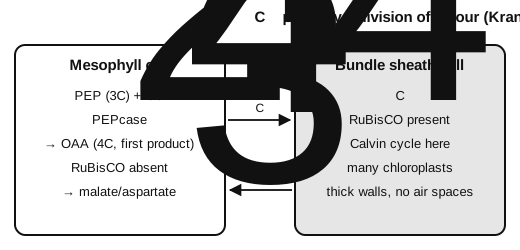
Concept: Kranz anatomy (NCERT): bundle-sheath cells are large, have a large number of chloroplasts, thick walls impervious to gas exchange and no intercellular spaces; RuBisCO and the Calvin cycle operate here.

  1. (B) ✔ – many chloroplasts in bundle sheath run the Calvin cycle on CO2 released from C4 acids.
  2. (A) ✘ – C4 plants concentrate CO2 around RuBisCO precisely to avoid photorespiration.
  3. (C) ✘ – high-temperature tolerance is a property of the whole C4 pathway, not the purpose of the sheath cells.
  4. (D) ✘ – they are not a light shield.

Short trick: Kranz = ‘wreath’ of chloroplast-rich cells = Calvin cycle factory.

Answer: (B) To increase the number of chloroplast for the operation of Calvin cycle

अवधारणा: क्रान्ज़ शारीरिकी (NCERT): पूलाच्छद कोशिकाएँ बड़ी होती हैं, उनमें अनेक हरितलवक, गैस-विनिमय के लिए अपारगम्य मोटी भित्तियाँ होती हैं और अंतराकोशिकीय स्थान नहीं होते; RuBisCO तथा केल्विन चक्र यहीं चलते हैं।

  1. (B) ✔ – पूलाच्छद के अनेक हरितलवक C4 अम्लों से मुक्त CO2 पर केल्विन चक्र चलाते हैं।
  2. (A) ✘ – C4 पौधे RuBisCO के पास CO2 सांद्रित करते ही इसलिए हैं कि प्रकाशश्वसन से बचा जा सके।
  3. (C) ✘ – उच्च ताप सहिष्णुता पूरे C4 पथ का गुण है, पूलाच्छद कोशिकाओं का उद्देश्य नहीं।
  4. (D) ✘ – ये प्रकाश से रक्षा-कवच नहीं हैं।

शॉर्ट ट्रिक: क्रान्ज़ = हरितलवक-समृद्ध कोशिकाओं की ‘माला’ = केल्विन चक्र का कारखाना।

उत्तर: (B) केल्विन चक्र के संचालन हेतु हरितलवकों की संख्या बढ़ाना

NEET UGBotanyPhotosynthesis – Kranz anatomyNEET UG 2022 · 17 Jul Shift 1
Q911.
Given below are two statements:
Statement I: Fatty acids and glycerols cannot be absorbed into blood.
Statement II: Specialized lymphatic capillaries called lacteals carry chylomicrons into lymphatic vessels and ultimately into the blood.
In the light of the above statements, choose the most appropriate answer from the options given below:
नीचे दो कथन दिए गए हैं:
कथन I: वसा अम्ल (fatty acids) और ग्लिसरॉल रुधिर में अवशोषित नहीं हो सकते।
कथन II: लैक्टियल (lacteals) नामक विशिष्ट लसीका केशिकाएँ काइलोमाइक्रॉन को लसीका वाहिकाओं में और अंततः रुधिर में ले जाती हैं।
उपर्युक्त कथनों के आलोक में, नीचे दिए गए विकल्पों में से सबसे उपयुक्त उत्तर चुनिए:
  1. ABoth Statement I and Statement II are correctकथन I और कथन II दोनों सही हैं
  2. BBoth Statement I and Statement II are incorrectकथन I और कथन II दोनों गलत हैं
  3. CStatement I is correct but Statement II is incorrectकथन I सही है लेकिन कथन II गलत है
  4. DStatement I is incorrect but Statement II is correctकथन I गलत है लेकिन कथन II सही है
Show answer

Concept: Fatty acids and glycerol are insoluble in water, so they cannot enter blood directly; they are absorbed via the lymph.

  1. Statement I – correct: being insoluble, fatty acids and glycerol are first taken into micelles, which move into the intestinal mucosa.
  2. In the mucosal cells they are re-formed into tiny protein-coated fat globules called chylomicrons.
  3. Statement II – correct: chylomicrons enter the lacteals (lymph vessels in the villi); lymph finally drains into the blood stream.

Short trick: Sugars and amino acids → blood capillaries of villus; fats → lacteal (lymph) → blood. "Fat takes the lymph lift."

Answer: (A) Both statements are correct

अवधारणा: वसा अम्ल तथा ग्लिसरॉल जल में अघुलनशील होते हैं, इसलिए ये सीधे रुधिर में नहीं जा सकते; इनका अवशोषण लसीका के माध्यम से होता है।

  1. कथन I – सही: अघुलनशील होने के कारण वसा अम्ल और ग्लिसरॉल पहले छोटी बूँदों – मिसेल (micelles) – में बदलते हैं, जो आंत्र श्लेष्मा में प्रवेश करते हैं।
  2. श्लेष्मा की कोशिकाओं में ये पुनः प्रोटीन-आवरित अति सूक्ष्म वसा गोलिकाओं – काइलोमाइक्रॉन (chylomicrons) – में बदल जाते हैं।
  3. कथन II – सही: काइलोमाइक्रॉन रसांकुरों (villi) की लसीका वाहिका लैक्टियल में जाते हैं; लसीका अंततः रुधिर प्रवाह में मिल जाती है।

शॉर्ट ट्रिक: शर्करा व ऐमीनो अम्ल → रसांकुर की रुधिर केशिकाएँ; वसा → लैक्टियल (लसीका) → रुधिर। "वसा लसीका की लिफ़्ट लेती है।"

उत्तर: (A) दोनों कथन सही हैं

NEET UGZoologyDigestion and absorption – absorption of fatsNEET UG 2022 · 17 Jul Shift 1
Q912.
Given below are two statements:
Statement I: The release of sperms into the seminiferous tubules is called spermiation.
Statement II: Spermiogenesis is the process of formation of sperms from spermatogonia.
In the light of the above statements, choose the most appropriate answer from the options given below:
नीचे दो कथन दिए गए हैं:
कथन I: शुक्राणुओं का शुक्रजनक नलिकाओं (seminiferous tubules) में मोचन (release) शुक्राणु-मोचन (spermiation) कहलाता है।
कथन II: शुक्राणुजनन-पश्च प्रक्रिया (spermiogenesis) शुक्राणुजन (spermatogonia) से शुक्राणुओं के बनने की प्रक्रिया है।
उपर्युक्त कथनों के आलोक में, नीचे दिए गए विकल्पों में से सबसे उपयुक्त उत्तर चुनिए:
  1. ABoth Statement I and Statement II are correctकथन I और कथन II दोनों सही हैं
  2. BBoth Statement I and Statement II are incorrectकथन I और कथन II दोनों गलत हैं
  3. CStatement I is correct but Statement II is incorrectकथन I सही है लेकिन कथन II गलत है
  4. DStatement I is incorrect but Statement II is correctकथन I गलत है लेकिन कथन II सही है
Show answer

Concept: Spermiogenesis = spermatids → spermatozoa; spermiation = release of sperms (held in Sertoli cells) into the lumen of the seminiferous tubule.

  1. After spermiogenesis, sperm heads remain embedded in Sertoli cells; they are finally set free into the lumen of the seminiferous tubules – this release is spermiation. So Statement I is correct.
  2. Formation of sperms from spermatogonia (spermatogonia → primary spermatocyte → secondary spermatocyte → spermatid → sperm) is spermatogenesis, not spermiogenesis.
  3. Spermiogenesis is only the last step – transformation of spermatids into sperms. So Statement II is incorrect.

Short trick: "-genesis" = making (spermatid → sperm); "-ation" = liberation (sperm set free from Sertoli cells). Spermatogonia → sperm is the whole of spermatoGENESIS.

Answer: (C) Statement I is correct but Statement II is incorrect

अवधारणा: शुक्राणुजनन-पश्च (spermiogenesis) = शुक्राणुप्रसू (spermatids) → शुक्राणु; शुक्राणु-मोचन (spermiation) = सर्टोली कोशिकाओं में धँसे शुक्राणुओं का शुक्रजनक नलिका की गुहा (lumen) में मुक्त होना।

  1. शुक्राणुजनन-पश्च के बाद शुक्राणुओं के शीर्ष सर्टोली कोशिकाओं में धँसे रहते हैं; अंत में वे शुक्रजनक नलिकाओं की गुहा में मुक्त होते हैं – यही शुक्राणु-मोचन है। अतः कथन I सही है।
  2. शुक्राणुजन से शुक्राणु बनना (शुक्राणुजन → प्राथमिक शुक्राणुकोशिका → द्वितीयक शुक्राणुकोशिका → शुक्राणुप्रसू → शुक्राणु) शुक्राणुजनन (spermatogenesis) है, spermiogenesis नहीं।
  3. Spermiogenesis केवल अंतिम चरण है – शुक्राणुप्रसू का शुक्राणु में रूपांतरण। अतः कथन II गलत है।

शॉर्ट ट्रिक: "-genesis" = बनाना (शुक्राणुप्रसू → शुक्राणु); "-ation" = मुक्त करना (सर्टोली कोशिका से)। शुक्राणुजन → शुक्राणु पूरी प्रक्रिया spermatoGENESIS है।

उत्तर: (C) कथन I सही है लेकिन कथन II गलत है

NEET UGZoologyHuman reproduction – spermatogenesisNEET UG 2022 · 17 Jul Shift 1
Q913.
Which of the following is not the function of the conducting part of the respiratory system?
निम्नलिखित में से कौन-सा श्वसन तंत्र के संवहन भाग (conducting part) का कार्य नहीं है?
  1. AIt clears inhaled air from foreign particlesयह अंतःश्वसित वायु को बाह्य कणों से मुक्त करता है
  2. BInhaled air is humidifiedअंतःश्वसित वायु को नम किया जाता है
  3. CTemperature of inhaled air is brought to body temperatureअंतःश्वसित वायु का तापमान शरीर के तापमान के बराबर लाया जाता है
  4. DProvides surface for diffusion of O2 and CO2O2 और CO2 के विसरण के लिए सतह प्रदान करता है
Show answer

Concept: Conducting part = external nostrils up to terminal bronchioles; exchange (respiratory) part = alveoli and their ducts.

  1. (A), (B), (C) are jobs of the conducting part: it transports air to the alveoli, clears it of foreign particles, humidifies it and brings it to body temperature.
  2. Diffusion of O2 and CO2 takes place only across the thin alveolar wall – the exchange part, not the conducting part.

Short trick: Conducting part = "air-conditioner" (filter + humidifier + heater); alveoli = "exchange counter".

Answer: (D) Provides surface for diffusion of O2 and CO2

अवधारणा: संवहन भाग = बाह्य नासाद्वार से अंतस्थ श्वसनिकाओं (terminal bronchioles) तक; विनिमय (श्वसन) भाग = कूपिकाएँ (alveoli) व उनकी वाहिनियाँ।

  1. (A), (B), (C) संवहन भाग के कार्य हैं: यह वायु को कूपिकाओं तक पहुँचाता है, बाह्य कणों से साफ़ करता है, नम करता है और शरीर के ताप तक लाता है।
  2. O2 और CO2 का विसरण केवल पतली कूपिका भित्ति से होता है – यह विनिमय भाग है, संवहन भाग नहीं।

शॉर्ट ट्रिक: संवहन भाग = "एयर-कंडीशनर" (फ़िल्टर + ह्यूमिडिफ़ायर + हीटर); कूपिकाएँ = "विनिमय काउंटर"।

उत्तर: (D) O2 और CO2 के विसरण के लिए सतह प्रदान करना

NEET UGZoologyBreathing and exchange of gases – respiratory systemNEET UG 2022 · 17 Jul Shift 1
Q914.
Identify the microorganism which is responsible for the production of an immunosuppressive molecule cyclosporin A:
प्रतिरक्षा-निरोधक (immunosuppressive) अणु साइक्लोस्पोरिन A के उत्पादन के लिए उत्तरदायी सूक्ष्मजीव को पहचानिए:
  1. ATrichoderma polysporum
  2. BClostridium butylicum
  3. CAspergillus niger
  4. DStreptococcus cerevisiae
Show answer

Concept: Cyclosporin A, used as an immunosuppressant in organ-transplant patients, is produced by the fungus Trichoderma polysporum.

  1. Clostridium butylicum – butyric acid.
  2. Aspergillus niger – citric acid.
  3. Streptococcus cerevisiae – no such organism (yeast is Saccharomyces cerevisiae; Streptococcus gives streptokinase).

Short trick: "Tri-cyclo": Trichoderma → cyclosporin; Monascus → statins; Streptococcus → streptokinase.

Answer: (A) Trichoderma polysporum

अवधारणा: अंग-प्रत्यारोपण के रोगियों में प्रतिरक्षा-निरोधक के रूप में प्रयुक्त साइक्लोस्पोरिन A कवक Trichoderma polysporum से प्राप्त होता है।

  1. Clostridium butylicum – ब्यूटिरिक अम्ल।
  2. Aspergillus niger – सिट्रिक अम्ल।
  3. Streptococcus cerevisiae – ऐसा कोई जीव नहीं (यीस्ट Saccharomyces cerevisiae है; Streptococcus से स्ट्रेप्टोकाइनेज मिलता है)।

शॉर्ट ट्रिक: "ट्राई-साइक्लो": Trichoderma → cyclosporin; Monascus → स्टैटिन; Streptococcus → streptokinase।

उत्तर: (A) Trichoderma polysporum

NEET UGZoologyMicrobes in human welfare – bioactive moleculesNEET UG 2022 · 17 Jul Shift 1
Q915.
Under normal physical conditions in human beings every 100 ml oxygenated blood can deliver ____ ml of O2 to the tissues.
मनुष्य में सामान्य शारीरिक परिस्थितियों में प्रत्येक 100 ml ऑक्सीजनित रुधिर ऊतकों को ____ ml O2 प्रदान कर सकता है।
  1. A2 ml
  2. B5 ml
  3. C4 ml
  4. D10 ml
Show answer

Concept: NCERT: every 100 ml of oxygenated blood can deliver around 5 ml of O2 to the tissues under normal physiological conditions.

  1. Arterial blood carries about 20 ml O2 per 100 ml; venous blood still has about 15 ml.
  2. O2 released to tissues ≈ 20 − 15 = 5 ml per 100 ml blood.
  3. Compare: 100 ml deoxygenated blood delivers about 4 ml of CO2 to the alveoli – a common distractor (option C).

Short trick: "O2 5, CO2 4" – oxygen gets the bigger number.

Answer: (B) 5 ml

अवधारणा: NCERT: सामान्य शारीरिक दशाओं में प्रत्येक 100 ml ऑक्सीजनित रुधिर ऊतकों को लगभग 5 ml O2 देता है।

  1. धमनी रुधिर में प्रति 100 ml लगभग 20 ml O2 होती है; शिरा रुधिर में तब भी लगभग 15 ml रहती है।
  2. ऊतकों को दी गई O2 ≈ 20 − 15 = 5 ml प्रति 100 ml रुधिर।
  3. तुलना: 100 ml विऑक्सीजनित रुधिर कूपिकाओं को लगभग 4 ml CO2 देता है – यही भ्रामक विकल्प (C) है।

शॉर्ट ट्रिक: "O2 5, CO2 4" – ऑक्सीजन को बड़ी संख्या मिलती है।

उत्तर: (B) 5 ml

NEET UGZoologyBreathing and exchange of gases – transport of oxygenNEET UG 2022 · 17 Jul Shift 1
Q916.
Tegmina in cockroach arises from
कॉकरोच में टेग्मिना (tegmina) किससे उत्पन्न होते हैं?
  1. AProthoraxअग्रवक्ष (Prothorax)
  2. BMesothoraxमध्यवक्ष (Mesothorax)
  3. CMetathoraxपश्चवक्ष (Metathorax)
  4. DProthorax and Mesothoraxअग्रवक्ष और मध्यवक्ष
Show answer

Concept: Cockroach has two pairs of wings: forewings (tegmina) from the mesothorax and hindwings from the metathorax.

  1. Tegmina are opaque, dark and leathery; they cover the hindwings at rest.
  2. Hindwings are transparent, membranous and used in flight – they arise from the metathorax.
  3. Prothorax bears only legs, no wings.

Short trick: "Meso → Main cover (tegmina); Meta → flight wings". Prothorax = no wings.

Answer: (B) Mesothorax

अवधारणा: कॉकरोच में दो जोड़ी पंख होते हैं: अग्रपंख (टेग्मिना) मध्यवक्ष से तथा पश्चपंख पश्चवक्ष से निकलते हैं।

  1. टेग्मिना अपारदर्शी, गहरे रंग के और चर्मिल (leathery) होते हैं; विश्राम में ये पश्चपंखों को ढकते हैं।
  2. पश्चपंख पारदर्शी, झिल्लीदार और उड़ान में सहायक होते हैं – ये पश्चवक्ष से निकलते हैं।
  3. अग्रवक्ष पर केवल टाँगें होती हैं, पंख नहीं।

शॉर्ट ट्रिक: "मध्यवक्ष → मुख्य आवरण (टेग्मिना); पश्चवक्ष → उड़ान पंख"। अग्रवक्ष = पंख नहीं।

उत्तर: (B) मध्यवक्ष (Mesothorax)

NEET UGZoologyStructural organisation in animals – cockroachNEET UG 2022 · 17 Jul Shift 1
Q917.
In situ conservation refers to:
स्वस्थाने (In situ) संरक्षण से तात्पर्य है:
  1. AProtect and conserve the whole ecosystemसंपूर्ण पारितंत्र की सुरक्षा और संरक्षण
  2. BConserve only high risk speciesकेवल उच्च जोखिम वाली जातियों का संरक्षण
  3. CConserve only endangered speciesकेवल संकटापन्न जातियों का संरक्षण
  4. DConserve only extinct speciesकेवल विलुप्त जातियों का संरक्षण
Show answer

Concept: In situ ("on site") conservation protects organisms in their natural habitat – i.e. the whole ecosystem is protected (biosphere reserves, national parks, sanctuaries, sacred groves, hotspots).

  1. (B) and (C) are too narrow – in situ protects the entire ecosystem, not only selected species.
  2. (D) Extinct species cannot be conserved at all.

Short trick: In situ = save the "home" (ecosystem); ex situ = take them "out" (zoo, seed bank, cryopreservation).

Answer: (A) Protect and conserve the whole ecosystem

अवधारणा: स्वस्थाने ("उसी स्थान पर") संरक्षण में जीवों की उनके प्राकृतिक आवास में रक्षा की जाती है – अर्थात् संपूर्ण पारितंत्र सुरक्षित होता है (जैवमंडल आरक्षित क्षेत्र, राष्ट्रीय उद्यान, अभयारण्य, पवित्र उपवन, हॉटस्पॉट)।

  1. (B) और (C) बहुत सीमित हैं – स्वस्थाने संरक्षण पूरे पारितंत्र की रक्षा करता है, केवल चुनी हुई जातियों की नहीं।
  2. (D) विलुप्त जातियों का संरक्षण संभव ही नहीं है।

शॉर्ट ट्रिक: स्वस्थाने = "घर" (पारितंत्र) बचाओ; बाह्यस्थाने (ex situ) = "बाहर" ले जाओ (चिड़ियाघर, बीज बैंक, निम्नताप परिरक्षण)।

उत्तर: (A) संपूर्ण पारितंत्र की सुरक्षा और संरक्षण

NEET UGZoologyBiodiversity and conservation – in situ conservationNEET UG 2022 · 17 Jul Shift 1
Q918.
Detritivores breakdown detritus into smaller particles. This process is called:
अपरदाहारी (detritivores) अपरद (detritus) को छोटे कणों में तोड़ते हैं। यह प्रक्रिया कहलाती है:
  1. ACatabolismअपचय (Catabolism)
  2. BFragmentationखंडन (Fragmentation)
  3. CHumificationह्यूमस-भवन (Humification)
  4. DDecompositionअपघटन (Decomposition)
Show answer

Concept: Decomposition has five steps: fragmentation, leaching, catabolism, humification and mineralisation.

  1. Fragmentation – detritivores (e.g. earthworm) break detritus into smaller particles. ✔
  2. Catabolism – bacterial and fungal enzymes degrade detritus into simpler inorganic substances.
  3. Humification – formation of dark, amorphous humus.
  4. Decomposition is the name of the whole process, not this particular step.

Short trick: Order "F-L-C-H-M": Fragment → Leach → Catabolise → Humify → Mineralise. Physical breaking by animals = Fragmentation.

Answer: (B) Fragmentation

अवधारणा: अपघटन के पाँच चरण हैं: खंडन, निक्षालन, अपचय, ह्यूमस-भवन और खनिजीकरण।

  1. खंडन – अपरदाहारी (जैसे केंचुआ) अपरद को छोटे कणों में तोड़ते हैं। ✔
  2. अपचय – जीवाणु व कवक के एंजाइम अपरद को सरल अकार्बनिक पदार्थों में तोड़ते हैं।
  3. ह्यूमस-भवन – गहरे रंग के अक्रिस्टलीय ह्यूमस का बनना।
  4. अपघटन पूरी प्रक्रिया का नाम है, इस विशेष चरण का नहीं।

शॉर्ट ट्रिक: क्रम "F-L-C-H-M": खंडन → निक्षालन → अपचय → ह्यूमस-भवन → खनिजीकरण। जंतुओं द्वारा भौतिक तोड़ना = खंडन।

उत्तर: (B) खंडन (Fragmentation)

NEET UGZoologyEcosystem – decompositionNEET UG 2022 · 17 Jul Shift 1
Q919.
A dehydration reaction links two glucose molecules to produce maltose. If the formula for glucose is C6H12O6 then what is the formula for maltose?
एक निर्जलीकरण (dehydration) अभिक्रिया दो ग्लूकोस अणुओं को जोड़कर माल्टोस बनाती है। यदि ग्लूकोस का सूत्र C6H12O6 है, तो माल्टोस का सूत्र क्या है?
  1. AC12H20O10
  2. BC12H24O12
  3. CC12H22O11
  4. DC12H24O11
Show answer

Concept: A glycosidic bond forms by dehydration: one H2O is removed for every bond formed.

  1. 2 C6H12O6 = C12H24O12.
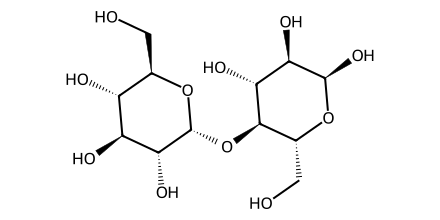
  2. Subtract one H2O: C12H24−2O12−1 = C12H22O11 (maltose; α-1,4 glycosidic link shown below).
  3. C12H24O12 forgets the water loss; C12H20O10 removes two waters; C12H24O11 removes only O.

Short trick: Any disaccharide of two hexoses (maltose, sucrose, lactose) = C12H22O11.

Answer: (C) C12H22O11

अवधारणा: ग्लाइकोसिडिक बंध निर्जलीकरण से बनता है: प्रत्येक बंध बनने पर एक H2O अणु निकलता है।

  1. 2 C6H12O6 = C12H24O12।
  2. एक H2O घटाने पर: C12H24−2O12−1 = C12H22O11 (माल्टोस; नीचे α-1,4 ग्लाइकोसिडिक बंध दिखाया गया है)।
  3. C12H24O12 में जल का निष्कासन नहीं घटाया; C12H20O10 में दो जल अणु घटाए; C12H24O11 में केवल O घटाया।

शॉर्ट ट्रिक: दो हेक्सोस से बना कोई भी डाइसैकेराइड (माल्टोस, सुक्रोस, लैक्टोस) = C12H22O11।

उत्तर: (C) C12H22O11

NEET UGZoologyBiomolecules – disaccharidesNEET UG 2022 · 17 Jul Shift 1
Q920.
Identify the asexual reproductive structure associated with Penicillium:
Penicillium से संबंधित अलैंगिक जनन संरचना को पहचानिए:
  1. AZoosporesचलबीजाणु (Zoospores)
  2. BConidiaकोनिडिया (Conidia)
  3. CGemmulesजेम्यूल (Gemmules)
  4. DBudsमुकुल (Buds)
Show answer

Concept: Penicillium (Ascomycetes) reproduces asexually by conidia – exogenous spores produced on special hyphae called conidiophores.

  1. Zoospores – motile spores of some algae and Phycomycetes.
  2. Gemmules – internal buds of sponges.
  3. Buds – yeast, Hydra.

Short trick: Ascomycetes: asexual = conidia, sexual = ascospores. "Penicillium and Aspergillus – conidia on a stalk."

Answer: (B) Conidia

अवधारणा: Penicillium (ऐस्कोमाइसिटीज़) अलैंगिक जनन कोनिडिया द्वारा करता है – ये बहिर्जात बीजाणु विशेष कवकतंतुओं, कोनिडियमधर (conidiophores), पर बनते हैं।

  1. चलबीजाणु – कुछ शैवालों और फाइकोमाइसिटीज़ के गतिशील बीजाणु।
  2. जेम्यूल – स्पंजों की आंतरिक कलिकाएँ।
  3. मुकुल – यीस्ट, Hydra।

शॉर्ट ट्रिक: ऐस्कोमाइसिटीज़: अलैंगिक = कोनिडिया, लैंगिक = ऐस्कोबीजाणु। "Penicillium और Aspergillus – डंठल पर कोनिडिया।"

उत्तर: (B) कोनिडिया (Conidia)

NEET UGZoologyBiological classification – Fungi (Ascomycetes)NEET UG 2022 · 17 Jul Shift 1