Question bank

Q&A: practice questions with answers

Search questions on any topic. Filter by exam category, exam, subject and topic, try the question, then open the answer and explanation.

Courses – airGurukul

53,050 questions in the question bank.

Q3381.
Which of the following statements is incorrect?
निम्नलिखित में से कौन-सा कथन गलत है?
  1. AGrana lamellae have both PS I and PS IIग्रैना पटलिकाओं में PS I तथा PS II दोनों होते हैं
  2. BCyclic photophosphorylation involves both PS I and PS II.चक्रीय प्रकाश फॉस्फोरिलीकरण में PS I तथा PS II दोनों भाग लेते हैं।
  3. CBoth ATP and NADPH + H+ are synthesized during non-cyclic photophosphorylation.अचक्रीय प्रकाश फॉस्फोरिलीकरण के दौरान ATP तथा NADPH + H+ दोनों संश्लेषित होते हैं।
  4. DStroma lamellae have PS I only and lack NADP reductaseस्ट्रोमा पटलिकाओं में केवल PS I होता है तथा NADP रिडक्टेज़ अनुपस्थित होता है
Show answer

Concept: NCERT: cyclic photophosphorylation takes place in the stroma lamellae, involves only PS I (P700); electrons cycle back and only ATP is formed.

  1. (A) correct – grana lamellae carry both PS I and PS II.
  2. (B) incorrect – cyclic flow uses PS I only.
  3. (C) correct – non-cyclic (Z-scheme) forms both ATP and NADPH + H+.
  4. (D) correct – stroma lamellae lack PS II and NADP reductase, hence only cyclic flow there.

Short trick: “Cyclic = 1 PS, 1 product (ATP)”; non-cyclic = 2 PS, 2 products.

Answer: (B) Cyclic photophosphorylation involves both PS I and PS II.

अवधारणा: NCERT: चक्रीय प्रकाश फॉस्फोरिलीकरण स्ट्रोमा पटलिकाओं में होता है, इसमें केवल PS I (P700) भाग लेता है; इलेक्ट्रॉन चक्र में वापस लौटते हैं तथा केवल ATP बनता है।

  1. (A) सही – ग्रैना पटलिकाओं में PS I तथा PS II दोनों होते हैं।
  2. (B) गलत – चक्रीय प्रवाह में केवल PS I प्रयुक्त होता है।
  3. (C) सही – अचक्रीय (Z-योजना) में ATP तथा NADPH + H+ दोनों बनते हैं।
  4. (D) सही – स्ट्रोमा पटलिकाओं में PS II तथा NADP रिडक्टेज़ नहीं होते, इसलिए वहाँ केवल चक्रीय प्रवाह होता है।

शॉर्ट ट्रिक: “चक्रीय = 1 PS, 1 उत्पाद (ATP)”; अचक्रीय = 2 PS, 2 उत्पाद।

उत्तर: (B) चक्रीय प्रकाश फॉस्फोरिलीकरण में PS I तथा PS II दोनों…
NEET UGBotanyPhotosynthesis – photophosphorylationNEET UG 2021 · 12 Sep Shift 1 →
Q3382.
Select the correct pair.
सही युग्म का चयन कीजिए।
  1. ACells of medullary rays that form part of cambial ring - Interfascicular cambiumमज्जा किरणों की वे कोशिकाएँ जो एधा वलय का भाग बनाती हैं - अंतरापूलीय एधा
  2. BLoose parenchyma cells rupturing the epidermis and forming a lens-shaped opening in bark - Spongy parenchymaशिथिल मृदूतक कोशिकाएँ जो बाह्यत्वचा को फाड़कर छाल में लेंस-आकार का छिद्र बनाती हैं - स्पंजी मृदूतक
  3. CLarge colorless empty cells in the epidermis of grass leaves – Subsidiary cellsघासों की पत्तियों की बाह्यत्वचा में बड़ी रंगहीन रिक्त कोशिकाएँ – सहायक कोशिकाएँ
  4. DIn dicot leaves, vascular bundles are surrounded by large thick-walled cells– Conjunctive tissueद्विबीजपत्री पत्तियों में संवहन पूल बड़ी मोटी भित्ति वाली कोशिकाओं से घिरे रहते हैं – संयोजी ऊतक
Show answer

Concept: NCERT: in dicot stem, cells of medullary rays adjoining the intrafascicular cambium become meristematic and form the interfascicular cambium, completing the cambial ring.

  1. (A) correct pair.
  2. (B) wrong – these loose cells (complementary cells) form lenticels; spongy parenchyma is in leaf mesophyll.
  3. (C) wrong – large colourless empty cells in grass-leaf epidermis are bulliform cells; subsidiary cells surround guard cells.
  4. (D) wrong – the large thick-walled cells around leaf vascular bundles are the bundle sheath; conjunctive tissue is parenchyma between xylem and phloem in roots.

Short trick: Each wrong option has a “swapped name”: lenticel, bulliform, bundle sheath → only (A) is untouched.

Answer: (A) Cells of medullary rays … – Interfascicular cambium

अवधारणा: NCERT: द्विबीजपत्री तने में अंतःपूलीय एधा से सटी मज्जा किरणों की कोशिकाएँ विभज्योतकी होकर अंतरापूलीय एधा बनाती हैं, जिससे एधा वलय पूर्ण होता है।

  1. (A) सही युग्म।
  2. (B) गलत – ये शिथिल कोशिकाएँ (पूरक कोशिकाएँ) वातरंध्र (lenticels) बनाती हैं; स्पंजी मृदूतक पत्ती के पर्णमध्योतक में होता है।
  3. (C) गलत – घास की पत्ती की बाह्यत्वचा में बड़ी रंगहीन रिक्त कोशिकाएँ आवर्ध त्वक कोशिकाएँ (bulliform cells) हैं; सहायक कोशिकाएँ द्वार कोशिकाओं को घेरती हैं।
  4. (D) गलत – पत्ती के संवहन पूलों के चारों ओर बड़ी मोटी भित्ति वाली कोशिकाएँ पूलाच्छद (bundle sheath) हैं; संयोजी ऊतक जड़ों में जाइलम तथा फ्लोएम के बीच का मृदूतक है।

शॉर्ट ट्रिक: प्रत्येक गलत विकल्प में “नाम बदला हुआ” है: वातरंध्र, आवर्ध त्वक, पूलाच्छद → केवल (A) अपरिवर्तित।

उत्तर: (A) मज्जा किरणों की कोशिकाएँ … – अंतरापूलीय एधा

NEET UGBotanyAnatomy – tissues of leaf and stemNEET UG 2021 · 12 Sep Shift 1 →
Q3383.
Identify the correct statement.
सही कथन की पहचान कीजिए।
  1. AThe coding strand in a transcription unit is copied to an mRNAअनुलेखन इकाई का कूटलेखन रज्जुक (coding strand) mRNA में प्रतिलिपित होता है
  2. BSplit gene arrangement is characteristic of prokaryotesखण्डित जीन (split gene) व्यवस्था प्रोकैरियोट की विशेषता है
  3. CIn capping, methyl guanosine triphosphate is added to the 3’ end of hnRNA.कैपिंग में, मेथिल ग्वानोसीन ट्राइफॉस्फेट hnRNA के 3’ सिरे पर जोड़ा जाता है।
  4. DRNA polymerase binds with Rho factor to terminate the process of transcription in bacteria.जीवाणुओं में अनुलेखन की प्रक्रिया को समाप्त करने के लिए RNA पॉलिमरेज़ Rho कारक से जुड़ता है।
Show answer

Concept: NCERT: in bacteria, RNA polymerase associates transiently with the initiation factor σ (sigma) to start and with the termination factor ρ (rho) to terminate transcription.

  1. (A) wrong – the template strand (3’→5’) is copied; the coding strand has the same sequence as mRNA (T in place of U).
  2. (B) wrong – split genes (exons + introns) are characteristic of eukaryotes.
  3. (C) wrong – the methyl guanosine triphosphate cap is added to the 5’ end; poly-A tail is added at the 3’ end.
  4. (D) correct – rho factor terminates transcription in bacteria.

Short trick: “σ starts, ρ stops”; “Cap at 5’, tail at 3’”.

Answer: (D) RNA polymerase binds with Rho factor…

अवधारणा: NCERT: जीवाणुओं में RNA पॉलिमरेज़ अनुलेखन शुरू करने के लिए प्रारम्भन कारक σ (सिग्मा) से तथा समाप्त करने के लिए समापन कारक ρ (रो) से अस्थायी रूप से जुड़ता है।

  1. (A) गलत – टेम्पलेट (साँचा) रज्जुक (3’→5’) प्रतिलिपित होता है; कूटलेखन रज्जुक का अनुक्रम mRNA जैसा ही होता है (U के स्थान पर T)।
  2. (B) गलत – खण्डित जीन (एक्सॉन + इन्ट्रॉन) यूकैरियोट की विशेषता है।
  3. (C) गलत – मेथिल ग्वानोसीन ट्राइफॉस्फेट कैप 5’ सिरे पर जोड़ा जाता है; पॉली-A पुच्छ 3’ सिरे पर जुड़ती है।
  4. (D) सही – जीवाणुओं में रो कारक अनुलेखन समाप्त करता है।

शॉर्ट ट्रिक: “σ शुरू करता है, ρ रोकता है”; “कैप 5’ पर, पुच्छ 3’ पर”।

उत्तर: (D) RNA पॉलिमरेज़ Rho कारक से जुड़ता है…

NEET UGBotanyMolecular basis of inheritance – transcriptionNEET UG 2021 · 12 Sep Shift 1 →
Q3384.
Match List -I with List – II
List IList II
(a) S phase(i) Proteins are synthesized
(b) G2 phase(ii) Inactive phase
(c) Quiescent stage(iii) Interval between mitosis and initiation of DNA replication
(d) G1 phase(iv) DNA replication
सूची-I का सूची-II से मिलान कीजिए
सूची Iसूची II
(a) S प्रावस्था(i) प्रोटीन संश्लेषित होते हैं
(b) G2 प्रावस्था(ii) निष्क्रिय प्रावस्था
(c) शांत (quiescent) अवस्था(iii) समसूत्री विभाजन तथा DNA प्रतिकृतियन के प्रारम्भ के बीच का अंतराल
(d) G1 प्रावस्था(iv) DNA प्रतिकृतियन
  1. A(a)-(iv), (b)-(i), (c)-(ii), (d)-(iii)
  2. B(a)-(ii), (b)-(iv), (c)-(iii), (d)-(i)
  3. C(a)-(iii), (b)-(ii), (c)-(i), (d)-(iv)
  4. D(a)-(iv), (b)-(ii), (c)-(iii), (d)-(i)
Show answer

Concept: NCERT: G1 = interval between mitosis and initiation of DNA replication; S = DNA synthesis/replication; G2 = proteins synthesised in preparation for mitosis; G0 (quiescent stage) = metabolically active but no longer proliferating (inactive phase of the cycle).

  1. (a) S phase → DNA replication (iv).
  2. (b) G2 → proteins synthesised (i).
  3. (c) Quiescent stage (G0) → inactive phase (ii).
  4. (d) G1 → interval between mitosis and DNA replication (iii).
  5. a-iv, b-i, c-ii, d-iii = (A); (D) wrongly makes G2 inactive.

Short trick: S = Synthesis of DNA; G1 comes before S, G2 after S; G0 = “zero activity” (quiescent).

Answer: (A) (a)-(iv), (b)-(i), (c)-(ii), (d)-(iii)

अवधारणा: NCERT: G1 = समसूत्री विभाजन तथा DNA प्रतिकृतियन के प्रारम्भ के बीच का अंतराल; S = DNA संश्लेषण/प्रतिकृतियन; G2 = समसूत्री विभाजन की तैयारी में प्रोटीन संश्लेषण; G0 (शांत अवस्था) = उपापचयी रूप से सक्रिय पर विभाजित नहीं होती (चक्र की निष्क्रिय प्रावस्था)।

  1. (a) S प्रावस्था → DNA प्रतिकृतियन (iv)।
  2. (b) G2 → प्रोटीन संश्लेषण (i)।
  3. (c) शांत अवस्था (G0) → निष्क्रिय प्रावस्था (ii)।
  4. (d) G1 → समसूत्री विभाजन तथा DNA प्रतिकृतियन के बीच अंतराल (iii)।
  5. a-iv, b-i, c-ii, d-iii = (A); (D) G2 को गलत रूप से निष्क्रिय बताता है।

शॉर्ट ट्रिक: S = DNA का संश्लेषण; G1 S से पहले, G2 S के बाद; G0 = “शून्य सक्रियता” (शांत)।

उत्तर: (A) (a)-(iv), (b)-(i), (c)-(ii), (d)-(iii)

NEET UGBotanyCell cycle – phases of interphaseNEET UG 2021 · 12 Sep Shift 1 →
Q3385.
Match list I with list II.
List IList II
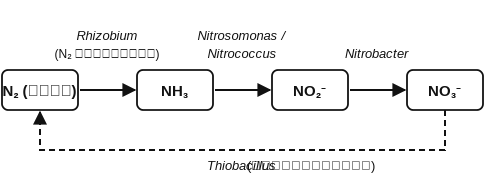
(a) Nitrococcus(i) Denitrification
(b) Rhizobium(ii) Conversion of ammonia to nitrite
(c) Thiobacillus(iii) Conversion of nitrite to nitrate
(d) Nitrobacter(iv) Conversion of atmospheric nitrogen to ammonia
सूची I का सूची II से मिलान कीजिए।
सूची Iसूची II
(a) Nitrococcus(i) विनाइट्रीकरण
(b) Rhizobium(ii) अमोनिया का नाइट्राइट में रूपांतरण
(c) Thiobacillus(iii) नाइट्राइट का नाइट्रेट में रूपांतरण
(d) Nitrobacter(iv) वायुमंडलीय नाइट्रोजन का अमोनिया में रूपांतरण
  1. A(a)-(iii); (b)-(i); (c)-(iv); (d)-(ii)
  2. B(a)-(iv); (b)-(iii); (c)-(ii); (d)-(i)
  3. C(a)-(ii); (b)-(iv); (c)-(i); (d)-(iii)
  4. D(a)-(i); (b)-(ii); (c)-(iii); (d)-(iv)
Show answer

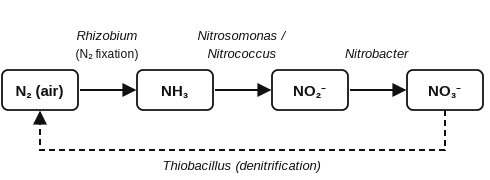
Concept: NCERT (Mineral nutrition): ammonia is oxidised to nitrite by Nitrosomonas/Nitrococcus, nitrite to nitrate by Nitrobacter; Rhizobium fixes N2 to ammonia in root nodules; Pseudomonas and Thiobacillus carry out denitrification.

  1. (a) Nitrococcus → NH3 to NO2− (ii).
  2. (b) Rhizobium → N2 to NH3 (iv).
  3. (c) Thiobacillus → denitrification (i).
  4. (d) Nitrobacter → NO2− to NO3− (iii).
  5. a-ii, b-iv, c-i, d-iii = (C).

Short trick: Alphabet order of the oxidation: Nitroso/coccus come first (→ nitrite), Nitrobacter “becomes nitrate”.

Answer: (C) (a)-(ii); (b)-(iv); (c)-(i); (d)-(iii)

अवधारणा: NCERT (खनिज पोषण): अमोनिया का नाइट्राइट में ऑक्सीकरण Nitrosomonas/Nitrococcus द्वारा, नाइट्राइट का नाइट्रेट में Nitrobacter द्वारा होता है; Rhizobium मूल ग्रंथिकाओं में N2 को अमोनिया में स्थिर करता है; Pseudomonas तथा Thiobacillus विनाइट्रीकरण करते हैं।

  1. (a) Nitrococcus → NH3 से NO2− (ii)।
  2. (b) Rhizobium → N2 से NH3 (iv)।
  3. (c) Thiobacillus → विनाइट्रीकरण (i)।
  4. (d) Nitrobacter → NO2− से NO3− (iii)।
  5. a-ii, b-iv, c-i, d-iii = (C)।

शॉर्ट ट्रिक: ऑक्सीकरण का क्रम: Nitroso/coccus पहले (→ नाइट्राइट), Nitrobacter बाद में (→ नाइट्रेट)।

उत्तर: (C) (a)-(ii); (b)-(iv); (c)-(i); (d)-(iii)

NEET UGBotanyMineral nutrition – nitrogen cycleNEET UG 2021 · 12 Sep Shift 1 →
Q3386.
Match list I with list II.
List IList II
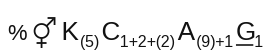
(a) (i) Brassicaceae
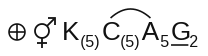
(b) (ii) Liliaceae
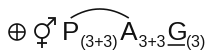
(c) (iii) Fabaceae
(d) (iv) Solanaceae
सूची I का सूची II से मिलान कीजिए।
सूची Iसूची II
(a) (i) ब्रैसिकेसी
(b) (ii) लिलिएसी
(c) (iii) फैबेसी
(d) (iv) सोलेनेसी
  1. A(a)-(ii); (b)-(iii); (c)-(iv); (d)-(i)
  2. B(a)-(iv); (b)-(ii); (c)-(i); (d)-(iii)
  3. C(a)-(iii); (b)-(iv); (c)-(ii); (d)-(i)
  4. D(a)-(i); (b)-(ii); (c)-(iii); (d)-(iv)
Show answer

Concept: Read the key feature of each floral formula: zygomorphy + vexillary corolla, epipetalous stamens, perianth (P), tetradynamous stamens.

  1. (a) % (zygomorphic), C1+2+(2) (standard, wings, keel), A(9)+1 (diadelphous), G1 (monocarpellary) → Fabaceae (iii).
  2. (b) ⊕, K(5), C(5) with epipetalous A5 (arc), bicarpellary superior ovary → Solanaceae (iv).
  3. (c) P(3+3) (perianth, no separate calyx/corolla), epiphyllous A3+3, G(3) → Liliaceae (ii).
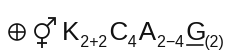
  4. (d) K2+2 C4 (cruciform), 6 stamens in 2 + 4 (tetradynamous), G(2) → Brassicaceae (i).
  5. a-iii, b-iv, c-ii, d-i = (C).

Short trick: “P = perianth = monocot (Liliaceae)”, “(9)+1 = pea family”, “2+2 / 4 = mustard (cross)”.

Answer: (C) (a)-(iii); (b)-(iv); (c)-(ii); (d)-(i)

अवधारणा: प्रत्येक पुष्प सूत्र की मुख्य विशेषता पढ़ें: एकव्यास सममिति + ध्वजक दलविन्यास, दललग्न पुंकेसर, परिदलपुंज (P), चतुर्दीर्घी पुंकेसर।

  1. (a) % (एकव्यास सममित), C1+2+(2) (ध्वजक, पंख, नौतल), A(9)+1 (द्विसंघी), G1 (एकाण्डपी) → फैबेसी (iii)।
  2. (b) ⊕, K(5), C(5) के साथ दललग्न A5 (चाप), द्विअण्डपी ऊर्ध्ववर्ती अण्डाशय → सोलेनेसी (iv)।
  3. (c) P(3+3) (परिदलपुंज, अलग बाह्यदलपुंज/दलपुंज नहीं), परिदललग्न A3+3, G(3) → लिलिएसी (ii)।
  4. (d) K2+2 C4 (क्रूसरूपी), 2 + 4 में 6 पुंकेसर (चतुर्दीर्घी), G(2) → ब्रैसिकेसी (i)।
  5. a-iii, b-iv, c-ii, d-i = (C)।

शॉर्ट ट्रिक: “P = परिदलपुंज = एकबीजपत्री (लिलिएसी)”, “(9)+1 = मटर कुल”, “2+2 / 4 = सरसों (क्रॉस)”।

उत्तर: (C) (a)-(iii); (b)-(iv); (c)-(ii); (d)-(i)

NEET UGBotanyMorphology – floral formulae of familiesNEET UG 2021 · 12 Sep Shift 1 →
Q3387.
Match list I with list II.
List IList II
(a) Protein(i) C = C double bonds
(b) Unsaturated fatty acid(ii) Phosphodiester bonds
(c) Nucleic acid(iii) Glycosidic bonds
(d) Polysaccharide(iv) Peptide bonds
सूची I का सूची II से मिलान कीजिए।
सूची Iसूची II
(a) प्रोटीन(i) C = C द्विबंध
(b) असंतृप्त वसा अम्ल(ii) फॉस्फोडाइएस्टर आबंध
(c) न्यूक्लिक अम्ल(iii) ग्लाइकोसिडिक आबंध
(d) पॉलीसैकेराइड(iv) पेप्टाइड आबंध
  1. A(a)-(ii); (b)-(i); (c)-(iv); (d)-(iii)
  2. B(a)-(iv); (b)-(iii); (c)-(i); (d)-(ii)
  3. C(a)-(iv); (b)-(i); (c)-(ii); (d)-(iii)
  4. D(a)-(i); (b)-(iv); (c)-(iii); (d)-(ii)
Show answer

Concept: Each biopolymer has a characteristic linkage between its monomers.

  1. (a) Protein – amino acids joined by peptide bonds (iv).
  2. (b) Unsaturated fatty acid – has one or more C = C double bonds (i).
  3. (c) Nucleic acid – nucleotides joined by 3’-5’ phosphodiester bonds (ii).
  4. (d) Polysaccharide – monosaccharides joined by glycosidic bonds (iii).
  5. a-iv, b-i, c-ii, d-iii = (C).

Short trick: “P-P, N-P, S-G”: Protein-Peptide, Nucleic-Phosphodiester, Sugar-Glycosidic.

Answer: (C) (a)-(iv); (b)-(i); (c)-(ii); (d)-(iii)

अवधारणा: प्रत्येक जैव बहुलक में उसके एकलकों के बीच एक विशिष्ट बंधन होता है।

  1. (a) प्रोटीन – अमीनो अम्ल पेप्टाइड आबंध से जुड़े (iv)।
  2. (b) असंतृप्त वसा अम्ल – एक या अधिक C = C द्विबंध (i)।
  3. (c) न्यूक्लिक अम्ल – न्यूक्लियोटाइड 3’-5’ फॉस्फोडाइएस्टर आबंध से जुड़े (ii)।
  4. (d) पॉलीसैकेराइड – मोनोसैकेराइड ग्लाइकोसिडिक आबंध से जुड़े (iii)।
  5. a-iv, b-i, c-ii, d-iii = (C)।

शॉर्ट ट्रिक: “P-P, N-P, S-G”: प्रोटीन-पेप्टाइड, न्यूक्लिक-फॉस्फोडाइएस्टर, शर्करा-ग्लाइकोसिडिक।

उत्तर: (C) (a)-(iv); (b)-(i); (c)-(ii); (d)-(iii)

NEET UGBotanyBiomolecules – bonds in biomoleculesNEET UG 2021 · 12 Sep Shift 1 →
Q3388.
Which of the following statements is incorrect?
निम्नलिखित में से कौन-सा कथन गलत है?
  1. AATP is synthesized through complex VATP का संश्लेषण संकुल V द्वारा होता है
  2. BOxidation-reduction reactions produce proton gradient in respiration.श्वसन में ऑक्सीकरण-अपचयन अभिक्रियाएँ प्रोटॉन प्रवणता उत्पन्न करती हैं।
  3. CDuring aerobic respiration, role of oxygen is limited to the terminal stageवायवीय श्वसन के दौरान ऑक्सीजन की भूमिका अंतिम चरण तक सीमित है
  4. DIn ETC (Electron Transport Chain), one molecule of NADH + H+ gives rise to 2 ATP molecules, and one FADH2 gives rise to 3 ATP moleculesETC (इलेक्ट्रॉन परिवहन तंत्र) में NADH + H+ का एक अणु 2 ATP अणु तथा FADH2 का एक अणु 3 ATP अणु उत्पन्न करता है
Show answer

Concept: NCERT: oxidation of one NADH + H+ gives 3 ATP and one FADH2 gives 2 ATP (the values are reversed in statement (D)).

  1. (A) correct – complex V (F0-F1 ATP synthase) makes ATP.
  2. (B) correct – redox reactions in the ETC pump protons and create the gradient.
  3. (C) correct – O2 acts only as the final hydrogen/electron acceptor at the terminal stage.
  4. (D) incorrect – NADH → 3 ATP, FADH2 → 2 ATP (FADH2 enters at complex II, bypassing one proton-pumping site).

Short trick: “N = 3, F = 2” – NADH enters earlier (complex I), so it earns more ATP.

Answer: (D) In ETC, one NADH + H+ gives 2 ATP and one FADH2 gives 3 ATP

अवधारणा: NCERT: NADH + H+ के एक अणु के ऑक्सीकरण से 3 ATP तथा FADH2 के एक अणु से 2 ATP बनते हैं (कथन (D) में मान उलटे हैं)।

  1. (A) सही – संकुल V (F0-F1 ATP सिंथेज़) ATP बनाता है।
  2. (B) सही – ETC में रेडॉक्स अभिक्रियाएँ प्रोटॉन पम्प करके प्रवणता बनाती हैं।
  3. (C) सही – O2 केवल अंतिम चरण में अंतिम हाइड्रोजन/इलेक्ट्रॉन ग्राही का कार्य करती है।
  4. (D) गलत – NADH → 3 ATP, FADH2 → 2 ATP (FADH2 संकुल II पर प्रवेश करता है, एक प्रोटॉन-पम्पिंग स्थल छूट जाता है)।

शॉर्ट ट्रिक: “N = 3, F = 2” – NADH पहले (संकुल I पर) प्रवेश करता है, इसलिए अधिक ATP देता है।

उत्तर: (D) ETC में NADH + H+ से 2 ATP तथा FADH2 से 3 ATP

NEET UGBotanyRespiration in plants – electron transport chainNEET UG 2021 · 12 Sep Shift 1 →
Q3389.
DNA fingerprinting involves identifying differences in some specific regions in DNA sequence, called as:
DNA फिंगरप्रिंटिंग में DNA अनुक्रम के कुछ विशिष्ट क्षेत्रों में अंतर की पहचान की जाती है, जिन्हें कहते हैं:
  1. ASingle nucleotidesएकल न्यूक्लियोटाइड
  2. BPolymorphic DNAबहुरूपी DNA
  3. CSatellite DNAअनुषंगी (सैटेलाइट) DNA
  4. DRepetitive DNAपुनरावृत्त DNA
Show answer

Concept: NCERT (exact line): “DNA fingerprinting involves identifying differences in some specific regions in DNA sequence called as repetitive DNA, because in these sequences a small stretch of DNA is repeated many times.”

  1. Repetitive DNA is the term used in this definition – (D) correct.
  2. Satellite DNA is the separated peak of repetitive DNA on density-gradient centrifugation; it is a part of repetitive DNA, not the defining term here – (C) not the intended answer.
  3. Polymorphism is the property (variation) these regions show – (B) wrong.
  4. Single nucleotides (SNPs) are a different marker type – (A) wrong.

Short trick: Quote the NCERT definition word-for-word: “… specific regions … called as repetitive DNA”.

Answer: (D) Repetitive DNA

अवधारणा: NCERT (शब्दशः): “DNA फिंगरप्रिंटिंग में DNA अनुक्रम के कुछ विशिष्ट क्षेत्रों में अंतर की पहचान की जाती है जिन्हें पुनरावृत्त DNA कहते हैं, क्योंकि इन अनुक्रमों में DNA का एक छोटा भाग कई बार दोहराया जाता है।”

  1. इस परिभाषा में प्रयुक्त शब्द पुनरावृत्त DNA है – (D) सही।
  2. अनुषंगी DNA घनत्व-प्रवणता अपकेन्द्रण पर पुनरावृत्त DNA का अलग शिखर है; यह पुनरावृत्त DNA का एक भाग है, यहाँ परिभाषित शब्द नहीं – (C) अभीष्ट उत्तर नहीं।
  3. बहुरूपता वह गुण (भिन्नता) है जो ये क्षेत्र दर्शाते हैं – (B) गलत।
  4. एकल न्यूक्लियोटाइड (SNP) एक भिन्न प्रकार के चिह्नक हैं – (A) गलत।

शॉर्ट ट्रिक: NCERT परिभाषा शब्दशः याद रखें: “… विशिष्ट क्षेत्र … जिन्हें पुनरावृत्त DNA कहते हैं”।

उत्तर: (D) पुनरावृत्त DNA

NEET UGBotanyMolecular basis of inheritance – DNA fingerprintingNEET UG 2021 · 12 Sep Shift 1 →
Q3390.
Which of the following statements is correct?
निम्नलिखित में से कौन-सा कथन सही है?
  1. AOrganisms that depend on living plants are called saprophytesजीवित पादपों पर निर्भर जीव मृतोपजीवी कहलाते हैं
  2. BSome of the organisms can fix atmospheric nitrogen in specialized cells called sheath cellsकुछ जीव आच्छद कोशिकाएँ (sheath cells) कहलाने वाली विशिष्ट कोशिकाओं में वायुमंडलीय नाइट्रोजन का स्थिरीकरण कर सकते हैं
  3. CFusion of two cells is called Karyogamy.दो कोशिकाओं का संलयन केन्द्रक-संलयन (Karyogamy) कहलाता है।
  4. DFusion of protoplasms between two motile or non-motile gametes is called plasmogamyदो चल या अचल युग्मकों के बीच जीवद्रव्य का संलयन जीवद्रव्य-संलयन (plasmogamy) कहलाता है
Show answer

Concept: NCERT (Fungi): sexual cycle = plasmogamy (fusion of protoplasms of two motile or non-motile gametes) → karyogamy (fusion of two nuclei) → meiosis in zygote.

  1. (A) wrong – organisms depending on living plants are parasites; saprophytes feed on dead organic matter.
  2. (B) wrong – cyanobacteria fix N2 in specialised cells called heterocysts.
  3. (C) wrong – karyogamy is fusion of two nuclei, not cells.
  4. (D) correct – exact NCERT definition of plasmogamy.

Short trick: Plasma-gamy = cytoplasm fuses; Karyo-gamy = nucleus (karyon) fuses.

Answer: (D) Fusion of protoplasms between two motile or non-motile gametes is called plasmogamy

अवधारणा: NCERT (कवक): लैंगिक चक्र = जीवद्रव्य-संलयन (दो चल या अचल युग्मकों के जीवद्रव्य का संलयन) → केन्द्रक-संलयन (दो केन्द्रकों का संलयन) → युग्मनज में अर्धसूत्री विभाजन।

  1. (A) गलत – जीवित पादपों पर निर्भर जीव परजीवी होते हैं; मृतोपजीवी मृत कार्बनिक पदार्थों पर निर्भर होते हैं।
  2. (B) गलत – सायनोबैक्टीरिया हेटेरोसिस्ट (विषमपुटी) नामक विशिष्ट कोशिकाओं में N2 स्थिर करते हैं।
  3. (C) गलत – केन्द्रक-संलयन दो केन्द्रकों का संलयन है, कोशिकाओं का नहीं।
  4. (D) सही – जीवद्रव्य-संलयन की NCERT परिभाषा।

शॉर्ट ट्रिक: Plasma-gamy = कोशिकाद्रव्य का संलयन; Karyo-gamy = केन्द्रक (karyon) का संलयन।

उत्तर: (D) दो चल या अचल युग्मकों के बीच जीवद्रव्य का संलयन जीवद्रव्य-संलयन कहलाता है

NEET UGBotanyBiological classification – fungi and nutritionNEET UG 2021 · 12 Sep Shift 1 →
Q3391.
Now a days it is possible to detect the mutated gene causing cancer by allowing radioactive probe to hybridise its complementary DNA in a clone of cells, followed by its detection using autoradiography because :
आजकल कोशिकाओं के एक क्लोन में रेडियोसक्रिय प्रोब को उसके पूरक DNA से संकरित होने देकर तथा उसके बाद ऑटोरेडियोग्राफी द्वारा संसूचन करके कैंसर उत्पन्न करने वाले उत्परिवर्तित जीन का पता लगाना संभव है, क्योंकि:
  1. Amutated gene does not appear on a Photographic film as the probe has no complementarity with itउत्परिवर्तित जीन फोटोग्राफिक फिल्म पर दिखाई नहीं देता क्योंकि प्रोब की उसके साथ पूरकता नहीं होती
  2. Bmutated gene does not appear on Photographic film as the probe has complementarity with itउत्परिवर्तित जीन फोटोग्राफिक फिल्म पर दिखाई नहीं देता क्योंकि प्रोब की उसके साथ पूरकता होती है
  3. Cmutated gene partially appears on a photographic filmउत्परिवर्तित जीन फोटोग्राफिक फिल्म पर आंशिक रूप से दिखाई देता है
  4. Dmutated gene completely and clearly appears on a photographic film.उत्परिवर्तित जीन फोटोग्राफिक फिल्म पर पूर्णतः तथा स्पष्ट रूप से दिखाई देता है।
Show answer

Concept: NCERT: a probe (radioactively labelled ss DNA/RNA) is allowed to hybridise to its complementary DNA in a clone of cells and detected by autoradiography; the clone having the mutated gene will not appear on the photographic film, because the probe will not have complementarity with the mutated gene.

  1. Normal gene → probe binds → signal on film.
  2. Mutated gene → sequence changed → probe cannot pair → no signal – (A) correct.
  3. (B) is self-contradictory – complementarity would give a signal.
  4. (C), (D) – the mutated gene does not appear at all.

Short trick: “No match, no mark” – absence of the band reveals the mutation.

Answer: (A) mutated gene does not appear … as the probe has no complementarity with it

अवधारणा: NCERT: प्रोब (रेडियोसक्रिय चिह्नित एकल रज्जुक DNA/RNA) को कोशिकाओं के क्लोन में उसके पूरक DNA से संकरित होने दिया जाता है तथा ऑटोरेडियोग्राफी से संसूचित किया जाता है; उत्परिवर्तित जीन वाला क्लोन फोटोग्राफिक फिल्म पर दिखाई नहीं देगा, क्योंकि प्रोब की उत्परिवर्तित जीन से पूरकता नहीं होगी।

  1. सामान्य जीन → प्रोब जुड़ता है → फिल्म पर संकेत।
  2. उत्परिवर्तित जीन → अनुक्रम बदला हुआ → प्रोब युग्मित नहीं होता → कोई संकेत नहीं – (A) सही।
  3. (B) स्व-विरोधी है – पूरकता होने पर संकेत मिलता।
  4. (C), (D) – उत्परिवर्तित जीन बिल्कुल दिखाई नहीं देता।

शॉर्ट ट्रिक: “मेल नहीं, निशान नहीं” – बैंड की अनुपस्थिति उत्परिवर्तन बताती है।

उत्तर: (A) उत्परिवर्तित जीन दिखाई नहीं देता … प्रोब की उसके साथ पूरकता नहीं होती

NEET UGBotanyBiotechnology – molecular diagnosis (probes and autoradiography)NEET UG 2021 · 12 Sep Shift 1 →
Q3392.
Plasmid pBR322 has PstI restriction enzyme site within gene ampR that confers ampicillin resistance. If this enzyme is used for inserting a gene for β-galactoside production and the recombinant plasmid is inserted in a E.coli strain
प्लाज़्मिड pBR322 में ऐम्पिसिलिन प्रतिरोध प्रदान करने वाले जीन ampR के भीतर PstI प्रतिबंधन एंजाइम स्थल होता है। यदि इस एंजाइम का उपयोग β-गैलेक्टोसाइड उत्पादन के जीन को निवेशित करने हेतु किया जाए तथा पुनर्योगज प्लाज़्मिड को E.coli स्ट्रेन में प्रविष्ट कराया जाए, तो
  1. Ait will lead to lysis of host cell.यह परपोषी कोशिका के लयन का कारण बनेगा।
  2. Bit will be able to produce a novel protein with dual abilityयह दोहरी क्षमता वाला एक नया प्रोटीन उत्पन्न कर सकेगा
  3. Cit will not be able to confer ampicillin resistance to the host cellयह परपोषी कोशिका को ऐम्पिसिलिन प्रतिरोध प्रदान नहीं कर सकेगा
  4. Dthe transformed cells will have the ability to resist ampicillin as well as produce β-galactosideरूपांतरित कोशिकाओं में ऐम्पिसिलिन का प्रतिरोध करने के साथ-साथ β-गैलेक्टोसाइड उत्पन्न करने की क्षमता होगी
Show answer

Concept: Insertional inactivation: a foreign DNA inserted within a selectable-marker gene inactivates that gene.

  1. PstI cuts inside ampR; the inserted gene splits ampR → it can no longer code for the functional enzyme.
  2. So the recombinant plasmid will not confer ampicillin resistance – (C) correct (tetracycline resistance via tetR remains).
  3. (A) wrong – plasmid insertion does not lyse the host.
  4. (B) wrong – no fused “dual” protein is formed; ampR is simply disrupted.
  5. (D) wrong – ampicillin resistance is lost.

Short trick: Insert inside a marker = that marker dies. (PstI/PvuI → ampR lost; BamHI/SalI → tetR lost.)

Answer: (C) it will not be able to confer ampicillin resistance to the host cell

अवधारणा: निवेशी निष्क्रियता (insertional inactivation): किसी वरण योग्य चिह्नक जीन के भीतर विजातीय DNA निवेशित करने पर वह जीन निष्क्रिय हो जाता है।

  1. PstI ampR के भीतर काटता है; निवेशित जीन ampR को खण्डित कर देता है → यह क्रियाशील एंजाइम का कूटलेखन नहीं कर पाता।
  2. अतः पुनर्योगज प्लाज़्मिड ऐम्पिसिलिन प्रतिरोध प्रदान नहीं करेगा – (C) सही (tetR द्वारा टेट्रासाइक्लिन प्रतिरोध बना रहता है)।
  3. (A) गलत – प्लाज़्मिड निवेशन से परपोषी का लयन नहीं होता।
  4. (B) गलत – कोई संलयित “दोहरा” प्रोटीन नहीं बनता; ampR केवल बाधित होता है।
  5. (D) गलत – ऐम्पिसिलिन प्रतिरोध समाप्त हो जाता है।

शॉर्ट ट्रिक: चिह्नक के भीतर निवेशन = वह चिह्नक निष्क्रिय। (PstI/PvuI → ampR समाप्त; BamHI/SalI → tetR समाप्त।)

उत्तर: (C) यह परपोषी कोशिका को ऐम्पिसिलिन प्रतिरोध प्रदान नहीं कर सकेगा

NEET UGBotanyBiotechnology – cloning vector pBR322NEET UG 2021 · 12 Sep Shift 1 →
Q3393.
In some members of which of the following pairs of families, pollen grains retain their viability for months after release ?
निम्नलिखित में से कुलों के किस युग्म के कुछ सदस्यों में परागकण मुक्त होने के बाद महीनों तक अपनी जीवनक्षमता बनाए रखते हैं?
  1. APoaceae ; Solanaceaeपोएसी ; सोलेनेसी
  2. BRosaceae ; Leguminosaeरोज़ेसी ; लेग्यूमिनोसी
  3. CPoaceae ; Rosaceaeपोएसी ; रोज़ेसी
  4. DPoaceae ; Leguminosaeपोएसी ; लेग्यूमिनोसी
Show answer

Concept: NCERT: in rice and wheat (Poaceae) pollen grains lose viability within 30 minutes of release, while in some members of Rosaceae, Leguminosae and Solanaceae they maintain viability for months.

  1. Rosaceae and Leguminosae are both “months” families – (B) correct.
  2. Every other option contains Poaceae, whose pollen dies in ~30 min – (A), (C), (D) wrong.

Short trick: “RLS = Really Long Survival” (Rosaceae, Leguminosae, Solanaceae); grasses = 30 minutes. Eliminate every pair with Poaceae.

Answer: (B) Rosaceae ; Leguminosae

अवधारणा: NCERT: धान तथा गेहूँ (पोएसी) में परागकण मुक्त होने के 30 मिनट के भीतर जीवनक्षमता खो देते हैं, जबकि रोज़ेसी, लेग्यूमिनोसी तथा सोलेनेसी के कुछ सदस्यों में वे महीनों तक जीवनक्षम रहते हैं।

  1. रोज़ेसी तथा लेग्यूमिनोसी दोनों “महीनों” वाले कुल हैं – (B) सही।
  2. अन्य प्रत्येक विकल्प में पोएसी है, जिसके परागकण ~30 मिनट में मर जाते हैं – (A), (C), (D) गलत।

शॉर्ट ट्रिक: “RLS = Really Long Survival” (रोज़ेसी, लेग्यूमिनोसी, सोलेनेसी); घासें = 30 मिनट। पोएसी वाले हर युग्म को हटा दें।

उत्तर: (B) रोज़ेसी ; लेग्यूमिनोसी

NEET UGBotanySexual reproduction in flowering plants – pollen viabilityNEET UG 2021 · 12 Sep Shift 1 →
Q3394.
What is the role of RNA polymerase III in the process of transcription in eukaryotes?
यूकैरियोट में अनुलेखन की प्रक्रिया में RNA पॉलिमरेज़ III की क्या भूमिका है?
  1. ATranscribes precursor of mRNAmRNA के पूर्वगामी का अनुलेखन करता है
  2. BTranscribes only snRNAsकेवल snRNA का अनुलेखन करता है
  3. CTranscribes rRNAs (28S, 18S and 5.8S)rRNA (28S, 18S तथा 5.8S) का अनुलेखन करता है
  4. DTranscribes tRNA, 5s rRNA and snRNAtRNA, 5s rRNA तथा snRNA का अनुलेखन करता है
Show answer

Concept: NCERT: eukaryotes have three RNA polymerases in the nucleus – RNA pol I: rRNAs (28S, 18S, 5.8S); RNA pol II: precursor of mRNA (hnRNA); RNA pol III: tRNA, 5S rRNA and snRNAs.

  1. (A) precursor of mRNA – RNA polymerase II – wrong.
  2. (B) “only snRNAs” – incomplete; pol III also makes tRNA and 5S rRNA – wrong.
  3. (C) 28S, 18S, 5.8S rRNA – RNA polymerase I – wrong.
  4. (D) tRNA, 5S rRNA, snRNA – RNA polymerase III – correct.

Short trick: “I = rRNA, II = mRNA (hnRNA), III = tRNA + 5S + snRNA” – small RNAs go to pol III.

Answer: (D) Transcribes tRNA, 5s rRNA and snRNA

अवधारणा: NCERT: यूकैरियोट के केन्द्रक में तीन RNA पॉलिमरेज़ होते हैं – RNA pol I: rRNA (28S, 18S, 5.8S); RNA pol II: mRNA का पूर्वगामी (hnRNA); RNA pol III: tRNA, 5S rRNA तथा snRNA।

  1. (A) mRNA का पूर्वगामी – RNA पॉलिमरेज़ II – गलत।
  2. (B) “केवल snRNA” – अपूर्ण; pol III tRNA तथा 5S rRNA भी बनाता है – गलत।
  3. (C) 28S, 18S, 5.8S rRNA – RNA पॉलिमरेज़ I – गलत।
  4. (D) tRNA, 5S rRNA, snRNA – RNA पॉलिमरेज़ III – सही।

शॉर्ट ट्रिक: “I = rRNA, II = mRNA (hnRNA), III = tRNA + 5S + snRNA” – छोटे RNA pol III के पास।

उत्तर: (D) tRNA, 5s rRNA तथा snRNA का अनुलेखन करता है

NEET UGBotanyMolecular basis of inheritance – eukaryotic RNA polymerasesNEET UG 2021 · 12 Sep Shift 1 →
Q3395.
In the exponential growth equation Nt = N0ert, e represents:
चरघातांकी वृद्धि समीकरण Nt = N0ert में, e निरूपित करता है:
  1. AThe base of natural logarithmsप्राकृतिक लघुगणकों का आधार
  2. BThe base of geometric logarithmsज्यामितीय लघुगणकों का आधार
  3. CThe base of number logarithmsसंख्या लघुगणकों का आधार
  4. DThe base of exponential logarithmsचरघातांकी लघुगणकों का आधार
Show answer

Concept: NCERT: Nt = N0ert, where Nt = population density after time t, N0 = initial density, r = intrinsic rate of natural increase, e = the base of natural logarithms (2.71828).

  1. Integrating dN/dt = rN gives Nt = N0ert; e ≈ 2.718 is the base of natural (ln) logarithms – (A) correct.
  2. “Geometric”, “number” and “exponential” logarithms are not standard terms – (B), (C), (D) wrong.

Short trick: ln = log to base e = “natural log”; e ≈ 2.718.

Answer: (A) The base of natural logarithms

अवधारणा: NCERT: Nt = N0ert, जहाँ Nt = समय t के बाद समष्टि घनत्व, N0 = प्रारम्भिक घनत्व, r = प्राकृतिक वृद्धि की अंतर्जात दर (intrinsic rate), e = प्राकृतिक लघुगणकों का आधार (2.71828)।

  1. dN/dt = rN का समाकलन करने पर Nt = N0ert मिलता है; e ≈ 2.718 प्राकृतिक (ln) लघुगणकों का आधार है – (A) सही।
  2. “ज्यामितीय”, “संख्या” तथा “चरघातांकी” लघुगणक मानक शब्द नहीं हैं – (B), (C), (D) गलत।

शॉर्ट ट्रिक: ln = आधार e पर लघुगणक = “प्राकृतिक लघुगणक”; e ≈ 2.718।

उत्तर: (A) प्राकृतिक लघुगणकों का आधार

NEET UGBotanyOrganisms and populations – exponential growthNEET UG 2021 · 12 Sep Shift 1 →
Q3396.
Read the following statements.
(a) Metagenesis is observed in Helminths.
(b) Echinoderms are triploblastic and coelomate animals.
(c) Round worms have organ-system level of body organization.
(d) Comb plates present in ctenophores help in digestion.
(e) Water vascular system is characteristic of Echinoderms.
Choose the correct answer from the options given below.
निम्नलिखित कथनों को पढ़िए।
(a) हेल्मिन्थ (Helminths) में पीढ़ी-एकांतरण (metagenesis) देखा जाता है।
(b) एकाइनोडर्म त्रिकोरकी (triploblastic) तथा प्रगुहिक (coelomate) प्राणी हैं।
(c) गोलकृमियों में अंग-तंत्र स्तर का शरीर संगठन होता है।
(d) टीनोफोर में उपस्थित कंकत पट्टिकाएँ (comb plates) पाचन में सहायता करती हैं।
(e) जल संवहन तंत्र (water vascular system) एकाइनोडर्म का अभिलाक्षणिक गुण है।
नीचे दिए गए विकल्पों में से सही उत्तर चुनिए।
  1. A(a), (d) and (e) are correct(a), (d) तथा (e) सही हैं
  2. B(b), (c) and (e) are correct(b), (c) तथा (e) सही हैं
  3. C(c), (d) and (e) are correct(c), (d) तथा (e) सही हैं
  4. D(a), (b) and (c) are correct(a), (b) तथा (c) सही हैं
Show answer

Concept: Metagenesis (alternation of polyp and medusa) is a feature of Cnidaria; comb plates of ctenophores are for locomotion.

  1. (a) False – metagenesis occurs in cnidarians such as Obelia, not in helminths.
  2. (b) True – echinoderms are triploblastic and coelomate.
  3. (c) True – aschelminthes (round worms) show organ-system level of organisation.
  4. (d) False – the 8 external rows of ciliated comb plates help in locomotion, not digestion.
  5. (e) True – the water vascular system is the unique feature of echinoderms.
  6. Correct set = (b), (c), (e).

Short trick: (a) and (d) are both false, so reject every option containing (a) or (d) – only (B) remains.

Answer: (B) (b), (c) and (e) are correct

अवधारणा: पीढ़ी-एकांतरण (पॉलिप व मेड्यूसा का एकांतरण) निडेरिया का लक्षण है; टीनोफोर की कंकत पट्टिकाएँ गमन के लिए होती हैं।

  1. (a) असत्य – पीढ़ी-एकांतरण ओबेलिया जैसे निडेरियनों में होता है, हेल्मिन्थ में नहीं।
  2. (b) सत्य – एकाइनोडर्म त्रिकोरकी तथा प्रगुहिक होते हैं।
  3. (c) सत्य – एस्केल्मिन्थीज़ (गोलकृमि) में अंग-तंत्र स्तर का संगठन होता है।
  4. (d) असत्य – पक्ष्माभी कंकत पट्टिकाओं की 8 बाहरी पंक्तियाँ गमन में सहायता करती हैं, पाचन में नहीं।
  5. (e) सत्य – जल संवहन तंत्र एकाइनोडर्म का विशिष्ट लक्षण है।
  6. सही समूह = (b), (c), (e)।

शॉर्ट ट्रिक: (a) और (d) दोनों असत्य हैं, अतः जिन विकल्पों में (a) या (d) है उन्हें हटाइए – केवल (B) बचता है।

उत्तर: (B) (b), (c) तथा (e) सही हैं

NEET UGZoologyAnimal kingdom – features of phylaNEET UG 2021 · 12 Sep Shift 1 →
Q3397.
Match list I with list II.
List IList II
(a) Metamerism(i) Coelenterata
(b) Canal system(ii) Ctenophora
(c) Comb plates(iii) Annelida
(d) Cnidoblasts(iv) Porifera
सूची I का सूची II से मिलान कीजिए।
सूची Iसूची II
(a) खंडीभवन (Metamerism)(i) सीलेन्ट्रेटा
(b) नाल तंत्र (Canal system)(ii) टीनोफोरा
(c) कंकत पट्टिकाएँ (Comb plates)(iii) ऐनेलिडा
(d) दंश कोशिकाएँ (Cnidoblasts)(iv) पोरिफेरा
  1. A(a)-(iii); (b)-(iv); (c)-(ii); (d)-(i)
  2. B(a)-(iv); (b)-(i); (c)-(ii); (d)-(iii)
  3. C(a)-(iv); (b)-(iii); (c)-(i); (d)-(ii)
  4. D(a)-(iii); (b)-(iv); (c)-(i); (d)-(ii)
Show answer

Concept: Each of these is the "signature" feature of one phylum in NCERT.

  1. Metamerism (true segmentation) → Annelida (iii).
  2. Canal (water-transport) system with ostia and osculum → Porifera (iv).
  3. Comb plates (ciliated, for locomotion) → Ctenophora (ii).
  4. Cnidoblasts (stinging cells) → Coelenterata/Cnidaria (i).
  5. (B) and (C) wrongly give metamerism to Porifera; (D) swaps comb plates and cnidoblasts.

Short trick: Cnido-blast → Cnid-aria (same root). Once (d)-(i) is fixed, only (A) fits.

Answer: (A) (a)-(iii); (b)-(iv); (c)-(ii); (d)-(i)

अवधारणा: NCERT में ये प्रत्येक लक्षण किसी एक संघ की "पहचान" हैं।

  1. विखंडी खंडीभवन (वास्तविक खंडीभवन) → ऐनेलिडा (iii)।
  2. ऑस्टिया व ऑस्कुलम युक्त नाल (जल-परिवहन) तंत्र → पोरिफेरा (iv)।
  3. कंकत पट्टिकाएँ (पक्ष्माभी, गमन हेतु) → टीनोफोरा (ii)।
  4. दंश कोशिकाएँ (निडोब्लास्ट) → सीलेन्ट्रेटा/निडेरिया (i)।
  5. (B) व (C) खंडीभवन को पोरिफेरा से जोड़ते हैं; (D) कंकत पट्टिका व दंश कोशिका को उलट देता है।

शॉर्ट ट्रिक: निडो-ब्लास्ट → निडे-रिया (एक ही मूल शब्द)। (d)-(i) तय होते ही केवल (A) सही बैठता है।

उत्तर: (A) (a)-(iii); (b)-(iv); (c)-(ii); (d)-(i)

NEET UGZoologyAnimal kingdom – distinctive featuresNEET UG 2021 · 12 Sep Shift 1 →
Q3398.
Which of the following statements wrongly represents the nature of smooth muscle?
निम्नलिखित में से कौन-सा कथन चिकनी पेशी (smooth muscle) की प्रकृति को गलत रूप में प्रस्तुत करता है?
  1. ACommunication among the cells is performed by intercalated discsकोशिकाओं के बीच संचार अंतर्विष्ट डिस्क (intercalated discs) द्वारा होता है
  2. BThese muscles are present in the wall of blood vesselsये पेशियाँ रुधिर वाहिकाओं की भित्ति में पाई जाती हैं
  3. CThese muscle have no striationsइन पेशियों में रेखाएँ (striations) नहीं होतीं
  4. DThey are involuntary musclesये अनैच्छिक पेशियाँ हैं
Show answer

Concept: Intercalated discs are found only in cardiac muscle; smooth muscle fibres are spindle-shaped, non-striated, involuntary and joined by cell junctions.

  1. (A) Wrong – intercalated discs (fusion points allowing cells to contract as a unit) are the hallmark of cardiac muscle.
  2. (B) Correct – smooth muscle lines blood vessels, stomach, intestine.
  3. (C) Correct – no striations, hence "smooth".
  4. (D) Correct – not under voluntary control.

Short trick: Intercalated disc = "heart's handshake" – it belongs to the heart alone.

Answer: (A) Intercalated discs

अवधारणा: अंतर्विष्ट डिस्क केवल हृद पेशी में पाई जाती हैं; चिकनी पेशी तंतु तर्कुरूपी, रेखाविहीन, अनैच्छिक होते हैं तथा कोशिका संधियों से जुड़े रहते हैं।

  1. (A) गलत – अंतर्विष्ट डिस्क (संलयन बिंदु जिनसे कोशिकाएँ एक इकाई की तरह संकुचित होती हैं) हृद पेशी की पहचान हैं।
  2. (B) सही – चिकनी पेशी रुधिर वाहिकाओं, आमाशय, आँत की भित्ति में होती है।
  3. (C) सही – रेखाएँ नहीं होतीं, इसलिए "चिकनी"।
  4. (D) सही – ये इच्छा के नियंत्रण में नहीं होतीं।

शॉर्ट ट्रिक: अंतर्विष्ट डिस्क = "हृदय का हाथ मिलाना" – यह केवल हृदय की है।

उत्तर: (A) अंतर्विष्ट डिस्क

NEET UGZoologyAnimal tissues – muscle tissueNEET UG 2021 · 12 Sep Shift 1 →
Q3399.
The centriole undergoes duplication during:
तारककेंद्रक (centriole) का द्विगुणन किस अवस्था में होता है?
  1. AMetaphaseमध्यावस्था
  2. BG2 phaseG2 प्रावस्था
  3. CS-phaseS-प्रावस्था
  4. DProphaseपूर्वावस्था
Show answer

Concept: NCERT: during the S phase, DNA replicates in the nucleus and, in animal cells, the centriole duplicates in the cytoplasm.

  1. S (synthesis) phase: DNA content doubles (2C → 4C) and the centriole duplicates.
  2. G2: proteins for mitosis are made, the cell grows – no centriole duplication.
  3. Prophase: the already-duplicated centrioles move to opposite poles; metaphase: chromosomes align.

Short trick: S = Synthesis of both DNA and the "S"econd centriole.

Answer: (C) S-phase

अवधारणा: NCERT: S प्रावस्था में केंद्रक में DNA की प्रतिकृति होती है तथा जंतु कोशिकाओं में कोशिकाद्रव्य में तारककेंद्रक का द्विगुणन होता है।

  1. S (संश्लेषण) प्रावस्था: DNA की मात्रा दोगुनी (2C → 4C) होती है और तारककेंद्रक द्विगुणित होता है।
  2. G2: समसूत्रण हेतु प्रोटीन बनते हैं, कोशिका वृद्धि करती है – तारककेंद्रक का द्विगुणन नहीं।
  3. पूर्वावस्था: पहले से द्विगुणित तारककेंद्रक विपरीत ध्रुवों की ओर जाते हैं; मध्यावस्था: गुणसूत्र संरेखित होते हैं।

शॉर्ट ट्रिक: S = DNA तथा "दूसरे" तारककेंद्रक दोनों का Synthesis।

उत्तर: (C) S-प्रावस्था

NEET UGZoologyCell cycle – interphaseNEET UG 2021 · 12 Sep Shift 1 →
Q3400.
With regard to insulin choose correct options.
(a) C-peptide is not present in mature insulin.
(b) The insulin produced by rDNA technology has C-peptide.
(c) The pro-insulin has C-peptide.
(d) A-peptide and B-peptide of insulin are interconnected by disulphide bridges
Choose the correct answer from the options given below.
इंसुलिन के संबंध में सही विकल्प चुनिए।
(a) परिपक्व इंसुलिन में C-पेप्टाइड उपस्थित नहीं होता।
(b) rDNA तकनीक द्वारा उत्पादित इंसुलिन में C-पेप्टाइड होता है।
(c) प्राक्-इंसुलिन (pro-insulin) में C-पेप्टाइड होता है।
(d) इंसुलिन की A-पेप्टाइड तथा B-पेप्टाइड डाइसल्फ़ाइड बंधों द्वारा परस्पर जुड़ी होती हैं
नीचे दिए गए विकल्पों में से सही उत्तर चुनिए।
  1. A(a), (c) and (d) onlyकेवल (a), (c) तथा (d)
  2. B(a) and (d) onlyकेवल (a) तथा (d)
  3. C(b) and (d) onlyकेवल (b) तथा (d)
  4. D(b) and (c) onlyकेवल (b) तथा (c)
Show answer

Concept: Insulin is made as pro-insulin (A + B + C peptide); the C-peptide is removed during maturation. Eli Lilly made A and B chains separately in E. coli and joined them by disulphide bonds.

  1. (a) True – mature insulin lacks the C-peptide.
  2. (b) False – rDNA insulin is made as separate A and B chains, so it has no C-peptide.
  3. (c) True – pro-insulin contains the extra C-peptide.
  4. (d) True – A and B chains are linked by inter-chain disulphide bridges.
  5. Correct = (a), (c), (d).

Short trick: C-peptide = "Cut" peptide – present only in pro-insulin, cut away in mature and rDNA insulin.

Answer: (A) (a), (c) and (d) only

अवधारणा: इंसुलिन प्राक्-इंसुलिन (A + B + C पेप्टाइड) के रूप में बनता है; परिपक्वन के दौरान C-पेप्टाइड हटा दिया जाता है। एली लिली ने A तथा B शृंखलाएँ ई. कोलाई में अलग-अलग बनाकर उन्हें डाइसल्फ़ाइड बंधों से जोड़ा।

  1. (a) सत्य – परिपक्व इंसुलिन में C-पेप्टाइड नहीं होता।
  2. (b) असत्य – rDNA इंसुलिन अलग-अलग A व B शृंखलाओं के रूप में बनता है, अतः इसमें C-पेप्टाइड नहीं होता।
  3. (c) सत्य – प्राक्-इंसुलिन में अतिरिक्त C-पेप्टाइड होता है।
  4. (d) सत्य – A व B शृंखलाएँ अंतर-शृंखला डाइसल्फ़ाइड बंधों से जुड़ी होती हैं।
  5. सही = (a), (c), (d)।

शॉर्ट ट्रिक: C-पेप्टाइड = "Cut" पेप्टाइड – केवल प्राक्-इंसुलिन में, परिपक्व व rDNA इंसुलिन में काट दिया जाता है।

उत्तर: (A) केवल (a), (c) तथा (d)

NEET UGZoologyBiotechnology – genetically engineered insulinNEET UG 2021 · 12 Sep Shift 1 →