NEET UG · 2,240 questions

NEET UG 2015, 2016, 2017, 2018, 2019, 2020, 2021, 2022, 2023, 2024, 2025, 2026 PYQs

Real previous year questions, subject-wise. Try the question, then open the answer and the explanation in Hindi & English – free, no login.

Courses – airGurukul

2,240 questions.

Q621.
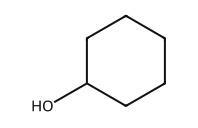
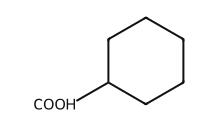
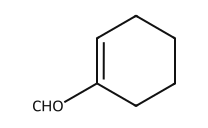
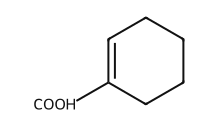
Complete the following reaction
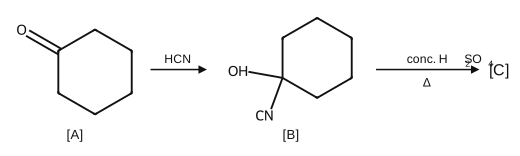
C is ______
निम्नलिखित अभिक्रिया को पूर्ण कीजिए

C है ______
  1. A
  2. B
  3. C
  4. D
Show answer

Concept: HCN adds to C=O to give a cyanohydrin; hot conc. H2SO4 hydrolyses –CN to –COOH and dehydrates the tertiary –OH.

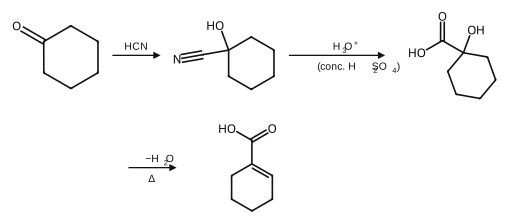
  1. Cyclohexanone + HCN → 1-hydroxycyclohexane-1-carbonitrile [B].
  2. Acid hydrolysis: –C≡N → –COOH, giving 1-hydroxycyclohexane-1-carboxylic acid.
  3. Conc. H2SO4/Δ removes H2O from the 3° alcohol → C=C conjugated with –COOH: cyclohex-1-ene-1-carboxylic acid.
  4. (A) and (B) keep no C=C; (C) has CHO, but –CN never becomes –CHO with H2SO4.

Short trick: Conc. H2SO4 + Δ = 'hydrolyse + dehydrate': look for –COOH and a ring C=C.

Answer: (D) cyclohex-1-ene-1-carboxylic acid

अवधारणा: HCN, C=O पर योग करके सायनोहाइड्रिन बनाता है; गर्म सान्द्र H2SO4 –CN का –COOH में जल-अपघटन करता है और तृतीयक –OH का निर्जलीकरण करता है।

  1. साइक्लोहेक्सेनोन + HCN → 1-हाइड्रॉक्सीसाइक्लोहेक्सेन-1-कार्बोनाइट्राइल [B]।
  2. अम्लीय जल-अपघटन: –C≡N → –COOH, जिससे 1-हाइड्रॉक्सीसाइक्लोहेक्सेन-1-कार्बोक्सिलिक अम्ल बनता है।
  3. सान्द्र H2SO4/Δ, 3° ऐल्कोहॉल से H2O हटाता है → –COOH से संयुग्मित C=C: साइक्लोहेक्स-1-ईन-1-कार्बोक्सिलिक अम्ल।
  4. (A) और (B) में C=C नहीं है; (C) में CHO है, परन्तु H2SO4 से –CN कभी –CHO नहीं बनता।

शॉर्ट ट्रिक: सान्द्र H2SO4 + Δ = 'जल-अपघटन + निर्जलीकरण': –COOH और वलय में C=C खोजिए।

उत्तर: (D) साइक्लोहेक्स-1-ईन-1-कार्बोक्सिलिक अम्ल
NEET UGChemistryAldehydes & ketones – cyanohydrinNEET UG 2023 · 7 May Shift 1
Q622.
Homoleptic complex from the following complexes is
निम्नलिखित संकुलों में से होमोलेप्टिक (homoleptic) संकुल है
  1. APotassium trioxalatoaluminate (III)पोटैशियम ट्राइऑक्सेलेटोऐलुमिनेट (III)
  2. BDiamminechloridonitrito-N-platinum (II)डाइऐम्मीनक्लोरिडोनाइट्राइटो-N-प्लैटिनम (II)
  3. CPentaamminecarbonatocobalt (III) chlorideपेन्टाऐम्मीनकार्बोनेटोकोबाल्ट (III) क्लोराइड
  4. DTriamminetriaquachromium (III) chlorideट्राइऐम्मीनट्राइऐक्वाक्रोमियम (III) क्लोराइड
Show answer

Concept: A homoleptic complex has only one kind of ligand around the metal; heteroleptic has more than one kind.

  1. (A) K3[Al(C2O4)3] – only oxalate ligands → homoleptic.
  2. (B) [Pt(NH3)2Cl(NO2)] – NH3, Cl–, NO2– → heteroleptic.
  3. (C) [Co(NH3)5(CO3)]Cl – NH3 and CO32– → heteroleptic.
  4. (D) [Cr(NH3)3(H2O)3]Cl3 – NH3 and H2O → heteroleptic.

Short trick: Count ligand names before the metal: one name (tri-oxalato) = homo; two or more names = hetero.

Answer: (A) Potassium trioxalatoaluminate (III)

अवधारणा: होमोलेप्टिक संकुल में धातु के चारों ओर केवल एक प्रकार के लिगन्ड होते हैं; हेटेरोलेप्टिक में एक से अधिक प्रकार।

  1. (A) K3[Al(C2O4)3] – केवल ऑक्सेलेट लिगन्ड → होमोलेप्टिक।
  2. (B) [Pt(NH3)2Cl(NO2)] – NH3, Cl–, NO2– → हेटेरोलेप्टिक।
  3. (C) [Co(NH3)5(CO3)]Cl – NH3 और CO32– → हेटेरोलेप्टिक।
  4. (D) [Cr(NH3)3(H2O)3]Cl3 – NH3 और H2O → हेटेरोलेप्टिक।

शॉर्ट ट्रिक: धातु से पहले लिगन्ड के नाम गिनिए: एक नाम (ट्राइ-ऑक्सेलेटो) = होमो; दो या अधिक नाम = हेटेरो।

उत्तर: (A) पोटैशियम ट्राइऑक्सेलेटोऐलुमिनेट (III)

NEET UGChemistryCoordination compounds – homoleptic complexesNEET UG 2023 · 7 May Shift 1
Q623.
The relation between nm, (nm = the number of permissible values of magnetic quantum number (m)) for a given value of azimuthal quantum number (l), is
दिगंशी क्वांटम संख्या (l) के किसी दिए गए मान के लिए nm (nm = चुम्बकीय क्वांटम संख्या (m) के अनुमत मानों की संख्या) के बीच सम्बन्ध है
  1. Al=nm−12
  2. Bl=2nm+1
  3. Cnm=2l2+1
  4. Dnm=l+2
Show answer

Concept: For a given l, m takes values –l … 0 … +l, i.e. 2l+1 values.

  1. nm=2l+1
  2. Rearranging: l=nm−12 → option (A).
  3. Check with p-subshell: l=1 → nm=3 and (3−1)/2=1 ✔; (B), (C), (D) fail this check.

Short trick: Plug l=1, nm=3 into every option – only (A) holds.

Answer: (A) l=nm−12

अवधारणा: किसी दिए गए l के लिए m के मान –l … 0 … +l होते हैं, अर्थात 2l+1 मान।

  1. nm=2l+1
  2. पुनर्व्यवस्थित करने पर: l=nm−12 → विकल्प (A)।
  3. p-उपकोश से जाँच: l=1 → nm=3 तथा (3−1)/2=1 ✔; (B), (C), (D) इस जाँच में असफल।

शॉर्ट ट्रिक: l=1, nm=3 प्रत्येक विकल्प में रखिए – केवल (A) सही बैठता है।

उत्तर: (A) l=nm−12

NEET UGChemistryStructure of atom – quantum numbersNEET UG 2023 · 7 May Shift 1
Q624.
The stability of Cu2+ is more than Cu+ salts in aqueous solution due to
जलीय विलयन में Cu2+ का स्थायित्व Cu+ लवणों से अधिक होता है, इसका कारण है
  1. AFirst ionisation enthalpyप्रथम आयनन एन्थैल्पी
  2. BEnthalpy of atomizationपरमाणुकरण एन्थैल्पी
  3. CHydration energyजलयोजन ऊर्जा (hydration energy)
  4. DSecond ionisation enthalpyद्वितीय आयनन एन्थैल्पी
Show answer

Concept: Stability of an ion in water depends on the balance between ionisation enthalpy (cost) and hydration enthalpy (gain).

  1. Cu2+ is smaller and doubly charged, so its ΔhydH is much more negative than that of Cu+.
  2. This large hydration energy more than compensates the second ionisation enthalpy of Cu.
  3. Hence 2Cu+(aq) → Cu2+(aq) + Cu(s) (disproportionation); Cu2+ is more stable in water.
  4. Ionisation enthalpies and atomisation enthalpy work against Cu2+, so they cannot be the reason.

Short trick: Hydration energy ∝ charge/size – higher charge, smaller ion → more stable in water.

Answer: (C) Hydration energy

अवधारणा: जल में किसी आयन का स्थायित्व आयनन एन्थैल्पी (लागत) तथा जलयोजन एन्थैल्पी (लाभ) के संतुलन पर निर्भर करता है।

  1. Cu2+ छोटा और द्वि-आवेशित है, अतः इसकी ΔhydH, Cu+ से कहीं अधिक ऋणात्मक है।
  2. यह अधिक जलयोजन ऊर्जा Cu की द्वितीय आयनन एन्थैल्पी की पूर्ति से भी अधिक कर देती है।
  3. अतः 2Cu+(aq) → Cu2+(aq) + Cu(s) (असमानुपातन); जल में Cu2+ अधिक स्थायी है।
  4. आयनन एन्थैल्पी और परमाणुकरण एन्थैल्पी Cu2+ के विरुद्ध कार्य करती हैं, अतः ये कारण नहीं हो सकतीं।

शॉर्ट ट्रिक: जलयोजन ऊर्जा ∝ आवेश/आकार – अधिक आवेश, छोटा आयन → जल में अधिक स्थायी।

उत्तर: (C) जलयोजन ऊर्जा

NEET UGChemistryd-Block – stability of Cu²⁺ in waterNEET UG 2023 · 7 May Shift 1
Q625.
Taking stability as the factor, which one of the following represents correct relationship?
स्थायित्व को आधार मानते हुए, निम्नलिखित में से कौन-सा सही सम्बन्ध दर्शाता है?
  1. ATlCl3 > TlCl
  2. BInI3 > InI
  3. CAlCl > AlCl3
  4. DTlI > TlI3
Show answer

Concept: Inert pair effect: down group 13 the ns2 pair resists bonding, so the +1 state becomes more stable than +3 (Tl+ > Tl3+).

  1. (A) Tl(+1) is more stable than Tl(+3) → TlCl > TlCl3; given order is wrong.
  2. (B) Indium already shows a stable +1 state (inert pair effect; InI is a stable compound), so InI3 > InI cannot be asserted on stability grounds.
  3. (C) Al is stable in +3 → AlCl3 > AlCl; given order is wrong.
  4. (D) Tl prefers +1 → TlI > TlI3 ✔ (in fact 'TlI3' is Tl+[I3]–, thallium still +1).

Short trick: In group 13, '+1 wins at the bottom' – Tl(I) compounds are the stable ones.

Answer: (D) TlI > TlI3

अवधारणा: अक्रिय युग्म प्रभाव: वर्ग 13 में नीचे जाने पर ns2 युग्म आबंधन से बचता है, अतः +1 अवस्था +3 से अधिक स्थायी हो जाती है (Tl+ > Tl3+)।

  1. (A) Tl(+1), Tl(+3) से अधिक स्थायी है → TlCl > TlCl3; दिया गया क्रम गलत है।
  2. (B) इंडियम में भी स्थायी +1 अवस्था मिलती है (अक्रिय युग्म प्रभाव; InI एक स्थायी यौगिक है), अतः स्थायित्व के आधार पर InI3 > InI नहीं कहा जा सकता।
  3. (C) Al, +3 में स्थायी है → AlCl3 > AlCl; दिया गया क्रम गलत है।
  4. (D) Tl, +1 पसंद करता है → TlI > TlI3 ✔ (वास्तव में 'TlI3' = Tl+[I3]–, थैलियम फिर भी +1 में)।

शॉर्ट ट्रिक: वर्ग 13 में 'नीचे +1 जीतता है' – Tl(I) यौगिक ही स्थायी होते हैं।

उत्तर: (D) TlI > TlI3

NEET UGChemistryp-Block (group 13) – inert pair effectNEET UG 2023 · 7 May Shift 1
Q626.
Which one is an example of heterogenous catalysis?
निम्नलिखित में से कौन-सा विषमांगी उत्प्रेरण (heterogeneous catalysis) का उदाहरण है?
  1. AOxidation of sulphur dioxide into sulphur trioxide in the presence of oxides of nitrogenनाइट्रोजन के ऑक्साइडों की उपस्थिति में सल्फर डाइऑक्साइड का सल्फर ट्राइऑक्साइड में ऑक्सीकरण
  2. BHydrolysis of sugar catalysed by H+ ionsH+ आयनों द्वारा उत्प्रेरित शर्करा का जल-अपघटन
  3. CDecomposition of ozone in presence of nitrogen monoxideनाइट्रोजन मोनोऑक्साइड की उपस्थिति में ओज़ोन का अपघटन
  4. DCombination between dinitrogen and dihydrogen to form ammonia in the presence of finely divided ironबारीक विभाजित आयरन की उपस्थिति में डाइनाइट्रोजन और डाइहाइड्रोजन का संयोग होकर अमोनिया बनना
Show answer

Concept: Heterogeneous catalysis: catalyst and reactants are in different phases.

  1. (A) 2SO2(g) + O2(g) → 2SO3(g) with NO(g) – all gases → homogeneous.
  2. (B) Sugar(aq) + H2O(l) with H+(aq) – one liquid phase → homogeneous.
  3. (C) 2O3(g) → 3O2(g) with NO(g) – all gases → homogeneous.
  4. (D) N2(g) + 3H2(g) → 2NH3(g) on solid Fe – gas + solid → heterogeneous ✔ (Haber process).

Short trick: Look for a solid catalyst (Fe, Pt, Ni, V2O5) with gaseous/liquid reactants.

Answer: (D) Haber process with finely divided iron

अवधारणा: विषमांगी उत्प्रेरण: उत्प्रेरक और अभिकारक भिन्न-भिन्न प्रावस्थाओं में होते हैं।

  1. (A) 2SO2(g) + O2(g) → 2SO3(g), NO(g) के साथ – सभी गैसें → समांगी।
  2. (B) शर्करा(aq) + H2O(l), H+(aq) के साथ – एक ही द्रव प्रावस्था → समांगी।
  3. (C) 2O3(g) → 3O2(g), NO(g) के साथ – सभी गैसें → समांगी।
  4. (D) ठोस Fe पर N2(g) + 3H2(g) → 2NH3(g) – गैस + ठोस → विषमांगी ✔ (हेबर प्रक्रम)।

शॉर्ट ट्रिक: गैसीय/द्रव अभिकारकों के साथ ठोस उत्प्रेरक (Fe, Pt, Ni, V2O5) खोजिए।

उत्तर: (D) बारीक विभाजित आयरन के साथ हेबर प्रक्रम

NEET UGChemistrySurface chemistry – heterogeneous catalysisNEET UG 2023 · 7 May Shift 1
Q627.
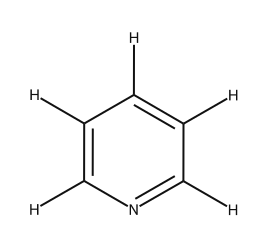
The number of σ bonds, π bonds and lone pair of electrons in pyridine, respectively are:
पिरिडीन में σ आबंधों, π आबंधों तथा एकाकी इलेक्ट्रॉन युग्मों की संख्या क्रमशः है:
  1. A11, 2, 0
  2. B12, 3, 0
  3. C11, 3, 1
  4. D12, 2, 1
Show answer

Concept: Pyridine C5H5N is a benzene ring with one CH replaced by N; every single or double bond contains one σ bond.

  1. Ring σ bonds: 6 (5 C–C/C–N edges + 1 more = 6 ring bonds).
  2. C–H σ bonds: 5 (N carries no H).
  3. Total σ = 6 + 5 = 11.
  4. π bonds = 3 (three alternate double bonds).
  5. N has one lone pair in an sp2 orbital (in the ring plane, not part of the aromatic sextet) → 1 lone pair.

Short trick: Pyridine = benzene (12 σ, 3 π) – one C–H bond + lone pair on N → 11 σ, 3 π, 1 lp.

Answer: (C) 11, 3, 1

अवधारणा: पिरिडीन C5H5N, ऐसा बेंज़ीन वलय है जिसमें एक CH को N से प्रतिस्थापित किया गया है; प्रत्येक एकल या द्वि-आबंध में एक σ आबंध होता है।

  1. वलय के σ आबंध: 6 (वलय की 6 भुजाएँ)।
  2. C–H σ आबंध: 5 (N पर H नहीं है)।
  3. कुल σ = 6 + 5 = 11।
  4. π आबंध = 3 (तीन एकान्तर द्वि-आबंध)।
  5. N पर sp2 कक्षक में एक एकाकी युग्म है (वलय के तल में, ऐरोमैटिक षष्टक का भाग नहीं) → 1 एकाकी युग्म।

शॉर्ट ट्रिक: पिरिडीन = बेंज़ीन (12 σ, 3 π) – एक C–H आबंध + N पर एकाकी युग्म → 11 σ, 3 π, 1 lp।

उत्तर: (C) 11, 3, 1

NEET UGChemistryChemical bonding – σ, π bonds in pyridineNEET UG 2023 · 7 May Shift 1
Q628.
The correct order of energies of molecular orbitals of N2 molecule, is
N2 अणु के आण्विक कक्षकों की ऊर्जाओं का सही क्रम है
  1. Aσ1s < σ*1s < σ2s < σ*2s < (π2px = π2py) < σ2pz < (π*2px = π*2py) < σ*2pz
  2. Bσ1s < σ*1s < σ2s < σ*2s < σ2pz < (π2px = π2py) < (π*2px = π*2py) < π*2pz
  3. Cσ1s < σ*1s < σ2s < σ*2s < σ2pz < σ*2pz < (π2px = π2py) < (π*2px = π*2py)
  4. Dσ1s < σ*1s < σ2s < σ*2s < (π2px = π2py) < (π*2px = π*2py) < σ2pz < σ*2pz
Show answer

Concept: For molecules with ≤ 14 electrons (B2, C2, N2), s–p mixing raises σ2pz above the π2p pair.

  1. Order: σ1s < σ*1s < σ2s < σ*2s < (π2px = π2py) < σ2pz < (π*2px = π*2py) < σ*2pz → option (A).
  2. (B) is the O2/F2 order (and wrongly writes π*2pz).
  3. (C) puts σ*2pz below bonding π – impossible.
  4. (D) puts all antibonding π below σ2pz – wrong.

Short trick: Up to N2: 'π before σ'; from O2: 'σ before π' for the 2p bonding set.

Answer: (A)

अवधारणा: ≤ 14 इलेक्ट्रॉन वाले अणुओं (B2, C2, N2) में s–p मिश्रण के कारण σ2pz, π2p युग्म से ऊपर चला जाता है।

  1. क्रम: σ1s < σ*1s < σ2s < σ*2s < (π2px = π2py) < σ2pz < (π*2px = π*2py) < σ*2pz → विकल्प (A)।
  2. (B) O2/F2 का क्रम है (और π*2pz गलत लिखा है)।
  3. (C) σ*2pz को आबंधी π से नीचे रखता है – असम्भव।
  4. (D) सभी प्रतिआबंधी π को σ2pz से नीचे रखता है – गलत।

शॉर्ट ट्रिक: N2 तक: 2p आबंधी समूह में 'पहले π फिर σ'; O2 से: 'पहले σ फिर π'।

उत्तर: (A)

NEET UGChemistryChemical bonding – MO energy order of N₂NEET UG 2023 · 7 May Shift 1
Q629.
Given below are two statements : one is labelled as Assertion A and the other is labelled as Reason R
Assertion A: Helium is used to dilute oxygen in diving apparatus.
Reason R: Helium has high solubility in O2.
In the light of the above statements, choose the correct answer from the options given below
नीचे दो कथन दिए गए हैं: एक को अभिकथन A और दूसरे को कारण R के रूप में लिखा गया है:
अभिकथन A: गोताखोरी उपकरणों में ऑक्सीजन को तनु करने के लिए हीलियम का उपयोग किया जाता है।
कारण R: हीलियम की O2 में विलेयता उच्च होती है।
उपर्युक्त कथनों के आलोक में, नीचे दिए गए विकल्पों में से सही उत्तर चुनिए
  1. ABoth A and R are true and R correct explanation of AA और R दोनों सत्य हैं तथा R, A की सही व्याख्या है
  2. BBoth A and R are true and R is NOT the correct explanation of AA और R दोनों सत्य हैं परन्तु R, A की सही व्याख्या नहीं है
  3. CA is true but R is falseA सत्य है परन्तु R असत्य है
  4. DA is false but R is trueA असत्य है परन्तु R सत्य है
Show answer

Concept: NCERT: helium is used as a diluent for oxygen in modern diving apparatus because of its very low solubility in blood.

  1. A – true: divers breathe He–O2 mixtures.
  2. R – false: the relevant property is low solubility of He in blood (so it does not cause 'bends' on decompression like N2); 'high solubility in O2' is neither true as a reason nor meaningful.
  3. Hence A true, R false.

Short trick: Diver + Helium → think 'less dissolves in blood → no bends'.

Answer: (C) A is true but R is false

अवधारणा: NCERT: आधुनिक गोताखोरी उपकरणों में ऑक्सीजन के तनुकारक के रूप में हीलियम का उपयोग होता है क्योंकि रक्त में इसकी विलेयता बहुत कम है।

  1. A – सत्य: गोताखोर He–O2 मिश्रण में श्वास लेते हैं।
  2. R – असत्य: प्रासंगिक गुण रक्त में He की कम विलेयता है (अतः विसंपीडन पर N2 की तरह 'बेंड्स' नहीं होते); 'O2 में उच्च विलेयता' न तो सही कारण है न ही अर्थपूर्ण।
  3. अतः A सत्य, R असत्य।

शॉर्ट ट्रिक: गोताखोर + हीलियम → 'रक्त में कम घुलता है → बेंड्स नहीं' सोचिए।

उत्तर: (C) A सत्य है परन्तु R असत्य है

NEET UGChemistryNoble gases – uses of heliumNEET UG 2023 · 7 May Shift 1
Q630.
For a certain reaction, the rate = k[A]2[B], when the initial concentration of A is tripled keeping concentration of B constant, the initial rate would
किसी अभिक्रिया के लिए दर = k[A]2[B] है। B की सान्द्रता स्थिर रखते हुए A की प्रारम्भिक सान्द्रता तिगुनी करने पर प्रारम्भिक दर
  1. ADecrease by a factor of nineनौ गुना घट जाएगी
  2. BIncrease by a factor of sixछह गुना बढ़ जाएगी
  3. CIncrease by a factor of nineनौ गुना बढ़ जाएगी
  4. DIncrease by a factor of threeतीन गुना बढ़ जाएगी
Show answer

Concept: Rate depends on [A] raised to its order (2 here).

  1. r1 = k[A]2[B]
  2. r2 = k(3[A])2[B] = 9k[A]2[B]
  3. r2/r1 = 9 → rate increases nine times.

Short trick: New rate factor = (change factor)order = 32 = 9.

Answer: (C) Increase by a factor of nine

अवधारणा: दर, [A] की उसकी कोटि (यहाँ 2) के घात पर निर्भर करती है।

  1. r1 = k[A]2[B]
  2. r2 = k(3[A])2[B] = 9k[A]2[B]
  3. r2/r1 = 9 → दर नौ गुना बढ़ती है।

शॉर्ट ट्रिक: नई दर का गुणांक = (परिवर्तन गुणांक)कोटि = 32 = 9।

उत्तर: (C) नौ गुना बढ़ जाएगी

NEET UGChemistryChemical kinetics – rate lawNEET UG 2023 · 7 May Shift 1
Q631.
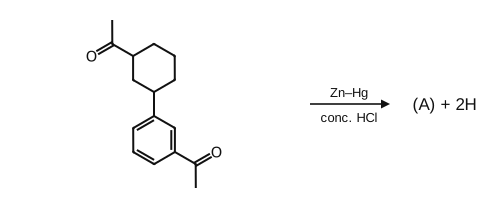
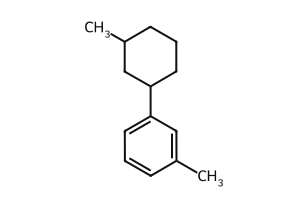
Identify product (A) in the following reaction:
निम्नलिखित अभिक्रिया में उत्पाद (A) को पहचानिए:
  1. A
  2. B
  3. C
  4. D
Show answer

Concept: Clemmensen reduction (Zn–Hg / conc. HCl) converts C=O of aldehydes/ketones into CH2: >C=O → >CH2 + H2O.

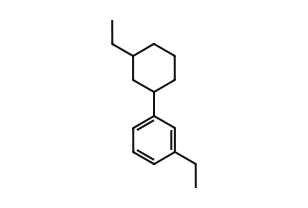
  1. Both acetyl groups (–COCH3) become ethyl groups (–CH2CH3); the aromatic ring and cyclohexane ring are untouched.
  2. Two C=O groups → two H2O, matching '(A) + 2H2O'.
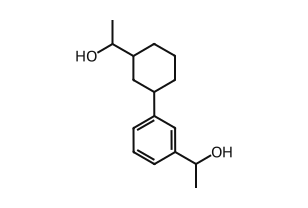
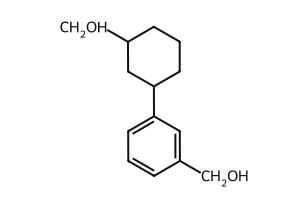
  3. (B) secondary alcohols = NaBH4/LiAlH4 products; (C) CH2OH and (D) CH3 lose a carbon – impossible.

Short trick: Clemmensen/Wolff–Kishner keep the carbon count: C=O just becomes CH2 – count carbons in the options.

Answer: (A) diethyl compound

अवधारणा: क्लीमेन्सन अपचयन (Zn–Hg / सान्द्र HCl) ऐल्डिहाइड/कीटोन के C=O को CH2 में बदलता है: >C=O → >CH2 + H2O।

  1. दोनों ऐसीटिल समूह (–COCH3) एथिल समूह (–CH2CH3) बन जाते हैं; ऐरोमैटिक वलय और साइक्लोहेक्सेन वलय अपरिवर्तित रहते हैं।
  2. दो C=O समूह → दो H2O, जो '(A) + 2H2O' से मेल खाता है।
  3. (B) द्वितीयक ऐल्कोहॉल = NaBH4/LiAlH4 के उत्पाद; (C) CH2OH और (D) CH3 में एक कार्बन कम है – असम्भव।

शॉर्ट ट्रिक: क्लीमेन्सन/वोल्फ–किश्नर में कार्बन संख्या वही रहती है: C=O केवल CH2 बनता है – विकल्पों में कार्बन गिनिए।

उत्तर: (A) डाइएथिल यौगिक

NEET UGChemistryAldehydes & ketones – Clemmensen reductionNEET UG 2023 · 7 May Shift 1
Q632.
Which of the following reactions will NOT give primary amine as the product?
निम्नलिखित में से कौन-सी अभिक्रिया उत्पाद के रूप में प्राथमिक ऐमीन नहीं देगी?
  1. ACH3CONH2 →Br2/KOH ProductCH3CONH2 →Br2/KOH उत्पाद
  2. BCH3CN →(ii) H3O⊕(i) LiAlH4 ProductCH3CN →(ii) H3O⊕(i) LiAlH4 उत्पाद
  3. CCH3NC →(ii) H3O⊕(i) LiAlH4 ProductCH3NC →(ii) H3O⊕(i) LiAlH4 उत्पाद
  4. DCH3CONH2 →(ii) H3O⊕(i) LiAlH4 ProductCH3CONH2 →(ii) H3O⊕(i) LiAlH4 उत्पाद
Show answer

Concept: LiAlH4 reduces –C≡N, –CONH2 to –CH2NH2 (1°); an isocyanide R–N≡C is reduced to R–NH–CH3 (2°).

  1. (A) Hoffmann bromamide: CH3CONH2 → CH3NH2 (1°).
  2. (B) CH3C≡N → CH3CH2NH2 (1°).
  3. (C) CH3N≡C → CH3NHCH3, N-methylmethanamine (2°) ✔ – not primary.
  4. (D) CH3CONH2 → CH3CH2NH2 (1°).

Short trick: Isocyanide: N already carries one carbon, the isocyano C becomes a second CH3 on N → always 2° amine.

Answer: (C) CH3NC + LiAlH4

अवधारणा: LiAlH4, –C≡N और –CONH2 को –CH2NH2 (1°) में अपचयित करता है; आइसोसायनाइड R–N≡C अपचयित होकर R–NH–CH3 (2°) देता है।

  1. (A) हॉफमान ब्रोमैमाइड: CH3CONH2 → CH3NH2 (1°)।
  2. (B) CH3C≡N → CH3CH2NH2 (1°)।
  3. (C) CH3N≡C → CH3NHCH3, N-मेथिलमेथेनैमीन (2°) ✔ – प्राथमिक नहीं।
  4. (D) CH3CONH2 → CH3CH2NH2 (1°)।

शॉर्ट ट्रिक: आइसोसायनाइड: N पर पहले से एक कार्बन है, आइसोसायनो C, N पर दूसरा CH3 बन जाता है → सदैव 2° ऐमीन।

उत्तर: (C) CH3NC + LiAlH4

NEET UGChemistryAmines – preparation of primary aminesNEET UG 2023 · 7 May Shift 1
Q633.
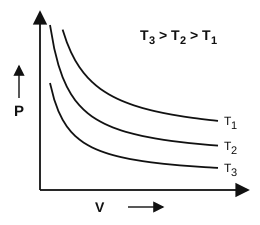
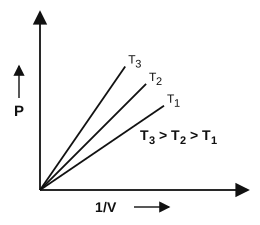
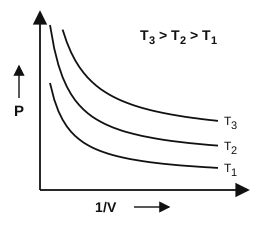
Which amongst the following options are correct graphical representation of Boyle's Law?
निम्नलिखित विकल्पों में से कौन-सा बॉयल नियम का सही ग्राफीय निरूपण है?
  1. A
  2. B
  3. C
  4. D
Show answer

Concept: Boyle's law: at constant T, p ∝ 1/V, i.e. p = (nRT)·(1/V).

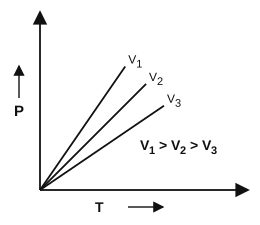
  1. p vs 1/V is a straight line through the origin with slope nRT → higher T, steeper line. In (B) the steepest line is T3 and T3 > T2 > T1 ✔.
  2. (A) p vs V hyperbolas are fine in shape, but the highest isotherm must be the highest temperature; here the top curve is labelled T1 (lowest T) ✘.
  3. (C) p vs 1/V should be linear, not hyperbolic ✘.
  4. (D) p vs T at constant V is Gay-Lussac's law (not Boyle's); also slope nR/V means larger V → smaller slope, but V1 (largest) is drawn steepest ✘.

Short trick: Write the law as y = m x: p = (nRT)(1/V) → straight line, slope ∝ T.

Answer: (B)

अवधारणा: बॉयल नियम: स्थिर T पर p ∝ 1/V, अर्थात p = (nRT)·(1/V)।

  1. p बनाम 1/V, मूलबिन्दु से गुजरने वाली सरल रेखा है जिसकी ढाल nRT है → अधिक T, अधिक ढाल। (B) में सबसे अधिक ढाल वाली रेखा T3 है तथा T3 > T2 > T1 ✔।
  2. (A) p बनाम V अतिपरवलयों का आकार ठीक है, परन्तु सबसे ऊपरी समतापी वक्र सबसे अधिक ताप का होना चाहिए; यहाँ ऊपरी वक्र T1 (न्यूनतम T) अंकित है ✘।
  3. (C) p बनाम 1/V रैखिक होना चाहिए, अतिपरवलयिक नहीं ✘।
  4. (D) स्थिर V पर p बनाम T, गे-लुसाक नियम है (बॉयल नहीं); साथ ही ढाल nR/V है अर्थात बड़ा V → कम ढाल, परन्तु V1 (सबसे बड़ा) सबसे अधिक ढाल वाला बनाया है ✘।

शॉर्ट ट्रिक: नियम को y = m x रूप में लिखिए: p = (nRT)(1/V) → सरल रेखा, ढाल ∝ T।

उत्तर: (B)

NEET UGChemistryStates of matter – Boyle's law graphsNEET UG 2023 · 7 May Shift 1
Q634.
Amongst the given options which of the following molecules/ ion acts as a Lewis acid?
दिए गए विकल्पों में से निम्नलिखित में से कौन-सा अणु/आयन लूइस अम्ल (Lewis acid) की तरह कार्य करता है?
  1. ANH3
  2. BH2O
  3. CBF3
  4. DOH–
Show answer

Concept: Lewis acid = electron-pair acceptor; Lewis base = electron-pair donor.

  1. BF3: B has only 6 electrons (incomplete octet) and a vacant p orbital → accepts a lone pair (e.g. F3B←NH3) → Lewis acid.
  2. NH3, H2O and OH– all have lone pairs to donate → Lewis bases.

Short trick: Electron-deficient (BF3, AlCl3) or cations = Lewis acids; lone-pair species = Lewis bases.

Answer: (C) BF3

अवधारणा: लूइस अम्ल = इलेक्ट्रॉन-युग्म ग्राही; लूइस क्षार = इलेक्ट्रॉन-युग्म दाता।

  1. BF3: B के पास केवल 6 इलेक्ट्रॉन (अपूर्ण अष्टक) और एक रिक्त p कक्षक है → एकाकी युग्म ग्रहण करता है (जैसे F3B←NH3) → लूइस अम्ल।
  2. NH3, H2O और OH– सभी के पास दान करने हेतु एकाकी युग्म हैं → लूइस क्षार।

शॉर्ट ट्रिक: इलेक्ट्रॉन-न्यून (BF3, AlCl3) या धनायन = लूइस अम्ल; एकाकी युग्म वाली स्पीशीज़ = लूइस क्षार।

उत्तर: (C) BF3

NEET UGChemistryEquilibrium – Lewis acidsNEET UG 2023 · 7 May Shift 1
Q635.
The element expected to form largest ion to achieve the nearest noble gas configuration is
निकटतम उत्कृष्ट गैस विन्यास प्राप्त करने के लिए सबसे बड़ा आयन बनाने वाला अपेक्षित तत्व है
  1. AO
  2. BF
  3. CN
  4. DNa
Show answer

Concept: Ions formed: N3–, O2–, F–, Na+ – all isoelectronic with Ne (10 electrons).

  1. For isoelectronic species, size decreases as nuclear charge Z increases.
  2. Z: N (7) < O (8) < F (9) < Na (11).
  3. Size: N3– (171 pm) > O2– (140) > F– (133) > Na+ (102) → N forms the largest ion.

Short trick: Isoelectronic series: more negative charge = bigger; lowest Z wins.

Answer: (C) N

अवधारणा: बनने वाले आयन: N3–, O2–, F–, Na+ – सभी Ne (10 इलेक्ट्रॉन) के समइलेक्ट्रॉनिक (isoelectronic) हैं।

  1. समइलेक्ट्रॉनिक स्पीशीज़ में नाभिकीय आवेश Z बढ़ने पर आकार घटता है।
  2. Z: N (7) < O (8) < F (9) < Na (11)।
  3. आकार: N3– (171 pm) > O2– (140) > F– (133) > Na+ (102) → N सबसे बड़ा आयन बनाता है।

शॉर्ट ट्रिक: समइलेक्ट्रॉनिक श्रेणी: अधिक ऋण आवेश = बड़ा आकार; न्यूनतम Z जीतता है।

उत्तर: (C) N

NEET UGChemistryPeriodic properties – ionic radiusNEET UG 2023 · 7 May Shift 1
Q636.
The given compound

is an example of ______.
दिया गया यौगिक

______ का एक उदाहरण है।
  1. ABenzylic halideबेन्ज़िलिक हैलाइड
  2. BAryl halideऐरिल हैलाइड
  3. CAllylic halideऐलिलिक हैलाइड
  4. DVinylic halideवाइनिलिक हैलाइड
Show answer

Concept: Classify by the carbon carrying X: sp3 C next to C=C → allylic; sp3 C next to a benzene ring → benzylic; X on sp2 C=C → vinylic; X on ring → aryl.

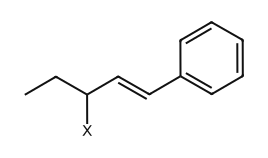
  1. Compound: C6H5–CH=CH–CH(X)–CH2CH3.
  2. The C–X carbon is sp3 and is bonded to CH=CH (an sp2 carbon of a C=C) → allylic halide.
  3. It is not attached to the ring directly (not benzylic), X is not on an sp2 carbon (not vinylic/aryl).

Short trick: Count from X: X–C–C=C = allylic; X–C–Ar = benzylic; X–C=C = vinylic.

Answer: (C) Allylic halide

अवधारणा: X वाले कार्बन के आधार पर वर्गीकरण: C=C के पास sp3 C → ऐलिलिक; बेंज़ीन वलय के पास sp3 C → बेन्ज़िलिक; sp2 C=C पर X → वाइनिलिक; वलय पर X → ऐरिल।

  1. यौगिक: C6H5–CH=CH–CH(X)–CH2CH3।
  2. C–X कार्बन sp3 है और CH=CH (C=C का sp2 कार्बन) से जुड़ा है → ऐलिलिक हैलाइड।
  3. यह सीधे वलय से नहीं जुड़ा (बेन्ज़िलिक नहीं), X, sp2 कार्बन पर नहीं है (वाइनिलिक/ऐरिल नहीं)।

शॉर्ट ट्रिक: X से गिनिए: X–C–C=C = ऐलिलिक; X–C–Ar = बेन्ज़िलिक; X–C=C = वाइनिलिक।

उत्तर: (C) ऐलिलिक हैलाइड

NEET UGChemistryHaloalkanes – classificationNEET UG 2023 · 7 May Shift 1
Q637.
Given below are two statements :
Statement I: A unit formed by the attachment of a base to 1' position of sugar is known as nucleoside.
Statement II: When nucleoside is linked to phosphorous acid at 5' -position of sugar moiety, we get nucleotide.
In the light of the above statements, choose the correct answer from the options given below :
नीचे दो कथन दिए गए हैं:
कथन I: शर्करा की 1' स्थिति पर क्षारक के जुड़ने से बनी इकाई न्यूक्लियोसाइड कहलाती है।
कथन II: जब न्यूक्लियोसाइड, शर्करा भाग की 5'-स्थिति पर फॉस्फोरस अम्ल (phosphorous acid) से जुड़ता है, तो न्यूक्लियोटाइड प्राप्त होता है।
उपर्युक्त कथनों के आलोक में, नीचे दिए गए विकल्पों में से सही उत्तर चुनिए:
  1. ABoth Statement I and Statement II are trueकथन I और कथन II दोनों सत्य हैं
  2. BBoth Statement I and Statement II are falseकथन I और कथन II दोनों असत्य हैं
  3. CStatement I is true but Statement II is falseकथन I सत्य है परन्तु कथन II असत्य है
  4. DStatement I is false but Statement II is trueकथन I असत्य है परन्तु कथन II सत्य है
Show answer

Concept: NCERT: base + sugar (at 1′) = nucleoside; nucleoside + phosphoric acid (H3PO4) at 5′ = nucleotide.

  1. Statement I – true, exactly the NCERT definition of a nucleoside.
  2. Statement II – false: the nucleotide forms with phosphoric acid (H3PO4), not phosphorous acid (H3PO3).

Short trick: Nucleo-Side = Sugar + base; Nucleo-Tide = + phosphoric acid (P–O–T bond at 5′).

Answer: (C) Statement I is true but Statement II is false

अवधारणा: NCERT: क्षारक + शर्करा (1′ पर) = न्यूक्लियोसाइड; न्यूक्लियोसाइड + 5′ पर फॉस्फोरिक अम्ल (H3PO4) = न्यूक्लियोटाइड।

  1. कथन I – सत्य, यह न्यूक्लियोसाइड की NCERT परिभाषा है।
  2. कथन II – असत्य: न्यूक्लियोटाइड फॉस्फोरिक अम्ल (H3PO4) से बनता है, फॉस्फोरस अम्ल (H3PO3) से नहीं।

शॉर्ट ट्रिक: न्यूक्लियो-साइड = शर्करा + क्षारक; न्यूक्लियो-टाइड = + फॉस्फोरिक अम्ल (5′ पर)।

उत्तर: (C) कथन I सत्य है परन्तु कथन II असत्य है

NEET UGChemistryBiomolecules – nucleosides and nucleotidesNEET UG 2023 · 7 May Shift 1
Q638.
Intermolecular forces are forces of attraction and repulsion between interacting particles that will include
A. dipole - dipole forces
B. dipole - induced dipole forces
C. hydrogen bonding
D. covalent bonding
E. dispersion forces
Choose the most appropriate answer from the options given below :
अंतराअणुक बल परस्पर क्रिया करने वाले कणों के बीच आकर्षण और प्रतिकर्षण के बल हैं, जिनमें सम्मिलित होंगे
A. द्विध्रुव - द्विध्रुव बल
B. द्विध्रुव - प्रेरित द्विध्रुव बल
C. हाइड्रोजन आबंधन
D. सहसंयोजी आबंधन
E. परिक्षेपण बल (dispersion forces)
नीचे दिए गए विकल्पों में से सबसे उपयुक्त उत्तर चुनिए:
  1. AB, C, D, E are correctB, C, D, E सही हैं
  2. BA, B, C, D are correctA, B, C, D सही हैं
  3. CA, B, C, E are correctA, B, C, E सही हैं
  4. DA, C, D, E are correctA, C, D, E सही हैं
Show answer

Concept: Intermolecular forces act between molecules; covalent bonds hold atoms together within a molecule.

  1. A, B, E – van der Waals forces (dipole–dipole, dipole–induced dipole, London dispersion) → intermolecular.
  2. C – hydrogen bonding is a special strong dipole–dipole interaction → intermolecular.
  3. D – covalent bonding is an intramolecular (chemical) bond → not included.
  4. Correct set: A, B, C, E.

Short trick: Only one option leaves out D – pick it.

Answer: (C) A, B, C, E are correct

अवधारणा: अंतराअणुक बल अणुओं के बीच कार्य करते हैं; सहसंयोजी आबंध अणु के भीतर परमाणुओं को जोड़े रखते हैं।

  1. A, B, E – वान्डरवाल्स बल (द्विध्रुव–द्विध्रुव, द्विध्रुव–प्रेरित द्विध्रुव, लंडन परिक्षेपण) → अंतराअणुक।
  2. C – हाइड्रोजन आबंधन एक विशेष प्रबल द्विध्रुव–द्विध्रुव अन्योन्यक्रिया है → अंतराअणुक।
  3. D – सहसंयोजी आबंधन अंतःआणविक (रासायनिक) आबंध है → सम्मिलित नहीं।
  4. सही समूह: A, B, C, E।

शॉर्ट ट्रिक: केवल एक विकल्प में D नहीं है – वही चुनिए।

उत्तर: (C) A, B, C, E सही हैं

NEET UGChemistryStates of matter – intermolecular forcesNEET UG 2023 · 7 May Shift 1
Q639.
Which of the following statements are NOT correct?
A. Hydrogen is used to reduce heavy metal oxides to metals.
B. Heavy water is used to study reaction mechanism.
C. Hydrogen is used to make saturated fats from oils.
D. The H-H bond dissociation enthalpy is lowest as compared to a single bond between two atoms of any elements.
E. Hydrogen reduces oxides of metals that are more active than iron.
Choose the most appropriate answer from the options given below:
निम्नलिखित में से कौन-से कथन सही नहीं हैं?
A. भारी धातुओं के ऑक्साइडों को धातुओं में अपचयित करने के लिए हाइड्रोजन का उपयोग होता है।
B. अभिक्रिया की क्रियाविधि के अध्ययन में भारी जल का उपयोग होता है।
C. तेलों से संतृप्त वसा बनाने में हाइड्रोजन का उपयोग होता है।
D. किसी भी तत्व के दो परमाणुओं के बीच एकल आबंध की तुलना में H-H आबंध वियोजन एन्थैल्पी न्यूनतम है।
E. हाइड्रोजन उन धातुओं के ऑक्साइडों को अपचयित करता है जो आयरन से अधिक सक्रिय हैं।
नीचे दिए गए विकल्पों में से सबसे उपयुक्त उत्तर चुनिए:
  1. AB, D onlyकेवल B, D
  2. BD, E onlyकेवल D, E
  3. CA, B, C onlyकेवल A, B, C
  4. DB, C, D, E onlyकेवल B, C, D, E
Show answer

Concept: NCERT facts on dihydrogen: very high H–H bond enthalpy (435.88 kJ mol–1); reduces oxides of metals less active than iron.

  1. A – correct: H2 reduces heavy-metal oxides (e.g. CuO, PbO) to metals.
  2. B – correct: D2O is used as a tracer to study reaction mechanisms.
  3. C – correct: hydrogenation of vegetable oils gives saturated fats (vanaspati).
  4. D – NOT correct: H–H bond dissociation enthalpy is the highest for a single bond between two atoms of any element.
  5. E – NOT correct: H2 reduces oxides of metals less active than iron, not more active ones.
  6. Incorrect = D, E.

Short trick: H–H is the strongest homonuclear single bond (small atoms, no lone pairs) – 'lowest' is a trap.

Answer: (B) D, E only

अवधारणा: डाइहाइड्रोजन के NCERT तथ्य: H–H आबंध एन्थैल्पी बहुत उच्च (435.88 kJ mol–1); आयरन से कम सक्रिय धातुओं के ऑक्साइडों को अपचयित करता है।

  1. A – सही: H2 भारी धातु ऑक्साइडों (जैसे CuO, PbO) को धातुओं में अपचयित करता है।
  2. B – सही: D2O का उपयोग अभिक्रिया क्रियाविधि के अध्ययन में अनुरेखक (tracer) के रूप में होता है।
  3. C – सही: वनस्पति तेलों के हाइड्रोजनीकरण से संतृप्त वसा (वनस्पति घी) बनती है।
  4. D – सही नहीं: किसी भी तत्व के दो परमाणुओं के बीच एकल आबंध में H–H आबंध वियोजन एन्थैल्पी उच्चतम है।
  5. E – सही नहीं: H2 आयरन से कम सक्रिय धातुओं के ऑक्साइडों को अपचयित करता है, अधिक सक्रिय वालों को नहीं।
  6. गलत कथन = D, E।

शॉर्ट ट्रिक: H–H सबसे प्रबल समनाभिकीय एकल आबंध है (छोटे परमाणु, कोई एकाकी युग्म नहीं) – 'न्यूनतम' एक जाल है।

उत्तर: (B) केवल D, E

NEET UGChemistryHydrogen – properties and usesNEET UG 2023 · 7 May Shift 1
Q640.
Which one of the following statements is correct?
निम्नलिखित में से कौन-सा कथन सही है?
  1. AThe bone in human body is an inert and unchanging substance.मानव शरीर में अस्थि एक अक्रिय और अपरिवर्तनशील पदार्थ है।
  2. BMg plays roles in neuromuscular function and interneuronal transmissionMg तंत्रिका-पेशीय कार्य तथा अंतर-तंत्रिकीय संचरण में भूमिका निभाता है
  3. CThe daily requirement of Mg and Ca in the human body is estimated to be 0.2-0.3 g.मानव शरीर में Mg और Ca की दैनिक आवश्यकता 0.2-0.3 g आँकी गई है।
  4. DAll enzymes that utilise ATP in phosphate transfer require Ca as the cofactorATP का उपयोग करके फॉस्फेट स्थानान्तरण करने वाले सभी एन्ज़ाइमों को सहकारक के रूप में Ca की आवश्यकता होती है
Show answer

Concept: NCERT: daily requirement of Mg and Ca in the human body is estimated at 200–300 mg.

  1. (C) 200–300 mg = 0.2–0.3 g → correct.
  2. (A) wrong – bone is not inert; it is constantly solubilised and redeposited (~400 mg Ca per day in adults).
  3. (B) wrong – neuromuscular function and interneuronal transmission are roles of Ca, not Mg.
  4. (D) wrong – ATP-utilising phosphate-transfer enzymes require Mg as cofactor, not Ca.

Short trick: Swap trick: NCERT lines for Ca and Mg are swapped in (B) and (D) – 'Mg ↔ ATP enzymes, chlorophyll'; 'Ca ↔ bones, muscle, nerve, blood clotting'.

Answer: (C) 0.2–0.3 g daily requirement

अवधारणा: NCERT: मानव शरीर में Mg और Ca की दैनिक आवश्यकता 200–300 mg आँकी गई है।

  1. (C) 200–300 mg = 0.2–0.3 g → सही।
  2. (A) गलत – अस्थि अक्रिय नहीं है; यह निरन्तर घुलती और पुनः जमा होती रहती है (वयस्क में प्रतिदिन ~400 mg Ca)।
  3. (B) गलत – तंत्रिका-पेशीय कार्य और अंतर-तंत्रिकीय संचरण Ca की भूमिकाएँ हैं, Mg की नहीं।
  4. (D) गलत – ATP उपयोग करने वाले फॉस्फेट-स्थानान्तरण एन्ज़ाइमों को सहकारक के रूप में Mg चाहिए, Ca नहीं।

शॉर्ट ट्रिक: अदला-बदली ट्रिक: (B) और (D) में Ca और Mg की NCERT पंक्तियाँ आपस में बदल दी गई हैं – 'Mg ↔ ATP एन्ज़ाइम, क्लोरोफिल'; 'Ca ↔ अस्थि, पेशी, तंत्रिका, रक्त का थक्का'।

उत्तर: (C) 0.2–0.3 g दैनिक आवश्यकता

NEET UGChemistrys-Block – biological importance of Mg and CaNEET UG 2023 · 7 May Shift 1