NEET UG · 2,240 questions

NEET UG 2015, 2016, 2017, 2018, 2019, 2020, 2021, 2022, 2023, 2024, 2025, 2026 PYQs

Real previous year questions, subject-wise. Try the question, then open the answer and the explanation in Hindi & English – free, no login.

Courses – airGurukul

2,240 questions.

Q2121.
Cellular organelles with membranes are:
झिल्ली-युक्त कोशिकीय अंगक हैं:
  1. ALysosomes, Golgi apparatus and mitochondriaलयनकाय, गॉल्जी उपकरण और सूत्रकणिका
  2. BNuclei, ribosomes and mitochondriaकेन्द्रक, राइबोसोम और सूत्रकणिका
  3. CChromosomes, ribosomes and endoplasmic reticulumगुणसूत्र, राइबोसोम और अंतर्द्रव्यी जालिका
  4. DEndoplasmic reticulum, ribosomes and nucleiअंतर्द्रव्यी जालिका, राइबोसोम और केन्द्रक
Show answer

Concept: Pick the set with no membrane-less item: ribosomes and chromosomes have no membrane.

  1. (B), (C), (D) all contain ribosomes (rRNA + protein, no membrane); (C) also has chromosomes (DNA–protein, no membrane).
  2. (A) lysosome (single membrane), Golgi (single-membrane cisternae), mitochondria (double membrane) – all membranous ✔.

Short trick: Strike every option that has "ribosomes" → only (A) remains.

Answer: (A) Lysosomes, Golgi apparatus and mitochondria

अवधारणा: वह समूह चुनिए जिसमें कोई झिल्ली-रहित संरचना न हो: राइबोसोम और गुणसूत्र झिल्ली-रहित हैं।

  1. (B), (C), (D) सभी में राइबोसोम हैं (rRNA + प्रोटीन, कोई झिल्ली नहीं); (C) में गुणसूत्र भी हैं (DNA–प्रोटीन, झिल्ली नहीं)।
  2. (A) लयनकाय (एकल झिल्ली), गॉल्जी (एकल-झिल्ली कुंड), सूत्रकणिका (द्विझिल्ली) – सभी झिल्लीमय ✔।

शॉर्ट ट्रिक: जिस विकल्प में "राइबोसोम" है, उसे काट दें → केवल (A) बचता है।

उत्तर: (A) लयनकाय, गॉल्जी उपकरण और सूत्रकणिका
NEET UGBiologyCell – membrane-bound organellesNEET UG 2015 · 25 Jul Shift 1
Q2122.
Cell wall is absent in:
कोशिका भित्ति किसमें अनुपस्थित होती है?
  1. ANostoc
  2. BAspergillus
  3. CFunaria
  4. DMycoplasma
Show answer

Concept: Mycoplasma (PPLO) are the smallest living cells and completely lack a cell wall; they can survive without oxygen.

  1. Nostoc – cyanobacterium with peptidoglycan wall + mucilage sheath.
  2. Aspergillus – fungus with chitin wall.
  3. Funaria – moss with cellulose wall.
  4. Mycoplasma – wall-less ✔ (hence pleomorphic and resistant to penicillin).

Short trick: Mycoplasma – only plasma membrane, no wall.

Answer: (D) Mycoplasma

अवधारणा: Mycoplasma (PPLO) सबसे छोटी जीवित कोशिकाएँ हैं जिनमें कोशिका भित्ति पूर्णतः अनुपस्थित होती है; ये ऑक्सीजन के बिना भी जीवित रह सकते हैं।

  1. Nostoc – पेप्टिडोग्लाइकन भित्ति + श्लेष्मी आवरण वाला सायनोबैक्टीरिया।
  2. Aspergillus – काइटिन भित्ति वाला कवक।
  3. Funaria – सेलुलोस भित्ति वाला मॉस।
  4. Mycoplasma – भित्ति-रहित ✔ (इसलिए बहुरूपी और पेनिसिलिन-प्रतिरोधी)।

शॉर्ट ट्रिक: Mycoplasma – केवल प्लाज़्मा झिल्ली, भित्ति नहीं।

उत्तर: (D) Mycoplasma

NEET UGBiologyBiological classification – MycoplasmaNEET UG 2015 · 25 Jul Shift 1
Q2123.
The term ‘‘linkage’’ was coined by
‘‘सहलग्नता’’ (linkage) शब्द किसने दिया?
  1. AW. Suttonडब्ल्यू. सटन
  2. BT.H. Morganटी.एच. मॉर्गन
  3. CT. Boveriटी. बोवेरी
  4. DG. Mendelजी. मेंडल
Show answer

Concept: T.H. Morgan, working on Drosophila, found genes on the same chromosome being inherited together and coined the term linkage.

  1. Sutton and Boveri – chromosomal theory of inheritance (not linkage).
  2. Mendel – laws of inheritance; he never observed linkage (his 7 traits assorted independently).
  3. Morgan – linkage and recombination; his student Sturtevant made the first gene map → (B).

Short trick: Morgan + fruit fly = Linkage & Recombination; Sutton–Boveri = Chromosome theory.

Answer: (B) T.H. Morgan

अवधारणा: टी.एच. मॉर्गन ने Drosophila पर कार्य करते हुए पाया कि एक ही गुणसूत्र के जीन साथ-साथ वंशागत होते हैं और सहलग्नता शब्द दिया।

  1. सटन और बोवेरी – वंशागति का गुणसूत्रीय सिद्धांत (सहलग्नता नहीं)।
  2. मेंडल – वंशागति के नियम; उन्होंने सहलग्नता नहीं देखी (उनके 7 लक्षण स्वतंत्र रूप से अपव्यूहित हुए)।
  3. मॉर्गन – सहलग्नता और पुनर्योजन; उनके शिष्य स्टर्टेवेंट ने पहला जीन मानचित्र बनाया → (B)।

शॉर्ट ट्रिक: मॉर्गन + फल मक्खी = सहलग्नता व पुनर्योजन; सटन–बोवेरी = गुणसूत्र सिद्धांत।

उत्तर: (B) टी.एच. मॉर्गन

NEET UGBiologyPrinciples of inheritance – linkageNEET UG 2015 · 25 Jul Shift 1
Q2124.
Which of the following biomolecules does have a phosphodiester bond?
निम्नलिखित में से किस जैव-अणु में फॉस्फोडाइएस्टर आबंध होता है?
  1. ANucleic acids in a nucleotideन्यूक्लियोटाइड में न्यूक्लिक अम्ल
  2. BFatty acids in a diglycerideडाइग्लिसराइड में वसीय अम्ल
  3. CMonosaccharides in a polysaccharideपॉलिसैकेराइड में मोनोसैकेराइड
  4. DAmino acids in a polypeptideपॉलिपेप्टाइड में अमीनो अम्ल
Show answer

Concept: In nucleic acids, the 3′-OH of one sugar and the 5′-OH of the next are linked through a phosphate by a 3′→5′ phosphodiester bond.

  1. (A) Nucleic acid / nucleotide – phosphodiester bond ✔.
  2. (B) Fatty acids + glycerol – ester bond.
  3. (C) Monosaccharides in polysaccharide – glycosidic bond.
  4. (D) Amino acids in polypeptide – peptide bond.

Short trick: Bond-pairs: Protein–peptide, Carb–glycosidic, Lipid–ester, DNA/RNA–phosphodiester.

Answer: (A) Nucleic acids in a nucleotide

अवधारणा: न्यूक्लिक अम्लों में एक शर्करा का 3′-OH और अगली शर्करा का 5′-OH एक फॉस्फेट द्वारा 3′→5′ फॉस्फोडाइएस्टर आबंध से जुड़ते हैं।

  1. (A) न्यूक्लिक अम्ल / न्यूक्लियोटाइड – फॉस्फोडाइएस्टर आबंध ✔।
  2. (B) वसीय अम्ल + ग्लिसरॉल – एस्टर आबंध।
  3. (C) पॉलिसैकेराइड में मोनोसैकेराइड – ग्लाइकोसिडिक आबंध।
  4. (D) पॉलिपेप्टाइड में अमीनो अम्ल – पेप्टाइड आबंध।

शॉर्ट ट्रिक: आबंध-युग्म: प्रोटीन–पेप्टाइड, कार्बोहाइड्रेट–ग्लाइकोसिडिक, लिपिड–एस्टर, DNA/RNA–फॉस्फोडाइएस्टर।

उत्तर: (A) न्यूक्लियोटाइड में न्यूक्लिक अम्ल

NEET UGBiologyBiomolecules – phosphodiester bondNEET UG 2015 · 25 Jul Shift 1
Q2125.
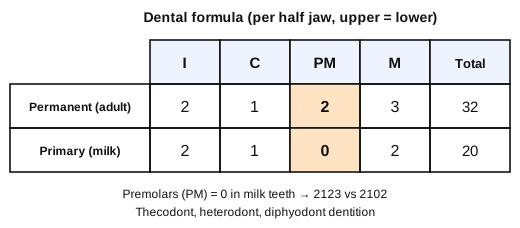
The primary dentition in human differs from permanent dentition in not having one of the following type of teeth:
मानव में प्राथमिक दन्त-विन्यास, स्थायी दन्त-विन्यास से निम्नलिखित में से किस प्रकार के दाँत के न होने में भिन्न है?
  1. AIncisorsकृंतक
  2. BCanineरदनक
  3. CPremolarsअग्रचर्वणक
  4. DMolarsचर्वणक
Show answer

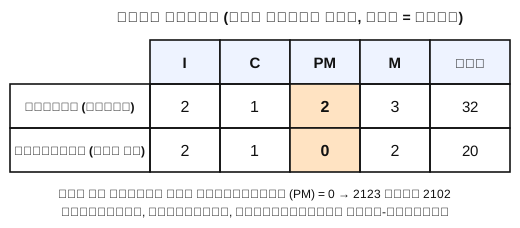
Concept: Dental formula (half upper jaw / half lower jaw): permanent = 2123/2123 (32 teeth); primary (milk) = 2102/2102 (20 teeth).

  1. Compare I-C-PM-M: 2-1-2-3 (permanent) vs 2-1-0-2 (milk).
  2. Incisors, canines and molars occur in both; premolars are 0 in milk teeth.
  3. Hence premolars are absent in primary dentition → (C).

Short trick: Milk teeth = 20 = "no PM" (no premolars, and only 2 molars per quarter).

Answer: (C) Premolars

अवधारणा: दन्त सूत्र (आधा ऊपरी जबड़ा / आधा निचला जबड़ा): स्थायी = 2123/2123 (32 दाँत); प्राथमिक (दूध के) = 2102/2102 (20 दाँत)।

  1. I-C-PM-M की तुलना: 2-1-2-3 (स्थायी) बनाम 2-1-0-2 (दूध के)।
  2. कृंतक, रदनक और चर्वणक दोनों में होते हैं; दूध के दाँतों में अग्रचर्वणक 0 हैं।
  3. अतः प्राथमिक दन्त-विन्यास में अग्रचर्वणक अनुपस्थित हैं → (C)।

शॉर्ट ट्रिक: दूध के दाँत = 20 = "PM नहीं" (अग्रचर्वणक नहीं, और प्रति चौथाई केवल 2 चर्वणक)।

उत्तर: (C) अग्रचर्वणक

NEET UGBiologyDigestion – human dentitionNEET UG 2015 · 25 Jul Shift 1
Q2126.
A protoplast is a cell:
जीवद्रव्यक (protoplast) वह कोशिका है:
  1. AWithout cell wallकोशिका भित्ति रहित
  2. BWithout plasma membraneप्लाज़्मा झिल्ली रहित
  3. CWithout nucleusकेन्द्रक रहित
  4. DUndergoing divisionविभाजित हो रही
Show answer

Concept: Protoplast = the living part of a plant/bacterial cell bounded by the plasma membrane after its cell wall has been removed (e.g. by cellulase/pectinase).

  1. (A) ✔ – a protoplast is a naked, wall-less cell (used in somatic hybridisation).
  2. (B) wrong – without plasma membrane the protoplasm would not hold together.
  3. (C) wrong – the nucleus is part of the protoplast.
  4. (D) wrong – division is unrelated to the definition.

Short trick: Plant cell − cell wall = protoplast (protoplast fusion → somatic hybrids like "pomato").

Answer: (A) Without cell wall

अवधारणा: जीवद्रव्यक = पादप/जीवाणु कोशिका का प्लाज़्मा झिल्ली से घिरा सजीव भाग, जो कोशिका भित्ति हटाने (जैसे सेलुलेज़/पेक्टिनेज़ से) के बाद बचता है।

  1. (A) ✔ – जीवद्रव्यक एक नग्न, भित्ति-रहित कोशिका है (कायिक संकरण में प्रयुक्त)।
  2. (B) गलत – प्लाज़्मा झिल्ली के बिना जीवद्रव्य संगठित नहीं रहेगा।
  3. (C) गलत – केन्द्रक जीवद्रव्यक का ही भाग है।
  4. (D) गलत – विभाजन का इसकी परिभाषा से कोई संबंध नहीं।

शॉर्ट ट्रिक: पादप कोशिका − कोशिका भित्ति = जीवद्रव्यक (जीवद्रव्यक संलयन → "पोमैटो" जैसे कायिक संकर)।

उत्तर: (A) कोशिका भित्ति रहित

NEET UGBiologyCell – protoplastNEET UG 2015 · 25 Jul Shift 1
Q2127.
In which group of organisms the cells walls form two thin overlapping shells which fit together?
जीवों के किस समूह में कोशिका भित्तियाँ दो पतले अतिव्यापी कवच बनाती हैं जो एक-दूसरे में फिट होते हैं?
  1. ASlime mouldsअवपंक कवक
  2. BChrysophytesक्राइसोफाइट
  3. CEuglenoidsयुग्लीनॉयड
  4. DDinoflagellatesडाइनोफ्लैजिलेट
Show answer

Concept: Chrysophytes (diatoms, desmids) have silica-impregnated walls of two thin overlapping halves fitting like a soap box.

  1. (B) ✔ – diatoms; their walls accumulate as diatomaceous earth.
  2. (A) Slime moulds – wall-less plasmodium (walls only on spores).
  3. (C) Euglenoids – no cell wall; flexible protein-rich pellicle.
  4. (D) Dinoflagellates – stiff cellulose plates on the outer surface, not two overlapping shells.

Short trick: Diatom = "di" = two halves, soap-box like; walls indestructible → diatomaceous earth.

Answer: (B) Chrysophytes

अवधारणा: क्राइसोफाइट (डायटम, डेस्मिड) की भित्तियाँ सिलिका-युक्त दो पतले अतिव्यापी भागों की होती हैं, जो साबुनदानी की तरह फिट होते हैं।

  1. (B) ✔ – डायटम; इनकी भित्तियाँ जमा होकर डायटमी मृदा बनाती हैं।
  2. (A) अवपंक कवक – भित्ति-रहित प्लाज़्मोडियम (भित्ति केवल बीजाणुओं पर)।
  3. (C) युग्लीनॉयड – कोशिका भित्ति नहीं; लचीली प्रोटीन-युक्त पेलिकल।
  4. (D) डाइनोफ्लैजिलेट – बाहरी सतह पर सेलुलोस की कठोर प्लेटें, दो अतिव्यापी कवच नहीं।

शॉर्ट ट्रिक: Diatom = "di" = दो भाग, साबुनदानी जैसे; भित्तियाँ अविनाशी → डायटमी मृदा।

उत्तर: (B) क्राइसोफाइट

NEET UGBiologyBiological classification – ChrysophytesNEET UG 2015 · 25 Jul Shift 1
Q2128.
The DNA molecules to which the gene of interest is integrated for cloning is called:
क्लोनिंग के लिए जिस DNA अणु में वांछित जीन को समाकलित किया जाता है, उसे कहते हैं:
  1. ACarrierवाहक
  2. BTransformerरूपांतरक
  3. CVectorसंवाहक (vector)
  4. DTemplateटेम्पलेट
Show answer

Concept: A cloning vector (plasmid, bacteriophage, cosmid, BAC/YAC) is a self-replicating DNA into which the gene of interest is ligated so it can be multiplied in the host.

  1. The vector carries an ori, a selectable marker and cloning sites (e.g. pBR322).
  2. "Carrier" and "transformer" are not technical terms for this DNA; "template" is a strand copied during replication/PCR.
  3. Hence vector → (C).

Short trick: Vector = "vehicle" that carries the foreign gene into the host.

Answer: (C) Vector

अवधारणा: क्लोनिंग संवाहक (प्लाज़्मिड, जीवाणुभोजी, कॉस्मिड, BAC/YAC) एक स्व-प्रतिकृतिकारी DNA है, जिसमें वांछित जीन को जोड़ा जाता है ताकि वह परपोषी में गुणित हो सके।

  1. संवाहक में ori, वरण योग्य चिह्नक और क्लोनिंग स्थल होते हैं (जैसे pBR322)।
  2. "वाहक" और "रूपांतरक" इस DNA के तकनीकी नाम नहीं हैं; "टेम्पलेट" वह रज्जुक है जिसकी प्रतिकृति/PCR में नकल होती है।
  3. अतः संवाहक → (C)।

शॉर्ट ट्रिक: संवाहक = "वाहन" जो विदेशी जीन को परपोषी में ले जाता है।

उत्तर: (C) संवाहक (vector)

NEET UGBiologyBiotechnology – cloning vectorNEET UG 2015 · 25 Jul Shift 1
Q2129.
Male gametophyte in angiosperms produces:
आवृतबीजियों में नर युग्मकोद्भिद् उत्पन्न करता है:
  1. AThree spermsतीन शुक्राणु
  2. BTwo sperms and a vegetative cellदो शुक्राणु और एक कायिक कोशिका
  3. CSingle sperm and a vegetative cellएक शुक्राणु और एक कायिक कोशिका
  4. DSingle sperm and two vegetative cellsएक शुक्राणु और दो कायिक कोशिकाएँ
Show answer

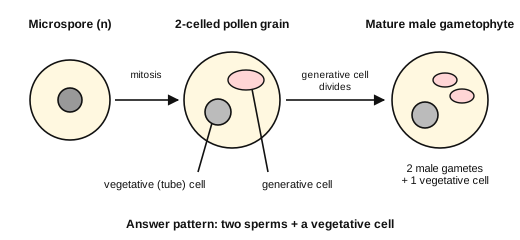
Concept: The pollen grain is the male gametophyte. Microspore → mitosis → large vegetative (tube) cell + small generative cell; the generative cell divides to form 2 male gametes.

  1. Mature male gametophyte = 1 vegetative cell + 2 male gametes (sperms).
  2. Both sperms are needed for double fertilisation (syngamy + triple fusion).
  3. Hence (B); (A), (C), (D) give wrong numbers.

Short trick: Double fertilisation needs two sperms; the tube nucleus is the one vegetative cell.

Answer: (B) Two sperms and a vegetative cell

अवधारणा: परागकण नर युग्मकोद्भिद् है। लघुबीजाणु → समसूत्री विभाजन → बड़ी कायिक (नलिका) कोशिका + छोटी जनन कोशिका; जनन कोशिका विभाजित होकर 2 नर युग्मक बनाती है।

  1. परिपक्व नर युग्मकोद्भिद् = 1 कायिक कोशिका + 2 नर युग्मक (शुक्राणु)।
  2. दोहरे निषेचन (युग्मक संलयन + त्रिसंलयन) के लिए दोनों शुक्राणु आवश्यक हैं।
  3. अतः (B); (A), (C), (D) गलत संख्या बताते हैं।

शॉर्ट ट्रिक: दोहरे निषेचन को दो शुक्राणु चाहिए; नलिका केन्द्रक एक कायिक कोशिका है।

उत्तर: (B) दो शुक्राणु और एक कायिक कोशिका

NEET UGBiologySexual reproduction in flowering plants – male gametophyteNEET UG 2015 · 25 Jul Shift 1
Q2130.
Coconut water from a tender coconut is:
कच्चे नारियल का नारियल-पानी है:
  1. ADegenerated nucellusअपहासित बीजाण्डकाय
  2. BImmature embryoअपरिपक्व भ्रूण
  3. CFree nuclear endospermमुक्त-केन्द्रकी भ्रूणपोष
  4. DInnermost layers of the seed coatबीजावरण की सबसे भीतरी परतें
Show answer

Concept: In coconut the primary endosperm nucleus divides repeatedly without wall formation → thousands of free nuclei in liquid = coconut water; the white kernel is the later cellular endosperm.

  1. Coconut water = free-nuclear endosperm ✔ (C).
  2. Nucellus is consumed early; the embryo is a tiny separate structure; the seed coat is the hard shell side, not the liquid.

Short trick: Tender coconut: water = free-nuclear endosperm; kernel (malai) = cellular endosperm.

Answer: (C) Free nuclear endosperm

अवधारणा: नारियल में प्राथमिक भ्रूणपोष केन्द्रक बिना भित्ति निर्माण के बार-बार विभाजित होता है → तरल में हज़ारों मुक्त केन्द्रक = नारियल-पानी; सफ़ेद गिरी बाद में बना कोशिकीय भ्रूणपोष है।

  1. नारियल-पानी = मुक्त-केन्द्रकी भ्रूणपोष ✔ (C)।
  2. बीजाण्डकाय पहले ही उपभोग हो जाता है; भ्रूण एक छोटी अलग संरचना है; बीजावरण कठोर खोल की ओर है, तरल नहीं।

शॉर्ट ट्रिक: कच्चा नारियल: पानी = मुक्त-केन्द्रकी भ्रूणपोष; गिरी (मलाई) = कोशिकीय भ्रूणपोष।

उत्तर: (C) मुक्त-केन्द्रकी भ्रूणपोष

NEET UGBiologySexual reproduction in flowering plants – endospermNEET UG 2015 · 25 Jul Shift 1
Q2131.
The species confined to a particular region and not found elsewhere is termed as:
किसी विशेष क्षेत्र तक सीमित तथा अन्यत्र न पाई जाने वाली जाति कहलाती है:
  1. ARareदुर्लभ
  2. BKeystoneकीस्टोन (मूलाधार)
  3. CAlienविदेशी
  4. DEndemicस्थानिक
Show answer

Concept: Endemic species are restricted to one region (e.g. many species of the Western Ghats).

  1. Rare – few individuals, may occur in many places.
  2. Keystone – a species with a disproportionately large role in community function.
  3. Alien – introduced from elsewhere (e.g. Parthenium, Nile perch).
  4. Endemic – confined to that region ✔.

Short trick: Endemic = "found only here"; Alien = "came from outside".

Answer: (D) Endemic

अवधारणा: स्थानिक जातियाँ एक ही क्षेत्र तक सीमित होती हैं (जैसे पश्चिमी घाट की अनेक जातियाँ)।

  1. दुर्लभ – कम संख्या, अनेक स्थानों पर हो सकती है।
  2. कीस्टोन – समुदाय के कार्य में असाधारण रूप से बड़ी भूमिका वाली जाति।
  3. विदेशी – बाहर से लाई गई (जैसे Parthenium, नील पर्च)।
  4. स्थानिक – उसी क्षेत्र तक सीमित ✔।

शॉर्ट ट्रिक: स्थानिक = "केवल यहीं"; विदेशी = "बाहर से आई"।

उत्तर: (D) स्थानिक

NEET UGBiologyBiodiversity – endemismNEET UG 2015 · 25 Jul Shift 1
Q2132.
Metagenesis refers to:
मेटाजेनेसिस का अर्थ है:
  1. APresence of a segmented body and parthenogenetic mode of reproductionखंडित शरीर तथा अनिषेकजनन द्वारा जनन की उपस्थिति
  2. BPresence of different morphic formsविभिन्न रूपों (बहुरूपता) की उपस्थिति
  3. CAlternation of generation between asexual and sexual phases of an organismकिसी जीव की अलैंगिक और लैंगिक प्रावस्थाओं के बीच पीढ़ी एकांतरण
  4. DOccurrence of a drastic change in form during post-embryonic developmentभ्रूणोत्तर परिवर्धन के दौरान रूप में तीव्र परिवर्तन
Show answer

Concept: In cnidarians like Obelia, the asexual polyp buds off medusae and the sexual medusa forms polyps – this alternation is metagenesis.

  1. (C) ✔ – asexual (polyp) ↔ sexual (medusa) generations alternate.
  2. (A) describes nothing specific (parthenogenesis is a different phenomenon).
  3. (B) is polymorphism.
  4. (D) is metamorphosis.

Short trick: Meta-genesis = change of generation; Meta-morphosis = change of form.

Answer: (C) Alternation of generation between asexual and sexual phases of an organism

अवधारणा: Obelia जैसे नाइडेरिया में अलैंगिक पॉलिप मुकुलन से मेड्यूसा बनाता है और लैंगिक मेड्यूसा पॉलिप बनाता है – यह एकांतरण मेटाजेनेसिस है।

  1. (C) ✔ – अलैंगिक (पॉलिप) ↔ लैंगिक (मेड्यूसा) पीढ़ियाँ एकांतरित होती हैं।
  2. (A) किसी विशिष्ट परिघटना का वर्णन नहीं (अनिषेकजनन अलग परिघटना है)।
  3. (B) बहुरूपता है।
  4. (D) कायांतरण है।

शॉर्ट ट्रिक: Meta-genesis = पीढ़ी का परिवर्तन; Meta-morphosis = रूप का परिवर्तन।

उत्तर: (C) किसी जीव की अलैंगिक और लैंगिक प्रावस्थाओं के बीच पीढ़ी एकांतरण

NEET UGBiologyAnimal kingdom – metagenesisNEET UG 2015 · 25 Jul Shift 1
Q2133.
The enzymes that is not present in succus entericus is:
सक्कस एंटेरिकस (आंत्र रस) में अनुपस्थित एंजाइम है:
  1. ALipaseलाइपेज़
  2. BMaltaseमाल्टेज़
  3. CNucleasesन्यूक्लिएज़
  4. DNucleosidaseन्यूक्लियोसाइडेज़
Show answer

Concept: NCERT: succus entericus contains disaccharidases (maltase, lactase, sucrase), dipeptidases, lipases, nucleosidases (and nucleotidases).

  1. Lipase, maltase and nucleosidase – all in intestinal juice.
  2. Nucleases (DNase, RNase) are secreted in pancreatic juice, acting on nucleic acids → nucleotides.
  3. So nucleases are absent from succus entericus → (C).

Short trick: Nucleic acid digestion relay: pancreas – nucleases; intestine – nucleotidases → nucleosidases.

Answer: (C) Nucleases

अवधारणा: NCERT: सक्कस एंटेरिकस में डाइसैकेराइडेज़ (माल्टेज़, लैक्टेज़, सुक्रेज़), डाइपेप्टिडेज़, लाइपेज़, न्यूक्लियोसाइडेज़ (और न्यूक्लियोटाइडेज़) होते हैं।

  1. लाइपेज़, माल्टेज़ और न्यूक्लियोसाइडेज़ – सभी आंत्र रस में हैं।
  2. न्यूक्लिएज़ (DNase, RNase) अग्न्याशयी रस में स्रावित होते हैं, जो न्यूक्लिक अम्ल → न्यूक्लियोटाइड बनाते हैं।
  3. अतः न्यूक्लिएज़ आंत्र रस में अनुपस्थित हैं → (C)।

शॉर्ट ट्रिक: न्यूक्लिक अम्ल पाचन क्रम: अग्न्याशय – न्यूक्लिएज़; आंत – न्यूक्लियोटाइडेज़ → न्यूक्लियोसाइडेज़।

उत्तर: (C) न्यूक्लिएज़

NEET UGBiologyDigestion – intestinal juiceNEET UG 2015 · 25 Jul Shift 1
Q2134.
Eutrophication of water bodies leading to killing of fishes is mainly due to non-availability of :
जलाशयों के सुपोषण से मछलियों की मृत्यु मुख्यतः किसकी अनुपलब्धता के कारण होती है?
  1. AOxygenऑक्सीजन
  2. BFoodभोजन
  3. CLightप्रकाश
  4. DEssential mineralsआवश्यक खनिज
Show answer

Concept: Nutrient (N, P) enrichment → algal bloom → algae die → decomposers consume dissolved oxygen (high BOD) → fish suffocate.

  1. Food and minerals are in excess, not lacking.
  2. Light is cut off at depth by the bloom, but fish die mainly from lack of dissolved O2.
  3. Hence oxygen → (A).

Short trick: Eutrophication chain: Nutrients ↑ → Algae ↑ → Decay ↑ → BOD ↑ → DO ↓ → Fish die.

Answer: (A) Oxygen

अवधारणा: पोषक (N, P) वृद्धि → शैवाल प्रस्फुटन → शैवाल मरते हैं → अपघटक घुलित ऑक्सीजन का उपभोग करते हैं (उच्च BOD) → मछलियों का दम घुटता है।

  1. भोजन और खनिज अधिकता में हैं, कमी नहीं।
  2. प्रस्फुटन से गहराई में प्रकाश रुकता है, पर मछलियाँ मुख्यतः घुलित O2 की कमी से मरती हैं।
  3. अतः ऑक्सीजन → (A)।

शॉर्ट ट्रिक: सुपोषण शृंखला: पोषक ↑ → शैवाल ↑ → अपघटन ↑ → BOD ↑ → DO ↓ → मछलियाँ मरती हैं।

उत्तर: (A) ऑक्सीजन

NEET UGBiologyEnvironmental issues – eutrophicationNEET UG 2015 · 25 Jul Shift 1
Q2135.
The function of the gap junction is to :
अंतराली संधि (gap junction) का कार्य है :
  1. AStop substance from leaking across a tissueऊतक के आर-पार पदार्थों के रिसाव को रोकना
  2. BPerforming cementing to keep neighbouring cells togetherपड़ोसी कोशिकाओं को साथ रखने के लिए सीमेंट का कार्य करना
  3. CFacilitate communication between adjoining cells by connecting the cytoplasm for rapid transfer of ions, small molecules and some large moleculesआयनों, छोटे अणुओं और कुछ बड़े अणुओं के तीव्र स्थानांतरण हेतु कोशिकाद्रव्य को जोड़कर निकटवर्ती कोशिकाओं के बीच संचार को सुगम बनाना
  4. DSeparate two cells from each other.दो कोशिकाओं को एक-दूसरे से पृथक करना।
Show answer

Concept: Animal epithelia have three junctions: tight (seal), adhering (cement) and gap (communication).

  1. (A) is the function of tight junctions.
  2. (B) is the function of adhering junctions (desmosomes).
  3. (C) ✔ gap junctions – connexon channels join cytoplasm of adjacent cells.
  4. (D) no junction separates cells – junctions join them.

Short trick: NCERT trio: Tight – Tight seal; Adhering – Adhesive cement; Gap – Gateway for communication.

Answer: (C) Facilitate communication between adjoining cells by connecting the cytoplasm for rapid transfer of ions, small molecules and some large molecules

अवधारणा: जंतु उपकला में तीन संधियाँ होती हैं: दृढ़ (सील), आसंजी (सीमेंट) और अंतराली (संचार)।

  1. (A) दृढ़ संधि का कार्य है।
  2. (B) आसंजी संधि (डेस्मोसोम) का कार्य है।
  3. (C) ✔ अंतराली संधि – कनेक्सॉन नलिकाएँ निकटवर्ती कोशिकाओं के कोशिकाद्रव्य को जोड़ती हैं।
  4. (D) कोई संधि कोशिकाओं को पृथक नहीं करती – संधियाँ उन्हें जोड़ती हैं।

शॉर्ट ट्रिक: NCERT तिकड़ी: दृढ़ – सील; आसंजी – सीमेंट; अंतराली – संचार का द्वार।

उत्तर: (C) आयनों, छोटे अणुओं और कुछ बड़े अणुओं के तीव्र स्थानांतरण हेतु कोशिकाद्रव्य को जोड़कर निकटवर्ती कोशिकाओं के बीच संचार को सुगम बनाना

NEET UGBiologyStructural organisation in animals – cell junctionsNEET UG 2015 · 25 Jul Shift 1
Q2136.
Match the following list of microbes and their importance:
MicrobeImportance
(a) Saccharomyces cerevisiae(i) Production of immunosuppressive agents
(b) Monascus purpureus(ii) Ripening of Swiss cheese
(c) Trichoderma polysporum(iii) Commercial production of ethanol
(d) Propionibacterium shermanii(iv) Production of blood-cholesterol lowering agents
सूक्ष्मजीवों की निम्नलिखित सूची का उनके महत्व से मिलान कीजिए:
सूक्ष्मजीवमहत्व
(a) Saccharomyces cerevisiae(i) प्रतिरक्षा-निरोधक कारकों का उत्पादन
(b) Monascus purpureus(ii) स्विस चीज़ का पकना
(c) Trichoderma polysporum(iii) एथेनॉल का व्यावसायिक उत्पादन
(d) Propionibacterium shermanii(iv) रक्त-कोलेस्टेरॉल कम करने वाले कारकों का उत्पादन
  1. A(a)-(iii), (b)-(i), (c)-(iv), (d)-(ii)
  2. B(a)-(iii), (b)-(iv), (c)-(i), (d)-(ii)
  3. C(a)-(iv), (b)-(iii), (c)-(ii), (d)-(i)
  4. D(a)-(iv), (b)-(ii), (c)-(i), (d)-(iii)
Show answer

Concept: Industrial microbes (NCERT): brewer's yeast → ethanol; Monascus → statins; Trichoderma → cyclosporin A; Propionibacterium → Swiss cheese.

  1. (a) S. cerevisiae – commercial ethanol → (iii).
  2. (b) Monascus purpureus – statins (blood-cholesterol lowering, competitive inhibitors of HMG-CoA reductase) → (iv).
  3. (c) Trichoderma polysporum – cyclosporin A, immunosuppressant in organ transplant → (i).
  4. (d) Propionibacterium shermanii – CO2 makes the big holes of Swiss cheese → (ii).
  5. a-iii, b-iv, c-i, d-ii → (B). (A) swaps b and c; (C), (D) start with a-iv, already wrong.

Short trick: "Monascus lowers Monster cholesterol (statin)", "Trichoderma for Transplant (cyclosporin)", "Shermanii – Swiss cheese".

Answer: (B) (a)-(iii), (b)-(iv), (c)-(i), (d)-(ii)

अवधारणा: औद्योगिक सूक्ष्मजीव (NCERT): ब्रुअर यीस्ट → एथेनॉल; Monascus → स्टैटिन; Trichoderma → साइक्लोस्पोरिन A; Propionibacterium → स्विस चीज़।

  1. (a) S. cerevisiae – व्यावसायिक एथेनॉल → (iii)।
  2. (b) Monascus purpureus – स्टैटिन (रक्त-कोलेस्टेरॉल कम करने वाले, HMG-CoA रिडक्टेज़ के प्रतिस्पर्धी संदमक) → (iv)।
  3. (c) Trichoderma polysporum – साइक्लोस्पोरिन A, अंग-प्रत्यारोपण में प्रतिरक्षा-निरोधक → (i)।
  4. (d) Propionibacterium shermanii – CO2 से स्विस चीज़ में बड़े छिद्र बनते हैं → (ii)।
  5. a-iii, b-iv, c-i, d-ii → (B)। (A) में b और c बदले हुए हैं; (C), (D) a-iv से शुरू होते हैं, अतः पहले ही गलत।

शॉर्ट ट्रिक: "Monascus – Monster कोलेस्टेरॉल घटाए (स्टैटिन)", "Trichoderma – Transplant (साइक्लोस्पोरिन)", "Shermanii – Swiss चीज़"।

उत्तर: (B) (a)-(iii), (b)-(iv), (c)-(i), (d)-(ii)

NEET UGBiologyMicrobes in human welfare – industrial productsNEET UG 2015 · 25 Jul Shift 1
Q2137.
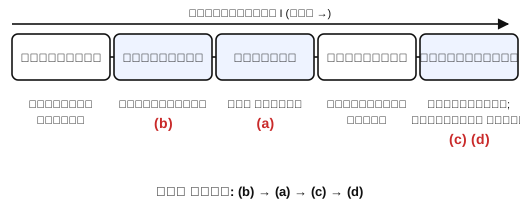
Arrange the following events of meiosis in correct sequence
(a) Crossing over
(b) Synapsis
(c) Terminalisation of chiasmata
(d) Disappearance of nucleolus
अर्धसूत्री विभाजन की निम्नलिखित घटनाओं को सही क्रम में व्यवस्थित कीजिए
(a) जीन विनिमय (क्रॉसिंग ओवर)
(b) सूत्रयुग्मन (सिनैप्सिस)
(c) काएज़्मेटा का उपान्तीभवन (terminalisation)
(d) केन्द्रिका का लुप्त होना
  1. A(b), (c), (d), (a)
  2. B(b), (a), (d), (c)
  3. C(b), (a), (c), (d)
  4. D(a), (b), (c), (d)
Show answer

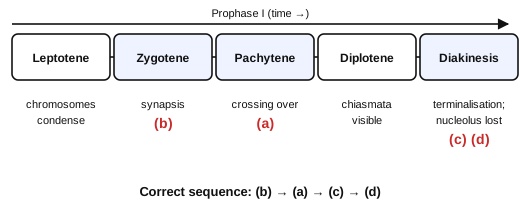
Concept: Prophase I sub-stages: Leptotene → Zygotene → Pachytene → Diplotene → Diakinesis.

  1. Zygotene – homologues pair: synapsis (b).
  2. Pachytene – crossing over between non-sister chromatids (a).
  3. Diplotene – chiasmata seen; diakinesis – terminalisation of chiasmata (c), then nucleolus disappears and nuclear envelope breaks (d) as prophase I ends.
  4. Sequence b → a → c → d → (C). (A) puts crossing over last, (B) loses nucleolus before terminalisation, (D) has crossing over before synapsis.

Short trick: "Lazy Zebras Play During Day" – Lepto, Zygo (synapsis), Pachy (crossing over), Diplo (chiasmata), Diakinesis (terminalisation, nucleolus gone).

Answer: (C) (b), (a), (c), (d)

अवधारणा: पूर्वावस्था I की उप-अवस्थाएँ: लेप्टोटीन → ज़ाइगोटीन → पैकीटीन → डिप्लोटीन → डायकाइनेसिस।

  1. ज़ाइगोटीन – समजात गुणसूत्र जोड़ा बनाते हैं: सूत्रयुग्मन (b)।
  2. पैकीटीन – असहोदर अर्धगुणसूत्रों के बीच जीन विनिमय (a)।
  3. डिप्लोटीन – काएज़्मेटा दिखते हैं; डायकाइनेसिस – काएज़्मेटा का उपान्तीभवन (c), फिर पूर्वावस्था I के अंत में केन्द्रिका लुप्त होती है और केन्द्रक आवरण टूटता है (d)।
  4. क्रम b → a → c → d → (C)। (A) में जीन विनिमय अंत में है, (B) में केन्द्रिका उपान्तीभवन से पहले लुप्त है, (D) में जीन विनिमय सूत्रयुग्मन से पहले है।

शॉर्ट ट्रिक: "Lazy Zebras Play During Day" – लेप्टो, ज़ाइगो (सूत्रयुग्मन), पैकी (जीन विनिमय), डिप्लो (काएज़्मेटा), डायकाइनेसिस (उपान्तीभवन, केन्द्रिका लुप्त)।

उत्तर: (C) (b), (a), (c), (d)

NEET UGBiologyCell cycle – prophase I of meiosisNEET UG 2015 · 25 Jul Shift 1
Q2138.
The cutting of DNA at specific locations became possible with the discovery of:
विशिष्ट स्थानों पर DNA को काटना किसकी खोज से संभव हुआ?
  1. ALigasesलाइगेज़
  2. BRestriction enzymesप्रतिबंधन एंजाइम
  3. CProbesप्रोब
  4. DSelectable markersवरण योग्य चिह्नक
Show answer

Concept: Restriction endonucleases ("molecular scissors") recognise specific palindromic sequences and cut DNA there (e.g. EcoRI at GAATTC).

  1. Ligases join DNA fragments, they do not cut.
  2. Probes are labelled sequences used to detect complementary DNA.
  3. Selectable markers help select transformants (e.g. antibiotic resistance).
  4. Only restriction enzymes cut at specific sites → (B).

Short trick: Scissors = restriction enzyme; glue = ligase.

Answer: (B) Restriction enzymes

अवधारणा: प्रतिबंधन एंडोन्यूक्लिएज़ ("आण्विक कैंची") विशिष्ट पैलिंड्रोमिक अनुक्रम पहचानकर वहीं DNA काटते हैं (जैसे EcoRI, GAATTC पर)।

  1. लाइगेज़ DNA खंडों को जोड़ते हैं, काटते नहीं।
  2. प्रोब पूरक DNA का पता लगाने हेतु प्रयुक्त चिह्नित अनुक्रम हैं।
  3. वरण योग्य चिह्नक रूपांतरितों के चयन में सहायक हैं (जैसे प्रतिजैविक प्रतिरोध)।
  4. केवल प्रतिबंधन एंजाइम विशिष्ट स्थलों पर काटते हैं → (B)।

शॉर्ट ट्रिक: कैंची = प्रतिबंधन एंजाइम; गोंद = लाइगेज़।

उत्तर: (B) प्रतिबंधन एंजाइम

NEET UGBiologyBiotechnology – restriction enzymesNEET UG 2015 · 25 Jul Shift 1
Q2139.
During biological nitrogen fixation, inactivation of nitrogenase by oxygen poisoning prevented by :
जैविक नाइट्रोजन स्थिरीकरण के दौरान ऑक्सीजन विषाक्तता द्वारा नाइट्रोजिनेज़ का निष्क्रियकरण किसके द्वारा रोका जाता है?
  1. ACytochromeसाइटोक्रोम
  2. BLeghaemoglobinलेगहीमोग्लोबिन
  3. CXanthophyllज़ैन्थोफिल
  4. DCaroteneकैरोटीन
Show answer

Concept: Nitrogenase is extremely O2-sensitive; root nodules contain the pink pigment leghaemoglobin, an oxygen scavenger.

  1. Leghaemoglobin binds O2 and keeps the nodule interior nearly anaerobic, while still supplying O2 for respiration → (B).
  2. Cytochromes are electron carriers; xanthophyll and carotene are photosynthetic accessory pigments – none protect nitrogenase.

Short trick: Pink nodule = Leghaemoglobin (found in legumes) = O2 sponge.

Answer: (B) Leghaemoglobin

अवधारणा: नाइट्रोजिनेज़ O2 के प्रति अत्यधिक संवेदनशील है; मूल ग्रंथिकाओं में गुलाबी वर्णक लेगहीमोग्लोबिन ऑक्सीजन-अपमार्जक का कार्य करता है।

  1. लेगहीमोग्लोबिन O2 को बाँधकर ग्रंथिका के भीतर लगभग अवायवीय स्थिति रखता है, साथ ही श्वसन के लिए O2 देता है → (B)।
  2. साइटोक्रोम इलेक्ट्रॉन वाहक हैं; ज़ैन्थोफिल और कैरोटीन प्रकाश-संश्लेषी सहायक वर्णक हैं – कोई भी नाइट्रोजिनेज़ की रक्षा नहीं करता।

शॉर्ट ट्रिक: गुलाबी ग्रंथिका = Leghaemoglobin (legume में) = O2 स्पंज।

उत्तर: (B) लेगहीमोग्लोबिन

NEET UGBiologyMineral nutrition – nitrogen fixationNEET UG 2015 · 25 Jul Shift 1
Q2140.
Grafted kidney may be rejected in a patient due to
रोगी में प्रत्यारोपित वृक्क किस कारण अस्वीकृत हो सकता है?
  1. AInnate immune responseसहज प्रतिरक्षा अनुक्रिया
  2. BHumoral immune responseतरल (ह्यूमोरल) प्रतिरक्षा अनुक्रिया
  3. CCell-mediated immune responseकोशिका-माध्यित प्रतिरक्षा अनुक्रिया
  4. DPassive immune responseनिष्क्रिय प्रतिरक्षा अनुक्रिया
Show answer

Concept: NCERT: the body can differentiate "self" and "non-self" and the cell-mediated immune response (T-lymphocytes) is responsible for graft rejection.

  1. T-cells recognise foreign MHC (HLA) on the graft and destroy it → (C).
  2. Humoral (antibody/B-cell) response acts mainly on extracellular pathogens; innate immunity is non-specific; passive immunity is ready-made antibodies given from outside.
  3. Hence tissue/HLA matching and immunosuppressants (cyclosporin A) are used in transplants.

Short trick: Graft rejection = T cells = Transplant rejection.

Answer: (C) Cell-mediated immune response

अवधारणा: NCERT: शरीर "स्व" और "पर" में भेद कर सकता है और कोशिका-माध्यित प्रतिरक्षा अनुक्रिया (T-लसीकाणु) निरोप (graft) अस्वीकृति के लिए उत्तरदायी है।

  1. T-कोशिकाएँ निरोप पर विदेशी MHC (HLA) पहचानकर उसे नष्ट करती हैं → (C)।
  2. तरल (प्रतिरक्षी/B-कोशिका) अनुक्रिया मुख्यतः कोशिका-बाह्य रोगजनकों पर कार्य करती है; सहज प्रतिरक्षा अविशिष्ट है; निष्क्रिय प्रतिरक्षा बाहर से दिए गए तैयार प्रतिरक्षी हैं।
  3. इसीलिए प्रत्यारोपण में ऊतक/HLA मिलान और प्रतिरक्षा-निरोधक (साइक्लोस्पोरिन A) प्रयुक्त होते हैं।

शॉर्ट ट्रिक: निरोप अस्वीकृति = T कोशिकाएँ = Transplant अस्वीकृति।

उत्तर: (C) कोशिका-माध्यित प्रतिरक्षा अनुक्रिया

NEET UGBiologyHuman health & disease – immunityNEET UG 2015 · 25 Jul Shift 1